On This Page
Description
Sethe, an escaped slave living in post-Civil War Ohio with her daughter and mother-in-law, is persistently haunted by the ghost of her dead baby girl.Tags
Recommendations


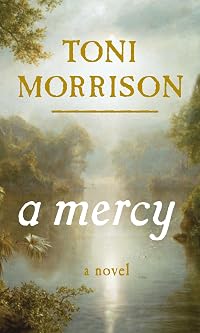

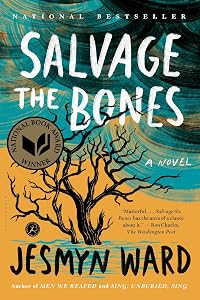
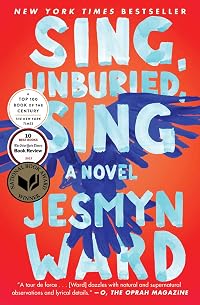
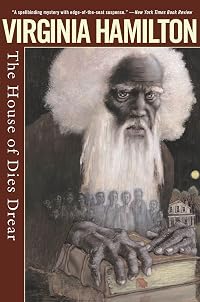

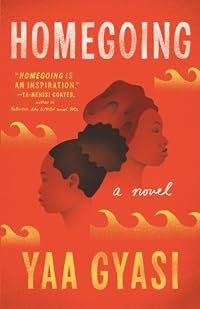
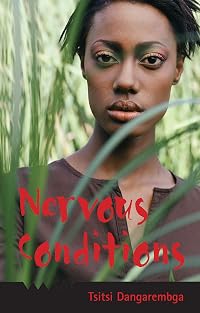
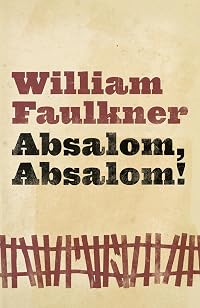
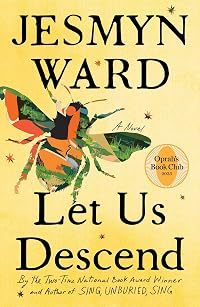
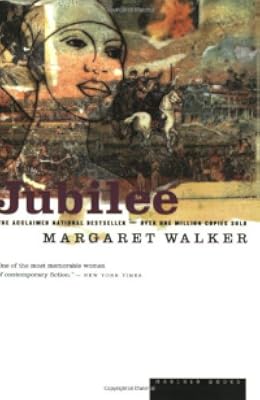
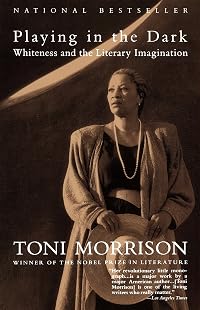
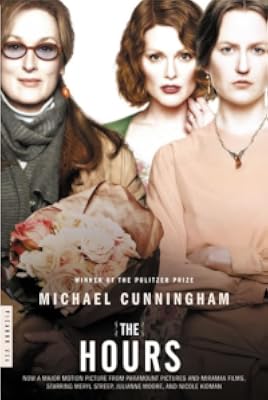
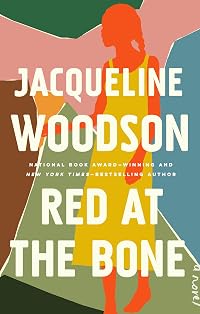

Member Recommendations
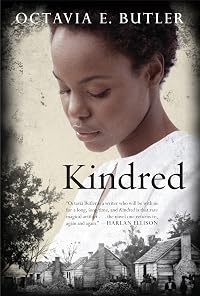
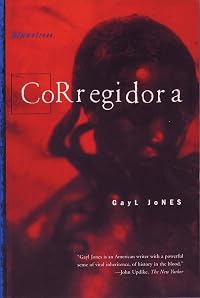
hyacinthony I was reminded by Morrison's poetic narrative voice at the end of part 2 of Vernon's narrative style. Both books convey a powerful and mysterious spiritual force embedded in the violence of post-slavery african american conditions.
20
cammykitty This collection of short stories is nowhere near as dark as Beloved, but it's worth following these tales to the crossroads.
21
PghDragonMan The true meaning of freedom, the price of freedom, cruel things people do in the name of love and cruel acts performed without love are the focus of these books.
11
karmiel Both books include a strong woman who attempts to build her life as a free woman after escaping/exiting slavery.
22
shaunie Morrison's masterpiece is a clear influence on Whitehead's book, and his is one of the very few I've read which bears comparison with it. In fact I'd go so far as to say it's also a masterpiece, a stunningly good read!
22
Member Reviews
A novel about things that come back, and that never go away. Troubles you can't avoid, bad memories that resurface. Beloved is a ghost story, but first it is a story about black slavery and the lives it stole, the alternative could-have-beens and should-have-beens that would never be for those who struggled under it, who survived with what little life they could make or else did not. By extension it is a story about how much one person can tolerate before they reach a breaking point, and the forms that breaking can take. Paul D endures more and longer than anyone, has seen all of his fellow slaves' fates play out before him. He is left with only the unanswerable repeated question, "Why?"
Some brilliant passages toward the end reminded me show more of the last chapter from James Joyce's Ulysses, in which everything is made clear and not clear simultaneously - the tumult of thoughts stitched through with emotion. It's followed by an oddly conventional denouement and I think Ella should have been introduced sooner, but it works to demonstrate a community's power to heal wounds which individuals cannot. show less
Some brilliant passages toward the end reminded me show more of the last chapter from James Joyce's Ulysses, in which everything is made clear and not clear simultaneously - the tumult of thoughts stitched through with emotion. It's followed by an oddly conventional denouement and I think Ella should have been introduced sooner, but it works to demonstrate a community's power to heal wounds which individuals cannot. show less
[My Antonia] by Willa Cather and [Beloved] by Toni Morrison
Life is filled with remembrance, honeyed with nostalgia or seasoned with sour regret. Some of the best books tap into the yen to look back at a time that has lost reality’s sharp edges, glowing in our collective memory as a better or simpler time. Others seek to shine hindsight’s harsh light, to expose any such wistful longing as a distorting toxin. The truth, as always, probably lies somewhere between.
A bunny cake, with coconut frosting is my earliest memory. I was obsessed with Bugs Bunny; his silly antics struck a cord with my as yet undeveloped brain. There was something special about that crazy animal, able to outwit man and beast alike yet still humble enough to not show more take himself too seriously. Believing she could work any miracle, in the kitchen or beyond, I begged for a Bugs Bunny cake, with coconut frosting, of course. These were the days before many specialty bakeries existed, before the country developed a sense of entitlement to purchase anything that could be imagined, when little boy’s dreams depended on a mother’s ingenuity and devotion. Baking a cake in such an unusual and intricate shape didn’t seem like too much to ask. He was a famous and heroic figure, after all – there must be cakes made in his likeness. Like all things I asked my mother to produce, the bunny cake appeared, furry with coconut and complete with black whiskers. I’m told that I can’t remember this event, as it was my second birthday, that I must have seen a picture that I’ve confused as a memory. But no one can produce the picture, and I remember the candlelight dancing across that bunny’s coconut fur. That event stands in my memory like a baptism of sorts, initiating me into the faith that my mother could do anything – she need only be asked. Of course, in later years, apostasy arrived with a teenaged fury. But like all prodigals, I returned as I grew to respect the love and devotion that produced the miracles of my youth – the middle ground between nostalgia and reality’s harsh light.
Willa Cather’s elegiac [My Antonia] is hazy with honeyed nostalgia. It is a book sitting atop a small rise in the plains and looking back over what has become of a way of life, of a place and people deeply rooted in the soil watching as the world careens off in a different direction. There is a truth to the remembrance, to freezing a place’s sensations in amber to look back on as encouragement against tomorrow’s severity. And that’s what [My Antonia] is about: Jim Burden, unhappy with his job’s mundanity, looking back on his childhood hero and love, Antonia. Her wildness, her steely determination, her beauty; all things that he associates with the vast prairie where they lived and things he longs for in his adult life. Listen to Willa as Jim remembers evenings with Antonia:
“All those afternoons were the same, but I never got used to them. As far as we could see, the miles of copper-red grass were drenched in sunlight that was stronger and fiercer than any other time of the day. The blond cornfields were red gold, the haystacks turned rosy and threw long shadows. The whole prarie was like the bush that burned with fire and was not consumed. That hour always had the exultation of victory, of triumphant ending, like a hero’s death – heroes who died young and gloriously. It was a sudden transfiguration, a lifting-up of day.”
As beautiful as Jim’s memory is, it is tainted by the place from where he views it all, as you can see in the next paragraph:
“How many an afternoon Antonia and I have trailed along the prarie under that magnificence! And always two long black shadows flitted before us or followed after, dark spots on the ruddy grass.”
Those shadows that were sometimes ahead and sometimes chasing them are the events that cast them away from youth’s simple and enveloping beauty. It is these shadows that Jim speaks from as a man, longing for the childhood’s lost rays. They are the shadows from which I see the candlelight dancing on a cake in the shape of a bunny.
On the other hand, for the characters in Toni Morrison’s [Beloved], “Remembering seemed unwise.” Rather than looking back into soft amber light, Morrison’s characters speak from the shadows into darkness. Indeed, the fowl past is embodied in a specter that has seized flesh and blood to haunt Sethe and her daughter Denver. Having killed her infant rather than see it be enslaved, the child first haunts her home as a poltergeist, and then, when a threatening force arrives in Paul D, an old friend, the ghost takes on human form, pulling Sethe and Denver into an obsessive spiral. Though Beloved is the impetus for the plot, the story is really how Sethe and Paul D arrived at this point in their lives, how they survived brutal conditions to see freedom and how the choices that led to their freedom haunt their souls. Looking back for these two is to look into an abyss. And yet at the end of the book, Paul D rescues Sethe from a suicidal malaise, remembering what another of their friends said about the love of his life:
“She is a friend of my mind. She gather me, man. The pieces I am, she gather them and give them back to me in all the right order. It’s good, you know, when you got a woman who is a friend of your mind.”
Even from the darkness, Paul D sees a faint light in the past, a salvation in his memory. That’s that candlelight I see dancing on a bunny’s coconut fur in my memory.
There are few books more beautifully written than [My Antonia] and few books more stark and difficult than [Beloved]. But they both stand for what remembrance holds, whether dark or amber, and that in the light of either, hope glimmers.
Bottom Line: The light and dark of memory.
4 bones!!!!! show less
Life is filled with remembrance, honeyed with nostalgia or seasoned with sour regret. Some of the best books tap into the yen to look back at a time that has lost reality’s sharp edges, glowing in our collective memory as a better or simpler time. Others seek to shine hindsight’s harsh light, to expose any such wistful longing as a distorting toxin. The truth, as always, probably lies somewhere between.
A bunny cake, with coconut frosting is my earliest memory. I was obsessed with Bugs Bunny; his silly antics struck a cord with my as yet undeveloped brain. There was something special about that crazy animal, able to outwit man and beast alike yet still humble enough to not show more take himself too seriously. Believing she could work any miracle, in the kitchen or beyond, I begged for a Bugs Bunny cake, with coconut frosting, of course. These were the days before many specialty bakeries existed, before the country developed a sense of entitlement to purchase anything that could be imagined, when little boy’s dreams depended on a mother’s ingenuity and devotion. Baking a cake in such an unusual and intricate shape didn’t seem like too much to ask. He was a famous and heroic figure, after all – there must be cakes made in his likeness. Like all things I asked my mother to produce, the bunny cake appeared, furry with coconut and complete with black whiskers. I’m told that I can’t remember this event, as it was my second birthday, that I must have seen a picture that I’ve confused as a memory. But no one can produce the picture, and I remember the candlelight dancing across that bunny’s coconut fur. That event stands in my memory like a baptism of sorts, initiating me into the faith that my mother could do anything – she need only be asked. Of course, in later years, apostasy arrived with a teenaged fury. But like all prodigals, I returned as I grew to respect the love and devotion that produced the miracles of my youth – the middle ground between nostalgia and reality’s harsh light.
Willa Cather’s elegiac [My Antonia] is hazy with honeyed nostalgia. It is a book sitting atop a small rise in the plains and looking back over what has become of a way of life, of a place and people deeply rooted in the soil watching as the world careens off in a different direction. There is a truth to the remembrance, to freezing a place’s sensations in amber to look back on as encouragement against tomorrow’s severity. And that’s what [My Antonia] is about: Jim Burden, unhappy with his job’s mundanity, looking back on his childhood hero and love, Antonia. Her wildness, her steely determination, her beauty; all things that he associates with the vast prairie where they lived and things he longs for in his adult life. Listen to Willa as Jim remembers evenings with Antonia:
“All those afternoons were the same, but I never got used to them. As far as we could see, the miles of copper-red grass were drenched in sunlight that was stronger and fiercer than any other time of the day. The blond cornfields were red gold, the haystacks turned rosy and threw long shadows. The whole prarie was like the bush that burned with fire and was not consumed. That hour always had the exultation of victory, of triumphant ending, like a hero’s death – heroes who died young and gloriously. It was a sudden transfiguration, a lifting-up of day.”
As beautiful as Jim’s memory is, it is tainted by the place from where he views it all, as you can see in the next paragraph:
“How many an afternoon Antonia and I have trailed along the prarie under that magnificence! And always two long black shadows flitted before us or followed after, dark spots on the ruddy grass.”
Those shadows that were sometimes ahead and sometimes chasing them are the events that cast them away from youth’s simple and enveloping beauty. It is these shadows that Jim speaks from as a man, longing for the childhood’s lost rays. They are the shadows from which I see the candlelight dancing on a cake in the shape of a bunny.
On the other hand, for the characters in Toni Morrison’s [Beloved], “Remembering seemed unwise.” Rather than looking back into soft amber light, Morrison’s characters speak from the shadows into darkness. Indeed, the fowl past is embodied in a specter that has seized flesh and blood to haunt Sethe and her daughter Denver. Having killed her infant rather than see it be enslaved, the child first haunts her home as a poltergeist, and then, when a threatening force arrives in Paul D, an old friend, the ghost takes on human form, pulling Sethe and Denver into an obsessive spiral. Though Beloved is the impetus for the plot, the story is really how Sethe and Paul D arrived at this point in their lives, how they survived brutal conditions to see freedom and how the choices that led to their freedom haunt their souls. Looking back for these two is to look into an abyss. And yet at the end of the book, Paul D rescues Sethe from a suicidal malaise, remembering what another of their friends said about the love of his life:
“She is a friend of my mind. She gather me, man. The pieces I am, she gather them and give them back to me in all the right order. It’s good, you know, when you got a woman who is a friend of your mind.”
Even from the darkness, Paul D sees a faint light in the past, a salvation in his memory. That’s that candlelight I see dancing on a bunny’s coconut fur in my memory.
There are few books more beautifully written than [My Antonia] and few books more stark and difficult than [Beloved]. But they both stand for what remembrance holds, whether dark or amber, and that in the light of either, hope glimmers.
Bottom Line: The light and dark of memory.
4 bones!!!!! show less
I don’t have very much to say about ‘Beloved’, as it’s gruelling, painful, and horrifying. It deals with the trauma of slavery in a devastatingly effective manner. The writing is beautiful, but only very rarely is there a glimmer of hope amid the horror. This is only fitting, as any novel about slavery will by definition be horrific. Yet the most memorable passage for me was this one:
The impact of this seemingly uplifting speech come from its context: loving oneself and imagining grace is woefully inadequate in the face of white people’s poisonous hatred and cruelty. Baby Suggs, who gives the speech, becomes exhausted and jaded by terrible events.
‘Beloved’ reminds the reader how horrible it is to dwell on slavery and its legacy, how uncomfortable a thing it is to remember, and how easy it is to ignore. It doesn’t let you do something so convenient and cowardly. show less
She told them that the only grace they could have was the grace they could imagine. That if they could not see it, they would not have it.show more
“Here,” she said, “in this here place, we flesh; flesh that weeps, flesh that dances on bare feet in grass. Love it. Love it hard. Yonder they do not love your flesh. They despise it. They don’t love your
eyes; they’d just as soon pick em out. No more do they love the skin on your back. Yonder they flay it. And O my people they do not love your hands. Those they only use, tie, bind, chop off and leave empty. Love your hands! Love them. Raise them up and kiss them. Touch others with them, pat them together, stroke them on your face ‘cause they don’t love that either. You got to love it, you!”
The impact of this seemingly uplifting speech come from its context: loving oneself and imagining grace is woefully inadequate in the face of white people’s poisonous hatred and cruelty. Baby Suggs, who gives the speech, becomes exhausted and jaded by terrible events.
‘Beloved’ reminds the reader how horrible it is to dwell on slavery and its legacy, how uncomfortable a thing it is to remember, and how easy it is to ignore. It doesn’t let you do something so convenient and cowardly. show less
This is the story of a formerly enslaved woman named Sethe who makes an incredibly difficult and shocking decision upon being faced with the possibility of being taken back to Kentucky. We don’t learn the full details of what she did until about two-thirds of the way through the book, but really early on we know that it involves the death of one of her children. She gets a pink gravestone for this daughter with the world “Beloved” cut into the stone.
Fast-forward about 18 years and her youngest daughter is still living at home. Her two sons have long ago left to make their own way in the world. Paul D, whom Sethe knew back the Sweet Home plantation, drops by for a visit and encounters the anger of the ghost that haunts the house. show more It is generally understood that this ghost is Sethe’s dead daughter. A few days later, Beloved arrives on the doorstep. She is about 19 or 20 years old and has no history and no family. She just shows up and there’s something very odd about her.
I really loved this book. I had not realized at the start that it would be a ghost story, but it works really well. It makes sense that the horrors of slavery and its many casualties would manifest in new horrors. It also serves as a good argument against the notion of “good” slaveowners. Sweet Home as run by Mr. Garner was not as cruel as other plantations. Yet when Baby Suggs gets her first taste of freedom in her 60s, she can’t imagine anything better. She realizes that she had never truly lived before that moment.
Beloved tells the history of slavery from the perspective of those hurt most by it. It can be a difficult read at times, but it’s well worth it. This is history that needs to be told, and doing so in this manner, in a novel where we sympathize with each of the protagonists, the emotional impact of this history can be keenly felt by the reader. I really enjoyed this book and look forward to discussing with my book club later this week. show less
Fast-forward about 18 years and her youngest daughter is still living at home. Her two sons have long ago left to make their own way in the world. Paul D, whom Sethe knew back the Sweet Home plantation, drops by for a visit and encounters the anger of the ghost that haunts the house. show more It is generally understood that this ghost is Sethe’s dead daughter. A few days later, Beloved arrives on the doorstep. She is about 19 or 20 years old and has no history and no family. She just shows up and there’s something very odd about her.
I really loved this book. I had not realized at the start that it would be a ghost story, but it works really well. It makes sense that the horrors of slavery and its many casualties would manifest in new horrors. It also serves as a good argument against the notion of “good” slaveowners. Sweet Home as run by Mr. Garner was not as cruel as other plantations. Yet when Baby Suggs gets her first taste of freedom in her 60s, she can’t imagine anything better. She realizes that she had never truly lived before that moment.
Beloved tells the history of slavery from the perspective of those hurt most by it. It can be a difficult read at times, but it’s well worth it. This is history that needs to be told, and doing so in this manner, in a novel where we sympathize with each of the protagonists, the emotional impact of this history can be keenly felt by the reader. I really enjoyed this book and look forward to discussing with my book club later this week. show less
whew. wow. this is hard. and gorgeous. she does something really really special here. both in the writing/storytelling and in the head-on look, without blinking, she requires of the reader. this first came out in 1988 and the way she doesn't look away, and doesn't let us look away, is revolutionary.
as morrison usually is, this is so layered and i'm sure i'm missing a number of those layers. but what i did understand i found utterly heart wrenching and just so powerful and powerfully done. the back of my book says she and this book are "extraordinary" and "a masterwork" and "a triumph" and that she has "shocking talent" and i think that about covers it. all true and not enough.
"They were not holding hands, but their shadows were."
"I'll show more explain to her, even though I don't have to. Why I did it. How if I hadn't killed her she would have died and that is something I could not bear to happen to her."
the part that makes me sit the longest in my discomfort is how she gives us this visceral ugly story aboutmurder and blood and grief and how she then tells us that this isn't the hard part. that white people need to understand that the everyday awfulness is the hard part. that she is making us look at the terror and the thing that is supposed to make us shiver and cringe for the purpose of telling us no - this isn't what i need you to see. i need you to feel about the everyday things the way you feel about this baby covered in blood. is it here:
"...[her] greatest fear was the same one Denver had in the beginning--that Beloved might leave. That before Sethe could make her understand what it meant--what it took to drag the teeth of that saw under the little chin; to feel the baby blood pump like oil in her hands; to hold her face so her head would stay on; to squeeze her so she could absorb, still, the death spasms that shot through that adored body, plump and sweet with life--Beloved might leave. Leave before Sethe could make her realize that worse than that--far worse--was what Baby Suggs died of, what Ella knew, what Stamp saw and what made Paul D tremble. That anybody white could take your whole self for anything that came to mind. Not just work, kill, or maim you, but dirty you. Dirty you so bad you forgot who you were and couldn't think it up." i hope i never forget this message. show less
as morrison usually is, this is so layered and i'm sure i'm missing a number of those layers. but what i did understand i found utterly heart wrenching and just so powerful and powerfully done. the back of my book says she and this book are "extraordinary" and "a masterwork" and "a triumph" and that she has "shocking talent" and i think that about covers it. all true and not enough.
"They were not holding hands, but their shadows were."
"I'll show more explain to her, even though I don't have to. Why I did it. How if I hadn't killed her she would have died and that is something I could not bear to happen to her."
the part that makes me sit the longest in my discomfort is how she gives us this visceral ugly story about
"...[her] greatest fear was the same one Denver had in the beginning--that Beloved might leave. That before Sethe could make her understand what it meant--what it took to drag the teeth of that saw under the little chin; to feel the baby blood pump like oil in her hands; to hold her face so her head would stay on; to squeeze her so she could absorb, still, the death spasms that shot through that adored body, plump and sweet with life--Beloved might leave. Leave before Sethe could make her realize that worse than that--far worse--was what Baby Suggs died of, what Ella knew, what Stamp saw and what made Paul D tremble. That anybody white could take your whole self for anything that came to mind. Not just work, kill, or maim you, but dirty you. Dirty you so bad you forgot who you were and couldn't think it up."
This book is beyond praise - it is like watching an elaborate setup of dominoes falling backward up a hill, to the door of 124, a country house that is bombarded with metaphors of history, culture and race: every sentence is loaded. Brilliant.
...in all of Baby’s life, as well as Sethe’s own, men and women were moved around like checkers. Anybody Baby Suggs knew, let alone loved, who hadn’t run off or been hanged, got rented out, loaned out, bought up, brought back, stored up, mortgaged, won, stolen or seized. What she called the nastiness of life was the shock she received upon learning that nobody stopped playing checkers just because the pieces included her children. (pp 27-28)
Sethe grew up in slavery, raised more by a community of women more than by her own mother, and working mostly for the lady of the house. After Sethe’s husband Halle bought freedom for his mother Baby Suggs, and a new and much crueler master took over the Sweet Home plantation, a group of show more slaves begin planning their escape. Sethe and Halle send their three children first. Sethe is eventually able to get away but Halle doesn’t show. She makes her way across the Ohio River to join her three children and Baby Suggs, giving birth to her daughter Denver during the journey.
Beloved opens eighteen years later; Denver has grown up but the other children are mysteriously absent. Toni Morrison circles around “what happened” for most of this novel, moving between time periods and slowly fleshing out the narrative. Another former slave, Paul D, turns up and helps Sethe learn to love again. But their relationship is threatened by Beloved, a strange girl who appears one day out of nowhere, and Sethe begins to focus more on Beloved’s needs than on Paul D. Slowly, slowly, Beloved’s identity becomes clear and we learn her story.
Beloved is one of Toni Morrison’s best-known works. I first read it more than 20 years ago, and while I knew Beloved’s place in the narrative, I found I remembered very little else about the book so my reading experience was like discovering this work all over again. And it was amazing: beautifully written, emotional, and dramatic, describing through Sethe and Paul D the devastating impact of slavery on the psyche.
That anybody white could take your whole self for anything that came to mind. Not just work, kill, or maim you, but dirty you. Dirty you so bad you couldn't like yourself anymore. Dirty you so bad you forgot who you were and couldn’t think it up. And though she and others lived through and got over it, she could never let it happen to her own. The best thing she was, was her children. (pp 295-296)
This was absolutely brilliant, and has inspired me to read or re-read more books by Toni Morrison to fully appreciate her work and her literary legacy. show less
Sethe grew up in slavery, raised more by a community of women more than by her own mother, and working mostly for the lady of the house. After Sethe’s husband Halle bought freedom for his mother Baby Suggs, and a new and much crueler master took over the Sweet Home plantation, a group of show more slaves begin planning their escape. Sethe and Halle send their three children first. Sethe is eventually able to get away but Halle doesn’t show. She makes her way across the Ohio River to join her three children and Baby Suggs, giving birth to her daughter Denver during the journey.
Beloved opens eighteen years later; Denver has grown up but the other children are mysteriously absent. Toni Morrison circles around “what happened” for most of this novel, moving between time periods and slowly fleshing out the narrative. Another former slave, Paul D, turns up and helps Sethe learn to love again. But their relationship is threatened by Beloved, a strange girl who appears one day out of nowhere, and Sethe begins to focus more on Beloved’s needs than on Paul D. Slowly, slowly, Beloved’s identity becomes clear and we learn her story.
Beloved is one of Toni Morrison’s best-known works. I first read it more than 20 years ago, and while I knew Beloved’s place in the narrative, I found I remembered very little else about the book so my reading experience was like discovering this work all over again. And it was amazing: beautifully written, emotional, and dramatic, describing through Sethe and Paul D the devastating impact of slavery on the psyche.
That anybody white could take your whole self for anything that came to mind. Not just work, kill, or maim you, but dirty you. Dirty you so bad you couldn't like yourself anymore. Dirty you so bad you forgot who you were and couldn’t think it up. And though she and others lived through and got over it, she could never let it happen to her own. The best thing she was, was her children. (pp 295-296)
This was absolutely brilliant, and has inspired me to read or re-read more books by Toni Morrison to fully appreciate her work and her literary legacy. show less
Members
- Recently Added By
Published Reviews
ThingScore 100
As a record of white brutality mitigated by rare acts of decency and compassion, and as a testament to the courageous lives of a tormented people, this novel is a milestone in the chronicling of the black experience in America. It is Morrison writing at the height of her considerable powers, and it should not be missed.
added by g33kgrrl
Morrison traces the shifting shapes of suffering and mythic accommodations, through the shell of psychosis to the core of a victim's dark violence, with a lyrical insistence and a clear sense of the time when a beleaguered peoples' "only grace...was the grace they could imagine."
added by g33kgrrl
Lists

1001 Books You Must Read Before You Die
1,448 works; 1,137 members

The Guardian's 1000 Novels Everyone Must Read
1,005 works; 552 members

Pulitzer Prize Winners for Fiction
102 works; 54 members

Best Historical Fiction
620 works; 261 members

Best Contemporary Literary Fiction (Around the Last 30 Years)
400 works; 124 members

Radcliffe's 100 Best Novel of the 20th Century
100 works; 32 members

Classics you know you should have read but probably haven't
421 works; 409 members
501 Must-Read Books
529 works; 72 members

Great American Novels
158 works; 42 members
Historical Fiction
889 works; 91 members

Magic Realism
371 works; 52 members

The 100 Best Books of All Time by Norwegian Book Club (World Library)
104 works; 23 members
Novels from The Guardian's Great American Novelist Tournament
148 works; 24 members
Newsweek's Top 100 Books: The Meta-List
100 works; 18 members

Best Gothic Fiction
110 works; 31 members
20th Century Literature
1,161 works; 55 members

Top Five Books of 2013
1,562 works; 721 members

Female Author
1,234 works; 67 members
The Top Ten: Writers Pick Their Favorite Books
240 works; 33 members

Unread books
1,063 works; 87 members
The Telegraph's 110 Best Books: The Perfect Library
101 works; 18 members
PBS The Great American Read
100 works; 21 members

Recommend the 20 best books you've read in the last five years
2,168 works; 607 members

Must-Read Books by Black Authors
114 works; 92 members
Southern Fiction
212 works; 52 members

100 books to read in a lifetime
102 works; 37 members
Female Protagonist
1,056 works; 57 members

Best Feminist Literature
188 works; 26 members
Larry McCaffery's 20th Century Greatest Hits: 100 English-Language Books
103 works; 12 members
BBC's 100 Novels That Shaped Our World
100 works; 22 members

Books recommended by Barack Obama
295 works; 29 members

Women's Stories
88 works; 13 members
Time Magazine's "All-Time 100"
113 works; 15 members

Stream of Consciousness
87 works; 8 members

NPR Reader Poll: 100 Best Horror Novels and Stories
100 works; 20 members
Banned Books Week 2014
268 works; 63 members
Favourite Books
1,820 works; 316 members
1980s
356 works; 23 members

Best African American Literature
53 works; 9 members
National Book Award Finalists - Fiction
377 works; 12 members

Novels Published in 1987
81 works; 19 members

100 New Classics
101 works; 13 members

Nobel Price Winners
222 works; 20 members
Banned or Challenged Books
402 works; 43 members
Pulitzer Prize-Winning Books
42 works; 10 members
Black Authors
386 works; 32 members
The American Experience
173 works; 18 members
50 Books by Women Authors
50 works; 10 members
LibraryThingers' 1001 Books You Must Read Before You Die
442 works; 30 members
Folio Society
831 works; 53 members
500 Great Books by Women
507 works; 60 members

The Zora Canon
98 works; 4 members

Books Featured on Gilmore Girls
307 works; 21 members

50 Books from the Past 50 Years
50 works; 8 members
Books That Made Me Cry
199 works; 104 members
This is the Canon: Decolonize Your Bookshelf in 50 Books
51 works; 5 members

Top Five Books of 2020
982 works; 350 members

magic realism novels
44 works; 10 members

Backlisted
109 works; 9 members

Speculative Fiction: Slipstream Literature
166 works; 16 members

BBC Radio 4 Bookclub
341 works; 13 members
Time's All-Time 100 Novels
100 works; 27 members

Reader's Digest 50 Best Horror Books to Read
50 works; 3 members

Slipstream or Interstitial Fiction
160 works; 19 members
Literature About Women and Girls
426 works; 40 members
1,001 BYMRBYD Concensus
723 works; 27 members

Literature by People of Color
81 works; 9 members

Best First Lines
133 works; 8 members
Readable Classics
110 works; 15 members
TML 200 Best Books 1950-1999
202 works; 10 members

Top Five Books of 2017
757 works; 231 members
Fake Top 100 Fiction
81 works; 4 members
The Greatest Books
99 works; 5 members
Books tagged favorites
390 works; 30 members
Books Set in Ohio
30 works; 6 members

Rory Gilmore Book Club
193 works; 5 members

Best family sagas
244 works; 34 members

A Novel Cure
742 works; 23 members

Elena Ferrante's 40 favourite books by female authors
40 works; 10 members

Gothicissisme II : Esprit es-tu là?
13 works; 2 members
Five star books
1,767 works; 110 members
Best of American Literature
146 works; 9 members

Dysfunctional Families
133 works; 7 members
The College Board: 101 Great Books Recommended for College-Bound Readers
111 works; 7 members
Mothers and Daughters
114 works; 11 members
Blue Pyramid 1,276 Best Books of All Time
1,248 works; 32 members

Reiny
17 works; 2 members
My list of 100 books to read next
100 works; 4 members
Elegant Prose
80 works; 4 members
Best Domestic Fiction
77 works; 6 members
Carole's List
445 works; 13 members
Books Featured on Readers' Review of the Diane Rehm Show
161 works; 8 members
Shannon's Read-Alikes List
71 works; 8 members

Books Read in 2015
3,299 works; 129 members
Midwest
5 works; 2 members
Literary Travelogue of the United States Challenge
133 works; 6 members

SHOULD Read Books!
354 works; 9 members

Tagged by Tim or Meh!
91 works; 9 members
Overdue Podcast
808 works; 9 members
Racism and Race Relations in Literature
48 works; 9 members

The Guardian's best novels in English: Readers' alternative list
15 works; 2 members

Best Horror Mega-List
342 works; 6 members
Books you should read before you die
12 works; 1 member

hopes
34 works; 1 member

Female Horror Author
35 works; 2 members

Favorite Books from the 1980s
27 works; 3 members
My Favourite Books
86 works; 5 members
Ghosts
278 works; 18 members

Books Read in 2022
5,226 works; 115 members

Top Five Books of 2012
55 works; 11 members
Best Books of the 20th Century
193 works; 5 members

Novels featuring Mothers
64 works; 8 members

Recommended Horror and Dark Fiction by Women
81 works; 13 members
Blackwell's Five Foot Bookshelf
72 works; 4 members

The American novels that should have won the Booker prize
16 works; 3 members

Llibres que he llegit el 2011
15 works; 1 member

Recommended Speculative Fiction by Women and People of Color
298 works; 45 members

Pageturners
40 works; 6 members

100
56 works; 1 member
DELETE
48 works; 1 member

Books Read in 2020
4,379 works; 124 members

Diverse Horror
262 works; 6 members

Plan to Read Books
75 works; 1 member

Historical Fantasy
93 works; 14 members
Books About Murder
313 works; 7 members
http://thegreatestbooks.org's Greatest Fiction Books
59 works; 1 member
Literary Witches
86 works; 4 members
Speculative Fiction to Read
706 works; 32 members
American Lit for Eng 11 Research Project
368 works; 6 members

Reedsydiscovery 100 Best Horror Books of All Time
100 works; 5 members
The Complete Rory Gilmore Reading List
506 works; 5 members

.
194 works; 2 members
The 150 Greatest Novels of All Time
150 works; 6 members

DigitalDreamDoor top 300
300 works; 4 members
Retrospective of 20th- and 21st-century literature
154 works; 1 member
Books in Riverdale
123 works; 3 members
Vlogbrothers Book Recommendations
307 works; 4 members
Books We Want To Read Again For The First Time
384 works; 160 members
School Made Us Read It
380 works; 196 members

Gen X Library
245 works; 4 members
On the pile
20 works; 1 member

Books Read in 2026
2,127 works; 70 members
Ghost Stories That Thrill Us
256 works; 115 members

World Book Club (BBC World Service)
212 works; 1 member
Goalhanger Book Club
22 works; 1 member

The Modern Library (The Two Hundred Best Novels....
202 works; 1 member
NPR Books You Love: Books That Shaped You in High School
26 works; 1 member

Books We Resisted Reading
178 works; 112 members
.
396 works; 1 member

Magical Realism
23 works; 2 members

LIT - Il Bookclub Della McMusa
51 works; 1 member
Our Favorite Banned Books
138 works; 122 members
el
1,139 works; 1 member
Books recommended by Calgary Public Library staff
1,588 works; 4 members
Spooky United States: The Scariest Books Set in Each State
50 works; 3 members
top 100
39 works; 1 member
Books We Love to Reread
695 works; 298 members
Books Read in 2012
816 works; 34 members
BingoDOG - Genre Benders
74 works; 14 members

Retrospective of Historical Fiction
48 works; 7 members

Charleston Syllabus (waitingtoderail)
143 works; 2 members
Books Tagged Abuse
152 works; 4 members

Zora Canon
100 works; 6 members

Books Read in 2021
5,361 works; 114 members

Novels/Poems/Short Stories/Anything Storytelling Related
112 works; 2 members

Florida's Book Bans and Challenges
311 works; 4 members

Greatest Books, allegedly
484 works; 9 members

AP Lit
363 works; 6 members

Mustich's 1000 Books to Read Before You Die: A Life Changing List
1,001 works; 20 members
Books With Our Favorite First Lines
168 works; 104 members
Totally Biased List of Tookie’s Favorite Books
10 works; 1 member

Top Five Books of 2023
767 works; 317 members
Virginia Banned Books 2023
68 works; 3 members
BBC World Book Club
267 works; 5 members
The Atlantic's The Great American Novel
136 works; 12 members
Banned Books
40 works; 2 members
BitLife
212 works; 4 members
ethnic history
19 works; 1 member
English Literature Class
25 works; 1 member

I Can't Finish This Book
189 works; 22 members

Best of World Literature
437 works; 52 members
Talk Discussions
Past Discussions
March Group Read: Beloved by Toni Morrison in 2015 Category Challenge (April 2015)
Group Read - Beloved in The 11 in 11 Category Challenge (September 2011)
Author Information

102+ Works 80,430 Members
Some Editions
Awards and Honors
Awards
Distinctions
Notable Lists
The Great American Novels (1987)
Daniel S. Burt's Novel 100 (045 – 45)
The 20 Most Popular Books Throughout History (18: 1987)
Series

Belongs to Publisher Series
Work Relationships
Is contained in
Has the adaptation
Is abridged in
Has as a study
Has as a commentary on the text
Has as a student's study guide
Common Knowledge
- Canonical title*
- Amatissima
- Original title
- Beloved
- Alternate titles*
- Возлюбленная
- Original publication date
- 1987
- People/Characters
- Sethe; Denver; Paul D; Beloved; Baby Suggs; Stamp Paid (show all 11); Sixo; Paul A; Halle; Schoolteacher; Amy Denver
- Important places
- Cincinnati, Ohio, USA; Kentucky, USA
- Related movies
- Beloved (1998 | IMDb)
- Epigraph
- I will call them my people, which were not my people; and her beloved, which was not beloved. Romans 9:25
- Dedication
- Sixty Million
and more - First words
- 124 was spiteful.
- Quotations
- I will never run from another thing on this earth.
Freeing yourself was one thing; claiming ownership of that freed self was another.
And though she and others lived through and got over it, she could never let it happen to her own. The best things she was, was her children.
Being alive was the hard part.
Nobody stopped playing checkers just because the pieces included her children.
Love is or it ain't. Thin love ain't love at all.
There's more of us they drowned than there is all of them ever lived from the start of time. Lay down your sword. This ain't a battle; it's a rout.
The future was a matter of keeping the past at bay.
Joyfully embarrassed to be that grown-up and that young at the same time.
She who had to bring a fistful of salsify into Mrs. Garner's kitchen every day just to work in it, feel like some part of it was hers, because she wanted to love the work she did, to take the ugly out of it, and the only way ... (show all)she could feel at home on Sweet Home was if she picked some pretty growing thing and took it with her.
I don't care what she is. Grown don't mean nothing to a mother. A child is a child. They get bigger, older, but grown? What's that supposed to mean? In my heart, it don't mean a thing.
Mister, he looked so... free. Better than me. stronger, tougher...Mister was allowed to be and stay what he was. But I wasn't allowed to be and stay what I was. Even if you cooked him you'd be cooking a rooster named Mister. ... (show all)But wasn't no way I'd ever be Paul D again, living or dead. Schoolteacher changed me. I was something else and that something was less than a chicken sitting in the sun on a tub.
“Come on in. You letting in flies.” (Janey Wagon) - Last words
- (Click to show. Warning: May contain spoilers.)Beloved.
- Publisher's editor
- Gottlieb, Robert
- Blurbers
- Leonard, John; Atwood, Margaret
- Original language
- English
- Canonical DDC/MDS
- 813.54
- Canonical LCC
- PS3563.O8749
- Disambiguation notice
- Please distinguish between this complete 1987 novel and any abridgement of the original Work. Thank you.
*Some information comes from Common Knowledge in other languages. Click "Edit" for more information.
Classifications
Statistics
- Members
- 26,706
- Popularity
- 162
- Reviews
- 449
- Rating
- (3.92)
- Languages
- 23 — Basque, Chinese, Czech, Danish, Dutch, English, Estonian, Finnish, French, German, Greek, Hebrew, Hungarian, Icelandic, Italian, Norwegian (Bokmål), Norwegian, Polish, Portuguese, Slovenian, Spanish, Swedish, Turkish
- Media
- Paper, Audiobook, Ebook
- ISBNs
- 184
- UPCs
- 1
- ASINs
- 68