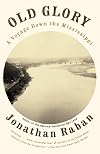
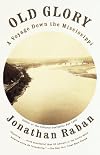
Old Glory: A Voyage Down the Mississippi
by Jonathan Raban
On This Page
Description
Sports & Recreations. Travel. Nonfiction. HTML:The author of Bad Land realizes a lifelong dream as he navigates the waters of the Mississippi River in a spartan sixteen-foot motorboat, producing yet another masterpiece of contemporary American travel writing. In the course of his voyage, Raban records the mercurial caprices of the river and the astonishingly varied lives of the people who live along its banks. Whether he is fishing for walleye or hunting coon, discussing theology in show more Prairie Du Chien or race relations in Memphis, he is an expert observer of the heartyland's estrangement from America's capitals ot power and culture, and its helpless nostalgia for its lost past. Witty, elegaic, and magnificently erudite, Old Glory is as filled with strong currents as the Mississippi itself. show lessTags
Recommendations




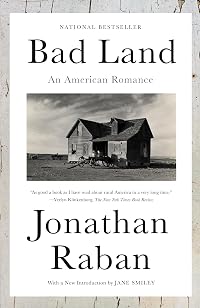














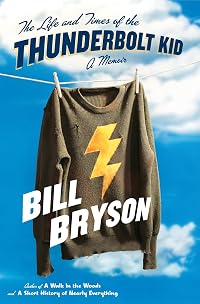
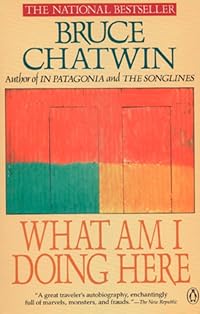
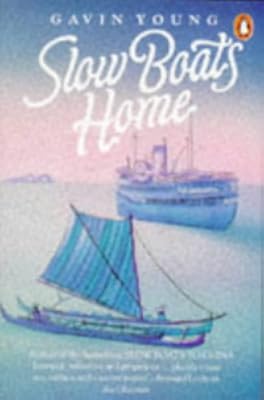


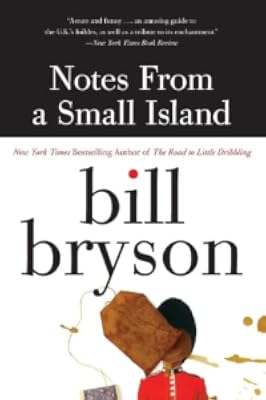
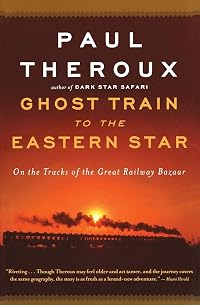
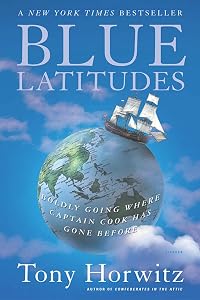

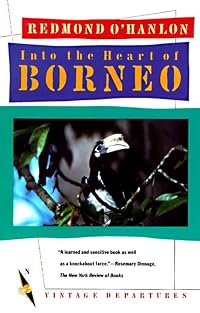

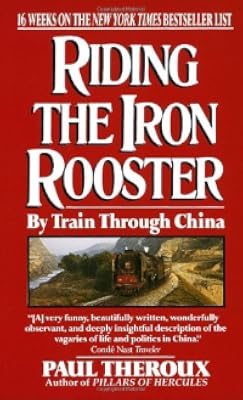
Member Recommendations
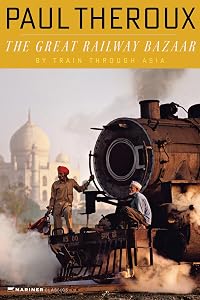
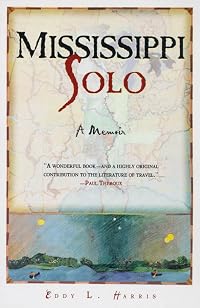
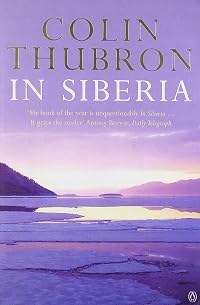
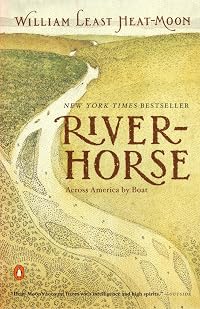
John_Vaughan Although in seperate periods in time, both these river trip narratives share a joyous commonality of excitement and awe of the river.
John_Vaughan While these two journey are opposite in compass headings (Least Heat Moon from East to West and Raban from North to South) they share the sheer joy of the trips and the awesome detailing and description of places and peoples.

Member Reviews
But I reckon I got to light out for the Territory ahead of the rest, because Aunt Sally she's going to adopt me and sivilize me and I can't stand it. I been there before.
It's obviously no coincidence that Raban gives the young woman he lives with for a few weeks in St Louis the name "Sally" - this is first and foremost a book about the author's long fascination with Huckleberry Finn and its narrator's ability to slip away from sivilising influences in the nick of time. Raban might be disappointed by the detail of the 1979 America he finds in his journey down the Mississippi from Minneapolis to the Louisiana swamps, but he never loses his fascination for the scale of the country and the possbilities for lighting out that it offers.
The show more river itself is a major character throughout the book - it's striking how much, here as in his other travel books, Raban has to say about water. There are paragraphs and paragraphs of description of how the water looks and sounds, and how it moves under different conditions. Eddies, swirls, risers, chutes, confluences, washes, waves, reflections, bubbles - you name it, he finds something to say about it. Oddly enough, most authors of books on rivers and the sea only tend to make rather fleeting references to the element they are travelling on, but in Raban it is always present. Even when he's on land and merely catches a glimpse of the river in the distance, he takes the trouble to tell us something about what the water is doing.
When he's not writing about the water, he also has some pretty interesting things to say about the towns and cities he stops in, and the people he meets there. Speech and its quirks apparently matter a lot - he takes a lot of trouble capturing the eccentricities in the way people talk to him and using them to make his characters come alive. This sometimes comes over as a little bit too Mark-Twainish, but he's usually careful to avoid sounding like a patronising Englishman making fun of simple Americans (except when he catches himself acting just like the patronising Englishman and indulges in a bit of self-mockery). He perhaps isn't quite sufficiently aware of how much he succumbs to the Huck Finn temptation to search out the oddest characters in every place he visits, but as this is one of the most entertaining aspects of the book, we needn't complain about that too much.
There's a lot of America going on in the margins of the story - it's the autumn of 1979 and many of those he talks to are busy with the Iran hostage crisis and the run-up to the Reagan-Carter election. The apparently irreversible decline of the inner city, the parallel loss of the economic relevance of riverside small towns, and the growth of fake history tarted up for the benefit of short-term tourists are all recurrent topics. There's a nice irony in his finding the most vapid example of the last of these in Hannibal, where a local businessman points out to him that the whole tacky Mark Twain souvenir business is irrelevant to the economy of the town, which really depends on a massive grain-processing plant. In Memphis, he spends some time with the campaign team of a black mayoral candidate (Judge Otis Higgs), trying to make sense of relations between races in the modern South. Needless to say, he doesn't find any easy answers to that question, but what he does have to say sounds sensible. show less
It's obviously no coincidence that Raban gives the young woman he lives with for a few weeks in St Louis the name "Sally" - this is first and foremost a book about the author's long fascination with Huckleberry Finn and its narrator's ability to slip away from sivilising influences in the nick of time. Raban might be disappointed by the detail of the 1979 America he finds in his journey down the Mississippi from Minneapolis to the Louisiana swamps, but he never loses his fascination for the scale of the country and the possbilities for lighting out that it offers.
The show more river itself is a major character throughout the book - it's striking how much, here as in his other travel books, Raban has to say about water. There are paragraphs and paragraphs of description of how the water looks and sounds, and how it moves under different conditions. Eddies, swirls, risers, chutes, confluences, washes, waves, reflections, bubbles - you name it, he finds something to say about it. Oddly enough, most authors of books on rivers and the sea only tend to make rather fleeting references to the element they are travelling on, but in Raban it is always present. Even when he's on land and merely catches a glimpse of the river in the distance, he takes the trouble to tell us something about what the water is doing.
When he's not writing about the water, he also has some pretty interesting things to say about the towns and cities he stops in, and the people he meets there. Speech and its quirks apparently matter a lot - he takes a lot of trouble capturing the eccentricities in the way people talk to him and using them to make his characters come alive. This sometimes comes over as a little bit too Mark-Twainish, but he's usually careful to avoid sounding like a patronising Englishman making fun of simple Americans (except when he catches himself acting just like the patronising Englishman and indulges in a bit of self-mockery). He perhaps isn't quite sufficiently aware of how much he succumbs to the Huck Finn temptation to search out the oddest characters in every place he visits, but as this is one of the most entertaining aspects of the book, we needn't complain about that too much.
There's a lot of America going on in the margins of the story - it's the autumn of 1979 and many of those he talks to are busy with the Iran hostage crisis and the run-up to the Reagan-Carter election. The apparently irreversible decline of the inner city, the parallel loss of the economic relevance of riverside small towns, and the growth of fake history tarted up for the benefit of short-term tourists are all recurrent topics. There's a nice irony in his finding the most vapid example of the last of these in Hannibal, where a local businessman points out to him that the whole tacky Mark Twain souvenir business is irrelevant to the economy of the town, which really depends on a massive grain-processing plant. In Memphis, he spends some time with the campaign team of a black mayoral candidate (Judge Otis Higgs), trying to make sense of relations between races in the modern South. Needless to say, he doesn't find any easy answers to that question, but what he does have to say sounds sensible. show less
The Mississippi is the fourth longest river in the world and drains a total of 31 states with a watershed of1,245,000 square miles over its 2300 mile length. In parts, it is up to a mile wide, though the largest lake is 11 miles wide. Raban had first come across this river that cleaves America in two after reading about the Tales of Huckleberry Finn by Mark Twain and wanted to travel along it and absorb the American culture. Starting in Minneapolis which is about 200 miles from the source of the river, he bought a 16-foot Aluminium boat with a 15hp engine, a tiny minnow compared to the vastness of the river. After a crash course in how to handle his new transport and some advice that will prove invaluable later, he is ready to depart, show more but he just needs to get through the first of the massive locks.
That terrifying experience achieved, the next few days are quite relaxed while cruising downstream. After a days boating, he pulls into the bank to find the nearest hotel or motel and to find some of the locals to talk to. It is a dangerous trip and he has a few near misses. Thankfully he follows the advice that he was given earlier to get off the river when the sky looks strange and just misses a horrendous storm. Apart from these moments, it is a relaxed trip, he enjoys smoking a pipe while watching drifting down the river, only resorting to the whisky when he has been scared witless. One lock keeper advises him to travel at night, but it nearly gets him killed by a barge, so he decides against that.
Where this book comes alive though is his interaction with the people that he meets. He talks to anyone and everyone, from politicians to widows, rednecks and the transient men who work the river. In Memphis, he joins the black reverend judge, Otis Higgs, campaign to overturn the incumbent mayor and sees the endemic racism that was bubbling under the surface of society, something that is worryingly prevalent once again. Every day the river teaches him something new, sometimes it is about the places he passes and other times it is about himself.
This is the second of his books that I have read. The intention is to read them in the order that he published them. Really enjoyed Arabia, but this is another level up again. He is a keen observer of people and places and his writing is spectacular, probing and lyrical. He can sketch a place or a person in a scant number of words, making you feel that you are bobbing along in the boat or sitting alongside him at a bar. Fantastic book. Looking forward to the next, Coasting. show less
That terrifying experience achieved, the next few days are quite relaxed while cruising downstream. After a days boating, he pulls into the bank to find the nearest hotel or motel and to find some of the locals to talk to. It is a dangerous trip and he has a few near misses. Thankfully he follows the advice that he was given earlier to get off the river when the sky looks strange and just misses a horrendous storm. Apart from these moments, it is a relaxed trip, he enjoys smoking a pipe while watching drifting down the river, only resorting to the whisky when he has been scared witless. One lock keeper advises him to travel at night, but it nearly gets him killed by a barge, so he decides against that.
Where this book comes alive though is his interaction with the people that he meets. He talks to anyone and everyone, from politicians to widows, rednecks and the transient men who work the river. In Memphis, he joins the black reverend judge, Otis Higgs, campaign to overturn the incumbent mayor and sees the endemic racism that was bubbling under the surface of society, something that is worryingly prevalent once again. Every day the river teaches him something new, sometimes it is about the places he passes and other times it is about himself.
This is the second of his books that I have read. The intention is to read them in the order that he published them. Really enjoyed Arabia, but this is another level up again. He is a keen observer of people and places and his writing is spectacular, probing and lyrical. He can sketch a place or a person in a scant number of words, making you feel that you are bobbing along in the boat or sitting alongside him at a bar. Fantastic book. Looking forward to the next, Coasting. show less
Raban was captivated by the story of Huckleberry Finn in 1949. He never forgot it, so in September of 1979 he decides to retrace Huck's journey. Imagine traveling down the massive and mighty Mississippi River in a borrowed 16' aluminum boat with just an outboard motor. He didn't even have a radio to communicate with the larger tows.
Probably the biggest surprise of Old Glory was how much time Raban spends talking about being on shore comingling with the locals. He finds people to feed him and give him rides. He even spends a night or two in the homes of strangers and goes on a few dates. One date becomes serious enough for him to start using words like our garden and we went to church. He takes the time to hang out in bars to listen to show more the locals gossip and fight and gets caught up in both from time to time. He speaks to schoolchildren about his adventures (and they are not impressed). He hunts racoon, visits the Oscar Mayer factory workers on strike, attends a pig roast and crashes a house warming party. He stays with a taxidermist. He tries to talk politics by asking the locals about the upcoming election to get a sense of the political climate (and they are not impressed with Jimmy Carter). He romanticizes the writings of Twain, Dickens, Trollope, and Thoreau as he learns to listen to the Mississippi River's moods and heed her whims.
One of my favorite parts was when Raban took on hitchhiking Monarch butterflies as they migrated down to Venezuela and Columbia.
In all honesty, I couldn't tell if Raban was happy with the conclusion of his journey. Was it worth it and what did he do with the borrowed outboard motor boat? show less
Probably the biggest surprise of Old Glory was how much time Raban spends talking about being on shore comingling with the locals. He finds people to feed him and give him rides. He even spends a night or two in the homes of strangers and goes on a few dates. One date becomes serious enough for him to start using words like our garden and we went to church. He takes the time to hang out in bars to listen to show more the locals gossip and fight and gets caught up in both from time to time. He speaks to schoolchildren about his adventures (and they are not impressed). He hunts racoon, visits the Oscar Mayer factory workers on strike, attends a pig roast and crashes a house warming party. He stays with a taxidermist. He tries to talk politics by asking the locals about the upcoming election to get a sense of the political climate (and they are not impressed with Jimmy Carter). He romanticizes the writings of Twain, Dickens, Trollope, and Thoreau as he learns to listen to the Mississippi River's moods and heed her whims.
One of my favorite parts was when Raban took on hitchhiking Monarch butterflies as they migrated down to Venezuela and Columbia.
In all honesty, I couldn't tell if Raban was happy with the conclusion of his journey. Was it worth it and what did he do with the borrowed outboard motor boat? show less
A thoroughly average travel narrative. The plot was thoroughly post-modern, petering out instead of genuinely finishing, but Raban can sure capture the American spirit.
This multi-award winning book, see Raban take a 16 foot motorboat down the Mississippi River. Along the way, Raban travels from pub to pub and church to church in search of the Mississippi that he longed for as a young child in England reading Huckleberry Finn.
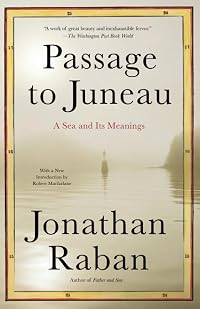
Like the river, I found this book gained momentum towards the end with his insights around race relations and politics in the deep south. Even though it's 30 years after being published, the book still has a timeless quality about it. While 'Passage to Jeneau' is celebrated, I think this is a much, much better piece of writing.
Like the river, I found this book gained momentum towards the end with his insights around race relations and politics in the deep south. Even though it's 30 years after being published, the book still has a timeless quality about it. While 'Passage to Jeneau' is celebrated, I think this is a much, much better piece of writing.
Jonathan Raban is British, yet his childhood dream was to follow Huck Finn's path and float down the Mississippi River. When he finally decided to realize the dream, he arranged to use a 16 foot boat with an outboard motor to make his way from Minnesota to the Gulf of Mexico. He knew nothing about running a boat or about the river, and was in for some pleasant and some frightening surprises.
There is the tranquility of quiet water just before dawn and the turbulence of the wide, straight stretches against a strong wind blowing against the current. He meets fishermen in their johnboats and barges three wide and eight deep that throw out wakes powerful enough to swamp his little craft. The changing faces and attitudes of the people along show more the way are interwoven with the descriptions of the places he visits and the joys and hazards of his travel.
Although the voyage took place at the end of the Carter presidency, it is still a wonderful travel book. show less
There is the tranquility of quiet water just before dawn and the turbulence of the wide, straight stretches against a strong wind blowing against the current. He meets fishermen in their johnboats and barges three wide and eight deep that throw out wakes powerful enough to swamp his little craft. The changing faces and attitudes of the people along show more the way are interwoven with the descriptions of the places he visits and the joys and hazards of his travel.
Although the voyage took place at the end of the Carter presidency, it is still a wonderful travel book. show less
Started out well, but got bogged down. Description of Minnesota State Fair was hilarious and spot on. DNF.
Members
- Recently Added By
Published Reviews
''Old Glory'' remains more successful than 99 percent of the books about America since de Tocqueville's ''Democracy in America.'' Back in his pedagogue period, writing technical criticism about ''Huckleberry Finn,'' Mr. Raban put his finger on what gives that book its special vividness. It is the narrator's freedom from the need to dominate his material. ''Huck submits himself to the sights show more and sounds around him,'' wrote Teacher Raban. The sentence applies exactly to Drifter Raban, floating through the heart of America, hearing and recording its manifold beat. show less
added by John_Vaughan
Lists

Best Travel Writing - Non-Fiction
110 works; 6 members

Best of Travel Narratives (Rivers)
22 works; 1 member

Mississippi River in Books
20 works; 3 members

Mustich's 1000 Books to Read Before You Die: A Life Changing List
1,001 works; 19 members

A Good Read (Radio 4)
151 works; 1 member
Author Information

26+ Works 5,339 Members
Jonathan Raban, author of Passage to Juneau, brings eloquent intellect and wry wit to his exploration of the American scene. Written over the past two decades, roughly the span of Raban's residence in his adopted city of Seattle, these essays delve into what it means, as immigrant, to feel rooted in America. Driving Home charts a course through show more the Pacific Northwest, American history, and current events as witnessed by a keenly observant visitor who is able to glean meanings and patterns that have become invisible to the natives. Raban spends much time on, near, and in water, and his ruminations on sailing and the sea are a welcome thread. Whether the topic is other writers or various painters and explorers, or the patrons of a Montana bar, who have engaged with our mythical and actual landscape, Raban has a visitor s eye for the absurd, and his tone is intimate, never nostalgic, and always fresh. show less
Awards and Honors
Awards
Distinctions
Common Knowledge
- Canonical title
- Old Glory: A Voyage Down the Mississippi
- Original title
- Old Glory
- Original publication date
- 1981
- Important places
- Mississippi River, USA; Minnesota, USA; Gulf of Mexico
Classifications
- Genres
- Travel, Nonfiction, General Nonfiction, Biography & Memoir
- DDC/MDS
- 917.7 — History & geography Geography & travel Geography of and travel in North America Midwestern U.S.
- LCC
- F355 .R3 — Local History of the United States, Canada and Latin America United States local history Mississippi River and Valley. Middle West
- BISAC
Statistics
- Members
- 598
- Popularity
- 48,887
- Reviews
- 11
- Rating
- (3.93)
- Languages
- Dutch, English
- Media
- Paper, Audiobook, Ebook
- ISBNs
- 17
- ASINs
- 7