
Manhattan Beach
by Jennifer Egan
On This Page
Description
NEW YORK TIMES BESTSELLERWinner of the Andrew Carnegie Medal for Excellence in Fiction
The daring and magnificent novel from the Pulitzer Prize–winning author.
Named One of the Best Books of the Year by NPR, Esquire, Vogue, The Washington Post, The Guardian, USA TODAY, and Time
Anna Kerrigan, nearly twelve years old, accompanies her father to visit Dexter Styles, a man who, she gleans, is crucial to the survival of her father and her family. She is
?Years later, her father has disappeared and the country is at war. Anna works at the Brooklyn Naval Yard, where women are allowed to hold jobs that once belonged to men, now soldiers abroad. She becomes the first female diver, the most dangerous and exclusive of occupations, repairing the ships that will help America win the war. One evening at a nightclub, she meets Dexter Styles again, and begins to understand the complexity of her father's life, the reasons he might have vanished.
"A magnificent achievement, at once a suspenseful noir intrigue and a transporting work of lyrical beauty and emotional heft" (The Boston Globe), "Egan's first foray into historical fiction makes you forget you're reading historical fiction at all" (Elle). Manhattan Beach takes us into a world populated by gangsters, sailors, divers, bankers, and union men in a dazzling, propulsive exploration of a transformative moment in the lives and identities of women and men, of America and the world.. show less
Tags
Recommendations



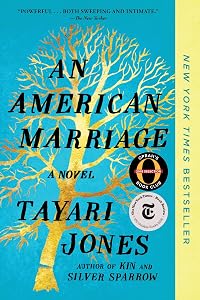
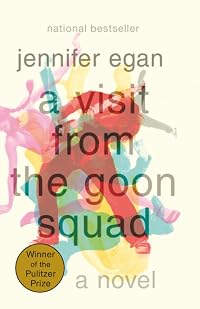

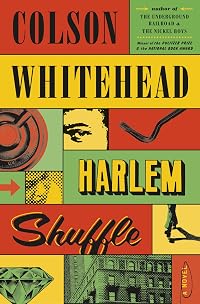
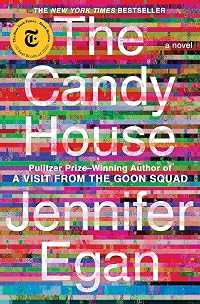





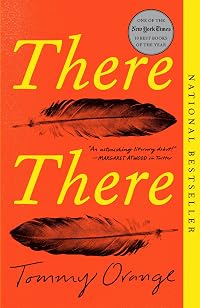
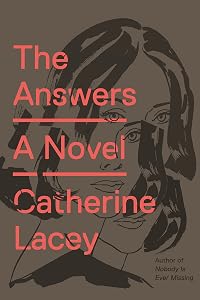
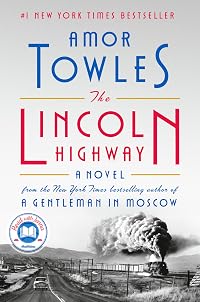
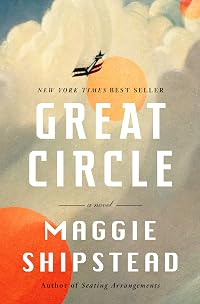




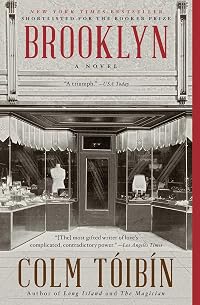

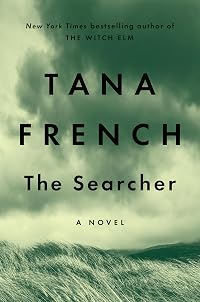
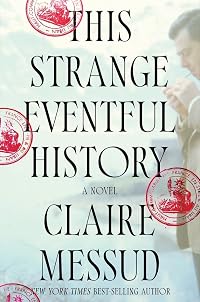
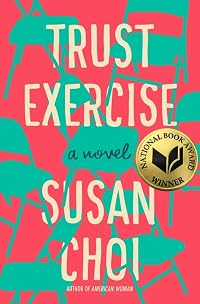


Member Recommendations
BookshelfMonstrosity These compelling, sweeping novels offer richly descriptive historical settings, memorable characters, and ambitious narratives that incorporate social turmoil and crime. The Given Day is set at the end of World War I; Manhattan Beach during World War II.

Whisper1 This is a wonderfully illustrated book with a beautiful accompanying story.
by jbvm
Member Reviews
I loved Jennifer Egan’s last book (Pulitzer Prize winner, A Visit From the Goon Squad), and although I was prepared for this to be a much different book I was still taken aback by the departure. Manhattan Beach is straight historical fiction, and Egan has clearly done an enormous amount of research to support the story. It revolves around Anna Kerrigan and her life in New York from the Great Depression through WWII. She embodies the courageous women of the period who boldly entered workspaces previously reserved for men by going to work at the Naval Yard and eventually even becoming a diver. Running parallel to Anna’s narrative is that of her father, Eddie Kerrigan and also a mid-level gangster, Dexter Styles. The three are show more connected and yet disconnected throughout the novel.
It’s difficult to pin this book down. Egan’s writing is once again on target; it flows effortlessly through various POVs, beautifully descriptive without feeling overdone. The story ranges through characters and time, but I found her handling of this clear and easily maneuvered. Somehow, though, it all fell a bit flat for me. Egan didn’t do anything wrong in this novel, but I think I miss the boldness and unpredictability of Goon Squad. I still recommend Manhattan Beach—especially to historical fiction readers who enjoy WWII period books. PK show less
It’s difficult to pin this book down. Egan’s writing is once again on target; it flows effortlessly through various POVs, beautifully descriptive without feeling overdone. The story ranges through characters and time, but I found her handling of this clear and easily maneuvered. Somehow, though, it all fell a bit flat for me. Egan didn’t do anything wrong in this novel, but I think I miss the boldness and unpredictability of Goon Squad. I still recommend Manhattan Beach—especially to historical fiction readers who enjoy WWII period books. PK show less
Side-by-side stories of two protagonists whose fortunes intersect in not terribly surprising ways, but who are in no way stereotypical of their "Types" in this sort of literature. Anna Kerrigan helps care for her severely disabled younger sister, who suffered oxygen deprivation during birth. The whole family loves Lydia intensely, and father Eddie goes to desperate lengths to provide for them all, until he mysteriously fails to come home one day, leaving behind roll of cash and a comfortable bank balance, but no message at all. Dexter Styles is a gangster with very nice upper crust connections and an ambition to sever his underworld connections while keeping his life and fortune intact. He knows how to use people, while Anna slowly show more realizes that she must develop that skill in order to survive. Set during WWII, the book takes us in great detail into the world of divers working in the Brooklyn Naval Yards, and to the extremely hazardous life aboard Merchant Marine ships. If you are at all claustrophobic, or have this reader's terror of being on the open sea (or worse still, under it), portions of this novel will be a tough go. But it IS worth it. This was a gripping, and often unpredictable tale. show less
**SPOILERS**
i liked this novel a lot, so it's a real fucking pity that i didn't like the ending at all. for a story that went to such great and exuberant lengths to defy the social conventions of the age it's set in at every turn, we sure do end with our protagonist forgoing an abortion to become a mother, her spinster aunt suddenly becoming a nurturning nanny, and the mobster with a heart of gold getting hoisted on his own petard. there was a weird current of idealism throughout this book that i thought was going to end up as a fascinating deconstruction of patriotism and heroism, but just kind of fizzled out, and then got bolstered by the way the narrative played into conservative moralism even as it continued to question it. anna show more seems to vacillate between relief and dread as she heads for her new life, in a nifty parallel of her father's own escape - but it fell flat for me given that her abject sadness at leaving her beloved life behind could all have been avoided if she'd just got the abortion. i know it's meant to be a sort of pyrrhic victory. i get what the story is doing. but i don't like it.
all that off my chest, i loved the writing. egan has a way with prose that can knock you off your feet, an eye for detail, and a deft hand with third person omniscient (my least favourite perspective) that switches nimbly between voices. most exceptional, i thought, was dexter's last scene, seguing between his present and his recollection of eddie's past before sliding effortlessly into eddie's present. even as i was frustrated with the storybook neatness to dexter's end, that blew me away. i think another remarkable thing about (the majority of) this book is that despite the plot being sometimes a little ~obvious, the characters are all quite complex, even the ones in the background. i felt compelled by every character, on every level, which is honestly impressive and the main reason i'm still giving this four stars despite my frustration in the end.
what really drew me in at first (i think i'm working backwards here) is the way this novel seems so far removed from the online conversation about "strong female characters." in many ways, manhattan beach is an unapologetic female power fantasy, and it was nice to luxuriate in that without having to suffer debate over whether anna's a mary sue or she's too strong and should show more weakness or she's too weak etc etc etc. it's just straight up, no complications, here is a girl who gets to do it all. the obstacles in her way are realistic but she gets through them and that's just... nice. show less
i liked this novel a lot, so it's a real fucking pity that i didn't like the ending at all. for a story that went to such great and exuberant lengths to defy the social conventions of the age it's set in at every turn, we sure do end with our protagonist forgoing an abortion to become a mother, her spinster aunt suddenly becoming a nurturning nanny, and the mobster with a heart of gold getting hoisted on his own petard. there was a weird current of idealism throughout this book that i thought was going to end up as a fascinating deconstruction of patriotism and heroism, but just kind of fizzled out, and then got bolstered by the way the narrative played into conservative moralism even as it continued to question it. anna show more seems to vacillate between relief and dread as she heads for her new life, in a nifty parallel of her father's own escape - but it fell flat for me given that her abject sadness at leaving her beloved life behind could all have been avoided if she'd just got the abortion. i know it's meant to be a sort of pyrrhic victory. i get what the story is doing. but i don't like it.
all that off my chest, i loved the writing. egan has a way with prose that can knock you off your feet, an eye for detail, and a deft hand with third person omniscient (my least favourite perspective) that switches nimbly between voices. most exceptional, i thought, was dexter's last scene, seguing between his present and his recollection of eddie's past before sliding effortlessly into eddie's present. even as i was frustrated with the storybook neatness to dexter's end, that blew me away. i think another remarkable thing about (the majority of) this book is that despite the plot being sometimes a little ~obvious, the characters are all quite complex, even the ones in the background. i felt compelled by every character, on every level, which is honestly impressive and the main reason i'm still giving this four stars despite my frustration in the end.
what really drew me in at first (i think i'm working backwards here) is the way this novel seems so far removed from the online conversation about "strong female characters." in many ways, manhattan beach is an unapologetic female power fantasy, and it was nice to luxuriate in that without having to suffer debate over whether anna's a mary sue or she's too strong and should show more weakness or she's too weak etc etc etc. it's just straight up, no complications, here is a girl who gets to do it all. the obstacles in her way are realistic but she gets through them and that's just... nice. show less
WWII at Home and Sea Brought to Life
Jennifer Egan brings life to the way Americans fought World War II at home and on the shipping lanes of the world. She spices up the story by adding a gangster element and a mysteriously missing father. And she tells her tale with considerable style that lends a good bit of noir color to the novel.
In the process you learn about the role of women working on the home front in jobs traditionally filled by men, including deep salvage and repair diving (though the first woman army diver, whom Egan interviewed, Andrea Motley Crabtree, didn’t dive until 1982 and the first female Navy diver, Donna Tobias, 1975), deep diving in those weighted suits with globe helmets, and the various types of jobs women show more performed in the Naval boat yards. Egan also reminds you of just how restricted were women’s lives and what a liberating experience war work proved to be for many, as well as how the consequences of sex fell fully on women. Unless you knew someone who served in the United States Merchant Marine, you might not be familiar with its vital role in winning the war, and just how dangerous shipping work was (733 ships sunk in the war, and one in 24 mariners killed, the highest rate of any service); Egan brings merchant work and dangers to life.
Manhattan Beach revolves around the lives of three characters. Anna Kerrigan is a strong young woman, who accompanied her father on his job that consisted of meeting with people and delivering things. When he goes missing, she’s left to help her mother, a former follies performer, earn a living and care for her brain damaged at birth sister. She finds work in the Naval shipyard, where she inspects parts. Eventually, she works her way into the deep diving program, and she becomes involved with a sophisticated gangster, Dexter Styles.
Styles (really an Italian who changed his name) is well placed in the mob. His superior prizes him as a big idea man. He manages a string of mob owned nightclubs. He’s also married into an influential blue blood banking family, where the head of that family also holds him in high regard. He’s a man bridging two different and not so different worlds who walks a tightrope demanding he maintain a balance of honesty and decorum, even in the most trying circumstances. It is Styles that Anna’s father, Eddie Kerrigan., worked for.
Eddie once was on top of the world, then the Great Depression happened and he found himself reduced to doing odd jobs for his old orphanage buddy, Irish mob boss John Dunellen,. Though Eddie saved Dunellen from drowning when they were boys, it doesn’t earn him much extra financial credit with his friend. Eddie becomes a bagman for Styles to earn money to support his family and care for the sick daughter, a costly undertaking. Then something happens and Eddie disappears, assumed by his family and everybody else as dead. Except for Anna, who despite reality never loses the hope that her father will turn up.
Now, without reveal anything, Egan peppers her novel with lots of twisty turns. Many of these really do stretch credulity. Yet, so skillfully does Egan fill her novel with historical realism that her prose persuades you to accept some turns you might otherwise scoff at. Not only has she written a top-notch historical novel, she’s engineered an engaging story that maybe in a slightly alter universe might have happened. It a real pleasure to read. show less
Jennifer Egan brings life to the way Americans fought World War II at home and on the shipping lanes of the world. She spices up the story by adding a gangster element and a mysteriously missing father. And she tells her tale with considerable style that lends a good bit of noir color to the novel.
In the process you learn about the role of women working on the home front in jobs traditionally filled by men, including deep salvage and repair diving (though the first woman army diver, whom Egan interviewed, Andrea Motley Crabtree, didn’t dive until 1982 and the first female Navy diver, Donna Tobias, 1975), deep diving in those weighted suits with globe helmets, and the various types of jobs women show more performed in the Naval boat yards. Egan also reminds you of just how restricted were women’s lives and what a liberating experience war work proved to be for many, as well as how the consequences of sex fell fully on women. Unless you knew someone who served in the United States Merchant Marine, you might not be familiar with its vital role in winning the war, and just how dangerous shipping work was (733 ships sunk in the war, and one in 24 mariners killed, the highest rate of any service); Egan brings merchant work and dangers to life.
Manhattan Beach revolves around the lives of three characters. Anna Kerrigan is a strong young woman, who accompanied her father on his job that consisted of meeting with people and delivering things. When he goes missing, she’s left to help her mother, a former follies performer, earn a living and care for her brain damaged at birth sister. She finds work in the Naval shipyard, where she inspects parts. Eventually, she works her way into the deep diving program, and she becomes involved with a sophisticated gangster, Dexter Styles.
Styles (really an Italian who changed his name) is well placed in the mob. His superior prizes him as a big idea man. He manages a string of mob owned nightclubs. He’s also married into an influential blue blood banking family, where the head of that family also holds him in high regard. He’s a man bridging two different and not so different worlds who walks a tightrope demanding he maintain a balance of honesty and decorum, even in the most trying circumstances. It is Styles that Anna’s father, Eddie Kerrigan., worked for.
Eddie once was on top of the world, then the Great Depression happened and he found himself reduced to doing odd jobs for his old orphanage buddy, Irish mob boss John Dunellen,. Though Eddie saved Dunellen from drowning when they were boys, it doesn’t earn him much extra financial credit with his friend. Eddie becomes a bagman for Styles to earn money to support his family and care for the sick daughter, a costly undertaking. Then something happens and Eddie disappears, assumed by his family and everybody else as dead. Except for Anna, who despite reality never loses the hope that her father will turn up.
Now, without reveal anything, Egan peppers her novel with lots of twisty turns. Many of these really do stretch credulity. Yet, so skillfully does Egan fill her novel with historical realism that her prose persuades you to accept some turns you might otherwise scoff at. Not only has she written a top-notch historical novel, she’s engineered an engaging story that maybe in a slightly alter universe might have happened. It a real pleasure to read. show less
Manhattan Beach is a tale of two stories. On one side, there is Anna’s work life and struggles to find her role in the wartime economy. On the other side, there is Anna’s private life with her missing father and handicapped sister. Even though the two stories barely coincide, except for one key scene towards the end that sets the finale into motion, both are interesting from the glimpses into wartime New York they provide.
Manhattan Beach is by no means an action-filled story. In fact, the biggest complaint about the novel from others is that it moves slowly. To me, it is a character-driven story, and the slow pacing works as Ms. Egan affords readers the opportunity to intimately understand Anna, her motivations, her passions, and show more her schedule. At the same time, it allows readers to learn about wartime New York and what women experienced as they went to work in roles previously held by men. We see how the gangsters transitioned from the Prohibition era to the wartime, how things changed for everyone in any role, and watch as society evolves.
This historical aspect of the story is by far its strongest one. Particularly interesting was Anna’s struggles to become a deep-sea diver. History books and wartime anecdotes would have you believe that industries, particularly those involving manual labor, welcomed women with open arms to fill the voids left by the men going overseas to fight. Ms. Egan shows that this is not true. The hatred Anna faces as well as the scorn, doubt, and general prejudice she experiences just to be able to put on the diving suit is disturbing. Yet, on some levels, the misogyny surrounding her decision to dive is not surprising in the least. While it is nice to think that Rosie the Riveter, and the women who answered the call of that advertisement, faced no issues, we just have to look to today’s society to realize the likelihood of that having actually happened is nil. Anna’s story in that regard is just one more in a long line of gender bias and prejudice women continue to experience today.
The second part of Anna’s story, that of her personal life, also provides historical context that educates and intrigues. As with the idealized impression of women in blue-collar manual labor roles, I never thought that the idea of a single woman living alone in the 1940s was scandalous behavior. After all, there have been women-only boarding houses in existence for decades by this point in history. In my mind, the same would seem to hold true with going out without a chaperone. However, Anna’s experiences burst this idyllic bubble of mine just as it did with Rosie the Riveter. Yet, while society may still see women as fragile and in need of protection, Anna’s story shows how the war slowly changes this attitude. Ms. Egan, through Anna, provides a clearer picture of just what it meant to be an unmarried woman during World War II.
Even though the story revolves around Anna, Ms. Egan uses multiple viewpoints to round out her story. These character point-of-views fill in the gaps that Anna will never learn and help answer mysteries to which Anna will never obtain the answers. While Ms. Egan could have told the story strictly through Anna’s eyes, the multiple perspectives afford the reader the opportunity to garner the whole truth, particularly around Anna’s missing father, while allowing Anna to remain ignorant of the truth, something that feels essential to her character. In essence, they leave readers with no unanswered questions and better insight to what was occurring behind Anna’s back while remaining true to all of the characters and the story.
While I enjoyed reading Manhattan Beach, finding it intriguing and educational, I can see why others are struggling to finish it. It is not a complicated plot, and there is very little action. Without the historical context, it would indeed be boring; if the history doesn’t interest you, then it is boring. Nothing is much of a surprise, and while we get to know Anna very well, she does not develop much as a character. For me, the history and the mystery of the father’s disappearance, no matter how predictable, were enough to overshadow the predictability and to pique my interest. Whether it will be enough for you is up to your individual tastes in stories. show less
Manhattan Beach is by no means an action-filled story. In fact, the biggest complaint about the novel from others is that it moves slowly. To me, it is a character-driven story, and the slow pacing works as Ms. Egan affords readers the opportunity to intimately understand Anna, her motivations, her passions, and show more her schedule. At the same time, it allows readers to learn about wartime New York and what women experienced as they went to work in roles previously held by men. We see how the gangsters transitioned from the Prohibition era to the wartime, how things changed for everyone in any role, and watch as society evolves.
This historical aspect of the story is by far its strongest one. Particularly interesting was Anna’s struggles to become a deep-sea diver. History books and wartime anecdotes would have you believe that industries, particularly those involving manual labor, welcomed women with open arms to fill the voids left by the men going overseas to fight. Ms. Egan shows that this is not true. The hatred Anna faces as well as the scorn, doubt, and general prejudice she experiences just to be able to put on the diving suit is disturbing. Yet, on some levels, the misogyny surrounding her decision to dive is not surprising in the least. While it is nice to think that Rosie the Riveter, and the women who answered the call of that advertisement, faced no issues, we just have to look to today’s society to realize the likelihood of that having actually happened is nil. Anna’s story in that regard is just one more in a long line of gender bias and prejudice women continue to experience today.
The second part of Anna’s story, that of her personal life, also provides historical context that educates and intrigues. As with the idealized impression of women in blue-collar manual labor roles, I never thought that the idea of a single woman living alone in the 1940s was scandalous behavior. After all, there have been women-only boarding houses in existence for decades by this point in history. In my mind, the same would seem to hold true with going out without a chaperone. However, Anna’s experiences burst this idyllic bubble of mine just as it did with Rosie the Riveter. Yet, while society may still see women as fragile and in need of protection, Anna’s story shows how the war slowly changes this attitude. Ms. Egan, through Anna, provides a clearer picture of just what it meant to be an unmarried woman during World War II.
Even though the story revolves around Anna, Ms. Egan uses multiple viewpoints to round out her story. These character point-of-views fill in the gaps that Anna will never learn and help answer mysteries to which Anna will never obtain the answers. While Ms. Egan could have told the story strictly through Anna’s eyes, the multiple perspectives afford the reader the opportunity to garner the whole truth, particularly around Anna’s missing father, while allowing Anna to remain ignorant of the truth, something that feels essential to her character. In essence, they leave readers with no unanswered questions and better insight to what was occurring behind Anna’s back while remaining true to all of the characters and the story.
While I enjoyed reading Manhattan Beach, finding it intriguing and educational, I can see why others are struggling to finish it. It is not a complicated plot, and there is very little action. Without the historical context, it would indeed be boring; if the history doesn’t interest you, then it is boring. Nothing is much of a surprise, and while we get to know Anna very well, she does not develop much as a character. For me, the history and the mystery of the father’s disappearance, no matter how predictable, were enough to overshadow the predictability and to pique my interest. Whether it will be enough for you is up to your individual tastes in stories. show less
I hadn't read much about this novel before I picked it up, so it was a lovely surprise to find that Egan has jumped from contemporary to prohibition and wartime US and does it so well. I was absorbed in her account of a young family struggling with the Depression, and trying to work out how to make their way through. Writing from the perspective of a father and daughter, the characters are charming as well as spiky. Much of the charm of the book for me was in the unexpected twists and turns, but one of the strengths of the book for me was how the family dealt with disability in very different ways. Egan's description reminded me of a family I visited many years ago, the way love just radiated between my school friend and her sister
Jennifer Egan is one of my favorite authors. Most authors have a style, or an character "type", or recurring themes (think the bears and orphans and wrestling of John Irving, the men of Safran Foer whose intellect renders them unable to be happy, Hemingway's men's endless quest for distraction from self-reflection) but every Egan book is entirely different from the one before. Sure, there are some recurring motifs - absent men, mourning, childhood bonds, the non-linearity of time and human experience, but the books all feel so very different from one another. So I guess I should not have been surprised by this departure: Egan could not have written a book more different than "Visit from the Good Squad" if doing so had been her sole show more goal. But one thing that remains constant is that like Goon Squad and Invisible Circus, and the others this book is simply extraordinary.
I was pretty darn shocked to seen that Egan had written historical fiction, a genre not known for experimentation. To be honest I was also a bit disappointed, historical fiction is not generally a favorite genre for me, especially WWII set historical fiction. I should have had more faith, I should have known that Egan would redefine the term historical fiction. I should have known that she would still play with time because it is still true that some things that happened 20 years ago are more current and relevant than things that happened yesterday, so that in storytelling events should not be ordered strictly temporally. I should have known that Egan would still use the events of the book to find what defines the humanity (or maybe the limitations of being human) in each character. I should have known that where most historical fiction is about the time, and people are placed in that time to illustrate certain things that Egan's book would be primarily about the main characters. That despite the meticulously researched and perfectly drawn time and place, this book is about Anna, in all her glory. It is about this badass feminist (before that was a word), a woman mourning her beloved father, without the closure of his documented death, a girl who wants to be what her mother wants but doesn't know what that is, a sister desperate to bring happiness to a sister locked in her own world, and a lover and friend unable to give enough of herself or ask enough from others to fully experience the joys of either role. The setting, WWII Brooklyn (my beloved-I lived in walking distance of the Navy Yards, before they were made fancy and the running suit clad made men were everywhere, and it is my spiritual home) with its war effort and its mob activity and its poverty it provides a frame for the main event that is Anna.
This is great storytelling. show less
I was pretty darn shocked to seen that Egan had written historical fiction, a genre not known for experimentation. To be honest I was also a bit disappointed, historical fiction is not generally a favorite genre for me, especially WWII set historical fiction. I should have had more faith, I should have known that Egan would redefine the term historical fiction. I should have known that she would still play with time because it is still true that some things that happened 20 years ago are more current and relevant than things that happened yesterday, so that in storytelling events should not be ordered strictly temporally. I should have known that Egan would still use the events of the book to find what defines the humanity (or maybe the limitations of being human) in each character. I should have known that where most historical fiction is about the time, and people are placed in that time to illustrate certain things that Egan's book would be primarily about the main characters. That despite the meticulously researched and perfectly drawn time and place, this book is about Anna, in all her glory. It is about this badass feminist (before that was a word), a woman mourning her beloved father, without the closure of his documented death, a girl who wants to be what her mother wants but doesn't know what that is, a sister desperate to bring happiness to a sister locked in her own world, and a lover and friend unable to give enough of herself or ask enough from others to fully experience the joys of either role. The setting, WWII Brooklyn (my beloved-I lived in walking distance of the Navy Yards, before they were made fancy and the running suit clad made men were everywhere, and it is my spiritual home) with its war effort and its mob activity and its poverty it provides a frame for the main event that is Anna.
This is great storytelling. show less
Members
- Recently Added By
Published Reviews
ThingScore 88
Egan has wisely chosen not to compete with “Goon Squad” and its postmodern razzle-dazzle. Instead, her new book leaps into the past, offering us a story built on sturdy older forms polished to a high sheen.
“Manhattan Beach” — longlisted for a National Book Award even before it was released — is a historical novel set during World War II in New York....All the harbor details — show more from the dangerous mechanics of underwater work to the irritating chauvinism of Navy officers — feel dutifully researched. The whole novel, in fact, boasts its tweedy historical accuracy...All these strong currents — from noir thriller to family drama to wartime adventure — eventually return to the private moment that opens “Manhattan Beach.” If that ending is surprisingly hopeful, it’s never false, and it dares to satisfy us in a way that stories of an earlier age used to. show less
“Manhattan Beach” — longlisted for a National Book Award even before it was released — is a historical novel set during World War II in New York....All the harbor details — show more from the dangerous mechanics of underwater work to the irritating chauvinism of Navy officers — feel dutifully researched. The whole novel, in fact, boasts its tweedy historical accuracy...All these strong currents — from noir thriller to family drama to wartime adventure — eventually return to the private moment that opens “Manhattan Beach.” If that ending is surprisingly hopeful, it’s never false, and it dares to satisfy us in a way that stories of an earlier age used to. show less
added by vancouverdeb
They may also understand, rightly, that this will turn out to be a more traditional novel than the raucous and inventive “Goon Squad,” although the two books offer many of the same pleasures, including fine turns of phrase, a richly imagined environs and a restless investigation into human nature....Thus, the mystery of “Manhattan Beach” resides not in whether these three will meet show more again, but when. And a central satisfaction of the novel resides in how far-flung Egan’s characters will become and what varied terrain they will explore, before being inevitably drawn back together..Turning their backs on the crowded constraints of their urban lives, all three look to the ocean as a realm that while inherently dangerous also promises the potential for personal discovery and an almost mystical liberty. This is a novel that deserves to join the canon of New York stories. show less
added by vancouverdeb
Unpredictably, Egan has written something that looks at first glance like a traditional historical novel.
A work of remarkable cinematic scope, Manhattan Beach portrays the lives of an Irish family in Brooklyn, set against the backdrop of the Great Depression and then the second world war...Egan’s decision to withhold crucial scenes until late on ends up feeling disappointing, even if one can show more appreciate the reasons for her doing so...This is a novel that will pull you in and under and carry you away on its rip tides. In particular, Anna’s plight as a woman whose will is larger than her circumstances is dramatised with tremendous power. Its resonances continue to wash over the reader long after the novel ends. show less
A work of remarkable cinematic scope, Manhattan Beach portrays the lives of an Irish family in Brooklyn, set against the backdrop of the Great Depression and then the second world war...Egan’s decision to withhold crucial scenes until late on ends up feeling disappointing, even if one can show more appreciate the reasons for her doing so...This is a novel that will pull you in and under and carry you away on its rip tides. In particular, Anna’s plight as a woman whose will is larger than her circumstances is dramatised with tremendous power. Its resonances continue to wash over the reader long after the novel ends. show less
added by vancouverdeb
Lists

2018 Women's Prize for Fiction Longlist
16 works; 11 members

Favourite Women's Prize for Fiction, Orange & Bailey's Prize contenders
132 works; 52 members

2018 Tournament of Books
18 works; 12 members

Historical Fiction
889 works; 90 members

Top Five Books of 2017
757 works; 231 members
Top Five Books of 2018
802 works; 264 members

Books Set in New York State
65 works; 11 members

Kirkus Starred Fiction Reviews of Books Published in 2017
412 works; 7 members

Books about World War II
241 works; 22 members

Books Read in 2017
4,249 works; 129 members

Books Read in 2022
5,166 works; 112 members

Dim Sum Lunch Reading
43 works; 2 members

Walter Scott Prize Winners and Shortlist
66 works; 6 members

Books Read in 2018
4,360 works; 110 members

Books With Place Names in the Title
215 works; 10 members

Books Read in 2024
4,623 works; 126 members

Reading Glasses Podcast
410 works; 3 members
Author Information

14+ Works 20,213 Members
Jennifer Egan was born in Chicago, Illinois on September 6, 1962. She attended the University of Pennsylvania and St. John's College, Cambridge. She is the author of The Invisible Circus, Look at Me, Emerald City and Other Stories, The Keep, and Manhattan Beach, which won the Andrew Carnegie Medal for Excellence in Fiction in 2018. Her title, A show more Visit from the Goon Squad, won both the 2011 Pulitzer Prize and the 2011 National Book Critics Circle Award for fiction. Her short stories have appeared in numerous publications including The New Yorker, Harpers, and Granta. She is a recipient of a Guggenheim Fellowship, a National Endowment for the Arts Fellowship, and a Dorothy and Lewis B. Cullman Fellowship. Her non-fiction articles appear frequently in the New York Times Magazine and have won a number of awards. (Bowker Author Biography) show less
Awards and Honors
Awards
Distinctions
The Guardian Book of the Day (2017-09-29)
Series
Belongs to Publisher Series
Mirmanda (182)
Keltainen kirjasto (494)
Common Knowledge
- Canonical title
- Manhattan Beach
- Original title
- Manhattan Beach
- Original publication date
- 2017
- People/Characters
- Anna Kerrigan; Edward "Eddie" Kerrigan; Dexter Styles; Brianne Kerrigan; Agnes Kerrigan; Lydia "Liddy" Kerrigan (show all 39); Charlie Voss; Nell Konopka; Tabatha " Tabby" Styles; Harriet Berringer Styles; Phillip Styles; John-Martin Styles; Arthur Berringer; Beth Berringer; Arthur "Cooper" Berringer Jr.; Marsha Berringer; Grady Berringer; Henry Foster; Bitsy Berringer Foster; George Porter; Regina Berringer Porter; Mr. Q.; Paul Bascombe; Lieutenant Axel; Marle; John Dunellen; Katz; Bart Sheehan; Jimmy Badger; Rose; Bosun Luke; Leon Smith; "Heels" Healey; Walter Lipp; Pearl Gratzky; Silvio Mucciarone; Stella Iovino; Lillian Feeney; Hugh Mackey
- Important places
- Manhattan Beach, Brooklyn, New York, New York, USA; Brooklyn, New York, New York, USA; The Bronx, New York, New York, USA; Brooklyn Navy Yard, Brooklyn, New York, New York, USA; Wallabout Bay, Brooklyn, New York, New York, USA; Minneapolis, Minnesota, USA (show all 12); Vallejo, California, USA; Mare Island Naval Shipyard, Vallejo, California, USA; Cape Town, Western Cape, South Africa; Sheepshead Bay, Brooklyn, New York, New York, USA; Mozambique Channel, Indian Ocean; San Francisco, California, USA
- Important events
- Great Depression; World War II
- Related movies
- Manhattan Beach (IMDb)
- Epigraph
- Yes, as every one knows, meditation and water are wedded for ever.
—HERMAN MELVILLE, MOBY-DICK - Dedication
- For Christina, Matthew, and Alexander Egan, and for Robert Egan
—
our uncle Bob - First words
- They'd driven all the way to Mr. Styles house before Anna realized that her father was nervous.
- Quotations
- How could he stay away when she was waiting so hard?
Luck was the single thing that could rearrange facts. It could open a door where there was no door. A crooked game was worse than unfair; it was a cosmic violation.
"If wishing could make men die, there'd be nary a live one left."
“… this was the problem of men and women, what made the professional harmony he envisaged so difficult to achieve. Men ran the world, and they wanted to fuck the women. Men said “Girls are weak” when in fact girls mad... (show all)e them weak.” - Last words
- (Click to show. Warning: May contain spoilers.)"Here it comes," she said.
- Blurbers
- Saunders, George; Stedman, M.L.
- Original language
- English
Classifications
Statistics
- Members
- 3,206
- Popularity
- 5,393
- Reviews
- 146
- Rating
- (3.65)
- Languages
- 15 — Catalan, Chinese, Danish, Dutch, English, Finnish, French, German, Greek, Italian, Polish, Spanish, Swedish, Turkish, Portuguese (Portugal)
- Media
- Paper, Audiobook, Ebook
- ISBNs
- 50
- ASINs
- 7