On This Page
Description
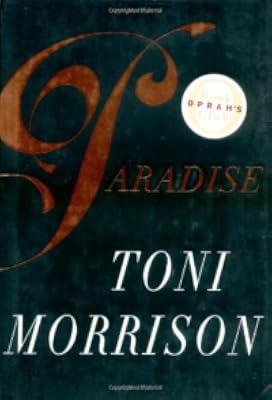
In prose that soars with the rhythms, grandeur, and tragic arc of an epic poem, Toni Morrison challenges our most fiercely held beliefs as she weaves folklore and history, memory and myth into an unforgettable meditation on race, religion, gender, and a far-off past that is ever present.“They shoot the white girl first. With the rest they can take their time.” So begins Toni Morrison’s Paradise, which opens with a horrifying scene of mass violence and chronicles its genesis in an show more all-black small town in rural Oklahoma. Founded by the descendants of freed slaves and survivors in exodus from a hostile world, the patriarchal community of Ruby is built on righteousness, rigidly enforced moral law, and fear. But seventeen miles away, another group of exiles has gathered in a promised land of their own. And it is upon these women in flight from death and despair that nine male citizens of Ruby will lay their pain, their terror, and their murderous rage.
“A fascinating story, wonderfully detailed. . . . The town is the stage for a profound and provocative debate.” —Los Angeles Times
. show less
Tags
Recommendations
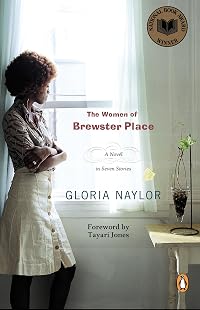
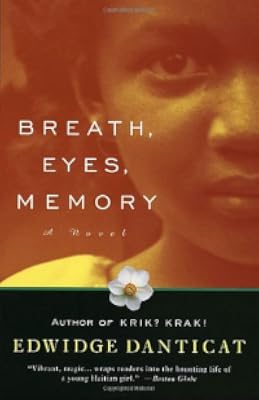
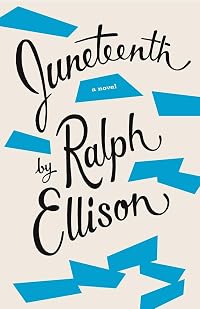
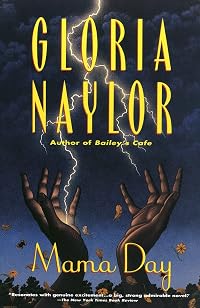
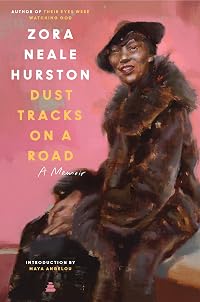
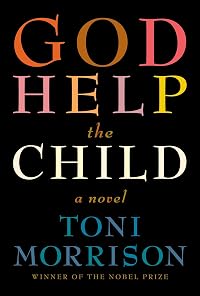

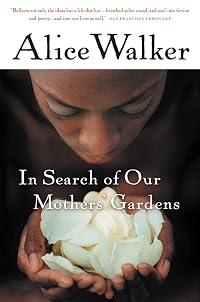
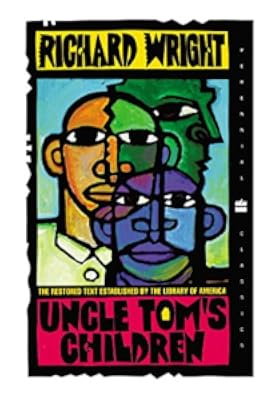
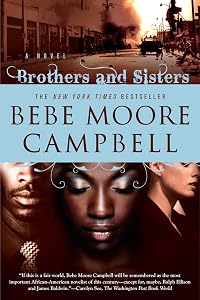
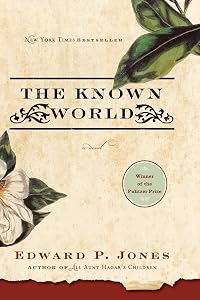
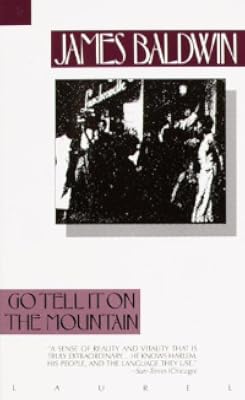
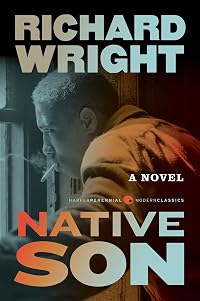
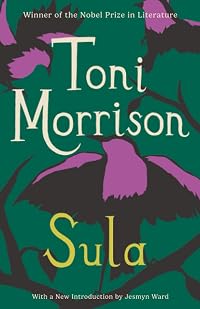
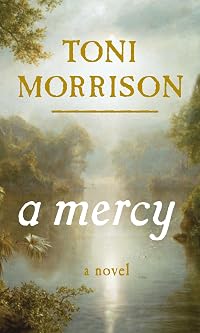
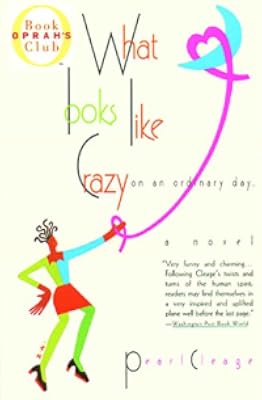
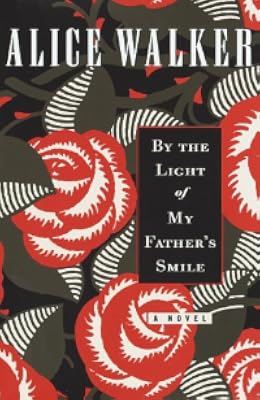
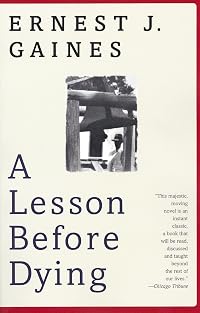
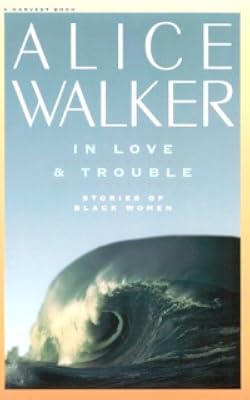
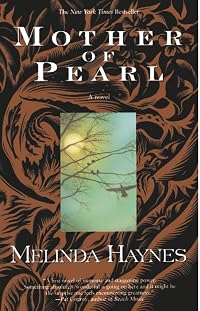
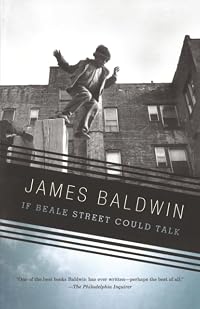
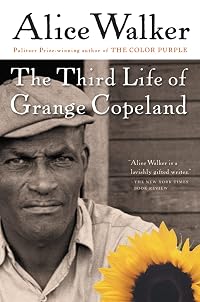
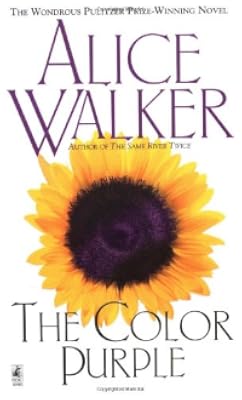
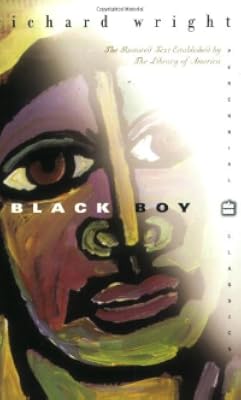
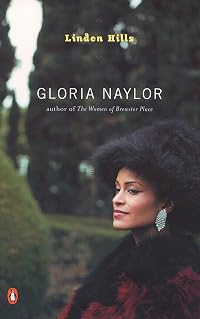

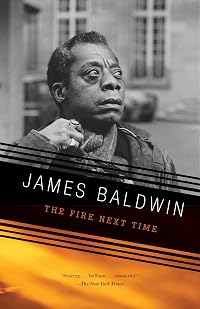
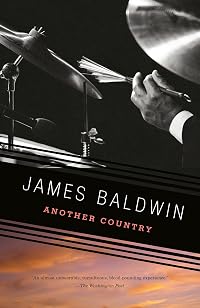
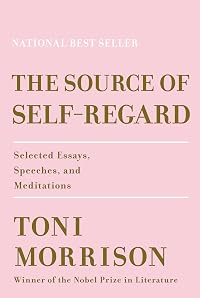
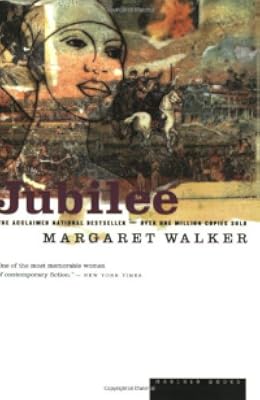
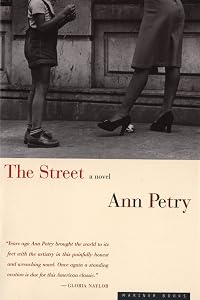
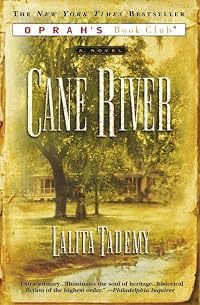
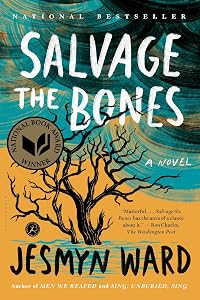
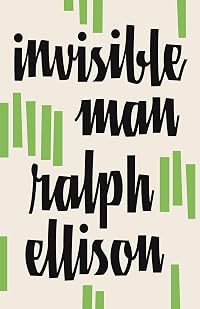
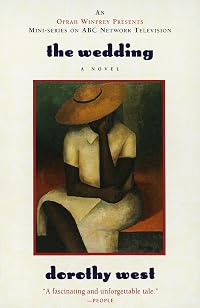
Member Recommendations
tangentialine I love how the structure is similar, but also how in both books there is attention to some key characters and a focus on racial tension and the heritage of the past. And the language is breathtakingly gorgeous in both books.
Member Reviews
The town of Ruby, Oklahoma was formed by some residents of Haven, a town founded by their ancestors, former slaves. Several miles away lies the Convent, a former school for native girls now inhabited only by the mother superior and her protégée, Connie. Toni Morrison uses these two settings to explore a set of issues more focused on gender than race. And, as with most of Morrison’s novels, things are much more complicated than they first appear.
The book opens with a group of men from Ruby staging a violent raid on the Convent. What would lead them to such an horrific act? Morrison takes her time shedding light on this question. Each chapter focuses on the life of a different woman, usually one who came to stay at the Convent. But show more the narrative also provides a history of Ruby and its people, albeit in a non-linear way. It can be difficult to keep track of all the characters and their relationships to one another. It’s not until the final chapters that the reader begins to understand why and how the raid happened. This later, more detailed description of the raid was gripping and tragic.
The raid is just one example of violence against women in this novel. All of the women who arrive at the Convent have experienced tragic circumstances, often at the hands of men. There’s a lot of imagery and symbolism, which I cannot claim to have fully unpacked. And I think there’s something supernatural going on as well, in ways reminiscent of Morrison’s Beloved. This was a challenging novel to read and understand, but rather than being confused or turned off by that, I loved it. show less
The book opens with a group of men from Ruby staging a violent raid on the Convent. What would lead them to such an horrific act? Morrison takes her time shedding light on this question. Each chapter focuses on the life of a different woman, usually one who came to stay at the Convent. But show more the narrative also provides a history of Ruby and its people, albeit in a non-linear way. It can be difficult to keep track of all the characters and their relationships to one another. It’s not until the final chapters that the reader begins to understand why and how the raid happened. This later, more detailed description of the raid was gripping and tragic.
The raid is just one example of violence against women in this novel. All of the women who arrive at the Convent have experienced tragic circumstances, often at the hands of men. There’s a lot of imagery and symbolism, which I cannot claim to have fully unpacked. And I think there’s something supernatural going on as well, in ways reminiscent of Morrison’s Beloved. This was a challenging novel to read and understand, but rather than being confused or turned off by that, I loved it. show less
In the Foreward to Paradise Toni Morrison writes, "The idea of paradise is no longer imaginable or, rather, it is over-imagined which amounts to the same thing . . ." It is that idea of a definition of paradise that perhaps began as a garden available to all and with each generation turned into a place defined by separation, exclusion, judgment, a place where the symbols that once brought a community together have lost their original meaning.
In the town of Ruby, Oklahoma there are a range of definitions of Paradise that divide the town between generations, genders, through colorism and between places. And those confliction notions are what erupt in violence.
This is Toni Morrison's theology on display taking place with the backdrop of show more American history, a story that shares much in common with the Book of Judges with its cycle of drifting away, encountering trauma, calling out and redemption, angst over who belongs in the promised land -- and a people, generations after a great Exodus, still trying to keep/understand a covenant that has changed in many of the minds of the community.
This is a challenging book to read with a greater expanse of characters (also like Judges) than most Morrison novels, but so worth making it to the end for one of the best pieces of magical realism that pulls the story into a coherent whole. show less
In the town of Ruby, Oklahoma there are a range of definitions of Paradise that divide the town between generations, genders, through colorism and between places. And those confliction notions are what erupt in violence.
This is Toni Morrison's theology on display taking place with the backdrop of show more American history, a story that shares much in common with the Book of Judges with its cycle of drifting away, encountering trauma, calling out and redemption, angst over who belongs in the promised land -- and a people, generations after a great Exodus, still trying to keep/understand a covenant that has changed in many of the minds of the community.
This is a challenging book to read with a greater expanse of characters (also like Judges) than most Morrison novels, but so worth making it to the end for one of the best pieces of magical realism that pulls the story into a coherent whole. show less
[Paradise] by [[Toni Morrison]]
Toni Morrison's recent death prompted me to pick up this book, which had been lingering too long on my shelves. I'm a little (more than a little) in awe of Morrison's talent and this book was no exception.
Paradise revolves around a small town of Ruby, Oklahoma, that was founded by 15 black families fleeing from persecution and racism. These families were freed slaves who were successful during Reconstruction, achieving political roles and higher education, and then squashed back down when whites regained control. They were even discounted and run out of towns by fellow blacks for being "too black". So they take that as a matter of pride and found their town that they try to keep pure to the original show more families.
The conflict comes with an enormous home 17 miles outside of their town that used to be a Convent. The remaining Mother and her "daughter" Connie end up taking in several misfit women who all have had traumatic roads to finding them. The men of Ruby are tempted by these women and of course end up blaming them for their problems, including the most recent generation of Ruby not valuing the same insular society. When they start to lose control of their dearly held beliefs, the blame falls to the women at the Convent and tragedy happens.
There's so much more to this book that can't be described in a brief description. It's complex and beautiful writing but it also draws you in. I read it quickly and was completely wrapped up in it. I love that Morrison can write with such complexity but still in a way that is so readable. I would rank this novel right up with my other favorites, [Song of Solomon] and [Beloved]. show less
Toni Morrison's recent death prompted me to pick up this book, which had been lingering too long on my shelves. I'm a little (more than a little) in awe of Morrison's talent and this book was no exception.
Paradise revolves around a small town of Ruby, Oklahoma, that was founded by 15 black families fleeing from persecution and racism. These families were freed slaves who were successful during Reconstruction, achieving political roles and higher education, and then squashed back down when whites regained control. They were even discounted and run out of towns by fellow blacks for being "too black". So they take that as a matter of pride and found their town that they try to keep pure to the original show more families.
The conflict comes with an enormous home 17 miles outside of their town that used to be a Convent. The remaining Mother and her "daughter" Connie end up taking in several misfit women who all have had traumatic roads to finding them. The men of Ruby are tempted by these women and of course end up blaming them for their problems, including the most recent generation of Ruby not valuing the same insular society. When they start to lose control of their dearly held beliefs, the blame falls to the women at the Convent and tragedy happens.
There's so much more to this book that can't be described in a brief description. It's complex and beautiful writing but it also draws you in. I read it quickly and was completely wrapped up in it. I love that Morrison can write with such complexity but still in a way that is so readable. I would rank this novel right up with my other favorites, [Song of Solomon] and [Beloved]. show less
Another wonderfully told story by one of my favorites. In a town named Ruby, Ohio, a community of Black families, lead by twin brothers settle into their own segregated paradise, hopefully never to be ruined by the outside world. As time progresses the younger generation of teenagers start to want to change things and the status quo is being questioned. At the same time there is an abandoned convent that once was used by nuns looking to educate the locals. Now it is home to a collection of women in need or desperation. Each chapter title is the name of one of the women. The novel begins with the murder of one of these women and then circulates back to provide the back story to why this carnage is happening. It is an amazing intertwined show more saga, one that does take some concentration or in my case book notes. However the journey is well worth the effort. Morrison is masterful with her language and her depiction of characters. I have read most of her books and look forward to her newest: Home. show less
"How exquisitely human was the wish for permanent happiness, and how thin human imagination became trying to achieve it."
In the town of Ruby there have been no deaths. No murders, no rape, no excess violence. A town formed from dream; a continuation of a legacy and vision of the descendants of the founders of Haven. Haven was a town established by Black people recently emancipated, having been rejected for their race, dark skin colour, and class, through hard work and sacrifice. Therefore the people of Ruby, just like any society, have their origin story; a set of rules to administer it; and, naturally, their internal conflicts. But being the patriarchal society it is, the set of rules is administered by the male leaders of the town, show more and just like in all patriarchal societies, these rules are meant–among other things–to control women's bodies, and their sexualities as well.
So when a group of traumatized women seek refuge in the outskirts of the town, in what was a former school for Indian girls ran by nuns, their free lives, uncontrolled and unsupervised by men, draws the attention of the town. They become
both scapegoat and threat for and to the male leaders of Ruby, and eventually violence erupts.
This book was so good, so vast, and so difficult. The complexity of its structure; the many full formed characters that are hard to keep up with; the different ancestry lines explored; this book required effort. It took about halfway through the book for all that had been set to unspool itself, but I had complete trust in Toni Morrison and I can say that the trust and effort were certainly more than rewarded. This book felt similar to [b:Song of Solomon|11334|Song of Solomon|Toni Morrison|https://i.gr-assets.com/images/S/compressed.photo.goodreads.com/books/1632283992l/11334._SY75_.jpg|3215642] in its language and how myth, the "unnatural", and the mysterious blend so richly into the narrative of the story. show less
In the town of Ruby there have been no deaths. No murders, no rape, no excess violence. A town formed from dream; a continuation of a legacy and vision of the descendants of the founders of Haven. Haven was a town established by Black people recently emancipated, having been rejected for their race, dark skin colour, and class, through hard work and sacrifice. Therefore the people of Ruby, just like any society, have their origin story; a set of rules to administer it; and, naturally, their internal conflicts. But being the patriarchal society it is, the set of rules is administered by the male leaders of the town, show more and just like in all patriarchal societies, these rules are meant–among other things–to control women's bodies, and their sexualities as well.
So when a group of traumatized women seek refuge in the outskirts of the town, in what was a former school for Indian girls ran by nuns, their free lives, uncontrolled and unsupervised by men, draws the attention of the town. They become
both scapegoat and threat for and to the male leaders of Ruby, and eventually violence erupts.
This book was so good, so vast, and so difficult. The complexity of its structure; the many full formed characters that are hard to keep up with; the different ancestry lines explored; this book required effort. It took about halfway through the book for all that had been set to unspool itself, but I had complete trust in Toni Morrison and I can say that the trust and effort were certainly more than rewarded. This book felt similar to [b:Song of Solomon|11334|Song of Solomon|Toni Morrison|https://i.gr-assets.com/images/S/compressed.photo.goodreads.com/books/1632283992l/11334._SY75_.jpg|3215642] in its language and how myth, the "unnatural", and the mysterious blend so richly into the narrative of the story. show less
A difficult subject, or couple of subjects really, to write about in alcoholism and adultery, and especially to write in a way that is both realistic and sympathetic, and without resorting to "bad things happened in childhood" as an excuse. I was holding my breath through the final chapters, hoping that everything would not be patly explained, and I was so happy that it was not.
And some beautiful and harsh words too..
"Because I've done the married man stuff before: the serious married man stuff with the calls at odd hours and the lunch-break fucks and him making you meet his wife socially (so that you'll know her, so that you can feel bad, too - except that you don't, because you're not married, that's his problem) and the not going out show more much in daylight and the wanting to have more of him, the hunger that almost wrecks you when you finally do touch - the whole, huge, locked-in crucifying, paranoid fantasy.!
I borrowed this book, and I will try to hang on to it for a while longer, to reread soon. show less
And some beautiful and harsh words too..
"Because I've done the married man stuff before: the serious married man stuff with the calls at odd hours and the lunch-break fucks and him making you meet his wife socially (so that you'll know her, so that you can feel bad, too - except that you don't, because you're not married, that's his problem) and the not going out show more much in daylight and the wanting to have more of him, the hunger that almost wrecks you when you finally do touch - the whole, huge, locked-in crucifying, paranoid fantasy.!
I borrowed this book, and I will try to hang on to it for a while longer, to reread soon. show less
Like the first two book in the Beloved trilogy, Beloved and Jazz, the overarching themes of Paradise are coping with loss and pain; powerful, toxic memories; loss of innocence; and a more nuanced examination of female empowerment in the context of the legacy of slavery. The more granular themes in this third novel are hatred, love, and a kind of NIMBY sensibility.
Unfortunately, I liked this book the least of the three and was disappointed that the almost magical lyricism of the first novel and, to a lesser extent, the second novel, was absent in this one despite the oft pretty prose. The story focuses on fifteen families over five generations in an all-Black Oklahoma town, Ruby, which actively excludes outsiders. It begins when armed show more men from Ruby search a convent some miles out of town for five women who they believe are immoral and pose a threat to the harmony in Ruby. The story that follows focuses on explaining who those men are and why their intended victims were brought to the convent in the first instance. The chapters are named after different women, and told through various narrators, some more reliable than others. in reality, the women are a scapegoat for Ruby’s own intergenerational conflict. I did like Morrison’s character development, but I found in this novel there was more telling than showing, unlike the first novel. The themes Morrison wove like magic threads into a sturdy tapestry with seamless subtlety in Beloved seemed to have devolved into an explicit bludgeon. I even examined my reaction for, perhaps, some visceral reaction to the citizens of this all-Black town becoming oppressors, and I do not believe it was that. It is just that I recently read Beloved and Jazz, and this one did not measure up, to my great disappointment. show less
Unfortunately, I liked this book the least of the three and was disappointed that the almost magical lyricism of the first novel and, to a lesser extent, the second novel, was absent in this one despite the oft pretty prose. The story focuses on fifteen families over five generations in an all-Black Oklahoma town, Ruby, which actively excludes outsiders. It begins when armed show more men from Ruby search a convent some miles out of town for five women who they believe are immoral and pose a threat to the harmony in Ruby. The story that follows focuses on explaining who those men are and why their intended victims were brought to the convent in the first instance. The chapters are named after different women, and told through various narrators, some more reliable than others. in reality, the women are a scapegoat for Ruby’s own intergenerational conflict. I did like Morrison’s character development, but I found in this novel there was more telling than showing, unlike the first novel. The themes Morrison wove like magic threads into a sturdy tapestry with seamless subtlety in Beloved seemed to have devolved into an explicit bludgeon. I even examined my reaction for, perhaps, some visceral reaction to the citizens of this all-Black town becoming oppressors, and I do not believe it was that. It is just that I recently read Beloved and Jazz, and this one did not measure up, to my great disappointment. show less
Members
- Recently Added By
Lists

Recommend the 20 best books you've read in the last five years
2,168 works; 601 members

Unread books
1,063 works; 82 members

20th Century Literature
1,161 works; 55 members

Favourite Books
1,819 works; 316 members

Oprah's Book Club (original and 2.0)
91 works; 21 members

International IMPAC Dublin Literary Award
179 works; 6 members

Best First Lines
133 works; 8 members

Black Authors
384 works; 28 members
Overdue Podcast
808 works; 9 members

Llibres que he llegit el 2021
54 works; 1 member
Books With Our Favorite First Lines
168 works; 104 members

Books Read in 2026
2,042 works; 68 members
Talk Discussions
Past Discussions
Group Read: “Paradise” by Toni Morrison in 75 Books Challenge for 2021 (March 2021)
Author Information

102+ Works 80,274 Members
Some Editions
Awards and Honors
Awards
Distinctions
Series

Belongs to Publisher Series
Work Relationships
Common Knowledge
- Canonical title*
- Het paradijs
- Original title
- Paradise
- Original publication date
- 1997-12-24
- People/Characters
- Deacon "Deek" Morgan; Steward Morgan; Dovey Morgan; Soane Morgan; Ruby Morgan
- Important places
- Ruby, Oklahoma, USA
- Epigraph
- For many are the pleasant forms which exist in
numerous sings,
and incontinencies,
and disgraceful passions
and fleeting pleasures,
which (men) embrace until they become
sober
and go up to their resting p... (show all)lace.
And they will find me there,
and they will live,
and they will not die again. - Dedication
- Lois
- First words
- They shoot the white girl first.
- Last words
- (Click to show. Warning: May contain spoilers.)Now they will rest before shouldering the endless work they were created to do down here in Paradise.
- Blurbers*
- Steinz, Pieter; Boomsma, Graa; Broeder, Leonoor; Winfrey, Oprah
- Original language
- English US
- Canonical DDC/MDS
- 813.54
- Canonical LCC
- PS3563.O8749
*Some information comes from Common Knowledge in other languages. Click "Edit" for more information.
Classifications
Statistics
- Members
- 5,686
- Popularity
- 2,322
- Reviews
- 57
- Rating
- (3.77)
- Languages
- 16 — Catalan, Danish, Dutch, English, Finnish, French, German, Greek, Italian, Japanese, Norwegian (Bokmål), Portuguese, Romanian, Spanish, Swedish, Turkish
- Media
- Paper, Audiobook, Ebook
- ISBNs
- 61
- ASINs
- 28