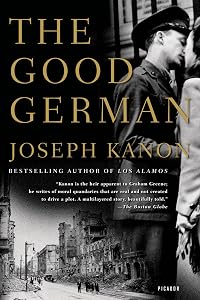
The Good German
by Joseph Kanon
On This Page
Description
Set in Berlin just after the end of World War II, Joseph Kanon's The Good German, now a major motion picture, is a brilliant thriller about the end of one war and the beginning of another, by the bestselling author of Los Alamos. Berlin, 1945. Hitler has been defeated, and Berlin is divided into zones of occupation. Jake Geismar, an American correspondent who spent time in the city before the war, has returned to write about the Allied triumph while pursuing a more personal quest: his search show more for Lena, the married woman he left behind. When an American soldier's body is found in the Russian zone during the Potsdam Conference, Jake stumbles on the lead to a murder mystery. Jason Kanon's The Good German is a story of espionage and love, an extraordinary recreation of a city devastated by war, and a thriller that asks the most profound ethical questions in its exploration of the nature of justice, and what we mean by good and evil in times of peace and of war. show lessTags
Recommendations
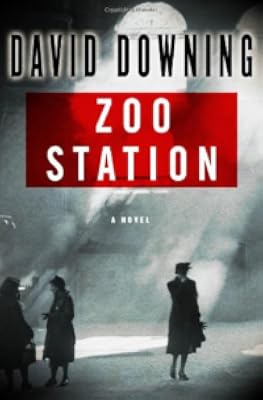
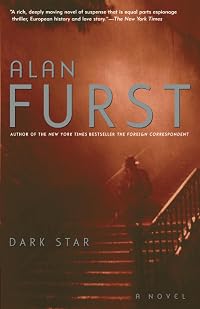
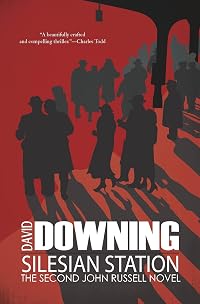
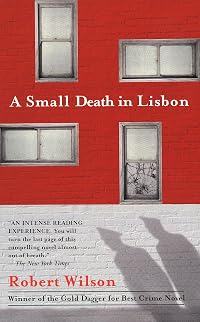



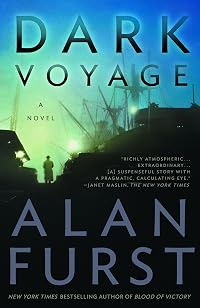
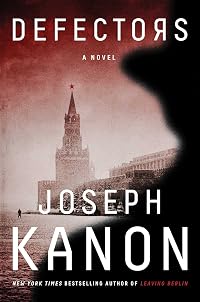
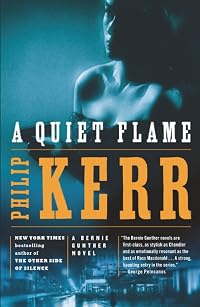
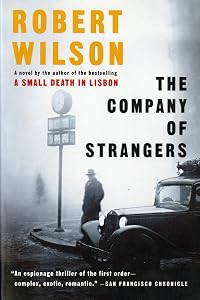





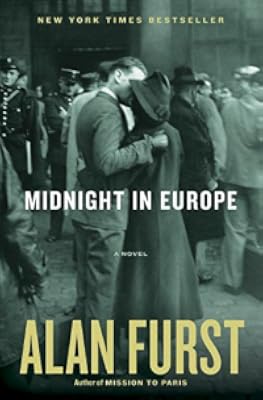
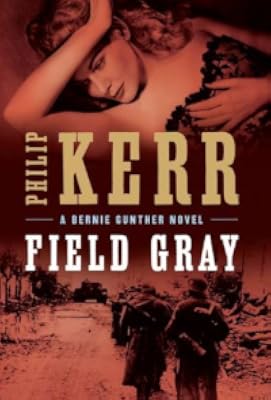
Member Recommendations

by WildMaggie
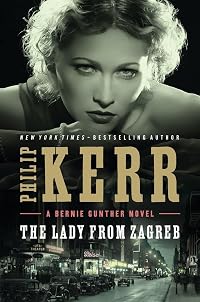
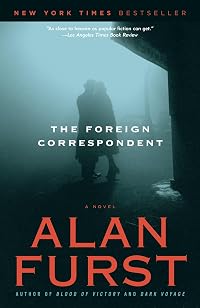
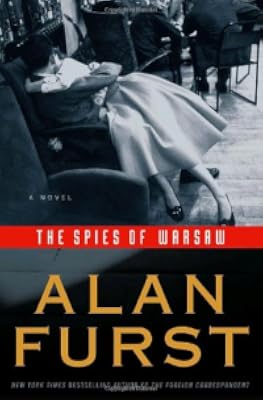
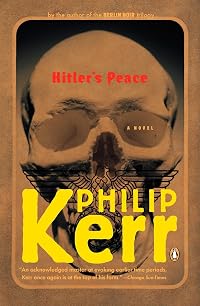
A Spy at the Heart of the Third Reich: The Extraordinary Story of Fritz Kolbe, America's Most Important Spy in World War II by Lucas Delattre
WildMaggie Truth can be stranger than fiction.
Member Reviews
This is a very good mystery and a very, very good rendering of what life must have been like in Berlin during the weeks and months immediately following the surrender of Nazi Germany. Kanon investigates the nature of guilt, on both a national/cultural and a personal scale as both Allies and Germans alike begin to deal with the aftermath of the war and the pervasive horrors of the Holocaust. Again, the issues drawn are both large-scale and personal. Also crucial to the plot is the manner in which the Americans and Russians immediately launch into "the next war" as they jockey for position and power in divided Berlin. And then there is the divide among the Americans between those intent in bringing Nazis to trial and those who mostly want show more to pick up the pieces, move on, and get back to business. Not incidentally, this includes making use of German rocket scientists regardless of whatever their Nazi activity might have been. The protagonist is Jake Geismar. An American reporter stationed in Berlin before the war, Geismar has developed a deep regard for Germany and Berlin in particular. After spending the war years as a reporter with Patton, he returns to Berlin on assignment, and, more importantly for him, to try to find his pre-war lover. Having lived in Berlin right up to the beginning of hostilities, he has no illusions about who the Nazis had been, but still, as he begins to understand the true depth of the corruption of a German society and people he thought he had known, the question that comes most frequently to him is, "What happened to everybody?"
Kanon is very, very skillful at exploring these issues. Here are two passages that illuminate what I mean, much longer quotes than I normally feel comfortable including, I'm afraid. The first passage and the beginning of the second, be warned, are pretty unpleasant. The scene is a dinner early on at that includes a visiting U.S. Congressman (one of the "Let's not bother with the small fry; let's just get back to business" crowd) and a young officer, Bernie Teitel, Jewish, involved in investigating individual war crimes.
"'Small fry,' Bernie said again. 'Here's one.' He reached into the pile and pulled out a few buff-colored sheets. 'Otto Klopfer. Wants to drive for us. Experienced. Says he drove a truck during the war. He just didn't say what kind. One of the mobile units, it turns out. The exhaust pipe ran back into the van. They'd load about fifty, sixty people in there, and old Otto would just keep the motor running until they died. We found out because he wrote a letter to his CO.' He held up a sheet. 'The exhaust was taking too long. Recommended they seal the pipes so it would work faster. The people were panicking, trying to get out. He was afraid they'd damage the truck.' Another silence, this time so still that even the air around Bernie seemed to stop."
And then this as Geismer considers later . . .
"Jake lit a cigarette. Had Otto Klopfer smoked in the cab while he ran the motor, listening to the thumps behind him? There must have been screaming, a furious pounding on the van. And he'd sat there, foot on the pedal. How could they do it? All the questions came back to that. He'd seen it on the faces of the GIs, who'd hated France and then, confused, felt at home in Germany. The plumbing, the wide roads, the blond children grateful for candy, their mothers tirelessly sweeping up the mess. Clean. Hardworking. Just like us. Then they'd seen the camps, or at least the newsreels. How could they do it? The answer, the only one that made sense to them, was that they hadn't--somebody else had. But there wasn't anybody else. So they stopped asking. Unless, like Teitel, the hook had gone in too deep. . . . He realized suddenly that . . . what the city had really become was not a bomb site but a vast scene of the crime. Shaken, waiting for someone to bring the stretcher and erase the chalk marks and put the furniture back. Except this crime wouldn't go away, even then. There would always be a body in the middle of the floor. How could they do it? Sealing pipes, locking doors, ignoring the screams? It was the only question. But who could answer it? Not a reporter with four pieces in Collier's. The story was beyond that, a twisted parody of Goebbels' big lie--if you made the crime big enough, nobody did it. All the pieces he might do, full of local color and war stories and Truman's horse-trading, were not even notes for the police blotter."
And this is what I mean by skillful. In addition to the excellent writing itself, Kanon, by presenting us with the story of Otto Klopfer and his truck, personalizes the question, creating a small, manageable scale as a foundation for consideration of the universal horror.
Or, you can just read The Good German as a very fine noir-ish murder mystery, set in and growing out of the very early days of the Cold War. The plot pacing is very good, the characters believable and the mystery itself engaging. Even the romance serves to move the story forward rather than stopping it in its tracks. One last aside: as you can see, the copy of this book I plucked off the shelves of my own bookstore has a movie tie-in cover. I haven't seen the movie, I don't know if I will, but the casting of George Clooney in the lead role I think was perfect. show less
Kanon is very, very skillful at exploring these issues. Here are two passages that illuminate what I mean, much longer quotes than I normally feel comfortable including, I'm afraid. The first passage and the beginning of the second, be warned, are pretty unpleasant. The scene is a dinner early on at that includes a visiting U.S. Congressman (one of the "Let's not bother with the small fry; let's just get back to business" crowd) and a young officer, Bernie Teitel, Jewish, involved in investigating individual war crimes.
"'Small fry,' Bernie said again. 'Here's one.' He reached into the pile and pulled out a few buff-colored sheets. 'Otto Klopfer. Wants to drive for us. Experienced. Says he drove a truck during the war. He just didn't say what kind. One of the mobile units, it turns out. The exhaust pipe ran back into the van. They'd load about fifty, sixty people in there, and old Otto would just keep the motor running until they died. We found out because he wrote a letter to his CO.' He held up a sheet. 'The exhaust was taking too long. Recommended they seal the pipes so it would work faster. The people were panicking, trying to get out. He was afraid they'd damage the truck.' Another silence, this time so still that even the air around Bernie seemed to stop."
And then this as Geismer considers later . . .
"Jake lit a cigarette. Had Otto Klopfer smoked in the cab while he ran the motor, listening to the thumps behind him? There must have been screaming, a furious pounding on the van. And he'd sat there, foot on the pedal. How could they do it? All the questions came back to that. He'd seen it on the faces of the GIs, who'd hated France and then, confused, felt at home in Germany. The plumbing, the wide roads, the blond children grateful for candy, their mothers tirelessly sweeping up the mess. Clean. Hardworking. Just like us. Then they'd seen the camps, or at least the newsreels. How could they do it? The answer, the only one that made sense to them, was that they hadn't--somebody else had. But there wasn't anybody else. So they stopped asking. Unless, like Teitel, the hook had gone in too deep. . . . He realized suddenly that . . . what the city had really become was not a bomb site but a vast scene of the crime. Shaken, waiting for someone to bring the stretcher and erase the chalk marks and put the furniture back. Except this crime wouldn't go away, even then. There would always be a body in the middle of the floor. How could they do it? Sealing pipes, locking doors, ignoring the screams? It was the only question. But who could answer it? Not a reporter with four pieces in Collier's. The story was beyond that, a twisted parody of Goebbels' big lie--if you made the crime big enough, nobody did it. All the pieces he might do, full of local color and war stories and Truman's horse-trading, were not even notes for the police blotter."
And this is what I mean by skillful. In addition to the excellent writing itself, Kanon, by presenting us with the story of Otto Klopfer and his truck, personalizes the question, creating a small, manageable scale as a foundation for consideration of the universal horror.
Or, you can just read The Good German as a very fine noir-ish murder mystery, set in and growing out of the very early days of the Cold War. The plot pacing is very good, the characters believable and the mystery itself engaging. Even the romance serves to move the story forward rather than stopping it in its tracks. One last aside: as you can see, the copy of this book I plucked off the shelves of my own bookstore has a movie tie-in cover. I haven't seen the movie, I don't know if I will, but the casting of George Clooney in the lead role I think was perfect. show less
Jake Geismar is an American journalist who was stationed in Berlin before WWII and is returning now in post-war 1945 to cover the Potsdam Conference. And to try and find Lena, the married woman he left behind, but has never forgotten. The city is alien to him now: bombed out ruins inhabited by scared poverty-wracked people, mostly women and children, and the sense of despair on every corner. When Jake discovers a dead body at the conference, he begins an investigation that is inconvenient for both the Russians and the Americans. In the process he meets Bernie Teitel, an American Jew whose job is to uncover Nazi’s and collect enough evidence to convict them of war crimes; Gunther Behn, a retired Nazi policeman slowly drinking his way show more to an early grave over his wife’s death; and Renate Naumann, a former employee of Jake’s, now on trial for abetting the Nazis as a greifer, a Jew who turned in other Jews.
What makes this book more than a murder mystery, or a love story, or an espionage type of thriller, is that the German characters feel like real people making impossible choices. Lena’s sense of duty to her husband, despite knowing he was a Nazi; Bernie chasing former Nazi’s regardless of their personal situations, trying to find justice for the Jews; Gunther’s guilt for not being able to save his wife and testifying against a woman who may have had to make the hardest choices of all: Renate. The author is able to raise philosophical questions in the context of people’s lives. By doing so, he makes it harder to respond with stock answers and a black and white point of view. The American motives in the treatment of Nazi scientists alone are enough to trouble one’s conscience.
When I picked up this novel, I thought I was in for an easy read about a journalist, a love affair, and a mystery. Instead, I found myself wrestling with the ideas of justice, guilt, and reparations. This book has stuck with me, and I would recommend it to all those interested in the war and to book club groups. There is a lot to think about. show less
What makes this book more than a murder mystery, or a love story, or an espionage type of thriller, is that the German characters feel like real people making impossible choices. Lena’s sense of duty to her husband, despite knowing he was a Nazi; Bernie chasing former Nazi’s regardless of their personal situations, trying to find justice for the Jews; Gunther’s guilt for not being able to save his wife and testifying against a woman who may have had to make the hardest choices of all: Renate. The author is able to raise philosophical questions in the context of people’s lives. By doing so, he makes it harder to respond with stock answers and a black and white point of view. The American motives in the treatment of Nazi scientists alone are enough to trouble one’s conscience.
When I picked up this novel, I thought I was in for an easy read about a journalist, a love affair, and a mystery. Instead, I found myself wrestling with the ideas of justice, guilt, and reparations. This book has stuck with me, and I would recommend it to all those interested in the war and to book club groups. There is a lot to think about. show less
Two months after the end of the Second World War in Europe, Jake Geismar arrives in Berlin, a correspondent attached to the American army. He's been sent to report on the Potsdam Conference, the meeting of the heads of state of the United States, the United Kingdom and Russia to decide how to administer the defeated Germany. But while everyone gathers for a photo opportunity, a murdered American officer is washed up on the shore of the lake, with a money belt stuffed with occupation marks. What was he selling? Jake decides to investigate, hoping that his searches among the ruins will also lead him to the lover he left years ago, before the war.
Far from being a simple historical murder mystery, the novel deals with very ethically and show more morally complex themes, throwing up all sorts of uncomfortable questions in the process, and explores issues surrounding the collective German guilt surrounding the Holocaust both sensitively and unflinchingly, while refraining from making any rash judgements; instead, the horrors of the Nazi regime are examined through the experiences and actions of a handful of local characters, and though the mind struggles to comprehend that humans are capable of committing such atrocities against other fellow human beings and wants to condemn and punish them, the author reveals that behind the crimes there is often something worse. I repeatedly had tears in my eyes while reading, and I kept asking myself, what would I have done if the safety of my family had been at stake? As I am German myself and my grandparents, greataunts and -uncles lived and fought through the war, the question went even further: what choices did my relatives have to make, or did they feel there was no choice, either through a belief in the ideology or by adhering to some innate principles? As usual, the war was a topic that wasn't talked about. At the end the reader is left to ask themself: what makes a good German, and who makes this decision, and for what purpose?
Additionally, the Allies are often shown in a morally dubious light, viewing Berlin and the country as a whole as a gigantic business opportunity, so that the entire novel emerges as being coloured in gradations of grey, and that's not just the colour of the city reduced to rubble and dust. Kanon's evocation of time and place is acute and extraordinarily vivid, and it's almost as if I could see the old newsreel films running in front of my eyes. He's got an excellent ear for dialogue and the plotting and pacing are almost flawless, setting up the beginnings of yet another conflict seemlessly. The only bug bear for me is the love story, with its in-your-face, almost pornographic descriptions of sex; was this really necessary to draw in the readers? With such a talented writer the personal conflict at the heart of the novel could have been explored differently. show less
Far from being a simple historical murder mystery, the novel deals with very ethically and show more morally complex themes, throwing up all sorts of uncomfortable questions in the process, and explores issues surrounding the collective German guilt surrounding the Holocaust both sensitively and unflinchingly, while refraining from making any rash judgements; instead, the horrors of the Nazi regime are examined through the experiences and actions of a handful of local characters, and though the mind struggles to comprehend that humans are capable of committing such atrocities against other fellow human beings and wants to condemn and punish them, the author reveals that behind the crimes there is often something worse. I repeatedly had tears in my eyes while reading, and I kept asking myself, what would I have done if the safety of my family had been at stake? As I am German myself and my grandparents, greataunts and -uncles lived and fought through the war, the question went even further: what choices did my relatives have to make, or did they feel there was no choice, either through a belief in the ideology or by adhering to some innate principles? As usual, the war was a topic that wasn't talked about. At the end the reader is left to ask themself: what makes a good German, and who makes this decision, and for what purpose?
Additionally, the Allies are often shown in a morally dubious light, viewing Berlin and the country as a whole as a gigantic business opportunity, so that the entire novel emerges as being coloured in gradations of grey, and that's not just the colour of the city reduced to rubble and dust. Kanon's evocation of time and place is acute and extraordinarily vivid, and it's almost as if I could see the old newsreel films running in front of my eyes. He's got an excellent ear for dialogue and the plotting and pacing are almost flawless, setting up the beginnings of yet another conflict seemlessly. The only bug bear for me is the love story, with its in-your-face, almost pornographic descriptions of sex; was this really necessary to draw in the readers? With such a talented writer the personal conflict at the heart of the novel could have been explored differently. show less
Not my favorite kind of reading. I don't care about straight people and their hook-ups, their infidelities, or whether or not they get their HEAs.
The murder-mystery aspect of the story was well done, involving, and clever. The historical setting was genius! It not only made the mystery possible in the first place, it was essentially a second layer of novel unto itself. This is a very difficult feat to pull off. Two layers, inextricable from each other, are still somehow different registers of story. This self-harmony is the whole reason I give the read four instead of two and a half stars. Quite an achievement.
The murder-mystery aspect of the story was well done, involving, and clever. The historical setting was genius! It not only made the mystery possible in the first place, it was essentially a second layer of novel unto itself. This is a very difficult feat to pull off. Two layers, inextricable from each other, are still somehow different registers of story. This self-harmony is the whole reason I give the read four instead of two and a half stars. Quite an achievement.
I first read this years ago when it first came out, and it was enough to make me a forever-fan of Kanon. Re-reading it this week only reminded me of why I loved the book so much the first time around--and that's coming from someone who almost never re-reads books!
Kanon's work is part mystery, part love story, part historical fiction, part thriller and espionage, and centered in Berlin in 1945 following WWII. Bringing to life the desperation and the destruction of the city, and various factions fighting for control of not just the city, but also its people and the story that history will tell, this is one of those books that has the capability of transporting a reader back in time. Kanon's balance of setting and suspense against show more character is masterful, and thus the book is incredibly difficult to put down.
Without a doubt, I'd recommend it to nearly anyone who enjoys historical drama, suspense, or mystery, or even simply historical fiction that deals with WWII. It's well worth the read. show less
Kanon's work is part mystery, part love story, part historical fiction, part thriller and espionage, and centered in Berlin in 1945 following WWII. Bringing to life the desperation and the destruction of the city, and various factions fighting for control of not just the city, but also its people and the story that history will tell, this is one of those books that has the capability of transporting a reader back in time. Kanon's balance of setting and suspense against show more character is masterful, and thus the book is incredibly difficult to put down.
Without a doubt, I'd recommend it to nearly anyone who enjoys historical drama, suspense, or mystery, or even simply historical fiction that deals with WWII. It's well worth the read. show less
Set in Berlin at the time of the Potsdam Conference, just after the Allied victory in Europe, Jake Geismar, an American journalist, is searching for his German girlfriend, Lena, along with a story for his magazine. While there, a murder is committed, and Jake gets involved. At first, the murder and the search for Lena do not seem connected, but with the help of German detective, the relationship becomes clear. He also wants to find out what happened to Lena’s husband, Emil, a scientist working with Wernher von Braun. Jake uncovers the corruption of the black market and a covert struggle between the Americans and the Soviets to lure German scientists for assistance in arms development in advance of the Cold War.
The author combines show more elements of mystery, romance, and history into a compelling story with well-developed characters. It explores ethical questions of whether involvement with the Nazis will result in punishment or exoneration. Should scientists get a free pass because they continue to be useful? The main plot and sub-plots are woven together expertly. The novel conveys a strong sense of place. I could picture the bombed-out rubble of Berlin. As in many mysteries, some of the key pieces of information are delivered through plot devices.
I had not previously joined the audiobook trend, but when I found myself facing a long drive, I decided to try it. I came across this one at my local library. The audiobook reader, Stanley Tucci, does an excellent job of modulating his voice and creating realistic differentiated accents to render the various German, American, and Russian characters of both sexes. It kept us entertained while driving for over seven hours. Recommended to fans of historical fiction or mysteries, especially of the period surrounding WWII. Contains language, sex, and violence. show less
The author combines show more elements of mystery, romance, and history into a compelling story with well-developed characters. It explores ethical questions of whether involvement with the Nazis will result in punishment or exoneration. Should scientists get a free pass because they continue to be useful? The main plot and sub-plots are woven together expertly. The novel conveys a strong sense of place. I could picture the bombed-out rubble of Berlin. As in many mysteries, some of the key pieces of information are delivered through plot devices.
I had not previously joined the audiobook trend, but when I found myself facing a long drive, I decided to try it. I came across this one at my local library. The audiobook reader, Stanley Tucci, does an excellent job of modulating his voice and creating realistic differentiated accents to render the various German, American, and Russian characters of both sexes. It kept us entertained while driving for over seven hours. Recommended to fans of historical fiction or mysteries, especially of the period surrounding WWII. Contains language, sex, and violence. show less
I don't generally read spy novels or suspense thrillers these days, but I do have an enduring admiration for the work of John LeCarre, having read several of his books in years past. And Joseph Kanon's work has been justifiably compared to LeCarre's, and also to Graham Greene's, although the latter comparison is, I think, a bit of a stretch. But there is absolutely no doubt that Kanon knows how to grab a reader and spin a yarn and keep you turning pages late into the night. And all these things are certainly true of THE GOOD GERMAN, which I just finished whipping my way through. The characters in Kanon's books are, it seems to me, less important than the plot, in this case a murder mystery, and this was also true of LOS ALAMOS, the only show more other Kanon book I've read, that one set against the secrets and intrigues of the Manhattan Project. This time Kanon uses the Potsdam Conference as a backdrop, with seasoned journalist and war correspondent Jake Geismar, who has returned to a shattered Berlin after Germany has surrendered to find Lena Brandt, his married lover from before the war. He suddenly finds himself embroiled in a web of intrigue as he attempts to unravel the murder of an American officer. There is much here about the already ongoing competition and mistrust between the Americans and the Russians as both sides scramble to harvest the scientific knowledge of German technology and rocket science. But what comes through strongest of all is the immense suffering endured during the war, by both its innocent victims - the Jews - and also by the German people themselves, and the question that continually emerges is who will bear the responsibility for all the death and misery. Is there, in the awful aftermath of accusations and trials, even such a thing as a "good German."
There is a kind of breakneck pace to the story, as Jake tries to stay one pace ahead of the Russians and maybe some rotten Americans too. One of the more interesting characters is an alcoholic German policeman who Jake enlists to help him solve the ever more complex murder case. There are some rather steamy sex scenes when Jake and Lena reunite, as well as some shoot-em-up gun battles and even car chases and crashes - everything that would contribute to a successful film adaptation. And of course there was a film, which I have not seen, but I'll bet it's a damn good one.
This is a good book. Not great literature, but good solid writing and fine nail-biting, page-turning entertainment. Recommended. show less
There is a kind of breakneck pace to the story, as Jake tries to stay one pace ahead of the Russians and maybe some rotten Americans too. One of the more interesting characters is an alcoholic German policeman who Jake enlists to help him solve the ever more complex murder case. There are some rather steamy sex scenes when Jake and Lena reunite, as well as some shoot-em-up gun battles and even car chases and crashes - everything that would contribute to a successful film adaptation. And of course there was a film, which I have not seen, but I'll bet it's a damn good one.
This is a good book. Not great literature, but good solid writing and fine nail-biting, page-turning entertainment. Recommended. show less
Members
- Recently Added By
Lists

Best Historical Fiction
620 works; 261 members

Best Spy Fiction
153 works; 102 members

Carole's List
445 works; 13 members
Author Information

14+ Works 6,753 Members
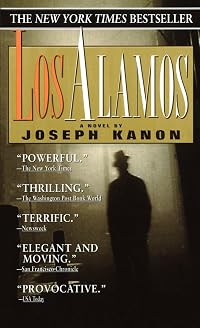
Joseph Kanon began his career in publishing while an undergraduate at Harvard, reading manuscripts for The Atlantic Monthly. Kanon traveled to England for graduate school, then returned to the United States to work as a book review editor and writer for the Saturday Review. Rising through the ranks of the publishing world, he eventually became show more president and CEO of E.P. Dutton, and then executive vice president of Houghton Mifflin's Trade and Reference Division. Kanon is the author of Los Alamos (1997), an authentic fictional recreation of the waning days of World War II during which the murder of one of the Manhattan Project's security officers occurs. The Prodigal Spy was published in late 1998. His novel, Leaving Berlin, is a 2015 New York Times bestseller. (Bowker Author Biography) show less
Some Editions
Series
Belongs to Publisher Series
Goldmann (45612)
Work Relationships
Has the adaptation
Common Knowledge
- Canonical title
- The Good German
- Original title
- The Good German
- Original publication date
- 2001
- Important places
- Berlin, Germany
- Related movies
- The Good German (2006 | IMDb)
- Dedication
- For my mother
- First words
- The war had made him famous.
- Last words
- (Click to show. Warning: May contain spoilers.)"He's one of ours."
- Original language
- English
Classifications
- Genres
- Fiction and Literature, General Fiction, Historical Fiction, Mystery
- DDC/MDS
- 813.54 — Literature & rhetoric American literature in English American fiction in English 1900-1999 1945-1999
- LCC
- PS3561 .A476 .G66 — Language and Literature American literature American literature Individual authors 1961-
- BISAC
Statistics
- Members
- 1,660
- Popularity
- 13,473
- Reviews
- 41
- Rating
- (3.57)
- Languages
- 8 — Dutch, English, Finnish, French, German, Italian, Portuguese, Spanish
- Media
- Paper, Audiobook, Ebook
- ISBNs
- 42
- ASINs
- 17