
World's Fair
by E. L. Doctorow
On This Page
Description
Winner of the National Book Award • “Marvelous . . . You get lost in World’s Fair as if it were an exotic adventure. You devour it with the avidity usually provoked by a suspense thriller.”—The New York TimesHailed by critics from coast to coast and by readers of all ages, this resonant novel is one of E.L. Doctorow’s greatest works of fiction. It is 1939, and even as the rumbles of progress are being felt worldwide, New York City clings to remnants of the past, with horse-drawn show more wagons, street peddlers, and hurdy-gurdy men still toiling in its streets. For nine-year-old Edgar Altschuler, life is stoopball and radio serials, idolizing Joe DiMaggio, and enduring the conflicts between his realist mother and his dreamer of a father. The forthcoming Word’s Fair beckons, an amazing vision of American automation, inventiveness, and prosperity—and Edgar Altschuler responds.
A marvelous work from a master storyteller, World’s Fair is a book about a boy who must surrender his innocence to come of age, and a generation that must survive great hardship to reach its future.
Praise for World’s Fair
“Something close to magic.”—Los Angeles Times
“World’s Fair is better than a time capsule; it’s an actual slice of a long-ago world, and we emerge from it as dazed as those visitors standing on the corner of the future.”—Anne Tyler
“Doctorow has managed to regain the awed perspective of a child in this novel of rare warmth and intimacy. . . . Stony indeed in the heart that cannot be moved by this book.”—People
“Fascinating . . . exquisitely rendered details of a lost way of life.”—Newsweek
“Wonderful reading.”—USA Today. show less
Tags
Recommendations



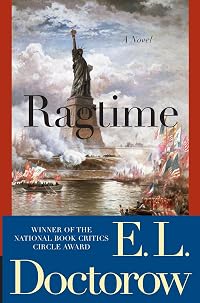
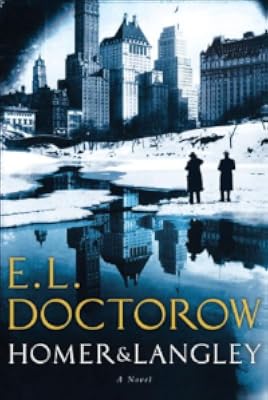









Member Recommendations
k8_not_kate Recalls a specific time in America vividly; deals with childhood memories and relationships.
Member Reviews
Esta es la historia de un niño, Edgar, y de una ciudad, Nueva York. ‘La feria del mundo’ transcurre en los años 30 en una Norteamérica azotada por la Gran Depresión, y la vivimos a través de la mirada de Edgar. Pero lejos de parecer un relato infantil, Doctorow nos regala una extraordinaria novela, con ciertos tintes autobiográficos, en la que resalta la calidad estilística del autor, su sencillez a la hora de narrar, y, sobre todo, ese mundo visto a través de los inocentes ojos de Edgar.
Con libros como este, estoy acostumbrado a encontrarme con escritores que se pierden en disquisiciones y recuerdos, que van adelante y atrás en una trama de la que terminas por perder el interés. Este no es el caso de ‘La feria del show more mundo’, que Doctorow lleva con mano firme, sin apenas flashbacks que interrumpan el hilo narrativo y temporal de la historia, algo de agradecer.
Siguiendo las andanzas de Edgar, conoceremos a su familia: su madre, Rose, su padre, Dave, su hermano mayor, Donald, su abuela materna, y su tío Willy, además de la familia de su padre, destacando su tía Frances. La historia está plagada de descripciones de la vida familiar de Edgar, de momentos entrañables y melancólicos, al igual que momentos más tristes. Las enseñanzas de su hermano Donald, del que Edgar siente devoción; la escucha de seriales radiofónicos, desde noticiarios, salpicados por los comentarios irónicos de su padre, hasta las aventuras de La Sombra; las calles del Bronx; los juegos del tío Willy; las sorpresas de Dave; los viajes de compras con su madre; los primeros amigos en la escuela; los deportes, el béisbol, el fútbol americano; las tareas escolares; las primeras lecturas, desde cómics hasta manuales de ventriloquia; la experiencia con la enfermedad y la muerte; el primer amor... Todo ello narrado desde la distancia, con un cierto tono elegíaco y nostálgico, sin caer en elementos sensacionalistas y sensibleros. Todas estas vivencias crean un pequeño universo formado por miríadas de detalles.
La Exposición Universal de Nueva York (1939)
Y después está Nueva York. El Nueva York de Edgar (Doctorow), un mosaico de momentos históricos, de vidas, que casi puedes palpar y sentir: los efectos de la Gran Depresión; la llegada del increíble dirigible Hindenburg surcando los cielos; las primeras noticias de la guerra en Europa, cuyas consecuencias empiezan a sentirse en las calles; el gran recibimiento otorgado a Lindbergh; la Exposición Universal de Nueva York y todas sus maravillas...
El Hindenburg surcando Manhattan
Doctorow era un escritor con oficio, y se nota. 'La feria del mundo’ es su obra más autobiográfica, y una de las más conseguidas. show less
Con libros como este, estoy acostumbrado a encontrarme con escritores que se pierden en disquisiciones y recuerdos, que van adelante y atrás en una trama de la que terminas por perder el interés. Este no es el caso de ‘La feria del show more mundo’, que Doctorow lleva con mano firme, sin apenas flashbacks que interrumpan el hilo narrativo y temporal de la historia, algo de agradecer.
Siguiendo las andanzas de Edgar, conoceremos a su familia: su madre, Rose, su padre, Dave, su hermano mayor, Donald, su abuela materna, y su tío Willy, además de la familia de su padre, destacando su tía Frances. La historia está plagada de descripciones de la vida familiar de Edgar, de momentos entrañables y melancólicos, al igual que momentos más tristes. Las enseñanzas de su hermano Donald, del que Edgar siente devoción; la escucha de seriales radiofónicos, desde noticiarios, salpicados por los comentarios irónicos de su padre, hasta las aventuras de La Sombra; las calles del Bronx; los juegos del tío Willy; las sorpresas de Dave; los viajes de compras con su madre; los primeros amigos en la escuela; los deportes, el béisbol, el fútbol americano; las tareas escolares; las primeras lecturas, desde cómics hasta manuales de ventriloquia; la experiencia con la enfermedad y la muerte; el primer amor... Todo ello narrado desde la distancia, con un cierto tono elegíaco y nostálgico, sin caer en elementos sensacionalistas y sensibleros. Todas estas vivencias crean un pequeño universo formado por miríadas de detalles.
La Exposición Universal de Nueva York (1939)
Y después está Nueva York. El Nueva York de Edgar (Doctorow), un mosaico de momentos históricos, de vidas, que casi puedes palpar y sentir: los efectos de la Gran Depresión; la llegada del increíble dirigible Hindenburg surcando los cielos; las primeras noticias de la guerra en Europa, cuyas consecuencias empiezan a sentirse en las calles; el gran recibimiento otorgado a Lindbergh; la Exposición Universal de Nueva York y todas sus maravillas...
El Hindenburg surcando Manhattan
Doctorow era un escritor con oficio, y se nota. 'La feria del mundo’ es su obra más autobiográfica, y una de las más conseguidas. show less
Doctorow's World's Fair follows the 1930s Bronx childhood of "Edgar", not coincidentally the same first name as the author's, from birth to about 9 years old. The names of the rest of Edgar's family, father Dave, mother Rose, and brother Donald, also match those of the author's family. Some of the story obviously is autobiographical, but how much is hard to say. It opens during the Depression, and cultural trivia from the time abounds - Flash Gordon and the Shadow, decoder rings, etc. Edgar has some disdain for the Shadow, who could render himself invisible to criminals: "“The Shadow had no imagination. He neither looked at naked women nor thought of ridding the world of dictators like Hitler or Mussolini.” This is one of the show more strengths of the novel - Doctorow's eye for detail brings the times to life, as Hitler casts a dark shadow, and the optimism of the World's Fair in NYC awaits at the end of the decade.
Edgar is smart and precocious, but his voice never sounds false, even amid all the beautiful writing by Doctorow. One winter's day his brother and his friends decide to build an igloo, and Edgar is included:
''As they slowly built the igloo up on an ever decreasing circumference, I watched with a sense of the anti-material oppositeness of the thing; bit by bit, it was eliminating itself as an idea from the light of the sun. I felt that what was being built was not a shelter, but some structured withdrawal from the beneficence of the lighted day, and my excitement was for invited darkness, the reckless enclosure, as if by perverse and self-destructive will, of a secret possibility of life that would be better untampered with.''
The igloo causes great excitement in the neighborhood, with the warmth inside marveled at, and boys using it as an exclusive chamber. Soon enough, however, attention wanders elsewhere, as it does with boys everywhere.
His best friends are Arnold, an outsider who shares his love of imaginative role-playing games (Edgar uses his storytelling ability to make sure Edgar's always the hero), and Meg, with whom he is willing to stray from his own preferences to play dolls or view infants in a ward. Her unconventional mother helps him expand his thinking beyond what his strict mother would ever contemplate, often to his mother's displeasure. He is open to experience, and genuine, in a way that beguiles the reader.
''When the mother wasn't home, or when she went out while I was there, I was disappointed. The visit became less interesting. She always smiled when she saw me. She had large eyes, widely spaced, and a wide mouth. She was very kind. Sometimes she joined us in our games. She would sit on the floor with us, and we three would have a good time.''
The last part of the book, in which Edgar gets to visit the World' Fair twice, is a treat. Doctorow's love of life's minutiae makes it all come alive, and we find ourselves cast back in time to when Americans, in one of the country's most difficult times, nonetheless celebrate possibility and the future.
A pleasant and illuminating read. Four stars. show less
Edgar is smart and precocious, but his voice never sounds false, even amid all the beautiful writing by Doctorow. One winter's day his brother and his friends decide to build an igloo, and Edgar is included:
''As they slowly built the igloo up on an ever decreasing circumference, I watched with a sense of the anti-material oppositeness of the thing; bit by bit, it was eliminating itself as an idea from the light of the sun. I felt that what was being built was not a shelter, but some structured withdrawal from the beneficence of the lighted day, and my excitement was for invited darkness, the reckless enclosure, as if by perverse and self-destructive will, of a secret possibility of life that would be better untampered with.''
The igloo causes great excitement in the neighborhood, with the warmth inside marveled at, and boys using it as an exclusive chamber. Soon enough, however, attention wanders elsewhere, as it does with boys everywhere.
His best friends are Arnold, an outsider who shares his love of imaginative role-playing games (Edgar uses his storytelling ability to make sure Edgar's always the hero), and Meg, with whom he is willing to stray from his own preferences to play dolls or view infants in a ward. Her unconventional mother helps him expand his thinking beyond what his strict mother would ever contemplate, often to his mother's displeasure. He is open to experience, and genuine, in a way that beguiles the reader.
''When the mother wasn't home, or when she went out while I was there, I was disappointed. The visit became less interesting. She always smiled when she saw me. She had large eyes, widely spaced, and a wide mouth. She was very kind. Sometimes she joined us in our games. She would sit on the floor with us, and we three would have a good time.''
The last part of the book, in which Edgar gets to visit the World' Fair twice, is a treat. Doctorow's love of life's minutiae makes it all come alive, and we find ourselves cast back in time to when Americans, in one of the country's most difficult times, nonetheless celebrate possibility and the future.
A pleasant and illuminating read. Four stars. show less
I love the other novels I have read by E.L. Doctorow (Ragtime, Homer and Langley), so I'm not sure why enjoying this novel so much took me by surprise. It seems to be a simple story at first, not much more than a young boy's collection of anecdotes about growing up in the '30s and early '40s in the Bronx. The novel is charming if slightly aimless at this point. Then, slowly, you realize Doctorow was saying a lot more. His narrator, Edgar, lives in a New York and an America that still seems very old fashioned, but that is on the brink of a time that would swiftly become modern with the onset and then aftermath of WWII. The purpose of the book seems to be to remember this time that perhaps felt so different to someone like Edgar, looking show more back as an adult from say the 1950s or 1960s or beyond. In fact, Docotorow includes brief passages from other members of Edgar's family, chipping in with remembrances of the time the novel covers, almost like their own contribution to the time capsule that the book is (a symbol later important in the novel). While it also deals with universal issues of growing up and being in a family, World's Fair is about living in a rapidly changing world and later attempting to recall what life was like at what must have felt like a turning point. show less
E. L. Doctorow’s World’s Fair chronicles Edgar Altschuler’s recollections of his first ten years of existence, the growth of his childish awareness of the difficulties of life, and the personal handicaps placed on him as he attempts to acquire self-assurance and experience happiness. Edgar is a Jewish boy growing up in New York City’s Bronx during the rise of Nazism in Germany. His health is problematic. His family’s economic stability is tenuous. His parents’ relationship is combative. The younger son of the family -- a “mistake” baby, eight years younger than his brother and mentor, Donald – he is dominated by his parents and his sibling. He must forge his way through all of these difficulties to develop the show more self-confidence necessary to persevere against the adversities, both indiscriminate and deliberate, of his time and location.
As an infant, Edgar was asthmatic, allergic to everything, a great burden to his resolute mother. “I was attacked continually in the lungs, coughing, wheezing, needing to be steamed over inhalators. I was the mournful prodigy of medicine … I was plugged regularly with thermometers and soap water enemas.” Much later in the novel he suffers a burst appendix and must survive peritonitis.
Through most of the story Edgar’s father owns a record, sheet music, musical instrument, and radio appliance store in Manhattan. Later, he is forced to move his business and loses much of his clientele. Near the end of the novel he loses the store.
Edgar the adult confides that “the conflict between my parents was probably the major chronic circumstance of my life. They were never at peace. They were a marriage of two irreducibly opposed natures. Their difficulties created a kind of magnetic field for me in which I swung this way or that according to the direction of the current.”
Late in the novel Donald assesses his father. “Dad went off in all directions, he was full of surprises, some of them were good, some not so good. But it kept everyone on edge, Mother especially. … He was the kind of man to fool around, to philander. He was errant. He had a wild streak to him. He was generous to us … but he had his secrets and they came out of the same part of his character that made him dream big impractical dreams that he couldn’t realize.”
Edgar’s assessment of his mother appears fragmentally throughout the novel. “My mother ran our house and our lives with a kind of tactless administration that often left a child with bruised feelings, though an indelible understanding of right and wrong. … There was no mistaking her meaning—she was forthright and direct. She construed the world in vivid judgments. … Everything she did was a declarative act. … My mother wanted to move up in the world. She measured what we had and who we were against the fortunes and pretensions of our neighbors.”
Edgar overhears her understandable complaints to a visiting friend. “‘I have exactly three dresses that I wash and iron and wash and iron. … I haven’t bought a stitch of clothing in years. And he plays cards. He knows we need every penny and he plays cards. … He comes home at one, two in the morning. Where has he been? What has he been doing! I’m struggling here all by myself, trying to keep things going…. And when he is home he runs to Mama. [Believing her not worthy of her son, the mother-in-law is incessantly critical of her] … I’m a good wife. … I don’t think I’m all that bad a person to be with.’” The father’s retort to her criticisms is nearly always the accusation: “‘You’re a suspicious person, you’re always thinking the worst of people.’”
Edgar learns early of hatred toward Jews that permeates areas of poor Irish and Italian East Bronx neighborhoods, “where people lived in ramshackle houses with tar-paper siding amid factories and warehouses.” He has noticed from his bedroom window “strange youths not from the neighborhood … vaulting over the fences into our yard. They climbed the retaining wall and disappeared. These were the boys who hated boundaries and straight lines, who traveled as a matter of principle off the streets, as if they needed to trespass and show their scorn of property. … They were the ones, I knew, who chalked the strange marks on our garage doors.” Swastikas. “‘They’d like to be Nazis,”” Edgar’s mother warns him. “‘They carry knives. … They rob. You come inside if you see them.’”
Several years later Edgar, returning from a public library located close to an Irish, Italian neighborhood, is confronted by several such boys. He is threatened by a knife, forced to lie that he is not a Jew, and is robbed of the coins in his pocket. The incident is one of the major traumatic events of his young life, and it is the major catalyst of sudden growth of maturity and self-esteem, which he exhibits near the end of the novel.
World’s Fair is not among my most favorite historical novels. My interest in the story lagged in several places. For example, I would have appreciated less detail about the exhibits of the New York World’s Fair. I did not become connected initially with Edgar and his parents. I put the book aside for an entire month before I decided to finish it. However, I recognize entirely E. L. Doctorow’s skill as a writer. His depth of characterization, his richness of historical detail, the seriousness of his themes, his use of sensory imagery (Edgar’s trip to the hospital following the rupture of his appendix and his struggle not to succumb of ether was masterful), his use of humor (Edgar was critical of The Shadow because he would not use his special power either to observe ladies undressing or kill Hitler), the poignancy of several key scenes (Edgar knows that the children in his hospital ward are dying because the toys that they receive are expensive, elaborate, and not appreciated and they have excluded him from their friendship knowing they are dying and he isn’t): all of this is worthy of a ten-page essay replete with many examples. E. L. Doctorow’s World’s Fair is better than many books I read but not one of my top ten. show less
As an infant, Edgar was asthmatic, allergic to everything, a great burden to his resolute mother. “I was attacked continually in the lungs, coughing, wheezing, needing to be steamed over inhalators. I was the mournful prodigy of medicine … I was plugged regularly with thermometers and soap water enemas.” Much later in the novel he suffers a burst appendix and must survive peritonitis.
Through most of the story Edgar’s father owns a record, sheet music, musical instrument, and radio appliance store in Manhattan. Later, he is forced to move his business and loses much of his clientele. Near the end of the novel he loses the store.
Edgar the adult confides that “the conflict between my parents was probably the major chronic circumstance of my life. They were never at peace. They were a marriage of two irreducibly opposed natures. Their difficulties created a kind of magnetic field for me in which I swung this way or that according to the direction of the current.”
Late in the novel Donald assesses his father. “Dad went off in all directions, he was full of surprises, some of them were good, some not so good. But it kept everyone on edge, Mother especially. … He was the kind of man to fool around, to philander. He was errant. He had a wild streak to him. He was generous to us … but he had his secrets and they came out of the same part of his character that made him dream big impractical dreams that he couldn’t realize.”
Edgar’s assessment of his mother appears fragmentally throughout the novel. “My mother ran our house and our lives with a kind of tactless administration that often left a child with bruised feelings, though an indelible understanding of right and wrong. … There was no mistaking her meaning—she was forthright and direct. She construed the world in vivid judgments. … Everything she did was a declarative act. … My mother wanted to move up in the world. She measured what we had and who we were against the fortunes and pretensions of our neighbors.”
Edgar overhears her understandable complaints to a visiting friend. “‘I have exactly three dresses that I wash and iron and wash and iron. … I haven’t bought a stitch of clothing in years. And he plays cards. He knows we need every penny and he plays cards. … He comes home at one, two in the morning. Where has he been? What has he been doing! I’m struggling here all by myself, trying to keep things going…. And when he is home he runs to Mama. [Believing her not worthy of her son, the mother-in-law is incessantly critical of her] … I’m a good wife. … I don’t think I’m all that bad a person to be with.’” The father’s retort to her criticisms is nearly always the accusation: “‘You’re a suspicious person, you’re always thinking the worst of people.’”
Edgar learns early of hatred toward Jews that permeates areas of poor Irish and Italian East Bronx neighborhoods, “where people lived in ramshackle houses with tar-paper siding amid factories and warehouses.” He has noticed from his bedroom window “strange youths not from the neighborhood … vaulting over the fences into our yard. They climbed the retaining wall and disappeared. These were the boys who hated boundaries and straight lines, who traveled as a matter of principle off the streets, as if they needed to trespass and show their scorn of property. … They were the ones, I knew, who chalked the strange marks on our garage doors.” Swastikas. “‘They’d like to be Nazis,”” Edgar’s mother warns him. “‘They carry knives. … They rob. You come inside if you see them.’”
Several years later Edgar, returning from a public library located close to an Irish, Italian neighborhood, is confronted by several such boys. He is threatened by a knife, forced to lie that he is not a Jew, and is robbed of the coins in his pocket. The incident is one of the major traumatic events of his young life, and it is the major catalyst of sudden growth of maturity and self-esteem, which he exhibits near the end of the novel.
World’s Fair is not among my most favorite historical novels. My interest in the story lagged in several places. For example, I would have appreciated less detail about the exhibits of the New York World’s Fair. I did not become connected initially with Edgar and his parents. I put the book aside for an entire month before I decided to finish it. However, I recognize entirely E. L. Doctorow’s skill as a writer. His depth of characterization, his richness of historical detail, the seriousness of his themes, his use of sensory imagery (Edgar’s trip to the hospital following the rupture of his appendix and his struggle not to succumb of ether was masterful), his use of humor (Edgar was critical of The Shadow because he would not use his special power either to observe ladies undressing or kill Hitler), the poignancy of several key scenes (Edgar knows that the children in his hospital ward are dying because the toys that they receive are expensive, elaborate, and not appreciated and they have excluded him from their friendship knowing they are dying and he isn’t): all of this is worthy of a ten-page essay replete with many examples. E. L. Doctorow’s World’s Fair is better than many books I read but not one of my top ten. show less
I am always delighted to pick up and re-read a book by E.L.Doctorow - easily one of my favourite authors. Once again, this book did not disappoint. Doctorow is a literary time traveller who takes us with him - in this case to New York in the 1930's. World's Fair feels like a thinly disguised autobiography. The author was able to tell a coming-of-age story through the eyes of Edgar, the youngest child of the family. Occasionally, he includes chapters narrated by other adult family members to help underscore how the impressions of a boy are not always what he thinks they are.
Edgar's dad was a charming dreamer, losing money hand over fist and firmly attached by the apron strings to his own family. His mum was too harried and too show more overworked to wring much enjoyment from life. Still, Edgar is reassured that they loved him and that he loved them right back. It’s probably that way with most families. When all the grudges and grievances wear down, what remains is the love.
Towards the end of World’s Fair, Edgar enters an essay-writing competition on the theme of the typical American boy. “The Typical American Boy is not fearful of Dangers,” he writes. “If he is Jewish he should say so. If he is anything he should say what it is when challenged.” In a more sappy coming-of-age story this effort would win first prize and its author be hailed as a literary star in the making. In the real world, though, magic takes softer, more subtle forms. So no, Edgar’s earnest, heartfelt essay can’t mend his parents’ failing marriage or save his dad’s floundering music shop. But it does earn honourable mention in the local paper and affords the family the opportunity to attend the World's Fair in its waning days.
For me, this is a quiet little perfect book. show less
Edgar's dad was a charming dreamer, losing money hand over fist and firmly attached by the apron strings to his own family. His mum was too harried and too show more overworked to wring much enjoyment from life. Still, Edgar is reassured that they loved him and that he loved them right back. It’s probably that way with most families. When all the grudges and grievances wear down, what remains is the love.
Towards the end of World’s Fair, Edgar enters an essay-writing competition on the theme of the typical American boy. “The Typical American Boy is not fearful of Dangers,” he writes. “If he is Jewish he should say so. If he is anything he should say what it is when challenged.” In a more sappy coming-of-age story this effort would win first prize and its author be hailed as a literary star in the making. In the real world, though, magic takes softer, more subtle forms. So no, Edgar’s earnest, heartfelt essay can’t mend his parents’ failing marriage or save his dad’s floundering music shop. But it does earn honourable mention in the local paper and affords the family the opportunity to attend the World's Fair in its waning days.
For me, this is a quiet little perfect book. show less
World’s Fair tells the sweet and sometimes poignant story of Edgar Altschuler, a nine-year old boy growing up in the Bronx during the 1930s. Told through a series of vignettes of both memorable and mundane episodes that occur during Edgar’s young life, the novel reads more like a memoir than it does a work of pure fiction. Indeed, Edgar is a thinly veiled version of Doctorow himself—both author and character share the same given name, grew up in the same neighborhood in the same era, and had parents named Rose and Dave—which leads the reader to wonder how much of what happens in the book actually occurred in real life. Certainly, the pivotal events involving the explosion of the Hindenburg airship, the clouds of war that were show more forming over Europe, and the 1939 World’s Fair in Flushing Meadows were real, which also gives the novel the feel of carefully observed historical fiction.
I did not grow up in an urban area such as New York, nor did I grow up in a Jewish household in the late 1930s. So, I did not immediately relate to everything that Edgar went through and I also found it difficult to celebrate his joys or sympathize with his plight. What I could appreciate, however, was the gentle, insightful way the author was able to craft a coming-of-age tale through the eyes of a boy who is closing in on manhood, but not quite there yet. Doctorow uses an interesting device of interspersing sections narrated by other adult family members with Edgar’s first person stories to help underscore how the impressions of a boy are not always completely reliable. World’s Fair was a book that I read rather quickly and I suspect it is not one that I will remember for very long. Still, like the fair itself, it was an enjoyable experience while it lasted. show less
I did not grow up in an urban area such as New York, nor did I grow up in a Jewish household in the late 1930s. So, I did not immediately relate to everything that Edgar went through and I also found it difficult to celebrate his joys or sympathize with his plight. What I could appreciate, however, was the gentle, insightful way the author was able to craft a coming-of-age tale through the eyes of a boy who is closing in on manhood, but not quite there yet. Doctorow uses an interesting device of interspersing sections narrated by other adult family members with Edgar’s first person stories to help underscore how the impressions of a boy are not always completely reliable. World’s Fair was a book that I read rather quickly and I suspect it is not one that I will remember for very long. Still, like the fair itself, it was an enjoyable experience while it lasted. show less
Imagine taking your late-model time machine for a spin around the block and—BAM!—you land in 1939, a year when America teetered between the dark years of the Great Depression and the equally dark years of the coming world war. You’re in New York City—the Queens, to be exact—and there, right in front of you, is a dazzlingly bright plaza filled with thousands of people milling around skyscrapers with waterfalls cascading from the roofs, a 250-foot parachute-drop ride, a building shaped like a cash register and, at the heart of it all, two of the oddest pieces of architecture you’ve ever seen: a needle-like tower (taller than the Washington Monument) and a sphere 180 feet in diameter. Known as the Trylon and Perisphere, both show more are so white it makes your eyes hurt just to look at them. Welcome to the 1939 World’s Fair.
Don’t have a time machine? No problem, just open the pages of E.L. Doctorow’s novel World’s Fair and you’ll be transported back to a slightly more innocent and certainly more naive period in American history.
As in many of his other novels (Ragtime, Billy Bathgate, The Waterworks), Doctorow takes a splinter of time and turns it into a log of wider meanings. Leaf through the pages of World’s Fair and you’ll get a (ahem) fair share of the Fair itself (albeit only after 300 pages), but you’ll also learn about the way Americans hoped and dreamed about a better life.
The novel, much like Ragtime, explores the dynamics of a single family and, in particular, young Edgar who longs to pay his two bits and get inside the front gate of the World’s Fair. Once in the shadow of the Trylon and Perisphere, he dreams of romping through visions of a brighter, more perfect future. Anything has to be better than the grimy streets of New York and the squabbling families that surround him.
Doctorow has made a keen choice by using the World’s Fair as his theme. The Fair, which sprawled across more than 1,200 acres and was a place where sixteen million hot dogs were consumed, was all about optimism and giddy excitement over the future—all of it reaching a fever pitch in the most popular display of the whole Fair: Futurama. This was a multi-media experience where fairgoers sat on cushioned train cars that whisked them sideways over a diorama showing a typical American city of the distant future—1960, to be exact. The huge diorama showed fourteen-lane superhighways, unrealistically clean sidewalks, orchards where all the fruit trees are under giant glass jars and power plants where “atomic energy is used cautiously.‿
Of course, World’s Fair has a streak of irony running through it. The future did not turn out so bright after all—not for America, and not even for Edgar. By the novel’s end, there’s a cloud of sadness surrounding the characters. Without giving too much away, let’s just say that Edgar loses a bit of his innocence at the Fair and comes away an older and wiser little boy.
Whenever I pick up a Doctorow novel, I know I’m in for a rich, densely-worded reading experience. World’s Fair is no exception. The sentences are simple with little variation in rhythm and construction. Here’s a prime example of Doctorow’s unadorned (yet lovely) prose as Edgar enters the Fair for the first time:
The shuffle of feet was like a constant whispering in my ears, or what I imagined a herd of antelope would sound like going in great numbers slowly through high grass. We went around Commerce Circle and through the Plaza of Light and right around the Trylon and Perisphere, which, up close, seemed to fill the sky. The pictures of them hadn’t suggested their enormity. They were the only white objects to be seen. They were dazzling. They seemed to be about to take off, they looked lighter than air.
Some readers may not have the patience for the thick paragraphs and relatively slow pace. I, however, was completely caught up in Doctorow’s word-pictures. The details of 1939 New York are so vivid, so sensory that it’s almost like reading a memoir. And—checking Doctorow’s biography—it should come as no surprise that he was born in 1931 and grew up in New York City. By the way, ever wonder what the “E.‿ in “E.L.‿ stands for? That’s right, his first name is Edgar.
Note: I’d also recommend the excellent 1939: The Lost World of the Fair by David Gelernter which gives a very readable history of the events Doctorow touches on. show less
Don’t have a time machine? No problem, just open the pages of E.L. Doctorow’s novel World’s Fair and you’ll be transported back to a slightly more innocent and certainly more naive period in American history.
As in many of his other novels (Ragtime, Billy Bathgate, The Waterworks), Doctorow takes a splinter of time and turns it into a log of wider meanings. Leaf through the pages of World’s Fair and you’ll get a (ahem) fair share of the Fair itself (albeit only after 300 pages), but you’ll also learn about the way Americans hoped and dreamed about a better life.
The novel, much like Ragtime, explores the dynamics of a single family and, in particular, young Edgar who longs to pay his two bits and get inside the front gate of the World’s Fair. Once in the shadow of the Trylon and Perisphere, he dreams of romping through visions of a brighter, more perfect future. Anything has to be better than the grimy streets of New York and the squabbling families that surround him.
Doctorow has made a keen choice by using the World’s Fair as his theme. The Fair, which sprawled across more than 1,200 acres and was a place where sixteen million hot dogs were consumed, was all about optimism and giddy excitement over the future—all of it reaching a fever pitch in the most popular display of the whole Fair: Futurama. This was a multi-media experience where fairgoers sat on cushioned train cars that whisked them sideways over a diorama showing a typical American city of the distant future—1960, to be exact. The huge diorama showed fourteen-lane superhighways, unrealistically clean sidewalks, orchards where all the fruit trees are under giant glass jars and power plants where “atomic energy is used cautiously.‿
Of course, World’s Fair has a streak of irony running through it. The future did not turn out so bright after all—not for America, and not even for Edgar. By the novel’s end, there’s a cloud of sadness surrounding the characters. Without giving too much away, let’s just say that Edgar loses a bit of his innocence at the Fair and comes away an older and wiser little boy.
Whenever I pick up a Doctorow novel, I know I’m in for a rich, densely-worded reading experience. World’s Fair is no exception. The sentences are simple with little variation in rhythm and construction. Here’s a prime example of Doctorow’s unadorned (yet lovely) prose as Edgar enters the Fair for the first time:
The shuffle of feet was like a constant whispering in my ears, or what I imagined a herd of antelope would sound like going in great numbers slowly through high grass. We went around Commerce Circle and through the Plaza of Light and right around the Trylon and Perisphere, which, up close, seemed to fill the sky. The pictures of them hadn’t suggested their enormity. They were the only white objects to be seen. They were dazzling. They seemed to be about to take off, they looked lighter than air.
Some readers may not have the patience for the thick paragraphs and relatively slow pace. I, however, was completely caught up in Doctorow’s word-pictures. The details of 1939 New York are so vivid, so sensory that it’s almost like reading a memoir. And—checking Doctorow’s biography—it should come as no surprise that he was born in 1931 and grew up in New York City. By the way, ever wonder what the “E.‿ in “E.L.‿ stands for? That’s right, his first name is Edgar.
Note: I’d also recommend the excellent 1939: The Lost World of the Fair by David Gelernter which gives a very readable history of the events Doctorow touches on. show less
Members
- Recently Added By
Published Reviews
ThingScore 100
A beautiful piece of work, and, in my opinion, along with Lives of the Poets, one of Doctorow’s best.
added by Shortride
Lists

Best Contemporary Literary Fiction (Around the Last 30 Years)
388 works; 124 members

Great American Novels
158 works; 40 members
1980s
356 works; 23 members

Harold Bloom - The Western Canon: D. The Chaotic Age
833 works; 24 members

National Book Award - Fiction
78 works; 10 members

One Book, Many Authors
441 works; 40 members

100 New Classics
101 works; 13 members

A Novel Cure
742 works; 23 members
Author Information

57+ Works 25,155 Members
E. L. (Edgar Lawrence) Doctorow was born on January 6, 1931, in the Bronx, New York. He received an A.B. in philosophy in 1952 from Kenyon College and did graduate work at Columbia University. He served in the U.S. Army Signal Corps from 1953-1955. He began his career as a script reader for CBS Television and Columbia Pictures and as a senior show more editor for the New American Library. He was editor-in-chief for Dial Press from 1964 to 1969, where he also served as vice president and publisher in his last year on staff. It was at this time that he decided to write full time. He wrote novels, short stories, essays, and a play. His debut novel, Welcome to Hard Times, was published in 1960 and was adapted into a film in 1967. His other works include, Loon Lake, The Waterworks, The March, Homer and Langley, and Andrew's Brain. He won the National Book Award for Fiction in 1986 for World's Fair and the National Book Critics Circle Award for fiction in 1976 for Ragtime, which was adapted into a film in 1981 and a Broadway musical in 1998. Billy Bathgate received the PEN/Faulkner Award, the National Book Critics Circle Award, and the William Dean Howells Medal in 1990. The Book of Daniel and Billy Bathgate were also adapted into films. He received the 2013 Medal for Distinguished Contribution to American Letters for his outstanding achievement in fiction writing. He died of complications from lung cancer on July 21, 2015 at the age of 84. (Bowker Author Biography) show less
Awards and Honors
Awards
Distinctions
Series
Belongs to Publisher Series
Keltainen kirjasto (210)
Work Relationships
Is contained in
Is abridged in
Has as a student's study guide
Common Knowledge
- Original title
- World's Fair
- Original publication date
- 1985
- People/Characters
- Edgar Altschuler
- Important places
- New York, New York, USA
- Important events
- 1939 New York World's Fair
- Epigraph
- A raree-show is here, With children gathered round...WORDSWORTH The Prelude
- Dedication
- For R.P.D.
- First words
- Rose: I was born on Clinton Street in the Lower East Side.
- Last words
- (Click to show. Warning: May contain spoilers.)I listened for it as I walked through the park, the wind stinging my cheeks and bringing a film of water to my eyes.
- Original language
- English US
Classifications
Statistics
- Members
- 1,412
- Popularity
- 16,761
- Reviews
- 37
- Rating
- (3.83)
- Languages
- 14 — Czech, Danish, Dutch, English, Finnish, French, German, Greek, Hungarian, Italian, Polish, Spanish, Swedish, Portuguese (Portugal)
- Media
- Paper, Audiobook, Ebook
- ISBNs
- 36
- ASINs
- 9