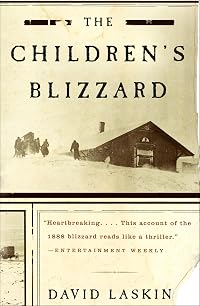
The Children's Blizzard
by David Laskin
On This Page
Description
The gripping story of an epic prairie snowstorm that killed hundreds of newly arrived settlers and cast a shadow on the promise of the American frontier. January 12, 1888, began as an unseasonably warm morning across Nebraska, the Dakotas, and Minnesota, the weather so mild that children walked to school without coats and gloves. But that afternoon, without warning, the atmosphere suddenly, violently changed. One moment the air was calm; the next the sky exploded in a raging chaos of show more horizontal snow and hurricane-force winds. Temperatures plunged as an unprecedented cold front ripped through the center of the continent. By Friday morning, January 13, some five hundred people lay dead on the drifted prairie, many of them children who had perished on their way home from country schools. In a few terrifying hours, the hopes of the pioneers had been blasted by the bitter realities of their harsh environment. Recent immigrants from Germany, Norway, Denmark, and the Ukraine learned that their free homestead was not a paradise but a hard, unforgiving place governed by natural forces they neither understood nor controlled. With the storm as its dramatic, heartbreaking focal point, The Children's Blizzard captures this pivotal moment in American history by tracing the stories of five families who were forever changed that day. Drawing on family interviews and memoirs, as well as hundreds of contemporary accounts, David Laskin creates an intimate picture of the men, women, and children who made choices they would regret as long as they lived. Here too is a meticulous account of the evolution of the storm and the vain struggle of government forecasters to track its progress. The blizzard of January 12, 1888, is still remembered on the prairie. Children fled that day while their teachers screamed into the relentless roar. Husbands staggered into the blinding wind in search of wives. Fathers collapsed while trying to drag their children to safety. In telling the story of this meteorological catastrophe, the deadliest blizzard ever to hit the prairie states, David Laskin has produced a masterful portrait of a tragic crucible in the settlement of the American heartland. show lessTags
Recommendations


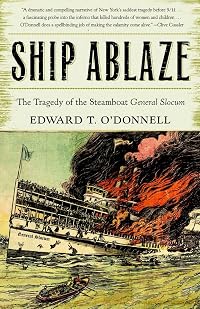
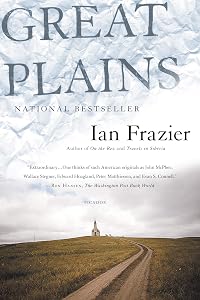
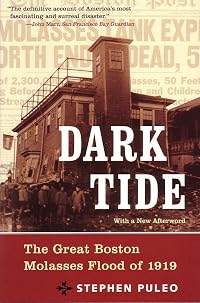
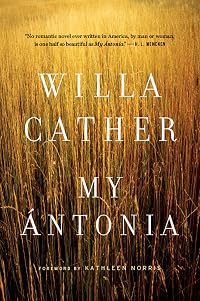

Member Recommendations
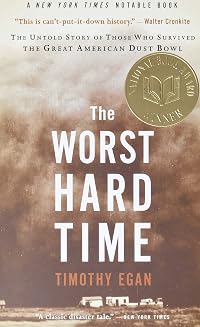
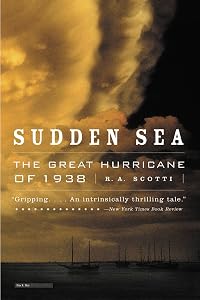
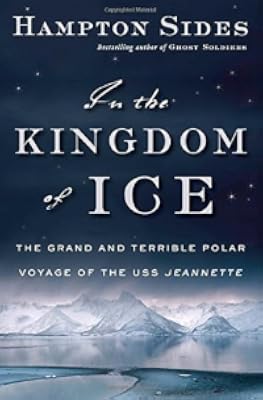
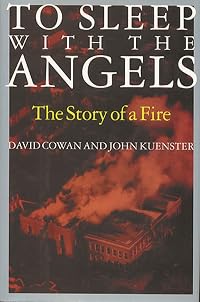
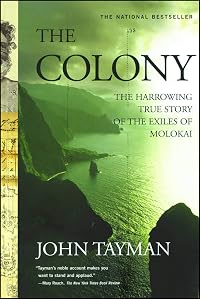
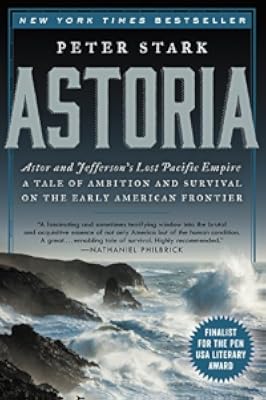
The Worst Hard Time: The Untold Story of Those Who Survived the Great American Dust Bowl by Timothy Egan
lyzadanger Similar themes: pioneers and farmers facing the wrath of nature in middle America; relatively compelling pop history.
60
dara85 Non-fiction book about the same blizzard.

ainsleytewce Both books deal with the travails of immigrants on the parairies in the late 18th and early 20th century.
Arctic Homestead: The True Story of One Family's Survival and Courage in the Alaskan Wilds by Norma Cobb
BoundTogetherForGood While The Children's Blizzard is a very serious look at a very interesting and intriguing subject, I equally enjoyed the light and more humorous title of Arctic Homestead.
Member Reviews
I applaud Laskin for his effort - it must be hard work to take an account of the scariest blizzard ever and turn it into a sloppy, sodden, boring mess.
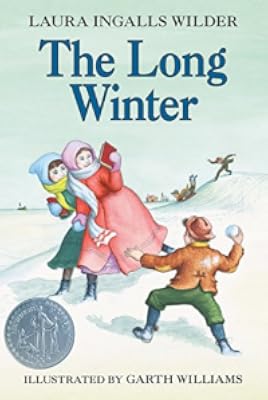
The blatant, sloppy mistakes early on were my first clue that all was not quite right in the state of Denmark. (For instance! Laskin quotes from Laura Ingalls Wilder's The Long Winter and mis-identifies one of the schoolgirls as Laura's sister, Mary. No, dipshit - Mary was blind and she stayed at home. Reading comprehension is key.)
... Laskin is one of those writers who feels like the reader should suffer just as much reading the book as the author did researching for it. So everything is included. Did you want to know about the beauty of 19-century ... wherever? Here's 3 pages on it! show more How about the weather forecasting apparatus of 19-c St. Paul? Have an entire chapter!
Really, all that crap is crap that I can forgive. We all get a little excited over our pet subjects. What pissed me right off were the choppy, inter-twined narratives. On page 135, we left Ella keeled over in a snowdrift, apparently dead; on p. 152 we join her again, resurrected and safe. Page 136, five children walk home together; it is implied that they live. Page 161, all five children are dead. (And Laskin goes deep into obvious lies about their final conversations, their final thoughts, their final steps. What arrogant presumption.)
The graphic, horrifying detail of hypothermia and frostbite, gangrene and amputations was quite a surprise, after the gosh-let's-sit-you-youngins-down-and-tell-you-a-story-about-the-olden-days paternalistic tone of the rest of the book, which - chapters of tedious meteorological detail aside - seemed to focus mainly on Our Brave Little Soldiers and Our Good Little Women, all living in the makebelieve world of longago when everyone just did their part.
Two stars for a whole lot of blah, blah, blah. show less
The blatant, sloppy mistakes early on were my first clue that all was not quite right in the state of Denmark. (For instance! Laskin quotes from Laura Ingalls Wilder's The Long Winter and mis-identifies one of the schoolgirls as Laura's sister, Mary. No, dipshit - Mary was blind and she stayed at home. Reading comprehension is key.)
... Laskin is one of those writers who feels like the reader should suffer just as much reading the book as the author did researching for it. So everything is included. Did you want to know about the beauty of 19-century ... wherever? Here's 3 pages on it! show more How about the weather forecasting apparatus of 19-c St. Paul? Have an entire chapter!
Really, all that crap is crap that I can forgive. We all get a little excited over our pet subjects. What pissed me right off were the choppy, inter-twined narratives. On page 135, we left Ella keeled over in a snowdrift, apparently dead; on p. 152 we join her again, resurrected and safe. Page 136, five children walk home together; it is implied that they live. Page 161, all five children are dead. (And Laskin goes deep into obvious lies about their final conversations, their final thoughts, their final steps. What arrogant presumption.)
The graphic, horrifying detail of hypothermia and frostbite, gangrene and amputations was quite a surprise, after the gosh-let's-sit-you-youngins-down-and-tell-you-a-story-about-the-olden-days paternalistic tone of the rest of the book, which - chapters of tedious meteorological detail aside - seemed to focus mainly on Our Brave Little Soldiers and Our Good Little Women, all living in the makebelieve world of longago when everyone just did their part.
Two stars for a whole lot of blah, blah, blah. show less
This is a very, very good book and one that I will re-read at some point to re-capture the details that escaped on the first go round. And it was also delightful to read a weather geek explain the phenomenon that caused this catastrophic blizzard: high pressure, low pressure, and how they work. Maybe someday I'll understand that aspect!
Laskin does a phenomenal job researching the lives of the families caught up in this push into the Western US plains. He researches the history and places where 5 or 6 families originated, their customs, reasons for making the voyage, experiences to get to their ports, and other similar stories from the time. So we get to know some families, know that they had stories similar to other people from the same show more region or on the same transport, and they were not plucked up and placed in the Dakotas or Nebraska out of thin air.
There is a great deal of research into early American weather forecasting, especially what worked and what didn't. And the Signal Corps and Lieutenant Woodruff, who was an active duty soldier in charge of the weather forecasting and relaying messages East from the various points in Montana and the Great Plains, interpreting them, and drawing them on a map ready for the telegraph machines.
When the storm hits, Laskin again goes into detail about the snow and ice and crystals, as well as what extreme cold does to the human body based on survivors' stories and medical evidence. It is also important to know, and I didn't, that there were survivors who lasted the night, only to die the next morning when the blood from their freezing limbs began to circulate around their hearts.
So it's a heart-wrenching historical account, very similar to "Isaac's Storm" and tales about the Northwest Passage, of people who left one land and set of difficult circumstances for hope of a better life, only to have that life changed so tragically. show less
Laskin does a phenomenal job researching the lives of the families caught up in this push into the Western US plains. He researches the history and places where 5 or 6 families originated, their customs, reasons for making the voyage, experiences to get to their ports, and other similar stories from the time. So we get to know some families, know that they had stories similar to other people from the same show more region or on the same transport, and they were not plucked up and placed in the Dakotas or Nebraska out of thin air.
There is a great deal of research into early American weather forecasting, especially what worked and what didn't. And the Signal Corps and Lieutenant Woodruff, who was an active duty soldier in charge of the weather forecasting and relaying messages East from the various points in Montana and the Great Plains, interpreting them, and drawing them on a map ready for the telegraph machines.
When the storm hits, Laskin again goes into detail about the snow and ice and crystals, as well as what extreme cold does to the human body based on survivors' stories and medical evidence. It is also important to know, and I didn't, that there were survivors who lasted the night, only to die the next morning when the blood from their freezing limbs began to circulate around their hearts.
So it's a heart-wrenching historical account, very similar to "Isaac's Storm" and tales about the Northwest Passage, of people who left one land and set of difficult circumstances for hope of a better life, only to have that life changed so tragically. show less
[Edit]
So, my original review isn’t untrue, but my point of view has apparently expanded dramatically in the years since I wrote it. Re-reading the book now, I was struck numerous times by the complete absence of any non-white characters in Laskin’s telling of this story. In particular, this was the time period just after Native Americans had been forcibly removed from their lands onto reservations. Surely the blizzard must have had an impact on them? (A quick Google search turned up at least one very interesting anecdote—a group of Indian men who were hunting with their dog when the storm hit and ended up trapped inside the icy shell of a snowbank, only to be saved by that dog’s persistence.) Then too, in the detailed, rich show more description of the Europeans settling the plains, why was there not so much as a mention of the people they had to kill and displace in order to do so?
So . . . I’ll leave the original review untouched (below), but I wanted to say something, because these omissions (they had to be more than just oversights) bothered me immensely this time around. They should have bothered me the first time, but I simply wasn’t seeing clearly.
_______________________
Talk about a page-turner. This is one of those books where you read the blurbs (which say things like “terrifying but beautifully written” and “reads like a thriller”) after you’ve read the book, and you think “Yeah, that’s about right.” This is a non-fiction account of the blizzard that swept over the Great Plains on January 12, 1888. It was an event that defined the consciousness of a broad area of the nation, and continues to define it to this day. The story itself is heartrending: the first warm, mild morning in weeks turned instantly into one of the coldest, deadliest blizzards of all time. Farmers were caught in their fields, ranchers were caught tending to their animals. Worst of all, children were caught in schoolhouses, many of which could not provide adequate shelter through such a storm. By the time January 13 rolled around, the prairie was scattered with hundreds of dead bodies, many of them children (thus the name given to the blizzard, from which the book takes its title). A telling excerpt:
Laskin does a remarkable job with the book. The reasons for the blizzard’s power and deadliness are complicated, bound up not just in the weather itself but in the history of the region (and the U.S. in general), in patterns of European migration, in military affairs, even in religion. The author weaves these lines together into a gripping story; it’s difficult to put the book down, even as the text moves in and out of such disparate subjects. I should add that his writing was good enough to make the story of a blizzard tangible to me even as I read it on 90° days in June.
This is one of the two best books I’ve read all year, and one of the best I’ve ever read period. It’s books like this that make me love the historical-nonfiction genre. And it’s stories like this that, in spite of themselves, bind me to the Great Plains. show less
So, my original review isn’t untrue, but my point of view has apparently expanded dramatically in the years since I wrote it. Re-reading the book now, I was struck numerous times by the complete absence of any non-white characters in Laskin’s telling of this story. In particular, this was the time period just after Native Americans had been forcibly removed from their lands onto reservations. Surely the blizzard must have had an impact on them? (A quick Google search turned up at least one very interesting anecdote—a group of Indian men who were hunting with their dog when the storm hit and ended up trapped inside the icy shell of a snowbank, only to be saved by that dog’s persistence.) Then too, in the detailed, rich show more description of the Europeans settling the plains, why was there not so much as a mention of the people they had to kill and displace in order to do so?
So . . . I’ll leave the original review untouched (below), but I wanted to say something, because these omissions (they had to be more than just oversights) bothered me immensely this time around. They should have bothered me the first time, but I simply wasn’t seeing clearly.
_______________________
Talk about a page-turner. This is one of those books where you read the blurbs (which say things like “terrifying but beautifully written” and “reads like a thriller”) after you’ve read the book, and you think “Yeah, that’s about right.” This is a non-fiction account of the blizzard that swept over the Great Plains on January 12, 1888. It was an event that defined the consciousness of a broad area of the nation, and continues to define it to this day. The story itself is heartrending: the first warm, mild morning in weeks turned instantly into one of the coldest, deadliest blizzards of all time. Farmers were caught in their fields, ranchers were caught tending to their animals. Worst of all, children were caught in schoolhouses, many of which could not provide adequate shelter through such a storm. By the time January 13 rolled around, the prairie was scattered with hundreds of dead bodies, many of them children (thus the name given to the blizzard, from which the book takes its title). A telling excerpt:
Today, aside from a few fine marble headstones in country graveyards and the occasionial roadside historical marker, not a trace of the blizzard of 1888 remains on the prairie. Yet in the imagination and identity of the region, the storm is as sharply etched as ever: This is a place where blizzards kill children on their way home from school.[Emphasis his.]
Laskin does a remarkable job with the book. The reasons for the blizzard’s power and deadliness are complicated, bound up not just in the weather itself but in the history of the region (and the U.S. in general), in patterns of European migration, in military affairs, even in religion. The author weaves these lines together into a gripping story; it’s difficult to put the book down, even as the text moves in and out of such disparate subjects. I should add that his writing was good enough to make the story of a blizzard tangible to me even as I read it on 90° days in June.
This is one of the two best books I’ve read all year, and one of the best I’ve ever read period. It’s books like this that make me love the historical-nonfiction genre. And it’s stories like this that, in spite of themselves, bind me to the Great Plains. show less
On January 12, 1888, a snowstorm from hell swept across America's Great Plains. Temperatures rapidly dropped to levels that sound more fitting for Antarctica, and blowing snow crystals reduced the visibility to zero, making it nearly impossible to find one's way to shelter. Hundreds of people died. A distressing number of them were children, since the storm hit while schools were in session, and many of the kids, with or without their teachers, ventured out into the storm in an attempt to get home from school, or at least to reach someplace better stocked with firewood.
I have to say, my primary reactions to this history of what was to be called "The Schoolchildren's Blizzard" seems to consist largely of "This is interesting, but..."
The show more account of the storm itself actually takes up less of the book than one might expect. First, it's preceded by some background on the settlement of the American prairies and the history of various immigrant families who were caught in the blizzard, including the motivations that drove them to leave their former homes and the hardships they faced on the journey and afterward. This is interesting, but it bounces back and forth between the tales of the various families so much that I found it a little difficult to keep track of everyone.
Then it goes on to explain in great detail how the storm formed, what the state of weather forecasting was at the time, whose job it was to predict this sort of thing, and why there wasn't more warning. This is interesting, but contains perhaps more information about the internal politics of 19th century weather forecasting than I ever actually wanted to know.
The chapters that do cover the events of the storm are rather gripping, with harrowing accounts of what people experienced and some very detailed and vivid descriptions of exactly what happens to the human body as it succumbs to hypothermia. This is interesting -- very much so -- but, well, it turns out that reading about children freezing to death is just really not a good time. (I know, who would have thought?)
All of this has, however, left me with one very useful realization: I never, ever, ever want to live someplace like South Dakota. I mean, I kind of already knew that, but now I'm really sure. It's not even so much due to hearing about the horrors of the blizzard, as about how the just-slightly-below-freezing temperatures that preceded it kept being described as "warm," or even "balmy." If you ask me, anywhere that's considered warm is just not fit for human habitation. show less
I have to say, my primary reactions to this history of what was to be called "The Schoolchildren's Blizzard" seems to consist largely of "This is interesting, but..."
The show more account of the storm itself actually takes up less of the book than one might expect. First, it's preceded by some background on the settlement of the American prairies and the history of various immigrant families who were caught in the blizzard, including the motivations that drove them to leave their former homes and the hardships they faced on the journey and afterward. This is interesting, but it bounces back and forth between the tales of the various families so much that I found it a little difficult to keep track of everyone.
Then it goes on to explain in great detail how the storm formed, what the state of weather forecasting was at the time, whose job it was to predict this sort of thing, and why there wasn't more warning. This is interesting, but contains perhaps more information about the internal politics of 19th century weather forecasting than I ever actually wanted to know.
The chapters that do cover the events of the storm are rather gripping, with harrowing accounts of what people experienced and some very detailed and vivid descriptions of exactly what happens to the human body as it succumbs to hypothermia. This is interesting -- very much so -- but, well, it turns out that reading about children freezing to death is just really not a good time. (I know, who would have thought?)
All of this has, however, left me with one very useful realization: I never, ever, ever want to live someplace like South Dakota. I mean, I kind of already knew that, but now I'm really sure. It's not even so much due to hearing about the horrors of the blizzard, as about how the just-slightly-below-freezing temperatures that preceded it kept being described as "warm," or even "balmy." If you ask me, anywhere that's considered warm is just not fit for human habitation. show less
This well written account of the devastating and deadly storm that overran the Great Plains on January 12, 1888 chronicles the event with painstaking details. The author explains that the Army Signal Corps, following strict regulations, gave indications, not forecasts, of the weather. No National Weather Bureau existed, and no personal forecasts were allowed. He further explains how the frigid Canadian air collided with the warm gulf streams, and together created the massive front that inundated the plains. No warning was given for this sudden storm. Indeed, there was no way to get word to all the outlying farms even if a warning had been issued. The author goes on to explain how the pulverized snow and ice crystals coated clothes and show more skin and froze on eyelids and made even breathing difficult, if not impossible. Animals froze where they stood and suffocated. But worse by far was the fate of the children. The storm struck as many schools were closing for the day. Caught unawares, some teachers told their student to hurry home as quickly as possible. But many got lost on the way. Other teachers kept students in the the schools, only to have windows blown in, roofs blown off, and fuel exhausted. Because the day had started out warm for January, most of the kids were ill dressed for winter’s worst, without heavy coats, boots, scarfs, and mittens. The author writes about several of the doomed children, of the teacher who got her class to safety, of the people who sheltered as best as they could under hay stacks, and of those who survived the night, only to drop dead the next day. He also writes of the aftermath, of the amputations and the infections that claimed more lives. Reading like a novel but including the well researched details that explains the entirety of the blizzard, this nonfiction book is rich with the history of that time period in the Great Plains. Highly recommended. show less
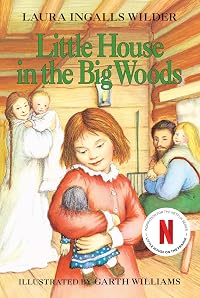
As a child, I was obsessed with Laura Ingalls Wilder's Little House series. I read them each over again times beyond count, but my very favorite was The Long Winter. It accounted how Laura's family and the town of De Smet, South Dakota, struggled to survive a brutal winter of low food and fuel. A morbid book, to be sure--I guess it's no surprise that I've grown up to write post-apocalyptic tales of survival, and I still have a keen interest in historical tales of survival as well.
As I began to read The Children's Blizzard, I wasn't surprised to find that Laskin was also inspired by Wilder's The Long Winter. Wilder's terrible winter was the one of 1880-1881; the titular blizzard of this book took place January 12th, 1888 and was truly a show more freak storm.
The media stories a century ago often called the incident 'the School-Children's Blizzard,' because so many of the dead and maimed were children and teachers. They died in the grip of a suffocating, sub-zero storm, or froze to death in their school or home. Hundreds, across Nebraska and the Dakota Territory. Laskin takes a very thorough approach and begins by talking about these pioneers and where they were from: Norway or Germany, Mennonite or Quaker, they came west seeking a promised land of plenty. He focuses on several particular families, and in doing so, creates terrible tension because it's impossible to guess who will live or who will die. This is creative non-fiction at its finest. The science is a tad daunting as it describes the unique elements world-wide that come together to create such an unusually powerful storm--measurements state that the temperature dropped eighteen degrees in three minutes--and the manner that freezing kills the body; while the science is important, overall this is a tale of humanity, and that's the real story here.
I am most definitely keeping this book on my shelf and will be referring to it for years to come. show less
As I began to read The Children's Blizzard, I wasn't surprised to find that Laskin was also inspired by Wilder's The Long Winter. Wilder's terrible winter was the one of 1880-1881; the titular blizzard of this book took place January 12th, 1888 and was truly a show more freak storm.
The media stories a century ago often called the incident 'the School-Children's Blizzard,' because so many of the dead and maimed were children and teachers. They died in the grip of a suffocating, sub-zero storm, or froze to death in their school or home. Hundreds, across Nebraska and the Dakota Territory. Laskin takes a very thorough approach and begins by talking about these pioneers and where they were from: Norway or Germany, Mennonite or Quaker, they came west seeking a promised land of plenty. He focuses on several particular families, and in doing so, creates terrible tension because it's impossible to guess who will live or who will die. This is creative non-fiction at its finest. The science is a tad daunting as it describes the unique elements world-wide that come together to create such an unusually powerful storm--measurements state that the temperature dropped eighteen degrees in three minutes--and the manner that freezing kills the body; while the science is important, overall this is a tale of humanity, and that's the real story here.
I am most definitely keeping this book on my shelf and will be referring to it for years to come. show less
"Chance is always a silent partner in disaster. Bad luck, bad timing, the wrong choice at a crucial moment, and the door is inexorably shut and barred. The tragedy of the Jan. 12 blizzard was that the bad timing extended across a region and cut through the shared experiences of an entire population." (Page 2)
David Laskin goes on to show exactly what he means by that statement as he explains the failures on the part of the US Army and their Signal Corps, who were charged with forecasting the weather, particularly cold waves; the teachers, who released their students to walk home, sometimes miles away, when the better option would have been to hunker down in the school house; and the Eastern and Northern European immigrants themselves, show more who settled in the Great Plains without realizing how very hard life in this location would be.
Thoroughly researched, this heartbreaking book is full of vignettes describing the immigrant families and how the blizzard effected them. Sadly, on that January 1888 day,that dawned warmer than in months, children left behind their heavy coats and headed off to school. But by mid-day, as the temperature plummeted, the blizzard set in and those same children tried to get home across the frozen prairie. What a monumental task when it was impossible to see your hand in front of your face and in a matter of minutes your eyelids were frozen shut.
Laskin gave me a new appreciation for the hardships that are part and parcel of life on the prairie, as well as specific information about this deadly day in our history. Highly recommended. show less
David Laskin goes on to show exactly what he means by that statement as he explains the failures on the part of the US Army and their Signal Corps, who were charged with forecasting the weather, particularly cold waves; the teachers, who released their students to walk home, sometimes miles away, when the better option would have been to hunker down in the school house; and the Eastern and Northern European immigrants themselves, show more who settled in the Great Plains without realizing how very hard life in this location would be.
Thoroughly researched, this heartbreaking book is full of vignettes describing the immigrant families and how the blizzard effected them. Sadly, on that January 1888 day,that dawned warmer than in months, children left behind their heavy coats and headed off to school. But by mid-day, as the temperature plummeted, the blizzard set in and those same children tried to get home across the frozen prairie. What a monumental task when it was impossible to see your hand in front of your face and in a matter of minutes your eyelids were frozen shut.
Laskin gave me a new appreciation for the hardships that are part and parcel of life on the prairie, as well as specific information about this deadly day in our history. Highly recommended. show less
Members
- Recently Added By
Lists

Disaster Books
74 works; 19 members

Best History Books about Disasters
33 works; 19 members

BingoDOG - Books With Natural Disasters: Nonfiction
18 works; 5 members

Accidents, Disasters, and Tragedies
175 works; 7 members

For Science!
39 works; 5 members

Books discovered on LibraryThing
256 works; 35 members

Books Read in 2012
816 works; 34 members

Books about Frontier Life and Pioneers
55 works; 7 members
Midwestern Books
17 works; 4 members

Winter Books
127 works; 17 members

Books Read in 2005
185 works; 7 members

Tagged Storms
31 works; 3 members

Weirdo Nonfiction
138 works; 3 members
Author Information

17 Works 2,673 Members
David Laskin's writing has appeared in the New York Times, the Wall Street Journal, Preservation, and Smithsonian. He lives in Seattle
Some Editions
Awards and Honors
Common Knowledge
- Original publication date
- 2004
- Important places
- Nebraska, USA; Dakota Territory, USA; Minnesota, USA
- Important events
- The Schoolchildren's Blizzard
- Epigraph
- It was as if we were being punished for loving the loveliness of summer.
-Willa Cather, My Antonia
I often times think of those days; when it seemed possible that if a man seated on the gable peak of the old sod house by reaching quietly up when a flock of wild geese were flying he could easily reach up and catch them. But... (show all) now where are our geese; way above the clouds; we can hear them but can't see them.
-Josephine Buchmillar Leber, Dakota pioneer - Dedication
- To my own girls,
Emily, Sarah, and Alice,
who never cease to amaze me - First words
- On January 12, 1888, a blizzard broke over the center of the North American continent.
- Quotations
- They called it "The School Children's Blizzard" because so many of the victims were so young--but in a way the entire pioneer period was a kind of children's disaster. Children werre the unpaid workforce of the prairie, the ... (show all)hands that did the work no one else had time or stomach for....most children had no childhood. ...A safe and carefree childhood was a luxury the pioneer prairie could not afford. (p.269)
Shivering on an empty stomach is like burning your clothes in the stove once the coal and furniture are ash. (p.186)
Constantly and futilely, the earth's atmosphere seeks to achieve equilibrium. Weather is the turbulent means to this perfect, hopeless end....Weather keeps happening because the equilibrium of the atmosphere keeps getting me... (show all)ssed up. (p.77)
[Lieutenant Woodruff] lacked imagination. A common failing in a person trained and drilled all his adult life in military discipline. A common failing in an age hell-bent on material progress and territorial expansion. A c... (show all)ommon failing in any age, perhaps. (p.86)
Every living thing fights the physics of freezing to death, whether it wants to or not. Whether the body wins or loses is so complicated, so mysterious a process, as to resemble fate or luck. (p.182)
Doctors have a phrase they use in treating people found unconscious in the cold: "You're not dead until you're warm and dead." In profound hypothermia, the internal functions become so slow and feeble that the body enters a ... (show all)kind of suspended animation....there is a window during which an unconscious hypothermia victim can be resuscitated with surprisingly little damage. A fairly wide window, in fact. (p.196)
[Modern weather reporting on highs/lows/fronts] trivializes what was really happening in the air and on the ground...In weather everything connects. (78)
...their minds were affected before their bodies. The boys became peevish. They wanted to argue, but when they opened their mouths to shout over the wind, they had trouble forming the words. Thoughts came slowly and only w... (show all)ith exaggerated effort, like moving under water...Mountaineers call it "cold stupid." (p.187)
For a while, shivering kept them warm. The twitching started in their faces and necks and moved down their torsos and out to their arms and legs...As long as their flesh jumped and danced around their bones, their muscles we... (show all)re producing enough heat to keep their bodies warm. Inside, their vital organs went on working normally. But shivering cost them dearly. As they shivered, their consumption of oxygen doubled or tripled, a sign of accelerating metabolism. Heinrich and Elias quickly burned through the calories of their last meal--the coarse bread sweetened by syrup or jam they had carried with them to school that morning. When that was gone their bodies looked for more fuel with which to combat the cold. (p.185)
The last bits of moisture condensed and froze and fell glittering in tiny crystals from the cloudless sky--diamond dust, meterologists call it, a sign that the coldest, driest weather is building in. (p.204)
Jesse and Omar both died of cardiac arrest caused by shock...when the boys stood up and began to walk for the first time in hours, the sudden change of position and unaccustomed motion triggered a massive fall in blood pressu... (show all)re...Their pumping hearts forced this chilled blood to circulate. When it reached their hearts, the boys instantly went into ventricular fibrillation. (p.207-8)
In severe hypothermia, death by rescue is all too common....Doctors call this rewarming shock. (p.208)
The standard home remedy for frostbite in those days was to rub the frozen flesh with snow and then let it thaw gradually in warm water...Rubbing with snow, though it initially dulled the pain of thawing, ultimately aggravate... (show all)d the tissue damage. (p.216-7)
...the cold came down from the north like a river in flood. (p.223)
For the teachers at their wits' end, the drays were a godsend. With transport and men to help, it was just a matter of getting the kids lined up and counted and then marched out the door and onto the drays. Again, Walter and ... (show all)the other monitors were called on to get their rows ready. The monitors must go last, after the other kids in their rows had filed out, one by one. The air, when they finally got outside, was a shock. The air itself seemed to be streaming sideways in billows of grit. The snow felt like frozen sand against their eyelids and nostrils and lips. They couldn't face into the wind or open their eyes, even for a second. The wind was blowing so hard that if you fell you couldn't get up again. But to the kids it didn't matter. Being out in a storm powerful enough to shut down school and bring ten men out from town to rescue them was a tremendous lark, and the children fairly poured outside and down the rickety schoolhouse steps, everybody shouting over the wind and shoving and edging sideways or backward toward the drays. The wood of the drays was already rimed with snow and frozen solid as a rock, but for the first couple of minutes none of them felt the cold through their thin clothing. They piled on in masses of bodies and they had each other for warmth and a bit of shelter. There was much gleeful screaming as the schoolhouse emptied. Walter took his responsibility as a monitor very seriously. Not until his entire row was accounted for, assembled, and marched outside would he even dream of leaving the school. So he was one of the last ones out. The drays were nearly full by now – there was just room for him at the back of one. Walter scrambled up, the teachers did a final head count and shouted to the drivers that it was all right to start. The men snapped the reins and the five drays began creaking forward, one after the other in the storm, just as they had come out from town. They hadn't gone ten yards when Walter suddenly hopped off. He had just remembered his precious water bottle. He knew enough about weather to realize that the water inside the fragile perfume bottle would freeze as soon as the schoolhouse stove went cold and then the ice trapped inside would burst the bottle. Without thinking, Walter dropped from the dray and rushed up the wooden steps, down the hall to his room, grabbed the bottle from his desk, and ran back out. Only then did his thoughts catch up with his body. The drays had been barely creeping when he jumped off. He had assumed that they would still be in front of the school when he got back – or at least close enough to run after and overtake. Ordinarily, he could see for miles out here. Surely someone would spot him standing there and stop the dray and wait for him. But that's not how it worked out. In the seconds that it took Walter to get his bottle, the drays had vanished without a trace – out of sight in the whiteout, out of earshot in the screaming wind. “The world is full of nothing” ran inanely through Walter's mind. And now he experienced that little seizure that tightens around the heart when you first realize you've taken a step that you cannot reverse. Snow clogged his nostrils and coated his eyelashes. Snow blew down the neck of his coat and up his sleeves. The air was so full of powdered ice crystals and it was moving so fast that Walter had trouble filling his lungs. The exposed skin of his face and neck felt seared, as if the wind carried fire not ice. A cottony numbness spread through his body and brain. It did not occur to Walter that he could still take shelter in the schoolhouse. Though he could barely see or breathe, he decided to set out for home. Once he had made that decision, a door shut behind him. After a dozen steps into the storm, he could not have returned to the schoolhouse if he wanted to. - Last words
- (Click to show. Warning: May contain spoilers.)A thousand storms of dust and ice and poverty and despair have come and gone since then, but this is the one they remember. After that day, the sky never looked the same.
- Publisher's editor
- Duggan, Tim; Williams, John
- Blurbers
- Larson, Erik; Doig, Ivan
- Canonical DDC/MDS
- 977.031
- Canonical LCC
- F595
Classifications
- Genres
- General Nonfiction, History, Nonfiction, Science & Nature
- DDC/MDS
- 977.031 — History & geography History of North America North central United States
- LCC
- F595 — Local History of the United States, Canada and Latin America United States local history The West. Trans-Mississippi Region. Great Plains
- BISAC
Statistics
- Members
- 1,879
- Popularity
- 11,497
- Reviews
- 86
- Rating
- (3.96)
- Languages
- English
- Media
- Paper, Audiobook, Ebook
- ISBNs
- 10
- ASINs
- 3