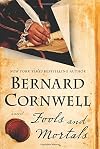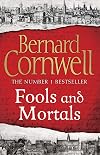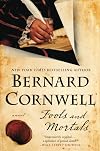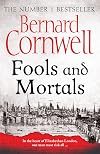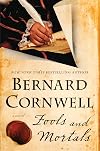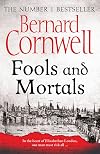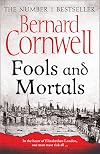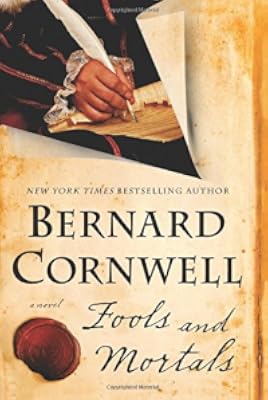
Fools and Mortals
by Bernard Cornwell
On This Page
Description
New York Times bestselling author Bernard Cornwell makes a dramatic departure with this enthralling, action-packed standalone novel that tells the story of the first production of A Midsummer Night's Dream—as related by William Shakespeare's estranged younger brother.Lord, what fools these mortals be . . .
In the heart of Elizabethan England, Richard Shakespeare dreams of a glittering career in one of the London playhouses, a world dominated by his older brother, William. But he is a show more penniless actor, making ends meet through a combination of a beautiful face, petty theft and a silver tongue. As William's star rises, Richard's onetime gratitude is souring and he is sorely tempted to abandon family loyalty.
So when a priceless manuscript goes missing, suspicion falls upon Richard, forcing him onto a perilous path through a bawdy and frequently brutal London. Entangled in a high-stakes game of duplicity and betrayal which threatens not only his career and potential fortune, but also the lives of his fellow players, Richard has to call on all he has now learned from the brightest stages and the darkest alleyways of the city. To avoid the gallows, he must play the part of a lifetime . . . .
Showcasing the superb storytelling skill that has won Bernard Cornwell international renown, Fools and Mortals is a richly portrayed tour de force that brings to life a vivid world of intricate stagecraft, fierce competition, and consuming ambition.
. show less
Tags
Recommendations
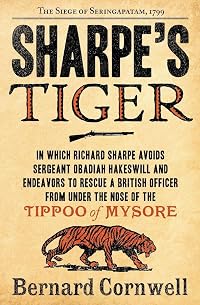
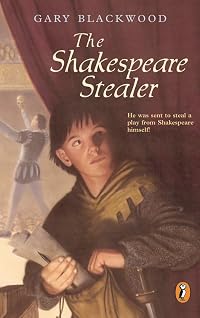
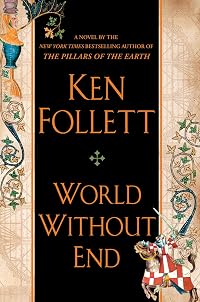
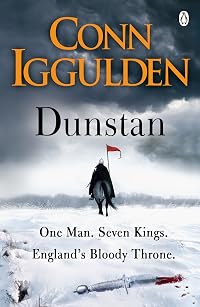
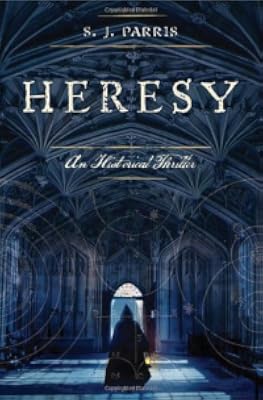
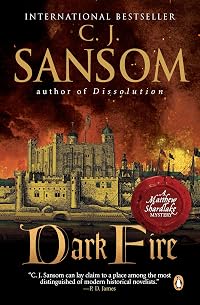

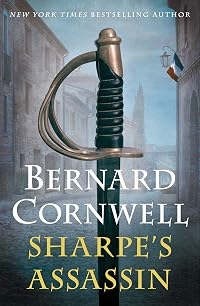
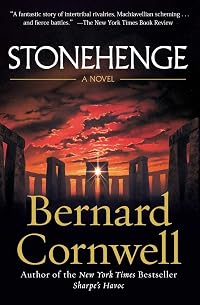



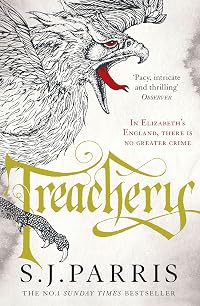
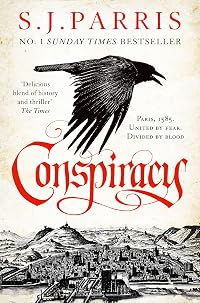
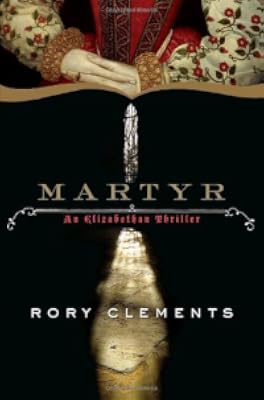
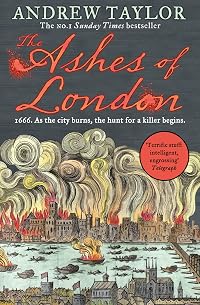




Member Recommendations
rstaedter Morality Play depicts the way of life of a traveling troupe in 14th century England. I found this an interesting contrast to the Elizabethan theatre 250 years later as described by Bernard Cornwell.
by anonymous user
Member Reviews
"When men do evil and claim that they are doing God's work, then they are at their most dangerous."
This novel by Bernard Cornwell is a bit of a departure from his usual military history. Yes, it’s an historical novel, but instead it centres on William Shakespeare's initial production of A Midsummer Night’s Dream and is told from the standpoint of his younger brother, Richard. Little is known about William Shakespeare, about his writing and staging his plays, let alone whether or not he even had a younger brother at all, let alone one who acted in his theatre company. This allows the author to allow his imagination run wild with speculation and hypothesis.
The play is thought to have been written around 1595 or 1596 but no one knows show more when or where it had it's début. For this book Cornwell opts for it being staged at the wedding of Baron Hunsdon’s daughter (the baron is Elizabeth’s cousin and Lord Chamberlain).
Richard, 10 years younger than his famous brother, he flees the family home in Stratford after he attacks the man that he has been apprenticed to and heads for London to join his brother. However, William initially rebuffs Richard and instead sends him off to Sir Godfrey, a cruel priest who trains young boys for the theatre amongst other things. When Richard finally joins William’s players he is given female roles to act. This only makes Richard more resentful because he is now 20 and wants to take on male roles.
The first half concentrates on the background of Elizabethan theatre and how the Puritans, whose job it is to root out enemies of the Queen, despise the “sinful” playhouses and their companies. A new theatre is being built to rival those already in existence and competition for audiences is fierce meaning that there must be a regular supply of new material to perform. Whilst there are plenty of out of work actors available writers, especially good ones, are few and far between especially to the calibre of William Shakespeare.
Feeling resentful of his brother Richard visits the new theatre in the hope of being offered regular work, he is only a jobbing actor in his brother's company, but is instead is asked to steal the scripts of A Midsummer Night’s Dream and the newly completed Romeo and Juliet. When the scripts are indeed stolen, suspicion naturally falls on the younger Shakespeare. Scripts are precious and are the lifeblood of any company so Richard offers to recover them in return for the role in Romeo in any future production. This involves Richard taking on his old enemy, Sir Godfrey. In many respects this section of the book provides the only action therein and it is pretty brief and relatively bloodless at that.
However, this shouldn't put any readers and particularly Cornwell fans off. He brings his usual penchant for setting the scene to the fore, so much so you can almost smell the filthy Elizabethan streets, the depravities of the day, the Catholic witch-hunts where power is given to petty tyrants, the struggle to survive and strive to bring some enjoyment into their fairly joyless existences, making their pleasure or displeasure at what they see quickly apparent. Similarly, I like the fact that this is no fawning portrayal of the elder Shakespeare, he is seen as being human with all it's faults, unlike how he is shown in most books that I've read about him.
Overall I loved this book, it grabbed my attention straight from the start and despite the lack of bloodshed managed to keep it as it careered through the filth strewn streets of the metropolis. So much so that it's made me want to re-read the original, A Midsummer Night's Dream, next. show less
This novel by Bernard Cornwell is a bit of a departure from his usual military history. Yes, it’s an historical novel, but instead it centres on William Shakespeare's initial production of A Midsummer Night’s Dream and is told from the standpoint of his younger brother, Richard. Little is known about William Shakespeare, about his writing and staging his plays, let alone whether or not he even had a younger brother at all, let alone one who acted in his theatre company. This allows the author to allow his imagination run wild with speculation and hypothesis.
The play is thought to have been written around 1595 or 1596 but no one knows show more when or where it had it's début. For this book Cornwell opts for it being staged at the wedding of Baron Hunsdon’s daughter (the baron is Elizabeth’s cousin and Lord Chamberlain).
Richard, 10 years younger than his famous brother, he flees the family home in Stratford after he attacks the man that he has been apprenticed to and heads for London to join his brother. However, William initially rebuffs Richard and instead sends him off to Sir Godfrey, a cruel priest who trains young boys for the theatre amongst other things. When Richard finally joins William’s players he is given female roles to act. This only makes Richard more resentful because he is now 20 and wants to take on male roles.
The first half concentrates on the background of Elizabethan theatre and how the Puritans, whose job it is to root out enemies of the Queen, despise the “sinful” playhouses and their companies. A new theatre is being built to rival those already in existence and competition for audiences is fierce meaning that there must be a regular supply of new material to perform. Whilst there are plenty of out of work actors available writers, especially good ones, are few and far between especially to the calibre of William Shakespeare.
Feeling resentful of his brother Richard visits the new theatre in the hope of being offered regular work, he is only a jobbing actor in his brother's company, but is instead is asked to steal the scripts of A Midsummer Night’s Dream and the newly completed Romeo and Juliet. When the scripts are indeed stolen, suspicion naturally falls on the younger Shakespeare. Scripts are precious and are the lifeblood of any company so Richard offers to recover them in return for the role in Romeo in any future production. This involves Richard taking on his old enemy, Sir Godfrey. In many respects this section of the book provides the only action therein and it is pretty brief and relatively bloodless at that.
However, this shouldn't put any readers and particularly Cornwell fans off. He brings his usual penchant for setting the scene to the fore, so much so you can almost smell the filthy Elizabethan streets, the depravities of the day, the Catholic witch-hunts where power is given to petty tyrants, the struggle to survive and strive to bring some enjoyment into their fairly joyless existences, making their pleasure or displeasure at what they see quickly apparent. Similarly, I like the fact that this is no fawning portrayal of the elder Shakespeare, he is seen as being human with all it's faults, unlike how he is shown in most books that I've read about him.
Overall I loved this book, it grabbed my attention straight from the start and despite the lack of bloodshed managed to keep it as it careered through the filth strewn streets of the metropolis. So much so that it's made me want to re-read the original, A Midsummer Night's Dream, next. show less
This is a right adventure. The setting is broadly the first staging of "A Midsummer Night's dream" at the house of the Lord Chancellor for his grand daughter's wedding. Along side this we have the building of a new playhouse, the Swan, which is shrouded in secrecy and seems to be short of plays and so sets out to steal the one being written by Will Shakespeare. We see all this through the eyes of his younger brother, Richard, who ran away from his apprentice master and has come to London to be a player. He is just getting too old to play the female roles and want to play a man's part. He is growing up physically, but he remains Will's younger brother and this colours their relationship, Richard wanting his brother's approval, Will show more unable to see him as he now is. And then there's a brief, but touching romance, with Sylvia being sufficiently independently minded to bring about a dramatic change in events.
At times this gets pretty unpleasant, there is quite graphic violence, there are past abuses and there's the nasty overtone of religious oppression and the blinkered puritan view. It tends to support the view that life in the past was nasty, brutish & short. But there is more to this book than those passages. They set up a fabulous view of the performance from the actor's perspective, which is well worth the read. Having not long listened to the play in question, It was fun to see it coming together through the rehearsals and into the performance. And, to borrow the playwright's own lines, all's well that ends well. show less
At times this gets pretty unpleasant, there is quite graphic violence, there are past abuses and there's the nasty overtone of religious oppression and the blinkered puritan view. It tends to support the view that life in the past was nasty, brutish & short. But there is more to this book than those passages. They set up a fabulous view of the performance from the actor's perspective, which is well worth the read. Having not long listened to the play in question, It was fun to see it coming together through the rehearsals and into the performance. And, to borrow the playwright's own lines, all's well that ends well. show less
I haven’t read any Bernard Cornwell before. I like social and political history while his novels appear to be more about battles and action. However, Fools and Mortals really appealed because of the setting in the Elizabethan theatre.
In Fools and Mortals, Richard Shakespeare has run away to London and is cramping his big brother’s style. William Shakespeare is a sharer (shareholder) in a theatre and an established writer and actor. Richard is an annoying teenager (and he’s better looking). Richard is working in the theatre but he is no longer pretty enough to be the female lead and is playing dowagers. Richard is also poor while his brother is doing rather well. He wants to become a man – on and off stage – and with an show more important play for the Lord Chancellor coming up, he hopes to have his chance.
This is a great fun book, packed with atmosphere and humour and flamboyant characters. It is rich in detail about the birth of the theatre as we know it today, the creative process, the skills of the actors, the very oddness of having a day job where all you do is pretend. There is the warmth, the rivalry and the players’ ambiguous social status – performing for royalty but still struggling to pay the rent.
The book maintains this light tone without ducking darker issues – the brutality of executions, the poor treatment of child apprentices, persecution by the Pursuivants (the anti-Catholic enforcers known as the ‘Percies’).
I particularly like the subtle portrayal of the relationship between the brothers. Richard inevitably sees himself as hard done by, but we see the ambiguities of Will’s behaviour. He is brusque, mocking and apparently dismissive but he is also giving Richard chances to shine and grow.
The only thing which marred the book for me was a lack of editing. There’s a lot of repetition and the resolution, featuring the performance of A Midsummer Night’s Dream, is too long, overstuffed with exposition which has already been covered in the rehearsal scenes.
Worse, about a third of the way through the novel, Richard is thrown into turmoil when he receives a shocking offer and has to decide where his loyalties lie. This should be a crucial turning-point, but Richard has apparently forgotten that the offer was already outlined to him three chapters earlier. (At this point I would have thrown the book across the room if it weren’t on my Kindle.)
However, leaving aside these flaws it’s a playful, engaging read and has made me think again about reading Cornwell’s other books.
*
I received a copy of Fools and Mortals from the publisher via Netgalley.
This review first appeared on my blog https://katevane.com/blog/ show less
In Fools and Mortals, Richard Shakespeare has run away to London and is cramping his big brother’s style. William Shakespeare is a sharer (shareholder) in a theatre and an established writer and actor. Richard is an annoying teenager (and he’s better looking). Richard is working in the theatre but he is no longer pretty enough to be the female lead and is playing dowagers. Richard is also poor while his brother is doing rather well. He wants to become a man – on and off stage – and with an show more important play for the Lord Chancellor coming up, he hopes to have his chance.
This is a great fun book, packed with atmosphere and humour and flamboyant characters. It is rich in detail about the birth of the theatre as we know it today, the creative process, the skills of the actors, the very oddness of having a day job where all you do is pretend. There is the warmth, the rivalry and the players’ ambiguous social status – performing for royalty but still struggling to pay the rent.
The book maintains this light tone without ducking darker issues – the brutality of executions, the poor treatment of child apprentices, persecution by the Pursuivants (the anti-Catholic enforcers known as the ‘Percies’).
I particularly like the subtle portrayal of the relationship between the brothers. Richard inevitably sees himself as hard done by, but we see the ambiguities of Will’s behaviour. He is brusque, mocking and apparently dismissive but he is also giving Richard chances to shine and grow.
The only thing which marred the book for me was a lack of editing. There’s a lot of repetition and the resolution, featuring the performance of A Midsummer Night’s Dream, is too long, overstuffed with exposition which has already been covered in the rehearsal scenes.
Worse, about a third of the way through the novel, Richard is thrown into turmoil when he receives a shocking offer and has to decide where his loyalties lie. This should be a crucial turning-point, but Richard has apparently forgotten that the offer was already outlined to him three chapters earlier. (At this point I would have thrown the book across the room if it weren’t on my Kindle.)
However, leaving aside these flaws it’s a playful, engaging read and has made me think again about reading Cornwell’s other books.
*
I received a copy of Fools and Mortals from the publisher via Netgalley.
This review first appeared on my blog https://katevane.com/blog/ show less
I came to read this book by starting and setting aside another of Bernard Cornwell’s books, 1356, which includes a plethora of blood-soaked action in the first few chapters, including rape, torture, murder, and castration. It was too much even for me and I can handle a good amount of bloodshed. I was, however, impressed by Cornwell’s writing so I sought out another, less gory, of his books. Fools and Mortals takes place in 1595 and is based on the imagined relationship between William Shakespeare and his younger brother, Richard. The tale is told by Richard Shakespeare. He describes his journey to London, how he became a player, his strained relationship with his brother, and rival companies attempting to exploit his brother’s show more success. The narrative revolves around the plays, players, patrons, rivalries, and theatres of the era. The plot is based on the initial production of A Midsummer Night’s Dream, written for a wedding celebration and performed at the residence of a wealthy patron and cousin of Queen Elizabeth.
The author has a knack for describing the life and times of people living in London in the late 16th century, giving the reader a feeling of “being there” through vivid descriptions of the sights, smells, sounds, and tastes. He provides a glimpse into the religious climate of the day (Puritans vs. Catholics), what it was like to be a player, and barriers which had to be overcome in order for the dramatic arts to thrive. It is filled with interesting details about theatre-craft of the period, such as lighting with candles, death scenes using a pig’s bladder filled with sheep’s blood, males playing female roles, pigments used for make-up, manually transcribing roles for actors, the constant pressure for new material. I found it fascinating.
If you haven’t read (or seen) A Mid-Summer Night’s Dream, I suggest viewing it first, since this book contains major plot-spoilers. It is also helpful to be somewhat familiar with Shakespeare’s canon. Unlike many other of Cornwell’s works, this is a stand-alone novel with fewer action-packed scenes. The author provides a note at the end describing what parts were based on historical research and what was invented. Recommended to those interested in Tudor era historical fiction or the early days of theatre. show less
The author has a knack for describing the life and times of people living in London in the late 16th century, giving the reader a feeling of “being there” through vivid descriptions of the sights, smells, sounds, and tastes. He provides a glimpse into the religious climate of the day (Puritans vs. Catholics), what it was like to be a player, and barriers which had to be overcome in order for the dramatic arts to thrive. It is filled with interesting details about theatre-craft of the period, such as lighting with candles, death scenes using a pig’s bladder filled with sheep’s blood, males playing female roles, pigments used for make-up, manually transcribing roles for actors, the constant pressure for new material. I found it fascinating.
If you haven’t read (or seen) A Mid-Summer Night’s Dream, I suggest viewing it first, since this book contains major plot-spoilers. It is also helpful to be somewhat familiar with Shakespeare’s canon. Unlike many other of Cornwell’s works, this is a stand-alone novel with fewer action-packed scenes. The author provides a note at the end describing what parts were based on historical research and what was invented. Recommended to those interested in Tudor era historical fiction or the early days of theatre. show less
I adore A Midsummer Night's Dream and loved that this book was so heavily focused around its first performance.
However, the pretty blatant homophobia and rejection of anything androgynous or feminine in oneself were annoying, as was the spotty characterization which raised several serious questions about Shakespeare's character that were never dealt with satisfactorily.
I was particularly horrified by how harshly one of the "villains" (here just an opponent, really) is treated and which the book seems to applaud:a gay teenager who has endured years of sexual child abuse commits a theft out of the wish to get a better job, and the protagonist - unnecessarily - breaks his cheekbone and blinds him on one eye - utterly destroying his show more beauty, on which his entire career as an actor playing women rested. The teenager is forced to become a beggar living on the street, which everyone seems to heartily approve of. In comparison, the guy who sexually abused him horribly for years gets a slap on the wrist (not for the abuse of children of course, that is allowed to continue, but for something else he did). Perhaps a second book was planned here, which would have remedied the situation at the end, as well as addressed the many open questions I had when I finished it. But since there is none, I can only assume this was meant to be the overall ending, which is very weird.
Overall, this benefited hugely from the many Shakespeare quotes and admittedly wonderful period detail based on really solid research. The writing was also very evocative and allowed me to see, hear and smell Elizabethan times in my imagination as if I'd been there. So this is why this book still gets an overall "it's okay" rating, despite of my misgivings mentioned above. show less
However, the pretty blatant homophobia and rejection of anything androgynous or feminine in oneself were annoying, as was the spotty characterization which raised several serious questions about Shakespeare's character that were never dealt with satisfactorily.
I was particularly horrified by how harshly one of the "villains" (here just an opponent, really) is treated and which the book seems to applaud:
Overall, this benefited hugely from the many Shakespeare quotes and admittedly wonderful period detail based on really solid research. The writing was also very evocative and allowed me to see, hear and smell Elizabethan times in my imagination as if I'd been there. So this is why this book still gets an overall "it's okay" rating, despite of my misgivings mentioned above. show less
I really enjoyed this envisioning of life as a "player" in Shakespeare's company in the 1500s. Bernard Cornwell - as always - is such a master of immersing us in the day to day of the society of which he's writing. Really well done!
Richard Shakespeare does not get on with his brother William. However to save from starving Richard works in William's team of actors, usually playing the female roles which he hates. Desperate to have a better role, win his brother's approval and win the hand of the woman he loves, Richard tries to recapture the stolen manuscript to Romeo and Juliet. This leads him into conflict with the Pursuivants and a confrontation with his own past.
Bernard Cornwell has a reputation of a writer who tells tales of heroism and derring-do. I really enjoy his action novels but this is a real change of pace. Essentially a witty, light-hearted look at some real and some fictional events set in the latter years of Elizabeth's reign, this book is show more lightweight but that isn't a bad thing. Cornwell displays a lightness of touch where he needs to , but the depth of his understanding of Tudor life is evident and the dramatic scenes are written with his usual bravado. A homage to Shakespeare and his ilk, this is a genuinely enjoyable novel. show less
Bernard Cornwell has a reputation of a writer who tells tales of heroism and derring-do. I really enjoy his action novels but this is a real change of pace. Essentially a witty, light-hearted look at some real and some fictional events set in the latter years of Elizabeth's reign, this book is show more lightweight but that isn't a bad thing. Cornwell displays a lightness of touch where he needs to , but the depth of his understanding of Tudor life is evident and the dramatic scenes are written with his usual bravado. A homage to Shakespeare and his ilk, this is a genuinely enjoyable novel. show less
Members
- Recently Added By
Published Reviews
ThingScore 75
Cornwell drives the plot along deftly.
And he clearly has a lot of fun with the dialogue which is crisp but replete with gems (“I don’t give the quills of a duck’s a***,” says Lord Hunsdon at one point) and there is hilarious bickering and squabbling among the players as they rehearse A Midsummer Night’s Dream.
But the real star of this book is Elizabethan London.
Cornwell leads us show more effortlessly through its fleshpots and fish markets, palace and playhouses with the skill of a master storyteller who loves this period of history.
Fools And Mortals may not have the visceral cut-throat action of Sharpe or the Lost Kingdom but if a well-plotted, richly written romp through Shakespeare’s England appeals, start reading. show less
And he clearly has a lot of fun with the dialogue which is crisp but replete with gems (“I don’t give the quills of a duck’s a***,” says Lord Hunsdon at one point) and there is hilarious bickering and squabbling among the players as they rehearse A Midsummer Night’s Dream.
But the real star of this book is Elizabethan London.
Cornwell leads us show more effortlessly through its fleshpots and fish markets, palace and playhouses with the skill of a master storyteller who loves this period of history.
Fools And Mortals may not have the visceral cut-throat action of Sharpe or the Lost Kingdom but if a well-plotted, richly written romp through Shakespeare’s England appeals, start reading. show less
added by SnootyBaronet
Lists

Historical Fiction
889 works; 91 members

Top Five Books of 2017
757 works; 231 members

Huxley's Reading Log 2018
37 works; 1 member

Books Read in 2018
4,360 works; 110 members
Author Information

170+ Works 93,606 Members
Bernard Cornwell was born in London, England, on February 23, 1944, and came to the United States in 1980. He received a B.A. from the University of London in 1967. Cornwell served as producer of the British Broadcasting Corporation from 1969-1976. After this he was head of current affairs for BBC-TV in Belfast, Northern Ireland. In 1979 he became show more editor of television news for Thames Television of London. Since 1980 he has been a freelance writer. he lives with his wife on Cape Cod. Cornwell's Sharpe series, adventure stories about a British soldier set in the Peninsula War of 1808-1814, are built on the author's interest in the Duke of Wellington's army. Titles include Sharpe's Rifles, Sharpe's Revenge, Sharpe's Siege, Sharpe's Regiment, and Sharpe's Waterloo. The Last Kingdom series has ten books. Book ten, The Flame Bearer is on the bestsellers list. He has also written other works including Wildtrack, Killer's Wake, Sea Lord, Stormchild, Rebel, Copperhead, and Battle Flag. His title Death of Kings made The New York Times Best Seller List in 2012 and In 2014 his title The Pagan Lord made the list again. (Bowker Author Biography) show less
Awards and Honors
Distinctions
Common Knowledge
- Canonical title
- Fools and Mortals
- Original publication date
- 2017-10-19
- People/Characters
- William Shakespeare; Richard Shakespeare; Will Kemp; James Burbage; Henry Carey, 1st Baron Hunsdon; John Heminges (show all 13); Richard Burbage; Augustine Phillips; Henry Condell; George Bryan; Christopher Beeston; Thomas Pope; Anne Morgan, Baroness Hunsdon
- Important places
- London, England, UK
- Dedication
- Fools and Mortals
is dedicated, with affection,
to all the actors, actresses, directors,
musicians and technicians of the
Monomoy Theatre - First words
- I DIED JUST after the clock in the passageway struck nine.
- Quotations
- We are players, and we love an audience. Sometimes, if a play is going badly, it is easy to think of the audience as an enemy, but truly they are a part of the play, because an audience changes the way we perform. We can rehe... (show all)arse a play for weeks, as we were doing with A Midsummer Night’s Dream, but the moment the playhouse is filled with people, so the play is transformed.
- Last words
- (Click to show. Warning: May contain spoilers.)We are the Lord Chamberlain’s players. We tell stories. We make the magical appear onstage. We turn dreams into truth. We are actors.
Classifications
Statistics
- Members
- 673
- Popularity
- 42,700
- Reviews
- 27
- Rating
- (3.76)
- Languages
- 5 — English, German, Italian, Portuguese (Portugal), Spanish
- Media
- Paper, Audiobook, Ebook
- ISBNs
- 32
- ASINs
- 5