On This Page
Description
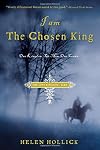
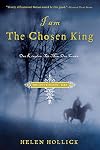
"A very talented writer." —Sharon Kay Penman, New York Times bestselling author of Devil's BroodEngland, 1044. Harold Godwineson, a young, respected Earl, falls in love with an ordinary but beautiful woman. He marries Edyth despite her lack of pedigree, pitting him against his turbulent family and his selfish King, Edward. In France, William, the bastard son of a duke, falls in love with power. Brutal and dangerously smart, William sets his sights on England, finding ambition a difficult show more lust to conquer.
In 1066, with the old King Edward dying, England falls vulnerable to the winds of fate—and the stubborn will of these two powerful men. In this beautifully crafted tale, Helen Hollick sets aside the propaganda of the Norman Conquest and brings to life the English version of the story of the last Saxon King, revealing his tender love, determination, and proud loyalty, all shattered by the unforgiving needs of a Kingdom. Forced to give up his wife and risk his life for England, the chosen King led his army into the great Battle of Hastings in October 1066 with all the honor and dignity that history remembers of its fallen heroes.
"A novel of enormous emotional power...Helen Hollick is a fabulous writer of historical fiction." —Elizabeth Chadwick, author of To Defy a King
(This book was previously published in the U.K. as HAROLD THE KING)
. show less
Tags
Recommendations


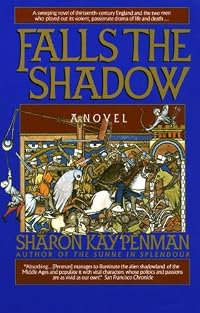
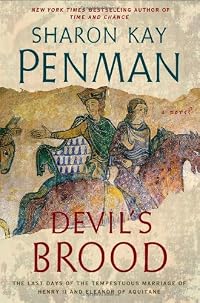
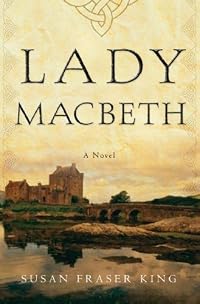
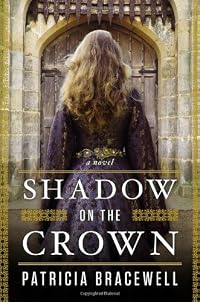


Member Recommendations
zquilts Another amazing story of Saxon England
Member Reviews
I'm going to mention once, here and now, that this ebook's formatting was disappointing, sloppy, and annoying for such a reputable publishing house. There! Fortunately, it did not take away from my enjoyment of Ms. Hollick's sequel to "The Forever Queen," "I am the Chosen King (UK title: "Harold the King")." The story of the Godwine family and their rise to power continues in this novel that culminates with the Battle of Hastings and William of Normandy's seizure of England. I am one of the many who only know about 1066 And All That from what the victors told us in their chronicles. I did further reading after finishing this novel and discovered that Harold Godwinson wasn't the bumbling doofus I'd imagined him to be from my history show more lessons, losing his crown to a far superior man and force. It's said that Harold and the English army was minutes away from victory when Harold was struck in the eye by an arrow and then brutally hacked to death by the Normans, and perhaps William himself. Harold, I discovered, was an able leader who was popular, powerful and elected by the Witan, the council of nobles in Anglo Saxon England, to be the King. Depending on whose history you read, William of Normandy claimed the right to the throne of England because he claimed Edward the Confessor said he was the heir and claimed Harold broke an oath to back up his claim (that oath may have been given under duress). Interesting, since the English at the time elected their monarch - the idea of primogeniture hadn't become the norm.
This is a work of fiction, and Hollick's research and interest in her subject comes through in the dialogue, the characterization and flow of the story. The artistic license she takes enhances the facts and makes her story as plausible and real as the events as they happened. I was particularly impressed with the chapters dealing with the Battle itself - written in stages and with a minimum of gore and detail. Dramatic tension is given to the reader in dialogue and character study. I'm a soft touch for stray dogs and misunderstood monarchs and I had a lump in my throat when I finished the book.
Harold isn't whitewashed; he has his flaws. He is, like William, a man of his times. William the Conqueror is a real bastard, not the gallant hero of the chronicles and ballads - in fact, he comes across as a psychopath. Edward the Confessor - not so much a saint as someone who wants to be left to his books, hunting and court favorites, never really wanted to be King and didn't make the best of it. His legacy? Westminster Abbey. The women in the story are strong, and range from gentle to shrew, and are pawns moved about on the chessboard as it pleases the men, e.g., Harold takes a 'handfast' wife in the Danish custom, a common law wife, knowing full well that eventually, as a nobleman, he will have to make a marriage that will be recognized by the church, a politically expedient alliance, and say good bye to his marriage of love and all that it encompasses. That must have been torture to live every day wondering if your husband was going to leave and the remarkable Edyth Swannhaels, the handfast wife, is shown as a brave, understanding, good woman who was circumspect about her position.
I recommend this book for anyone who thinks of Anglo Saxon England as just another blip in history, as Harold Godwinson as just another dismissed and defeated king, and the history of England not beginning until 1066. show less
This is a work of fiction, and Hollick's research and interest in her subject comes through in the dialogue, the characterization and flow of the story. The artistic license she takes enhances the facts and makes her story as plausible and real as the events as they happened. I was particularly impressed with the chapters dealing with the Battle itself - written in stages and with a minimum of gore and detail. Dramatic tension is given to the reader in dialogue and character study. I'm a soft touch for stray dogs and misunderstood monarchs and I had a lump in my throat when I finished the book.
Harold isn't whitewashed; he has his flaws. He is, like William, a man of his times. William the Conqueror is a real bastard, not the gallant hero of the chronicles and ballads - in fact, he comes across as a psychopath. Edward the Confessor - not so much a saint as someone who wants to be left to his books, hunting and court favorites, never really wanted to be King and didn't make the best of it. His legacy? Westminster Abbey. The women in the story are strong, and range from gentle to shrew, and are pawns moved about on the chessboard as it pleases the men, e.g., Harold takes a 'handfast' wife in the Danish custom, a common law wife, knowing full well that eventually, as a nobleman, he will have to make a marriage that will be recognized by the church, a politically expedient alliance, and say good bye to his marriage of love and all that it encompasses. That must have been torture to live every day wondering if your husband was going to leave and the remarkable Edyth Swannhaels, the handfast wife, is shown as a brave, understanding, good woman who was circumspect about her position.
I recommend this book for anyone who thinks of Anglo Saxon England as just another blip in history, as Harold Godwinson as just another dismissed and defeated king, and the history of England not beginning until 1066. show less
Helen Hollick's sublime novel I Am The Chosen King brings England in the years immediately leading up to the Norman Conquest vividly to life. It commences where Hollick's earlier pre-Conquest novel, The Forever Queen, left off. Harold Godwinesson, the English monarch best known for his defeat by William the Conqueror during the Battle of Hastings in 1066, is the primary subject of I Am The Chosen King. The novel also features William, Duke of Normandy, and England's King Edward, who is better known today as Edward the Confessor.
I Am the Chosen King contains all of the necessary elements which, to me, make a great work of historical fiction. The author has done a masterful job of creating a strong sense of time and place, bringing the show more era alive for the reader and making them feel part of the action. The historical detail is impressive and is evidence of the significant amount of research that went into crafting this novel. While too much detail can serve to bog a novel down and detract from a story, in I Am The Chosen King the level of detail is just right. As a result, the historical detail enhances the story and the reader's ability to connect with it. Hollick paints a sympathetic portrait of Harold Godwinesson, a man not raised to the throne from birth, but who must accept it after the death of King Edward to ensure the peace and stability of England. Hollick's William the Conqueror is a vain man who will stop at nothing to get what he wants, which includes a throne he has no right to claim, while King Edward is shown to be a man ill suited to wear a crown.
When facts are known, accuracy in historical fiction is important to me as a reader. While Hollick does take some liberties in I Am the Chosen King, they are relatively minor and undertaken for the sake of the story. Historical accuracy, however, does not trump my desire for a well told and interesting story. I need both to be satisfied with a historical novel and this book delivers. I was drawn into Harold's world right from the opening pages, never once becoming bored or wishing the story would end. While the ultimate outcome of the battle between Harold and William of Normandy's is well-known, I couldn't help but hope that, this time around, things had turned out a little differently.
I Am The Chosen King is recommended to readers of historical fiction who enjoy epic historical novels. This book reminded me of Sharon Kay Penman's great historical novels, so fans of Penman should definitely check this one out. show less
I Am the Chosen King contains all of the necessary elements which, to me, make a great work of historical fiction. The author has done a masterful job of creating a strong sense of time and place, bringing the show more era alive for the reader and making them feel part of the action. The historical detail is impressive and is evidence of the significant amount of research that went into crafting this novel. While too much detail can serve to bog a novel down and detract from a story, in I Am The Chosen King the level of detail is just right. As a result, the historical detail enhances the story and the reader's ability to connect with it. Hollick paints a sympathetic portrait of Harold Godwinesson, a man not raised to the throne from birth, but who must accept it after the death of King Edward to ensure the peace and stability of England. Hollick's William the Conqueror is a vain man who will stop at nothing to get what he wants, which includes a throne he has no right to claim, while King Edward is shown to be a man ill suited to wear a crown.
When facts are known, accuracy in historical fiction is important to me as a reader. While Hollick does take some liberties in I Am the Chosen King, they are relatively minor and undertaken for the sake of the story. Historical accuracy, however, does not trump my desire for a well told and interesting story. I need both to be satisfied with a historical novel and this book delivers. I was drawn into Harold's world right from the opening pages, never once becoming bored or wishing the story would end. While the ultimate outcome of the battle between Harold and William of Normandy's is well-known, I couldn't help but hope that, this time around, things had turned out a little differently.
I Am The Chosen King is recommended to readers of historical fiction who enjoy epic historical novels. This book reminded me of Sharon Kay Penman's great historical novels, so fans of Penman should definitely check this one out. show less
*sigh*
I knew how this book was going to end. Even still, even knowing, I found myself turning the pages as it reached the conclusion hoping for a different result. Ms. Hollick writes a tale of Harold that had me rooting for him and wanting him to live. But alas, all students of history know that England lost its King that day and the memory of the date of the Battle of Hastings in 1066 remains.
This is the second book by Ms. Hollick I have had the good fortune to read; my first was The Forever Queen (my review is HERE) which tells the history preceding this book. You don't need to read the first to enjoy the second. But you will be missing an excellent book...
I Am the Chosen King starts with Edward known to history as "the Confessor" on show more the thrown. He is, to put it mildly, not the strongest or most competent of kings. He inherited much from his father, Ethelred the Unready. Yet he does have a bit more kindness in his heart than his father. He bumbles through his reign not realizing the results of his promises until it is too late. He makes unwise friendships and alliances caring more for himself than for England.
Harold Godwineson ends up Earl of Wessex after the death of his father. He is wise, thoughtful and an excellent leader of men. Despite his good qualities Edward prefers Harold's brother Tostig because Tostig is basically a "yes" man. When Tostig's management of his earldom causes a near civil war Edward finally realizes the error of his ways.
I've laid out a VERY simplistic bit of what is a complex, detailed and well researched tale about strong personalities and two men who would be King after Edward. William of Normandy invaded England and took the crown whether it was his to have or not. He didn't care. He wanted it so he took it. There is not much left of the historical record and that which is left was written by the victors so you know how they have spun it!
This was a book that was very hard for me to put down. I found myself immersed in time and place and just about felt like I was THERE. Ms. Hollick is a master at delivering a tale that you don't want to end. Even when you know the outcome you don't want to depart from the characters. I spent this morning googling the players in the book to see what more I could learn. What does that tell you about her storytelling? Or this - at times I wanted to jump into the pages and just strangle some people! The writing is that powerful. I loved this book and hope there are more. As much as I hated William I would love to see how Ms. Hollick writes his story. show less
I knew how this book was going to end. Even still, even knowing, I found myself turning the pages as it reached the conclusion hoping for a different result. Ms. Hollick writes a tale of Harold that had me rooting for him and wanting him to live. But alas, all students of history know that England lost its King that day and the memory of the date of the Battle of Hastings in 1066 remains.
This is the second book by Ms. Hollick I have had the good fortune to read; my first was The Forever Queen (my review is HERE) which tells the history preceding this book. You don't need to read the first to enjoy the second. But you will be missing an excellent book...
I Am the Chosen King starts with Edward known to history as "the Confessor" on show more the thrown. He is, to put it mildly, not the strongest or most competent of kings. He inherited much from his father, Ethelred the Unready. Yet he does have a bit more kindness in his heart than his father. He bumbles through his reign not realizing the results of his promises until it is too late. He makes unwise friendships and alliances caring more for himself than for England.
Harold Godwineson ends up Earl of Wessex after the death of his father. He is wise, thoughtful and an excellent leader of men. Despite his good qualities Edward prefers Harold's brother Tostig because Tostig is basically a "yes" man. When Tostig's management of his earldom causes a near civil war Edward finally realizes the error of his ways.
I've laid out a VERY simplistic bit of what is a complex, detailed and well researched tale about strong personalities and two men who would be King after Edward. William of Normandy invaded England and took the crown whether it was his to have or not. He didn't care. He wanted it so he took it. There is not much left of the historical record and that which is left was written by the victors so you know how they have spun it!
This was a book that was very hard for me to put down. I found myself immersed in time and place and just about felt like I was THERE. Ms. Hollick is a master at delivering a tale that you don't want to end. Even when you know the outcome you don't want to depart from the characters. I spent this morning googling the players in the book to see what more I could learn. What does that tell you about her storytelling? Or this - at times I wanted to jump into the pages and just strangle some people! The writing is that powerful. I loved this book and hope there are more. As much as I hated William I would love to see how Ms. Hollick writes his story. show less
If you visit the book blogging community here on the Net, you will have read or seen many reviews of I Am the Chosen King by the end of March, since this is the month of this book's U.S. publication. Most of these review, if not all of them, will be praises to Helen and her talent, and rightfully so because she is one of the best storytellers there are and this talent of hers to draw a reader into the world of the past shines in this historical novel.
Helen Hollick is a fantastic writer and she created an absolutely wonderful piece of art in I Am the Chosen King. Yes, I believe that writing is an art and if done well, such as Ms. Hollick does it, delivers a lot more than just pure entertainment for the recipients, a.k.a. readers. In the show more days when I was reading I Am the Chosen King, I felt I was kidnapped by this story of the Saxon England. When I couldn't read the book, I thought about it during the day, I researched what I didn't know online and when sleeping, I dreamed about the characters (I believe I actually used such words as thegns, aetheling, housecarls in my dreams). I think it will not be an exaggeration when I say that Helen cast a spell on me, the one that made me fully absorbed in the world of I Am the Chosen King.
As amazing as the storytelling is, there's nothing lacking in other departments of this book either. The way the characters are introduced and made familiar to us is flawless. You will not even notice at what time they all become real, three-dimensional figures instead of merely ink on a piece of paper. And by all I mean quite a few characters. Harold Godwinesson, the future and last Saxon king is someone you just have to root for. His personality is endearing and causes others to really forgive him anything (not that there is much to forgive there, he really is a noble person). Edyth, Harold's taken-as-wife woman (in accordance to the Saxon law), is an amazing woman and as the story progressed, I admired her more and more for her poise and strength in the face of many, many hardships. As I mentioned in a conversation with Misfit, Edyth was ten times the woman I could ever dream of being. And then, there is the impossibly selfish, whiny, unable to function independently King Edward the Confessor. Supposedly, his reputation nowadays is being repaired by historians, but it was difficult for me to muster any compassion for this ruler. Of course there's no purpose in speculating about things past, but who knows what would have happened, had he been the King such as his predecessor, Cnut and such as England deserved to have.Those are only the three characters I decided to write about but in I Am the Chosen King, the multitude of them is astounding and almost every one is important to the story.
The time (1044-1066) might have been called the Dark Ages at one point but it's no longer that and Ms. Hollick shows us exactly why historians no longer choose to use that name. The Saxon England was everything but dark. The combination of Christianity and old Saxon laws and traditions provided for a very rich life indeed. The people were intelligent, interesting and could teach us a thing or two about what's important in life. There's much to be admired and much to be learned from that time in history and also much to be thankful for to Ms. Hollick for bringing it alive for us, contemporary readers. A perfect example is the final battle, The Battle of Hastings. It was breathtaking and heartrending to read it. Even though I knew what the outcome would be, I was still hoping for the impossible, still holding my breath in an event that maybe I read the history wrong and William, the Duke of Normandy didn't win. How incredible is that?! What a writing talent that can do that to a reader, to make you question the reality?! Brava, Ms. Hollick! show less
Helen Hollick is a fantastic writer and she created an absolutely wonderful piece of art in I Am the Chosen King. Yes, I believe that writing is an art and if done well, such as Ms. Hollick does it, delivers a lot more than just pure entertainment for the recipients, a.k.a. readers. In the show more days when I was reading I Am the Chosen King, I felt I was kidnapped by this story of the Saxon England. When I couldn't read the book, I thought about it during the day, I researched what I didn't know online and when sleeping, I dreamed about the characters (I believe I actually used such words as thegns, aetheling, housecarls in my dreams). I think it will not be an exaggeration when I say that Helen cast a spell on me, the one that made me fully absorbed in the world of I Am the Chosen King.
As amazing as the storytelling is, there's nothing lacking in other departments of this book either. The way the characters are introduced and made familiar to us is flawless. You will not even notice at what time they all become real, three-dimensional figures instead of merely ink on a piece of paper. And by all I mean quite a few characters. Harold Godwinesson, the future and last Saxon king is someone you just have to root for. His personality is endearing and causes others to really forgive him anything (not that there is much to forgive there, he really is a noble person). Edyth, Harold's taken-as-wife woman (in accordance to the Saxon law), is an amazing woman and as the story progressed, I admired her more and more for her poise and strength in the face of many, many hardships. As I mentioned in a conversation with Misfit, Edyth was ten times the woman I could ever dream of being. And then, there is the impossibly selfish, whiny, unable to function independently King Edward the Confessor. Supposedly, his reputation nowadays is being repaired by historians, but it was difficult for me to muster any compassion for this ruler. Of course there's no purpose in speculating about things past, but who knows what would have happened, had he been the King such as his predecessor, Cnut and such as England deserved to have.Those are only the three characters I decided to write about but in I Am the Chosen King, the multitude of them is astounding and almost every one is important to the story.
The time (1044-1066) might have been called the Dark Ages at one point but it's no longer that and Ms. Hollick shows us exactly why historians no longer choose to use that name. The Saxon England was everything but dark. The combination of Christianity and old Saxon laws and traditions provided for a very rich life indeed. The people were intelligent, interesting and could teach us a thing or two about what's important in life. There's much to be admired and much to be learned from that time in history and also much to be thankful for to Ms. Hollick for bringing it alive for us, contemporary readers. A perfect example is the final battle, The Battle of Hastings. It was breathtaking and heartrending to read it. Even though I knew what the outcome would be, I was still hoping for the impossible, still holding my breath in an event that maybe I read the history wrong and William, the Duke of Normandy didn't win. How incredible is that?! What a writing talent that can do that to a reader, to make you question the reality?! Brava, Ms. Hollick! show less
I find Helen Hollick's writing to be magical. As a confirmed lover of all things European ,and of the 15th and 16th centuries, I didn't think that I would have much interest in the earlier history of Britain, let alone 11th century Saxon Britain------ that is until I read "The Forever Queen".
"I Am The Chosen King" begins in England in 1044 and follows the time line and lineage put forth in "The Forever Queen". The first chapter begins as Queen Emma "The Forever Queen" still powerful at 54 years of age, watches as her firstborn, recently returned from exiled, son, Edward, is crowned King of England. Emma doesn't believe that the rather too delicate Edward (known as the Confessor) is fit to be King. She believes that he is as "as shallow show more and incompetent as his father, Athelred (Emma's first husband) had been.." . In this chapter we are also introduced to a young Earl, Harold Godwineson....thus begins the story of King Harold - the chosen King; the last Saxon King of England.
In this wickedly good read, Helen Hollick brings to life the Battle of Hastings from the English point of view "....and brings to life ... the story of the last Saxon King, revealing his ... love, determination and proud loyalty...shattered by the unforgiving needs of a Kingdom. Forced to give up his wife and risk his life for England, the chosen king led his army into the great Battle of Hastings in October 1066 with all the honor and dignity that history remembers of its fallen heroes...." . This last sentence is from the endpapers on the book and, I think, spells out the theme of the book better than I could paraphrase it!
Much of the action in this book is centered around battle preparations for the Norman invasion and the Battle of Hastings in October 1066. Harold, who became King after the death of Edward in January 1066, is married a beautiful commoner named Edyth. Because this is not a politically advantageous marriage he becomes pitted against his powerful family. In France, a bastard duke's son, William of Normandy, has become besotted with power and has set his sight on conquering England
This book is historically based and I think that Helen Hollick can well be called an expert on this time period. It has totally opened my eyes to this pivotal period in history when the shaping of England was, truly, in the balance. This is also a book that weaves history with romance and warfare in nearly equal measure. It's a book's that I simply have to re-read. That's how much I like it. It is, perhaps, not as much of a romance as "The Forever Queen" but, then again, the times surrounding the Battle of Hastings (fought at Senlac Hill near Hastings, East Sussex, England) were difficult and romances would have been, I think, been forced to a back burner as preparations for war were made.
I am now a confirmed fan of Saxon England! I am grateful to Ms. Hollick for bringing this fascinating period of history to lovers of great historical fiction. I will eagerly await more from this gifted writer. This book will, I think, appeal widely to fans of historical fiction, romance and, more to the point, those interested in the history behind the historic Battle of Hastings. There is much to be enjoyed in this book - and much history to read about on the side! show less
"I Am The Chosen King" begins in England in 1044 and follows the time line and lineage put forth in "The Forever Queen". The first chapter begins as Queen Emma "The Forever Queen" still powerful at 54 years of age, watches as her firstborn, recently returned from exiled, son, Edward, is crowned King of England. Emma doesn't believe that the rather too delicate Edward (known as the Confessor) is fit to be King. She believes that he is as "as shallow show more and incompetent as his father, Athelred (Emma's first husband) had been.." . In this chapter we are also introduced to a young Earl, Harold Godwineson....thus begins the story of King Harold - the chosen King; the last Saxon King of England.
In this wickedly good read, Helen Hollick brings to life the Battle of Hastings from the English point of view "....and brings to life ... the story of the last Saxon King, revealing his ... love, determination and proud loyalty...shattered by the unforgiving needs of a Kingdom. Forced to give up his wife and risk his life for England, the chosen king led his army into the great Battle of Hastings in October 1066 with all the honor and dignity that history remembers of its fallen heroes...." . This last sentence is from the endpapers on the book and, I think, spells out the theme of the book better than I could paraphrase it!
Much of the action in this book is centered around battle preparations for the Norman invasion and the Battle of Hastings in October 1066. Harold, who became King after the death of Edward in January 1066, is married a beautiful commoner named Edyth. Because this is not a politically advantageous marriage he becomes pitted against his powerful family. In France, a bastard duke's son, William of Normandy, has become besotted with power and has set his sight on conquering England
This book is historically based and I think that Helen Hollick can well be called an expert on this time period. It has totally opened my eyes to this pivotal period in history when the shaping of England was, truly, in the balance. This is also a book that weaves history with romance and warfare in nearly equal measure. It's a book's that I simply have to re-read. That's how much I like it. It is, perhaps, not as much of a romance as "The Forever Queen" but, then again, the times surrounding the Battle of Hastings (fought at Senlac Hill near Hastings, East Sussex, England) were difficult and romances would have been, I think, been forced to a back burner as preparations for war were made.
I am now a confirmed fan of Saxon England! I am grateful to Ms. Hollick for bringing this fascinating period of history to lovers of great historical fiction. I will eagerly await more from this gifted writer. This book will, I think, appeal widely to fans of historical fiction, romance and, more to the point, those interested in the history behind the historic Battle of Hastings. There is much to be enjoyed in this book - and much history to read about on the side! show less
This was a nice adaptation of historical events into a historical fiction format. It covers the period of time in England from 20 years before right up to the battle of Hastings wherein Duke William of Normandy defeated King Harold II and thus took control of England. The characterization was good, although I felt like Harold was perhaps over lionized a bit -- he seemed almost like the perfect man. I did feel like things slowed down somewhat in the middle part of the book, but it started and ended well. Worth a read if you are interested in this time period.
Despite its title, this novel covers the whole quarter century from just after the accession of King Edward (later called the Confessor) until Harold's short reign culminates at Hastings. The author is a very good describer of landscapes and setting a mood of a place or situation. I am a bit less sure about her handling of characters, many of them come across as being a bit two-dimensional, either wholly positive or wholly negative. She is particularly down on King Edward until he is on his deathbed. But overall an engaging read and the final battle description is excellent.
Members
- Recently Added By
Lists

Recommend the 20 best books you've read in the last five years
2,168 works; 606 members

al.vick-parents books
301 works; 1 member
Author Information

21 Works 1,829 Members

Helen Hollick is a LibraryThing Author, an author who lists their personal library on LibraryThing.
Awards and Honors
Series

Common Knowledge
- Canonical title
- I Am the Chosen King
- Alternate titles
- Harold the King
- Original publication date
- 2011-01-03
- People/Characters
- Godwin, Earl of Wessex; Harold II Godwinson; Edward the Confessor; William the Conqueror; Emma of Normandy; Sweyn Godwinson (show all 26); Edith of Wessex; Robert of Jumieges, Archbishop of Canterbury; Tostig Godwinson; Edith Swan Neck; Thor (Edyth's hound); Cuthbert; Eadric Sheepshanks; Ælfthryth; Abbot Osbert; Gytha Thorkelsdóttir; Siward, Earl of Northumberland; Leofric, Earl of Mercia; Cedric; Leofgar; Scalpi; Alysse; Henry I, King of France; Mauger, Archbishop of Rouen; Guy of Burgundy; Mathilda of Flanders
- Important places
- Hampshire, England, UK; England, UK; Winchester, Hampshire, England, UK
- Important events
- Norman Conquest of England; Battle of Hastings
- Epigraph
- My heart may fight for power and my head can fight for tears, but nothing can stop my anger, nor my fears.
K.V.H. - First words
- Emma, twice married, twice widowed, Dowager Queen of England, watched her only surviving son dance, tripping and prancing with dainty steps among the boisterous twirl of men and women.
- Last words
- (Click to show. Warning: May contain spoilers.)A far sweeter song than the bloodied one that had been carolled here but yesterday.
- Blurbers
- Penman, Sharon Kay
Classifications
Statistics
- Members
- 322
- Popularity
- 98,522
- Reviews
- 16
- Rating
- (4.18)
- Languages
- English
- Media
- Paper, Ebook
- ISBNs
- 9
- UPCs
- 1
- ASINs
- 4