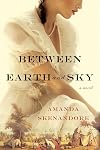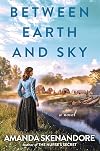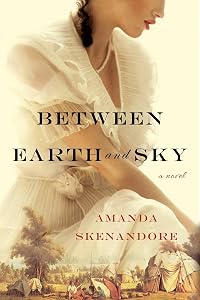
Between Earth and Sky
by Amanda Skenandore
On This Page
Description
In Amanda Skenandore's provocative and profoundly moving debut, set in the tragic intersection between white and Native American culture, a young girl learns about friendship, betrayal, and the sacrifices made in the name of belonging.On a quiet Philadelphia morning in 1906, a newspaper headline catapults Alma Mitchell back to her past. A federal agent is dead, and the murder suspect is Alma's childhood friend, Harry Muskrat. Harry—or Asku, as Alma knew him—was the most promising show more student at the "savage-taming" boarding school run by her father, where Alma was the only white pupil. Created in the wake of the Indian Wars, the Stover School was intended to assimilate the children of neighboring reservations. Instead, it robbed them of everything they'd known—language, customs, even their names—and left a heartbreaking legacy in its wake.
The bright, courageous boy Alma knew could never have murdered anyone. But she barely recognizes the man Asku has become, cold and embittered at being an outcast in the white world and a ghost in his own. Her lawyer husband, Stewart, reluctantly agrees to help defend Asku for Alma's sake. To do so, Alma must revisit the painful secrets she has kept hidden from everyone—especially Stewart.
Told in compelling narratives that alternate between Alma's childhood and her present life, Between Earth and Sky is a haunting and complex story of love and loss, as a quest for justice becomes a journey toward understanding and, ultimately, atonement. show less
Tags
Recommendations








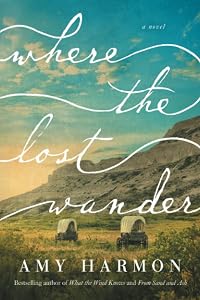
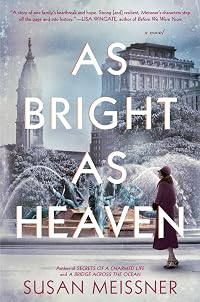
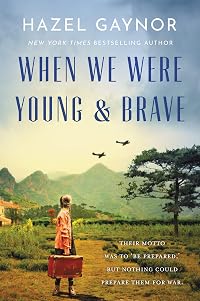
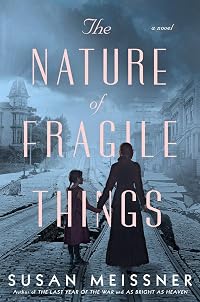


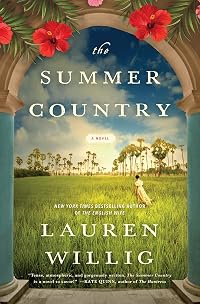

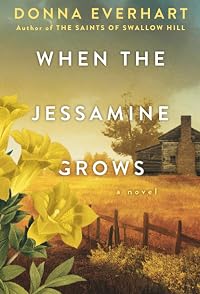



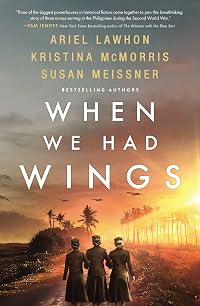
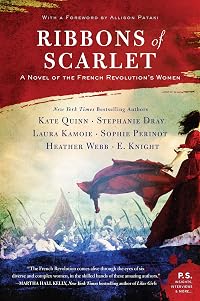

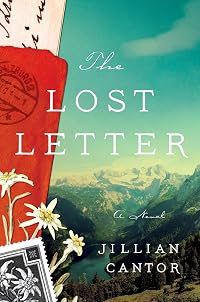
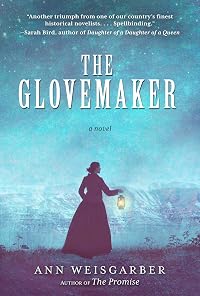
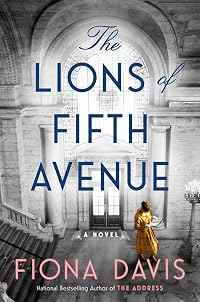

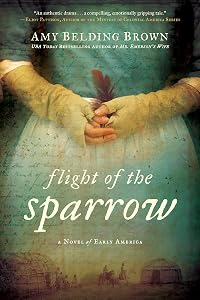


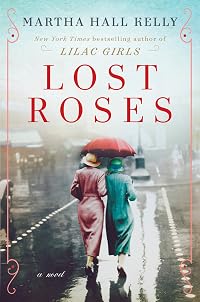
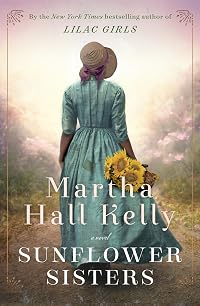
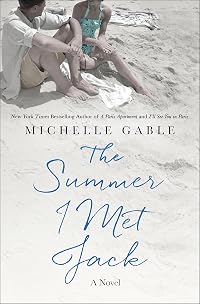


Member Recommendations
thea-block Both books based in same time period, dealing with white/Native relations and living in middle America. Similar tone and understanding.
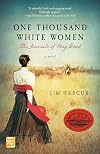
thea-block Similar subjects, tone, and picture of relationships between whites and natives.
Member Reviews
Alma is a young, seemingly perfectly proper married woman living in Philadelphia with her husband. Her life is all buttoned up until she reads an article in the paper about a young Indian named Harry Muskrat who has been charged for murdering a Federal Agent. She knows this man though; her father ran an Indian Mission School and Harry was one of the students.
She convinces her husband, who is an attorney, to head out to help Harry because she knows the boy that she knew could never kill anyone. Her husband is confused at her urgency but he loves her so he makes the arrangements. Soon he has contacted the appropriate people and they are on the way. What he doesn’t know is why Alma is so compelled to help.
As Harry’s story advances in show more the novel’s present, Alma’s story and that of the Mission School is being told in flashback. We learn how Alma met the children and how she perceived their entry into her life and how they felt about being sent to the school.
As the facts of the current situation on the Reservation come to light and the murder of the Agent is solved Alma comes to hard realizations about what she thought she knew about her upbringing.
This was an excellent book dealing with a difficult topic. The way this country treated the Native Americans was egregious. The Mission Schools in particular; taking children away from their parents and stripping them of all they are, then forcing them into a Euro/Christian mold. Ms. Skenandore doesn’t shy away from the more difficult aspects of her story. She shows the naivete of Alma as she thinks that they are truly helping the Native Children, to the barely concealed hatred of those children as they are forced to give up everything they know. Alma’s reckoning is sharp and hard – both of them actually. For there are two, many years apart.
This is a very intense book and not always easy to read but as with any topic covering the worst of our history it should be read and we should learn from it so as to not repeat the mistakes. Although I sometimes wonder if we are capable of learning. This is one of those books where you forget you are reading because the words on the page are so magical you just find yourself within the story. The descriptions are such that you feel what is happening – good or bad.
I’ve not cried while reading in quite a while and this book made me cry. To pull me out of the real world and into the story like that is a special kind of writing. show less
She convinces her husband, who is an attorney, to head out to help Harry because she knows the boy that she knew could never kill anyone. Her husband is confused at her urgency but he loves her so he makes the arrangements. Soon he has contacted the appropriate people and they are on the way. What he doesn’t know is why Alma is so compelled to help.
As Harry’s story advances in show more the novel’s present, Alma’s story and that of the Mission School is being told in flashback. We learn how Alma met the children and how she perceived their entry into her life and how they felt about being sent to the school.
As the facts of the current situation on the Reservation come to light and the murder of the Agent is solved Alma comes to hard realizations about what she thought she knew about her upbringing.
This was an excellent book dealing with a difficult topic. The way this country treated the Native Americans was egregious. The Mission Schools in particular; taking children away from their parents and stripping them of all they are, then forcing them into a Euro/Christian mold. Ms. Skenandore doesn’t shy away from the more difficult aspects of her story. She shows the naivete of Alma as she thinks that they are truly helping the Native Children, to the barely concealed hatred of those children as they are forced to give up everything they know. Alma’s reckoning is sharp and hard – both of them actually. For there are two, many years apart.
This is a very intense book and not always easy to read but as with any topic covering the worst of our history it should be read and we should learn from it so as to not repeat the mistakes. Although I sometimes wonder if we are capable of learning. This is one of those books where you forget you are reading because the words on the page are so magical you just find yourself within the story. The descriptions are such that you feel what is happening – good or bad.
I’ve not cried while reading in quite a while and this book made me cry. To pull me out of the real world and into the story like that is a special kind of writing. show less
4.5 Stars
Oh my gosh this book broke my heart.
There’s a lot in American history that we don’t talk about. It’s skimmed over in school or a pretty or patriotic spin is put on it. In the 1800s the US was busy assimilating Native Americans into their culture, forcing them to dress like them, talk like them, and act like them even though none of the indigenous people expressed a want of this.
Skenandore exposes this time in history. Between Earth and Sky follows Alma going from her past as a white child in an assimilation boarding school to the present (1906) where one of her beloved childhood friends, Henry (or Asku), has been charged with the murder of a federal agent.
Although Henry’s arrest is the catalyst for this story, it is show more really about Alma coming to terms with what happened during her time at the boarding house and the treatment of Native Americans.
I am glad to have found a historical fiction book that touches on this time period and these events. It wasn't always a comfortable read (how could it be when you hear of some of the atrocities committed against Native Americans), but it was enlightening and heartfelt.
ARC provided for honest feedback. show less
Oh my gosh this book broke my heart.
There’s a lot in American history that we don’t talk about. It’s skimmed over in school or a pretty or patriotic spin is put on it. In the 1800s the US was busy assimilating Native Americans into their culture, forcing them to dress like them, talk like them, and act like them even though none of the indigenous people expressed a want of this.
Skenandore exposes this time in history. Between Earth and Sky follows Alma going from her past as a white child in an assimilation boarding school to the present (1906) where one of her beloved childhood friends, Henry (or Asku), has been charged with the murder of a federal agent.
Although Henry’s arrest is the catalyst for this story, it is show more really about Alma coming to terms with what happened during her time at the boarding house and the treatment of Native Americans.
I am glad to have found a historical fiction book that touches on this time period and these events. It wasn't always a comfortable read (how could it be when you hear of some of the atrocities committed against Native Americans), but it was enlightening and heartfelt.
ARC provided for honest feedback. show less
Alma Mitchell happens to read the newspaper story about a Native American who is accused of murder and sentenced to hang. Instantly, she panics and asks her lawyer husband if he can help. He is confused, because she has never told him of her past at the Native American school that was run by her parents…nor of the deep friendships she had made there. The Native American accused of murder was once her friend!
This is an amazing story that questions the effectiveness of the Native American boarding schools that were established by the Bureau of Indian Affairs in the late 19th century and early 20th century. Their goal was to “tame the savages” and assimilate them into white society. What they succeeded in doing was to make these show more people outcasts and unable to fit in with either the white people, due to their skin color, or with the Indians, since they had forgotten their traditional ways.
This is a wonderfully-written story with realistic characters and unforgettable scenes. It surely makes its point in an effective and memorable way.
I was given a free copy of this book in exchange for an unbiased review. show less
This is an amazing story that questions the effectiveness of the Native American boarding schools that were established by the Bureau of Indian Affairs in the late 19th century and early 20th century. Their goal was to “tame the savages” and assimilate them into white society. What they succeeded in doing was to make these show more people outcasts and unable to fit in with either the white people, due to their skin color, or with the Indians, since they had forgotten their traditional ways.
This is a wonderfully-written story with realistic characters and unforgettable scenes. It surely makes its point in an effective and memorable way.
I was given a free copy of this book in exchange for an unbiased review. show less
This book is based on experiences at actual Indian schools of the past. With my prior knowledge of this time in history, I knew that it would be a hard one to read. All of the feels were there, and I really wanted things to work out well for each of the students. The story, however, was told in alternating chapters from the past and future, so it was apparent almost from the start this was probably not going to happen. The ending, though not what I expected (or wanted) gave the story a positive closure.
I would definitely recommend this book, and it gave me much to think about. I’m looking forward to reading more by this author.
I would definitely recommend this book, and it gave me much to think about. I’m looking forward to reading more by this author.
I enjoy reading historical fiction and love it even more when I learn about events that I didn't know about while I am reading. Between Earth and Sky does just that and more. The book is about the treatment of Indian children in the late 1800s when many of them were taken from their homes and families and moved to boarding schools. Their language and their traditions were stripped away from them as they were being 'civilized'. In the second time period in the novel - 1906 - we are shown the ramifications of the changes that the children went through and how it affected the rest of their lives.
As the novel begins, Alma is a young girl is waiting for the boarders at the new school that her father has just set up in Wisconsin. She is show more excited about the possibility of having so many new friends. Even as a child, she is shocked by what happens when the Indian children arrive at the school. Their clothes are burned and their hair is cut. They are no longer allowed to talk in their own language or do anything that would remind them of their past lives. Even their Indian names are changed to Christian names. The alternate time line is about Alma, now grown, who has moved to Philadelphia and reads in a newspaper article that one of her old friends from the school has been accused of murder. She convinces her lawyer husband that they need to help this young man because she felt that her friend had been unjustly accused of murder. What she learns when she travels back to Wisconsin is not only more about herself but also the results of the education that the Indian children had received at the boarding school.
This is a beautifully written novel that shows the amount of research that was done by the author. I knew very little about the Indian boarding schools during this time and I was appalled at the treatment that these children received. The characters are well written and the entire novel is fantastic. This is a debut novel for this author and I can't wait to read her future books.
Thanks to the publisher for a copy of this book to read and review. All opinions are my own. show less
As the novel begins, Alma is a young girl is waiting for the boarders at the new school that her father has just set up in Wisconsin. She is show more excited about the possibility of having so many new friends. Even as a child, she is shocked by what happens when the Indian children arrive at the school. Their clothes are burned and their hair is cut. They are no longer allowed to talk in their own language or do anything that would remind them of their past lives. Even their Indian names are changed to Christian names. The alternate time line is about Alma, now grown, who has moved to Philadelphia and reads in a newspaper article that one of her old friends from the school has been accused of murder. She convinces her lawyer husband that they need to help this young man because she felt that her friend had been unjustly accused of murder. What she learns when she travels back to Wisconsin is not only more about herself but also the results of the education that the Indian children had received at the boarding school.
This is a beautifully written novel that shows the amount of research that was done by the author. I knew very little about the Indian boarding schools during this time and I was appalled at the treatment that these children received. The characters are well written and the entire novel is fantastic. This is a debut novel for this author and I can't wait to read her future books.
Thanks to the publisher for a copy of this book to read and review. All opinions are my own. show less
A fascinating book diving into the history of assimilation schools for Native Americans around the turn of the 20th century. Alternately entertaining and challenging, romantic and practical. I enjoyed the level of detail and the immersion into the native culture. The writing is good but not fantastic. I'm thankful for the reminders that no culture is entitled to "rescue" another culture and that society's "progress" is not wholly positive.
Between Earth and Sky by Amanda Skenandore
Alma was the only white student in a boarding school for Native Americans, run by her Father. The school was meant to assimilate the students, but all it did was strip them of their culture, language and ways.
Many years later Alma learns of the arrest of her childhood friend Harry (Asku) Muskrat, charged with murder. She asks her Husband (Stewart) an Attorney, for help defending her childhood friend. Reluctantly he agrees as a favor for his loving wife, not knowing what truths will be revealed.
The story moves at a steady pace, with vivid details, engaging dialog and true to the times events. Told from Alma's childhood (1880's) to present day (1906), slowly revealing secrets kept hidden for so show more long. Love, loss, a search for justice, (was) heart-felt, I was hooked from the first page.
Overall I found Between Earth and Sky memorable, thought-provoking, emotionally charged. I highly recommend to those who enjoy Historical fiction, a must read. show less
Alma was the only white student in a boarding school for Native Americans, run by her Father. The school was meant to assimilate the students, but all it did was strip them of their culture, language and ways.
Many years later Alma learns of the arrest of her childhood friend Harry (Asku) Muskrat, charged with murder. She asks her Husband (Stewart) an Attorney, for help defending her childhood friend. Reluctantly he agrees as a favor for his loving wife, not knowing what truths will be revealed.
The story moves at a steady pace, with vivid details, engaging dialog and true to the times events. Told from Alma's childhood (1880's) to present day (1906), slowly revealing secrets kept hidden for so show more long. Love, loss, a search for justice, (was) heart-felt, I was hooked from the first page.
Overall I found Between Earth and Sky memorable, thought-provoking, emotionally charged. I highly recommend to those who enjoy Historical fiction, a must read. show less
Members
- Recently Added By
Lists

Read-alike - One Thousand White Women by Jim Fergus
17 works; 1 member

ALA The Reading List
490 works; 28 members
Author Information

10+ Works 1,389 Members
Awards and Honors
Awards
Distinctions
Classifications
Statistics
- Members
- 140
- Popularity
- 233,811
- Reviews
- 11
- Rating
- (4.27)
- Languages
- English, French
- Media
- Paper, Audiobook, Ebook
- ISBNs
- 12
- ASINs
- 1