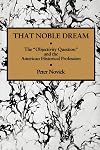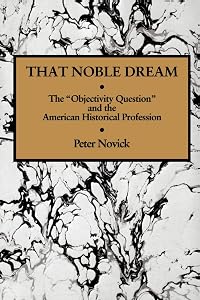
That Noble Dream: The "Objectivity Question" and the American Historical Profession
by Peter Novick
On This Page
Description
The aspiration to relate the past 'as it really happened' has been the central goal of American professional historians since the late nineteenth century. In this remarkable history of the profession, Peter Novick shows how the idea and ideal of objectivity were elaborated, challenged, modified, and defended over the last century. Drawing on the unpublished correspondence as well as the published writings of hundreds of American historians from J. Franklin Jameson and Charles Beard to Arthur show more Schlesinger, Jr., and Eugene Genovese, That Noble Dream is a richly textured account of what American historians have thought they were doing, or ought to be doing, when they wrote history - how their principles influenced their practice and practical exigencies influenced their principles. show lessTags
Recommendations

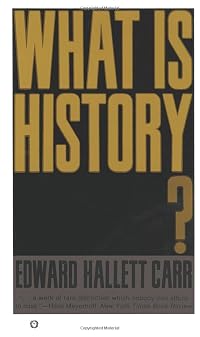
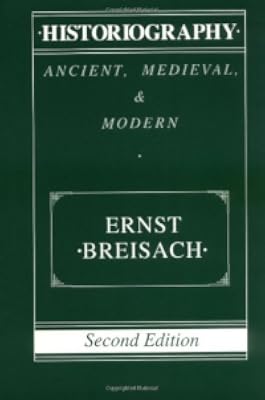
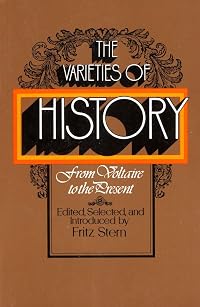
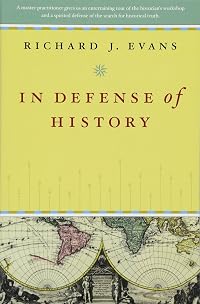
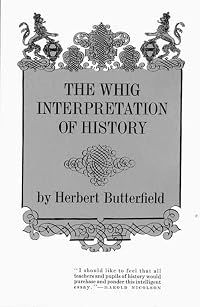
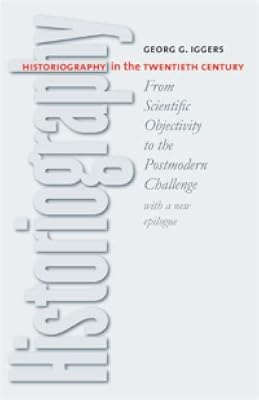
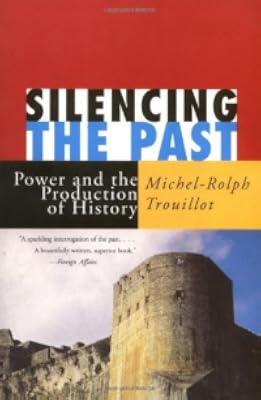
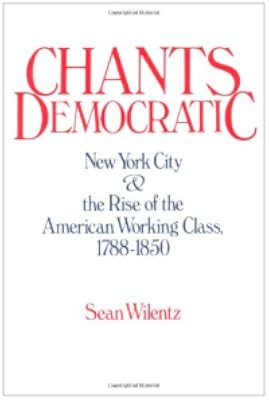




Member Recommendations
Member Reviews
Enjoyed by this layman
In this book, Novick says that he finds the idea of historical objectivity "essentially confused", that many of the philosophical assumptions behind it are "logically and sociologically naive", and that the whole concept "promotes an unreal and misleading invidious distinction between, on the one hand, historical accounts `distorted' by ideological assumptions and purposes; on the other, history free of these taints." (p. 6) But _That Noble Dream_ does not contain detailed philosophical or logical arguments aimed at supporting these claims; as Novick says in his introduction, "this isn't that sort of book" (p. 6). The sort of book it is is a detailed account of how various persons in the American historical show more profession over the last century or so have viewed "historical objectivity".
I think that just about everyone who reads this book will come away with a feeling that "objectivity" is, at the very least, problematic--much more problematic than many critics of "subjective" historians seem to believe. Someone seeking a philosophical critique of "objectivity" can probably find what he's looking for in the many sources mentioned in Novick's footnotes.
I started reading this book with a little trepidation, because someone had mentioned to me that Novick has radical political views, but his political biases really aren't apparent for most of the book. About 4/5 of the way through, however, (when he's worked his way up to the time of McCarthyism, Reaganomics, etc.) you can tell that he's beginning to talk about things he has deep feelings about. In the preface, Novick had said that he felt that sticking "[sic]"s all over in quotations when it was clear what the author meant was "mean-spirited" (p. xii), and the book is remarkably free of "[sic]"s. But Novick does use "[sic]" in some rather curious places (i.e., where there is no mistake in spelling, grammar, or usage) when the person he's quoting is expressing conservative views. (See pp. 450, 463.) Novick also laments how, in the 80s, Reaganomics "deliberately redistribute[d] income from the poorest to the richest segments of society." (p. 466) Well, that's one way to look at it. Another would be that the government decided not to confiscate as much of the rich segment's money as it had been doing. Or maybe Novick wasn't talking about Reaganomics at all; maybe he was referring to state lotteries! show less
In this book, Novick says that he finds the idea of historical objectivity "essentially confused", that many of the philosophical assumptions behind it are "logically and sociologically naive", and that the whole concept "promotes an unreal and misleading invidious distinction between, on the one hand, historical accounts `distorted' by ideological assumptions and purposes; on the other, history free of these taints." (p. 6) But _That Noble Dream_ does not contain detailed philosophical or logical arguments aimed at supporting these claims; as Novick says in his introduction, "this isn't that sort of book" (p. 6). The sort of book it is is a detailed account of how various persons in the American historical show more profession over the last century or so have viewed "historical objectivity".
I think that just about everyone who reads this book will come away with a feeling that "objectivity" is, at the very least, problematic--much more problematic than many critics of "subjective" historians seem to believe. Someone seeking a philosophical critique of "objectivity" can probably find what he's looking for in the many sources mentioned in Novick's footnotes.
I started reading this book with a little trepidation, because someone had mentioned to me that Novick has radical political views, but his political biases really aren't apparent for most of the book. About 4/5 of the way through, however, (when he's worked his way up to the time of McCarthyism, Reaganomics, etc.) you can tell that he's beginning to talk about things he has deep feelings about. In the preface, Novick had said that he felt that sticking "[sic]"s all over in quotations when it was clear what the author meant was "mean-spirited" (p. xii), and the book is remarkably free of "[sic]"s. But Novick does use "[sic]" in some rather curious places (i.e., where there is no mistake in spelling, grammar, or usage) when the person he's quoting is expressing conservative views. (See pp. 450, 463.) Novick also laments how, in the 80s, Reaganomics "deliberately redistribute[d] income from the poorest to the richest segments of society." (p. 466) Well, that's one way to look at it. Another would be that the government decided not to confiscate as much of the rich segment's money as it had been doing. Or maybe Novick wasn't talking about Reaganomics at all; maybe he was referring to state lotteries! show less
Thick enough to stun an ox, it is hard to imagine someone picking this up outside of an academic context. (I read it in a graduate historiography seminar.) But it is a masterful exploration of one of the central problems of historical writing.
We get, Mr. Novick, you know French and German. This book is little more than the author showing off all the French and German he knows. It is also an endless string of quotes from other authors. The two best uses for this book are: a doorstop, and clubbing a burglar. But, come to think of it, this book would likely kill someone if you hit them with it.
Ratings
Members
- Recently Added By
Lists

r/History Recommended Reading List
603 works; 12 members
Author Information

6+ Works 941 Members
Peter Novick is professor emeritus of history at the University of Chicago. He is the author of "The Resistance Versus Vichy" & "That Noble Dream: The 'Objectivity Question' & the American Historical Profession." (Bowker Author Biography)
Awards and Honors
Series
Belongs to Publisher Series
Ideas in Context (13)
Common Knowledge
- Canonical title
- That Noble Dream: The "Objectivity Question" and the American Historical Profession
- Original publication date
- 1988
- Important places
- USA
Classifications
Statistics
- Members
- 570
- Popularity
- 52,063
- Reviews
- 3
- Rating
- (3.34)
- Languages
- English, Spanish
- Media
- Paper, Ebook
- ISBNs
- 8
- ASINs
- 5