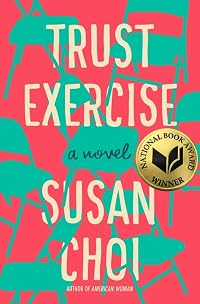
Trust Exercise
by Susan Choi
On This Page
Description
In an American suburb in the early 1980s, students at a highly competitive performing arts high school struggle and thrive in a rarified bubble, ambitiously pursuing music, movement, Shakespeare, and, particularly, their acting classes. When within this striving "Brotherhood of the Arts," two freshmen, David and Sarah, fall headlong into love, their passion does not go unnoticed--or untoyed with--by anyone, especially not by their charismatic acting teacher, Mr. Kingsley. The outside world show more of family life and economic status, of academic pressure and of their future adult lives, fails to penetrate this school's walls--until it does, in a shocking spiral of events that catapults the action forward in time and flips the premise upside-down. What the reader believes to have happened to David and Sarah and their friends is not entirely true--though it's not false, either. It takes until the book's stunning coda for the final piece of the puzzle to fall into place--revealing truths that will resonate long after the final sentence. show lessTags
Recommendations







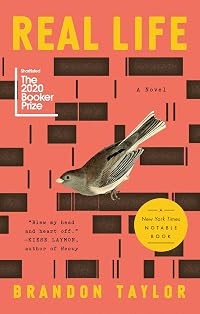

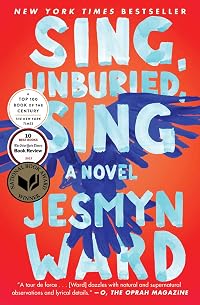
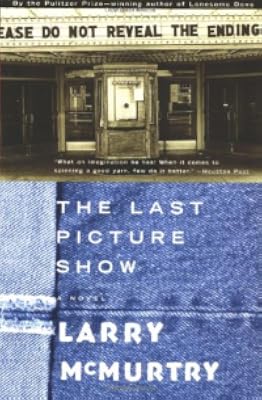
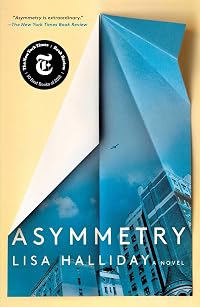
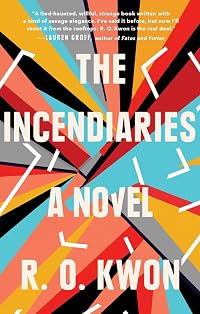
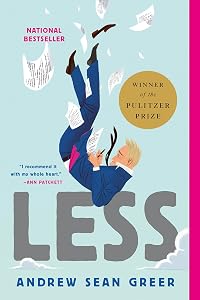
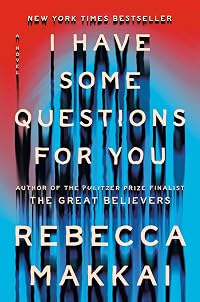

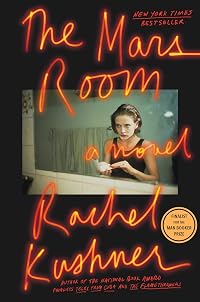



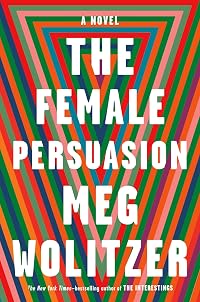

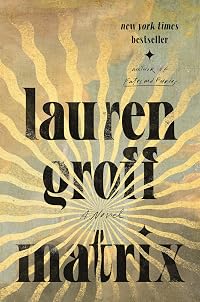


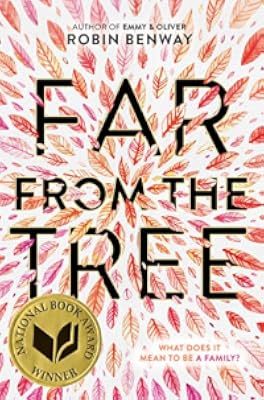

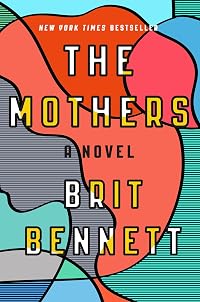




Member Recommendations

beyondthefourthwall ...and then, halfway through, we discover that all is not as it seems.
beyondthefourthwall Twisty, sly, well-constructed metafiction that rewards rereading.
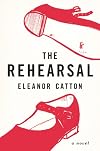
beyondthefourthwall Note: I acknowledge that a LibraryThing reviewer who read Choi's book before I did has also pointed out the similarity here.

beyondthefourthwall Choi follows in Nabokov's footsteps here with some gutsy, unflinching, open-ended metafiction. In both cases - trying to avoid spoilers here - there is a piece of writing, mysteriously incomplete, and much of the rest of the text is by someone who claims to have been a close friend of the author. But there are some pretty weird things going on slightly below the surface, and it's clear that some kind of big traumatic event has loomed over the whole thing. A considerable amount of room for interpretation ensues.
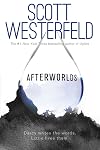
beyondthefourthwall Two authors' intense commitments to metafiction.
Member Reviews
Well I didn't expect my Tuesday reading group to dislike this book, but they did, almost all of them. To my mind it's a wonderful and sneaky novel of perspective and betrayal. Choi starts with a lushly written story of a teenage love affair in the hothouse confines of a performing arts high school, but she doesn't stop there. Two changes of perspective later, the reader is left wondering what, if anything, is reliable in this novel, so the 'trust exercise' extends to the reader and author themselves. Big lies? Complex misunderstandings? One protagonist, or two, or three? One villain or many? Is the first lush writing supposed to be natural to the author, or is it a novel within the novel? If you are someone who needs a single truth and show more perspective, this book is not for you.
Choi says she finished this book shortly before the #metoo movement got hot, although the story does deal with power dynamics between older men and teenagers, and a lot of my group's discussion was at that level. But in my opinion, the author plays with the idea of 'story' in our political as well as personal lives, which I think is a much more universal and philosophical topic.
I loved it. show less
Choi says she finished this book shortly before the #metoo movement got hot, although the story does deal with power dynamics between older men and teenagers, and a lot of my group's discussion was at that level. But in my opinion, the author plays with the idea of 'story' in our political as well as personal lives, which I think is a much more universal and philosophical topic.
I loved it. show less
Divided into 2 parts, the first half of the novel is the story of the students in a prestigious high school drama class, their relationships with one another (mostly, pardon the pun, very dramatically played out), and with their teacher. The second half reveals that the first half is half of a novel written by one of the students years later, and the POV switches to another of the former students, who is disgruntled at the wild liberties the writer has taken with the truth. There is a reunion of sorts amongst some of the alumni of the class, in the form of a play written by their visiting British instructor, directed by one of their classmates, and performed, in one part, by the secretly disgruntled member of the class. Both sections show more end without really ending, make each other unreliable, and inform one another in fascinating ways. There's an additional small sort of postscript section that adds even more upheaval and uncertainty to what has come before it, and it, too, breaks off without really giving the reader a tidy conclusion.
I loved it. I love the feeling of having the rug pulled out from underneath my reader-feet multiple times, of getting almost comfortable with the idea that I've sorted out what's possibly really going on only to have that feeling dashed again. This is a cleverly constructed novel that manages to stupefy without overly confusing matters, while also delivering interesting and believable characters in an engaging, if not easily verifiable, plot. Highly recommended. show less
I loved it. I love the feeling of having the rug pulled out from underneath my reader-feet multiple times, of getting almost comfortable with the idea that I've sorted out what's possibly really going on only to have that feeling dashed again. This is a cleverly constructed novel that manages to stupefy without overly confusing matters, while also delivering interesting and believable characters in an engaging, if not easily verifiable, plot. Highly recommended. show less
A mess of a book with unreliable narrators and a pretty thin point about the fallibility of memory and the need to be the hero of our own story. The first half bores with a pretty standard look at a high school theatre class filled with angsty teens taught/abused by one of those polarizing teachers who can be considered either a creative genius or a bullying criminal. The next bit has a godawful narrator who refutes large chunks of the first part as she repeats herself, randomly alternates between first and third person narrative, overuses dictionary definitions, and generally comes off as a crazed stalker. This part is even more boring than the first as it leads to its inevitable, telegraphed conclusion. The third and shortest section show more seems to exist solely to ensure that you finish the book depressed and angered for having read it.
I guess that's the point of the title. I allowed myself to fall backward and no one caught me. The world is shitty and unworthy of trust. The end. show less
I guess that's the point of the title. I allowed myself to fall backward and no one caught me. The world is shitty and unworthy of trust. The end. show less
Prepare yourself. You may want to do some stretching. A few vocal exercises. Some reactive improv. Because you’ll need your wits about you reading this novel. It’s not what you think. And then when you discover that, it still won’t be what you think.
Sarah and David are students at a specialist arts high school. David is rich. Sarah is not. They have a thing. It’s very real. Well, as real as anything else at fourteen. Then through the rest of high school, and perhaps the rest of their lives, that thing is there between them, sometimes pulling them together, sometimes thrusting them apart.
Which bring us to Karen. Who is Karen? Although she wasn’t mentioned much in the story of Sarah and David, Karen is a seriously complicated show more figure who probably should have been at the centre of things earlier on. It’s hard to say because so much has gone unsaid. Or maybe that’s just because Sarah was doing the saying.
And what about Claire? Yeah, Claire.
If things are a bit muddled, you’ll just have to accept that that is the way things are. Maybe it’s a teenage thing. Or maybe that’s just life. Deal with it.
This was a mercurial novel, constantly slew footing me, forcing me to revise my opinion of it and, more especially, its author. At some point there, I became convinced that Susan Choi is brilliant. Certainly this novel is much more challenging, and interesting, than it suggests it might be. But whether it fully succeeds in capturing your attention, I’ll leave up to you.
Recommended. show less
Sarah and David are students at a specialist arts high school. David is rich. Sarah is not. They have a thing. It’s very real. Well, as real as anything else at fourteen. Then through the rest of high school, and perhaps the rest of their lives, that thing is there between them, sometimes pulling them together, sometimes thrusting them apart.
Which bring us to Karen. Who is Karen? Although she wasn’t mentioned much in the story of Sarah and David, Karen is a seriously complicated show more figure who probably should have been at the centre of things earlier on. It’s hard to say because so much has gone unsaid. Or maybe that’s just because Sarah was doing the saying.
And what about Claire? Yeah, Claire.
If things are a bit muddled, you’ll just have to accept that that is the way things are. Maybe it’s a teenage thing. Or maybe that’s just life. Deal with it.
This was a mercurial novel, constantly slew footing me, forcing me to revise my opinion of it and, more especially, its author. At some point there, I became convinced that Susan Choi is brilliant. Certainly this novel is much more challenging, and interesting, than it suggests it might be. But whether it fully succeeds in capturing your attention, I’ll leave up to you.
Recommended. show less
***NO SPOILERS***
(Full disclosure: Book abandoned on page 61 out of 257 pages.)
It's so important to care about characters, really care, to be invested in what happens in a story. I couldn't have cared less about those in Susan Choi's Trust Exercise. In part one, the story is about high school freshmen David and Sarah studying drama in the early 1980s as they develop a romantic relationship. I couldn't get a solid grasp of just who these young teens are. Thanks to Choi's love of narrative summary, they're merely names on a page, not characters brought to life. There's little action and dialogue in Trust Exercise that would have allowed me to draw my own conclusions about David and Sarah and the peripheral characters. Instead in large show more blocks of text, Choi filled me in: their history, their thoughts and feelings, what they think of various other characters—everything. It's dispassionate, boring storytelling.
As for David and Sarah's relationship, it begins with a groping where the consent is questionable but that Choi presented as acceptable. From there the relationship is defined mostly by overly detailed descriptions of sex, which left a sour taste in my mouth. Teen sex is a reality, but there's something repellent about reading every detail of their encounters. A fade-to-black would have been more fitting.
As someone who loves stories set in academia, I looked forward to reading Trust Exercise, but it's firmly set in the world of drama students. I haven't studied drama extensively, which wouldn't matter if Choi hadn't described the classes in a way that only drama students could appreciate. For pages she described each aspect, no matter how small, of a trust exercise between David and Sarah. This scene is supposed to be tense, but owing to superficial characterization and Choi's failure to establish high stakes, it's instead tedious. David and Sarah aren't compelling.
The literati will probably adore Trust Exercise. Choi was a Pulitzer-Prize nominee for a previous work, and Trust Exercise is written in that introspective, artistic (and sometimes hilariously overwrought) style that makes snobby intellectuals feel smart for appreciating. They can have it. All other readers should look elsewhere.
NOTE: I received this as an Advance Reader Copy from LibraryThing in January 2019. show less
(Full disclosure: Book abandoned on page 61 out of 257 pages.)
It's so important to care about characters, really care, to be invested in what happens in a story. I couldn't have cared less about those in Susan Choi's Trust Exercise. In part one, the story is about high school freshmen David and Sarah studying drama in the early 1980s as they develop a romantic relationship. I couldn't get a solid grasp of just who these young teens are. Thanks to Choi's love of narrative summary, they're merely names on a page, not characters brought to life. There's little action and dialogue in Trust Exercise that would have allowed me to draw my own conclusions about David and Sarah and the peripheral characters. Instead in large show more blocks of text, Choi filled me in: their history, their thoughts and feelings, what they think of various other characters—everything. It's dispassionate, boring storytelling.
As for David and Sarah's relationship, it begins with a groping where the consent is questionable but that Choi presented as acceptable. From there the relationship is defined mostly by overly detailed descriptions of sex, which left a sour taste in my mouth. Teen sex is a reality, but there's something repellent about reading every detail of their encounters. A fade-to-black would have been more fitting.
As someone who loves stories set in academia, I looked forward to reading Trust Exercise, but it's firmly set in the world of drama students. I haven't studied drama extensively, which wouldn't matter if Choi hadn't described the classes in a way that only drama students could appreciate. For pages she described each aspect, no matter how small, of a trust exercise between David and Sarah. This scene is supposed to be tense, but owing to superficial characterization and Choi's failure to establish high stakes, it's instead tedious. David and Sarah aren't compelling.
The literati will probably adore Trust Exercise. Choi was a Pulitzer-Prize nominee for a previous work, and Trust Exercise is written in that introspective, artistic (and sometimes hilariously overwrought) style that makes snobby intellectuals feel smart for appreciating. They can have it. All other readers should look elsewhere.
NOTE: I received this as an Advance Reader Copy from LibraryThing in January 2019. show less
Man, it's kind of hard to even know how to talk about this book, especially without getting too far into spoiler territory, but I'll try. It starts out as the story of Sarah, a teenager attending a fancy performing arts high school in the 1980s, and her relationship with a classmate David, as catalyzed by their teacher, a pretentious former Broadway actor with some honestly kind of disturbing ideas about appropriate acting exercises for teens. This story is very well-written, but something about it did feel a bit off to me. A bit over-dramatic, a bit hard to fully believe in. Something like that.
Then, halfway through, the novel switches to a new POV that maybe puts a lot of things that felt not-quite-right in the first half into a new show more perspective and makes them seem forgivable, or even clever. Unfortunately, though, the voice accompanying that new POV was rather irritating to me, and ultimately I didn't find it a whole lot more convincing. In the end, I'm left with the feeling of an author trying to pull off something really bold and ambitious and interesting, which I admire in theory but which, for me at least, didn't entirely work. show less
Then, halfway through, the novel switches to a new POV that maybe puts a lot of things that felt not-quite-right in the first half into a new show more perspective and makes them seem forgivable, or even clever. Unfortunately, though, the voice accompanying that new POV was rather irritating to me, and ultimately I didn't find it a whole lot more convincing. In the end, I'm left with the feeling of an author trying to pull off something really bold and ambitious and interesting, which I admire in theory but which, for me at least, didn't entirely work. show less
***NO SPOILERS***
(Full disclosure: Book abandoned on page 61 [out of 257 pages].)
It's so important to care about characters, really care, to be invested in what happens in a story. I couldn't care less about those in Susan Choi's Trust Exercise. In part one, the story is about high school freshmen David and Sarah studying drama in the early 1980s as they develop a romantic relationship. I couldn’t get a solid grasp of just who these young teens are; they’re just names on a page, not characters brought to life. I attribute this to Choi's love of narrative summary. There's little action and dialogue in Trust Exercise that would have allowed me to draw my own conclusions about David and Sarah and the peripheral characters. Instead, in show more large blocks of text, Choi told me all about them: their history, their thoughts and feelings, what they think of various other characters--everything. It's dispassionate storytelling. In no time I was bored.
As for David and Sarah's relationship, it begins with a groping where the consent is questionable but that Choi presented as acceptable. From there, the relationship is defined mostly by overly detailed sex, which left a sour taste in my mouth. Yes, many teens have sex, but there's something repellent about reading every detail of their encounters. A fade-to-black would have worked just fine.
As someone who loves stories set in academia, I looked very forward to reading Trust Exercise, but it's firmly set in the world of drama students. I haven't studied drama extensively, which would be a non-factor if Choi hadn't described the classes in a way that only drama students could appreciate. For pages, she described each aspect of a trust exercise between David and Sarah, from the small to the big as if making very clear that she has a background in drama. (I can only assume.) There’s supposed to be tension in this scene, but owing to superficial characterization and Choi's failure to establish high stakes, it's instead tedious. David and Sarah aren't compelling.
The literati will probably adore Trust Exercise. Choi was a Pulitzer-prize nominee for a previous work, and Trust Exercise is written in that introspective, artistic (and sometimes hilariously overwrought) style that makes snobby intellectuals feel smart for appreciating. As a literature-lover who wants and expects the full package in a story--skilled writing, organized plotting, and full-bodied characters--I contend that Trust Exercise is simply bad. The literati can have it; all other readers should look elsewhere. show less
(Full disclosure: Book abandoned on page 61 [out of 257 pages].)
It's so important to care about characters, really care, to be invested in what happens in a story. I couldn't care less about those in Susan Choi's Trust Exercise. In part one, the story is about high school freshmen David and Sarah studying drama in the early 1980s as they develop a romantic relationship. I couldn’t get a solid grasp of just who these young teens are; they’re just names on a page, not characters brought to life. I attribute this to Choi's love of narrative summary. There's little action and dialogue in Trust Exercise that would have allowed me to draw my own conclusions about David and Sarah and the peripheral characters. Instead, in show more large blocks of text, Choi told me all about them: their history, their thoughts and feelings, what they think of various other characters--everything. It's dispassionate storytelling. In no time I was bored.
As for David and Sarah's relationship, it begins with a groping where the consent is questionable but that Choi presented as acceptable. From there, the relationship is defined mostly by overly detailed sex, which left a sour taste in my mouth. Yes, many teens have sex, but there's something repellent about reading every detail of their encounters. A fade-to-black would have worked just fine.
As someone who loves stories set in academia, I looked very forward to reading Trust Exercise, but it's firmly set in the world of drama students. I haven't studied drama extensively, which would be a non-factor if Choi hadn't described the classes in a way that only drama students could appreciate. For pages, she described each aspect of a trust exercise between David and Sarah, from the small to the big as if making very clear that she has a background in drama. (I can only assume.) There’s supposed to be tension in this scene, but owing to superficial characterization and Choi's failure to establish high stakes, it's instead tedious. David and Sarah aren't compelling.
The literati will probably adore Trust Exercise. Choi was a Pulitzer-prize nominee for a previous work, and Trust Exercise is written in that introspective, artistic (and sometimes hilariously overwrought) style that makes snobby intellectuals feel smart for appreciating. As a literature-lover who wants and expects the full package in a story--skilled writing, organized plotting, and full-bodied characters--I contend that Trust Exercise is simply bad. The literati can have it; all other readers should look elsewhere. show less
 This review was written for LibraryThing Early Reviewers.
Members
- Recently Added By
Published Reviews
ThingScore 94
The reward of Trust Exercise is the way in which this novel asks to be read: not necessarily with suspicion, but with attention to the process of sorting significant from insignificant details; attention to what information you need in order to consider a certain version of the truth authoritative.
added by ScattershotSteph
Perhaps the title itself is meant in an ironic sense but reading a novel is a sort of trust exercise in itself, the trust that the reader has in the writer to convince us that something that never happened actually did, and when our faith in the story is betrayed, the novel itself becomes damaged.
added by ScattershotSteph
Trust Exercise is marketed, accurately, as a #MeToo novel, and it shows with painful rawness how much damage can be wrought without anyone realising they are the victim. But this designation doesn’t capture the complexity of Choi’s investigation into human relations. What she’s done, magisterially, is to take the issues raised by #MeToo and show them as inextricable from more universal show more questions about taking a major role in someone else’s life, while knowing that we’re offering only a minor part in return. show less
added by ScattershotSteph
Lists

2020 Tournament of Books
18 works; 18 members

2020 Notable Books for Adults
26 works; 5 members

Books recommended by Barack Obama
295 works; 28 members

National Book Award - Fiction
78 works; 10 members

Facebook list
55 works; 3 members

Kirkus Starred Fiction Reviews of Books Published in 2019
411 works; 12 members

Books Read in 2022
5,168 works; 114 members

Maybe This Year? Books to Look Forward To
412 works; 9 members

Books Read in 2020
4,379 works; 124 members

Overdue Podcast
806 works; 9 members

Camp Tournament of Books 2019
6 works; 2 members

Books Read in 2019
4,052 works; 110 members

Top Five Books of 2023
767 works; 317 members

LitHub's Best Novels of the Decade 2010-2019
39 works; 1 member

Barack Obama's Favorite Books of 2019
19 works; 3 members

Still to Read 2020
8 works; 1 member

Best Books of the 2010s
20 works; 1 member

To Read
140 works; 1 member

Books Read in 2026
1,950 works; 66 members
Author Information

9+ Works 4,031 Members
Some Editions
Awards and Honors
Awards
Distinctions
The Guardian Book of the Day (2019-05-11)
Series
Belongs to Publisher Series
Contemporánea [Alba] (41)
Common Knowledge
- Canonical title
- Trust Exercise
- Original title
- Trust Exercise
- Original publication date
- 2019-04-19
- People/Characters
- Susan; David; Jim Kingsley; Joelle Cruz; Martine Cruz; Norbert (show all 32); Manuel Avila; Ms. Rozor; Erin O'Leary; Colin; Pammie; Julietta; Taniqua; Tom Dieckmann; Greg Veltin; Mrs. Laytner; Karen Wurtzel; Elli Wurtzel; Kevin Wurtzel; Robert Lord; Claire Campbell; Velva Wilson; Martin; Liam; Simon; Miles; Julian; Rafe; Lara; Cora; Theodosia; Lilly
- Important places
- Texas, USA; Citywide Academy for the Performing Arts (CAPA), USA (CAPA); Los Angeles, California, USA; London, England, UK; Houston, Texas, USA
- First words
- Neither can drive. David turns sixteen the following March, Sarah the following April. It is early July, neither one within sight of sixteen and the keys to a car. Eight weeks remain of the summer, a span that seems endless, ... (show all)but with the intuitive parts of themselves they also sense it is not a long time and will go very quickly. The intuitive parts of themselves are always highly aggravated when they are together. Intuition only tells them what they want, not how to achieve it, and this is intolerable.
- Last words
- (Click to show. Warning: May contain spoilers.)But by then it was too late to go back and say, "Tell me her name."
- Blurbers
- Spiotta, Dana; Perrotta, Tom; Buntin, Julie
- Original language
- English US
- Canonical DDC/MDS
- 813.54
- Canonical LCC
- PS3553.H584 T78
Classifications
Statistics
- Members
- 1,411
- Popularity
- 16,762
- Reviews
- 87
- Rating
- (3.23)
- Languages
- 7 — English, French, German, Italian, Korean, Romanian, Chinese, traditional
- Media
- Paper, Audiobook, Ebook
- ISBNs
- 21
- ASINs
- 4
