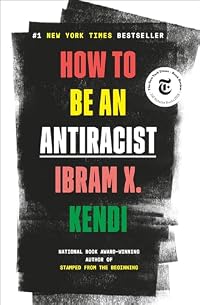
How to Be an Antiracist
by Ibram X. Kendi
On This Page
Description
""The only way to undo racism is to consistently identify and describe it -- and then dismantle it." Ibram X. Kendi's concept of antiracism reenergizes and reshapes the conversation about racial justice in America -- but even more fundamentally, points us toward liberating new ways of thinking about ourselves and each other. In How to Be an Antiracist, Kendi asks us to think about what an antiracist society might look like, and how we can play an active role in building it. In this book, show more Kendi weaves an electrifying combination of ethics, history, law, and science, bringing it all together with an engaging personal narrative of his own awakening to antiracism. How to Be an Antiracist is an essential work for anyone who wants to go beyond an awareness of racism to the next step: contributing to the formation of a truly just and equitable society." -- show lessTags
Recommendations

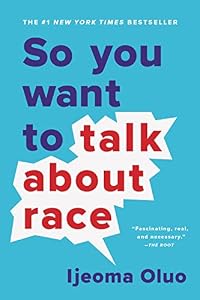
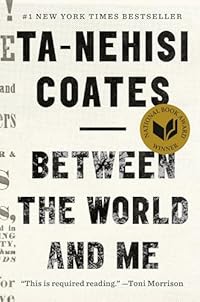
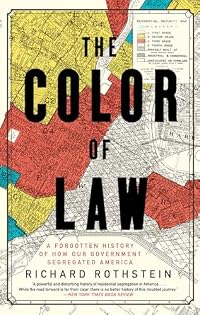
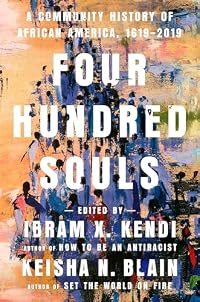





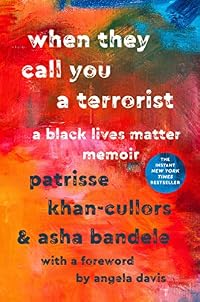

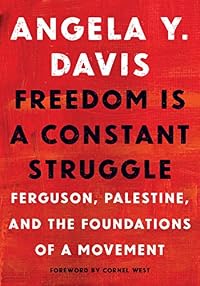
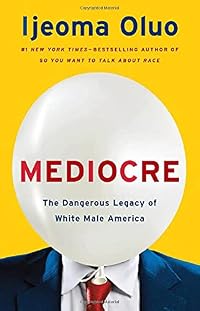
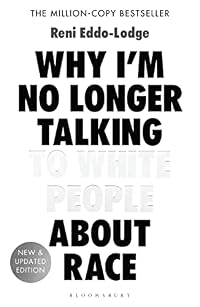











Member Recommendations

pammab If you left Kendi wanting more about "what can/should I actually do", Kim addresses exactly that urge in her book, which is essentially a corporate DEI training on steroids.
Member Reviews
I've a longstanding interest in Malcolm X. There were many aspects of his character that fascinate me. One is the transformation he made in the final year of his life—his second awakening, the birth of el-Hajj Malik el-Shabazz. In these days, el-Shabazz embraced the idea that there were other factors that went into making one “a devil,” not merely one's ethnicity. His overnight change of heart opened up considerable possibilities, a movement with a more unified front. I always wondered where el-Shabazz would've taken us had he been given the chance. I imagine he'd have taught us a few things, even if most of us would've been unwilling to listen.
It may be presumptuous of me to make such a comparison, but I see a lot of el-Shabazz show more in Ibram X. Kendi. Kendi is a brilliant, open-minded scholar who, unlike many of his contemporaries, fesses up to a history of hatred. Too many well-intentioned people deny ever having (or being capable of) a racist thought; by acknowledging his own racist past, Kendi puts himself on equal footing with those he's trying to instruct in the ways of anti-racism. The approach makes all the difference. Guaranteed, some will read (or glance at) this book and see nothing but another black man who hates white people—these are the same people who knew this would be the case before even turning the cover. I imagine they're not the ones Kendi wrote this book for.
In his previous book, Stamped from the Beginning, Kendi tackled the history of racism from its relatively unknown beginning, presenting a thorough and scholarly exploration; in How to Be an Antiracist he breaks it down into a contemporary format, highlighting the complete spectrum of racial hatred, addressing the question of what it means to be truly anti-racist. By presenting his own personal story, Kendi puts his victimization and vulnerabilities in full view, a move that makes him infinitely more accessible to the reader. The result is a book that is incredibly inspiring.
How could a book about racism be inspiring? By being informative, hopeful, and prescriptive. By not hiding behind platitudes. By keeping the tone instructive, not reactive and not incensed. Kendi shows that he has a very strong grasp of the subject—and though readers may disagree with a point or two of his from time to time—no one is dissecting the issue quite as thoroughly, and certainly no one is presenting a means to dismantle the racist system one mind at a time, as Kendi strives to do here.
All the time, I read reviews where people say “everyone needs to read this.” We have our personal interests and biases—one man's treasured book is another's kindling. So take my recommendation for what it's worth: I believe that every open-minded individual, whether they blatantly embrace racist thought, hide behind “not racism,” or strive to be anti-racist, can benefit from reading How to Be an Antiracist. Maybe you won't be as touched by this book as I was. Maybe you won't underline nearly as many passages as I did (something I never do, by the way, emphasizing how much this book impacted me). But I do think most of us will get something worthwhile out of it. show less
It may be presumptuous of me to make such a comparison, but I see a lot of el-Shabazz show more in Ibram X. Kendi. Kendi is a brilliant, open-minded scholar who, unlike many of his contemporaries, fesses up to a history of hatred. Too many well-intentioned people deny ever having (or being capable of) a racist thought; by acknowledging his own racist past, Kendi puts himself on equal footing with those he's trying to instruct in the ways of anti-racism. The approach makes all the difference. Guaranteed, some will read (or glance at) this book and see nothing but another black man who hates white people—these are the same people who knew this would be the case before even turning the cover. I imagine they're not the ones Kendi wrote this book for.
In his previous book, Stamped from the Beginning, Kendi tackled the history of racism from its relatively unknown beginning, presenting a thorough and scholarly exploration; in How to Be an Antiracist he breaks it down into a contemporary format, highlighting the complete spectrum of racial hatred, addressing the question of what it means to be truly anti-racist. By presenting his own personal story, Kendi puts his victimization and vulnerabilities in full view, a move that makes him infinitely more accessible to the reader. The result is a book that is incredibly inspiring.
How could a book about racism be inspiring? By being informative, hopeful, and prescriptive. By not hiding behind platitudes. By keeping the tone instructive, not reactive and not incensed. Kendi shows that he has a very strong grasp of the subject—and though readers may disagree with a point or two of his from time to time—no one is dissecting the issue quite as thoroughly, and certainly no one is presenting a means to dismantle the racist system one mind at a time, as Kendi strives to do here.
All the time, I read reviews where people say “everyone needs to read this.” We have our personal interests and biases—one man's treasured book is another's kindling. So take my recommendation for what it's worth: I believe that every open-minded individual, whether they blatantly embrace racist thought, hide behind “not racism,” or strive to be anti-racist, can benefit from reading How to Be an Antiracist. Maybe you won't be as touched by this book as I was. Maybe you won't underline nearly as many passages as I did (something I never do, by the way, emphasizing how much this book impacted me). But I do think most of us will get something worthwhile out of it. show less
I expected this to be a good book and an important book, but I was a little surprised by just how much I *enjoyed* it as well. Kendi interweaves his discussion of racism and antiracism with narrative about his own life, and this technique works to great effect to illustrate the concepts he's discussing. He is also able in this way to show his own growth from racist to antiracist, which may help diffuse any defensiveness a reader might have about the subject matter. Enthusiastically recommended.
"Title notwithstanding, this latest from the National Book Award–winning author is no guidebook to getting woke.
In fact, the word “woke” appears nowhere within its pages. Rather, it is a combination memoir and extension of Atlantic columnist Kendi’s towering Stamped From the Beginning (2016) that leads readers through a taxonomy of racist thought to anti-racist action. Never wavering from the thesis introduced in his previous book, that “racism is a powerful collection of racist policies that lead to racial inequity and are substantiated by racist ideas,” the author posits a seemingly simple binary: “Antiracism is a powerful collection of antiracist policies that lead to racial equity and are substantiated by antiracist show more ideas.” The author, founding director of American University’s Antiracist Research and Policy Center, chronicles how he grew from a childhood steeped in black liberation Christianity to his doctoral studies, identifying and dispelling the layers of racist thought under which he had operated. “Internalized racism,” he writes, “is the real Black on Black Crime.” Kendi methodically examines racism through numerous lenses: power, biology, ethnicity, body, culture, and so forth, all the way to the intersectional constructs of gender racism and queer racism (the only section of the book that feels rushed). Each chapter examines one facet of racism, the authorial camera alternately zooming in on an episode from Kendi’s life that exemplifies it—e.g., as a teen, he wore light-colored contact lenses, wanting “to be Black but…not…to look Black”—and then panning to the history that informs it (the antebellum hierarchy that valued light skin over dark). The author then reframes those received ideas with inexorable logic: “Either racist policy or Black inferiority explains why White people are wealthier, healthier, and more powerful than Black people today.” If Kendi is justifiably hard on America, he’s just as hard on himself. When he began college, “anti-Black racist ideas covered my freshman eyes like my orange contacts.” This unsparing honesty helps readers, both white and people of color, navigate this difficult intellectual territory.
Not an easy read but an essential one." www.kirkusreviews.com, A Kirkus Starred Review show less
In fact, the word “woke” appears nowhere within its pages. Rather, it is a combination memoir and extension of Atlantic columnist Kendi’s towering Stamped From the Beginning (2016) that leads readers through a taxonomy of racist thought to anti-racist action. Never wavering from the thesis introduced in his previous book, that “racism is a powerful collection of racist policies that lead to racial inequity and are substantiated by racist ideas,” the author posits a seemingly simple binary: “Antiracism is a powerful collection of antiracist policies that lead to racial equity and are substantiated by antiracist show more ideas.” The author, founding director of American University’s Antiracist Research and Policy Center, chronicles how he grew from a childhood steeped in black liberation Christianity to his doctoral studies, identifying and dispelling the layers of racist thought under which he had operated. “Internalized racism,” he writes, “is the real Black on Black Crime.” Kendi methodically examines racism through numerous lenses: power, biology, ethnicity, body, culture, and so forth, all the way to the intersectional constructs of gender racism and queer racism (the only section of the book that feels rushed). Each chapter examines one facet of racism, the authorial camera alternately zooming in on an episode from Kendi’s life that exemplifies it—e.g., as a teen, he wore light-colored contact lenses, wanting “to be Black but…not…to look Black”—and then panning to the history that informs it (the antebellum hierarchy that valued light skin over dark). The author then reframes those received ideas with inexorable logic: “Either racist policy or Black inferiority explains why White people are wealthier, healthier, and more powerful than Black people today.” If Kendi is justifiably hard on America, he’s just as hard on himself. When he began college, “anti-Black racist ideas covered my freshman eyes like my orange contacts.” This unsparing honesty helps readers, both white and people of color, navigate this difficult intellectual territory.
Not an easy read but an essential one." www.kirkusreviews.com, A Kirkus Starred Review show less
I listened to this book and sometimes wished I had the text in front of me. Kendi is honest and sometimes scorching about his own journey from assumptions he calls racist to an understanding of actions and beliefs he deems anti-racist. Because he illustrated each component with his own life history, the 'education' of each chapter stings a little less.
I was especially interested in his appraisal of Brown v. Board of Education, which in his view was both racist and unhelpful. It determined that black children were entitled to attend well-funded schools but did not mandate that majority black schools be well-funded. Nor did it mandate that all schools have role models black students could relate to, or that black culture be attended to show more with dignity. That really opened my eyes. Even an attempt to 'do good' can be harmful. show less
I was especially interested in his appraisal of Brown v. Board of Education, which in his view was both racist and unhelpful. It determined that black children were entitled to attend well-funded schools but did not mandate that majority black schools be well-funded. Nor did it mandate that all schools have role models black students could relate to, or that black culture be attended to show more with dignity. That really opened my eyes. Even an attempt to 'do good' can be harmful. show less
Professor Ibram X. Kendi's main contention is that it's not enough to be "not racist," we must be actively antiracist. He takes us through ways in which people need to be active, not passive, towards racist policies while touching on various topics such as sexism, colorism, LGBTQ rights, and more as they intersect with racism and his own journey.
I was surprised to discover how autobiographical this book was, but it made for a fascinating read as Dr. Kendi explains how he came to his beliefs, and how he has changed over the years. There is a lot here, and while I tried to slow myself down and absorb, I will need to reread this at some point. I read the e-book, and found myself wishing for a paper copy to be able to flip back and forth to show more all the notes in the back. He sometimes has a unique, almost circuitous, delivery style that made it hard for me to follow when I wasn't familiar with the concept he was talking about, and I realized just how much I still have to learn. show less
I was surprised to discover how autobiographical this book was, but it made for a fascinating read as Dr. Kendi explains how he came to his beliefs, and how he has changed over the years. There is a lot here, and while I tried to slow myself down and absorb, I will need to reread this at some point. I read the e-book, and found myself wishing for a paper copy to be able to flip back and forth to show more all the notes in the back. He sometimes has a unique, almost circuitous, delivery style that made it hard for me to follow when I wasn't familiar with the concept he was talking about, and I realized just how much I still have to learn. show less
[b:How to Be an Antiracist|40265832|How to Be an Antiracist|Ibram X. Kendi|https://i.gr-assets.com/images/S/compressed.photo.goodreads.com/books/1560163756l/40265832._SY75_.jpg|62549152] is an excellent, powerful dissection of racism that is cleverly structured and paralleled by how Kendi's own understanding of the concept evolved. He argues that the roots of racism aren't ideological, as it is a scaffold of contradictory and dangerous justifications that grew up around economic exploitation:
I can't help drawing a comparison with climate change here: also not a problem that perpetuates itself due to ignorance, but via the exploitation inherent in capitalism and policies defended by entrenched economic interests. Indeed racism and climate change are significantly interlinked, as examined in [b:White Skin, Black Fuel: On the Danger of Fossil Fascism|56708410|White Skin, Black Fuel On the Danger of Fossil Fascism|Andreas Malm|https://i.gr-assets.com/images/S/compressed.photo.goodreads.com/books/1623412638l/56708410._SY75_.jpg|88659555]. I really appreciated Kendi's lucid writing style, always cutting straight to the point:
Kendi strikes a skillful balance between critiquing systems and recalling his personal experiences of them. His personal reflections enrich the book by supporting his rigorous theoretical arguments and demonstrating how he arrived at them:
Kendi's critique of capitalism is carefully integrated throughout his examination of racism. I particularly appreciated this point, which is too rarely articulated so well:
Kendi explains the dichotomies of racism and anti-racism clearly and systematically, examining their intersections with gender, sexuality, class, and space, among other themes. He ends the book very powerfully with the analogy of racism as a cancer. He and his wife have both survived cancer, giving additional weight to these words:
[b:How to Be an Antiracist|40265832|How to Be an Antiracist|Ibram X. Kendi|https://i.gr-assets.com/images/S/compressed.photo.goodreads.com/books/1560163756l/40265832._SY75_.jpg|62549152] is an original and incredibly lucid analysis of racism in the 21st century. I found it deeply thought-provoking and highly recommend it. show less
[Fifteenth century Portuguese] Prince Henry's racist policy of slave-trading came first - a cunning invention for the practical purpose of bypassing Muslim traders. After nearly two decades of slave trading, King Afonso asked Gomes de Zurara toshow more
defend the lucrative commerce in human lives, which he did through the construction of a Black race, an invented group on which he hung racist ideas. This cause and effect - a racist power creates racist policies out of raw self-interest; the racist policies necessitate racist ideas to justify them - lingers over the life of racism.
From the Junior Black Americans of Achievement series onward, I had been taught that racist ideas cause racist policies. That ignorance and hate cause racist ideas. That the root cause of racism is ignorance and hate.
But that gets the chain of events exactly wrong. The root problem - from Prince Harry to President Trump - has always been the self-interest of racist power. Powerful economic, political, and cultural self-interest [...] has been behind racist policies. Powerful and brilliant intellectuals in the tradition of Gomes de Zurara then produced racist ideas to justify the racist policies of their era.
I can't help drawing a comparison with climate change here: also not a problem that perpetuates itself due to ignorance, but via the exploitation inherent in capitalism and policies defended by entrenched economic interests. Indeed racism and climate change are significantly interlinked, as examined in [b:White Skin, Black Fuel: On the Danger of Fossil Fascism|56708410|White Skin, Black Fuel On the Danger of Fossil Fascism|Andreas Malm|https://i.gr-assets.com/images/S/compressed.photo.goodreads.com/books/1623412638l/56708410._SY75_.jpg|88659555]. I really appreciated Kendi's lucid writing style, always cutting straight to the point:
Singular-race makers push for the end of categorising and identifying by race. They wag their fingers at people like me identifying as Black - but the unfortunate truth is that their well-meaning post-racial world strategy makes no sense in our racist world. Race is a mirage but one that humanity has organised itself around in very real ways. Imagining away the existence of races in a racist world is as conserving and harmful as imagining away classes in a capitalistic world - it allows the ruling races and classes to keep on ruling.
Assimiliationists believe in the post-racial myth that talking about race constitutes racism, or that if we stop identifying by race, then racism will miraculously go away. They fail to realise that if we stop using racial categories, then we will not be able to identify racial inequity. If we cannot identify racial inequity, then we will not be able to identify racist policies. If we cannot identify racist policies, then we cannot challenge racist policies. If we cannot challenges racist policies, then racist power's final solution will be achieved: a world of inequity none of us can see, let alone resist. Terminating racial categories is potentially the last, not the first, step in the antiracist struggle.
Kendi strikes a skillful balance between critiquing systems and recalling his personal experiences of them. His personal reflections enrich the book by supporting his rigorous theoretical arguments and demonstrating how he arrived at them:
How do we think about my young self, the C or D student, in antiracist terms? The truth is that I should be critiqued as a student - I was undermotivated and distracted and undisciplined. In other words, a bad student. But I shouldn't be critiqued as a bad Black student. I did not represent my race any more than my irresponsible White classmates represented their race. It makes racist sense to talk about personal irresponsibility as it applies to an entire racial group. Racial-group behaviour is a figment of racist's imagination. Individual behaviours can shape the success of individuals. But policies determine the success of groups. And it is racist power that creates the policies that cause racial inequalities.
Make individuals responsible for the perceived behaviour of racial groups and making whole racial groups responsible for the behaviour of individuals are the two ways that behavioural racism infects our perception of the world.
Kendi's critique of capitalism is carefully integrated throughout his examination of racism. I particularly appreciated this point, which is too rarely articulated so well:
[Senator Elizabeth] Warren should be applauded for her efforts to establish and enforce rules that end the theft and level the playing field for, hopefully, all race-classes, not just the White middle class. But if Warren succeeds, then the new economic system will operate in a fundamentally different way than it has ever operated before in American history. Either the new economic system will not be capitalist or the old system it replaces was not capitalist. They cannot both be capitalist.
When Senator Warren and others define capitalism in this way - as markets and market rules and competition and benefits from winning - they are disentangling capitalism from theft and racism and sexism and imperialism. If that's their capitalism, I can see how they can remain capitalist to the bone. However, history does not affirm this definition of capitalism. Markets and market rules and competition and benefits from winning existed long before the rise of capitalism in the modern world. What capitalism introduced into this mix was global theft, racially uneven playing fields, unidirectional wealth that rushes upwards in unprecedented amounts. Since the dawn of racial capitalism, when were markets level playing fields? When could working people compete equally with capitalists? When could Black people compete equally with White people? When could African nations compete equally with European nations? When did the rules not generally benefit the wealthy and White nations? Humanity needs honest definitions of capitalism and racism based on the actual living history of the conjoined twins.
Kendi explains the dichotomies of racism and anti-racism clearly and systematically, examining their intersections with gender, sexuality, class, and space, among other themes. He ends the book very powerfully with the analogy of racism as a cancer. He and his wife have both survived cancer, giving additional weight to these words:
Race and racism are power constructs of the modern world. For roughly two hundred thousand years, before race and racism were constructed in the fifteenth century, humans saw colour but did not group the colours into continental races, did not commonly attach negative and positive characteristics to those colours and rank the races to justify racial inequity, to reinforce racist power and policy. Racism is not even six hundred years old. It's a cancer that we've caught early.
But racism is one of the fastest-spreading and most fatal cancers humanity has ever known. It is hard to find a place where its cancer cells are not dividing and multiplying. There is nothing I can see in our world today, in our history, giving me hope that one day antiracists will win the fight, that one day the flag of antiracism will fly over a world of equity. What gives me hope is a simple truism. Once we lose hope, we are guaranteed to lose. But if we ignore the odds and fight to create an antiracist world, then we give humanity a chance to one day survive, a chance to live in communion, a chance to be forever free.
[b:How to Be an Antiracist|40265832|How to Be an Antiracist|Ibram X. Kendi|https://i.gr-assets.com/images/S/compressed.photo.goodreads.com/books/1560163756l/40265832._SY75_.jpg|62549152] is an original and incredibly lucid analysis of racism in the 21st century. I found it deeply thought-provoking and highly recommend it. show less
Exhilarating and epic.
I usually end up rolling my eyes at "everything you thought you knew was wrong" style books, because - no matter how well-intentioned - there comes a point when it's hard to believe that out of every human on earth, we've all been going the wrong way and only the Messiah-like author can save us. But this is actually not Kendi's aim. Instead he draws on a rich vein of historical sources and some impeccable research to explain the points-of-view of those who already knew what we should be doing, contrasting it with his own development as a young dark-skinned black man growing up in the USA, filled with his own biases, bigotries, and fears. We emerge from the final chapter not, perhaps, with an answer on what we need show more to do to solve the impacts of racism in our society, but certainly with an awareness of innovative, powerful, and practical tools at our disposal.
One caveat for international readers like myself: this book is not a "beginner's guide" in any sense - to the problems of racism, to sociology, to history. It was written by a highly-educated, intellectual, deeply progressive American who writes for The Atlantic and he assumes his audience are highly-educated, intellectual, deeply progressive Americans who probably read The Atlantic. As a result, I got a bit lost occasionally when American history and slang played major roles in some chapters, or when the discussion veered off into modern academic theories on race and discrimination. (Kendi himself acknowledges that he doesn't use some of these phrases when talking to laypeople!) That's not a complaint - after all, this is an American book for Americans; I'm the problem child for reading it in my far-flung corner of the earth.
Yet I don't say that to put you off the book. It still has a lot to say on how we process our individual biases, instilled in us over a lifetime, and I will be reflecting upon it for a long time to come. show less
I usually end up rolling my eyes at "everything you thought you knew was wrong" style books, because - no matter how well-intentioned - there comes a point when it's hard to believe that out of every human on earth, we've all been going the wrong way and only the Messiah-like author can save us. But this is actually not Kendi's aim. Instead he draws on a rich vein of historical sources and some impeccable research to explain the points-of-view of those who already knew what we should be doing, contrasting it with his own development as a young dark-skinned black man growing up in the USA, filled with his own biases, bigotries, and fears. We emerge from the final chapter not, perhaps, with an answer on what we need show more to do to solve the impacts of racism in our society, but certainly with an awareness of innovative, powerful, and practical tools at our disposal.
One caveat for international readers like myself: this book is not a "beginner's guide" in any sense - to the problems of racism, to sociology, to history. It was written by a highly-educated, intellectual, deeply progressive American who writes for The Atlantic and he assumes his audience are highly-educated, intellectual, deeply progressive Americans who probably read The Atlantic. As a result, I got a bit lost occasionally when American history and slang played major roles in some chapters, or when the discussion veered off into modern academic theories on race and discrimination. (Kendi himself acknowledges that he doesn't use some of these phrases when talking to laypeople!) That's not a complaint - after all, this is an American book for Americans; I'm the problem child for reading it in my far-flung corner of the earth.
Yet I don't say that to put you off the book. It still has a lot to say on how we process our individual biases, instilled in us over a lifetime, and I will be reflecting upon it for a long time to come. show less
Members
- Recently Added By
Lists

Must-Read Books by Black Authors
114 works; 92 members

Top Five Books of 2020
982 works; 349 members

Recommend the 20 best books you've read in the last five years
2,168 works; 606 members

Black Authors
381 works; 32 members

2020
21 works; 1 member

Books Read in 2019
4,052 works; 110 members

SHOULD Read Books!
354 works; 9 members

Books Read in 2020
4,379 works; 123 members

Banned or Challenged Books
400 works; 41 members

School library books removed after TX state legislator inquiry
429 works; 6 members

Penguin Random House
458 works; 4 members

Florida's Book Bans and Challenges
311 works; 4 members

Rainbow Gardens: Parent Collection
19 works; 1 member

Our Favorite Banned Books
138 works; 122 members

List of Removed Books from Nimitz Library
353 works; 1 member

Books We Resisted Reading
175 works; 105 members
Author Information

25+ Works 15,662 Members
Ibram Xolani Kendi was born in New York City in 1982. He received undergraduate degrees in journalism and African American studies from Florida A&M University in 2004. He worked as a journalist before receiving a doctoral degree in African American studies from Temple University in 2010. He is currently an assistant professor of African American show more history at the University of Florida. He has published fourteen essays in books and academic journals including The Journal of African American History, Journal of Social History, Journal of Black Studies, Journal of African American Studies, and The Sixties: A Journal of History, Politics and Culture. His first book, The Black Campus Movement: Black Students and the Racial Reconstitution of Higher Education, 1965-1972, was written under the pen name Ibram H. Rogers. His second book, Stamped from the Beginning: The Definitive History of Racist Ideas in America, won the National Book Award for Nonfiction in 2016. (Bowker Author Biography) show less
Some Editions
Awards and Honors
Work Relationships
Is contained in
Has the adaptation
Has as a reference guide/companion
Has as a commentary on the text
Common Knowledge
- Canonical title
- How to Be an Antiracist
- Original publication date
- 2019-08-13
- People/Characters
- Ibram X. Kendi; Larry Rogers; Carol Rogers; Tom Skinner; Soul Liberation (musical group); James Cone (show all 198); Lyndon Baines Johnson; Harry Blackmun; Thomas Jefferson; Audre Lorde; Ronald Reagan; Richard M. Nixon; John Ehrlichman; Eleanor Holmes Norton; Addison Gayle; Floyd H. Flake; Elaine Flake; David Hume; W. E. B. Du Bois; Jefferson Davis; Prince Henry the Navigator; Gomes de Zurara; Carl Linnaeus; Chester Pierce; Thomas Dixon; Dinesh D'Souza; Clarence Grim; Noah; Shem; Ham; Japheth; George Best; Isaac la Peyrére; Charles Darwin; Albion Small; Francis Galton; Bill Clinton; Nicholas Wade; Camara Jones; Ken Ham; Calvin Coolidge; Donald Trump; O. J. Simpson; Rodney King; Latasha Harlins; Abner Louima; Amadou Diallo; Christopher Codrington; Yoweri Museveni; Mary C. Waters; Jeff Sessions; John J. Dilulio Jr.; Jesse Jackson; Gunnar Myrdal; Theodore Roosevelt; Alexander Crummell; Jason Riley; Linda James Myers; Franz Boas; Robert Park; E. Franklin Frazier; Nathan Glazer; Bill Cosby; Melville Herkovits; C. Delores Tucker; John McWhorter; James Beattie; James Forman, Jr.; Eric Holder; Peter Collier; David Horowitz; Jamie Johnson (reverend); John C. Calhoun; Philip Alexander Bruce; Benjamin Rush; William Lloyd Garrison; Johy DeGruy; Abram Kardiner; Lionel Ovesey; Alfred Binet; Theodore Simon; Lewis Terman; Carl C. Brigham; William Shockley; Richard Herrnstein; Charles Murray; Marching 100 (Florida A&M marching band); Margaret Hunter; Alice Walker; Morgan Godwyn; Johann Joachim Winckelmann; Samuel Stanhope Smith; Harriet Beecher Stowe; Edwin Clifford Holland; Charles Chesnutt; Charles Carroll; Homer Plessy; George T. Winston; Edward Byron Reuter; Marcus Garvey; Spike Lee; George W. Bush; Jeb Bush; Al Gore; Elijah Muhammad; Yakub; Moses; Wallace Fard Muhammad; Tim Hershman; Andrew Johnson; Robert Bork; Alicia Garza; Rudy Giuliani; Robert Whitaker; Cheikh Anta Diop; Michael Bradley; Frances Cress Welsing; Mizell Stewart; Chris Rock; Martin Luther King, Jr.; Malcolm X; Clarence Thomas; Ken Blackwell; Katherine Harris; Leo Africanus; Richard Ligon; Sambo; Ukawsaw Gronniosaw; Denmark Vesey; Peter Prioleau; William Hannibal Thomas; John H. Johnson; Samuel Pierce; Kenneth Clark; Oscar Lewis; Paul Ryan; Barry Goldwater; Kay Coles James; Barack Obama; Karl Marx; Keeanga-Yamahtta Taylor; Elizabeth Warren; Lerone Bennett JR.; Melvin Van Peebles; Molefi Kete Asante; Ama Mazama; William Tecumseh Sherman; Edwin M. Stanton; Garrison Frazier; Horace Greeley; Henry W. Grady; Thurgood Marshall; Mamie Clark; Earl Warren; Zora Neale Hurston; David L. Kirp; Tamar Jacoby; Daniel Patrick Moynihan; Deborah Gray White; Charles Herbert Stember; Wilfred Quinby (pastor); Frances Beal; Toni Cade Bambara; Maria Stewart; Anna Julia Cooper; Philomena Essed; Kimberlé Crenshaw; Havelock Ellis; Cesare Lombroso; Perry M. Lichtenstein; Opal Tometi; Roy Moore; Kayla Moore; Samuel Cornish; John Russwurm; Lyman Trumbull; Abraham Lincoln; Dean Acheson; Dean Rusk; Harriet Tubman; Ben Tillman; Booker T. Washington; Boyce Watkins; Bernie Sanders; Hillary Rodham Clinton; Kwame Toure; Charles Hamilton; Trayvon Martin; George Zimmerman; Sadiqa Kendi; Jesse Ray Beard; Robert Bailey Jr.; Mychal Bell; Carwin Jones; Bryant Purvis; Theo Shaw; Jena Six (group); Reed Walters (district attorney)
- Important places
- Florida A&M University, Tallahassee, Florida, USA; Hylton Memorial Chapel, Woodbridge, Virginia, USA; Manassas, Virginia, USA; Illinois, USA; New York, New York, USA; Georgia, USA (show all 14); Harlem, New York, New York, USA; Portugal; Queens, New York, New York, USA; Patmos, Greece; Temple University, Philadelphia, Pennsylvania, USA; South Carolina, USA; Oneonta, New York, USA; Jena, Louisiana, USA
- Dedication
- To Survival
- First words
- I despised suits and ties.
- Quotations
- Racism is a marriage of racist policies and racist ideas that produces and normalizes racial inequities.
Incorrect conceptions of race as a social construct (as opposed to a power construct), of racial history as a singular march of racial progress (as opposed to a duel of antiracist and racist progress), of the race problem as ... (show all)rooted in ignorance and hate (as opposed to powerful self-interest) -- all come together to produce solutions bound to fail.
The source of racist ideas was not ignorance and hate, but self-interest.
To love capitalism is to end up loving racism.
Powerful economic, political, and cultural self-interest...has been behind racist policies.
Only racists shy away from the R-word—racism is steeped in denial.
Terminating racial categories is potentially the last, not the first, step in the antiracist struggle.
The face of ethnic racism bares itself in the form of a persistent question:
”Where are you from?”
The fact is, all ethnic groups, once they fall under the gaze and power of race makers, become racialized.
To be antiracist is to see all cultures inn their differences as on the same level, as equals.
What if we measured intelligence by how knowledgeable individuals are about their own environments?
Black people were only 11 percent of registered voters but comprised 44 percent of the purge list...A total of 179,855 ballots were invalidated by Florida election officials in a race ultimately won by 537 votes.
When on December 12, 2000, the U.S. Supreme Court stopped Florida’s recount, I no longer saw the United States as a democracy.
...only policy change helps groups.
I represent only myself. If the judges draw conclusions about millions of Black people based on how I act, then they, not I, not Black people, have a problem. They are responsible for their racist ideas; I am not. I am respon... (show all)sible for my racist ideas; they are not. To be antiracist is to let me be me, be myself, be my imperfect self. - Last words
- (Click to show. Warning: May contain spoilers.)But if we ignore the odds and fight to create an antiracist world, then we give humanity a chance to one day survive, a chance to live in communion, a chance to be forever free.
- Blurbers
- DiAngelo, Robin; Oluo, Ijeoma; Forman, James Jr.
- Original language
- English
Classifications
- Genres
- Sociology, General Nonfiction, Nonfiction, Biography & Memoir, History
- DDC/MDS
- 305.800973 — Society, Government, and Culture Social sciences, sociology & anthropology Social group - Age, Gender, Ethnicity Ethnic and national groups standard subdivisions / Ethnic and national groups with ethnic origins from more than one continent, of European descent standard subdivisions Biography And History North America United States
- LCC
- E184 .A1 .K344 — History of the United States United States Elements in the population Afro-Americans
- BISAC
Statistics
- Members
- 5,557
- Popularity
- 2,384
- Reviews
- 117
- Rating
- (4.16)
- Languages
- 9 — Catalan, English, French, German, Italian, Spanish, Swedish, Turkish, Portuguese (Portugal)
- Media
- Paper, Audiobook, Ebook
- ISBNs
- 31
- ASINs
- 7