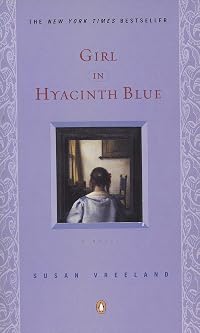
Girl in Hyacinth Blue
by Susan Vreeland
On This Page
Description
This New York Times bestseller explores the life and many owners of an imaginary Vermeer painting. A Dutch painting of a young girl survives three and a half centuries of loss, flood, anonymity, theft, secrecy, and even the Holocaust. This is the story of its owners whose lives are influenced by its beauty and mystery. Despite their many troubles and unsatisfied longings, the girl in hyacinth blue has the power to inspire love in all its human variety. This luminous story begins in the show more present day, when a professor invites a colleague to his home to see a painting that he has kept secret for decades. The professor swears it is a Vermeer-but why has he hidden this important work for so long? The reasons unfold in a series of events that trace the ownership of the painting back to World War II and Amsterdam, and still further back to the moment of the work's inspiration. As the painting moves through each owner's hands, what was long hidden quietly surfaces, illuminating poignant moments in multiple lives. Susan Vreeland's characters remind us, through their love of this mysterious painting, how beauty transforms and why we reach for it, what lasts and what in our lives is singular and unforgettable. show lessTags
Recommendations
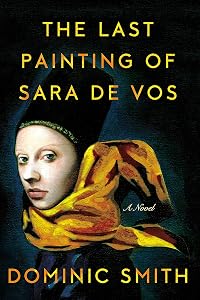
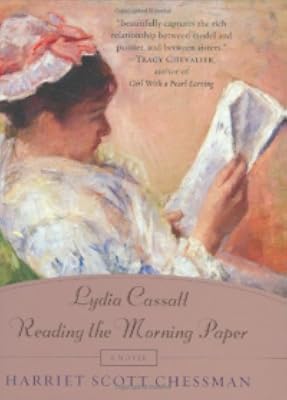
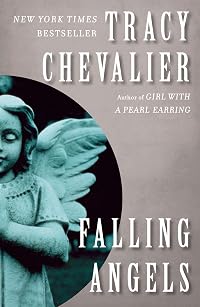
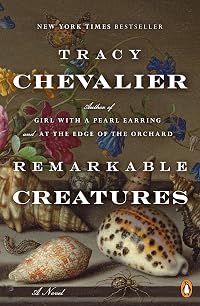




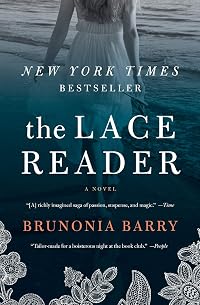
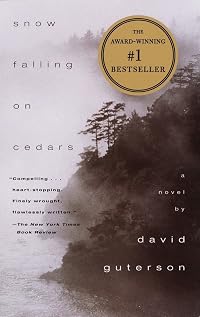
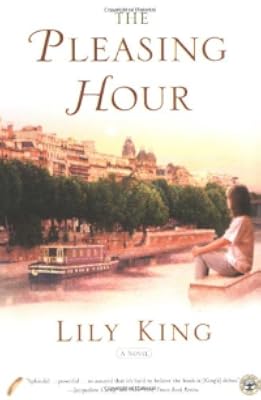
Member Recommendations
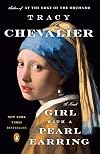
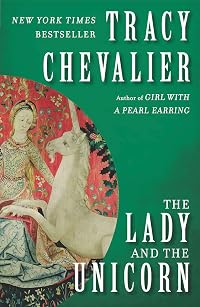
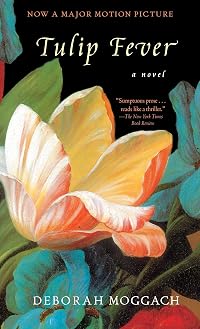
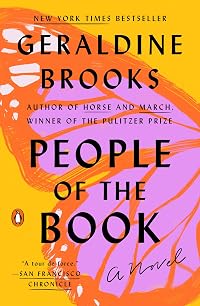
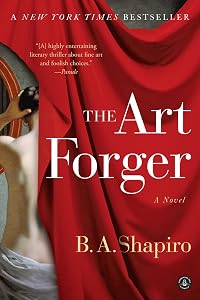
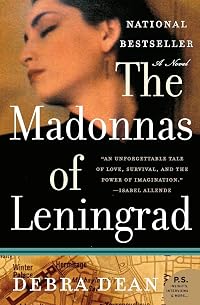
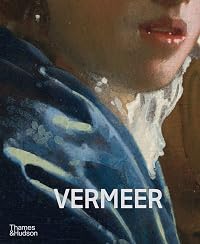
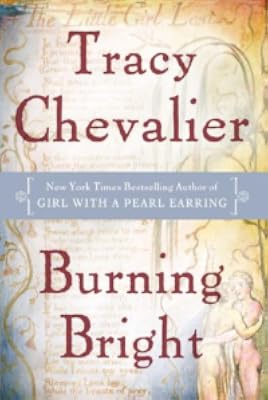
Nickelini Both books are historical fiction surrounding a Vermeer painting, but The Girl with the Pearl Earring is a far superior book.
40
whymaggiemay Both well written, and both follow an art object from end to beginning, through the hands of those who once owned it.
30
Member Reviews
Girl in Hyacinth Blue is a novel in short stories. I usually find this kind of thing to be a bit of a bait and switch. When I read a novel, I want it to be a novel. In my middle age, I've developed an appreciation for short stories that has been hard won over a few decades of not caring for them. Nonetheless, I generally don't like to be surprised by short stories hiding inside a novel. Here, though, I'll make an exception because how beautifully they're handled and because of the common thread of the painting around which all of them revolve.
Girl in Hyacinth Blue follows a lost, forgotten Vermeer masterpiece from its painting to the study of the son of a Nazi, only it's done in reverse. As we follow the painting back in time, we meet a show more son tortured by his father's war crimes so dissonant with the man he knows, a Jewish girl making a sacrifice for safety that is hardly guaranteed, a couple troubled by a husband's former love, a philandering wife matched by a philandering husband, a couple who rescues a baby during a flood, and on back to Vermeer himself struggling to make ends meet and wondering if he shouldn't take a proper job to provide for his impoverished family but unable to turn away from the transcendent beauty that draws his eye and his talent always back to painting.
Though a slim book, Girl in Hyacinth Blue in its journey through history is filled with the richness of human experience and captures all manner of people who themselves are captured by the beauty of a painting of a girl they will never know and yet feel a kind of kinship with. The idea of following a painting through history is fascinating on its own. Vreeland's execution of it is what is truly sublime. show less
Girl in Hyacinth Blue follows a lost, forgotten Vermeer masterpiece from its painting to the study of the son of a Nazi, only it's done in reverse. As we follow the painting back in time, we meet a show more son tortured by his father's war crimes so dissonant with the man he knows, a Jewish girl making a sacrifice for safety that is hardly guaranteed, a couple troubled by a husband's former love, a philandering wife matched by a philandering husband, a couple who rescues a baby during a flood, and on back to Vermeer himself struggling to make ends meet and wondering if he shouldn't take a proper job to provide for his impoverished family but unable to turn away from the transcendent beauty that draws his eye and his talent always back to painting.
Though a slim book, Girl in Hyacinth Blue in its journey through history is filled with the richness of human experience and captures all manner of people who themselves are captured by the beauty of a painting of a girl they will never know and yet feel a kind of kinship with. The idea of following a painting through history is fascinating on its own. Vreeland's execution of it is what is truly sublime. show less
Girl in Hyacinth Blue follows the path of a painting, possibly by Vermeer, from an aloof math professor backwards to the painter and the subject. Each owner has a different story to tell, and even a little bit of a different relationship to the painting, but they all love it and find echoes of something they feel inside themselves inside the painting. And isn't that sort of the point of truly great art?
The novel itself has the feel of a short story collection. Each chapter is about a different owner and is a complete story unto itself. The novel never feels choppy though. But--the writing. Beautiful. It lived up to the painting that I painted inside my head. I truly saw the landscapes Susan Vreeland paints with her words and I truly show more felt involved with each character's story.
If you love beautiful language, or you love beautiful art, read this book. It's just gorgeous. show less
The novel itself has the feel of a short story collection. Each chapter is about a different owner and is a complete story unto itself. The novel never feels choppy though. But--the writing. Beautiful. It lived up to the painting that I painted inside my head. I truly saw the landscapes Susan Vreeland paints with her words and I truly show more felt involved with each character's story.
If you love beautiful language, or you love beautiful art, read this book. It's just gorgeous. show less
Very creative. I enjoy a good historical fiction book. This book did something very different than a lot of others, it took a story about a fictional piece of artwork and a told a story in a very easy to understand format.
Sometimes I've read a book about art or history that has me Googling details left and right so that I can understand it more.
This book was light enough that you could sit down and read it in an afternoon, but also that you totally trust the author invested a ton of time in her own research.
I like how this story traced the paintings origins in backwards chronological order. We start in present day, with a man who inherited the painting from his father who stole it from a Jewish family. Then we meet the Jewish family and show more find out how they came to own the painting. The stories trace all the way back to the creation of the painting and to the inspiration. show less
Sometimes I've read a book about art or history that has me Googling details left and right so that I can understand it more.
This book was light enough that you could sit down and read it in an afternoon, but also that you totally trust the author invested a ton of time in her own research.
I like how this story traced the paintings origins in backwards chronological order. We start in present day, with a man who inherited the painting from his father who stole it from a Jewish family. Then we meet the Jewish family and show more find out how they came to own the painting. The stories trace all the way back to the creation of the painting and to the inspiration. show less
First published on Booking in Heels.
I'm going to start this review by talking about a different book, as you do. So, Girl with a Pearl Earring. Adored it. Even the film had Colin Firth in, so it goes without saying that I loved that too. However, Girl in Hyacinth Blue is very, very similar and just as good. As easy as it would be to mutter about Susan Vreeland's plagiarism, it's simply not true. Both books were released in the same year, 1999, and so should definitely be judged as separate entities. I'm only mentioning it because of the sheer amount of accusatory reviews I've read about this one. So back off! :)
Ironically enough, the first pages of this novel discuss the imitations of paintings, and this does feel like an copy of Girl show more with a Pearl Earring. I know we've already established that it's not, but I have to mention that it really did feel the same. Both revolve around a painting by Johannes Vermeer, although the one in question in this story is actually fictional. The tones are eerily similar - if someone told me tomorrow that both Tracy Chevalier and Susan Vreeland went to the same writing class, it wouldn't surprise me in the slightest. However, the composition is completely different - while the former wrote a straight-forward work of historical fiction, Ms Vreeland almost tells her story backwards.
It starts with an Art teacher being invited to view a painting that hangs in the private collection of a Maths teacher colleague. Upon arrival, he finds a painting that looks exactly like those of Johannes Vermeer and is stunned when the owner tells him that, in fact, it is. However, the novella really begins when he is asked how he came to own this painting, as it's a very complicated and twisty turn of events.
Each chapter is almost like a short story, dealing with a different family and different owners. Starting at the end, with the Maths teacher, the reader learns how the painting changed hands so many times, right up to the end where we learn of its composition and subject. It's a clever idea and it works very well - I found myself making little noises of appreciation as I learnt how the owners in the previous chapter came across the painting.
What I loved about this book the most, was how every single owner felt a different way about the painting. I'm not sure if you can see from the book cover above, but it's basically a girl in a blue dress looking out a window with an unfinished piece of sewing work on her lap. What's clever is how her expression can be, and is, interpreted many different ways. One owner loves the painting because she thinks the subject likes to be quiet and thoughtful, like herself. She relates to it and wishes her family would accept her as she is. Another owner, conversely, decides the girl is waiting for a kiss and bought it because it reminded him of a past love. I guess I never really thought about how one girl in one painting can be desperate, vacant, thoughtful, depressed, or anything else depending on who happens to view it.
The one thing that bothered me is that the whole book is back-to-front, which is fine, but it's not consistent. It continues in this way right until the last two chapters, which feature Vermeer deciding to paint it, and then the events after his death. In that order. It suddenly started going forward again and it didn't make a whole lot of sense. I really liked the whole 'backwards' idea, but why change it at the end?
Anyway. I was hooked on Girl in Hyacinth Blue from the third page, as the two men gaze upon the painting. I've never really understood art or studied it beyond a few brief lessons in school, but this book really brings the passion of those who do to life. I almost felt myself falling in love with this fictional painting myself.
This is a beautiful book with wonderful imagery and a small insight into Dutch history and culture. I honestly think this would make an excellent film itself and I really can't recommended it enough. I'm not usually a short story fan, but there was enough consistency and linkage to keep me hooked. I read this in a day and I'm now looking for anything else written by Susan Vreeland. show less
I'm going to start this review by talking about a different book, as you do. So, Girl with a Pearl Earring. Adored it. Even the film had Colin Firth in, so it goes without saying that I loved that too. However, Girl in Hyacinth Blue is very, very similar and just as good. As easy as it would be to mutter about Susan Vreeland's plagiarism, it's simply not true. Both books were released in the same year, 1999, and so should definitely be judged as separate entities. I'm only mentioning it because of the sheer amount of accusatory reviews I've read about this one. So back off! :)
Ironically enough, the first pages of this novel discuss the imitations of paintings, and this does feel like an copy of Girl show more with a Pearl Earring. I know we've already established that it's not, but I have to mention that it really did feel the same. Both revolve around a painting by Johannes Vermeer, although the one in question in this story is actually fictional. The tones are eerily similar - if someone told me tomorrow that both Tracy Chevalier and Susan Vreeland went to the same writing class, it wouldn't surprise me in the slightest. However, the composition is completely different - while the former wrote a straight-forward work of historical fiction, Ms Vreeland almost tells her story backwards.
It starts with an Art teacher being invited to view a painting that hangs in the private collection of a Maths teacher colleague. Upon arrival, he finds a painting that looks exactly like those of Johannes Vermeer and is stunned when the owner tells him that, in fact, it is. However, the novella really begins when he is asked how he came to own this painting, as it's a very complicated and twisty turn of events.
Each chapter is almost like a short story, dealing with a different family and different owners. Starting at the end, with the Maths teacher, the reader learns how the painting changed hands so many times, right up to the end where we learn of its composition and subject. It's a clever idea and it works very well - I found myself making little noises of appreciation as I learnt how the owners in the previous chapter came across the painting.
What I loved about this book the most, was how every single owner felt a different way about the painting. I'm not sure if you can see from the book cover above, but it's basically a girl in a blue dress looking out a window with an unfinished piece of sewing work on her lap. What's clever is how her expression can be, and is, interpreted many different ways. One owner loves the painting because she thinks the subject likes to be quiet and thoughtful, like herself. She relates to it and wishes her family would accept her as she is. Another owner, conversely, decides the girl is waiting for a kiss and bought it because it reminded him of a past love. I guess I never really thought about how one girl in one painting can be desperate, vacant, thoughtful, depressed, or anything else depending on who happens to view it.
The one thing that bothered me is that the whole book is back-to-front, which is fine, but it's not consistent. It continues in this way right until the last two chapters, which feature Vermeer deciding to paint it, and then the events after his death. In that order. It suddenly started going forward again and it didn't make a whole lot of sense. I really liked the whole 'backwards' idea, but why change it at the end?
Anyway. I was hooked on Girl in Hyacinth Blue from the third page, as the two men gaze upon the painting. I've never really understood art or studied it beyond a few brief lessons in school, but this book really brings the passion of those who do to life. I almost felt myself falling in love with this fictional painting myself.
This is a beautiful book with wonderful imagery and a small insight into Dutch history and culture. I honestly think this would make an excellent film itself and I really can't recommended it enough. I'm not usually a short story fan, but there was enough consistency and linkage to keep me hooked. I read this in a day and I'm now looking for anything else written by Susan Vreeland. show less
Recently while at a second hand book store a random book caught my eye. A blue spine and a name, Girl in Hyacinth Blue. As I read the blurb I felt that it probably wasn’t my kind of book. But something made me want to try it anyway.
Girl in Hyacinth Blue by Susan Vreeland is the story of a fictional painting by Vermeer. Eight interconnected tales, all linked to the past and the present of this piece of art, are presented in this book.
The eight short tales are Love Enough, A Night Different From All Other Nights, Adagia, Hyacinth Blues, Morningshine, From the Personal Papers of Adriaan Kuypers, Still Life and Magdalena Looking.
The book chronicles the journey of the painting through the ages but the journey is not presented in a show more chronological way. Its history unfolds in reverse.
The book begins with Love Enough. A math teacher by profession and a loner by choice Cornelius Engelbrecht suddenly reveals to his unsuspecting colleague that he may own a hitherto unknown painting by Vermeer. However, he refuses to disclose where he acquired the painting from, casting a doubt on its authenticity.
A young Jewish girl struggles with the changing times and her own entry in to adulthood during the Second World War in A Night Different From All Other Nights.
In Adagia, a man thinks with tenderness about the lost love of his youth and his long time marriage.
The next story, Hyacinth Blues takes a rather comic look at a rapidly disintegrating marriage of convenience.
The next two stories, Morningshine and From the Personal Papers of Adriaan Kuypers, take place almost simultaneously and are closely linked. A poor farmer’s wife finds an abandoned infant and starts to look for beauty in her own dreary life in Morningshine. From the Personal Papers of Adriaan Kuypers is the story of a young man who falls for a wild, nomadic girl with tragic consequences.
The last two stories, Still Life and Magdalena Looking take us right back to the moment the painting was conceived. Still Life is told from the point of view of the painter while Magdalena Looking tells us about the ‘real’ girl behind the painting.
The writing was very easy to read. It flowed beautifully and the language was elegant. Once I started reading the book I couldn’t stop. I tried to slow down, to enjoy the unfolding of the layered history of the painting. But even with deliberate interruptions I ended up finishing it off in a day and a half.
Among the stories I liked Adagia, Hyacinth Blues, Morningshine, From the Personal Papers of Adriaan Kuypers and Magdalena Looking.
I know a lot of people don’t enjoy short stories. Some may find this book further complicated by the fact that it is told in the reverse. But that is the beauty of the book. That is what made this interesting for me. I wanted to see what happened before this and what led the painting to this house or to the hands of that person.
All the people who came in contact with the painting, living their lives throughout the intervening centuries from the inception of the painting to its present circumstance, were profoundly touched by it. All of them took away something different from it. That is what I really loved about Girl in Hyacinth Blue.
I read this book without any prior expectations and what a pleasant surprise this has been! Highly recommended. show less
Girl in Hyacinth Blue by Susan Vreeland is the story of a fictional painting by Vermeer. Eight interconnected tales, all linked to the past and the present of this piece of art, are presented in this book.
The eight short tales are Love Enough, A Night Different From All Other Nights, Adagia, Hyacinth Blues, Morningshine, From the Personal Papers of Adriaan Kuypers, Still Life and Magdalena Looking.
The book chronicles the journey of the painting through the ages but the journey is not presented in a show more chronological way. Its history unfolds in reverse.
The book begins with Love Enough. A math teacher by profession and a loner by choice Cornelius Engelbrecht suddenly reveals to his unsuspecting colleague that he may own a hitherto unknown painting by Vermeer. However, he refuses to disclose where he acquired the painting from, casting a doubt on its authenticity.
A young Jewish girl struggles with the changing times and her own entry in to adulthood during the Second World War in A Night Different From All Other Nights.
In Adagia, a man thinks with tenderness about the lost love of his youth and his long time marriage.
The next story, Hyacinth Blues takes a rather comic look at a rapidly disintegrating marriage of convenience.
The next two stories, Morningshine and From the Personal Papers of Adriaan Kuypers, take place almost simultaneously and are closely linked. A poor farmer’s wife finds an abandoned infant and starts to look for beauty in her own dreary life in Morningshine. From the Personal Papers of Adriaan Kuypers is the story of a young man who falls for a wild, nomadic girl with tragic consequences.
The last two stories, Still Life and Magdalena Looking take us right back to the moment the painting was conceived. Still Life is told from the point of view of the painter while Magdalena Looking tells us about the ‘real’ girl behind the painting.
The writing was very easy to read. It flowed beautifully and the language was elegant. Once I started reading the book I couldn’t stop. I tried to slow down, to enjoy the unfolding of the layered history of the painting. But even with deliberate interruptions I ended up finishing it off in a day and a half.
Among the stories I liked Adagia, Hyacinth Blues, Morningshine, From the Personal Papers of Adriaan Kuypers and Magdalena Looking.
I know a lot of people don’t enjoy short stories. Some may find this book further complicated by the fact that it is told in the reverse. But that is the beauty of the book. That is what made this interesting for me. I wanted to see what happened before this and what led the painting to this house or to the hands of that person.
All the people who came in contact with the painting, living their lives throughout the intervening centuries from the inception of the painting to its present circumstance, were profoundly touched by it. All of them took away something different from it. That is what I really loved about Girl in Hyacinth Blue.
I read this book without any prior expectations and what a pleasant surprise this has been! Highly recommended. show less
I spent much of my childhood in museums. My mother was one of those rather obsessive tourist who thinks she will meet some monstrous fate if she does not see every museum and place where Paul preached. And God bless her for it, well, at least for the museum part. After several of the Pauline sites I finally rebelled and refused to go to Phillipi, instead staying at the hotel and reading Nancy
Drew. What a little Philistine I was. But the museums! I have been in love with paintings from such a young age that this was a book meant for me.
Several people have noted that
the book makes us think about art and its realtionship
to our lives. Yes it does, and beautifully. But this is not something that I need a book to remind me of. It is that show more which make this book a comfortable fit. What took my breath away was the reminder to really see
the people in our lives, appreciate them fully, accept the gifts of who they are whether workaholic, silent girls, tiny foundlings. Cherish them, hold tight in your memory their essence, their look, their .... You get the idea.
One of my favorite characters, a father and husband
says it best when watching his daughter in the first throes of
love, noticing the lovely color of her windburned cheeks
"Notice. Pay attention. Notice this and never forget it."
This morning took the time to savor my little girl's hug and the smell of her hair, a sunny warm scent mixed with the scent of the blueberry muffins we had baked for breakfast.
Vreeland tells the painting's story with simple elegance. Certain parts I wanted never to end, especially the
story of Saskia and her family. Vreeland paints pictures with her words that are poignant and vivid. She is never heavy-handed, always the perfect delicate touch.
With seeming artlessness she achieves artistry. Beautiful.
Incidentally, many people have said this book reminded them
of The Red Violin* of which I know nothing. However, it
did remind me of Iain Pears "The Instance of the Fingerpost,"
a much longer and more unsettling book that I also love. The multiple view points is probably the reason
*I have since seen The Red Violin, and here is remarkable similarity in theme and plotting. A riveting, lovely movie. show less
Drew. What a little Philistine I was. But the museums! I have been in love with paintings from such a young age that this was a book meant for me.
Several people have noted that
the book makes us think about art and its realtionship
to our lives. Yes it does, and beautifully. But this is not something that I need a book to remind me of. It is that show more which make this book a comfortable fit. What took my breath away was the reminder to really see
the people in our lives, appreciate them fully, accept the gifts of who they are whether workaholic, silent girls, tiny foundlings. Cherish them, hold tight in your memory their essence, their look, their .... You get the idea.
One of my favorite characters, a father and husband
says it best when watching his daughter in the first throes of
love, noticing the lovely color of her windburned cheeks
"Notice. Pay attention. Notice this and never forget it."
This morning took the time to savor my little girl's hug and the smell of her hair, a sunny warm scent mixed with the scent of the blueberry muffins we had baked for breakfast.
Vreeland tells the painting's story with simple elegance. Certain parts I wanted never to end, especially the
story of Saskia and her family. Vreeland paints pictures with her words that are poignant and vivid. She is never heavy-handed, always the perfect delicate touch.
With seeming artlessness she achieves artistry. Beautiful.
Incidentally, many people have said this book reminded them
of The Red Violin* of which I know nothing. However, it
did remind me of Iain Pears "The Instance of the Fingerpost,"
a much longer and more unsettling book that I also love. The multiple view points is probably the reason
*I have since seen The Red Violin, and here is remarkable similarity in theme and plotting. A riveting, lovely movie. show less
I spent much of my childhood in museums. My mother was one of those rather obsessive tourist who thinks she will meet some monstrous fate if she does not see every museum and place where Paul preached. And God bless her for it, well, at least for the museum part. After several of the Pauline sites I finally rebelled and refused to go to Phillipi, instead staying at the hotel and reading Nancy
Drew. What a little Philistine I was. But the museums! I have been in love with paintings from such a young age that this was a book meant for me.
Several people have noted that
the book makes us think about art and its realtionship
to our lives. Yes it does, and beautifully. But this is not something that I need a book to remind me of. It is that show more which make this book a comfortable fit. What took my breath away was the reminder to really see
the people in our lives, appreciate them fully, accept the gifts of who they are whether workaholic, silent girls, tiny foundlings. Cherish them, hold tight in your memory their essence, their look, their .... You get the idea.
One of my favorite characters, a father and husband
says it best when watching his daughter in the first throes of
love, noticing the lovely color of her windburned cheeks
"Notice. Pay attention. Notice this and never forget it."
This morning took the time to savor my little girl's hug and the smell of her hair, a sunny warm scent mixed with the scent of the blueberry muffins we had baked for breakfast.
Vreeland tells the painting's story with simple elegance. Certain parts I wanted never to end, especially the
story of Saskia and her family. Vreeland paints pictures with her words that are poignant and vivid. She is never heavy-handed, always the perfect delicate touch.
With seeming artlessness she achieves artistry. Beautiful.
Incidentally, many people have said this book reminded them
of The Red Violin* of which I know nothing. However, it
did remind me of Iain Pears "The Instance of the Fingerpost,"
a much longer and more unsettling book that I also love. The multiple view points is probably the reason
*I have since seen The Red Violin, and here is remarkable similarity in theme and plotting. A riveting, lovely movie. show less
Drew. What a little Philistine I was. But the museums! I have been in love with paintings from such a young age that this was a book meant for me.
Several people have noted that
the book makes us think about art and its realtionship
to our lives. Yes it does, and beautifully. But this is not something that I need a book to remind me of. It is that show more which make this book a comfortable fit. What took my breath away was the reminder to really see
the people in our lives, appreciate them fully, accept the gifts of who they are whether workaholic, silent girls, tiny foundlings. Cherish them, hold tight in your memory their essence, their look, their .... You get the idea.
One of my favorite characters, a father and husband
says it best when watching his daughter in the first throes of
love, noticing the lovely color of her windburned cheeks
"Notice. Pay attention. Notice this and never forget it."
This morning took the time to savor my little girl's hug and the smell of her hair, a sunny warm scent mixed with the scent of the blueberry muffins we had baked for breakfast.
Vreeland tells the painting's story with simple elegance. Certain parts I wanted never to end, especially the
story of Saskia and her family. Vreeland paints pictures with her words that are poignant and vivid. She is never heavy-handed, always the perfect delicate touch.
With seeming artlessness she achieves artistry. Beautiful.
Incidentally, many people have said this book reminded them
of The Red Violin* of which I know nothing. However, it
did remind me of Iain Pears "The Instance of the Fingerpost,"
a much longer and more unsettling book that I also love. The multiple view points is probably the reason
*I have since seen The Red Violin, and here is remarkable similarity in theme and plotting. A riveting, lovely movie. show less
Members
- Recently Added By
Lists

Historical Fiction
889 works; 91 members

Pleasant Surprises: Books That Exceeded Our Expectations
418 works; 143 members

Top Five Books of 2022
736 works; 272 members
First Novels
373 works; 17 members

A Rainbow of Books: Colors in the Title
570 works; 24 members

Global Reads: Books Set in Western Europe
186 works; 10 members

a picture or a thousand words
39 works; 5 members

Biggest Disappointments
606 works; 165 members

Books Read in 2010
631 works; 10 members

Books Read in 2019
4,052 works; 110 members

Ten Books Inspired By Paintings
11 works; 2 members

Mustich's 1000 Books to Read Before You Die: A Life Changing List
1,001 works; 20 members

Books Read in 2012
59 works; 1 member
Author Information

27+ Works 9,057 Members
Susan Vreeland was born in Racine, Wisconsin on January 20, 1946. She received a bachelor's degree in literature from San Diego State University. After graduating, she taught high school English in San Diego from 1969 to 2000. In 1980, she began writing articles about art, culture, and travel for newspapers and magazines. Her first novel What Love show more Sees was published in 1988. Her other novels include Girl in Hyacinth Blue, The Passion of Artemisia, Luncheon of the Boating Party, Life Studies, The Forest Lover, Lisette's List, and Clara and Mr. Tiffany. Her short fiction has appeared in numerous publications including The Missouri Review, Ploughshares, New England Review, Alaska Quarterly Review, and Connecticut Review. She died after heart surgery on August 23, 2017 at the age of 71. (Bowker Author Biography) show less
Some Editions
Awards and Honors
Awards
Notable Lists
Series
Belongs to Publisher Series
Common Knowledge
- Canonical title*
- La ragazza in blu
- Original title
- Meisje in hyacintblauw
- Original publication date
- 1999
- People/Characters
- Hannah Vredenberg; Laurens van Luyken; Digna van Luyken; Saskia; Stijn; Aletta Pieters (show all 11); Adriaan Kuypers; Johannes Vermeer; Maria Thins; Catharina Vermeer; Magdalena Vermeer
- Important places
- Amsterdam, North Holland, Netherlands; Antwerp, Antwerp, Belgium; Belgium; Delfzijl, Groningen, Netherlands; Delft, South Holland, Netherlands; The Hague, South Holland, Netherlands (show all 10); The Netherlands; North Holland, Netherlands; Oling, Groningen, Netherlands; South Holland, Netherlands
- Related movies
- Hallmark Hall of Fame: Brush with Fate (2003 | IMDb)
- Epigraph
- Thou still unravished bride of quietness
Thou foster-child of Silence and slow Time...
Thou, silent form! dost tease us out of thought
As doth eternity.
- John Keats, 1819
O ongeschonden bruid van stille vrede,
pleegkind van den tijd die langzaam gaat...
Jij doet ons denken hoog ter aard'uit stijgen
zoals de eeuwigheid. - Dedication
- For Scott Godfrey, D.O., and Peter Falk, M.D.
- First words
- Cornelius Engelbrecht invented himself. (Love Enough)
- Quotations
- She thought of all the people in all the paintings she had seen that day, not just Father's, in all the paintings of the world, in fact. Their eyes, the particular turn of a head, their loneliness or suffering or grief was bo... (show all)rrowed by an artist to be seen by other people throughout the years who would never see them face to face. People who would be that close to her, she thought, a matter of a few arms' lengths, looking, looking, and they would never know her.
- Last words
- (Click to show. Warning: May contain spoilers.)People who would be that close to her, she thought, a matter of a few arms' lengths, looking, looking, and they would never know her. (Magdalena Looking)
*Some information comes from Common Knowledge in other languages. Click "Edit" for more information.
Classifications
Statistics
- Members
- 3,379
- Popularity
- 5,015
- Reviews
- 99
- Rating
- (3.61)
- Languages
- 14 — Catalan, Danish, Dutch, English, Finnish, French, German, Hungarian, Italian, Polish, Portuguese, Spanish, Swedish, Turkish
- Media
- Paper, Audiobook, Ebook
- ISBNs
- 48
- UPCs
- 1
- ASINs
- 15