
On This Page
Description
"Troy has fallen and the victorious Greeks are eager to return home with the spoils of an endless war--including the women of Troy themselves. They await a fair wind for the Aegean; it does not come, because the gods are offended. The body of King Priam lies unburied and desecrated, and so the victors remain in suspension, camped in the shadows of the city they destroyed as the coalition that held them together begins to unravel. Old feuds resurface and new suspicions and rivalries begin to show more fester. Largely unnoticed by her captors, the one time Trojan queen Briseis, formerly Achilles's slave, now belonging to his companion Alcimus, quietly takes in these developments. She forges alliances when she can, with Priam's aged wife, the defiant Hecuba, and with the disgraced soothsayer Calchas, all the while shrewdly seeking her path to revenge."--Jacket flap. show lessTags
Recommendations







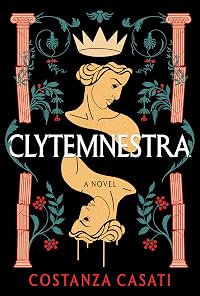
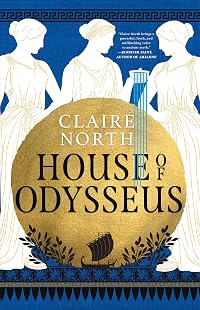



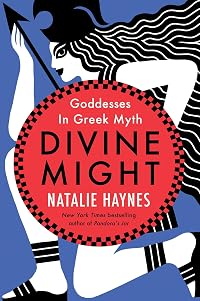

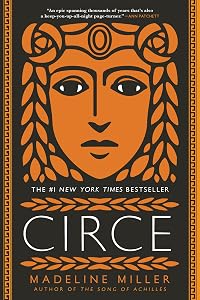





















Member Reviews
The Women of Troy - Barker
5 stars
Troy has fallen. Achilles is dead. Priam is dead. And the winds, those interminable winds, trap the victorious Greeks in a foreign land.
Barker continues this story with a brilliant feminist perspective in Breseis’ sharply observant voice. Married to Alcimas and no longer a slave, Breseis is uniquely positioned to interact with all of the remaining Trojan women; Hecuba, Cassandra, Andromache, as well as more common slave girls. Even the much despised Helen. She doesn’t shrink from the ugly reality. “We women are peculiar creatures. We tend not to love those who murder our families.”
Just as brilliantly, Barker portrays the dangerous mental anguish of Achilles’ son, the 16 year old Pyrrhus. show more Beginning with Pyrrhus in the belly of the horse, “Inside the horse’s gut: heat, darkness, sweat, fear. They’re crammed in, packed tight as olives in a jar.” Pyrrhus is an unstable powder keg. Given the violence of his actions, Barker paints him as a surprisingly pitiable character.
The wind was very nearly a character in its own right throughout this novel. Strangely, a warm wind was blowing in Southern California while I was reading it. I was totally immersed in this story. show less
5 stars
Troy has fallen. Achilles is dead. Priam is dead. And the winds, those interminable winds, trap the victorious Greeks in a foreign land.
Barker continues this story with a brilliant feminist perspective in Breseis’ sharply observant voice. Married to Alcimas and no longer a slave, Breseis is uniquely positioned to interact with all of the remaining Trojan women; Hecuba, Cassandra, Andromache, as well as more common slave girls. Even the much despised Helen. She doesn’t shrink from the ugly reality. “We women are peculiar creatures. We tend not to love those who murder our families.”
Just as brilliantly, Barker portrays the dangerous mental anguish of Achilles’ son, the 16 year old Pyrrhus. show more Beginning with Pyrrhus in the belly of the horse, “Inside the horse’s gut: heat, darkness, sweat, fear. They’re crammed in, packed tight as olives in a jar.” Pyrrhus is an unstable powder keg. Given the violence of his actions, Barker paints him as a surprisingly pitiable character.
The wind was very nearly a character in its own right throughout this novel. Strangely, a warm wind was blowing in Southern California while I was reading it. I was totally immersed in this story. show less
This excellent sequel to The Silence of the Girls continues the saga of the women of Troy in the aftermath of the war. Briseis, given to Achilles as a battle reward, has outlived him and his devoted friend Patroclus, and was made the wife of a Greek leader at the direction of the Greek hero before his death. This raises her status above that of the other Trojan women, most of who serve as slaves to the restless surviving Greek fighters, who await the changing of the wind that will send them home. The other narrator is Pyrrhus, the teenage son of Achilles, who has murdered Priam, King of Troy, in a most brutal manner and whose act is presumed responsible for the God-sent endless winds that disturb the camp. Surprisingly enough, there are show more no gods in this tale, and some of the company and the Trojan women lack belief in them at all. Cassandra, Hecuba, Helen, and the prophet Calchas all speak their truths and play their roles as the tragic chorus. This is a cornerstone of interpretation of the post-drama and aftermath of literally the most important conflict ever documented, as the author focuses on the stories that Homer and the Greek dramatists have neglected to tell.
Quote: "It was one of those moments that I think everyone experiences - and they don't have to be dramatic - when things begin to change; and you know there's no point ruminating about it, because thinking isn't going to help you understand. You're not ready to understand it yet; you have to live your way into the meaning." show less
Quote: "It was one of those moments that I think everyone experiences - and they don't have to be dramatic - when things begin to change; and you know there's no point ruminating about it, because thinking isn't going to help you understand. You're not ready to understand it yet; you have to live your way into the meaning." show less
In this follow-up to The Silence of the Girls, Pat Barker continues the story of Briseis, a former slave to Achilles who is pregnant with the late Achilles’s child. It opens with the Greeks inside the Trojan Horse. The battle that follows finds the Greeks victorious, and many women of Troy taken captive, including the famous and beautiful Helen. The Trojan women are now slaves to the victorious Greek fighters. Briseis is now married to Alcimus, so she is no longer a slave, but understands their sufferings, since she was in the same position not long ago. She tries to enhance the conditions for the remaining women. Winds are unfavorable, so the Greeks are unable to sail home with their spoils of war.
Though primarily focused on the show more women, the men are not ignored. These men are necessary to provide information on events the women would not have witnessed. Calchus, a seer, is highlighted, as is Pyrrhus, teenage son of Achilles. Pyrhhus takes revenge on King Priam (who killed Achilles in a previous battle). After killing Priam, he drags his corpse around the camp. The women get involved in attempting to bury Priam, and initially they are not suspected (because they are women and are not expected to take any initiative). Cassandra, Hecuba, Helen, and Andromache (and others) are all allowed to speak in Barker’s version, whereas the women were silent in the stories of Homer and the Greek dramatists.
Briseis is a bright and resourceful woman, using her skills to help the women by setting up smokescreens and planning diversions that will keep the women out of trouble. The beauty of this story is that it builds on a familiar tale, adding texture and swapping the viewpoint, while preserving the basics of the plot. Those familiar with the fall of Troy already know how the story transpires and the eventual fate of the main characters, but even so, the story is compelling, and it flows beautifully. It is helpful to be familiar with the basic plotlines and characters of the Iliad and the Odyssey in order to fully appreciate this novel. I liked it even more than The Silence of the Girls, which I also recommend. Based on how this book ends, I expect there will be a third novel. show less
Though primarily focused on the show more women, the men are not ignored. These men are necessary to provide information on events the women would not have witnessed. Calchus, a seer, is highlighted, as is Pyrrhus, teenage son of Achilles. Pyrhhus takes revenge on King Priam (who killed Achilles in a previous battle). After killing Priam, he drags his corpse around the camp. The women get involved in attempting to bury Priam, and initially they are not suspected (because they are women and are not expected to take any initiative). Cassandra, Hecuba, Helen, and Andromache (and others) are all allowed to speak in Barker’s version, whereas the women were silent in the stories of Homer and the Greek dramatists.
Briseis is a bright and resourceful woman, using her skills to help the women by setting up smokescreens and planning diversions that will keep the women out of trouble. The beauty of this story is that it builds on a familiar tale, adding texture and swapping the viewpoint, while preserving the basics of the plot. Those familiar with the fall of Troy already know how the story transpires and the eventual fate of the main characters, but even so, the story is compelling, and it flows beautifully. It is helpful to be familiar with the basic plotlines and characters of the Iliad and the Odyssey in order to fully appreciate this novel. I liked it even more than The Silence of the Girls, which I also recommend. Based on how this book ends, I expect there will be a third novel. show less
Grounds mythic events in emotions and reactions recognisable to a modern reader. The purpose being to draw comparisons between these peoples lives and our own. And with recent events in Afghanistan, it’s easy to understand its point about the contingent nature of women’s rights; contingent that is on men’s wants, insecurities and vanities. Not that Barker is unsympathetic to her male characters, and we get to understand much of their unhappinesses too. The end of war is the end of the certainties that came with it; it’s certainly not an end to suffering or unfairness.
The walls of Troy have fallen and the renegade Helen is returned to her husband but all is not well. The Gods are offended and a howling gale means the Greeks cannot return home. The men are fighting each other and the women are slaves or prizes worth little. Briseis is pregnant with the child of Achilles but is married off to Alcimus, one of the Greek leaders, she must try to help the women of Troy as best she can, even though revenge is the order of the day.
The previous novel by Barker, The Silence of the Girls, was wonderful and this just carries on. Each women has her own story, her own destiny and her own way of surviving but together their narratives weave an alternative to the great end to the war. The trend for female show more re-imaginings of classical myths is showing no signs of abating but is also producing some amazing writing. This is a brilliant novelist at her best. show less
The previous novel by Barker, The Silence of the Girls, was wonderful and this just carries on. Each women has her own story, her own destiny and her own way of surviving but together their narratives weave an alternative to the great end to the war. The trend for female show more re-imaginings of classical myths is showing no signs of abating but is also producing some amazing writing. This is a brilliant novelist at her best. show less
The Women of Troy examines the grim realities of Bronze Age slavery wherein the victors kill their opponent's men and enslave their women and children. It is the second book in Booker winner Pat Barker's retelling of the Trojan War from a feminist perspective. The first novel, The Silence of the Girls, recounts Homer's Iliad from the point of view of Briseis, who Achilles selected to be his slave and concubine, his trophy prize for his achievements in battle. The second book draws from Euripede's play, Trojan Women.
Briseis's viewpoint remains dominant in The Women of Troy. She is no longer a slave because she was pregnant by Achilles and, to protect the child, was married to his chief lieutenant after his death. Consequently, she uses show more her "wife" status to roam the camps freely to help the other women adjust to their new roles as slaves and concubines to the men who had murdered their families. Throughout the novel, Barker's sparse tight prose causes the characters of Hecuba, Cassandra, Andromede, and Helen to come to life.
Barker also includes the voice of Pyrrhus, Achilles's 16-year-old son, to advance the narrative. Pyrrhus begins the tale from the belly of the Trojan horse. His father has died before his arrival, and he is desperate to prove himself worthy as a warrior. As a result, he actively participates in the brutal sacking of Troy, kills King Priam, and refuses to grant him a proper burial. These acts have angered to Gods who have stopped the winds so the Greeks could not return home.
Pyrrhus's hubris stands in stark contrast to the women's suffering. The novel revolves around daily life in the camps, the women's anguish, their attempts to maintain some sense of agency by thwarting Pyrrhus and gaining a proper burial for Priam.
The book had a sad, almost dystopian quality. The goal of Bronze age slavery is a kind of ethnocide, the physical destruction of the place and cultural destruction of the survivors. I kept wondering how women in this situation raise the children of their Greek masters. Do they secretly tell them the stories of Troy and their ancestors? And through them try to keep their cultures alive? How do they survive? It was a thought-provoking book. I recommend it, especially if you are interested in the ancient world. show less
Briseis's viewpoint remains dominant in The Women of Troy. She is no longer a slave because she was pregnant by Achilles and, to protect the child, was married to his chief lieutenant after his death. Consequently, she uses show more her "wife" status to roam the camps freely to help the other women adjust to their new roles as slaves and concubines to the men who had murdered their families. Throughout the novel, Barker's sparse tight prose causes the characters of Hecuba, Cassandra, Andromede, and Helen to come to life.
Barker also includes the voice of Pyrrhus, Achilles's 16-year-old son, to advance the narrative. Pyrrhus begins the tale from the belly of the Trojan horse. His father has died before his arrival, and he is desperate to prove himself worthy as a warrior. As a result, he actively participates in the brutal sacking of Troy, kills King Priam, and refuses to grant him a proper burial. These acts have angered to Gods who have stopped the winds so the Greeks could not return home.
Pyrrhus's hubris stands in stark contrast to the women's suffering. The novel revolves around daily life in the camps, the women's anguish, their attempts to maintain some sense of agency by thwarting Pyrrhus and gaining a proper burial for Priam.
The book had a sad, almost dystopian quality. The goal of Bronze age slavery is a kind of ethnocide, the physical destruction of the place and cultural destruction of the survivors. I kept wondering how women in this situation raise the children of their Greek masters. Do they secretly tell them the stories of Troy and their ancestors? And through them try to keep their cultures alive? How do they survive? It was a thought-provoking book. I recommend it, especially if you are interested in the ancient world. show less
CW: this book contains mentions of war, violence (incl. sexual), death (incl. child death and murder), slavery, and misogyny.
I had really liked The Silence of the Girls when it came out, so I was looking forward to the story continuing when I heard there would be a follow-up book. Picking up shortly after the events of The Silence of the Girls, The Women of Troy recounts the aftermath of the fall of Troy - and the fate of its women.
This book is just as powerful and hard-hitting as the previous one, and in some ways even more so as the pain of the women cuts so much deeper. War is a nasty, cruel business, and behind every glorious hero lies a trail of death and destruction, innocent lives cut short and severe pain inflicted. And the show more women of Troy will never be able to forget this.
Briseis is back as our main narrator and, now a survivor of the camp, she takes it upon herself to ease the pain of the new arrivals, helping them in accepting their new lives as slaves and ensuring all of them survive. Meanwhile, Briseis herself struggles to navigate her new position as Alcimus's wife while carrying Achilles's son.
As with the previous book, the author does a masterful job of giving a voice to the silenced women of history, not shying away from the brutality and violence of their lives but leaning into their pain and suffering to fully show their strength, resilience and quiet resistance. The cast of women is memorable, each of them carrying her own personal burden.
Helen, despised by all and universally blamed for the war.
Hecuba, old and frail and mourning her loved ones and the loss of her life's work.
Cassandra, abused time and again and having to find ways for men to deliver her prophecies if they are to be believed.
Andromache, reeling from the loss of her husband and the brutal murder of her infant son, forced to lie with the man who killed him.
Amina, stubborn and proud and determined to homage her king one last time by burying him, whatever the consequences.
And so many, many more.
The Women of Troy hits hard yet manages to tell so much suffering in a delicate, respectful way, restoring the dignity of otherwise forgotten women. Highly recommended to anyone looking for more feminist retellings of traditional myths.
I received an e-arc of this book from the publisher via NetGalley in exchange for my honest review. This did not affect my opinion of the book in any way. show less
I had really liked The Silence of the Girls when it came out, so I was looking forward to the story continuing when I heard there would be a follow-up book. Picking up shortly after the events of The Silence of the Girls, The Women of Troy recounts the aftermath of the fall of Troy - and the fate of its women.
This book is just as powerful and hard-hitting as the previous one, and in some ways even more so as the pain of the women cuts so much deeper. War is a nasty, cruel business, and behind every glorious hero lies a trail of death and destruction, innocent lives cut short and severe pain inflicted. And the show more women of Troy will never be able to forget this.
Briseis is back as our main narrator and, now a survivor of the camp, she takes it upon herself to ease the pain of the new arrivals, helping them in accepting their new lives as slaves and ensuring all of them survive. Meanwhile, Briseis herself struggles to navigate her new position as Alcimus's wife while carrying Achilles's son.
As with the previous book, the author does a masterful job of giving a voice to the silenced women of history, not shying away from the brutality and violence of their lives but leaning into their pain and suffering to fully show their strength, resilience and quiet resistance. The cast of women is memorable, each of them carrying her own personal burden.
Helen, despised by all and universally blamed for the war.
Hecuba, old and frail and mourning her loved ones and the loss of her life's work.
Cassandra, abused time and again and having to find ways for men to deliver her prophecies if they are to be believed.
Andromache, reeling from the loss of her husband and the brutal murder of her infant son, forced to lie with the man who killed him.
Amina, stubborn and proud and determined to homage her king one last time by burying him, whatever the consequences.
And so many, many more.
The Women of Troy hits hard yet manages to tell so much suffering in a delicate, respectful way, restoring the dignity of otherwise forgotten women. Highly recommended to anyone looking for more feminist retellings of traditional myths.
I received an e-arc of this book from the publisher via NetGalley in exchange for my honest review. This did not affect my opinion of the book in any way. show less
Members
- Recently Added By
Lists

Anticipated 2021 Reads
231 works; 7 members

FT Best books of 2021: Fiction
12 works; 1 member

Netgalley Reads
460 works; 3 members

Books Read in 2021
5,361 works; 114 members

THE WAR ROOM
813 works; 24 members

Top Five Books of 2023
767 works; 317 members

2023 Challenge
15 works; 1 member
Author Information

31+ Works 21,416 Members
Pat Barker's most recent novel is Another World (FSG, 1999). She is also the author of the highly acclaimed Regeneration trilogy: Regeneration; The Eye in the Door, winner of the 1993 Guardian Fiction Prize; and The Ghost Road, winner of the 1996 Booker Prize. She lives in England. (Bowker Author Biography)
Some Editions
Awards and Honors
Awards
Distinctions
Series

Common Knowledge
- Canonical title
- The Women of Troy
- Original title
- The Women of Troy
- Original publication date
- 2021-08-24
- People/Characters
- Agamemnon; Alcimus; Amina; Andromache; Automedon; Briseis (show all 20); Calchas; Cassandra; Hecamede; Hecuba; Helen of Troy; Helenus; Helle; Neoptolemos (Pyrrhus); Nestor; Odysseus; Priam; Ritsa; Sinon; Thersites
- Important places
- Troy
- Important events
- Trojan War
- First words
- Inside the horse's gut: heat, darkness, sweat, fear.
- Last words
- (Click to show. Warning: May contain spoilers.)Then we went outside to join the other women, and a few minutes later, Alcimus appeared and led us down to the ships.
- Original language
- English
Classifications
Statistics
- Members
- 1,120
- Popularity
- 22,608
- Reviews
- 20
- Rating
- (4.00)
- Languages
- 8 — Dutch, English, French, German, Italian, Portuguese, Spanish, Turkish
- Media
- Paper, Audiobook, Ebook
- ISBNs
- 24
- ASINs
- 4