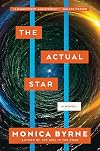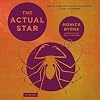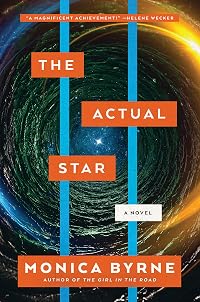
The Actual Star
by Monica Byrne
On This Page
Description
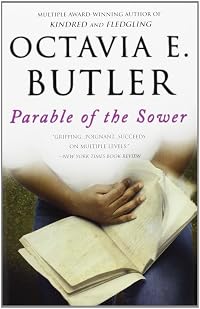
David Mitchell's Cloud Atlas meets Octavia Butler's Earthseed series, as acclaimed author Monica Byrne (The Girl in the Road) crafts an unforgettable piece of speculative fiction about where humanity came from, where we are now, and where we're going--and how, in every age, the same forces that drive us apart also bind us together."A stone-cold masterpiece."--New ScientistThe Actual Star takes readers on a journey over two millennia and six continents--telling three powerful tales a thousand show more years apart, all of them converging in the same cave in the Belizean jungle.Braided together are the stories ofa pair of teenage twins whoascend the throne of a Maya kingdom; a young American woman on a trip of self-discovery in Belize; and two dangerous charismatics vying for the leadership of a new religion, racing toward a confrontation that will determine the fate of the few humans left on Earth after massive climate change.In each era, a reincarnated trinity of souls navigates the entanglements of tradition and progress, sister and stranger, and love and hate--until all of their age-old questions about the nature of existence converge deep underground, where only in complete darkness can they truly see. show lessTags
Recommendations

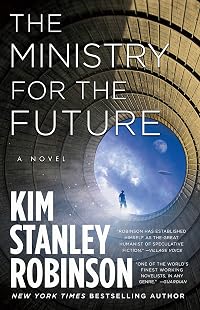
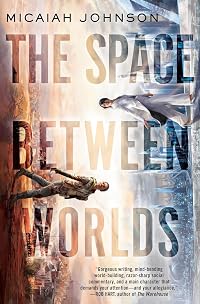
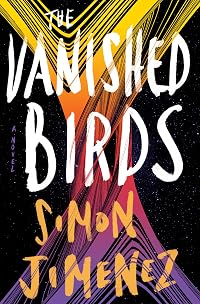
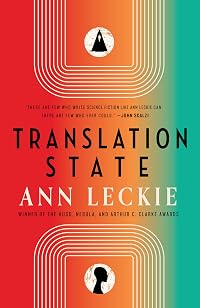
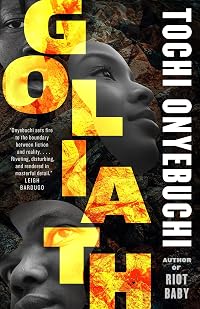
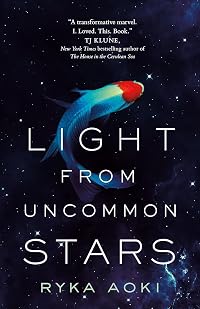
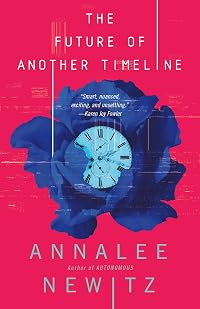
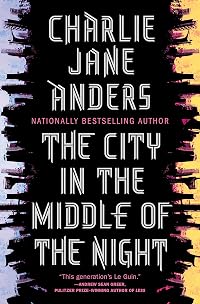
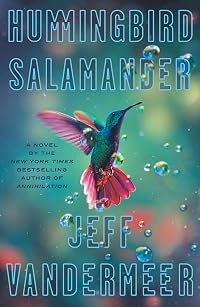
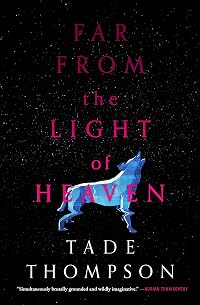
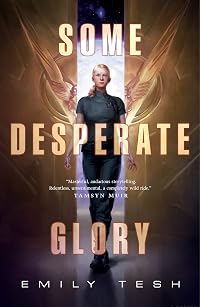

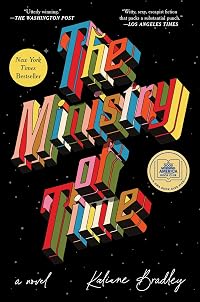





Member Recommendations
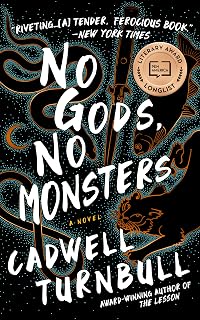
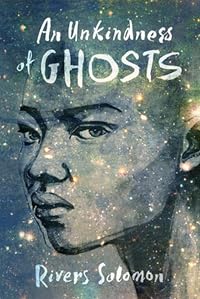
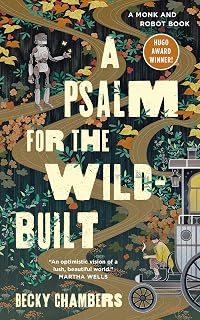
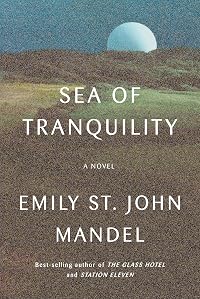
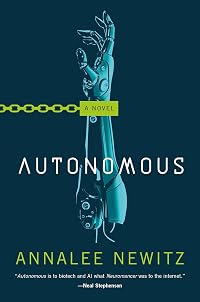
susanbooks Though so different in plot, both books feature (not necessarily primary) characters concerned with ontological questions, the exploration of which undergird their respective novels. Which is a long way of saying, whatever else is great about the books — & there’s a lot — they got me thinking about the meaning of life.
Member Reviews
Real Rating: 4.5* of five, rounded up because the economy of presentation packs the punch of Dune into the space of Cloud Atlas.
Three timelines, three souls, three moments in Humanity's journey. Author Byrne has made all of them into one beautiful braid, glossy and dark and heavy...crackling with energy...predicting a path that We-the-People must walk to fulfill our personal and communal purpose. I've seen the comparisons to Cloud Atlas but to be frank, a better comparison is, to my own mind anyway, what would happen if one gave A Canticle for Leibowitz to David Lynch and said, "...but make everyone queer."
There is a Glossary; use it. Xibalbá will no longer just be a weird-looking word to you when you're done with this read, and you'll show more be much the richer for it. I salute you, Monica Byrne, for risking so much in showing us this beautiful tale and not telling us every last thing. Trusting your readers pays off as they morph into fans, the way I have. show less
Three timelines, three souls, three moments in Humanity's journey. Author Byrne has made all of them into one beautiful braid, glossy and dark and heavy...crackling with energy...predicting a path that We-the-People must walk to fulfill our personal and communal purpose. I've seen the comparisons to Cloud Atlas but to be frank, a better comparison is, to my own mind anyway, what would happen if one gave A Canticle for Leibowitz to David Lynch and said, "...but make everyone queer."
There is a Glossary; use it. Xibalbá will no longer just be a weird-looking word to you when you're done with this read, and you'll show more be much the richer for it. I salute you, Monica Byrne, for risking so much in showing us this beautiful tale and not telling us every last thing. Trusting your readers pays off as they morph into fans, the way I have. show less
Mind. Blown. There are so many fascinating ideas in this book.
A mysterious cave in Belize is the heart of this novel. In 1012, the last monarchs of the ancient Maya are preparing for the sacrificial ball game. In 2012, Leah Oliveri travels to Belize to rediscover her roots. And in 3012, two competing factions of a religion born from climate chaos travel to Belize to see which of their visions should prevail.
My mind was blown by this book. It is incredibly original and unique; it also has nods to CS Lewis’s “The Voyage of the Dawn Treader”, Ursula K Le Guin’s “The Tombs of Atuan”, and Kim Stanley Robinson’s “The Years of Rice and Salt” (one of my favourite novels of all time).
The experience of getting lost in the cave, show more and the atmosphere of the sequences set in 1012, is very like the creepy and airless feeling you get from reading “The Tombs of Atuan”. The theme of warring twins is also really interesting and primal.
The different eras are very cleverly woven together, and you can see how experiences and conversations in earlier eras are woven into the religion of Laviaja and become important in it.
The religion of Laviaja is also very plausible and cohesive, and you can see why it would become compelling to large groups of people. It also contains some really interesting ideas, particularly the psychogeographical concepts that get woven into it. These include the god of the place (the sum total of all the experiences, energies, and physical characteristics of a place). And I love the idea of the pista (an individual’s trajectory as they travel around). Emerging from these two concepts is a third concept, that of asking the god of the place if you’ve been there in a previous life.
I did wonder, if there are not very many sedentary people, how all the advanced tech gets made in 3012, but perhaps they have automated production or something. The tech is really cool though.
I was also reminded of that quote from Ursula Le Guin about how, for people who lived when the divine right of kings was a generally accepted view, that seemed inevitable, just as capitalism seems inevitable to us, but in the future it could become as incomprehensible as the divine right of kings is to us. This book seems like an extended meditation on that thought, as the people of 3012 look upon the era capitalism as a completely sick and depraved age (which of course it is), and they see Laviaja as normal, natural, and inevitable, but to us it seems weird and exotic.
Highly recommended. This is such an original book and deserves to win a bunch of awards. The three storylines weave together in a really interesting way and it’s gripping. show less
A mysterious cave in Belize is the heart of this novel. In 1012, the last monarchs of the ancient Maya are preparing for the sacrificial ball game. In 2012, Leah Oliveri travels to Belize to rediscover her roots. And in 3012, two competing factions of a religion born from climate chaos travel to Belize to see which of their visions should prevail.
My mind was blown by this book. It is incredibly original and unique; it also has nods to CS Lewis’s “The Voyage of the Dawn Treader”, Ursula K Le Guin’s “The Tombs of Atuan”, and Kim Stanley Robinson’s “The Years of Rice and Salt” (one of my favourite novels of all time).
The experience of getting lost in the cave, show more and the atmosphere of the sequences set in 1012, is very like the creepy and airless feeling you get from reading “The Tombs of Atuan”. The theme of warring twins is also really interesting and primal.
The different eras are very cleverly woven together, and you can see how experiences and conversations in earlier eras are woven into the religion of Laviaja and become important in it.
The religion of Laviaja is also very plausible and cohesive, and you can see why it would become compelling to large groups of people. It also contains some really interesting ideas, particularly the psychogeographical concepts that get woven into it. These include the god of the place (the sum total of all the experiences, energies, and physical characteristics of a place). And I love the idea of the pista (an individual’s trajectory as they travel around). Emerging from these two concepts is a third concept, that of asking the god of the place if you’ve been there in a previous life.
I did wonder, if there are not very many sedentary people, how all the advanced tech gets made in 3012, but perhaps they have automated production or something. The tech is really cool though.
I was also reminded of that quote from Ursula Le Guin about how, for people who lived when the divine right of kings was a generally accepted view, that seemed inevitable, just as capitalism seems inevitable to us, but in the future it could become as incomprehensible as the divine right of kings is to us. This book seems like an extended meditation on that thought, as the people of 3012 look upon the era capitalism as a completely sick and depraved age (which of course it is), and they see Laviaja as normal, natural, and inevitable, but to us it seems weird and exotic.
Highly recommended. This is such an original book and deserves to win a bunch of awards. The three storylines weave together in a really interesting way and it’s gripping. show less
I read [b:The Actual Star|56304414|The Actual Star|Monica Byrne|https://i.gr-assets.com/images/S/compressed.photo.goodreads.com/books/1618279333l/56304414._SX50_.jpg|86058464] in less than 24 hours, although it's over 600 pages long. I haven't felt so immersed in a long novel for a while and absolutely loved it. There are three plot threads, set in the years 1012, 2012, and 3012. Parallels and linkages bring them together, including repeating character archetypes, historical confluences, locations, and existential discussions about humanity. I found the characters, relationships, settings, world-building, and magical elements fascinating. In fact, the appeal is akin to that of [b:Bold as Love|1118463|Bold as Love (Bold as Love, show more #1)|Gwyneth Jones|https://i.gr-assets.com/images/S/compressed.photo.goodreads.com/books/1327928608l/1118463._SY75_.jpg|1105495] and sequels, although the structure and style are quite different.
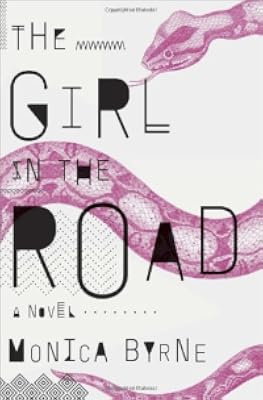
The triple thread structure is handled really adeptly, with several striking plot twists and a sustained building up of tension. I found the whole narrative utterly compelling and beguiling. Byrne's writing is vivid and sensual; if you don't love caves at the beginning of the novel then you certainly will by the end. I also enjoyed the afterword detailing influences and references. Her first novel [b:The Girl in the Road|18297954|The Girl in the Road|Monica Byrne|https://i.gr-assets.com/images/S/compressed.photo.goodreads.com/books/1379897131l/18297954._SY75_.jpg|25782502] is great too, but I found [b:The Actual Star|56304414|The Actual Star|Monica Byrne|https://i.gr-assets.com/images/S/compressed.photo.goodreads.com/books/1618279333l/56304414._SX50_.jpg|86058464] more ambitious, immersive, and thought-provoking. It's a wonderful combination of unusual elements that work together brilliantly. I highly recommend it. show less
The triple thread structure is handled really adeptly, with several striking plot twists and a sustained building up of tension. I found the whole narrative utterly compelling and beguiling. Byrne's writing is vivid and sensual; if you don't love caves at the beginning of the novel then you certainly will by the end. I also enjoyed the afterword detailing influences and references. Her first novel [b:The Girl in the Road|18297954|The Girl in the Road|Monica Byrne|https://i.gr-assets.com/images/S/compressed.photo.goodreads.com/books/1379897131l/18297954._SY75_.jpg|25782502] is great too, but I found [b:The Actual Star|56304414|The Actual Star|Monica Byrne|https://i.gr-assets.com/images/S/compressed.photo.goodreads.com/books/1618279333l/56304414._SX50_.jpg|86058464] more ambitious, immersive, and thought-provoking. It's a wonderful combination of unusual elements that work together brilliantly. I highly recommend it. show less
Parallel stories from 1012, 2012, and 3012, centering around Actun Tunichil Muknal, a cave sacred to the Maya as the entrance to the underworld Xibalba.
In 1012, the royal twins Ixul and Ajul prepare for the ritual ballgame and sacrifice that will culminate with their becoming king and queen of the Mayan city Tzoyna, and their little sister Ket performs a ritual bloodletting and sees visions.
In 2012, Leah Oliveri from Minnesota makes a trip to Belize, where her unknown Mayan father was from, and visits Actun Tunichil Muknal with tour guides Xander and Javier, two estranged twins.
In 3012, sofist Niloux deCayo promulgates heresy against the religion of Saint Leah, while scrupe Tanaaj deCayo rails against her, leading to a schism that show more threatens the strange but idyllic way of life of the viajeras.
Byrne researched this book extensively, and it shows in the detailed, well-realized world of Ixul and Ajul, and in the understanding of tourism and Mayan culture in contemporary Belize. The rituals of the future religion of LaViaja are cleverly used to illuminate the 1012 and especially the 2012 stories.
The epic scope of the novel allows Byrne to cover a lot of ground, from mysticism to “the tourist gaze” to cultural identity to climate change. But the nature of the telling, often at one remove, resolved some characters’ stories in a way that I found distancing and unsatisfying.
At first, I thought the audiobook was a terrible mistake. There are a lot of non-English words and neologisms: Spanish, Creole, Mayan, and the invented words of the 3012 culture. The audiobook comes with a PDF containing a glossary, without which I almost certainly would have abandoned the audio version, but I’m glad I stuck with it. Each of the readers does a terrific job with the pronunciations, and eventually I got into the rhythm of the strange new words, so that they sounded natural and were perhaps less distracting than if I were reading them on paper. show less
In 1012, the royal twins Ixul and Ajul prepare for the ritual ballgame and sacrifice that will culminate with their becoming king and queen of the Mayan city Tzoyna, and their little sister Ket performs a ritual bloodletting and sees visions.
In 2012, Leah Oliveri from Minnesota makes a trip to Belize, where her unknown Mayan father was from, and visits Actun Tunichil Muknal with tour guides Xander and Javier, two estranged twins.
In 3012, sofist Niloux deCayo promulgates heresy against the religion of Saint Leah, while scrupe Tanaaj deCayo rails against her, leading to a schism that show more threatens the strange but idyllic way of life of the viajeras.
Byrne researched this book extensively, and it shows in the detailed, well-realized world of Ixul and Ajul, and in the understanding of tourism and Mayan culture in contemporary Belize. The rituals of the future religion of LaViaja are cleverly used to illuminate the 1012 and especially the 2012 stories.
The epic scope of the novel allows Byrne to cover a lot of ground, from mysticism to “the tourist gaze” to cultural identity to climate change. But the nature of the telling, often at one remove, resolved some characters’ stories in a way that I found distancing and unsatisfying.
At first, I thought the audiobook was a terrible mistake. There are a lot of non-English words and neologisms: Spanish, Creole, Mayan, and the invented words of the 3012 culture. The audiobook comes with a PDF containing a glossary, without which I almost certainly would have abandoned the audio version, but I’m glad I stuck with it. Each of the readers does a terrific job with the pronunciations, and eventually I got into the rhythm of the strange new words, so that they sounded natural and were perhaps less distracting than if I were reading them on paper. show less
I will always be grateful to John Scalzi and his blog "Whatever" and especially for his turning the blog over to other writers frequently so that they can talk about the Big Idea that caused them to write a book. That's how I learned about this book. Monica Byrne's explanation of how a trip to Belize which included visiting a cave that had been used by ancient Mayans affected her was so vibrant that I knew I had to read the book. Fortunately my library got a copy.
There are three timelines in the book: 1012 AD which involves a royal Mayan household, 2012 AD which features a half-Maya, half-American young woman, and 3012 AD in which a near-Utopian global culture based on that 2012 timeline is facing a clash of ideologies. The cave in show more Belize that Byrne entered is central to all three story arcs. In the first two sisters and a brother seek to rule their state after their parents disappear. Part of the Mayan religion is to have human sacrifices and the plan is to have the royals play a ball game against captives who, of course, are the intended sacrifices. Except things don't quite work out as intended. In 2012 Leah leaves her home in Minnesota to visit Belize where she was conceived. She meets fraternal twins Javier and Xander who both work as guides to the cave. After her first visit Leah is convinced she must return to the cave and visit the area beyond where the tours stop. She has a sexual relationship with both brothers which binds them to her and when she disappears they are profoundly affected. They set up the lifestyle of that the people of 3012 follow (called Laviaja) which involves continuously moving from place to place and meeting new people. Niloux DeCayo is in Persia when she has an epiphany that the Laviaja lifestyle was nearing its end. This heretical notion is opposed, quite strongly, by Tanaaj DeCayo and an encounter between the two is set up to occur at a grand celebration near the Belizean cave.
As the author says in her Big Idea piece "It’s a novel about the cave, yes. But it’s also the story about the origins and destiny of humanity, as told by three brave, vulnerable, fallible people making their way through history, from the collapse of the ancient Maya elites to a far-future utopia. I could never have guessed the full dimensions of what was pushing to come through me, at the time; just that I had to serve it. That feeling became my characters’ feelings: repeatedly, they are overwhelmed by a physical, noetic certainty that they must act upon." Have you ever had that feeling that you just had to do something even though it was outisde your comfort zone and, perhaps, not something you could afford to do? Did you act on it? If there's a takeaway message to this book it is that we should pay more attention to what our body and feelings are telling us and then act on that. show less
There are three timelines in the book: 1012 AD which involves a royal Mayan household, 2012 AD which features a half-Maya, half-American young woman, and 3012 AD in which a near-Utopian global culture based on that 2012 timeline is facing a clash of ideologies. The cave in show more Belize that Byrne entered is central to all three story arcs. In the first two sisters and a brother seek to rule their state after their parents disappear. Part of the Mayan religion is to have human sacrifices and the plan is to have the royals play a ball game against captives who, of course, are the intended sacrifices. Except things don't quite work out as intended. In 2012 Leah leaves her home in Minnesota to visit Belize where she was conceived. She meets fraternal twins Javier and Xander who both work as guides to the cave. After her first visit Leah is convinced she must return to the cave and visit the area beyond where the tours stop. She has a sexual relationship with both brothers which binds them to her and when she disappears they are profoundly affected. They set up the lifestyle of that the people of 3012 follow (called Laviaja) which involves continuously moving from place to place and meeting new people. Niloux DeCayo is in Persia when she has an epiphany that the Laviaja lifestyle was nearing its end. This heretical notion is opposed, quite strongly, by Tanaaj DeCayo and an encounter between the two is set up to occur at a grand celebration near the Belizean cave.
As the author says in her Big Idea piece "It’s a novel about the cave, yes. But it’s also the story about the origins and destiny of humanity, as told by three brave, vulnerable, fallible people making their way through history, from the collapse of the ancient Maya elites to a far-future utopia. I could never have guessed the full dimensions of what was pushing to come through me, at the time; just that I had to serve it. That feeling became my characters’ feelings: repeatedly, they are overwhelmed by a physical, noetic certainty that they must act upon." Have you ever had that feeling that you just had to do something even though it was outisde your comfort zone and, perhaps, not something you could afford to do? Did you act on it? If there's a takeaway message to this book it is that we should pay more attention to what our body and feelings are telling us and then act on that. show less
I really wish I hadn't bothered to finish this.
This book has three storylines, set in 1012, 2012, and 3012. In each timeline, there is an obsession with the end of the world, and with twins. The first story is set in ancient Maya and focuses on royal twins as they come of age and take over the throne. In the second timeline, a woman from the US with Mayan heritage goes to Belize tour ancient Mayan sites, and gets caught in a conflict between twin tour guides. In 3012, the world and humanity have changed drastically - gender has been abolished, money and government don't exist, people are all nomadic and join small communities temporarily, and there is a big debate over the meaning of Xibalbá, the Mayan afterlife.
I don't shy away from show more dense books, so the giant glossary didn't intimidate me, but I also didn't find that I needed to refer to it because the terminology is explained pretty well.
The book moves very slowly, and not much happens. At first it seems like there's no connection between the three timelines, but by the end of the book it is clear that they are connected, although you can argue that the connection (aside from the suggestion that the twins are reincarnations of earlier twins) is just that people from each timeline grossly misinterpreted the events of the previous timeline.
I didn't find the future world to be even remotely believable, and everything about the conflict there felt very contrived. The 2012 story was annoying because the characters were one-dimensional and not very likeable. The 1012 story was perhaps the most interesting one, but again, the main characters were totally unlikeable. Then I got to the end and felt like there hadn't really been much point to the whole book. show less
This book has three storylines, set in 1012, 2012, and 3012. In each timeline, there is an obsession with the end of the world, and with twins. The first story is set in ancient Maya and focuses on royal twins as they come of age and take over the throne. In the second timeline, a woman from the US with Mayan heritage goes to Belize tour ancient Mayan sites, and gets caught in a conflict between twin tour guides. In 3012, the world and humanity have changed drastically - gender has been abolished, money and government don't exist, people are all nomadic and join small communities temporarily, and there is a big debate over the meaning of Xibalbá, the Mayan afterlife.
I don't shy away from show more dense books, so the giant glossary didn't intimidate me, but I also didn't find that I needed to refer to it because the terminology is explained pretty well.
The book moves very slowly, and not much happens. At first it seems like there's no connection between the three timelines, but by the end of the book it is clear that they are connected, although you can argue that the connection (aside from the suggestion that the twins are reincarnations of earlier twins) is just that people from each timeline grossly misinterpreted the events of the previous timeline.
I didn't find the future world to be even remotely believable, and everything about the conflict there felt very contrived. The 2012 story was annoying because the characters were one-dimensional and not very likeable. The 1012 story was perhaps the most interesting one, but again, the main characters were totally unlikeable. Then I got to the end and felt like there hadn't really been much point to the whole book. show less
Sometimes you really need to pay attention to the elevator pitch. While I allowed myself to be sold on the book by the blurbs, when I saw the word "reincarnation" used in regards to this novel I probably should not have picked it up. Therefore, while I can respect the ambition that went into this work, Byrne's concerns with the metaphysics of meaning are not my concerns, and I really didn't get much out of it. Possibly because I couldn't see Byrne's characters as being much more than mouthpieces for assorted philosophical positions. As always, your mileage may vary and, if you really liked Kim Stanley Robinson's "Years of Rice and Salt," there's a good chance you'll enjoy this work. For all that, I will say that I did like the note upon show more which Byrne wrapped up this novel. show less
Members
- Recently Added By
Lists

Favorite Science Fiction by Women Authors
737 works; 202 members

Favourite Science Fiction Books of the 21st Century
47 works; 8 members

Diversity in Fantasy and Science Fiction
219 works; 33 members

Female Author
1,234 works; 67 members

Top Five Books of 2022
736 works; 272 members

Political Science Fiction
43 works; 3 members
LGBTQ+ Speculative Fiction
821 works; 51 members

Global Reads: Books Set South and Central America
40 works; 7 members

Books Read in 2021
5,361 works; 114 members

Genre Benders: Historical Speculative Fiction
22 works; 7 members

Books Read in 2022
5,226 works; 115 members

Favorite Books from the 2020s
32 works; 4 members

Time-Sweep Novels
28 works; 3 members

Your favorite 20 fiction books PUBLISHED in the last five years
20 works; 1 member

Fiction With Familiar Settings
280 works; 93 members
Author Information

6+ Works 906 Members
Awards and Honors
Awards
Distinctions
Common Knowledge
- Canonical title
- The Actual Star
- Original publication date
- 2021
Classifications
Statistics
- Members
- 377
- Popularity
- 83,312
- Reviews
- 18
- Rating
- (3.69)
- Languages
- English
- Media
- Paper, Audiobook, Ebook
- ISBNs
- 8
- ASINs
- 2