
San Fransicko: Why Progressives Ruin Cities
by Michael Shellenberger
On This Page
Description
National bestselling author of APOCALYPSE NEVER skewers progressives for the mishandling of America's faltering cities. Progressives claimed they knew how to solve homelessness, inequality, and crime. But in cities they control, progressives made those problems worse. Michael Shellenberger has lived in the San Francisco Bay Area for thirty years. During that time, he advocated for the decriminalization of drugs, affordable housing, and alternatives to jail and prison. But as homeless show more encampments spread, and overdose deaths skyrocketed, Shellenberger decided to take a closer look at the problem. What he discovered shocked him. The problems had grown worse not despite but because of progressive policies. San Francisco and other West Coast cities - Los Angeles, Seattle, Portland - had gone beyond merely tolerating homelessness, drug dealing, and crime to actively enabling them. San Fransicko reveals that the underlying problem isn't a lack of housing or money for social programs. The real problem is an ideology that designates some people, by identity or experience, as victims entitled to destructive behaviors. The result is an undermining of the values that make cities, and civilization itself, possible. show lessTags
Recommendations

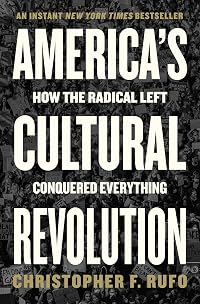



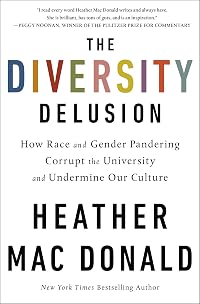
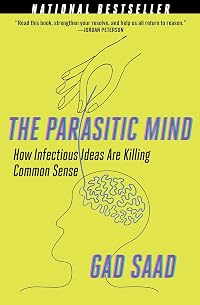
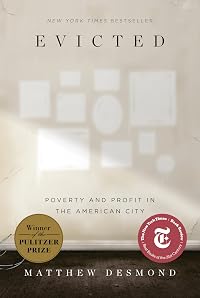













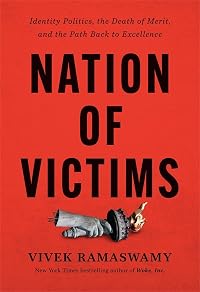
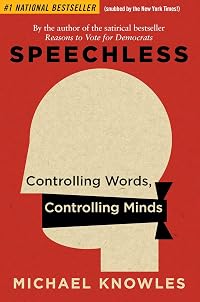

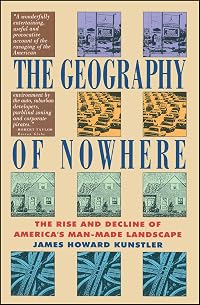
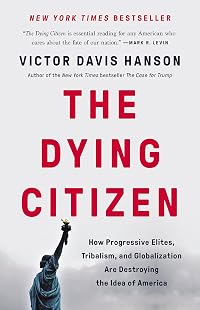












Member Reviews
Both informative and provocative. Shellenberger is most convincing at the small scale, and least convincing when he tries to draw large conclusions about, e.g., wokeness and victimization culture. I still appreciate the perspective, but would rather the pages had been spent investigating homelessness policies in more concrete detail.
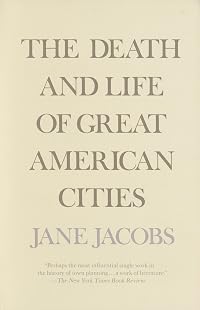
> starting in the late 1960s, Baby Boomers and the New Left turned against redevelopment. They were inspired by an influential 1961 book, The Death and Life of Great American Cities by Jane Jacobs, which blamed redevelopment, like that which had occurred in the Fillmore neighborhood of San Francisco, for destroying neighborhoods with freeways and high-rises, evicting low-income residents, and making them show more unlivable, as compared to highly walkable neighborhoods like Greenwich Village.
> There is a provision in Care Not Cash that allows recipients to get full payment if they agree to work for a nonprofit homeless service provider. “If you identify as homeless, you only get $60 per month plus food stamps because of Care Not Cash,” noted Tom Wolf. “But if you volunteer at a non-profit for twelve hours per month, you get full General Assistance payment. You collect three months before they kick you off and you never volunteered.” That’s what Tom did. “[The homelessness nonprofits’] whole intention is to keep more people in this cycle,” he said, “because they’re getting money for it.”
> There is evidence that privacy and solitude created by Housing First make substance abuse worse. A study in Ottawa found that, while the Housing First group kept people in housing longer, the comparison group saw greater reductions in alcohol consumption and problematic drug use, and greater improvements to mental health, after two years.
> California has a 30 percent higher rate of mentally ill people in jails, and a 91 percent higher rate of mentally ill people on the streets or in homeless shelters, than the nation as a whole, despite spending $7,300 per patient on mental health services, which is 50 percent more than the national average.
> for Mizner and the ACLU, the mentally ill are too impaired to be held accountable for breaking the law but not impaired enough to justify the same kind of treatment we provide to other people suffering mental disabilities, such as dementia. Understanding this, and the power of the ACLU in progressive cities and states such as San Francisco and California, goes a long way toward understanding the addiction, untreated mental illness, and homelessness crisis.
> Just 2 percent of Americans who graduate from high school, live in a family with at least one full-time worker, and wait to have children until after turning twenty-one and marrying, in what is known as the “success sequence,” are in poverty. According to research by the Brookings Institution, 70 percent of those who follow the success sequence enjoy middle-class or higher incomes, defined as at least 300 percent of the poverty line.
> There is evidence that probation programs that are “swift, certain, and fair” reduce arrests, recidivism, and drug use in probationers, in contrast to traditional programs, which tend to be arbitrary and slow with punishments. One such program is Hawaii’s Opportunity Probation with Enforcement. It incentivized offenders to follow probation rules by applying guaranteed, immediate, and short jail time for parole violations like failing a drug test. One study found that HOPE reduced drug use by 72 percent, future arrests by 55 percent, and incarceration by 48 percent.
… The state of Washington implemented it for 70,000 of its inmates, which reduced jail stays by two-thirds. One researcher estimated that swift, certain, and fair could halve the United States’ prison population
> The decline of traditional religion has allowed for the rise of untraditional ones. Unlike traditional religions, many untraditional religions are largely invisible to the people who hold them most strongly. A secular religion like victimology is powerful because it meets the contemporary psychological, social, and spiritual needs of its believers, but also because it appears obvious, not ideological, to them
> Between 2010 and 2020, the number of homeless rose by 31 percent in California but declined 19 percent in the rest of the United States.2 As a result, there were, as of 2020, at least 161,000 total homeless people in California, with about 114,000 of them unsheltered,
> it also has to do with the neoliberal model of outsourcing services. Instead of governments providing such services directly, they give grants to nonprofit service providers who are unaccountable for their performance. “There is no statutory requirement for government to address homelessness,” complained University of Pennsylvania researcher Dennis Culhane. “It’s mainly the domain of a bunch of charities who are unlicensed, unfunded, relatively speaking, run by unqualified people who do a shitty job. There’s no formal government responsibility.
> They divert funding from homeless shelters to permanent supportive housing, resulting in insufficient shelter space. They defend the right of people they characterize as Victims to camp on sidewalks, in parks, and along highways, as well as to break other laws, including against public drug use and defecation. They intimidate experts, policy makers, and journalists by attacking them as being motivated by a hatred of the poor, people of color, and the sick, and as causing violence against them. They reduce penalties for shoplifting, drug dealing, and public drug use. They prefer homelessness and incarceration to involuntary hospitalization for the mentally ill and addicted. And their ideology blinds them to the harms of harm reduction, Housing First, and camp-anywhere policies, leading them to misattribute the addiction, untreated mental illness, and homeless crisis to poverty and to policies and politicians dating back to the 1980s.
> What California needs is a new, single, and powerful state agency. Let’s call it Cal-Psych. It would be built as a separate institution from existing institutions, including state and county health departments and health providers. Cal-Psych would efficiently and humanely treat the seriously mentally ill and addicts, while providing housing to the homeless on a contingency-based system. Cal-Psych’s CEO would be best-in-class and report directly to the governor
> Too often progressive idealism creates greater loyalty to a highly romanticized view, one that allowed progressives to justify defunding and shutting down core institutions, including psychiatric hospitals, police stations, and homeless shelters show less
> starting in the late 1960s, Baby Boomers and the New Left turned against redevelopment. They were inspired by an influential 1961 book, The Death and Life of Great American Cities by Jane Jacobs, which blamed redevelopment, like that which had occurred in the Fillmore neighborhood of San Francisco, for destroying neighborhoods with freeways and high-rises, evicting low-income residents, and making them show more unlivable, as compared to highly walkable neighborhoods like Greenwich Village.
> There is a provision in Care Not Cash that allows recipients to get full payment if they agree to work for a nonprofit homeless service provider. “If you identify as homeless, you only get $60 per month plus food stamps because of Care Not Cash,” noted Tom Wolf. “But if you volunteer at a non-profit for twelve hours per month, you get full General Assistance payment. You collect three months before they kick you off and you never volunteered.” That’s what Tom did. “[The homelessness nonprofits’] whole intention is to keep more people in this cycle,” he said, “because they’re getting money for it.”
> There is evidence that privacy and solitude created by Housing First make substance abuse worse. A study in Ottawa found that, while the Housing First group kept people in housing longer, the comparison group saw greater reductions in alcohol consumption and problematic drug use, and greater improvements to mental health, after two years.
> California has a 30 percent higher rate of mentally ill people in jails, and a 91 percent higher rate of mentally ill people on the streets or in homeless shelters, than the nation as a whole, despite spending $7,300 per patient on mental health services, which is 50 percent more than the national average.
> for Mizner and the ACLU, the mentally ill are too impaired to be held accountable for breaking the law but not impaired enough to justify the same kind of treatment we provide to other people suffering mental disabilities, such as dementia. Understanding this, and the power of the ACLU in progressive cities and states such as San Francisco and California, goes a long way toward understanding the addiction, untreated mental illness, and homelessness crisis.
> Just 2 percent of Americans who graduate from high school, live in a family with at least one full-time worker, and wait to have children until after turning twenty-one and marrying, in what is known as the “success sequence,” are in poverty. According to research by the Brookings Institution, 70 percent of those who follow the success sequence enjoy middle-class or higher incomes, defined as at least 300 percent of the poverty line.
> There is evidence that probation programs that are “swift, certain, and fair” reduce arrests, recidivism, and drug use in probationers, in contrast to traditional programs, which tend to be arbitrary and slow with punishments. One such program is Hawaii’s Opportunity Probation with Enforcement. It incentivized offenders to follow probation rules by applying guaranteed, immediate, and short jail time for parole violations like failing a drug test. One study found that HOPE reduced drug use by 72 percent, future arrests by 55 percent, and incarceration by 48 percent.
… The state of Washington implemented it for 70,000 of its inmates, which reduced jail stays by two-thirds. One researcher estimated that swift, certain, and fair could halve the United States’ prison population
> The decline of traditional religion has allowed for the rise of untraditional ones. Unlike traditional religions, many untraditional religions are largely invisible to the people who hold them most strongly. A secular religion like victimology is powerful because it meets the contemporary psychological, social, and spiritual needs of its believers, but also because it appears obvious, not ideological, to them
> Between 2010 and 2020, the number of homeless rose by 31 percent in California but declined 19 percent in the rest of the United States.2 As a result, there were, as of 2020, at least 161,000 total homeless people in California, with about 114,000 of them unsheltered,
> it also has to do with the neoliberal model of outsourcing services. Instead of governments providing such services directly, they give grants to nonprofit service providers who are unaccountable for their performance. “There is no statutory requirement for government to address homelessness,” complained University of Pennsylvania researcher Dennis Culhane. “It’s mainly the domain of a bunch of charities who are unlicensed, unfunded, relatively speaking, run by unqualified people who do a shitty job. There’s no formal government responsibility.
> They divert funding from homeless shelters to permanent supportive housing, resulting in insufficient shelter space. They defend the right of people they characterize as Victims to camp on sidewalks, in parks, and along highways, as well as to break other laws, including against public drug use and defecation. They intimidate experts, policy makers, and journalists by attacking them as being motivated by a hatred of the poor, people of color, and the sick, and as causing violence against them. They reduce penalties for shoplifting, drug dealing, and public drug use. They prefer homelessness and incarceration to involuntary hospitalization for the mentally ill and addicted. And their ideology blinds them to the harms of harm reduction, Housing First, and camp-anywhere policies, leading them to misattribute the addiction, untreated mental illness, and homeless crisis to poverty and to policies and politicians dating back to the 1980s.
> What California needs is a new, single, and powerful state agency. Let’s call it Cal-Psych. It would be built as a separate institution from existing institutions, including state and county health departments and health providers. Cal-Psych would efficiently and humanely treat the seriously mentally ill and addicts, while providing housing to the homeless on a contingency-based system. Cal-Psych’s CEO would be best-in-class and report directly to the governor
> Too often progressive idealism creates greater loyalty to a highly romanticized view, one that allowed progressives to justify defunding and shutting down core institutions, including psychiatric hospitals, police stations, and homeless shelters show less
Лос Анжелис и Сан Франциско доскоро бяха райската градина на западния бряг на САЩ - големи, либерални градове, удобни, приятни, с чудесен климат, отлично уредени, те предлагаха (и продължават да предлагат) огромни възможности както за всякакъв вид професионално развитие, така и за всякакъв вид увеселения.
В последните години обаче нещо рязко се случва с тия градове и те вече не са толкова приятни. Цените на show more жилищата и наемите там са абсурдно големи и най-високите в цялата страна, а дребната и насилствената престъпност се увеличава със застрашителни темпове, а улиците са засипани от човешки изпражнения и използвани спринцовки, резултат от най-голямата "епидемия" от бездомни хора в света. Които бездомни хора спят в палатки посред улици и паркове и са в голямата си част наркозависими и/или психичноболни.
Българската пословица казва "Каквото посееш, това ще жънеш", а икономическата пословица в същия смисъл е "За каквото плащаш, това ще получиш". Съответно, от десетилетия тия два града, заедно с много други управлявани непрестанно по "прогресивния" метод градове в САЩ (които сега имат същите проблеми), дават огромни количества пари за бездомните, намаляват присъдите за всякакви престъпления, въвеждат контрол на цените на наемите.
И разбира се, получават това, за което плащат - плащат за бездомни, получават... бездомни. Намаляват "цената" на престъпленията (цената на престъпленията се плаща със затвор, нали) - получават престъпност. Намаляват някои наеми - всички останали наеми скачат главоломно...
И така, докато чета тая книга, аз си мисля за нашенските начини за справяне с някои проблеми на обществото и как от "запад" се опитват да ни вкарват някакви прогресивни, "европейски" и много "хуманни" методи, защото нали, това е то прогресът на човечеството. Само дето някои от тия методи ги виждаме колко работят и съм бая скептичен към тях. show less
В последните години обаче нещо рязко се случва с тия градове и те вече не са толкова приятни. Цените на show more жилищата и наемите там са абсурдно големи и най-високите в цялата страна, а дребната и насилствената престъпност се увеличава със застрашителни темпове, а улиците са засипани от човешки изпражнения и използвани спринцовки, резултат от най-голямата "епидемия" от бездомни хора в света. Които бездомни хора спят в палатки посред улици и паркове и са в голямата си част наркозависими и/или психичноболни.
Българската пословица казва "Каквото посееш, това ще жънеш", а икономическата пословица в същия смисъл е "За каквото плащаш, това ще получиш". Съответно, от десетилетия тия два града, заедно с много други управлявани непрестанно по "прогресивния" метод градове в САЩ (които сега имат същите проблеми), дават огромни количества пари за бездомните, намаляват присъдите за всякакви престъпления, въвеждат контрол на цените на наемите.
И разбира се, получават това, за което плащат - плащат за бездомни, получават... бездомни. Намаляват "цената" на престъпленията (цената на престъпленията се плаща със затвор, нали) - получават престъпност. Намаляват някои наеми - всички останали наеми скачат главоломно...
И така, докато чета тая книга, аз си мисля за нашенските начини за справяне с някои проблеми на обществото и как от "запад" се опитват да ни вкарват някакви прогресивни, "европейски" и много "хуманни" методи, защото нали, това е то прогресът на човечеството. Само дето някои от тия методи ги виждаме колко работят и съм бая скептичен към тях. show less
This book is a great read for someone who is looking to understand the problems facing big cities. The author does a great job describing the policies and attitudes that are contributing to the increase of homelessness, drug use and crime. However the solutions suggested are unrealistic and ignore the reality of California politics.
Ratings
Members
- Recently Added By
Lists

If Books Could Kill Podcast
52 works; 1 member
Author Information
10+ Works 864 Members
Classifications
- Genres
- Sociology, Politics and Government, Nonfiction, General Nonfiction
- DDC/MDS
- 307.760978 — Society, government, & culture Social sciences, sociology & anthropology Communities Specific kinds of communities Urban communities Biography And History North America Western U.S.
- LCC
- HT123.5 .W48 .S54 — Social sciences Communities. Classes. Races Communities. Classes. Races Urban groups. The city. Urban sociology
- BISAC
Statistics
- Members
- 200
- Popularity
- 163,688
- Reviews
- 3
- Rating
- (3.69)
- Languages
- English
- Media
- Paper, Audiobook, Ebook
- ISBNs
- 5
- ASINs
- 4