Thyestes
by Lucius Annaeus Seneca, the Younger
65 Members (3.63)
On This Page
Description
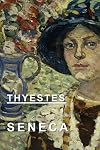
A violent tragedy by a contemporary of Nero, in a faithful and uncut translation by one of our leading dramatists. Atreus, Agamemnon's father, takes revenge on his brother Thyestes by murdering Thyestes's sons and serving their flesh up for their father's dinner. 'a bleakly eloquent new translation... leaves you deeply impressed' - Sunday Times 'It is a sign of Ms Churchill's success that, without rubbing in any parallels, her version constantly prompts thoughts... of the ethics of show more revenge, of the latest reports from Rwanda, of what has happened in its time on all five continents' - Sun show lessTags
Recommendations


















Member Reviews
Members
- Recently Added By
Lists

My Play Collection
769 works; 3 members
Author Information

1,195+ Works 17,791 Members
Seneca was born in Spain of a wealthy Italian family. His father, Lucius Annaeus Seneca (see Vol. 4), wrote the well-known Controversaie (Controversies) and Suasoriae (Persuasions), which are collections of arguments used in rhetorical training, and his nephew Lucan was the epic poet of the civil war. Educated in rhetoric and philosophy in Rome, show more he found the Stoic doctrine especially compatible. The younger Seneca became famous as an orator but was exiled by the Emperor Claudius. He was recalled by the Empress Agrippina to become the tutor of her son, the young Nero. After the first five years of Nero's reign, Agrippina was murdered and three years later Octavia, Nero's wife, was exiled. Seneca retired as much as possible from public life and devoted himself to philosophy, writing many treatises at this time. But in 65 he was accused of conspiracy and, by imperial order, committed suicide by opening his veins. He was a Stoic philosopher and met his death with Stoic calm. Seneca's grisly tragedies fascinated the Renaissance and have been successfully performed in recent years. All ten tragedies are believed genuine, with the exception of Octavia, which is now considered to be by a later writer. Translations of the tragedies influenced English dramatists such as Jonson (see Vol. 1), Marlowe (see Vol. 1), and Shakespeare (see Vol. 1), who all imitated Seneca's scenes of horror and his characters---the ghost, nurse, and villain. (Bowker Author Biography) show less
Some Editions
Work Relationships
Classifications
Statistics
- Members
- 65
- Popularity
- 479,936
- Rating
- (3.63)
- Languages
- 5 — English, German, Italian, Latin, Multiple languages
- Media
- Paper, Ebook
- ISBNs
- 12
- ASINs
- 2