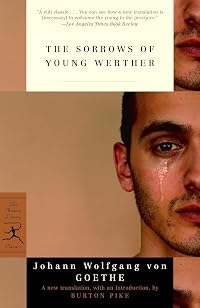
The Sorrows of Young Werther
by Johann Wolfgang von Goethe
On This Page
Description
The 1774 publication of the epistolary novel The Sorrows of Young Werther transformed its 24-year-old author, Johann Wolfgang von Goethe, into a world-renowned literary sensation virtually overnight. The story centers on Werther, a highly sensitive artist who has channeled his passionate temperate into his unrequited love for Lotte, a beautiful young lady who is still reeling from the aftermath of her mother's death. Regarded as a masterpiece of the Romantic era, this lyrical meditation on show more love and loss will resonate with anyone whose affections have been spurned.. show less
Tags
Recommendations



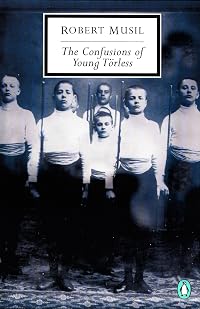

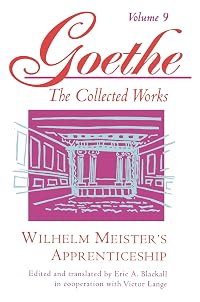
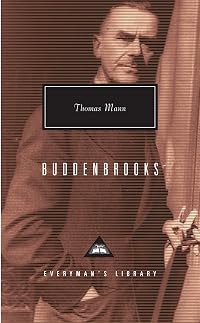

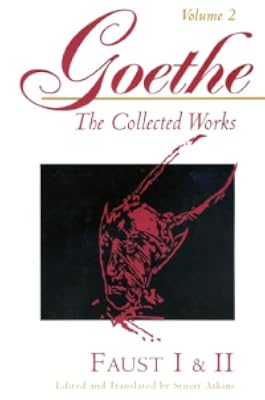








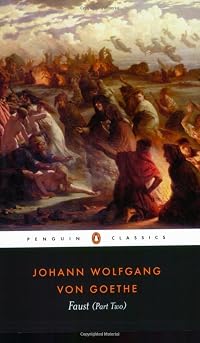
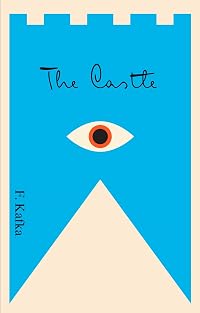
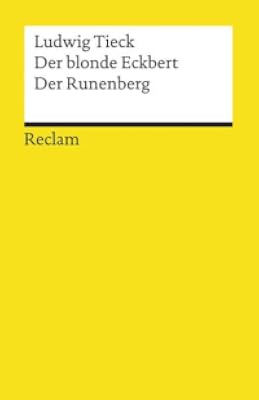
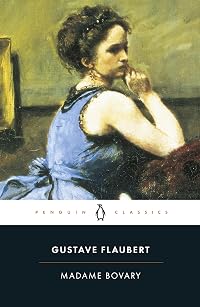

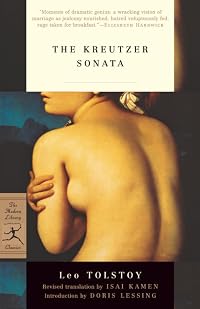



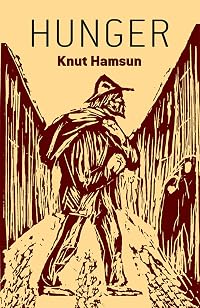

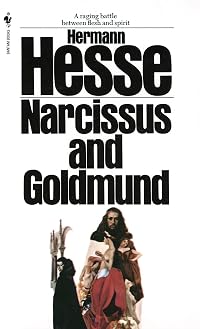

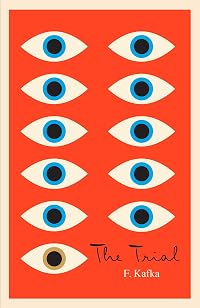







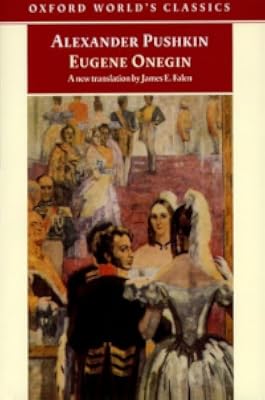
Member Recommendations
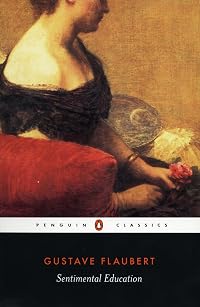
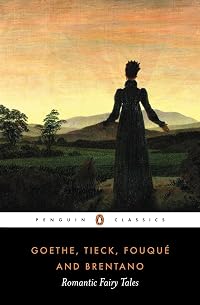
hpfilho Both are extremely romantic stories about a platonic love.
31


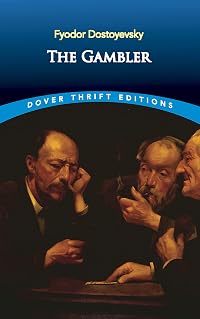
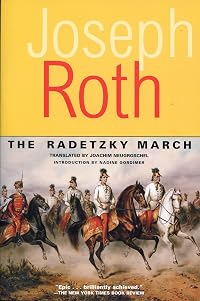
bluepiano A very fetching modern variation of Goethe's novel.
Also recommended by JuliaMaria
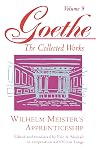
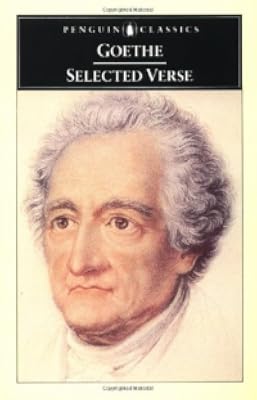
Cecrow Wilhelm Meister appears in 'Werther'.

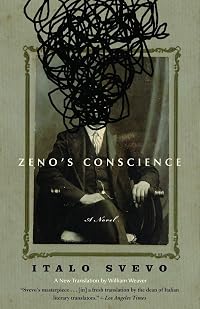
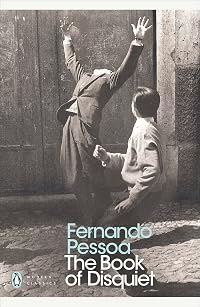
bluepiano A more easily swallowed and autobiographical German tale of unrequited love, from the late 1930s.


by Adriel.Watt

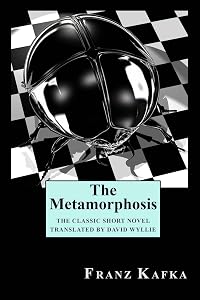
Cecrow Mann developed his narrative almost as a response to Goethe's novel The Sorrows of Young Werther.
Member Reviews
Werther was one of the first cult novels in European history, arguably the book that put the novel solidly in place as the dominant literary form for the next couple of centuries. It was condemned by the older generation, provoked a new trend in men's fashion, was blamed for a wave of teenage suicides, and generally had all the attributes we now attach to fads like Pokemon Go and self-driving cars...
It's probably a book you need to read in your teens. Re-reading it in later life, it's difficult to feel much sympathy for Werther, who insists on falling in love with a young woman who is already engaged to someone else, makes a nuisance of himself by stalking her, and then makes everyone's life even more miserable by killing himself. In show more the final pages of the novel, he acts like a tenor in the last act of an opera - every time you think he's finished and is about to pull the trigger, he steps back and adds a couple more paragraphs to his already voluminous suicide note. "Enough already!", readers have been wanting to shout for the last two centuries.
It's an exasperating and profoundly foolish book in many ways, but it also has some very beautiful passages, so not a complete waste of time, but it's definitely best-read when you're in the mood for the love-lorn. show less
It's probably a book you need to read in your teens. Re-reading it in later life, it's difficult to feel much sympathy for Werther, who insists on falling in love with a young woman who is already engaged to someone else, makes a nuisance of himself by stalking her, and then makes everyone's life even more miserable by killing himself. In show more the final pages of the novel, he acts like a tenor in the last act of an opera - every time you think he's finished and is about to pull the trigger, he steps back and adds a couple more paragraphs to his already voluminous suicide note. "Enough already!", readers have been wanting to shout for the last two centuries.
It's an exasperating and profoundly foolish book in many ways, but it also has some very beautiful passages, so not a complete waste of time, but it's definitely best-read when you're in the mood for the love-lorn. show less
The fact that so many people read it merely as a melancholic tale of unrequited love, kind of corroborates how we, in general, are unequipped to naturally reflect on the amazing complexity of a being's existence in time. In fact, regardless of its biographical bent, this beautiful narrative is as much about the inexplicable nature of our very existence. It is a simple and strong statement regarding man's fateful desires and seemingly blurred lines between the free-will and determination. In other words, its Goethe's way of asking whether a man can choose to be happy or to put it more precisely: is it possible to achieve happiness as an ideal or even pursue it, without being perturbed by nature's innumerable dictating factors?
Therefore, show more besides being a heartsick soliloquy of an enervating young lover, its also about those walnut trees which were cut down by the vicar's wife, those tears in the schoolmaster's eyes who broke that news or the little Hans who just stop existing one day.
Those of us who do not have enough literary skills to appreciate the true sorrow in Greek tragedy, would perhaps find nothing better to shed a spontaneous tear or two. show less
Therefore, show more besides being a heartsick soliloquy of an enervating young lover, its also about those walnut trees which were cut down by the vicar's wife, those tears in the schoolmaster's eyes who broke that news or the little Hans who just stop existing one day.
Those of us who do not have enough literary skills to appreciate the true sorrow in Greek tragedy, would perhaps find nothing better to shed a spontaneous tear or two. show less
I expected to dismiss this book, having read others' reviews in advance. Goethe himself often wished it forgotten after he wrote it, when it still haunted his legacy. Maybe he felt embarrassed by the biographical aspect and his own youthful foolishness. He was too hard on himself. It may be easy to deride Werther's sorrows and weakness, but Goethe did a fine job of capturing youth's irrational passions. There's a reason why it's so hard for adults to relate to teenagers, and I think this classic sums it up perfectly.
Werther has to start high before he can fall, and he begins very high. His adoration of a pastoral scene is enough to trigger tears of happiness in him, demonstrating how commanded he is by emotional highs and lows. A storm show more is brewing - literally, as he is about to meet Charlotte for the first time. At first he is merely an admirer, desirous of her company but not overly wounded that she is engaged to Albert. He is still full enough of life that he can argue with Albert that moroseness is a sin: extreme dramatic irony on a re-read. But gradually admiration turns to obsession, as he begins to idealize his love and then encounters hardships with his attempt at a career, doubled by the impending marriage of Charlotte and Albert becoming fact. After that it's a swift slide to the bottom.
Interesting arguments surface. Werther compares a wounded heart to dying of a disease; that there can only be so much pain before one's endurance is overcome, no matter how determined the mindset. Here he clearly ranks emotion above reason as the force which commands him. With this imbalance locked in, no appeal can save him. At this point the reader's loathing is liable to be set in as well. Just snap out of it! Accept what is, and move on! It's compounded by Werther being directionless and possibly too proud and lazy for his own good. He lives off his mother's allowance, and how old is he? Clearly I'm thinking like a parent, or at least a mature adult. To understand this character, I need to cast my mind further back.
Can I never recall admiration for an unobtainable girl that led beyond reason? It would be a cold, hard life I've led if I could not. In youth our passions command us. We can hear and speak reason, but only within the context of values largely determined by our feelings. Urgency comes from desiring the company of an ideal vision of the opposite sex, unaware how much we are projecting onto the nearest target and value accordingly beyond what reason dictates. Puppy love transgresses into puppy idolization, to the detriment of the worshiper and the worshiped. I choose to pity Werther out of sympathy, but only up to the point where he contemplates suicide. That state is only obtainable by the sustaining of blind romantic notion far beyond anything I achieved. It is a reality that some are not so lucky. To deride Werther is to deride all youth who give way to irrational despair. Understand him, and you may perceive a life to be saved. show less
Werther has to start high before he can fall, and he begins very high. His adoration of a pastoral scene is enough to trigger tears of happiness in him, demonstrating how commanded he is by emotional highs and lows. A storm show more is brewing - literally, as he is about to meet Charlotte for the first time. At first he is merely an admirer, desirous of her company but not overly wounded that she is engaged to Albert. He is still full enough of life that he can argue with Albert that moroseness is a sin: extreme dramatic irony on a re-read. But gradually admiration turns to obsession, as he begins to idealize his love and then encounters hardships with his attempt at a career, doubled by the impending marriage of Charlotte and Albert becoming fact. After that it's a swift slide to the bottom.
Interesting arguments surface. Werther compares a wounded heart to dying of a disease; that there can only be so much pain before one's endurance is overcome, no matter how determined the mindset. Here he clearly ranks emotion above reason as the force which commands him. With this imbalance locked in, no appeal can save him. At this point the reader's loathing is liable to be set in as well. Just snap out of it! Accept what is, and move on! It's compounded by Werther being directionless and possibly too proud and lazy for his own good. He lives off his mother's allowance, and how old is he? Clearly I'm thinking like a parent, or at least a mature adult. To understand this character, I need to cast my mind further back.
Can I never recall admiration for an unobtainable girl that led beyond reason? It would be a cold, hard life I've led if I could not. In youth our passions command us. We can hear and speak reason, but only within the context of values largely determined by our feelings. Urgency comes from desiring the company of an ideal vision of the opposite sex, unaware how much we are projecting onto the nearest target and value accordingly beyond what reason dictates. Puppy love transgresses into puppy idolization, to the detriment of the worshiper and the worshiped. I choose to pity Werther out of sympathy, but only up to the point where he contemplates suicide. That state is only obtainable by the sustaining of blind romantic notion far beyond anything I achieved. It is a reality that some are not so lucky. To deride Werther is to deride all youth who give way to irrational despair. Understand him, and you may perceive a life to be saved. show less
I had somehow mentally classified Goethe as "difficult to read classics" and had avoided him thus far. But somehow when I saw this charming little volume at my beloved bookstore's "going out of business" sale, I couldn't resist it.
And it was charming. And not difficult to read at all. Told mostly in letters, and letters only from Young Werther, we get none of the replies at all -- we get not only a one-sided but a "how I want to represent myself to my friend" side of a young man's descent into romantic obsession with a woman he cannot have. Part of what makes it so fascinating is how many chances and choices he had along the way -- to realize this path would never make him happy, could only end in misery, to choose to go somewhere else, show more give himself a chance to love someone else. But at the same time, making those different choices would make him a different person. So do any of us really have any choice at all? show less
And it was charming. And not difficult to read at all. Told mostly in letters, and letters only from Young Werther, we get none of the replies at all -- we get not only a one-sided but a "how I want to represent myself to my friend" side of a young man's descent into romantic obsession with a woman he cannot have. Part of what makes it so fascinating is how many chances and choices he had along the way -- to realize this path would never make him happy, could only end in misery, to choose to go somewhere else, show more give himself a chance to love someone else. But at the same time, making those different choices would make him a different person. So do any of us really have any choice at all? show less
Wow. I do not even know where to start with this.
Yes, there are spoilers. Beware!
Werther is, in so many words, a stalker.
Mourning the death of a young woman (girlfriend? arranged match?), he falls for an engaged woman, Charlotte. He stays at her house as invited, ingratiates himself to her father (a family friend?) and young siblings. Her mother is deceased, she has no female guidance.
She marries. He hangs about. Her husband tolerates him. Makes polite upper-class efforts to get him to go away.
She tries to get him to not come around.
He comes around anyway.
A man in the area kills a rival for a woman's affection. Werther actively defends him.
Werther admits that he has considered murdering Charlotte's husband, because he just knows he and show more Charlotte are perfect for each other. At least he knows this is the wrong course of action.
He doesn't, which is the only good thing about this book.
I very rarely give a book one star. Especially if I have read the whole thing, I will quit a book if it is that bad. But this is a 1001 books list book, not long, and not difficult. Just infuriating. How can we be feeling for this sort of man, still?! I feel no sympathy for him. I feel sympathy for the murdered man and the poor woman caught in the middle. I feel sympathy for Charlotte, caught in something she doesn't want to be part of. I feel for her husband, Albert, who wants Werther gone but is so trapped by upper class mores that he can effectively do little. But sympathy for Werther? No. show less
Yes, there are spoilers. Beware!
Werther is, in so many words, a stalker.
Mourning the death of a young woman (girlfriend? arranged match?), he falls for an engaged woman, Charlotte. He stays at her house as invited, ingratiates himself to her father (a family friend?) and young siblings. Her mother is deceased, she has no female guidance.
She marries. He hangs about. Her husband tolerates him. Makes polite upper-class efforts to get him to go away.
She tries to get him to not come around.
He comes around anyway.
A man in the area kills a rival for a woman's affection. Werther actively defends him.
Werther admits that he has considered murdering Charlotte's husband, because he just knows he and show more Charlotte are perfect for each other. At least he knows this is the wrong course of action.
He doesn't, which is the only good thing about this book.
I very rarely give a book one star. Especially if I have read the whole thing, I will quit a book if it is that bad. But this is a 1001 books list book, not long, and not difficult. Just infuriating. How can we be feeling for this sort of man, still?! I feel no sympathy for him. I feel sympathy for the murdered man and the poor woman caught in the middle. I feel sympathy for Charlotte, caught in something she doesn't want to be part of. I feel for her husband, Albert, who wants Werther gone but is so trapped by upper class mores that he can effectively do little. But sympathy for Werther? No. show less
Before I can even begin to address the substance of The Sorrows of Young Werther, I first have to talk about nicknames. Nicknames, in theory at least, should be used only when they make a person's name both easier and more enjoyable to say. If someone is named Nicholas, calling him "Nick" or "Nicky" might be convenient and endearing. Calling a woman named Charlotte "Lotte" is neither of those things. The name Lotte conjures up the image (at best) of a very unpleasant, broad-faced woman, or, if you've spent much time with the Old Testament, the husband of a salt lick. Charlotte is a pretty name. Lotte is a grotesque one. Werther's decision to call Charlotte "Lotte" while continuing to call Wilhelm "Wilhelm" rather than Wil or Will or show more whatever is utterly ridiculous.
Unfortunately, his choice in nickname for his love interest is just one of many of Werther's failures in Goethe's semi-autobiographical epistolary novel. He falls in love with a woman he can't have, allows her to become his obsession, and then shoots himself after weeks of terrible suffering. Not exactly a banner 18-month stretch.
W.H. Auden, who wrote the forward to my edition, didn't feel much sympathy for Werther, calling him a "horrible little monster." I wouldn't go that far, as I find myself empathizing with some of his emotional turmoil, but dude, the world doesn't revolve around you. As someone who finds value in Romanticism and Romantic literature, I'm often frustrated by the way that passion and egoism seem to link together so frequently. In my dream world, profound feelings for both people and nature would make a man want to serve the people and things he cares about rather than weep bitter tears every time whatever he happens to love isn't just handed to him, but for whatever dumb reason, we don't live in my dream world. We live in a world where unrequited love makes one person a victim and the other an antagonist even if both people are acting on their honest emotions.
That being said, I'm not even entirely convinced that what Werther felt for Lotte was love at all. If you truly love someone, and you believe that they love you (as Werther did the last day of his life), then how do you ever make the decision that causing the person you love unimaginable pain is worth escaping your own pain? I don't even think a man as self-absorbed as Werther could justify that. I know next to nothing about mental illness, but I have a much easier time believing that his obsession with Lotte was the result of forces outside of his control rather than her charming personality and skill with a clavichord.
Weirdly enough, despite all that Werther went through, I don't believe that he'd see The Sorrows of Young Werther entirely as a tragedy. Rightly or wrongly (definitely wrongly), this was the kind of life that Werther wanted to live, the way he maintained that life should be lived. "I treat my heart like a sick child," he wrote, "and gratify its every fancy." His heart led him to a place no one should have to go, but at the very least, the journey there was the kind in which he believed.
Also, thank God kissing strangers' children is no longer a thing. Why was that ever a thing? show less
Unfortunately, his choice in nickname for his love interest is just one of many of Werther's failures in Goethe's semi-autobiographical epistolary novel. He falls in love with a woman he can't have, allows her to become his obsession, and then shoots himself after weeks of terrible suffering. Not exactly a banner 18-month stretch.
W.H. Auden, who wrote the forward to my edition, didn't feel much sympathy for Werther, calling him a "horrible little monster." I wouldn't go that far, as I find myself empathizing with some of his emotional turmoil, but dude, the world doesn't revolve around you. As someone who finds value in Romanticism and Romantic literature, I'm often frustrated by the way that passion and egoism seem to link together so frequently. In my dream world, profound feelings for both people and nature would make a man want to serve the people and things he cares about rather than weep bitter tears every time whatever he happens to love isn't just handed to him, but for whatever dumb reason, we don't live in my dream world. We live in a world where unrequited love makes one person a victim and the other an antagonist even if both people are acting on their honest emotions.
That being said, I'm not even entirely convinced that what Werther felt for Lotte was love at all. If you truly love someone, and you believe that they love you (as Werther did the last day of his life), then how do you ever make the decision that causing the person you love unimaginable pain is worth escaping your own pain? I don't even think a man as self-absorbed as Werther could justify that. I know next to nothing about mental illness, but I have a much easier time believing that his obsession with Lotte was the result of forces outside of his control rather than her charming personality and skill with a clavichord.
Weirdly enough, despite all that Werther went through, I don't believe that he'd see The Sorrows of Young Werther entirely as a tragedy. Rightly or wrongly (definitely wrongly), this was the kind of life that Werther wanted to live, the way he maintained that life should be lived. "I treat my heart like a sick child," he wrote, "and gratify its every fancy." His heart led him to a place no one should have to go, but at the very least, the journey there was the kind in which he believed.
Also, thank God kissing strangers' children is no longer a thing. Why was that ever a thing? show less
Maybe it was reading about his sorrows after only three hours of sleep, but I just wanted to shake Young Werther. It’s interesting, really, that Goethe seems to retain some distance from Werther despite much of the narrative being told in the first person. I did not feel that Goethe necessarily asked the reader to wholly sympathise with his protagonist. (Especially when Werther argues that a murderer should be set free because he did it for love. Cool motive, still murder.) Personally, I was much more inclined to sympathise with Lotte, who behaved in an astonishingly kind and sensitive manner towards this unbalanced young man who was obsessed with her. Nonetheless, the portrait of Werther is an interesting and convincing one. His show more obsession with nature comes through strikingly, and seems to feed his frustration with society in general and Lotte’s choice of Albert in particular. The manner in which he objectifies Lotte as something that should belong to him is sadly plausible and his descent from euphoria into suicidal depression is told with beautiful turns of phrase.
The introduction (which I read last, as always) gives a fascinating insight into the context and reception of the novel. I think the latter is best summarised by this Kate Beaton cartoon. I did find Young Werther’s melodrama hard to take seriously at times. Sleep deprivation renders me even less romantic than usual and I have never had much time for male characters who cannot accept that a woman does not want to date them. Literally everyone tells Werther to move on, his tragedy is that he fails to. show less
The introduction (which I read last, as always) gives a fascinating insight into the context and reception of the novel. I think the latter is best summarised by this Kate Beaton cartoon. I did find Young Werther’s melodrama hard to take seriously at times. Sleep deprivation renders me even less romantic than usual and I have never had much time for male characters who cannot accept that a woman does not want to date them. Literally everyone tells Werther to move on, his tragedy is that he fails to. show less
Members
- Recently Added By
Published Reviews
The legend that it generated a teenage-suicide epidemic across Europe is dubious, but the novel’s international popularity two hundred years ago can’t be overstated. ... Werther’s sorrows didn’t look petty to Goethe or to his original audience, and they ought to feel even more familiar to us.
added by paradoxosalpha
Lists

The Guardian's 1000 Novels Everyone Must Read
1,005 works; 552 members

1001 Books You Must Read Before You Die
1,448 works; 1,137 members
501 Must-Read Books
529 works; 72 members

100 Books to Read in a Lifetime (That Are Older Than 200 Years)
415 works; 176 members

Favorite Coming of Age Novels.
164 works; 51 members
Favourite Books
1,820 works; 316 members

Favorite Literary Love Stories
182 works; 100 members

Books Set in Germany
74 works; 12 members

Western World's Greatest Books - Project Gutenberg
295 works; 15 members

Short and Sweet
246 works; 24 members
LibraryThingers' 1001 Books You Must Read Before You Die
442 works; 29 members
Love and Marriage
93 works; 10 members

Harold Bloom - The Western Canon: B. The Aristocratic Age
231 works; 13 members

Epistolary Books
105 works; 27 members

1,001 BYMRBYD Concensus
723 works; 27 members

A Novel Cure
742 works; 23 members
Elegant Prose
80 works; 4 members

Most Depressing Books
69 works; 16 members

Existentialism
90 works; 11 members

In der Schule gelesen (Read in school)
13 works; 1 member

Europe
205 works; 6 members

Books Read in 2016
4,666 works; 199 members

Books Read in 2020
4,379 works; 124 members

Set in the 18th century
13 works; 4 members

Ryan Holiday's Books To Base Your Life On
97 works; 2 members

Fiction with Men's Given Names in the Title
302 works; 11 members

.
396 works; 1 member
School Made Us Read It
380 works; 197 members

DigitalDreamDoor top 300
300 works; 4 members

Recommended Reading : 600 Classics Reviewed, Editors of Salem Press, 2015
634 works; 6 members

Greatest Books, allegedly
484 works; 9 members

Books Read in 2024
4,727 works; 128 members

Mustich's 1000 Books to Read Before You Die: A Life Changing List
1,001 works; 20 members
AP Lit
363 works; 6 members

Favorite Epistolary Fiction
143 works; 144 members

Found manuscripts
35 works; 2 members

My TBR
371 works; 3 members

In Our Time books
4,934 works; 2 members
Author Information

Johann Wolfgang von Goethe, 1749-1832 Johann Wolfgang von Goethe was born in Frankfurt am Main. He was greatly influenced by his mother, who encouraged his literary aspirations. After troubles at school, he was taught at home and gained an exceptionally wide education. At the age of 16, Goethe began to study law at Leipzig University from 1765 to show more 1768, and he also studied drawing with Adam Oeser. After a period of illness, he resumed his studies in Strasbourg from 1770 to 1771. Goethe practiced law in Frankfurt for two years and in Wetzlar for a year. He contributed to the Frankfurter Gelehrte Anzeigen from 1772 to 1773, and in 1774 he published his first novel, self-revelatory Die Leiden des Jungen Werthers. In 1775 he was welcomed by Duke Karl August into the small court of Weimar, where he worked in several governmental offices. He was a council member and member of the war commission, director of roads and services, and managed the financial affairs of the court. Goethe was released from day-to-day governmental duties to concentrate on writing, although he was still general supervisor for arts and sciences, and director of the court theatres. In the 1790s Goethe contributed to Friedrich von Schiller´s journal Die Horen, published Wilhelm Meister's Apprenticeship, and continued his writings on the ideals of arts and literature in his own journal, Propyläen. The first part of his masterwork, Faust, appeared in 1808, and the second part in 1832. Goethe had worked for most of his life on this drama, and was based on Christopher Marlowe's Faust. From 1791 to 1817, Goethe was the director of the court theatres. He advised Duke Carl August on mining and Jena University, which for a short time attracted the most prominent figures in German philosophy. He edited Kunst and Altertum and Zur Naturwissenschaft. Goethe died in Weimar on March 22, 1832. He and Duke Schiller are buried together, in a mausoleum in the ducal cemetery. (Bowker Author Biography) show less
Some Editions
Awards and Honors
Notable Lists
Daniel S. Burt's Novel 100 (078 – 78)
Series
Belongs to Publisher Series
Světová četba (84)
Newton Compton Live (14)
Oriento-Okcidento (19)
insel taschenbuch (0025 / 2775 / 3500 / 4507)
detebe-Klassiker (21366)
Oneworld Classics (128)
Centopaginemillelire (85)
detebe (21366)
Insel-Bücherei (Nr. 493)
Gallimard, Folio (496)
Work Relationships
Is contained in
Sorrows of Young Werther: WITH Elective Affinities, Faust and Italian Journey (Everyman's Library classics) by Johann Wolfgang von Goethe
Goethes Werke [5] : [Die Leiden des jungen Werther, Wilhelm Meisters Lehrjahre erstes bis viertes Buch] by Johann Wolfgang von Goethe
Works of Goethe, Wilhelm Meister's Travels; The Recreations of the German Emigrants; The Sorrows of Young Werther; Elective Affinities by Johann Wolfgang von Goethe
Goethes Werke - Epische Dichtungen I: Die Leiden des jungen Werther / Wilhelm Meisters Lehrjahre / Das Märchen by Johann Wolfgang von Goethe
90 Masterpieces You Must Read (Vol.1): Novels, Poetry, Plays, Short Stories, Essays, Psychology & Philosophy by Various
Hamburger Lesehefte : Johann Wolfgang von Goethe : Die Leiden des jungen Werther by Johann Wolfgang von Goethe
Hamburger Lesehefte plus Königs Materialien : Johann Wolfgang von Goethe : Die Leiden des jungen Werthe by Rüdiger Bernhardt (indirect)
EinFach Deutsch : Textausgaben : Johann Wolfgang von Goethe : Die Leiden des jungen Werthers [2nd edition by Hendrik Madsen
Is retold in
Has the adaptation
Is parodied in
Is replied to in
Inspired
Has as a commentary on the text
Has as a student's study guide
Reclam Erläuterungen und Dokumente : Johann Wolfgang Goethe : Die Leiden des jungen Werther by Kurt Rothmann
Königs Erläuterungen : Johann Wolfgang von Goethe : Die Leiden des jungen Werther [2001] by Johann Wolfgang von Goethe
Analysen und Reflexionen, Bd.62, Johann Wolfgang von Goethe 'Die Leiden des jungen Werthers': Untersuchungen und Anregungen by Johann Wolfgang von Goethe
Hamburger Lesehefte : Johann Wolfgang von Goethe : Die Leiden des jungen Werther by Johann Wolfgang von Goethe
Königs Erläuterungen : Johann Wolfgang von Goethe : Die Leiden des jungen Werther [2023] by Rüdiger Bernhardt
Königs Erläuterungen : Johann Wolfgang von Goethe : Die Leiden des jungen Werther [2011] by Rüdiger Bernhardt
Hamburger Lesehefte plus Königs Materialien : Johann Wolfgang von Goethe : Die Leiden des jungen Werthe by Rüdiger Bernhardt
EinFach Deutsch : Textausgaben : Johann Wolfgang von Goethe : Die Leiden des jungen Werthers [2nd edition by Hendrik Madsen
Has as a teacher's guide
Common Knowledge
- Canonical title
- The Sorrows of Young Werther
- Original title
- Die Leiden des jungen Werthers; Die Leiden des jungen Werther
- Alternate titles
- Goethe : Den unge Werthers lidanden [mismatched ISBN/title]
- Original publication date
- 1774
- People/Characters
- Werther
- Important places*
- Wahlheim, Deutschland (fictiv)
- Related movies*
- Werther (1910 | IMDb); Werther (1922 | IMDb); Le roman de Werther (1938 | IMDb); Begegnung mit Werther (1949 | IMDb); Die Leiden des jungen Werthers (1976 | IMDb); Werther (1986 | IMDb | TV) (show all 13); Werther (1986 | IMDb); Werther (1990 | IMDb); Werther (1993 | IMDb | TV); Stradaniya yunogo Wertera (2004 | IMDb); Werther (2005 | IMDb); Werther (2008 | IMDb | TV); Werther (2010 | IMDb | TV)
- First words*
- Was ich von der Geschichte des armen Werther nur habe auffinden können, habe ich mit Fleiß gesammelt und lege es euch hier vor, und weiß, daß ihr mir’s danken werdet.
- Quotations*
- Sie ist mir heilig. Alle Begier schweigt in ihrer Gegenwart. Ich weiß nie, wie mir ist, wenn ich bei ihr bin; es ist, als wenn die Seele sich mir in allen Nerven umkehrte.
Wenn wir uns selbst fehlen, dann fehlt uns doch alles. - Last words*
- (Click to show. Warning: May contain spoilers.)Kein Geistlicher hat ihn begleitet.
- Blurbers*
- Kafka, Franz; Michaelis, Rolf
- Original language
- German
- Canonical LCC
- PT2027.W3 P55
- Disambiguation notice
- 3458344756 2001 softcover German insel taschenbuch 2775, Große Klassiker
3458352007 2006 softcover German insel taschenbuch 3500, Das blaue insel taschenbuch
345836207X 2011 softcover German insel taschenbuch 4507
3872911147 is ISBN for the Hamburger Leseheft study guide, which should not be combined here.
*Some information comes from Common Knowledge in other languages. Click "Edit" for more information.
Classifications
- Genres
- Fiction and Literature, General Fiction
- DDC/MDS
- 833.6 — Literature & rhetoric German & related literatures German fiction 1750-1832 : 18th century, classical period, romantic period
- LCC
- PT2027 .W3 .P55 — Language and Literature German, Dutch and Scandinavian literatures German literature Individual authors or works 1700-ca. 1860/70 Goethe Translations
- BISAC
Statistics
- Members
- 9,287
- Popularity
- 1,143
- Reviews
- 151
- Rating
- (3.61)
- Languages
- 34 — Basque, Catalan, Chinese, Czech, Danish, Dutch, English, Esperanto, Estonian, Finnish, French, German, Greek, Hebrew, Hungarian, Icelandic, Italian, Japanese, Korean, Lithuanian, Norwegian (Nynorsk), Norwegian (Bokmål), Polish, Romanian, Russian, Serbian, Croatian, Spanish, Swedish, Turkish, Vietnamese, Yiddish, Portuguese (Portugal), Portuguese (Brazil)
- Media
- Paper, Audiobook, Ebook
- ISBNs
- 628
- UPCs
- 3
- ASINs
- 191