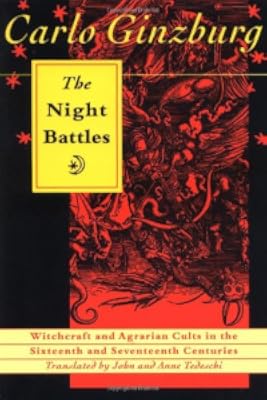
The Night Battles: Witchcraft and Agrarian Cults in the Sixteenth and Seventeenth Centuries
by Carlo Ginzburg
On This Page
Description
Based on research in the Inquisitorial archives, the book recounts the story of a peasant fertility cult centred on the benandanti. These men and women regarded themselves as professional anti-witches, who (in dream-like states) apparently fought ritual battles against witches and wizards, to protect their villages and harvests. If they won, the harvest would be good, if they lost, there would be famine. The inquisitors tried to fit them into their pre-existing images of the witches' sabbat. show more The result of this cultural clash which lasted over a century, was the slow metamorphosis of the ben show lessTags
Recommendations


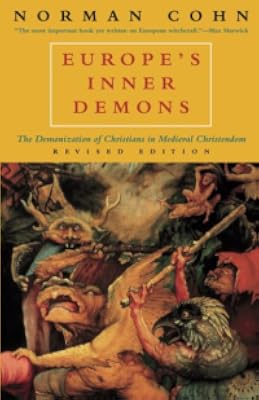

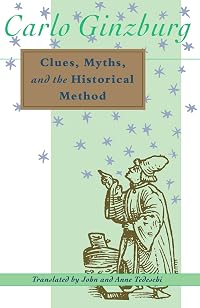
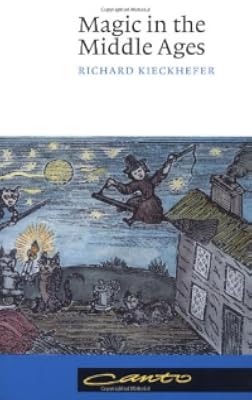
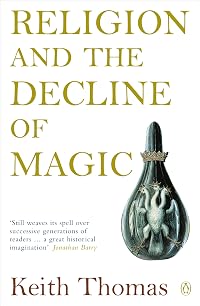














Member Recommendations

Member Reviews
Um dos maiores historiadores contemporâneos, Carlo Ginzburg reconstitui um fato até então ignorado e que joga nova luz sobre a questão da feitiçaria. Os "andarilhos do bem" (benandanti) - como são chamados no Friuli, entre o final do século XVI e a primeira metade do XVII, os praticantes de um culto da fertilidade - apresentam-se, num primeiro momento, como defensores das colheitas contra bruxas e feiticeiros, a quem, em sonho ou durante um delírio semionírico, combatem com ramos de erva-doce nas mãos. Caso vençam, as colheitas de trigo ou de uva serão soberbas no ano seguinte; perdendo, o resultado será a fome. Descobridor de uma religiosidade não cristã, ligada à fecundidade agrícola e às crenças perigosas no além, show more Carlo Ginzburg demonstra neste livro magistral que a erudição mais escrupulosa muitas vezes tem afinidades estreitas com o fantástico. show less
quando vedo su un banco di libreria uno di quei tomi di centinaia di pagine, con titoli a sensazione e copertine a tinte forti che pretendono di spiegare che cosa sia stata la stregoneria, mi viene il nervoso e penso a Carlo Ginzburg.
In questo libro, circa 250 pagine di piccolo formato, il più originale storico modernista italiano in attività, ricostruisce una vicenda di ritualità magica, senza fronzoli, ma con grande rigore filologico.
E' stato il primo a ri-scoprire questi tipetti dei benandanti e poi molti ne hanno approffittato ma, a mio giudizio, l'originale resta sempre il migliore.
Uno di quei lavori dai quali si può evincere che la storiografia seria forse è un "mattone", ma non è mai una palla.
In questo libro, circa 250 pagine di piccolo formato, il più originale storico modernista italiano in attività, ricostruisce una vicenda di ritualità magica, senza fronzoli, ma con grande rigore filologico.
E' stato il primo a ri-scoprire questi tipetti dei benandanti e poi molti ne hanno approffittato ma, a mio giudizio, l'originale resta sempre il migliore.
Uno di quei lavori dai quali si può evincere che la storiografia seria forse è un "mattone", ma non è mai una palla.
This book presents an extraordinarily complex set of historical data that even beginning to write about it seems like a daunting task. Making matters short and sweet for the sake of reviewing a book of such scholarship might not be advisable, but that’s what I’ll try to do here.
This book carefully combines an analysis of folklore, popular tradition, and culture. In the Friuli region of Italy, a group known as the “benandanti” (literally “well-farers” or “good walkers” but literally translated here as the “night battlers”) leave their villages on prescribed nights of the year to engage in fights with witches. These men and women who identify themselves as benandanti are born with the caul – that is, a piece of show more amniotic sac around their necks – and are thereby marked as benandanti from birth. According to them, the purpose of these nighttime adventures were to fight witches who were trying to infect and kill crops; they saw themselves as protectors of the crop. Therefore, they are usually identified as an “agrarian cult.” The origins of this cult are ambiguous, but seem to date back to older German divinity cults, and especially the auspices of the goddess Diana. No matter their origins, this is most important: the benandanti always imagined themselves as warriors for the Christian God, and completely Christian themselves.
The most fascinating part of the book, which by far takes up most of its content, is what happens when this cult meets the Catholic Church in the form of the Inquisition. Over a very long period of time, this interaction slowly turns a very Christian cult into a devilish coven of witches convening at a sabbat fighting against God, and therefore against the Church. Members were called before Church trials and demanded to explain their experiences. Some claimed that the night battles were oneiric visions, while others insinuated that they were quite “real.” Other irregularities were quickly latched onto by the Church, and it was soon turned into, at least in the eyes of the Church, nothing short of witchcraft.
Because Ginzburg spends most of his time showing this careful transformation, the numerous – perhaps a few dozen – case studies presented are all carefully examined, sometimes dropped, picked up later in the text, and then re-examined; this can make the thread of the argument and its most prominent actors difficult to keep straight. Despite Ginzburg’s tight, short presentation, parts of the book can seem repetitive. Of course, this aspect of the book is essential for scholars of the Italian folklore of the time, but it can be more than a little tedious for someone just interested in one of the more seminal texts in the development of what we now call “microhistory.” While this might be difficult for someone with a less-than-scholarly interest in this material, it is nonetheless a careful and very important study that deserves the attention it has garnered. show less
This book carefully combines an analysis of folklore, popular tradition, and culture. In the Friuli region of Italy, a group known as the “benandanti” (literally “well-farers” or “good walkers” but literally translated here as the “night battlers”) leave their villages on prescribed nights of the year to engage in fights with witches. These men and women who identify themselves as benandanti are born with the caul – that is, a piece of show more amniotic sac around their necks – and are thereby marked as benandanti from birth. According to them, the purpose of these nighttime adventures were to fight witches who were trying to infect and kill crops; they saw themselves as protectors of the crop. Therefore, they are usually identified as an “agrarian cult.” The origins of this cult are ambiguous, but seem to date back to older German divinity cults, and especially the auspices of the goddess Diana. No matter their origins, this is most important: the benandanti always imagined themselves as warriors for the Christian God, and completely Christian themselves.
The most fascinating part of the book, which by far takes up most of its content, is what happens when this cult meets the Catholic Church in the form of the Inquisition. Over a very long period of time, this interaction slowly turns a very Christian cult into a devilish coven of witches convening at a sabbat fighting against God, and therefore against the Church. Members were called before Church trials and demanded to explain their experiences. Some claimed that the night battles were oneiric visions, while others insinuated that they were quite “real.” Other irregularities were quickly latched onto by the Church, and it was soon turned into, at least in the eyes of the Church, nothing short of witchcraft.
Because Ginzburg spends most of his time showing this careful transformation, the numerous – perhaps a few dozen – case studies presented are all carefully examined, sometimes dropped, picked up later in the text, and then re-examined; this can make the thread of the argument and its most prominent actors difficult to keep straight. Despite Ginzburg’s tight, short presentation, parts of the book can seem repetitive. Of course, this aspect of the book is essential for scholars of the Italian folklore of the time, but it can be more than a little tedious for someone just interested in one of the more seminal texts in the development of what we now call “microhistory.” While this might be difficult for someone with a less-than-scholarly interest in this material, it is nonetheless a careful and very important study that deserves the attention it has garnered. show less
Come sempre, quando un saggio storico riporta le voci dei ceti subalterni, come nei verbali di un processo dell'Inquisizione, mi piace moltissimo. Qui si tratta di credenze popolari e culti agrari del Friuli.
As always, when a history book reports the voices of the people, such as verbal of inquiries of the Inquisition, I love it. This one is about popular myths in Friuli (Northern Italy).
As always, when a history book reports the voices of the people, such as verbal of inquiries of the Inquisition, I love it. This one is about popular myths in Friuli (Northern Italy).
important, but more for its data than for ginzburg's conclusions.
The New Republic, Feb 25, 1985 v192
MSVU
MSVU
Hoewel dit mogelijk zo lijkt, is de theorie van het bestaan van een heksencultus, voorafgaand aan en tijdens de heksenvervolgingen, niet helemaal doodverklaard of door onderzoekers algemeen afgedaan als romantische onzin. Zo schreef de 20e-eeuwse Italiaanse historicus Carlo Ginzburg bijvoorbeeld over de Benandanti en hun vruchtbaarheidscultus op het Noord—Italiaanse platteland in de 16e en 17e eeuw. Tussen 1575 en 1675 werden ze vervolgd als ketters of heksen door de Inquisitie. Die Benandanti claimden ook hun lichaam te kunnen verlaten en te kunnen vliegen. De vervolging leidde volgens Ginzburg tot de uitroeiing van de cultus van de Benandanti.[3] Hij behoort tot een klein aantal geleerden dat pleit voor een aangepaste versie van de show more heksencultus-hypothese, waarbij wel vastgehouden wordt aan het idee dat voorchristelijke religieuze praktijken tot in de vroegmoderne tijd overleefden en bijdroegen aan de vorming van de stereotypering van 'de heks' in Europa. Geleerden zijn het er nu wel over eens dat de benandanti gelden als een van de beste voorbeelden van overlevende restanten van oude heidense vruchtbaarheidsriten in de vroegmoderne Europese samenleving.[4] https://nl.wikipedia.org/wiki/Heksencultus-hypothese show less
Apr 1, 2022Dutch
Members
- Recently Added By
Lists

Mythical Monsters of the World
199 works; 79 members
Author Information

49+ Works 4,831 Members
Carlo Ginzburg is Professor Emeritus of History at UCLA and the author of, among other things, The Night Battles and The Cheese and the Worms (the first of his hooks to appear in English, winning instant acclaim).
Some Editions
Series
Belongs to Publisher Series
Flammarion, Champs (135)
Work Relationships
Inspired
Common Knowledge
- Canonical title
- The Night Battles: Witchcraft and Agrarian Cults in the Sixteenth and Seventeenth Centuries
- Original title
- I benandanti. Stregoneria e culti agrari tra Cinquecento e Seicento
- Original publication date
- 1966
- Important places
- Friuli, Italy
- Epigraph
- C'est l'auberge fameuse inscrite sur le livre,
Où l'on pourra manger, et dormir, et s'asseoir.
Baudelaire, La mort des pauvres - First words
- On 23 March 1575, in the monastery of San Francesco di Cividale in the Friuli, there appeared before the vicar general, Monsignor Jacopo Maracco, and Fra Giulio d'Assissi of the Order of the Minor Conventuals, inquisitor in t... (show all)he dioceses pf Aquileia and Concordia, a witness, Don Bartolommeo Sgabarizza, who was a priest in the neighbouring village of Brazzano.
- Last words
- (Click to show. Warning: May contain spoilers.)But obviously, his complaints no longer interested anyone.
- Original language*
- Italien
*Some information comes from Common Knowledge in other languages. Click "Edit" for more information.
Classifications
- Genres
- Nonfiction, History, Religion & Spirituality, General Nonfiction, Anthropology
- DDC/MDS
- 398.41094539 — Society, government, & culture Customs, etiquette & folklore Folklore & Folktales Paranatural and legendary phenomena as subjects of folklore Folk beliefs
- LCC
- BL980 .I8 .G5613 — Philosophy, Psychology and Religion Religions. Mythology. Rationalism Religions. Mythology. Rationalism History and principles of religions European. Occidental Other European
- BISAC
Statistics
- Members
- 813
- Popularity
- 34,067
- Reviews
- 7
- Rating
- (4.03)
- Languages
- 10 — Czech, Dutch, English, French, German, Italian, Portuguese (Portugal), Spanish, Swedish, Turkish
- Media
- Paper, Ebook
- ISBNs
- 29
- ASINs
- 10