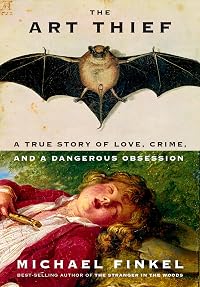
The Art Thief: A True Story of Love, Crime, and a Dangerous Obsession
by Michael Finkel
On This Page
Description
One of the most remarkable true-crime narratives of the twenty-first century: the story of the world’s most prolific art thief, Stéphane Breitwieser.In this spellbinding portrait of obsession and flawed genius, the best-selling author of The Stranger in the Woods brings us into Breitwieser’s strange world—unlike most thieves, he never stole for money, keeping all his treasures in a single room where he could admire them.
For centuries, works of art have been stolen in countless ways show more from all over the world, but no one has been quite as successful at it as the master thief Stéphane Breitwieser. Carrying out more than two hundred heists over nearly eight years—in museums and cathedrals all over Europe—Breitwieser, along with his girlfriend who worked as his lookout, stole more than three hundred objects, until it all fell apart in spectacular fashion.
In The Art Thief, Michael Finkel brings us into Breitwieser’s strange and fascinating world. Unlike most thieves, Breitwieser never stole for money. Instead, he displayed all his treasures in a pair of secret rooms where he could admire them to his heart’s content. Possessed of a remarkable athleticism and an innate ability to circumvent practically any security system, Breitwieser managed to pull off a breathtaking number of audacious thefts. Yet these strange talents bred a growing disregard for risk and an addict’s need to score, leading Breitwieser to ignore his girlfriend’s pleas to stop—until one final act of hubris brought everything crashing down.
This is a riveting story of art, crime, love, and an insatiable hunger to possess beauty at any cost.
Cover images: (top) Bat by Albrecht Dürer. Bridgeman Images; (bottom) The Sleeping Shepherd (detail) by François Boucher © RMN-Grand Palais / Art Resource, NY. show less
Tags
Recommendations





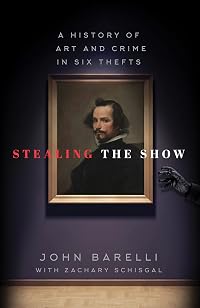
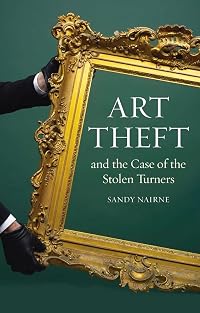
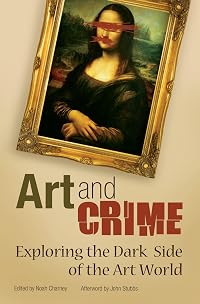
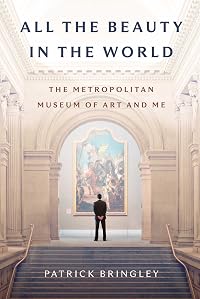
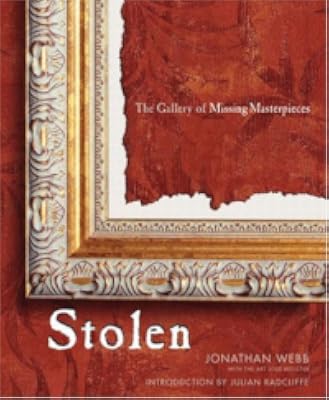

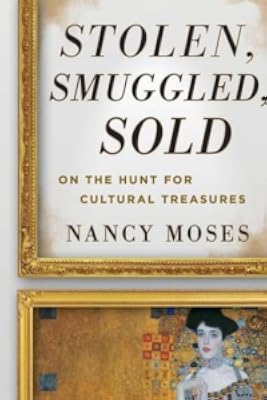
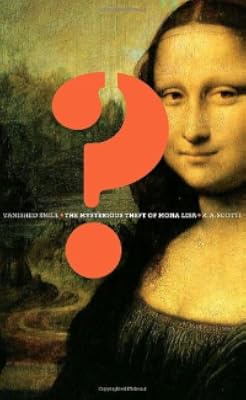






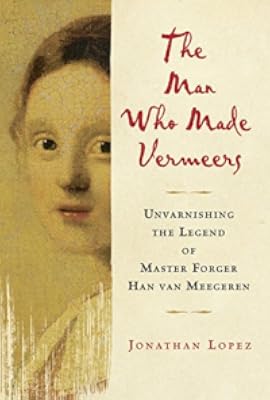
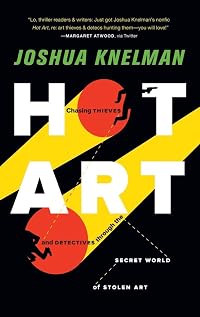
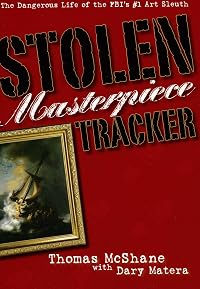
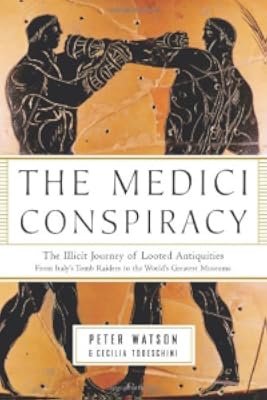












Member Recommendations

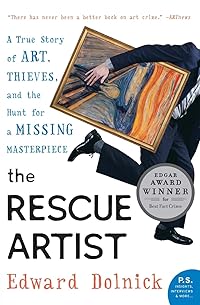
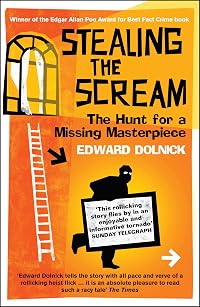
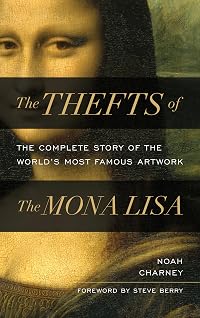
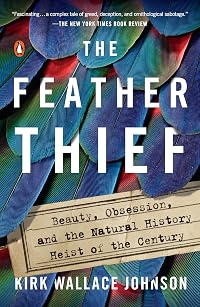
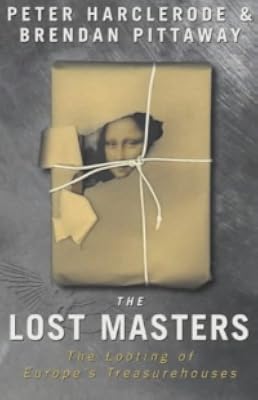
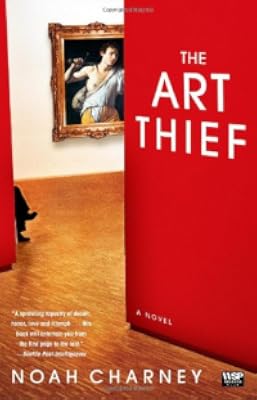
The Man Who Loved Books Too Much: The True Story of a Thief, a Detective, and a World of Literary Obsession by Allison Hoover Bartlett
spyrunner Both are well written books are about a man obsessed with stealing items he loves.
Member Reviews
I love reading about art crime: thefts, forgeries, etc. This one got good reviews, so I pounced on it - in spite of the author. I rather liked Finkel's previous Stranger in the Woods - on a lukewarm, 3-star level - but mostly because the subject of the book was more interesting and sympathetic. Finkel has a checkered background, fired from the New York Times for fabricating elements of a story, and his relationship with the "stranger" Christopher Knight was a bit weird. The art thief, Stephane Breitwieser, is no such sympathetic character. He is pretty loathsome, in fact. A standout narcissist, he roams Europe's regional museums, stealthily stealing whatever takes his fancy. He doesn't break in, he doesn't pistol-whip guards or hurt show more anyone, and he doesn't even sell off the art he steals (worth many millions, ultimately). He just hoards it, because he believes he is the only person in the world who properly appreciates it. So if it takes his fancy, he just takes it, in collusion with his compliant girlfriend. After he gets caught, and goes to prison for a few months (shortened sentences because his crimes were non-violent), he comes out... and resumes stealing. His mother destroys many of the works he stole to cover up what he'd done; she goes to prison for a few months too.
I read about half the book, and quit. One: it's written in the present tense, which I *almost* always find gimmicky and tricksy. It's supposed to make you feel like "you're there" as Breitwieser unscrews display cases as guards amble past in the corridor; instead it feels like Finkel is using a tired trick to *try* to make you feel that way. Two: Breitwieser is such a creep, with a sick compulsion and zero remorse or even acknowledgement that what he does could be seen as a problem. Three: Finkel all but fawns on him: how clever, how deft, how amazing that he could pull it off. Four: a review in the major trade journal in the art world, ArtNews, points out several errors of fact (including a dramatic and distorted claim that Picasso was accused of stealing the Mona Lisa), and given Finkel's history of fabrication, that doesn't sit well. I started to just feel slimy as I read. So I stopped. I might be more inclined to read a more critical book about Breitwieser's larceny called La Collection Egoiste ("The Selfish Collection") by Vincent Noce, but my rusty French may not be up to it. show less
I read about half the book, and quit. One: it's written in the present tense, which I *almost* always find gimmicky and tricksy. It's supposed to make you feel like "you're there" as Breitwieser unscrews display cases as guards amble past in the corridor; instead it feels like Finkel is using a tired trick to *try* to make you feel that way. Two: Breitwieser is such a creep, with a sick compulsion and zero remorse or even acknowledgement that what he does could be seen as a problem. Three: Finkel all but fawns on him: how clever, how deft, how amazing that he could pull it off. Four: a review in the major trade journal in the art world, ArtNews, points out several errors of fact (including a dramatic and distorted claim that Picasso was accused of stealing the Mona Lisa), and given Finkel's history of fabrication, that doesn't sit well. I started to just feel slimy as I read. So I stopped. I might be more inclined to read a more critical book about Breitwieser's larceny called La Collection Egoiste ("The Selfish Collection") by Vincent Noce, but my rusty French may not be up to it. show less
Oh my, this is quite a story. A true account of a young man, Stephen Breitwieser, and his girlfriend Anne-Catherine, who stole over 200 pieces of art estimated at about 2 billion dollars throughout France and Switzerland. They did this over a period of about 8 years, stealing almost weekly. They stole mainly Renaissance works - oil paintings, candlesticks, ivory statues, crossbows, tobacco boxes. And what did them in was a bugle in a Wagner museum.
They targeted small museums with limited staff and security. Breitwieser became adept at prying open plexiglass cases and taking pictures off a wall and removing the frame. Most Renaissance art is painted on wood or copper. Most pieces they stole simply went under his coat and out they calmly show more walked. Or occasionally thrown out a window and collected later.
Breitwieser was jobless and lived in his mother's attic. (of course he did) He displayed all of this art there for himself to enjoy. He maintains that he never intended to sell or make money off the art - he believes he appreciated it more than anyone visiting it in a museum and therefore it was his right to possess it.
He was eventually caught and spent some time in jail. Anne-Catherine maintains that she didn't really know what was going on and Stephen was abusive to her. She was never charged or convicted with any crimes.
It's a really interesting and crazy story and I enjoyed reading it. show less
They targeted small museums with limited staff and security. Breitwieser became adept at prying open plexiglass cases and taking pictures off a wall and removing the frame. Most Renaissance art is painted on wood or copper. Most pieces they stole simply went under his coat and out they calmly show more walked. Or occasionally thrown out a window and collected later.
Breitwieser was jobless and lived in his mother's attic. (of course he did) He displayed all of this art there for himself to enjoy. He maintains that he never intended to sell or make money off the art - he believes he appreciated it more than anyone visiting it in a museum and therefore it was his right to possess it.
He was eventually caught and spent some time in jail. Anne-Catherine maintains that she didn't really know what was going on and Stephen was abusive to her. She was never charged or convicted with any crimes.
It's a really interesting and crazy story and I enjoyed reading it. show less
I've been reading so many books lately that wander from topic to topic that it was nice to pause and read this book about one topic—the art thief Stephane Breitwieser, his psychology, and how he stole numerous pieces of Renaissance art, not for money but to simply have them.
I've been intrigued by the need to "own all the things." In earlier times, this would have been the realm of kings, conquerors, and rich men. But on today's internet, it is easy to collect bits and bytes--music, ebooks, photos, recipes, etc. I know from my own life I'm a bit obsessive about tracking the books I've read and own. I've always collected or owned books, but now I track them over several apps. My music is kept in playlists. People pirate things like show more songs, books, games because they feel the need to possess those bits and bytes, not because they intend to play every game, read every book, or listen to every song. You don't have to be a king anymore if you have a cloud service to store infinite things on.
Stephane Breitwieser wasn't content to just look at pictures in art books or browse museum collections online or in-person. He decided that he needed to possess the art he loved. He discovered that security was lax at most of the regional museums of Europe of the 90s and began slipping away with Renaissance Art. He didn't steal to sell, he stole to collect and possess. I love the description early on about he and his girlfriend living with all his art in his mom's attic like they were living inside a treasure box.
If you like reading about how a person mind works--the author does a good job of tracking down what makes Breitheiser tick and the psychology of a narcissistic mind.
I like how the author stays on target and keeps the book focused on Breitheiser, only introducing side notes and characters as needed. The book feels tight and focused, which, as I mentioned, I think I needed. Not that I don't like books that meander--I'd be a hypocrite since I often give meandering books high ratings. Still, in this instance, the focus and object of the story are so intriguing that the paring down feels like the author was a sculpture that started with a block of marble but could see the man/statue within and pulled only what was needed to make the book. See what I did there? show less
I've been intrigued by the need to "own all the things." In earlier times, this would have been the realm of kings, conquerors, and rich men. But on today's internet, it is easy to collect bits and bytes--music, ebooks, photos, recipes, etc. I know from my own life I'm a bit obsessive about tracking the books I've read and own. I've always collected or owned books, but now I track them over several apps. My music is kept in playlists. People pirate things like show more songs, books, games because they feel the need to possess those bits and bytes, not because they intend to play every game, read every book, or listen to every song. You don't have to be a king anymore if you have a cloud service to store infinite things on.
Stephane Breitwieser wasn't content to just look at pictures in art books or browse museum collections online or in-person. He decided that he needed to possess the art he loved. He discovered that security was lax at most of the regional museums of Europe of the 90s and began slipping away with Renaissance Art. He didn't steal to sell, he stole to collect and possess. I love the description early on about he and his girlfriend living with all his art in his mom's attic like they were living inside a treasure box.
If you like reading about how a person mind works--the author does a good job of tracking down what makes Breitheiser tick and the psychology of a narcissistic mind.
I like how the author stays on target and keeps the book focused on Breitheiser, only introducing side notes and characters as needed. The book feels tight and focused, which, as I mentioned, I think I needed. Not that I don't like books that meander--I'd be a hypocrite since I often give meandering books high ratings. Still, in this instance, the focus and object of the story are so intriguing that the paring down feels like the author was a sculpture that started with a block of marble but could see the man/statue within and pulled only what was needed to make the book. See what I did there? show less
This is really a 3.5 star review for me. I was so intrigued and appalled by this book. The gall of some people. I cannot believe that this is a real story. This French art lover/prick spent years visiting museums and galleries all across Europe stealing items and hoarding them in the attic at his mother's house. Stéphane Breitwieser didn't just love art; he coveted art. When he spotted something he wanted he took it. His girlfriend would sometimes help by keeping watch or putting items in her purse, but she didn't get the joy that he got. Over nearly a decade Stéphane stole around 250 items valued around 2 billion dollars. And these weren't crazy heists, he would steal them calmly during open hours. What set him art from literally show more every other art thief is that he wasn't trying to sell or offload these pieces for money. He just wanted to be able to admire them from home. My takeaway is.... you could get away with a lot in the the 90s and.... what an asshole. show less
I have bookmarked so many passages on my Kindle while reading this book. It's incredible that Breitweiser was able to steal so many masterpieces in such a short period. After finishing the book I realize he must have some mental issue that makes him continue down a path of destruction, not only for the loss of his own freedom but at the expense of his mother and his beloved girlfriend, Anne-Catherine. He is completely different from other art thieves as he never sought to sell the items. He needed to surround himself with the beauty.
At first I felt sorry for Anne-Catherine when she gave him the ultimatum of choosing art or her....he paused and had to think about that. But did she walk away then knowing she would always hold second place show more to his art obsession? She did not. Then the lies she told in court dissolved any sympathy I had for her. As for his mother, I won't give spoilers but wow.....zero sympathy for her. Her revenge was despicable.
It was stated that when museums had more financial resources where they could beef up security they chose to buy more art instead. I think I understand that because if you already have security it's more important to acquire more art for ALL people to enjoy. More art draws larger crowds. That certainly changed after Breitweiser's crimes were revealed.
Reading this true crime narrative educated me on security systems as as well as art detectives. I didn't know so many detectives were employed solely to investigate art thefts. Italy has the largest number of detectives boasting 300, Swittzerland has a handful, France has 30 and the United States employs roughly 20 detectives and produces their own Ten Most Wanted list for missing art. Tese figures are from the date of publication here so I imagine there are more now. show less
At first I felt sorry for Anne-Catherine when she gave him the ultimatum of choosing art or her....he paused and had to think about that. But did she walk away then knowing she would always hold second place show more to his art obsession? She did not. Then the lies she told in court dissolved any sympathy I had for her. As for his mother, I won't give spoilers but wow.....zero sympathy for her. Her revenge was despicable.
It was stated that when museums had more financial resources where they could beef up security they chose to buy more art instead. I think I understand that because if you already have security it's more important to acquire more art for ALL people to enjoy. More art draws larger crowds. That certainly changed after Breitweiser's crimes were revealed.
Reading this true crime narrative educated me on security systems as as well as art detectives. I didn't know so many detectives were employed solely to investigate art thefts. Italy has the largest number of detectives boasting 300, Swittzerland has a handful, France has 30 and the United States employs roughly 20 detectives and produces their own Ten Most Wanted list for missing art. Tese figures are from the date of publication here so I imagine there are more now. show less
Stéphane Breitwieser loved art. He loved original art. So much so that he had to own it. And, of course, the only way to own it was to steal it from museums and galleries. He and his girlfriend lookout got to be quite good at it, stealing hundreds of items. But alas, all good things must come to end, and eventually, so must stealing works of art. Stéphane gets caught, more than once, but he never can quite break the urge to steal art, even after being imprisoned. This very well researched book is quite riveting. Stéphane has an insatiable hunger to possess works of art, maybe even to the point of having a mental illness. Author Michael Finkel does a remarkable job of portraying the characters in this book and showing Stéphane’s show more methods. Descriptions of the thefts are amazing in their detail. Finkel also interviewed Breitwieser which adds interest and authenticity to the account of the thefts. show less
When I love a work of art I buy a postcard or a print or snap a photo. That’s how I ‘own’ it.
But Stéphane Breitwieser had an irresistible urge to steal the art that captured his heart. And he stole hundreds of works of art, filling his attic rooms in his mother’s house with more art that it could hold. Art by by Dutch masters including Cranach, Durer, and Brueghel, silverwork including chalices and a ship, a bugle gifted to Wagner, and even a tapestry were stashed in his crowded rooms.
Breitwieser mostly targeted small museums, and with the aid of his look-out girlfriend, quickly dismantled display cases or removed art from its frame, stashed them under his coat or in a duffle bag, and walked out of the museum, calmly greeting show more the guards a good bye.
The more successful he was, the greater risks he took. His girlfriend pleaded for it to end. His mother pretended she didn’t know. Breitwieser was caught one day before he even entered a museum he had stolen from before.
I was fascinated by this story. Finkel’s research and interviews offer great detail and insight into Breitweiser’s motivation and personality and motivation. It’s a must-read for those who love true crime stories as well as art lovers.
I received a free ebook from the publisher through NetGalley. My review is fair and unbiased. show less
But Stéphane Breitwieser had an irresistible urge to steal the art that captured his heart. And he stole hundreds of works of art, filling his attic rooms in his mother’s house with more art that it could hold. Art by by Dutch masters including Cranach, Durer, and Brueghel, silverwork including chalices and a ship, a bugle gifted to Wagner, and even a tapestry were stashed in his crowded rooms.
Breitwieser mostly targeted small museums, and with the aid of his look-out girlfriend, quickly dismantled display cases or removed art from its frame, stashed them under his coat or in a duffle bag, and walked out of the museum, calmly greeting show more the guards a good bye.
The more successful he was, the greater risks he took. His girlfriend pleaded for it to end. His mother pretended she didn’t know. Breitwieser was caught one day before he even entered a museum he had stolen from before.
I was fascinated by this story. Finkel’s research and interviews offer great detail and insight into Breitweiser’s motivation and personality and motivation. It’s a must-read for those who love true crime stories as well as art lovers.
I received a free ebook from the publisher through NetGalley. My review is fair and unbiased. show less
Members
- Recently Added By
Lists

Indie Next Picks
196 works; 4 members

Book Riot Read Harder 2026
80 works; 1 member

Unhinged History
14 works; 1 member
Author Information

14+ Works 4,457 Members
Michael Finkel is a contributing editor to Skiing, Bicycling, Snowboard Life, and P.O.V. His work has also appeared in The New York Times Magazine, The Atlantic Monthly, Sports Illustrated, Outside, Audubon, and Men's Journal. He lives in Bozeman, Montana.
Some Editions
Awards and Honors
Awards
Distinctions
Notable Lists
RUSA CODES Listen List (Listen-Alike – Listen-Alike to "Con/Artist: The Life and Crimes of the World’s Greatest Art Forger" – 2024)
Work Relationships
Has as a reference guide/companion
Common Knowledge
- Original publication date
- 2023
- People/Characters
- Stéphane Breitwieser; Anne-Catherine Kleinklaus
- Epigraph
- Aesthetics are higher than ethics.
—Oscar Wilde - Dedication
- For my father, Paul Alan Finkel
- First words
- Approaching the museum, ready to hunt, Stéphane Breitwieser clasps hands with his girlfriend, Anne-Catherine Kleinklaus, and together they stroll to the front desk and say hello, a cute couple.
- Last words
- (Click to show. Warning: May contain spoilers.)And he picks up a copy of the four-dollar booklet and walks out the door.
- Blurbers
- Johnson, Kirk Wallace
Classifications
Statistics
- Members
- 1,766
- Popularity
- 12,442
- Reviews
- 66
- Rating
- (3.97)
- Languages
- 5 — English, French, German, Polish, Spanish
- Media
- Paper, Audiobook, Ebook
- ISBNs
- 23
- ASINs
- 10