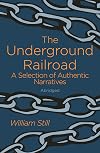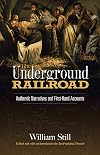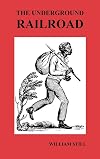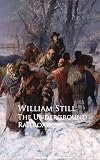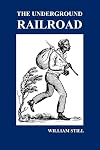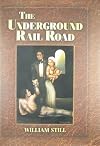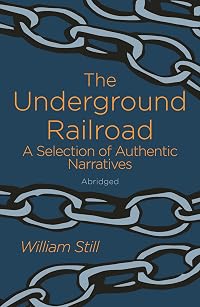
The Underground Railroad
by William Still, Ian Frederick Finseth (Editor & Introduction)
On This Page
Description
In the winter of 1852, a group of Philadelphia abolitionists dedicated to assisting runaway slaves in their flight to freedom formed a new assistance group to be part of the Underground Railroad-the General Vigilance Committee. William Still, himself a son of slaves, was named its secretary and executive director. Deeply moved by the stories of the fugitive slaves he helped conduct northward, Still took his committee record-keeping to a higher level. He wrote down, in eloquent narrative show more form, every detail of their stirring, often heartbreaking histories. Second only to the great Harriet Tubman in the number of freedom-seeking "passengers" he conducted through the Underground Railroad, Still let the words of former slaves speak for themselves. In his journals, he painstakingly reproduced vivid accounts he heard from their very lips. And he added excerpts from letters, newspapers, and legal documents to the already arresting biographical sketches, creating unforgettable portraits of the slaves' deadly struggles, brutal hardships, and narrow escapes. When the Civil War ended and slavery was abolished, William Still published his journals as The Underground Railroad. It is considered the most complete firsthand account ever written of the men, women, and children who rode the legendary "Railroad" to freedom. This edition includes a new Introduction and 20 illustrations from the original publication. show lessTags
Recommendations


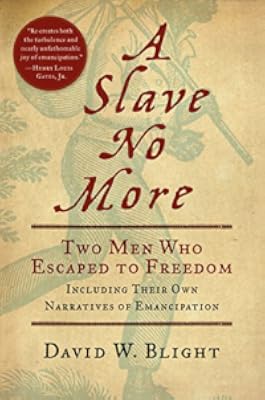
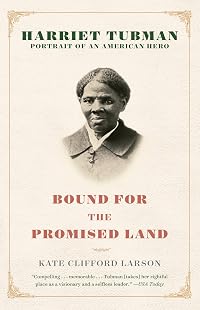
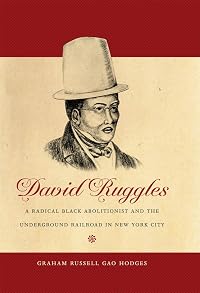
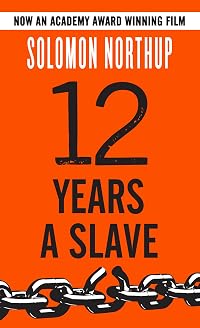
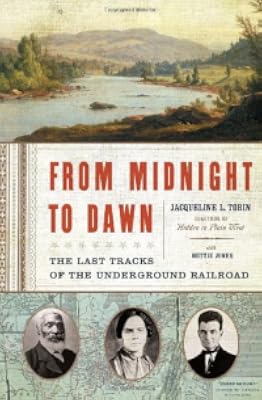
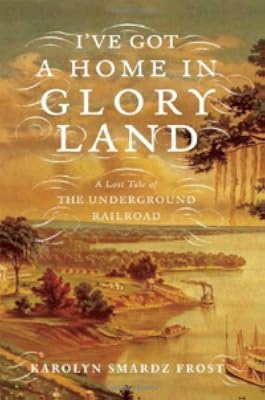
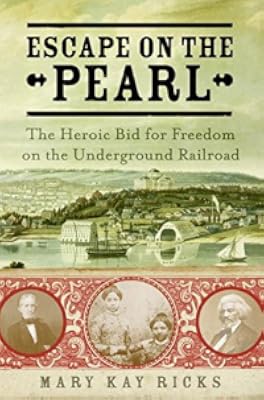


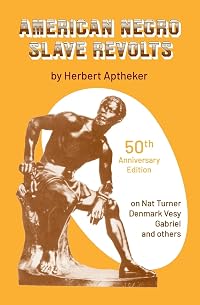
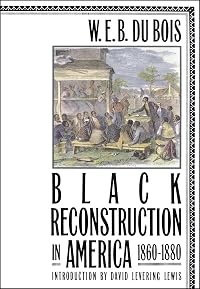
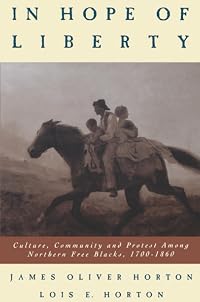
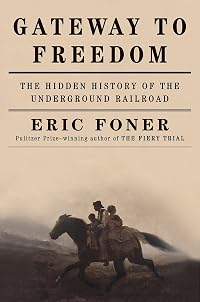



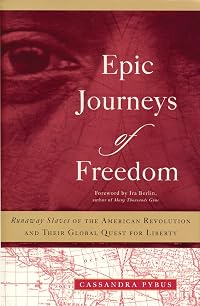
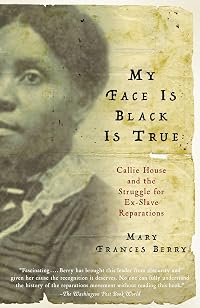
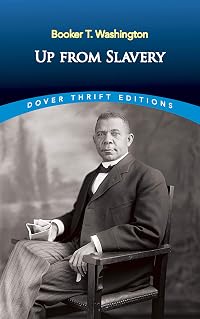
Member Recommendations

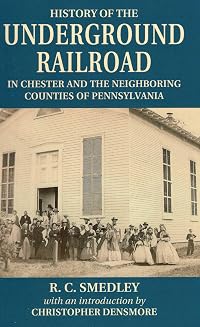
SDaisy This is another book featuring an in-depth look at the Underground Railroad, using many primary sources.
Member Reviews
Gripping stories, but much-needed told history.
p. 182 has picture ((Phil: Porter and Cotes, 1872) edition) of Anne Maria Weems. Her daring escape from slavery disguised as an Abolitionist's driver is heroic, and should be remembered and taught as an example of cooperation to be emulated.
William-James-MEOW Date: 6.8.12,014 H.E.
William-James-MEOW Date: 6.8.12,014 H.E.
Unabridged original publication of "facts, authentic narratives, letters, etc., narrating the hardships, hair-breadth escapes and death struggles of the slaves in their efforts for freedom as related by themselves and others, or witnessed by the author, together with sketches of some of the largest stockholders, and most liberal aiders and advisers of the road by William Still, for many years connected with the Anti-Slavery Office in Philadelphia, and Chairman of the Acting Vigilant Committee of the Philadelphia Branch of the Underground Railroad." with engravings by Bensell, Schell, and others, and photographs from life.
p. 182 has picture ((Phil: Porter and Cotes, 1872) edition) of Anne Maria Weems. Her daring escape from slavery disguised as an Abolitionist's driver is heroic, and should be remembered and taught as an example of cooperation to be emulated.
William-James-MEOW Date: 6.8.12,014 H.E.
William-James-MEOW Date: 6.8.12,014 H.E.
Ratings
Members
- Recently Added By
Lists

Book Titles Mentioned In Newberry Medal And Honor Books
884 works; 3 members

Books Read in 2023
5,638 works; 147 members
Author Information
6+ Works 400 Members
Ian Frederick Finseth is Associate Professor of English at the University of North Texas. He is the author of Shades of Green: Visions of Nature in the Literature of American Slavery, 1770-1860.
Series
Belongs to Publisher Series
Common Knowledge
- Original publication date
- 1872
Classifications
- Genres
- Nonfiction, History, General Nonfiction
- DDC/MDS
- 973.7115 — History & geography History of North America United States Civil War Era (1857-1865) James Buchanan (1857-1861) Causes Fugitive slaves
- LCC
- E450 .S85 — History of the United States United States Revolution to the Civil War, 1775/1783-1861 Slavery in the United States. Antislavery
- BISAC
Statistics
- Members
- 327
- Popularity
- 97,683
- Reviews
- 4
- Rating
- (3.82)
- Languages
- Czech, English
- Media
- Paper, Ebook
- ISBNs
- 36
- ASINs
- 15