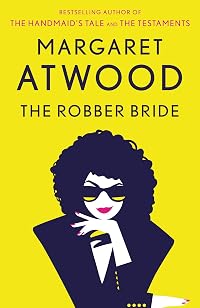
The Robber Bride
by Margaret Atwood
On This Page
Description
From the extraordinary imagination of Margaret Atwood comes her most intricate and subversive novel yet. Roz, Charis, and Tony -- war babies all -- share a wound, and her name is Zenia. Zenia is beautiful and smart and hungry, by turns manipulative and vulnerable, needy and ruthless, the turbulent center of her own never-ending saga. Zenia entered their lives when they were in college, in the sixties; and over the three decades since, she damaged each of them badly, ensnaring their sympathy, show more betraying their trust, and treating their men as loot. Then Zenia died, or at any rate the three women -- with much relief -- attended her funeral. But as The Robber Bride begins, she's suddenly alive again, sauntering into the restaurant where they are innocently eating lunch. In this consistently entertaining and profound new novel, Margaret Atwood reports from the farthest reaches of the war between the sexes, provocatively suggesting that if women are to be equal they must realize that they share with men both the capacity for villainy and the responsibility for moral choice. The group of women and men at the center of this funny and wholly involving story all fall prey to a chillingly recognizable menace, which is given power by their own fantasies and illusions. The Robber Bride is a novel to delight in -- for its consummately crafted prose, for its rich and devious humor, and, ultimately, for its compassion. show lessTags
Recommendations
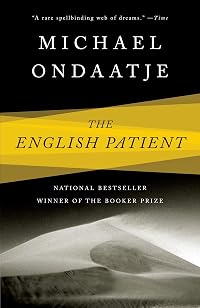
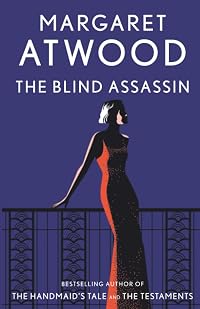
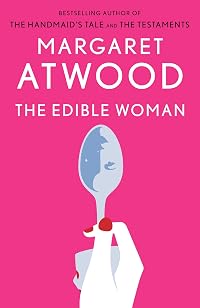
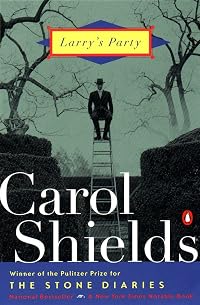
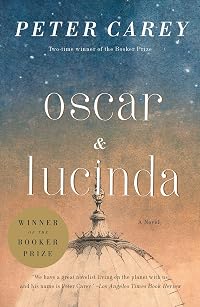
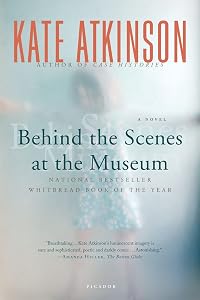
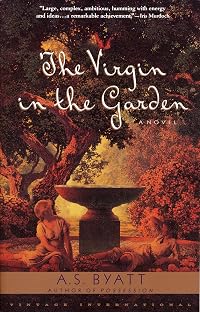
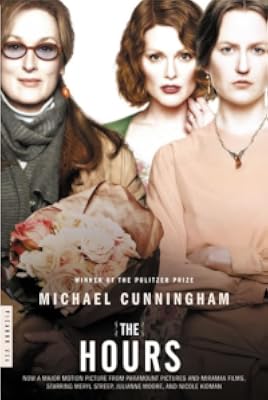





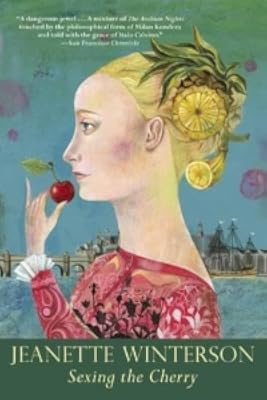
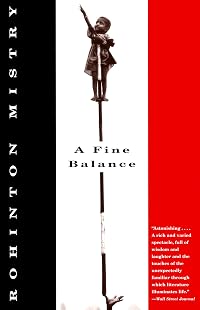
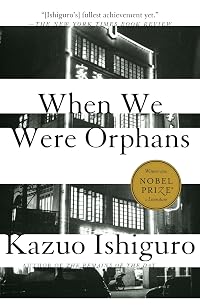
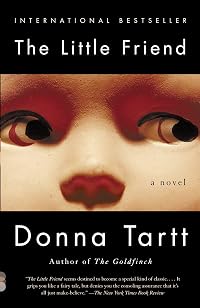
Member Recommendations
sturlington One book is about friendship among girls, the other about friendship among women.
30
Pedrolina Stories of women's friendship, loss and moving on.
11
Member Reviews
Published in 1993 and set in Toronto, three women, Tony, Charis, and Roz, are good friends who met in college. Tony becomes a professor of history, Charis is a free spirit teaching yoga, and Roz is a successful businesswoman. Villainess, Zenia, plays on the sympathies of the three women. She lies, connives, and manipulates these women, toying with them and the men they love. She wreaks havoc in their lives.
It is told in three alternating segments in flashback, one for each protagonist, and the three storylines converge in the end. There are many complexities at work in this novel. Zenia exhibits many of the traits of a psychopath (though the term is not used). She is an expert at exploiting vulnerabilities. The women repeatedly give show more her the benefit of the doubt, trusting her when they should avoid her. There are many references to fairy tales, which provides additional food for thought.
The three main female characters support each other through traumatic times. They keep expecting Zenia to turn into a better person, or act in the same manner as they do. It definitely contains feminist themes. Zenia displays several traits they accept from the men in their lives, which begs the question as to why they have differing expectations of men and women. It examines the idea that positive change can be ignited through negative experiences. I found it darkly fascinating. I am sure it could be the basis for lively discussion in a book group.
4.5 show less
It is told in three alternating segments in flashback, one for each protagonist, and the three storylines converge in the end. There are many complexities at work in this novel. Zenia exhibits many of the traits of a psychopath (though the term is not used). She is an expert at exploiting vulnerabilities. The women repeatedly give show more her the benefit of the doubt, trusting her when they should avoid her. There are many references to fairy tales, which provides additional food for thought.
The three main female characters support each other through traumatic times. They keep expecting Zenia to turn into a better person, or act in the same manner as they do. It definitely contains feminist themes. Zenia displays several traits they accept from the men in their lives, which begs the question as to why they have differing expectations of men and women. It examines the idea that positive change can be ignited through negative experiences. I found it darkly fascinating. I am sure it could be the basis for lively discussion in a book group.
4.5 show less
Love love love this book. It's a story about a three women and their men being stolen by another woman, the Robber Bride. At base level, it appears that the main villain and antagonist of the story is Zenia since she comes into Roz, Tony, and Charis' lives and blows them apart by taking their boyfriends/husbands. And while Zenia certainly is what she appears to be, the faults of the men in this story can certainly not be overlooked. They are pathetic and one-dimensional and somehow turn these amazing and interesting women into shells of themselves. Roz, Tony, and Charis are unique and fascinating characters that seem to fold themselves into little women and wives just to make a man happy. I found myself wanting to shake them by the show more shoulders and yell that they are so much better than this and that they shouldn't give up their lives and very sense of being for such dolts of men.
In conclusion, this book made me never want to love a man in my life. Please read, it might ruin your life! show less
In conclusion, this book made me never want to love a man in my life. Please read, it might ruin your life! show less
A view of femme fatality from the point of view of the women whose lives she overturns. A scathing condemnation of homewrecking that manages not to be shrill or wholly accusatory. All of the women in the story all whole beings, flaws and strengths and all. Bernadette Dunne makes what could be a very difficult listen (there is a character who frequently thinks to herself in inverted words and phrases) seem quite natural and melifluous.
Three friends meet for lunch after the recent death of a powerful figure in each of their pasts. Tony, Roz, and Charis are all very different but they have bonded over the damage that has been done to each of them by a mysterious femme fatale known as Zenia. They are just sitting down to lunch when they are all struck dumb by the shocking appearance of Zenia in the restaurant. It's clear that she has faked her own death and come back to take even more from them.
From there follows three flashbacks where we learn what Zenia has done to each of the three friends. Each time the story is the same, Zenia enters dramatically into their lives. She gains their friendship by feigning similar interests, she gains their sympathy through an show more audacious sob-story, and then she makes off in the night with everything they love and value.
Each woman is struck by renewed paranoia about what secrets of theirs Zenia has obtained. What will she take from them this time? But many years have passed and they are all stronger than the last time their paths crossed. They each must screw up their courage and confront this specter if they are ever to be free of her dark power.
A haunting novel about friendship, love, secrets and betrayal. show less
From there follows three flashbacks where we learn what Zenia has done to each of the three friends. Each time the story is the same, Zenia enters dramatically into their lives. She gains their friendship by feigning similar interests, she gains their sympathy through an show more audacious sob-story, and then she makes off in the night with everything they love and value.
Each woman is struck by renewed paranoia about what secrets of theirs Zenia has obtained. What will she take from them this time? But many years have passed and they are all stronger than the last time their paths crossed. They each must screw up their courage and confront this specter if they are ever to be free of her dark power.
A haunting novel about friendship, love, secrets and betrayal. show less
Four women, who first met at university in the sixties, each have a run-in with a fifth woman, Zenia. But that’s all behind them, since Zenia apparently died in a terrorist bomb, and her depradations actually brought them together as friends, even though they sort of knew each other back in university… And then a woman walks into the coffee shop where the four have met for their weekly lunch, and they all recognise her: Zenia. The novel then takes each of the four women in turn, and tells their stories and how Zenia entered their lives and the damage she caused. There are, it sometimes seems to me, two Margaret Atwoods. There are the novels written by one Atwood, where the ideas are really good but the prose never really shines; and show more there’s the other Atwood, whose prose is beautifully put together and a joy to read. I’d say Oryx and Crake was by the first Atwood, and Alias Grace by the second. The Robber Bride is also by the second. I’ve not enjoyed, and been so impressed on a sentence-by-sentence level, by an Atwood novel since reading, well, Alias Grace. This is easily her second-best work. I have by no means read her entire oeuvre, although I do plan to work by way through it. But of those I’ve read so far, I’d put The Robber Bride second after Alias Grace (and yes, above The Handmaid’s Tale). show less
Published in 1993 and set in Toronto, three women, Tony, Charis, and Roz, are good friends who met in college. Tony becomes a professor of history, Charis is a free spirit teaching yoga, and Roz is a successful businesswoman. Villainess, Zenia, plays on the sympathies of the three women. She lies, connives, and manipulates these women, toying with them and the men they love. She wreaks havoc in their lives.
It is told in three alternating segments in flashback, one for each protagonist, and the three storylines converge in the end. There are many complexities at work in this novel. Zenia exhibits many of the traits of a psychopath (though the term is not used). She is an expert at exploiting vulnerabilities. The women repeatedly give show more her the benefit of the doubt, trusting her when they should avoid her. There are many references to fairy tales, which provides additional food for thought.
The three main female characters support each other through traumatic times. They keep expecting Zenia to turn into a better person, or act in the same manner as they do. It definitely contains feminist themes. Zenia displays several traits they accept from the men in their lives, which begs the question as to why they have differing expectations of men and women. It examines the idea that positive change can be ignited through negative experiences. I found it darkly fascinating. I am sure it could be the basis for lively discussion in a book group.
4.5 show less
It is told in three alternating segments in flashback, one for each protagonist, and the three storylines converge in the end. There are many complexities at work in this novel. Zenia exhibits many of the traits of a psychopath (though the term is not used). She is an expert at exploiting vulnerabilities. The women repeatedly give show more her the benefit of the doubt, trusting her when they should avoid her. There are many references to fairy tales, which provides additional food for thought.
The three main female characters support each other through traumatic times. They keep expecting Zenia to turn into a better person, or act in the same manner as they do. It definitely contains feminist themes. Zenia displays several traits they accept from the men in their lives, which begs the question as to why they have differing expectations of men and women. It examines the idea that positive change can be ignited through negative experiences. I found it darkly fascinating. I am sure it could be the basis for lively discussion in a book group.
4.5 show less
The Robber Bride by Margaret Atwood is going to be a book that I long remember. I ran the gamut of emotions while reading it. At times I was frustrated and angry, other times I was laughing, some parts of the book touched me deeply while others cause me to rant and rave. The story is how three women are exploited and damaged by a fourth. She uses them, steals their men, takes their money, then gets bored and moves on. Occasionally she also uses blackmail to get what she wants.
I actually didn’t relate to any of the women, they mostly angered me with how they tended to put their men on a pedestal and the men totally peeved me with their wishy-washy ways and how they allowed their women to clean up their messes. Unfortunately these women show more were no match for this master predator as all three of them came from damaged backgrounds. She was an expert at digging out her victims weak spots and manipulating it to her advantage. And yet, the author gave a sense of playfulness to the story with her wit and insight into male/female relationships.
The Robber Bride has a dark fairy tale quality, with this truly evil she-creature picking apart each woman’s life, but in actuality, the men were such spineless philanderers and shameless liars that these women would be better off without them. Perhaps Atwood, with tongue-in-cheek, was showing that this villainous woman was doing them a favour. show less
I actually didn’t relate to any of the women, they mostly angered me with how they tended to put their men on a pedestal and the men totally peeved me with their wishy-washy ways and how they allowed their women to clean up their messes. Unfortunately these women show more were no match for this master predator as all three of them came from damaged backgrounds. She was an expert at digging out her victims weak spots and manipulating it to her advantage. And yet, the author gave a sense of playfulness to the story with her wit and insight into male/female relationships.
The Robber Bride has a dark fairy tale quality, with this truly evil she-creature picking apart each woman’s life, but in actuality, the men were such spineless philanderers and shameless liars that these women would be better off without them. Perhaps Atwood, with tongue-in-cheek, was showing that this villainous woman was doing them a favour. show less
Members
- Recently Added By
Published Reviews
ThingScore 75
Margaret Atwood has always possessed a tribal bent: in both her fiction and her nonfiction she has described and transcribed the ceremonies and experience of being a woman, or a Canadian, or a writer -- or all three. And as with so many practitioners of identity politics, literary or otherwise, while one side of her banner defiantly exclaims "We Are!" the other side, equally defiant, show more admonishes "Don't Lump Us." In "The Robber Bride," Ms. Atwood has gathered (not lumped) four very different women characters. show less
added by krazy4katz
Lists

1001 Books You Must Read Before You Die
1,448 works; 1,136 members

Unread books
1,063 works; 86 members

Best Contemporary Literary Fiction (Around the Last 30 Years)
400 works; 124 members

20th Century Literature
1,161 works; 55 members

Best Feminist Literature
188 works; 26 members
The Best of Canadian Literature
235 works; 33 members

Books Set in Canada
80 works; 16 members

Female Protagonist
1,056 works; 57 members

Female Friendship
54 works; 12 members
Female Author
1,234 works; 66 members

Best Friendship Stories
205 works; 16 members

Books I've Read More Than Once
602 works; 49 members

Best Revenge Stories
69 works; 9 members

1990s
309 works; 17 members

Women's Stories
88 works; 13 members

Top Five Books of 2018
802 works; 265 members

Literature About Women and Girls
426 works; 41 members
Anti-heroines in fiction
59 works; 9 members

Books Read in 2014
2,344 works; 89 members

Contemporary Fiction
109 works; 7 members
Love Triangles in Literature
108 works; 15 members
Five star books
1,767 works; 110 members

SHOULD Read Books!
354 works; 9 members

Books Read in 2015
3,299 works; 126 members

Books Read in 2020
4,379 works; 124 members

Novels featuring Mothers
64 works; 8 members

Most Popular Books Tagged Canada
34 works; 1 member

Global Reads: Books by Canadian Authors
6 works; 1 member

Canadian Women Writers
14 works; 1 member

Books Tagged Abuse
152 works; 4 members
Protagonists - Women
29 works; 2 members
Canada
42 works; 3 members

Women Writers
16 works; 2 members

Books We'd Want on a Desert Island
204 works; 133 members
Talk Discussions
Past Discussions
THE ROBBER BRIDE - rolling book discussion - July '09 onwards... in Atwoodians (August 2012)
Author Information

291+ Works 199,845 Members
Margaret Atwood was born on November 18, 1939 in Ottawa, Canada. She received a B.A. from Victoria College, University of Toronto in 1961 and an M.A. from Radcliff College in 1962. Her first book of verse, Double Persephone, was published in 1961 and was awarded the E. J. Pratt Medal. She has published numerous books of poetry, novels, story show more collections, critical work, juvenile work, and radio and teleplays. Her works include The Journals of Susanna Moodie, Power Politics, Cat's Eye, The Robber Bride, Morning in the Buried House, the MaddAdam trilogy, and The Heart Goes Last. She has won numerous awards including the Prince of Asturias Award for Literature, the Booker Prize in 2000 for The Blind Assassin, the Giller Prize and the Premio Mondello for Alias Grace, and the Governor General's Award in 1966 for The Circle Game and in 1986 for The Handmaid's Tale, which also won the very first Arthur C. Clarke Award in 1987. She won the PEN Pinter prize in 2016 for her political activism. She was awarded the 2016 PEN Pinter Prize for the outstanding literary merit of her body of work. (Bowker Author Biography) show less
Some Editions
Awards and Honors
Awards
Distinctions
Work Relationships
Is contained in
Inspired
Has as a reference guide/companion
Common Knowledge
- Canonical title
- The Robber Bride
- Original title
- The Robber Bride
- Original publication date
- 1993-09-01
- People/Characters
- Charis; Roz; Zenia; Tony; Mitch; West (show all 7); Billy
- Important places
- Toronto, Ontario, Canada; Ontario, Canada; Canada
- Related movies
- The Robber Bride (2007 | IMDb)
- Epigraph
- A rattlesnake that doesn't bite teaches you nothing.
—Jessamyn West
Only what is entirely lost demands to be endlessly named: there is a mania to call the lost thing until it returns.
—Gunter Grass
Illusion is the first of all pleasures.
—Oscar Wilde - Dedication
- For Graeme and Jess,
and for Ruth, Phoebe, Rosie, and Anna.
For Absent Friends. - First words
- The story of Zenia ought to begin when Zenia began.
- Quotations
- Male fantasies, male fantasies, is everything run by male fantasies? Up on a pedestal or down on your knees, it's all a male fantasy: that you're strong enough to take what they dish out, or else too weak to do anything about... (show all) it. Even pretending you aren't catering to male fantasies is a male fantasy: pretending you're unseen, pretending you have a life of your own, that you can wash your feet and comb your hair unconscious of the ever-present watcher peering through the keyhole, peering through the keyhole in your own head, if nowhere else. You are a woman with a man inside watching a woman. You are your own voyeur.
- Last words
- (Click to show. Warning: May contain spoilers.)Then she opens the door, and goes in to join the others.
- Publisher's editor*
- Robert Laffont
- Blurbers
- Rushdie, Salman
- Original language
- English
- Canonical DDC/MDS
- 813.54
- Canonical LCC
- PR9199.3.A8
*Some information comes from Common Knowledge in other languages. Click "Edit" for more information.
Classifications
Statistics
- Members
- 7,979
- Popularity
- 1,419
- Reviews
- 141
- Rating
- (3.82)
- Languages
- 14 — Czech, Danish, Dutch, English, Estonian, Finnish, French, German, Italian, Norwegian (Bokmål), Portuguese, Russian, Spanish, Swedish
- Media
- Paper, Audiobook, Ebook
- ISBNs
- 81
- ASINs
- 29