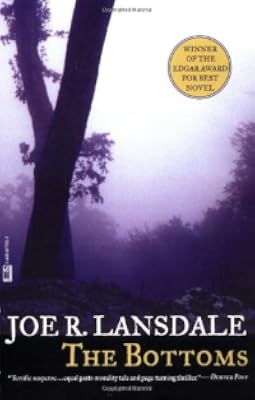
The Bottoms
by Joe R. Lansdale
On This Page
Description
The Edgar Award winning thriller The Bottoms is classic American storytelling in its truest, darkest, and more affecting formwith echoes of William Faulkner and Harper Lee. Its 1933 in East Texas and the Depression lingers in the air like a slow moving storm. When a young Harry Collins and his little sister stumble across the body of a black woman who has been savagely mutilated and left to die in the bottoms of the Sabine River, their small town is instantly charged with tension. When show more a second body turns up, this time of a white woman, there is little Harry can do from stopping his Klan neighbors from lynching an innocent black man. Together with his younger sister, Harry sets out to discover who the real killer is, and to do so they will search for a truth that resides far deeper than any river or skin color. show lessTags
Recommendations
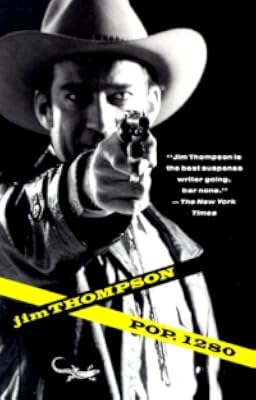
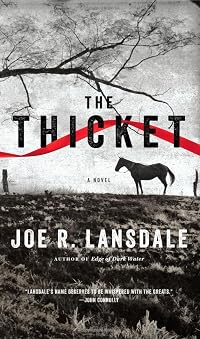
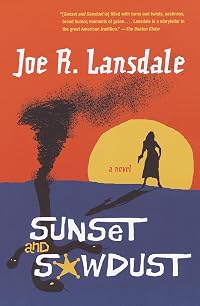
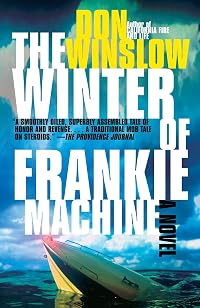

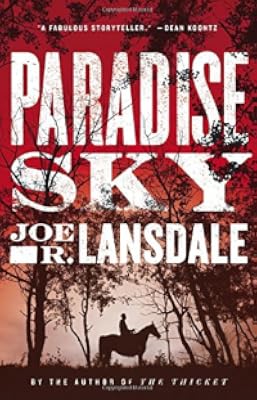
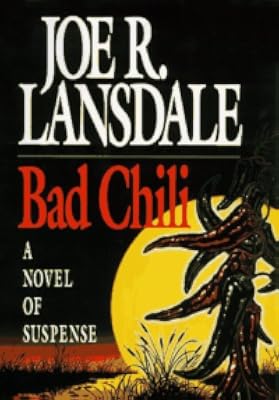
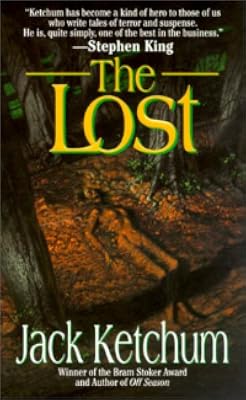
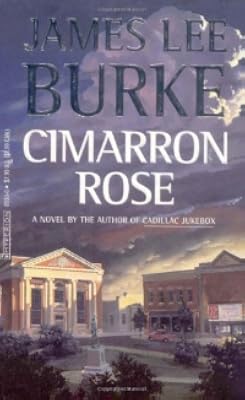

Member Recommendations
Member Reviews
THE BOTTOMS, an Edgar-winning mystery, was originally written by Joe R. Lansdale in 2000. I was interested in reading it the n, but never quite got around to it. The book stayed on my 'to-read' list, and on my shelf, year after year. Now I've finally read it and I ask myself, "What took me so long??"
This is quite simply one of the best suspense stories I have ever read. The suspense was real, the characters compelling, and the story moved right along so that before I knew it, the pages had flown by.
The story is told as the reminiscence of an old man who as a boy lived in the deep woods of east Texas in the 1930s. The low-lying woods, with its river full of water moccasins and moss-laced trees, are known as 'the Bottoms'. It's a show more perfectly eerie place to set a murder mystery.
The boy, Harry, and his little sister, Tom, find the mutilated body of a woman tied with barbed wire to a tree next to the river. Their father is the local constable, so Harry tries to taga long as his father looks for clues to the murderer's identity. The murdered woman was black, but her body was found in the predominantly white area. Racism is rampant in these parts, so there is a lot of racial tension. More grisly murders occur and the story gets more complicated.
Who is committing the murders? The Goat Man, a devil creature believed to live in the woods? Mose, the black man who lives in a shack by the river? Red, the prejudiced white constable of the next town, a man who also has ties to Harry's father and mother? Or one of the Nation boys, known to torture small creatures? The suspects are many and the clues are few.
I was really impressed with Lansdale's portrayal of his characters, especially Harry's father. Not being able to clear up the murders really takes its toll on him. Other characters show real emotion and empathy. This isn't a cozy story, and bad things do happen to good people.
The suspense in this book is great. If anyone had tapped me on the shoulder while I was reading this I would have jumped out of my skin! From crossing the rickety 'swinging bridge' over the river, to running through brambles at night with an unknown person or creature following, the outcomes were filled with trepidation.
Lansdale has written many other books, although this is the first I've read. Now I want to read more! Does anyone have recommendations on which one I should read next? show less
This is quite simply one of the best suspense stories I have ever read. The suspense was real, the characters compelling, and the story moved right along so that before I knew it, the pages had flown by.
The story is told as the reminiscence of an old man who as a boy lived in the deep woods of east Texas in the 1930s. The low-lying woods, with its river full of water moccasins and moss-laced trees, are known as 'the Bottoms'. It's a show more perfectly eerie place to set a murder mystery.
The boy, Harry, and his little sister, Tom, find the mutilated body of a woman tied with barbed wire to a tree next to the river. Their father is the local constable, so Harry tries to taga long as his father looks for clues to the murderer's identity. The murdered woman was black, but her body was found in the predominantly white area. Racism is rampant in these parts, so there is a lot of racial tension. More grisly murders occur and the story gets more complicated.
Who is committing the murders? The Goat Man, a devil creature believed to live in the woods? Mose, the black man who lives in a shack by the river? Red, the prejudiced white constable of the next town, a man who also has ties to Harry's father and mother? Or one of the Nation boys, known to torture small creatures? The suspects are many and the clues are few.
I was really impressed with Lansdale's portrayal of his characters, especially Harry's father. Not being able to clear up the murders really takes its toll on him. Other characters show real emotion and empathy. This isn't a cozy story, and bad things do happen to good people.
The suspense in this book is great. If anyone had tapped me on the shoulder while I was reading this I would have jumped out of my skin! From crossing the rickety 'swinging bridge' over the river, to running through brambles at night with an unknown person or creature following, the outcomes were filled with trepidation.
Lansdale has written many other books, although this is the first I've read. Now I want to read more! Does anyone have recommendations on which one I should read next? show less
I was somewhat tempted to stop reading this early on, first because it was a little boring but then it got better but I was again tempted because I suspected it was headed into a lot of misery. I grew up in the south (Alabama), although a bit later that the '30s, and I knew a little about race relations. But I'm glad I kept on, even though there was indeed a lot of misery. The book was so well-written that it drew me in and I couldn't have stopped even if I's wanted to after a while.
Even though I was born in Alabama, I grew up in the suburbs, and found this story about the people who lived in the "bottoms" to be fascinating. It's hard to even imagine living in a place like that now, where they had very little contact with the outside show more world, and there was no enforced law and order. It was basically might makes right. If the people decided someone was guilty of what they considered to be a crime, they took care of it right away - mostly, of course, having to do with race relations. The KKK was active, and they took the law into their own hands. The blacks didn't dare to object. When I was growing up, it probably wasn't a whole lot better, but I never saw or heard about anything where I lived, and my family was strongly against that sort of behavior.
I've read a lot of the author's Hap and Leonard series, and enjoyed the humor and fun; I never realized he could write a serious book like this. Now, I may need to look for more. show less
Even though I was born in Alabama, I grew up in the suburbs, and found this story about the people who lived in the "bottoms" to be fascinating. It's hard to even imagine living in a place like that now, where they had very little contact with the outside show more world, and there was no enforced law and order. It was basically might makes right. If the people decided someone was guilty of what they considered to be a crime, they took care of it right away - mostly, of course, having to do with race relations. The KKK was active, and they took the law into their own hands. The blacks didn't dare to object. When I was growing up, it probably wasn't a whole lot better, but I never saw or heard about anything where I lived, and my family was strongly against that sort of behavior.
I've read a lot of the author's Hap and Leonard series, and enjoyed the humor and fun; I never realized he could write a serious book like this. Now, I may need to look for more. show less
Every time I finish a Joe R. Lansdale book I swear that I need to read more of his books. Often life gets in the way, though, and a good deal of time goes by before I pick up another. Having just finished The Bottoms, I am really, really, really determined to make Joe Lansdale one of my best friends. This standalone novel, written in the guise of an old man’s reminiscence, is an exceptional combination of murder mystery and coming-of-age tale set in East Texas during the Great Depression.
Harry Collins, 14, lives with his family along the banks of the Sabine River. His father, Jacob, has donned many hats (farmer, barber, town constable) in his struggle to stay afloat during the lean years of the Depression. One day while hunting with show more his sister, Tom (okay, Thomasina) they find the mutilated body of a black woman tied to a tree near the river. Soon more bodies turn up and the hunt is on for a killer. While Jacob is searching for a human killer, Harry and Tom are convinced that they have already seen the killer, the legendary Goat Man, rumored to stalk the river bottoms in search of prey. Things get complicated quickly when one of the victims turns out to be white and the local Klan gets involved.
Although this is an original tale in its own right it also has many undeniable similarities to To Kill a Mockingbird which I found inexplicably entertaining. Ordinarily I would find copycatting Harper Lee presumptuous in the extreme and earn the author a good horsewhipping. Lansdale, however, gets a pass from me because his remarkable character building skills and storytelling ability kept me fully engaged all the way through to its bittersweet ending.
On the downside, the whodunit aspects of the story aren’t as challenging as they could be so readers who consider the author’s skill at concealing the killer’s identity important, you may not be too impressed. If you are like me, however, and are just along for the ride, you will likely find it enjoyable.
4.5 stars (rounded up because, well damn it, because I can and I want to!)
FYI: On a 5-point scale I assign stars based on my assessment of what the book needs in the way of improvements:
*5 Stars – Nothing at all. If it ain’t broke, don’t fix it.
*4 Stars – It could stand for a few tweaks here and there but it’s pretty good as it is.
*3 Stars – A solid C grade. Some serious rewriting would be needed in order for this book to be considered great or memorable.
*2 Stars – This book needs a lot of work. A good start would be to change the plot, the character development, the writing style and the ending.
*1 Star - The only thing that would improve this book is a good bonfire. show less
Harry Collins, 14, lives with his family along the banks of the Sabine River. His father, Jacob, has donned many hats (farmer, barber, town constable) in his struggle to stay afloat during the lean years of the Depression. One day while hunting with show more his sister, Tom (okay, Thomasina) they find the mutilated body of a black woman tied to a tree near the river. Soon more bodies turn up and the hunt is on for a killer. While Jacob is searching for a human killer, Harry and Tom are convinced that they have already seen the killer, the legendary Goat Man, rumored to stalk the river bottoms in search of prey. Things get complicated quickly when one of the victims turns out to be white and the local Klan gets involved.
Although this is an original tale in its own right it also has many undeniable similarities to To Kill a Mockingbird which I found inexplicably entertaining. Ordinarily I would find copycatting Harper Lee presumptuous in the extreme and earn the author a good horsewhipping. Lansdale, however, gets a pass from me because his remarkable character building skills and storytelling ability kept me fully engaged all the way through to its bittersweet ending.
On the downside, the whodunit aspects of the story aren’t as challenging as they could be so readers who consider the author’s skill at concealing the killer’s identity important, you may not be too impressed. If you are like me, however, and are just along for the ride, you will likely find it enjoyable.
4.5 stars (rounded up because, well damn it, because I can and I want to!)
FYI: On a 5-point scale I assign stars based on my assessment of what the book needs in the way of improvements:
*5 Stars – Nothing at all. If it ain’t broke, don’t fix it.
*4 Stars – It could stand for a few tweaks here and there but it’s pretty good as it is.
*3 Stars – A solid C grade. Some serious rewriting would be needed in order for this book to be considered great or memorable.
*2 Stars – This book needs a lot of work. A good start would be to change the plot, the character development, the writing style and the ending.
*1 Star - The only thing that would improve this book is a good bonfire. show less
The Bottoms may very well be the best book of Joe R. Lansdale’s career. It typifies what is best about his work with fascinating characters in unique situations in a story that is wonderfully Texas. Not chock full of the humor or "colorful" language of his previous works, Lansdale shows a maturity and skill that comes with writing 16 previous novels. Not to say that the language and humor aren't there but they are used sparingly and intelligently.
Set in 1930's Texas, The Bottoms tells the moving story of a boy who discovers a mutilated body of a black woman and the racial intolerance that his constable father encounters. Full of superstition, terror, and tenderness, this book should at long last catapult Lansdale to the forefront of show more Texas authors. He is truly the king of the Texas Gothic.
The Bottoms is an amazing depression era coming of age novel, not only of a boy but of a town. show less
Set in 1930's Texas, The Bottoms tells the moving story of a boy who discovers a mutilated body of a black woman and the racial intolerance that his constable father encounters. Full of superstition, terror, and tenderness, this book should at long last catapult Lansdale to the forefront of show more Texas authors. He is truly the king of the Texas Gothic.
The Bottoms is an amazing depression era coming of age novel, not only of a boy but of a town. show less
The Bottoms by Joe Lansdale takes place in 1930s East Texas. Narrated by the elderly Harry Collins, The Bottoms blends mystery, thriller, horror, and the best of literary fiction into a compelling story of racial relations in 1930s Texas.
Harry Collins, elderly and infirm and living in a nursing home, recalls the story of when he was a preteen. While out in the woods one day with his sister, Harry stumbles upon an African-American woman who has been gruesomely murdered and tortured by a serial killer. His father, a town constable, begins to investigate, meeting opposition from the local townspeople, who insist that a black woman being killed is none of their concern. As more bodies turn up, however, tensions rise in the small town, and show more the Collins family finds themselves at odds with the local townspeople and the local Klan members. Harry is convinced a supernatural force named "The Goatman" has committed the atrocities, and begins an investigation of his own.
Lansdale has been hailed as a master storyteller, and I would have to agree. The Bottoms is a wonderful example of how a setting can be a character of its own; as a native of East Texas, the dialogue, scenery, and country similes are on point. The small town is so convincingly portrayed that there were scenes I could almost feel the heat baking down, even in the middle of February.
As a mystery, I can't say the book will be quite as compelling; there were a few tells that gave away the game early on. Lansdale's forte is clearly in the suspense and horror aspect. One scene, while Harry and his grandma take shelter in a shack during a hailstorm, made me catch my breath while reading. Fair warning to readers who are faint of heart: the book is graphic, disturbingly so. While I felt Lansdale deftly included the graphic without ever edging into obscene, it may be a bit much for some.
What is truly impressive with The Bottoms, however, is that rarely do horror and literary fiction meet. Horror is generally a genre disdained upon, but Lansdale has blended the two so seamlessly that even the most pretentious of literary snobs would be forced to acquiesce. The book has definite elements of To Kill a Mockingbird (albeit much darker) - the father who stands up and shames the local KKK, the curious and innocent narrator who watches the story unfold, racial tensions rising centering around a horrific crime... The back summary of my copy says, "Powerfully evoking William Faulkner and Harper Lee..." and that's probably the most accurate cover summary I have ever seen. Take the dark, Southern Gothic tones of "A Rose for Emily" with the thoughtful and insightful To Kill a Mockingbird, and you have The Bottoms.
Popsugar 2016: A book set in your home state show less
Harry Collins, elderly and infirm and living in a nursing home, recalls the story of when he was a preteen. While out in the woods one day with his sister, Harry stumbles upon an African-American woman who has been gruesomely murdered and tortured by a serial killer. His father, a town constable, begins to investigate, meeting opposition from the local townspeople, who insist that a black woman being killed is none of their concern. As more bodies turn up, however, tensions rise in the small town, and show more the Collins family finds themselves at odds with the local townspeople and the local Klan members. Harry is convinced a supernatural force named "The Goatman" has committed the atrocities, and begins an investigation of his own.
Lansdale has been hailed as a master storyteller, and I would have to agree. The Bottoms is a wonderful example of how a setting can be a character of its own; as a native of East Texas, the dialogue, scenery, and country similes are on point. The small town is so convincingly portrayed that there were scenes I could almost feel the heat baking down, even in the middle of February.
As a mystery, I can't say the book will be quite as compelling; there were a few tells that gave away the game early on. Lansdale's forte is clearly in the suspense and horror aspect. One scene, while Harry and his grandma take shelter in a shack during a hailstorm, made me catch my breath while reading. Fair warning to readers who are faint of heart: the book is graphic, disturbingly so. While I felt Lansdale deftly included the graphic without ever edging into obscene, it may be a bit much for some.
What is truly impressive with The Bottoms, however, is that rarely do horror and literary fiction meet. Horror is generally a genre disdained upon, but Lansdale has blended the two so seamlessly that even the most pretentious of literary snobs would be forced to acquiesce. The book has definite elements of To Kill a Mockingbird (albeit much darker) - the father who stands up and shames the local KKK, the curious and innocent narrator who watches the story unfold, racial tensions rising centering around a horrific crime... The back summary of my copy says, "Powerfully evoking William Faulkner and Harper Lee..." and that's probably the most accurate cover summary I have ever seen. Take the dark, Southern Gothic tones of "A Rose for Emily" with the thoughtful and insightful To Kill a Mockingbird, and you have The Bottoms.
Popsugar 2016: A book set in your home state show less
I'm glad I didn't read the comparisons to To Kill A Mockingbird before I read this. In retrospect it gives the story structure away. However there's not that much in common; this is a swampy thriller about some gruesome murders back in the great depression days. At times it felt a bit like Blackwater: The Complete Saga with an eerie supernatural angle hanging over things. The reveals toward the end pops the mystery bubble for an ending you can probably predict, but it's well written enough that it's earned and doesn't feel lazy.
Profondo sud americano, un momento nel tempo sospeso tra un passato la cui distanza è difficile da misurare e il presente. Due ragazzini, fratello e sorella, crescono spensierati e quasi selvaggi, ignari che il mondo è un posto malvagio e che le creature spaventose delle quali favoleggiano le vecchie donne di colore possono essere fin troppo reali, fino al giorno in cui, durante una delle loro scorribande, scoprono un cadavere di donna, torturato in modo orrendo. La ricerca del colpevole di questa, e di altre morti orrende, li condurrà a scavare in tutte le miserie dell'animo umano, dal razzismo fino all'incapacità del loro padre di sostenere il senso di colpa e a scoprire che il male assoluto può avere il viso amabile di qualcuno show more che conosciamo da sempre.
Come sempre Lansdale ci offre un magnifico romanzo di formazione, capace di far sentire al lettore le voci dei protagonisti, soprattutto di quelli a cui la comunità la voce la toglie, o cerca di toglierla.
Da leggere senza far troppo caso ai congiuntivi.
American Deep South, a moment in time suspended between a past whose distance is difficult to measure and the moment. Two children, brother and sister, grow carefree and almost savages, unaware that the world is a bad place and that the scary creatures of which old black women fable can be all too real, until the day when, during one of their raids, they discover a dead woman, horribly tortured. The search for the culprit of this and other horrendous deaths, lead them to dig in all the human miseries, from racism to the failure of their father to support the guilt and to find that absolute evil can have the lovely face of someone one has always known.
As always Lansdale offers us a magnificent bildungsroman, able to make the reader feel the voices of the characters, especially those to which the community's takes the voice, or tries to take it off.
To read without much attention to the subjunctives. show less
Come sempre Lansdale ci offre un magnifico romanzo di formazione, capace di far sentire al lettore le voci dei protagonisti, soprattutto di quelli a cui la comunità la voce la toglie, o cerca di toglierla.
Da leggere senza far troppo caso ai congiuntivi.
American Deep South, a moment in time suspended between a past whose distance is difficult to measure and the moment. Two children, brother and sister, grow carefree and almost savages, unaware that the world is a bad place and that the scary creatures of which old black women fable can be all too real, until the day when, during one of their raids, they discover a dead woman, horribly tortured. The search for the culprit of this and other horrendous deaths, lead them to dig in all the human miseries, from racism to the failure of their father to support the guilt and to find that absolute evil can have the lovely face of someone one has always known.
As always Lansdale offers us a magnificent bildungsroman, able to make the reader feel the voices of the characters, especially those to which the community's takes the voice, or tries to take it off.
To read without much attention to the subjunctives. show less
Members
- Recently Added By
Lists

Books Read in 2016
4,666 works; 199 members

Edgar Award
418 works; 15 members

Best Mysteries With a Historical Setting
292 works; 160 members

The 100 Best Crime Novels and Thrillers since 1945
100 works; 6 members
Author Information

442+ Works 19,911 Members
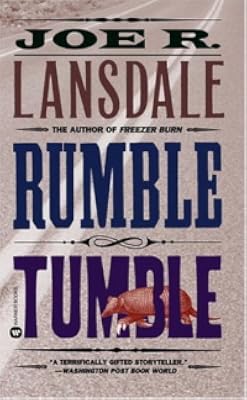
Joe R. Lansdale was born in Gladewater, Tex. in 1951. He attended Tyler Junior College, the University of Texas at Austin, and Stephen F. Austin State University. Lansdale has also had a varied career, having worked as a bouncer, a bodyguard, a transportation manager, a custodian, and a karate instructor before becoming a fulltime writer in 1981. show more Lansdale's written work includes several novels and more than 200 short stories. Although his favorite genre is fantasy, with suspense a close second, he has also written mysteries, horror, science fiction, and westerns. Some titles include Rumble Tumble, Dead in the West, The Nightrunners, Cold in July, By Bizarre Hands and The Drive-in (a 'B' Movie with Blood and Popcorn. Made in Texas) . In addition, Lansdale has edited the short-story anthologies Best of the West, The New Frontier: Best of the West 2, and Razored Saddles. Lansdale has received five Bram Stoker Awards from the Horror Writers of America, including one for "The Night They Missed the Horror Show." He has also been awarded the British Fantasy Award and the American Horror Award. Joe Lansdale and his second wife, Karen, have two children. They live in Nacagdoches, Tex. (Bowker Author Biography) show less
Some Editions
Awards and Honors
Awards
Notable Lists
Series
Belongs to Publisher Series
DuMont's Kriminal-Bibliothek (1138)
Il giallo Mondadori (2785)
Common Knowledge
- Canonical title*
- In fondo alla palude
- Original title
- The Bottoms
- Alternate titles
- Sotto gli occhi dell'alligatore
- Original publication date
- 2000
- People/Characters
- Harry Crane; Thomasina "Tom" Crane; Jacob Crane; Red Woodrow
- Important places
- Texas, USA
- Important events*
- Harry and Tom Crane find the body of a black woman who has been murdered.; Grande Depressione
- Dedication
- This is dedicated to the loving memory of my mother and father, A.B. (Bud) Lansdale and O'Reta Lansdale. They weathered the Great Depression, recessions, plain old hard work, and difficult times without complaint. I wish ther... (show all)e were more like them.
- First words
- News didn't travel the way it does now.
- Last words
- (Click to show. Warning: May contain spoilers.)It's all done now, those long-ago events of the nineteen thirties.
- Original language
- English
- Canonical DDC/MDS
- 813.54
- Canonical LCC
- PS3562.A557
*Some information comes from Common Knowledge in other languages. Click "Edit" for more information.
Classifications
Statistics
- Members
- 1,232
- Popularity
- 20,153
- Reviews
- 46
- Rating
- (4.05)
- Languages
- 6 — English, French, German, Italian, Spanish, Turkish
- Media
- Paper, Audiobook, Ebook
- ISBNs
- 34
- ASINs
- 9