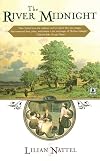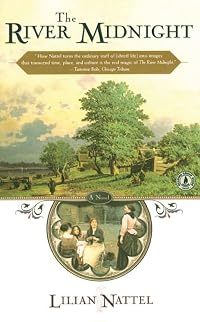
The River Midnight
by Lilian Nattel 
On This Page
Description
Myth meets history in Blaszka, a fictional village in Poland and the site of this beautiful, multi-layered novel set in 1894. Listen. You can hear the excitement in the village square, the flimsy stalls piled high with wares, and in the centre Misha the midwife laughing. The wayward heart of Blaszka, she holds safe all the local secrets, including the stories of the four vilda hayas, the wild creatures, as she and her girlfriends were known. Although the women have grown apart, unexpected show more love, a daughter imprisoned, and two orphan children sent home from America, entwine their lives again - all as Europe moves headlong towards chaos. In this magnificent novel of magic and mystery, Lilian Nattel has resurrected a vanished world that explores the tensions between men and women, and celebrates the wordless bonds of friendship in a way that is simply unparalleled. show lessTags
Recommendations


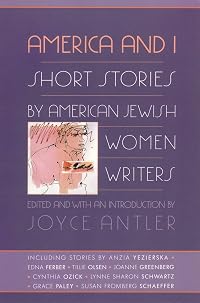
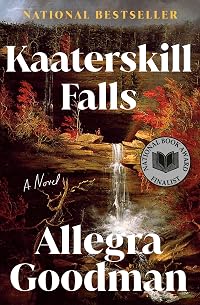
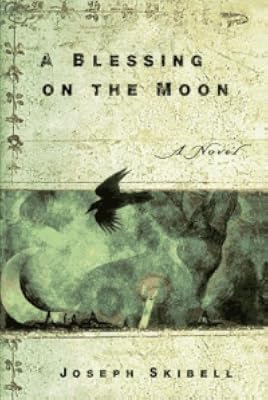
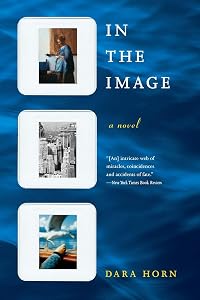










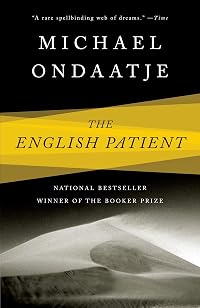
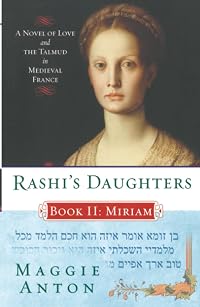
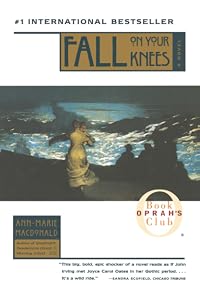
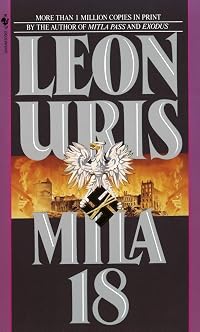

Member Recommendations
BookshelfMonstrosity While The River Midnight occurs immediately prior to WWII and Day After Night immediately after, both are emotional stories of Jewish women struggling with their situations; both also depict a sense of female community within a larger group of outsiders.
Member Reviews
The River Midnight tells the story of a Shtetl in Poland using 4 women friends, the "Vilda Chayas" (wild animals, a nickname they received as children because they were mischievous) as the main characters. Easy to see this novel as a play with a number of acts in which each main character and sub-characters move the simple plot forward.
Hard to believe a poor Jewish hamlet could contain so much depth and wisdom about women's strengths, hidden or otherwise, spirituality and belief in G-d, loyalty, innocence, anger and violence, birth and death, education and ignorance. These 4 women care deeply about their families, neighbors, the town and do everything in their power to help each other whether giving charity to those without enough to show more eat, praying, herbal preparations, advice or love. They are not perfect but understand how they all need each other.
I love Nattel's capable use of magical realism, the river as purifier, gossip and humor to create a wonder of a world fraught with danger but filled with life and fulfillment.
Well done! show less
Hard to believe a poor Jewish hamlet could contain so much depth and wisdom about women's strengths, hidden or otherwise, spirituality and belief in G-d, loyalty, innocence, anger and violence, birth and death, education and ignorance. These 4 women care deeply about their families, neighbors, the town and do everything in their power to help each other whether giving charity to those without enough to show more eat, praying, herbal preparations, advice or love. They are not perfect but understand how they all need each other.
I love Nattel's capable use of magical realism, the river as purifier, gossip and humor to create a wonder of a world fraught with danger but filled with life and fulfillment.
Well done! show less
As much a look into history as it is a piece of transporting entertainment, Nattel's The River Midnight brings to life the men and women of a shtetl northwest of Warsaw. Weaving small-town gossip with frightening politics, the concerns of a small town with individuals in hope and in mourning, and half-dreamt magical realism with hard-pressed reality, the novel is a layered masterpiece, and well worth reading.
In Blaszka, this fictional village of Polish Jews, everything is paramount. Meticulously detailed, the novel moves effortlessly between characters, teaching history even as it entertains. On some level, there's a pregnant midwife named Misha who is at the center of everything. On another level, she is less important than the village show more community, and only as important as the young men and women who are around her, accepting or rebelling against changing politics and a seemingly shrinking village.
All together, it's difficult to say anything at all about this work. More than any historical fiction I've read in recent years, this book manages to balance daily life with historical care while still treating issues of the time which go beyond the day-to-day, and there's something magical about the way it all comes together.
Simply, this is one of those novels that is worth reading. Call it literary fiction or magical realism or historical fiction or whatever you like--it tells a wonderful story, with both grace and humor, and it is, very simply, powerful.
Absolutely recommended. show less
In Blaszka, this fictional village of Polish Jews, everything is paramount. Meticulously detailed, the novel moves effortlessly between characters, teaching history even as it entertains. On some level, there's a pregnant midwife named Misha who is at the center of everything. On another level, she is less important than the village show more community, and only as important as the young men and women who are around her, accepting or rebelling against changing politics and a seemingly shrinking village.
All together, it's difficult to say anything at all about this work. More than any historical fiction I've read in recent years, this book manages to balance daily life with historical care while still treating issues of the time which go beyond the day-to-day, and there's something magical about the way it all comes together.
Simply, this is one of those novels that is worth reading. Call it literary fiction or magical realism or historical fiction or whatever you like--it tells a wonderful story, with both grace and humor, and it is, very simply, powerful.
Absolutely recommended. show less
Set in a shtetl in Russian occupied Poland during the late 1800s, this is a story told multiple times. The action takes place over a year’s time (with both flashbacks and glimpses of the future, too); first it’s told from the viewpoint of the women of the village, then again from the men’s POV, then finally from the view of the main character, Misha, the shtetl midwife and herbalist. While the whole village is part of the story, the backbone of it follows the pregnancy of Misha, ended with her giving birth.
The story focuses on four women. As young girls, they were nicknamed the vilda hayas, the wild creatures, because they ran wild through the forest and the village. They had great plans. But in the end, one emigrated to America show more and died, leaving two children; one ran her husband’s business brilliantly but never had a child; one had too many children; and the fourth was Misha, who did not have a husband but was pregnant, had one divorce, still wore her hair loose, and knew all the secrets of the shtetl.
Each telling brings the story and the people more into focus, like watching an old interlaced GIF download years ago. While we find out what happened in the first telling, by the end of the third telling we know *why* the things happened. Hard things happen; children are orphaned, a young girl goes to jail, an unspeakable crime takes place. But it’s still a story of joy; their sect of Judaism asks them to look for joy, to help each other, to let no one starve.
Nattel brings the shtetl to life with her writing. From the houses with the chickens roosting in the hallways, to the herbs that Misha gathers and stores, to the way that religion permeates every aspect of the villager’s lives, it’s all described in loving prose. The love and friendship that binds them together is warm and alive; the story is like a tapestry with a million details. While the pace is moderate to slow, I love this book. It has a touch of magical realism and a lot of life. show less
The story focuses on four women. As young girls, they were nicknamed the vilda hayas, the wild creatures, because they ran wild through the forest and the village. They had great plans. But in the end, one emigrated to America show more and died, leaving two children; one ran her husband’s business brilliantly but never had a child; one had too many children; and the fourth was Misha, who did not have a husband but was pregnant, had one divorce, still wore her hair loose, and knew all the secrets of the shtetl.
Each telling brings the story and the people more into focus, like watching an old interlaced GIF download years ago. While we find out what happened in the first telling, by the end of the third telling we know *why* the things happened. Hard things happen; children are orphaned, a young girl goes to jail, an unspeakable crime takes place. But it’s still a story of joy; their sect of Judaism asks them to look for joy, to help each other, to let no one starve.
Nattel brings the shtetl to life with her writing. From the houses with the chickens roosting in the hallways, to the herbs that Misha gathers and stores, to the way that religion permeates every aspect of the villager’s lives, it’s all described in loving prose. The love and friendship that binds them together is warm and alive; the story is like a tapestry with a million details. While the pace is moderate to slow, I love this book. It has a touch of magical realism and a lot of life. show less
The River Midnight is a special book, one that deserves far more popularity and visibility than it has received.
This novel is set in a small Polish-Jewish shtetl at the end of the 19th Century. At the heart of the story (which is told repeatedly from various perspectives), is a small and beautiful mystery.
This novel could be challenging if not approached with care and patience. Because the story is picked up and left off by various characters at various points in the plot, it needs a little extra attention. The investment is worthwhile. Nattel devoted a great deal of research to this book, and each character is meticulously drawn. The language and plot meander just like a river.
When I finished reading The River Midnight, I had the show more overarching impressions that Nattel had fallen in love with her characters. I did too. My criteria for meeting the highly coveted "6 Star" tag is the feeling that I didn't want a book to end -- I didn't want The River Midnight to end. If you're a fan of historical fiction, Jewish fiction, fiction about women, magical realism or all of the above, please find a copy of this lovely book. show less
This novel is set in a small Polish-Jewish shtetl at the end of the 19th Century. At the heart of the story (which is told repeatedly from various perspectives), is a small and beautiful mystery.
This novel could be challenging if not approached with care and patience. Because the story is picked up and left off by various characters at various points in the plot, it needs a little extra attention. The investment is worthwhile. Nattel devoted a great deal of research to this book, and each character is meticulously drawn. The language and plot meander just like a river.
When I finished reading The River Midnight, I had the show more overarching impressions that Nattel had fallen in love with her characters. I did too. My criteria for meeting the highly coveted "6 Star" tag is the feeling that I didn't want a book to end -- I didn't want The River Midnight to end. If you're a fan of historical fiction, Jewish fiction, fiction about women, magical realism or all of the above, please find a copy of this lovely book. show less
I loved parts of this; parts were confusing. Set in a Jewish shtetl in the late 1900's, this is really a story of the connection between women: friends, sisters, mothers and daughters, grandmothers and granddaughters. This is also a story of life in a tradition bound small village in Poland and the intimate lives that live there. Four girls grew up together and were best of friends. Now, as grown women, they are leading separate lives. One is married to a butcher and unhappily seems unable to bear children. Another forsaking her education, married young and now has many children. One left for America with her husband but has died there leaving a son and daughter who return to Blaszka, their mother's village. The other, Misha, has show more divorced her husband, lives alone and serves as a midwife (and herbal healer) to the village.
Even living their separate lives, they cannot become unconnected. As Misha turns up pregnant, there is mystery as to who the father is. Emma, the young girl born in America, returns to the village with worldly ideas of freedom and scorns the traditions of the village. There are a number of male characters whose lives affect the women. Berekh is a young rabbi and the probable father of Misha's child. Yarush is a horrible, cruel thief who could also be the father because of rape.
There is an element of the supernatural intertwined. I was never able to figure to quite get the idea of the "Director" and the "Traveler" who appear in several different chapters. I'm just not a fan of the mystical and this led to a lesser rating. However, I loved the ending of the book and the imagery of the river midnight under the ground that ties us together. show less
Even living their separate lives, they cannot become unconnected. As Misha turns up pregnant, there is mystery as to who the father is. Emma, the young girl born in America, returns to the village with worldly ideas of freedom and scorns the traditions of the village. There are a number of male characters whose lives affect the women. Berekh is a young rabbi and the probable father of Misha's child. Yarush is a horrible, cruel thief who could also be the father because of rape.
There is an element of the supernatural intertwined. I was never able to figure to quite get the idea of the "Director" and the "Traveler" who appear in several different chapters. I'm just not a fan of the mystical and this led to a lesser rating. However, I loved the ending of the book and the imagery of the river midnight under the ground that ties us together. show less
This is the most brilliant set of stories all interwoven in an engaging style. Whenever I am asked to recommend a book, I say The River Midnight. The prose is so relaxed and evocative - it's like someone's narrating with a lowered voice as you watch the events described play out in front of you. This isn't like dealing with an Atwood or Lessing read. This is much sparer then either of those two great writers but still the imagery is tremendous. Each character's version of events is a glimpse into their own world and how they live in it day by day. I can't give away any part of the story but would encourage anyone in need of a reminder of just how immensely well a writer can transport you from your daily cares to take this book to a show more quiet place and read it. show less
This is a good book for those who like reading other cultures (in this case, a Jewish village in Poland). The author uses an interesting writing style, telling the same events from the viewpoints of different people -- the women of the town, the men of the town, and the town's midwife/herbalist. It is a bit slow in parts, but very interesting to see how those in the town live their everyday lives, and the different interpretations of each event by different characters and genders. The women in this town are strong, a plus for those who enjoy strong female characters. Recommended.
Members
- Recently Added By
Lists

Best Historical Fiction
620 works; 261 members
Author Information
5 Works 720 Members
Lilian Nattel was born and raised in Montreal. Her family emigrated from Poland, their history lost in prewar memory. Reinventing this history, she has rewoven the broken threads with years of research. Nattel's short stories have been anthologized, and she has been awarded grants by the Canada Council and the Ontario Arts Council. She now lives show more in Toronto. show less
Some Editions
Awards and Honors
Awards
Series
Belongs to Publisher Series
Meulenhoff editie (1752)
Common Knowledge
- Canonical title
- The River Midnight
- Original title
- The River Midnight
- Alternate titles*
- De middernachtrivier : roman
- Original publication date
- 1999
- People/Characters
- Misha
- Important places
- Poland; Blaszka, Poland
- First words
- Time grows short at the end of a century, like winter days when night falls too soon.
- Last words
- (Click to show. Warning: May contain spoilers.)So you make yourself a bowl of mushroom soup, and as you lift the spoon to your lips, remember that this, too, is the river midnight, and as you drink, know that Hanna-Leah made this exact same soup for Hershel, once upon a time.
- Blurbers
- Salamon, Julie; Roiphe, Anne; Eliach, Yaffa
- Original language*
- Engels
*Some information comes from Common Knowledge in other languages. Click "Edit" for more information.
Classifications
Statistics
- Members
- 480
- Popularity
- 63,063
- Reviews
- 8
- Rating
- (4.06)
- Languages
- Dutch, English, German, Hungarian
- Media
- Paper, Ebook
- ISBNs
- 14
- ASINs
- 2