In the Dutch Mountains
by Cees Nooteboom
On This Page
Description
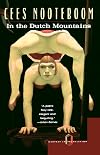
From the author of The Following Story, winner of the 1993 Aristeion Literary Prize, comes a tale which is funny, philosophical, original, sexual and wonderfully fantastical. It has been described as a poet's fairy tale.Tags
Recommendations


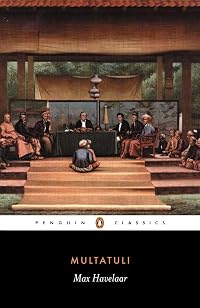
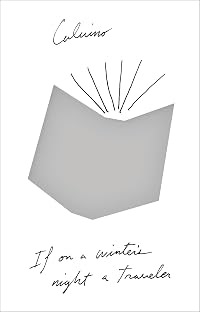


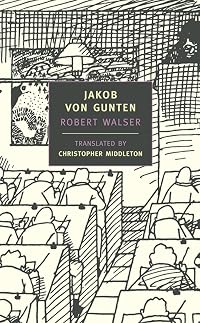


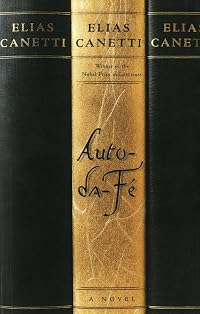






Member Recommendations
GlebtheDancer Metafiction, characters appear as both actors in and tellers of the same story
10
Under the Sun (Series B: English Translations of Works of Scandinavian Literature) by Hanne Marie Svendsen
GlebtheDancer Told like a fairy tale for adults
CGlanovsky Metafiction involving the creation of fairy-tale worlds.
Member Reviews
This is a cold little fairy tale, narrated by Alfonso Tiburon de Mendoza, a 'morose provincial inspector of roads, in the ancient Kingdom of Aragon'. (I quote from the cover blurb.) The tale begins and ends with the conventional fairy tale, ''Once upon a time....happily ever after'. It is characteristic of the dry wit of the book, and his intrusive part in the tale, that it is the narrator, Tiburon, who solemnly announces at the end of the tale that he sat at his writing desk, 'happily ever after'. His protagonists, the lovers Kai and Lucia, are circus illusionists 'of unearthly beauty (and innocence)', who suffer separation before finding each other again. Their separation is told without pathos and their reconciliation is told without show more joy. Tiburon quite deliberately refrains from providing them with the conventional happy thereafter: the conventions of the fairy tale are deconstructed and subverted.
'In the Dutch Mountains' is a short novel, best read quickly so that one can enjoy the cold, dry crackle of Nooteboom's wit. As the neatly turned oxymoron of the title indicates, Nooteboom has much to say, through the persona of his Spanish narrator, of the condition of being Dutch. show less
'In the Dutch Mountains' is a short novel, best read quickly so that one can enjoy the cold, dry crackle of Nooteboom's wit. As the neatly turned oxymoron of the title indicates, Nooteboom has much to say, through the persona of his Spanish narrator, of the condition of being Dutch. show less
El protagonista de este cuento de hadas moderno es la palabra, el lenguaje. Cees Nooteboom (que igual gana el Nobel un año de estos) cede el poder de la creación, de la escritura, a su protagonista Alfonso Tiburón de Mendoza, un inspector de carreteras que escribe libros pero rechaza cualquier tipo de fama y publicidad, ni tan siquiera su familia conoce este "vicio" suyo. Aprovechando que es agosto y no hay clases, se refugia en su antiguo colegio para escribir un cuento que transcurre en una Holanda imaginaria, en las montañas del Sur del antiguo reino de Holanda. Pero de todos es sabido que en Holanda nunca ha habido montañas. Los protagonistas de este cuento son Kai y Lucía, ilusionistas de circo que han de acudir al Sur en show more busca de trabajo. Es entonces cuando Kai es secuestrado por la Reina de las Nieves y Lucía ha de buscarle.
Pero este no es un cuento de hadas al uso, ya que Nooteboom y su escritor Tiburón, se inmiscuyen constantemente en la trama mediante ideas y reflexiones filosóficas y comentarios históricos y lingüísticos. Por ejemplo:
"[...:] En los mitos, los seres humanos viven eternamente. En los cuentos, viven muchos años y son felices. En las novelas, al final de esos muchos años empieza la desdicha, y la mayoría de las veces incluso antes.
En los mitos, todo, de un modo u otro, queda resuelto. En las novelas nunca se resuelve nada, y en los cuentos la solución se aplaza, pero si alguna vez tiene lugar, es fuera del marco del cuento. Esa es la mentira."
He leído ya varios libros de Nooteboom y las semejanzas con Kundera son obvias. La inclusión de comentarios filosóficos es lo que más me ha gustado de este libro, más que la parte del cuento de hadas. Aunque no es el mejor libro de Nooteboom, no deja de ser interesante. Me sigo quedando con 'El días de todas la almas', una absoluta obra maestra. show less
Pero este no es un cuento de hadas al uso, ya que Nooteboom y su escritor Tiburón, se inmiscuyen constantemente en la trama mediante ideas y reflexiones filosóficas y comentarios históricos y lingüísticos. Por ejemplo:
"[...:] En los mitos, los seres humanos viven eternamente. En los cuentos, viven muchos años y son felices. En las novelas, al final de esos muchos años empieza la desdicha, y la mayoría de las veces incluso antes.
En los mitos, todo, de un modo u otro, queda resuelto. En las novelas nunca se resuelve nada, y en los cuentos la solución se aplaza, pero si alguna vez tiene lugar, es fuera del marco del cuento. Esa es la mentira."
He leído ya varios libros de Nooteboom y las semejanzas con Kundera son obvias. La inclusión de comentarios filosóficos es lo que más me ha gustado de este libro, más que la parte del cuento de hadas. Aunque no es el mejor libro de Nooteboom, no deja de ser interesante. Me sigo quedando con 'El días de todas la almas', una absoluta obra maestra. show less
Il tema non è la fiaba di Kai e Lucia ma il romanzo filosofico di un'estate (anche se il tempo è quello dilatato di tutte le estati del tempo) nella vita di Alfonso Tiburon, l'aragonese col vestito blu. Una fiaba dentro un romanzo, che è dentro il pensiero di uno scrittore olandese e il lettore da fuori ( o da dentro?) ne diventa parte. Grande letteratura.
A quick novella that essentially combines two separate stories into a single tale, with some recurring themes throughout. The primary story is the fairy tale of Kai and Lucia, two circus performers who make the perfect couple. When they are forced to take their act to the south, events transpire that separate the two lovers, and Lucia is left to try to rescue her husband. It's a solid, well written story that manages to capture the feel of old world fairy tales, and while it's a simple story, that's okay for a fairy tale (in fact this book makes the argument that simplicity is a necessary quality for a true fairy tale).
The other story in this novella is that of Tiburon, a road inspector from Zaragoza who is the ostensible author of the show more Kai and Lucia fairy tale. The segments dealing with Tiburon provide a brief sketch of his life, but primarily contain musings on the nature of books, myths, fairy tales, and storytelling in general. The road inspector struggles to give form to his story throughout the book, and by the end it's clear that he's perhaps just as much a fairy tale inhabitant as the characters he's given credit for creating.
The novella weaves these two stories together, but personally I found Kai and Lucia's story more compelling and better written. Tiburon's thoughts on the nature of story creation and the different forms of stories were interesting at times, but his insights are less than earth-shattering. His segments skewer many things, from the Dutch to philosophers, but Nooteboom does this in passing and doesn't make it a large part of the story. At the end of this novella I was left wishing that more time had been dedicated to Kai and Lucia's fairy tale and less to Tiburon's thoughts, instead of a nearly even split. This book is vastly different than Nooteboom's Rituals, proving that as an author he has range, but I found Rituals to be a noticeably more enjoyable work. show less
The other story in this novella is that of Tiburon, a road inspector from Zaragoza who is the ostensible author of the show more Kai and Lucia fairy tale. The segments dealing with Tiburon provide a brief sketch of his life, but primarily contain musings on the nature of books, myths, fairy tales, and storytelling in general. The road inspector struggles to give form to his story throughout the book, and by the end it's clear that he's perhaps just as much a fairy tale inhabitant as the characters he's given credit for creating.
The novella weaves these two stories together, but personally I found Kai and Lucia's story more compelling and better written. Tiburon's thoughts on the nature of story creation and the different forms of stories were interesting at times, but his insights are less than earth-shattering. His segments skewer many things, from the Dutch to philosophers, but Nooteboom does this in passing and doesn't make it a large part of the story. At the end of this novella I was left wishing that more time had been dedicated to Kai and Lucia's fairy tale and less to Tiburon's thoughts, instead of a nearly even split. This book is vastly different than Nooteboom's Rituals, proving that as an author he has range, but I found Rituals to be a noticeably more enjoyable work. show less
A childlike fantasy; of course, there are no mountains in Holland, but it's a wonderful device, a way of imagining a world that doesn't exist, populated with Hansel and Gretal-like characters, and witches and magic.
And intertwined through it all is the story of the writer himself, struggling to finish his book, and of the adventures he has trying to do so; and of the woman he meets who takes offence at not being allowed to stay a night in a seminary. A clever side story, that perfectly complements the innocence of the story proper.
And intertwined through it all is the story of the writer himself, struggling to finish his book, and of the adventures he has trying to do so; and of the woman he meets who takes offence at not being allowed to stay a night in a seminary. A clever side story, that perfectly complements the innocence of the story proper.
Disappointed, in both me and the book. I'm not smart enough to appreciate the book, but I still think the story really is just too wandering and self-indulgent. Either way, I was not beguiled by the writing so I don't care.
Disappointed, in both me and the book. I'm not smart enough to appreciate the book, but I still think the story really is just too wandering and self-indulgent. Either way, I was not beguiled by the writing so I don't care.
Members
- Recently Added By
Lists

Metafiction
84 works; 22 members

Reading Globally
136 works; 16 members

Best of World Literature
432 works; 51 members
Author Information

194+ Works 7,617 Members
Some Editions
Awards and Honors
Awards
Series
Belongs to Publisher Series
Work Relationships
Has as a student's study guide
Common Knowledge
- Original title
- In Nederland
- Original publication date
- 1984
- People/Characters
- Alfonso Tiburon
- Important places*
- Nederland
- Epigraph*
- "Woher haben wir die Geschichte?" "Willst du es wissen?" "Wir haben es aus der Tonne, aus der mit dem alten Papier." (Hans Christian Andersen aus 'Tante Zahnweh')
- Dedication*
- Opdracht van de auteur aan Reinbert de Leeuw 7 januari 1985
- First words*
- Es war einmal eine Zeit, von der manch einer glaubt, sie währe noch immer.
- Original language*
- Niederländisch
*Some information comes from Common Knowledge in other languages. Click "Edit" for more information.
Classifications
- Genres
- General Fiction, Fiction and Literature
- DDC/MDS
- 839.31364 — Literature & rhetoric German & related literatures Other Germanic literatures Netherlandish literatures Dutch Dutch fiction 20th Century 1945-1999
- LCC
- PT5881.24 .O55 .I513 — Language and Literature German, Dutch and Scandinavian literatures Dutch literature Individual authors or works 1961-2000
- BISAC
Statistics
- Members
- 361
- Popularity
- 87,155
- Reviews
- 11
- Rating
- (3.50)
- Languages
- 9 — Danish, Dutch, English, French, German, Italian, Serbian, Spanish, Swedish
- Media
- Paper, Ebook
- ISBNs
- 28
- ASINs
- 4