On This Page
Description
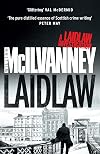
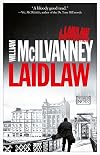
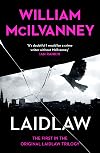
Meet Jack Laidlaw, the original damaged detective. When a young woman is found brutally murdered on Glasgow Green, only Laidlaw stands a chance of finding her murderer from among the hard men gangland villains and self-made moneymen who lurk in the city's shadows.Tags
Recommendations












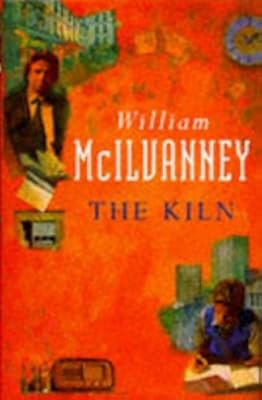

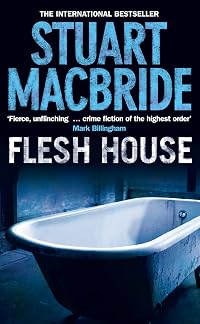

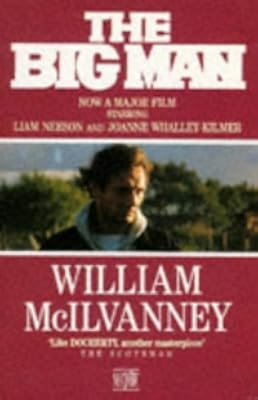
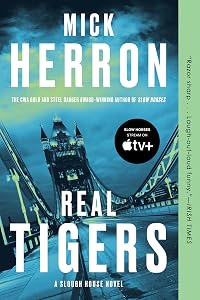
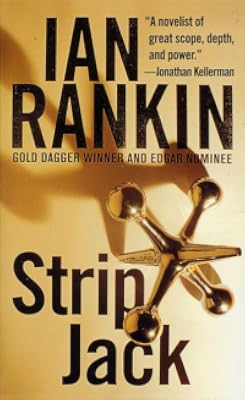

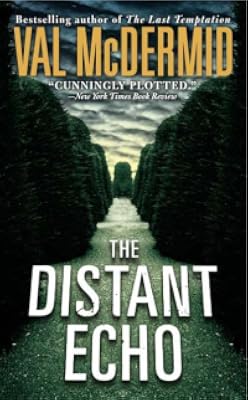

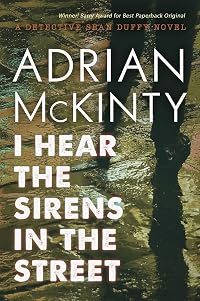

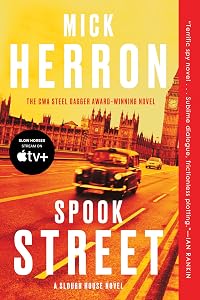

Member Recommendations
Member Reviews
This is the first William McIlvanney book that I have read and, for the first fifty pages, I wondered why I was bothering. This was not due to any fault of the author, but to the fact that the book was so far from my preconceptions as to cause a rift. Once I accepted it for what it was, I thoroughly enjoyed it.
On this evidence, McIlvanney is a sort of British Philip Marlow. Don't read too much into that, it is simply that he has a wonderful way of using language, "The bell had a sugary chime, a finger full of schmaltz". Tell me that you haven't had that response to ringing a doorbell...
The book isn't really a thriller, or a crime story, it is more a slice of life in the mid nineteen-seventies. The characters are all larger than life show more but, somehow, under McIlvanney's pen, that makes the tale all the more real. It is brave, and tells something that definitely needed to be said then, and bears the reminder today. Reading it in the sexually more enlightened twenty-first century, one has to remember how daring this novel would have been to sympathise with a homosexual who killed a pretty young girl.
Sadly, William McIlvenney passed away recently and so, there will be no addition to the small canon of Laidlaw books and I shall be reading the others soon. show less
On this evidence, McIlvanney is a sort of British Philip Marlow. Don't read too much into that, it is simply that he has a wonderful way of using language, "The bell had a sugary chime, a finger full of schmaltz". Tell me that you haven't had that response to ringing a doorbell...
The book isn't really a thriller, or a crime story, it is more a slice of life in the mid nineteen-seventies. The characters are all larger than life show more but, somehow, under McIlvanney's pen, that makes the tale all the more real. It is brave, and tells something that definitely needed to be said then, and bears the reminder today. Reading it in the sexually more enlightened twenty-first century, one has to remember how daring this novel would have been to sympathise with a homosexual who killed a pretty young girl.
Sadly, William McIlvenney passed away recently and so, there will be no addition to the small canon of Laidlaw books and I shall be reading the others soon. show less
In 1966, Scottish novelist, poet and essayist William McIlvanney (1936-2015) won the Geoffrey Faber Memorial Prize for his debut novel Remedy is None. In 1975, he won the Whitbread Novel Award for Docherty, a gritty piece of historical fiction about a Scottish mining family in the early 20th Century. Having thus been anointed as a “literary” writer, the publication of crime novel Laidlaw in 1977 came as a surprise, if not a shock. What was McIlvanney doing, putting his literary credentials at risk by writing a detective novel? Laidlaw would be followed by two other instalments in a trilogy featuring the eponymous Glasgow detective, establishing his creator (with the benefit of hindsight) as the father of “tartan noir”, an show more ongoing inspiration for the likes of Ian Rankin and Val McDermid. The reaction to the publication of the novel in the 1970s, however, shows that a certain suspicion towards “genre fiction” has long been an unsavoury aspect of the literary world. Reading Laidlaw, on the other hand, proves that why this snobbery is completely off the mark.
At face value, the novel is a tribute to both the American “hardboiled” genre and to Continental fiction (a là Simenon), with which it shares several recognisable tropes. A young woman is sexually assaulted and brutally murdered in Glasgow and D.I. Jack Laidlaw is assigned to the case. Laidlaw, who keeps “Kierkegaard, Camus and Unamuno” hidden in a drawer in his desk “like caches of alcohol”, is an eccentric figure with unusual investigative methods, “a potentially violent man who hates violence”. When constable Harkness is asked by his superiors to partner up with Laidlaw, he is expected not just to help the older detective but also to report on him and keep his wilder behaviour in check. The case leads the duo through the seedy underbelly of Glasgow, where Laidlaw enjoys the grudging respect of dubious figures. But the “polis” are not the only once seeking the murderer. The relatives of the victim are looking for him to avenge her death, whilst criminals associated with him want him out of the way because of the unwelcome attention the crime has brought to their activities. The investigation turns into a race against time, with the murderer in danger of becoming the new victim.
Despite its nods to the genre, McIlvanney brings to this novel some idiosyncratic twists. One of them is the setting – no longer an American metropolis, or London (another “capital” of crime fiction) but 1970s Glasgow with which Laidlaw (and possibly, his creator) seems to have a love-hate relationship. The Glaswegian backdrop is evoked not only through the descriptions within the novel, but also through the judicious use of dialect.
Then there’s the plot. Unlike your typical whodunnit, the murderer is revealed quite early on, as is his motive. The reader’s pleasure does not derive from the unmasking of the perpetrator but, rather, from learning how Laidlaw will get to his man and from a curiosity as to whether others will get to the ‘prey’ before he does. This is as much of a thriller as a “detective” novel.
Laidlaw also gives McIlvanney the opportunity to explore the same socialist themes which underlie his other “non-crime” work. The conversations between the inspector and an increasingly respectful Harkness give voice to pithy social commentary which lays bare the bigotry (whether fuelled by class, religion or other factors) within the world McIlvanney portrays.
What gives Laidlaw is peculiar style, however, is its use of language – the unlikely, yet arresting, images which pepper the text. The victim’s father has a face which looks “like an argument you couldn’t win”. The police mortuary is “the tradesmen’s entrance to the Court”, where “the raw materials of justice” are delivered, “corpses that are precipitates of strange experience, alloys of fear and hate and anger and love and viciousness and bewilderment, that the Court will take and refine into comprehension”. Laidlaw is sickened when he realises that “the first law is real estate, and people are its property”. This is crime fiction, but it is also poetry.
https://endsoftheword.blogspot.com/2020/03/laidlaw-by-william-McIlvanney-Canonga... show less
At face value, the novel is a tribute to both the American “hardboiled” genre and to Continental fiction (a là Simenon), with which it shares several recognisable tropes. A young woman is sexually assaulted and brutally murdered in Glasgow and D.I. Jack Laidlaw is assigned to the case. Laidlaw, who keeps “Kierkegaard, Camus and Unamuno” hidden in a drawer in his desk “like caches of alcohol”, is an eccentric figure with unusual investigative methods, “a potentially violent man who hates violence”. When constable Harkness is asked by his superiors to partner up with Laidlaw, he is expected not just to help the older detective but also to report on him and keep his wilder behaviour in check. The case leads the duo through the seedy underbelly of Glasgow, where Laidlaw enjoys the grudging respect of dubious figures. But the “polis” are not the only once seeking the murderer. The relatives of the victim are looking for him to avenge her death, whilst criminals associated with him want him out of the way because of the unwelcome attention the crime has brought to their activities. The investigation turns into a race against time, with the murderer in danger of becoming the new victim.
Despite its nods to the genre, McIlvanney brings to this novel some idiosyncratic twists. One of them is the setting – no longer an American metropolis, or London (another “capital” of crime fiction) but 1970s Glasgow with which Laidlaw (and possibly, his creator) seems to have a love-hate relationship. The Glaswegian backdrop is evoked not only through the descriptions within the novel, but also through the judicious use of dialect.
Then there’s the plot. Unlike your typical whodunnit, the murderer is revealed quite early on, as is his motive. The reader’s pleasure does not derive from the unmasking of the perpetrator but, rather, from learning how Laidlaw will get to his man and from a curiosity as to whether others will get to the ‘prey’ before he does. This is as much of a thriller as a “detective” novel.
Laidlaw also gives McIlvanney the opportunity to explore the same socialist themes which underlie his other “non-crime” work. The conversations between the inspector and an increasingly respectful Harkness give voice to pithy social commentary which lays bare the bigotry (whether fuelled by class, religion or other factors) within the world McIlvanney portrays.
What gives Laidlaw is peculiar style, however, is its use of language – the unlikely, yet arresting, images which pepper the text. The victim’s father has a face which looks “like an argument you couldn’t win”. The police mortuary is “the tradesmen’s entrance to the Court”, where “the raw materials of justice” are delivered, “corpses that are precipitates of strange experience, alloys of fear and hate and anger and love and viciousness and bewilderment, that the Court will take and refine into comprehension”. Laidlaw is sickened when he realises that “the first law is real estate, and people are its property”. This is crime fiction, but it is also poetry.
https://endsoftheword.blogspot.com/2020/03/laidlaw-by-william-McIlvanney-Canonga... show less
The original dark Scottish procedural, written by a poet, and it shows. The language is surprising, sometimes very funny, which is saying a lot considering how dark this book is. Set in 70s Glasgow, the story follows the detective Laidlaw as he searches in his less than conventional ways for the murderer of a young woman.
Laidlaw is the model of the wounded detective, sustaining family troubles and doubts about his profession, society, and humanity at large. Speaking of professional athletes, he calls them the 'temple prostitutes of capitalism', and that sounds just right. It is an intensely visual book as well; so much of the time I could see the setting even when the parties spoke in the dialect of lower-class and underground criminal show more Glasgow (once in a while I had to look up a slang word, just to be sure.) All the people are real, often angry, sometimes desperate, weighed down by their particular loss.
There are two more Laidlaw books written by McIlvaney, and I am told Ian Rankin has been tapped to continue the series. I'll read up and see how he does. show less
Laidlaw is the model of the wounded detective, sustaining family troubles and doubts about his profession, society, and humanity at large. Speaking of professional athletes, he calls them the 'temple prostitutes of capitalism', and that sounds just right. It is an intensely visual book as well; so much of the time I could see the setting even when the parties spoke in the dialect of lower-class and underground criminal show more Glasgow (once in a while I had to look up a slang word, just to be sure.) All the people are real, often angry, sometimes desperate, weighed down by their particular loss.
There are two more Laidlaw books written by McIlvaney, and I am told Ian Rankin has been tapped to continue the series. I'll read up and see how he does. show less
These days "tartan noir" or "tartan crime" are well known terms - Scottish authors, set in Scotland and drawing liberally from Scottish life. Most crime and noir readers had heard the names of Ian Rankin, Val McDermid, Denise Mina or Peter May (and usually at least a few of them) and know what to expect from them. But the genre had not existed for very long - its start is usually connected to William McIlvanney and his Laidlaw trilogy. I've read most of the modern authors but never went back to Laidlaw - so it was about time for me to finally go and read the novels that started it all.
William McIlvanney is not what you would expect from a crime writer - he won multiple awards for his literary work (including the Whitbread Award (aka show more the Costa under its old name) before deciding that crime/noir is a good genre to use for his next book. The result was Laidlaw - a novel that won him the Silver Dagger (the second book in the trilogy will win it again - 6 years later).
A young woman is sexually assaulted and after that killed in Glasgow. The eccentric D.I. Jack Laidlaw is assigned to the murder and his unconventional methods takes him around the city, in places where most policemen won't even try to go into. As his bosses know him pretty well, they assign him a new partner, Constable Harkness - who is asked both to assist Laidlaw and to report on him. The relationship between the two men evolve as the novel runs its course - the younger man starts realizing that not everything is black and white. And that is not just about the police work or the criminals - Laidlaw often decides to share his opinions on things they both see - thus providing an almost social commentary of the Glasgow he is creating.
We know who the killer is long before the end of the novel - the murder is almost treated as a springboard to tell the story of Glasgow and the story of how Laidlaw catches the man. In addition to the underbelly of the city where Laidlaw is more respected than the police (or "polis" as they would say locally) is, there is also the complication of the victim's family - who are set on finding the killer and avenging the dead woman.
And then there is the language -- the usage of slang and the local dialects in the dialogues makes the novel hard to read if you are not used to it. They are not unreadable but they take a bit to get used to it (and occasional rereading to see if you got it right). At the same time his language outside of this verges on the poetical (a gritty poetical but still poetical) and that mix can be a bit jarring. But it also shows where the style of some of my favorite Scottish noir/crime authors come from - I can see the influence in almost all of them (it is also a bit hard to get your mind from trying to tell you that this sounds like Rankin or McDermid - just to realize a second later that it is the other way around really).
Not an easy read sometimes and despite it being the first in the genre, it may not work for everyone. But if you enjoy the genre, it may be worth checking it - because it is also a brilliant work of detective fiction - even when it is hard to read. show less
William McIlvanney is not what you would expect from a crime writer - he won multiple awards for his literary work (including the Whitbread Award (aka show more the Costa under its old name) before deciding that crime/noir is a good genre to use for his next book. The result was Laidlaw - a novel that won him the Silver Dagger (the second book in the trilogy will win it again - 6 years later).
A young woman is sexually assaulted and after that killed in Glasgow. The eccentric D.I. Jack Laidlaw is assigned to the murder and his unconventional methods takes him around the city, in places where most policemen won't even try to go into. As his bosses know him pretty well, they assign him a new partner, Constable Harkness - who is asked both to assist Laidlaw and to report on him. The relationship between the two men evolve as the novel runs its course - the younger man starts realizing that not everything is black and white. And that is not just about the police work or the criminals - Laidlaw often decides to share his opinions on things they both see - thus providing an almost social commentary of the Glasgow he is creating.
We know who the killer is long before the end of the novel - the murder is almost treated as a springboard to tell the story of Glasgow and the story of how Laidlaw catches the man. In addition to the underbelly of the city where Laidlaw is more respected than the police (or "polis" as they would say locally) is, there is also the complication of the victim's family - who are set on finding the killer and avenging the dead woman.
And then there is the language -- the usage of slang and the local dialects in the dialogues makes the novel hard to read if you are not used to it. They are not unreadable but they take a bit to get used to it (and occasional rereading to see if you got it right). At the same time his language outside of this verges on the poetical (a gritty poetical but still poetical) and that mix can be a bit jarring. But it also shows where the style of some of my favorite Scottish noir/crime authors come from - I can see the influence in almost all of them (it is also a bit hard to get your mind from trying to tell you that this sounds like Rankin or McDermid - just to realize a second later that it is the other way around really).
Not an easy read sometimes and despite it being the first in the genre, it may not work for everyone. But if you enjoy the genre, it may be worth checking it - because it is also a brilliant work of detective fiction - even when it is hard to read. show less
Several years ago I read The Big Sleep by Raymond Chandler and became an ardent fan of his writing. Laidlaw by William McIlvanney was first published almost forty years ago, almost four decades after The Big Sleep. It deserves to be considered alongside Chandler's great work. McIlvanney did for Glasgow what Chandler had done for Los Angeles, giving the city a fictional identity. Hemingway used to say that all American literature came out of Huckleberry Finn; it is similarly thought by some that modern Scottish crime writing — ‘tartan noir’ — comes out of Laidlaw.
In one sense Laidlaw is unconventional. There is a chase — the whole novel is a chase, or at least a search for an elusive, even in some sense a shadowy quarry — but show more there is no mystery. The theme of the chase is introduced in the prologue of the novel with these almost poetic words:
"Running was a strange thing. The sound was your feet slapping the pavement. The lights of passing cars battered your eyeballs. Your arms came up unevenly in front of you, reaching from nowhere, separate from you and from each other. It was like the hands of a lot of people drowning. And it was useless to notice these things. It was as if a car had crashed, the driver was dead, and this was the radio still playing to him."
We know who the killer is from the first chapter in which a frightened bloodstained boy is running in terror and guilt from his own act. He is a boy of uncertain sexuality, shattered by what he has done. The questions are: who can identify him, and will the police reach him before other vengeful pursuers?
Jack Laidlaw himself is a romanticized figure, like most of the best fictional policemen. He appeals to those with a philosophic turn of mind, for he keeps ‘Kierkegaard, Camus and Unamuno’ in a locked drawer of his desk, ‘like caches of alcohol’, and he believes in doubt. A murder to his mind is often the consequence of a series of unrelated acts and the uncertainties and tensions they provoke. His habit is to immerse himself, not unlike Simenon's famous detective Maigret, in the atmosphere of a case. He becomes what he calls ‘a traveler in the city’, moving out of his family home and into a hotel that has seen better days for the duration of the case. He can play the hard man, and even meet criminal godfathers on equal terms, but he despises the macho attitudes and narrow sympathies of fellow policemen who are rivals as much as colleagues.
The other main character in the novel is Glasgow itself. McIlvanney demonstrates his love for the city with passages like this: "Sunday in the park--it was a nice day. A Glasgow sun was out, dully luminous, an eye with a cataract." He describes it as a place that is always talking to itself, one where even the derelicts and social failures realize, and reveal themselves, in conversation that is often a monologue. There are also bit players, characters who may have only walk-on parts that have little or nothing to do with the plot, but whose appearance, movement and talk contribute to the vitality of the novel. One of the supporting characters who is developed in somewhat more depth is a young detective named Harkness who is assigned to assist Detective Inspector Laidlaw. He gradually becomes more comfortable with Laidlaw over the course of the investigation and the author uses him to give the reader a more complete picture of Laidlaw himself, as he does in the quotation above and elsewhere: "Harkness felt the evening go off again. Gratified at having brought in Alan MacInnes, he was dismayed at Laidlaw's aloofness about it. Looking after him, he reflected that he was the kind of policeman his father might like."
The search is told in mosaic fashion with the pieces of the story and the characters involved slowly coming into better view as the pieces are laid. The emotions and motivations of characters are demonstrated through actions that build inexorably toward an inevitable denouement. In many ways it is a satisfying tale. Even though the novel was written almost four decades ago it retains the freshness of all good crime novels. show less
In one sense Laidlaw is unconventional. There is a chase — the whole novel is a chase, or at least a search for an elusive, even in some sense a shadowy quarry — but show more there is no mystery. The theme of the chase is introduced in the prologue of the novel with these almost poetic words:
"Running was a strange thing. The sound was your feet slapping the pavement. The lights of passing cars battered your eyeballs. Your arms came up unevenly in front of you, reaching from nowhere, separate from you and from each other. It was like the hands of a lot of people drowning. And it was useless to notice these things. It was as if a car had crashed, the driver was dead, and this was the radio still playing to him."
We know who the killer is from the first chapter in which a frightened bloodstained boy is running in terror and guilt from his own act. He is a boy of uncertain sexuality, shattered by what he has done. The questions are: who can identify him, and will the police reach him before other vengeful pursuers?
Jack Laidlaw himself is a romanticized figure, like most of the best fictional policemen. He appeals to those with a philosophic turn of mind, for he keeps ‘Kierkegaard, Camus and Unamuno’ in a locked drawer of his desk, ‘like caches of alcohol’, and he believes in doubt. A murder to his mind is often the consequence of a series of unrelated acts and the uncertainties and tensions they provoke. His habit is to immerse himself, not unlike Simenon's famous detective Maigret, in the atmosphere of a case. He becomes what he calls ‘a traveler in the city’, moving out of his family home and into a hotel that has seen better days for the duration of the case. He can play the hard man, and even meet criminal godfathers on equal terms, but he despises the macho attitudes and narrow sympathies of fellow policemen who are rivals as much as colleagues.
The other main character in the novel is Glasgow itself. McIlvanney demonstrates his love for the city with passages like this: "Sunday in the park--it was a nice day. A Glasgow sun was out, dully luminous, an eye with a cataract." He describes it as a place that is always talking to itself, one where even the derelicts and social failures realize, and reveal themselves, in conversation that is often a monologue. There are also bit players, characters who may have only walk-on parts that have little or nothing to do with the plot, but whose appearance, movement and talk contribute to the vitality of the novel. One of the supporting characters who is developed in somewhat more depth is a young detective named Harkness who is assigned to assist Detective Inspector Laidlaw. He gradually becomes more comfortable with Laidlaw over the course of the investigation and the author uses him to give the reader a more complete picture of Laidlaw himself, as he does in the quotation above and elsewhere: "Harkness felt the evening go off again. Gratified at having brought in Alan MacInnes, he was dismayed at Laidlaw's aloofness about it. Looking after him, he reflected that he was the kind of policeman his father might like."
The search is told in mosaic fashion with the pieces of the story and the characters involved slowly coming into better view as the pieces are laid. The emotions and motivations of characters are demonstrated through actions that build inexorably toward an inevitable denouement. In many ways it is a satisfying tale. Even though the novel was written almost four decades ago it retains the freshness of all good crime novels. show less
Well that was the real deal. The original Tartan Noir and it shows up Rankin and Renus for the half-arsed dilettantes I have always considered them.
I had lined this up as my next read but two days before I got to it William McIlvanney died. So my reading became an ambiguous tribute - ambiguous because I didn't know whether I'd like it or not. I did like it. Very much. Laidlaw is an unloved detective. He uses empathy rather than interrogation, buses rather than squad cars. His Glasgow is every bit as squalid and alive as Rankin's Edinburgh, but his policing is real and his doubts are believable.
Also, the writing is glorious. Just a wee example is this description of the slow mannered drawl of a habitually drunk informant:
"His speech show more had come out like ink in the rain."
Tremendous. show less
I had lined this up as my next read but two days before I got to it William McIlvanney died. So my reading became an ambiguous tribute - ambiguous because I didn't know whether I'd like it or not. I did like it. Very much. Laidlaw is an unloved detective. He uses empathy rather than interrogation, buses rather than squad cars. His Glasgow is every bit as squalid and alive as Rankin's Edinburgh, but his policing is real and his doubts are believable.
Also, the writing is glorious. Just a wee example is this description of the slow mannered drawl of a habitually drunk informant:
"His speech show more had come out like ink in the rain."
Tremendous. show less
Stunning.
Stunningly written, with phrases that make a character come alive in the time it takes to slide your eyes along a sentence... The writing is so precise it's almost stark, and yet a whole life is contained therein. Did I mention stunning? William McIlvanney even tells us whodunit at the beginning, and still we want to read to find out more about the people and the things going on in the city...
On a pub atmosphere:
"The room was the resort of men who hadn't much beyond a sense of themselves and weren't inclined to have that sense diminished."
On a twenty year mis-marriage:
"In her eyes there was still a light he could neither feed nor douse."
"He sat behind his enormous mound of Dutch courage and wilted. He did it gracefully, he has show more been practising for years."
On Laidlaw himself, recovering after a personal admission:
"He had been watching Laidlaw draw protection from his clothes, socks, trouser, shirt and jacket, until the rawness of himself had grown a shell. Laidlaw shaped the big knot on his tie. He jutted his chin out and ran his hand along its edges, checking for bristles. He put his tongue across his teeth and showed them to himself in the mirror. He was no longer at home to visitors." show less
Stunningly written, with phrases that make a character come alive in the time it takes to slide your eyes along a sentence... The writing is so precise it's almost stark, and yet a whole life is contained therein. Did I mention stunning? William McIlvanney even tells us whodunit at the beginning, and still we want to read to find out more about the people and the things going on in the city...
On a pub atmosphere:
"The room was the resort of men who hadn't much beyond a sense of themselves and weren't inclined to have that sense diminished."
On a twenty year mis-marriage:
"In her eyes there was still a light he could neither feed nor douse."
"He sat behind his enormous mound of Dutch courage and wilted. He did it gracefully, he has show more been practising for years."
On Laidlaw himself, recovering after a personal admission:
"He had been watching Laidlaw draw protection from his clothes, socks, trouser, shirt and jacket, until the rawness of himself had grown a shell. Laidlaw shaped the big knot on his tie. He jutted his chin out and ran his hand along its edges, checking for bristles. He put his tongue across his teeth and showed them to himself in the mirror. He was no longer at home to visitors." show less
Members
- Recently Added By
Lists

Crime Writers' Association Daggers
76 works; 4 members

H.R.F. Keating's 100 Best Crime & Mystery Books
100 works; 8 members
Author Information

21+ Works 2,028 Members
William McIlvanney was born in Kilmarnock, Scotland on November 25, 1936. He was educated at Kilmarnock Academy and Glasgow University. He worked as an English teacher and deputy headmaster before retiring in 1975 to become a full time author. His first novel, Remedy Is None, was published in 1966. His other novels included A Gift from Nessus, show more Laidlaw, The Papers of Tony Veitch, Strange Loyalties, and The Kiln. The Big Man was made into a film starring Liam Neeson. He won numerous awards including the Whitbread Prize for Docherty, the Crime Writers' Association's Silver Dagger, the Saltire Award, and the Glasgow Herald People's Prize. He was also a poet, journalist, and broadcaster. He died after a short illness on December 5, 2015 at the age of 79. (Bowker Author Biography) show less
Awards and Honors
Awards
Notable Lists
Series

Belongs to Publisher Series
Common Knowledge
- Canonical title
- Laidlaw
- Original title
- Laidlaw
- Alternate titles*
- Laidlaw
- Original publication date
- 1977
- People/Characters
- Jack Laidlaw; Brian Harkness; Jennifer Lawson; William 'Bud' Lawson; Sadie Lawson; Sarah Stanley (show all 17); Harry Rayburn; Tommy Bryson; Matt Mason; John Rhodes; Lennie Wilson; Ernest Milligan; Maggie Grierson; Airchie Stanley; Minty McGregor; Alan McInnes; Eck Adamson
- Important places
- Glasgow, Scotland, UK
- First words
- Running was a strange thing. The sound was your feet slapping the pavement.
- Last words
- (Click to show. Warning: May contain spoilers.)'You've got a mouth, haven't you?' Laidlaw said.
- Original language
- Inglés
*Some information comes from Common Knowledge in other languages. Click "Edit" for more information.
Classifications
Statistics
- Members
- 642
- Popularity
- 45,197
- Reviews
- 30
- Rating
- (3.85)
- Languages
- 7 — Danish, Dutch, English, French, German, Italian, Spanish
- Media
- Paper, Audiobook, Ebook
- ISBNs
- 37
- UPCs
- 1
- ASINs
- 12