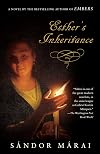
Esther's Inheritance
by Sándor Márai
On This Page
Description
Anewly translated novel from the great rediscovered Hungarian writer: a tautly suspenseful story of unrequited love and its still vivid consequences twenty years later. What is it to be in love with a pathological liar and fantasist? Esther is, and has been for the more than two decades since Lajos disappeared from her life. Now all these years later, Lajos is returning, and the news brings both panic and excitement. While no longer young and thoroughly skeptical about Lajos, Esther still show more remembers how incredibly alive she felt when he was around. His presence bewitches everyone, and the greatest part of his charm--and his danger--lies in the deftness with which he wields that delicate power. Friends rally round protectively, but Lajos's arrival begins a day of high theater that will leave Esther's life dramatically changed again. show lessTags
Recommendations


















Member Reviews
"Suddenly I felt a great calm descend on me: I knew Lajos had come because he had no choice, and that we were welcoming him because we had no choice, and the whole thing was as terrifying, as unpleasant, and as unavoidable for him as it was for us."(p 53)
When a story is told in the first person you must ask yourself to what extent she is a reliable narrator. In Esther's case I found her invoking God (fate) in the first line of the book. So I expected a story that would depend on her view, reliable or not, of what her life had been fated to be; in that I was not disappointed. Marai's simple, lucid beautiful prose is perfect for this story of betrayal, the memory of difficult times, and the twists of fate that lead Esther and her one-time show more lover, perhaps still so, to the confrontation that provides the climax to her story. Esther is moved by "an irresistible voice" within her to which she must be true - that is her fate. Thus the inevitable confrontation with Lajos, her former love, the one who married her younger sister and left her to her fate to grow old alone with her elderly cousin Nunu, is both compelling and revealing. The story, imbued with an ethereal blend of family and history by Marai, depends on events that are related slowly through memory and conversations that help Esther struggle with her coming to be what she is, where she is and why she was so fated.
Sandor Marai, whose novel Embers was published in English in 2001, was a Hungarian emigre who died in California in 1989. With the translation of Esther's Inheritance we have another jewel of a novel from this formerly unheralded writer of twentieth century Europe. show less
When a story is told in the first person you must ask yourself to what extent she is a reliable narrator. In Esther's case I found her invoking God (fate) in the first line of the book. So I expected a story that would depend on her view, reliable or not, of what her life had been fated to be; in that I was not disappointed. Marai's simple, lucid beautiful prose is perfect for this story of betrayal, the memory of difficult times, and the twists of fate that lead Esther and her one-time show more lover, perhaps still so, to the confrontation that provides the climax to her story. Esther is moved by "an irresistible voice" within her to which she must be true - that is her fate. Thus the inevitable confrontation with Lajos, her former love, the one who married her younger sister and left her to her fate to grow old alone with her elderly cousin Nunu, is both compelling and revealing. The story, imbued with an ethereal blend of family and history by Marai, depends on events that are related slowly through memory and conversations that help Esther struggle with her coming to be what she is, where she is and why she was so fated.
Sandor Marai, whose novel Embers was published in English in 2001, was a Hungarian emigre who died in California in 1989. With the translation of Esther's Inheritance we have another jewel of a novel from this formerly unheralded writer of twentieth century Europe. show less
Tre lettere d'amore, questa è l'unica eredità di Eszter, tutto quello che le resta della sua vita persa dietro ad un uomo egoista e bugiardo, uno splendido malandrino che le ha portato via tutto quello che aveva nella vita, compreso il futuro.
Sembra una storia romanticissima, ma è solo il tipo di amore che si aspettavano gli uomini al tempo di Marai, e forse ancora oggi.
Sembra una storia romanticissima, ma è solo il tipo di amore che si aspettavano gli uomini al tempo di Marai, e forse ancora oggi.
Another brilliant Márai example for the economy of words. Meant, I think, for persons of age, older people who have already had a life and either made something of it or left it unrequited. I am not convinced a younger person would derive any great pleasure from reading this book or be enlightened enough by it to actually change their direction. It seems to me that a long accomplishment would enhance the reading and offer a like-minded view of long living. Of course, it is possible, that a young person just might see themselves in these tragic characters enough so to actually alter the course their lives have taken. But that takes a courage that likely is not present anyway or the great adventure would already have been embarked on. show more Regardless, the law of unfinished business prevails no matter what and eventually one is subjected to what was started but never quite finished for whatever reason prevented its earlier completion.
I do not feel this book gets the respect it deserves. It is wonderfully written, with honest characters even within their troubles of lies and deceit. A sensitive book written in the voice of a spinster woman by a man supremely gifted in his words at play. show less
I do not feel this book gets the respect it deserves. It is wonderfully written, with honest characters even within their troubles of lies and deceit. A sensitive book written in the voice of a spinster woman by a man supremely gifted in his words at play. show less
"I pressed my hands to my heart. I felt dizzy again, as I always do when I step out of the shadow world of pointless watching and waiting and come face-to-face with reality. How much simpler reality is!"
I can’t quite figure out if I like Sandor Marai’s novels or not. Earlier this year, I read Embers, and I also rated it 3.5/5. I thought parts of it were beautifully written, while other parts dragged. The monologues in that book went on and on and on… Also, the translation was from Hungarian to German to English, and I think something was definitely ‘lost in translation.’ Anyway, although I rated Esther’s Inheritance the same, I do believe I prefer it slightly. The translation of Esther is directly from the original show more Hungarian.
Just as in Embers, the crux of the novel is a confrontation. Esther is in her mid 40’s and lives only with a female relative. It seems that she (and much of her family) have been ripped off (in the nicest way possible) by Lajos the Liar. Now, several years later, he’s come back to visit, and we get the expected confrontation between them.
We hear the details of their past, learn about misunderstandings and miscommunications, and wonder if Esther is being suckered again by his charms or if Lajos really has some legitimate excuses. Just as in Embers, the ending didn’t quite satisfy, but I’ve begun to realize that maybe that was the point of both stories after all.
1939 [2008 for the English translation], 148 pp.
(3.5/5) show less
I can’t quite figure out if I like Sandor Marai’s novels or not. Earlier this year, I read Embers, and I also rated it 3.5/5. I thought parts of it were beautifully written, while other parts dragged. The monologues in that book went on and on and on… Also, the translation was from Hungarian to German to English, and I think something was definitely ‘lost in translation.’ Anyway, although I rated Esther’s Inheritance the same, I do believe I prefer it slightly. The translation of Esther is directly from the original show more Hungarian.
Just as in Embers, the crux of the novel is a confrontation. Esther is in her mid 40’s and lives only with a female relative. It seems that she (and much of her family) have been ripped off (in the nicest way possible) by Lajos the Liar. Now, several years later, he’s come back to visit, and we get the expected confrontation between them.
We hear the details of their past, learn about misunderstandings and miscommunications, and wonder if Esther is being suckered again by his charms or if Lajos really has some legitimate excuses. Just as in Embers, the ending didn’t quite satisfy, but I’ve begun to realize that maybe that was the point of both stories after all.
1939 [2008 for the English translation], 148 pp.
(3.5/5) show less
La definizione di romanzo sta un po’ larga a questa novella che è arrivata dalle nostre parti a seguire l’inatteso successo di ‘Le braci’, ma si tratta di un testo molto intenso che analizza il rapporto tra sentimenti e relazioni interpersonali con delicatezza e profondità.
Nulla c’è da scoprire (o quasi) perché la conclusione della vicenda è riassunta in apertura della narrazione fatta in prima persona dalla protagonista, la quale, signora di mezza età, abita nella casa di famiglia, ultimo bene dopo le dissipazioni del padre e di Lajos, del quale è ancora innamorata malgrado le abbia preferito la sorella Vilma. Fin dalla giovinezza, Lajos è sempre stato un profittatore capace di vivere sulle spalle altrui e show more l’annuncio del suo arrivo non può che generare inquietudine: più che giustificata anche se, al termine della domenica che fa da unità di tempo come la villa la fa di luogo, la sua figura risulta più sfaccettata e forse meno ambigua trasferendo alcune ombre proprio su Eszter.
Come si vede, una piccola storia che viene resa preziosa dalla scrittura di Márai, abile nello scavo delle psicologie lasciando comunque un senso di leggerezza che deriva dalle parole che scorrono in modo quasi musicale così che il lettore, seppur l’argomento non sia adatto a sollevare gli animi, non resta indifferente: ‘Le braci’ appartiene a un’altra categoria, ma queste centotrenta pagine scritte larghe valgono certamente una visita. show less
Nulla c’è da scoprire (o quasi) perché la conclusione della vicenda è riassunta in apertura della narrazione fatta in prima persona dalla protagonista, la quale, signora di mezza età, abita nella casa di famiglia, ultimo bene dopo le dissipazioni del padre e di Lajos, del quale è ancora innamorata malgrado le abbia preferito la sorella Vilma. Fin dalla giovinezza, Lajos è sempre stato un profittatore capace di vivere sulle spalle altrui e show more l’annuncio del suo arrivo non può che generare inquietudine: più che giustificata anche se, al termine della domenica che fa da unità di tempo come la villa la fa di luogo, la sua figura risulta più sfaccettata e forse meno ambigua trasferendo alcune ombre proprio su Eszter.
Come si vede, una piccola storia che viene resa preziosa dalla scrittura di Márai, abile nello scavo delle psicologie lasciando comunque un senso di leggerezza che deriva dalle parole che scorrono in modo quasi musicale così che il lettore, seppur l’argomento non sia adatto a sollevare gli animi, non resta indifferente: ‘Le braci’ appartiene a un’altra categoria, ma queste centotrenta pagine scritte larghe valgono certamente una visita. show less
Sep 18, 2019Italian
De stijl van Márai is eenvoudig en effectief. Ieder woord doet er toe. Ook de structuur is slim in elkaar gezet. Voornamelijk monologen in de eerste persoon, maar hier en daar laat hij plompverloren iets vallen over de afloop en krijgen we nieuwe details over het verleden. Zo schetst hij heel elegant fragmentarisch het hele verhaal. Het deed me bij het lezen denken aan Kafka (zelfde tijd, zelfde cultuur, vergelijkbaar taalgebruik).
Dan de plot. Die is simpel: Eszter is twintig jaar geleden door haar geliefde in de steek gelaten. Hij is een charmante oplichter die bij werkelijk iedereen nog wel wat schulden heeft staan. Hij kondigt plotseling aan langs te komen en al op pagina 1 weten we dat dat niet goed af gaat lopen voor Eszter. Hoe show more meer we lezen over het verleden, hoe zekerder we weten: die Lajos moet je geen hand geven zonder na afloop je vingers na te tellen. En toch horen we halverwege al dat Eszter aan het eind van die dag haar enige bezit, het ouderlijk huis met de groentetuin waarvan ze leeft, zal overschrijven aan Lajos. "Waarom?!" denk ik dan als lezer en vol spanning las ik verder om te zien wat voor konijn uit het verleden er nog uit de hoge hoed zal komen of wat voor slinkse truuk Lajos zal uithalen. Maar die afloop viel me erg tegen. Iets met noodlot en "het heeft zo moeten zijn". Ik heb de laatste paar hoofdstukken nog eens opnieuw gelezen; ik snap het niet. Ik kan me er niet in verplaatsen. Voor mij voelt het psychologisch ongeloofwaardig. show less
Dan de plot. Die is simpel: Eszter is twintig jaar geleden door haar geliefde in de steek gelaten. Hij is een charmante oplichter die bij werkelijk iedereen nog wel wat schulden heeft staan. Hij kondigt plotseling aan langs te komen en al op pagina 1 weten we dat dat niet goed af gaat lopen voor Eszter. Hoe show more meer we lezen over het verleden, hoe zekerder we weten: die Lajos moet je geen hand geven zonder na afloop je vingers na te tellen. En toch horen we halverwege al dat Eszter aan het eind van die dag haar enige bezit, het ouderlijk huis met de groentetuin waarvan ze leeft, zal overschrijven aan Lajos. "Waarom?!" denk ik dan als lezer en vol spanning las ik verder om te zien wat voor konijn uit het verleden er nog uit de hoge hoed zal komen of wat voor slinkse truuk Lajos zal uithalen. Maar die afloop viel me erg tegen. Iets met noodlot en "het heeft zo moeten zijn". Ik heb de laatste paar hoofdstukken nog eens opnieuw gelezen; ik snap het niet. Ik kan me er niet in verplaatsen. Voor mij voelt het psychologisch ongeloofwaardig. show less
Apr 10, 2020Dutch
Members
- Recently Added By
Author Information

167+ Works 10,062 Members
Some Editions
Awards and Honors
Distinctions
Series
Belongs to Publisher Series
Common Knowledge
- Canonical title
- Esther's Inheritance
- Original title
- Eszter hagyatéka és három kisregény
- Original publication date
- 1939 (original Hungarian) (original Hungarian); 2008 (English translation) (English translation)
- People/Characters
- Eszter; Lajos
- Important places
- Hungary
- Related movies
- Eszter hagyatéka (2008 | IMDb)
- First words*
- Ik weet niet wat God nog voor plannen met mij heeft.
- Last words*
- (Click to show. Warning: May contain spoilers.)Toen viel ik in slaap.
- Original language
- Hungarian
*Some information comes from Common Knowledge in other languages. Click "Edit" for more information.
Classifications
- Genres
- Fiction and Literature, General Fiction
- DDC/MDS
- 894.511334 — Literature & rhetoric Literatures of other languages Literatures of Altaic, Uralic, Hyperborean, Dravidian languages; literatures of miscellaneous languages of south Asia Finno-Ugric languages Ugric languages Hungarian Hungarian fiction 1900–2000 Late 20th century 1945–2000
- LCC
- PH3281 .M35 .E8613 — Language and Literature Uralic languages. Basque language Uralic. Basque Hungarian
- BISAC
Statistics
- Members
- 765
- Popularity
- 36,724
- Reviews
- 15
- Rating
- (3.65)
- Languages
- 14 — Catalan, Danish, Dutch, English, French, German, Hebrew, Hungarian, Italian, Norwegian (Bokmål), Portuguese, Romanian, Spanish, Swedish
- Media
- Paper, Ebook
- ISBNs
- 51
- ASINs
- 10