
On This Page
Description
Twenty-four-year-old Veronika seems to have everything -- youth and beauty, boyfriends and a loving family, a fulfilling job. But something is missing in her life. So, one cold November morning, she takes a handful of sleeping pills expecting never to wake up. But she does -- at a mental hospital where she is told that she has only days to live. Inspired by events in Coelho's own life, Veronika Decides to Die questions the meaning of madness and celebrates individuals who do not fit into show more patterns society considers to be normal. Bold and illuminating, it is a dazzling portrait of a young woman at the crossroads of despair and liberation, and a poetic, exuberant appreciation of each day as a renewed opportunity. show lessTags
Recommendations


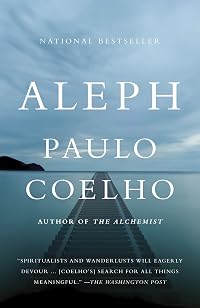
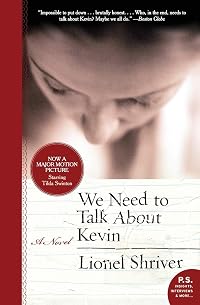
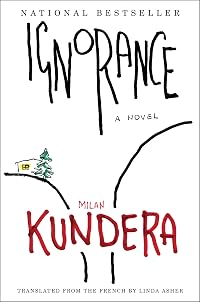

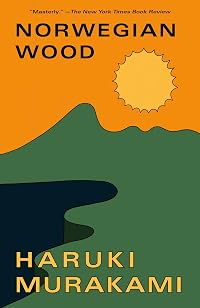

Member Recommendations

Member Reviews
Once again, same post Coelho effect, pure serotonin overload. I won’t lie, it’s not on the exact same level as The Winner Stands Alone, or The Alchemist, but it still holds its own. It’s one of those quietly powerful stories.
The whole thing takes place inside this mental hospital called Villete, and we follow Veronika after she survives a suicide attempt. She’s told she only has a few days left because her heart is damaged, and that deadline kind of flips a switch in her. Suddenly she stops caring about playing safe or acting “normal.” She starts doing things she always wanted to do but held back from because she didn’t want people labeling her as crazy. Now she’s literally in a psychiatric hospital, so the label show more doesn’t matter anymore. There’s something weirdly freeing about that.
Coelho doesn’t really leave you guessing about the message. He spells it out clearly at the end, awareness of death makes us live harder, louder, more honestly. And honestly, he’s right. People change the most when they brush up against mortality. It shocks them awake.
The way I see it, life is like a 3D object. If you keep staring at it from one bad angle, of course it looks meaningless. But when you’re forced to realize it could end, you start turning it around, seeing the full picture. Suddenly the bitterness fades and you just feel this intense attachment to being alive. That reset button energy is exactly what Veronika goes through.
It’s philosophical without being pretentious, emotional without being dramatic. It makes you question things but also leaves you strangely hopeful. Simple story, big impact. show less
The whole thing takes place inside this mental hospital called Villete, and we follow Veronika after she survives a suicide attempt. She’s told she only has a few days left because her heart is damaged, and that deadline kind of flips a switch in her. Suddenly she stops caring about playing safe or acting “normal.” She starts doing things she always wanted to do but held back from because she didn’t want people labeling her as crazy. Now she’s literally in a psychiatric hospital, so the label show more doesn’t matter anymore. There’s something weirdly freeing about that.
Coelho doesn’t really leave you guessing about the message. He spells it out clearly at the end, awareness of death makes us live harder, louder, more honestly. And honestly, he’s right. People change the most when they brush up against mortality. It shocks them awake.
The way I see it, life is like a 3D object. If you keep staring at it from one bad angle, of course it looks meaningless. But when you’re forced to realize it could end, you start turning it around, seeing the full picture. Suddenly the bitterness fades and you just feel this intense attachment to being alive. That reset button energy is exactly what Veronika goes through.
It’s philosophical without being pretentious, emotional without being dramatic. It makes you question things but also leaves you strangely hopeful. Simple story, big impact. show less
Not to get controversial at the outset, but most books have flaws. Some books are too long, some books have been poorly edited, some books are boring, some books are written by Judy Collins, etc. There is a distinction to be made, though, between a book that has flaws and a truly reprehensible work. Veronika Decides to Die is without a doubt the latter.
The writing is ass. Every page has something that feels like it was run through google translate (it genuinely might have been, so I guess it might not be Coelho's fault?)
Coelho makes himself a character in the novel solely to let you know that the book is loosely based on experiences he had, which would have been a far cooler thing to just fucking say somewhere else other than as a fake guy in your own fucking book. Somehow we know A Portrait of the Artist as a Young Man was about James Joyce without James Joyce having to create a character named James Joyce who says in Chapter 2, "Hey guys! This shit's about me!" Besides hubris, the only reason for Coelho to put himself in the book was if he thought he'd be dead by the time it came out, which means he thought he was going to kill himself, which THEN means he didn't learn the lesson he's trying to teach through the book in the first place.
What lesson is that, pray tell? Well, for starters, don't kill yourself, which is a good baseline message. If you're reading this, don't kill yourself. Beyond that, any ideas that can be taken from the book are either anodyne platitudes or absurd misunderstandings of what mental illness is.
Let's focus on the latter. The majority of the novel is set in a mental hospital with weirdly antiquated treatments, and in Coelho's eyes, not a single one of the POV characters really needs to be there. For example Veronika's first friend at the mental hospital, a lady named Zedka, is depressed, but that's not really addressed. What matters is that she's a fucking astral traveller, which is as ridiculous as it sounds and also doesn't end up mattering in the book at all. Coelho might as well have written that Zedka has teeth made out of jelly beans and boobs full of red cream soda. Looking back, I'm finding it more and more incredible how useless every digression in this book turns out to be. None of them are interesting, and none of them move the story in any direction.
In fairness to Coelho, he really kind of screwed himself with the premise of the book. A girl tries to kill herself but doesn't die, only to then be told that she did enough damage to herself that she'll die soon. What could possibly happen here? Either she decides she was right to kill herself and then dies, she decides she was wrong to kill herself and then dies, or some bullshit happens and she doesn't die. Those are very narrow plots within which he could have worked, and they all kind of suck anyway, so none of it's worth it.
If there was one cliché that Coelho most clearly wanted to amplify, it was "Live like you've got nothing to lose!" Once Veronika was told that she was about to die, ergo having nothing to lose, she abandoned all false pretenses and lived the way she wanted to, which was to... whack off in front of a mute schizophrenic??? How rewarding!
The message is a pretty bad one within the context of the book, seeing as Veronika is a shitty doofus, but even in general, what a stupid way to live life. We all have something to lose, and understanding the value of whatever that 'something' may be and being humble enough to place it above one's own interests is part of being a good person. Anyone with children (or other people that depend on them) that chooses to live like they've got nothing to lose is a real asshole.
Some of the more air-headed parts of the book reminded me of another piece of trash, Jonathan Livingston Seagull, but then I remembered that for as vapid and useless as it was, at least JLS wasn't wrong. At least the magical seagull book didn't paint psychiatric care in a dubious light, trivialize schizophrenia, or have a character jill off in front of a near stranger in order to free herself of her inhibitions. Now that I think about it, though, maybe that book could have used some seagull masturbation. It couldn't be any worse than Slovenian masturbation. show less
The writing is ass. Every page has something that feels like it was run through google translate (it genuinely might have been, so I guess it might not be Coelho's fault?)
To her surprise, though, the first line of text shook her out of her natural passivity (the tranquilizers had not yet dissolved in her stomach, but Veronika was by nature passive)...IS SHE NATURALLY PASSIVE?? I CAN'T show more TELL!!
Coelho makes himself a character in the novel solely to let you know that the book is loosely based on experiences he had, which would have been a far cooler thing to just fucking say somewhere else other than as a fake guy in your own fucking book. Somehow we know A Portrait of the Artist as a Young Man was about James Joyce without James Joyce having to create a character named James Joyce who says in Chapter 2, "Hey guys! This shit's about me!" Besides hubris, the only reason for Coelho to put himself in the book was if he thought he'd be dead by the time it came out, which means he thought he was going to kill himself, which THEN means he didn't learn the lesson he's trying to teach through the book in the first place.
What lesson is that, pray tell? Well, for starters, don't kill yourself, which is a good baseline message. If you're reading this, don't kill yourself. Beyond that, any ideas that can be taken from the book are either anodyne platitudes or absurd misunderstandings of what mental illness is.
Let's focus on the latter. The majority of the novel is set in a mental hospital with weirdly antiquated treatments, and in Coelho's eyes, not a single one of the POV characters really needs to be there. For example Veronika's first friend at the mental hospital, a lady named Zedka, is depressed, but that's not really addressed. What matters is that she's a fucking astral traveller, which is as ridiculous as it sounds and also doesn't end up mattering in the book at all. Coelho might as well have written that Zedka has teeth made out of jelly beans and boobs full of red cream soda. Looking back, I'm finding it more and more incredible how useless every digression in this book turns out to be. None of them are interesting, and none of them move the story in any direction.
In fairness to Coelho, he really kind of screwed himself with the premise of the book. A girl tries to kill herself but doesn't die, only to then be told that she did enough damage to herself that she'll die soon. What could possibly happen here? Either she decides she was right to kill herself and then dies, she decides she was wrong to kill herself and then dies, or some bullshit happens and she doesn't die. Those are very narrow plots within which he could have worked, and they all kind of suck anyway, so none of it's worth it.
If there was one cliché that Coelho most clearly wanted to amplify, it was "Live like you've got nothing to lose!" Once Veronika was told that she was about to die, ergo having nothing to lose, she abandoned all false pretenses and lived the way she wanted to, which was to... whack off in front of a mute schizophrenic??? How rewarding!
The message is a pretty bad one within the context of the book, seeing as Veronika is a shitty doofus, but even in general, what a stupid way to live life. We all have something to lose, and understanding the value of whatever that 'something' may be and being humble enough to place it above one's own interests is part of being a good person. Anyone with children (or other people that depend on them) that chooses to live like they've got nothing to lose is a real asshole.
Some of the more air-headed parts of the book reminded me of another piece of trash, Jonathan Livingston Seagull, but then I remembered that for as vapid and useless as it was, at least JLS wasn't wrong. At least the magical seagull book didn't paint psychiatric care in a dubious light, trivialize schizophrenia, or have a character jill off in front of a near stranger in order to free herself of her inhibitions. Now that I think about it, though, maybe that book could have used some seagull masturbation. It couldn't be any worse than Slovenian masturbation. show less
This is actually the only Coelho novel I’ve read. I remember hearing about it for the first time because of the Billy Talent song called Saint Veronika which is loosely based on the book. I did some research, bought the book, and read it. I read it again recently, and boy do I have a different opinion of it now than I did when I was sixteen.
The book centres around a young woman who is just done with life. She isn’t upset about anything, she hasn’t gone through any violent or traumatic ordeal and she isn’t sick and dying of some terminal illness. Veronika just doesn’t want to be alive anymore because she thinks she’s reached her prime and after this (she’s twenty-four, by the way), her life is only going to get worse and show more she can’t possibly be around to watch herself become unhappy. So she decides to kill herself.
Literally, Veronika has nothing to complain about. She’s a selfish brat who has no reason to want to kill herself but she decides to anyway because she’s bored.
What the actual fuck.
The novel does a good job of pointing out how fucking stupid she is, at least, by revealing that not only did she unsuccessfully commit suicide since she survived the ordeal, she has no irreparably damaged her heart and she’ll be dead within a few days anyway. Which is exactly what she wanted, right? Wrong. Confronted with the fact that she’s going to die at any minute now, Veronika panics and realizes that she’s always wanted to be alive in the first place.
To which I groan loudly and heavily.
This woman is such a piece of work that I honestly can’t stand her.
I just can’t with this book. I think its biggest saving grace is the way it deals with other characters in the story who are actually mentally ill – a schizophrenic, a woman who was depressed, another elderly woman with panic disorder. These characters are wonderful, fleshed out, and realistic. Veronika is unlikeable and just plain annoying the entire way through. And the one thing I cannot forgive her for is when she sexually assaults one of the people in the asylum. While encountering a state of literal ‘no fucks to give anymore’, Veronika decides to masturbate and give herself her first ever orgasm while an unwilling participant watches, somebody who is actually mentally ill and might not even understand what it is that she’s doing. It’s just disgusting and so unnecessary to the story, and honestly I just can’t seem to like Veronika in the slightest.
Here’s the kicker though. In the end we find out that her heart is fine and she’s going to survive after all. Yay! And she has a new-found respect for life and wants to live. Yay!
Ugh.
What a waste of time.
Final rating: 2/5. Honestly this could have just been done so much better. I hope Coelho’s other books are better than this. Also he shamelessly self-inserted himself into the novel on multiple occasions which…stop. Please. show less
The book centres around a young woman who is just done with life. She isn’t upset about anything, she hasn’t gone through any violent or traumatic ordeal and she isn’t sick and dying of some terminal illness. Veronika just doesn’t want to be alive anymore because she thinks she’s reached her prime and after this (she’s twenty-four, by the way), her life is only going to get worse and show more she can’t possibly be around to watch herself become unhappy. So she decides to kill herself.
Literally, Veronika has nothing to complain about. She’s a selfish brat who has no reason to want to kill herself but she decides to anyway because she’s bored.
What the actual fuck.
The novel does a good job of pointing out how fucking stupid she is, at least, by revealing that not only did she unsuccessfully commit suicide since she survived the ordeal, she has no irreparably damaged her heart and she’ll be dead within a few days anyway. Which is exactly what she wanted, right? Wrong. Confronted with the fact that she’s going to die at any minute now, Veronika panics and realizes that she’s always wanted to be alive in the first place.
To which I groan loudly and heavily.
This woman is such a piece of work that I honestly can’t stand her.
I just can’t with this book. I think its biggest saving grace is the way it deals with other characters in the story who are actually mentally ill – a schizophrenic, a woman who was depressed, another elderly woman with panic disorder. These characters are wonderful, fleshed out, and realistic. Veronika is unlikeable and just plain annoying the entire way through. And the one thing I cannot forgive her for is when she sexually assaults one of the people in the asylum. While encountering a state of literal ‘no fucks to give anymore’, Veronika decides to masturbate and give herself her first ever orgasm while an unwilling participant watches, somebody who is actually mentally ill and might not even understand what it is that she’s doing. It’s just disgusting and so unnecessary to the story, and honestly I just can’t seem to like Veronika in the slightest.
Here’s the kicker though. In the end we find out that her heart is fine and she’s going to survive after all. Yay! And she has a new-found respect for life and wants to live. Yay!
Ugh.
What a waste of time.
Final rating: 2/5. Honestly this could have just been done so much better. I hope Coelho’s other books are better than this. Also he shamelessly self-inserted himself into the novel on multiple occasions which…stop. Please. show less
Are the lunatics running the asylum?
This is the third Coelho novel that I've read,after The Alchemist and The Devil and Miss Prym,and for me it is the weakest.Now don't get me wrong I love the author's writing style which I find so easy going yet with a deceptive depth,rather I felt that this book lacked any real plot and was more of a parable or perhaps a part of some philosophical debate where the only true madness is to conform.
Veronika has never done anything challenging or taken a real risk preferring to live a safe unimaginative life within self-regulated boundaries in both her professional and personal existance. Despite superficially having everything to live for is basically bored with life,so decides to commit suicide. When show more this fails she is sent to a mental hospital where she is told that she only has days to live thus making her re-evaluate not only her life but the meaning of life.Surrounded by other 'maniacs' she finally begins to see life as a gift and wants to live her final days to the full.Which for the reader means we end up with a debate as to the meanings of life and death,love and hate, madness and sanity.
Despite really wanting to I struggled to feel any real empathy towards Veronika and her plight instead finding myself more interested in the other characters in the book lives. In particular I was intrigued by the character of Doctor Igor, the establishment's psychiatrist with his own somewhat warped outlook,who quite frankly seemed to be the only real lunatic in the place.I had pretty well guessed the ending before we got there but didn't feel that was too detrimental to it overall and as such still enjoyed the book, just not as much as the others.
Now at only about 190 pages long it is a reasonably quick read so go on judge for yourself it may give you a different outlook on life. You never know. show less
This is the third Coelho novel that I've read,after The Alchemist and The Devil and Miss Prym,and for me it is the weakest.Now don't get me wrong I love the author's writing style which I find so easy going yet with a deceptive depth,rather I felt that this book lacked any real plot and was more of a parable or perhaps a part of some philosophical debate where the only true madness is to conform.
Veronika has never done anything challenging or taken a real risk preferring to live a safe unimaginative life within self-regulated boundaries in both her professional and personal existance. Despite superficially having everything to live for is basically bored with life,so decides to commit suicide. When show more this fails she is sent to a mental hospital where she is told that she only has days to live thus making her re-evaluate not only her life but the meaning of life.Surrounded by other 'maniacs' she finally begins to see life as a gift and wants to live her final days to the full.Which for the reader means we end up with a debate as to the meanings of life and death,love and hate, madness and sanity.
Despite really wanting to I struggled to feel any real empathy towards Veronika and her plight instead finding myself more interested in the other characters in the book lives. In particular I was intrigued by the character of Doctor Igor, the establishment's psychiatrist with his own somewhat warped outlook,who quite frankly seemed to be the only real lunatic in the place.I had pretty well guessed the ending before we got there but didn't feel that was too detrimental to it overall and as such still enjoyed the book, just not as much as the others.
Now at only about 190 pages long it is a reasonably quick read so go on judge for yourself it may give you a different outlook on life. You never know. show less
Veronika, një vajzë e re dhe e bukur sllovene, duket sikur ka arritur gjithçka ka dashur në jetë. Megjithatë, nuk është e lumtur. Më 21 nëntor 1997 vendos të vrasë veten. Përçapja për vetëvrasje e çon në spitalin psikiatrik të Viletes, ku njeh të çmendur të vërtetë dhe një popullsi normale, që ngjan të jetë strehuar pas mureve të lartë të çmendinës nga frika e së panjohurës, dëshira për të qenë e sigurt ose nga lodhja e jetës rutinë. Atje, Veronika kupton se në çdo çast të jetës sonë mund të zgjedhim mes jetës dhe vdekjes dhe të njohim një pjesë të çmendurisë sonë.
I liked Paulo Coelho's novel "Veronika Decides to Die" more than his more famous book, "The Alchemist," which I thought was so-so.
Veronika is a young woman who leads a sort of humdrum life not of her own choosing -- she decides to attempt suicide after realizing things aren't like to get better and will in fact decline as she ages. She ends up in Villette, a mental hospital in Slovenia and meets others who have checked out of society.
Coelho had an odd way of inserting himself in the story, but other than that I liked the way it all unfolded, even if the doctor's tactics were pretty transparent from the get-go.
Veronika is a young woman who leads a sort of humdrum life not of her own choosing -- she decides to attempt suicide after realizing things aren't like to get better and will in fact decline as she ages. She ends up in Villette, a mental hospital in Slovenia and meets others who have checked out of society.
Coelho had an odd way of inserting himself in the story, but other than that I liked the way it all unfolded, even if the doctor's tactics were pretty transparent from the get-go.
Paulo Cohello debe ser , fàcil , la mentira màs grande en la literatura .
Es como ,por decirlo de alguna manera ,el Arjona de los libros . Un chanta con metàforas inservibles , libros con mensajes que no llevan a ningùn lado , algùn que otro poema machista ,etc .
Este me lo recomendò una amiga y demàs està decir que no vuelvo a leer nada que me diga esa persona . Obviamente no tenìa pensado leer nunca nada de este autor , con las crìticas y las opiniones de escritores en serio sobre la clase de "autor" que es Cohelo (ademàs de conocer parte de su historia personal como "guìa espiritual" de Cecilia Bolocco .... siempre hay un muerto para un degollado , no?) . Nunca nunca lo hubiese empezado pero , que se yo... me lo prestaron show more , me insistieron tanto ... y , ademàs , usualmente no me puedo resistir a las novelas sobre hospitales psiquiàtricos asì que le di una oportunidad.
Grave error .
En desacuerdo totalmente con cada una de las premisas . Horrible la escritura . Totalmente falto de creatividad . Un libro que lleva a lugares superficiales y vacios , con personajes irreales y nada pero nada que valga la pena.
Otra cosa ...A basta de romantizar a un enfermo mental y sobre todo a uno que en la vida real no tiene cura ... Les puedo asegurar que Cohelo no sabe sobre trastornos mentales .
No me sorprende que venda tanto porque , en fin ,un bestseller es un bestseller y , si por supuesto , yo tengo mis muertos en el placard tambièn , como cualquiera ... pero -SIN OFENDER- que haya personas que se lo tomen en serio y digan que es profundo!! ¡Por favor ! Serìa como tomarse en serio a Claudio Maria Dominguez . No-señora-gracias-señora, no pienso "abrazar en amor" a este chanta . show less
Es como ,por decirlo de alguna manera ,el Arjona de los libros . Un chanta con metàforas inservibles , libros con mensajes que no llevan a ningùn lado , algùn que otro poema machista ,etc .
Este me lo recomendò una amiga y demàs està decir que no vuelvo a leer nada que me diga esa persona . Obviamente no tenìa pensado leer nunca nada de este autor , con las crìticas y las opiniones de escritores en serio sobre la clase de "autor" que es Cohelo (ademàs de conocer parte de su historia personal como "guìa espiritual" de Cecilia Bolocco .... siempre hay un muerto para un degollado , no?) . Nunca nunca lo hubiese empezado pero , que se yo... me lo prestaron show more , me insistieron tanto ... y , ademàs , usualmente no me puedo resistir a las novelas sobre hospitales psiquiàtricos asì que le di una oportunidad.
Grave error .
En desacuerdo totalmente con cada una de las premisas . Horrible la escritura . Totalmente falto de creatividad . Un libro que lleva a lugares superficiales y vacios , con personajes irreales y nada pero nada que valga la pena.
Otra cosa ...A basta de romantizar a un enfermo mental y sobre todo a uno que en la vida real no tiene cura ... Les puedo asegurar que Cohelo no sabe sobre trastornos mentales .
No me sorprende que venda tanto porque , en fin ,un bestseller es un bestseller y , si por supuesto , yo tengo mis muertos en el placard tambièn , como cualquiera ... pero -SIN OFENDER- que haya personas que se lo tomen en serio y digan que es profundo!! ¡Por favor ! Serìa como tomarse en serio a Claudio Maria Dominguez . No-señora-gracias-señora, no pienso "abrazar en amor" a este chanta . show less
Members
- Recently Added By
Lists

1001 Books You Must Read Before You Die
1,448 works; 1,130 members

Mental health fiction
55 works; 18 members

Best of World Literature
432 works; 51 members

1980s
356 works; 23 members

1,001 BYMRBYD Concensus
723 works; 27 members

Fiction with Women's Names in the Title
378 works; 15 members

Speculative Fiction from around the World
610 works; 17 members

Literature which inspired Pop songs
85 works; 9 members

My TBR
371 works; 3 members

books read in 2019
50 works; 1 member

psychological
14 works; 1 member
Author Information

216+ Works 100,494 Members
Paulo Coelho was born in Rio de Janeiro, Brazil on August 24, 1947. As a teenager, he wanted to become a writer, but his parents wanted him to pursue a more substantial and secure career. At the age of 17, his introversion and opposition to his parents led them to commit him to a mental institution. He escaped three times before being released at show more the age of 20. Once released, he abandoned his ideas of becoming a writer and enrolled in law school to please his parents. He stayed in law school for one year. In 1986, Coelho walked the 500-plus mile Road of Santiago de Compostela in northwestern Spain, a turning point in his life. On the path, he had a spiritual awakening, which he described in his book The Pilgrimage. Before becoming a full-time author, he worked as theatre director and actor, lyricist, and journalist. He wrote song lyrics for many famous performers in Brazilian music including Elis Regina, Rita Lee, and Raul Seixas. His first book, Hell Archives, was published in 1982. He has written over 25 books since then including The Alchemist, Brida, The Fifth Mountain, The Devil and Miss Prym, Eleven Minutes, The Zahir, The Witch of Portobello, Like a Flowing River, and Adultery. He received numerous awards including Las Pergolas Prize, The Budapest Prize, Nielsen Gold Book Award, and the Grand Prix Litteraire Elle. In 1996, he founded the Paulo Coelho Institute, which provides aid to children and elderly people with financial problems. In 2007, Coelho was named a Messenger of Peace to the United Nations. (Bowker Author Biography) show less
Some Editions
Awards and Honors
Awards
Distinctions
Series

Belongs to Publisher Series
Work Relationships
Is contained in
Inspired
Common Knowledge
- Canonical title
- Veronika Decides to Die
- Original title
- Veronika Decide Morrer
- Original publication date
- 1998
- People/Characters
- Veronika; Eduard; Mari; Zedka; Dr Igor; Paulo Coelho
- Important places
- Ljubljana, Slovenia
- Related movies
- Veronika Decides to Die (2009 | IMDb)
- Epigraph
- Behold I give unto you power to tread on serpents ... and nothing shall by any means hurt you.
Luke 10:19 - Dedication
- For S.T. de L., who began to help me without my realising it
- First words
- On November 11, 1997, Veronika decided that the moment to kill herself had - at last! - arrived.
- Quotations
- Half shy, half extrovert, he had the desire to be an "artist," something that everyone in the family considered a perfect recipe for ending up a social outcast and dying in poverty.
In a world where everyone struggles to survive whatever the cost, how could one judge those people who decide to die? - Last words
- (Click to show. Warning: May contain spoilers.)Meticulously he began to write up his experient with Veronika; he would leave until later the reports on the building's lack of security.
- Blurbers*
- Kluun
- Original language
- Portuguese
*Some information comes from Common Knowledge in other languages. Click "Edit" for more information.
Classifications
- Genres
- Fiction and Literature, General Fiction
- DDC/MDS
- 813 — Literature & rhetoric American literature in English American fiction in English
- LCC
- PQ9698.13 .O3546 .V4713 — Language and Literature French, Italian, Spanish and Portuguese literatures Portuguese literature Provincial, local, colonial, etc. Brazil
- BISAC
Statistics
- Members
- 7,719
- Popularity
- 1,467
- Reviews
- 164
- Rating
- (3.60)
- Languages
- 34 — Arabic, Catalan, Chinese, Czech, Danish, Dutch, English, Estonian, Finnish, French, German, Galician, Greek, Hebrew, Hungarian, Icelandic, Indonesian, Italian, Japanese, Latvian, Lithuanian, Malayalam, Norwegian (Bokmål), Norwegian, Polish, Romanian, Russian, Serbian, Spanish, Swedish, Turkish, Ukrainian, Urdu, Portuguese (Brazil)
- Media
- Paper, Audiobook, Ebook
- ISBNs
- 195
- ASINs
- 39