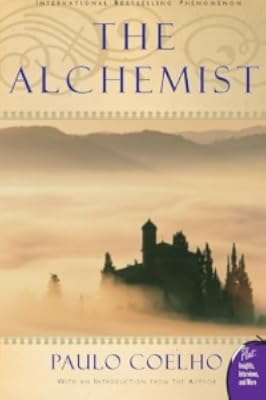
The Alchemist
by Paulo Coelho
On This Page
Description
An Andalusian shepherd boy named Santiago travels from his homeland in Spain to the Egyptian desert in search of a treasure buried in the Pyramids. Along the way he meets a Gypsy woman, a man who calls himself king, and an alchemist, all of whom point Santiago in the direction of his quest. No one knows what the treasure is, or if Santiago will be able to surmount the obstacles along the way. But what starts out as a journey to find worldly goods turns into a discovery of the treasures found show more within. show lessTags
Recommendations

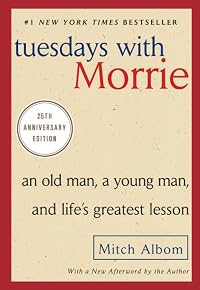
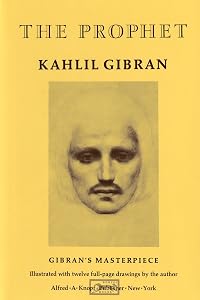
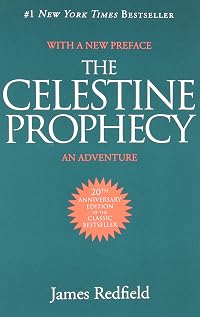
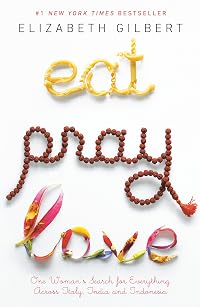
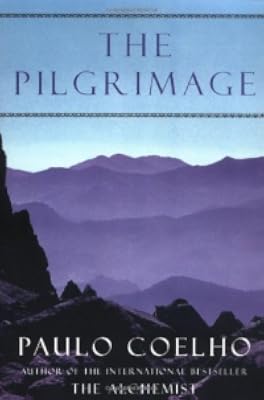
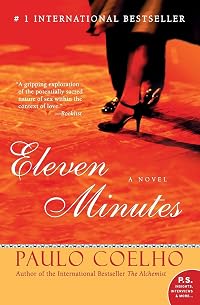
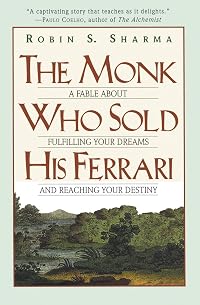
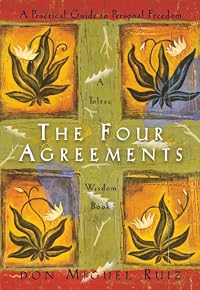
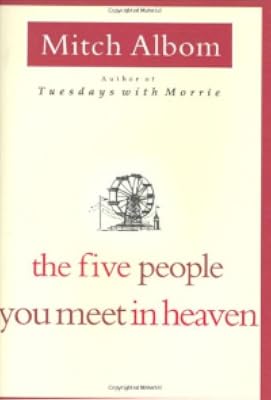
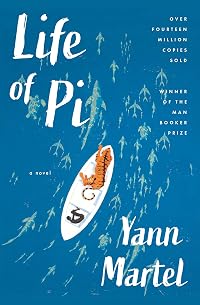
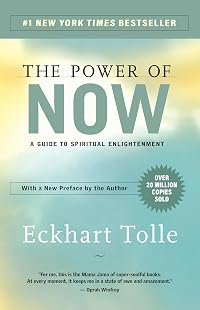
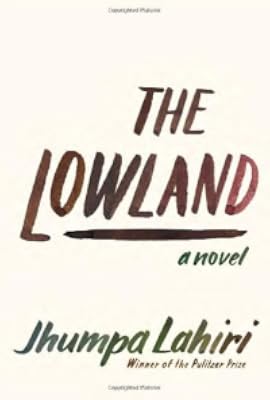


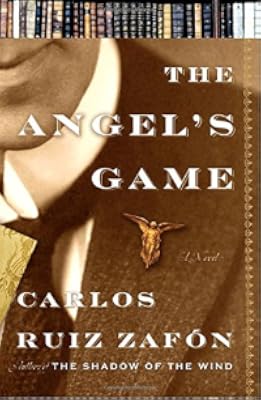
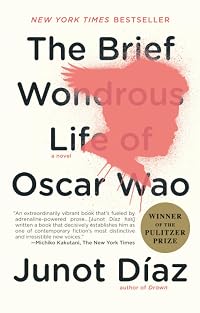
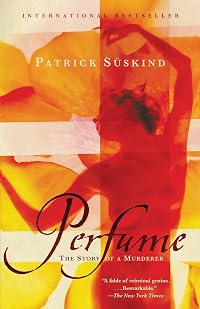

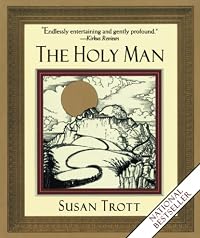
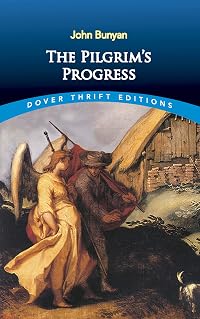

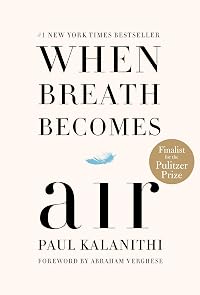
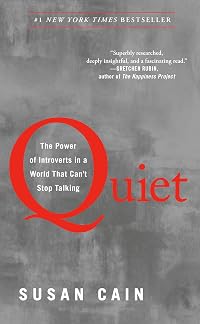
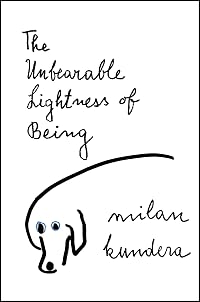
Member Recommendations
hippietrail Another spiritual quest, also short and in a very simple style, but much better written
263


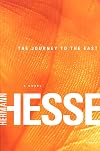


MarkHardy I think if you like things that are a bit spiritual then you'll like both of these.
23

Jannes Om du verkigen INTE gillade Coelho så kan du ge Vahlquists anti-berättelse en chans. Oavsett vad man tycker om hans kvaliteter är det spännande att se hur Coelho väcker så starka reaktioner åt båda hållen.
13

ExVivre "We are the music makers, and we are the dreamers of dreams..."
13

by anonymous user


Petroglyph The Alchemist reads like a fairy tale version of Teilhard de Chardin's much more grandiloquent work. Coelho’s “Soul of the World” is very similar to de Chardin’s noosphere, a collective consciousness that all humans are immersed in and that ultimately resolves into God Omega. All is one, all is Love (even valence bonds at an atomic level).
Member Reviews
A simplistic fable filled with hokum about listening to your heart and following your dreams. I don't have any problem with that moral, even if we have heard it a thousand times in vapid self-help books, but this story fails as a parable. Everything in it seems so literal, rather than allegorical, meaning you would have to leave your brain at the door in order to absorb any lessons. I'm sure we could all literally achieve our dreams if celestial kings actually appeared before us, and the sun/wind/desert could actually talk to us. Even the boy's treasure is a literal treasure chest filled with jewels. How can one take any lessons from that for our own lives? Do we wait for an angel to appear before us, and expect material riches at the show more end? This is a fantasy story, of sorcery and magic, in which one can converse with the elements and literally turn lead to gold (I thought the title would be allegorical, but unfortunately it is not). Yeah, it probably is easy to achieve your dreams if you're an actual, functioning magician who is visited by angels. You would go forward on your journey with conviction if a messenger of God comes and tells you that it is your destiny. Being an ordinary human, living in the real world and lacking a direct line to a god, we'd have a much harder time of it than the shepherd boy.
What grated me the most was that it is all too easy; there aren't really any trials that the boy must overcome. He doesn't really do anything to earn his shot at the treasure; he's just a simple shepherd who happens to have a dream one night. Then a king comes to him and sets him on his way, which was nice of him. It's all very deus ex machina. In trouble? Talk to your heart, which will literally tell you what to do next! Everyone the boy meets seems to accept omens at face value. Oh, you had a dream, that's a good omen! I had a dream that blah, blah, blah. What can I do to help?" In fact, it's probably the ultimate deus ex machina story, when one remembers that the phrase means 'god from the machine'. Every step of the journey is not because the boy has struggled to overcome problems, but because God has given him signs, little nudges and hints. "When you want something, all the universe conspires in helping you to achieve it," as we are told throughout the book. The boy's journey is a stroll rather than a quest; even towards the end, when we are told that 'the night is darkest just before the day dawns', the most that the shepherd boy has to endure is getting knocked around a bit by an Arab refugee. We're told in the book that life is generous to those who pursue their destiny, but why can't all our destinies be this easy to claim?
I don't think I'm being too narrow-minded here; I'm open to spiritual questions and, even though I'm an atheist, I don't mind that people depict God's hand in everything, shaping our destinies. I just found this story to be simplistic and infantile. There's a lot of tosh about divining meaning from one's dreams, from the position of broken twigs and the flight of birds in the sky. I half-expected someone in the book to read the future in the entrails of a goat, or in some tea leaves - it operates on that level of spiritual maturity. If they made this book into a film, it would be an after-school special at best, aimed at nine-year-olds and funded by some woolly-minded New Age self-help gurus. The narrative was pleasant enough, and the book was agreeably short. Actually, it was mercifully short, as if it was longer I would have been really annoyed at myself for wasting my time on it. As it is, I only wasted a few hours, and so I was disappointed rather than angry (hence, a rating of two stars rather than an angry one star). If you want a short, yet genuinely inspirational and spiritual book full of life lessons, try reading Hermann Hesse's Siddhartha instead." show less
What grated me the most was that it is all too easy; there aren't really any trials that the boy must overcome. He doesn't really do anything to earn his shot at the treasure; he's just a simple shepherd who happens to have a dream one night. Then a king comes to him and sets him on his way, which was nice of him. It's all very deus ex machina. In trouble? Talk to your heart, which will literally tell you what to do next! Everyone the boy meets seems to accept omens at face value. Oh, you had a dream, that's a good omen! I had a dream that blah, blah, blah. What can I do to help?" In fact, it's probably the ultimate deus ex machina story, when one remembers that the phrase means 'god from the machine'. Every step of the journey is not because the boy has struggled to overcome problems, but because God has given him signs, little nudges and hints. "When you want something, all the universe conspires in helping you to achieve it," as we are told throughout the book. The boy's journey is a stroll rather than a quest; even towards the end, when we are told that 'the night is darkest just before the day dawns', the most that the shepherd boy has to endure is getting knocked around a bit by an Arab refugee. We're told in the book that life is generous to those who pursue their destiny, but why can't all our destinies be this easy to claim?
I don't think I'm being too narrow-minded here; I'm open to spiritual questions and, even though I'm an atheist, I don't mind that people depict God's hand in everything, shaping our destinies. I just found this story to be simplistic and infantile. There's a lot of tosh about divining meaning from one's dreams, from the position of broken twigs and the flight of birds in the sky. I half-expected someone in the book to read the future in the entrails of a goat, or in some tea leaves - it operates on that level of spiritual maturity. If they made this book into a film, it would be an after-school special at best, aimed at nine-year-olds and funded by some woolly-minded New Age self-help gurus. The narrative was pleasant enough, and the book was agreeably short. Actually, it was mercifully short, as if it was longer I would have been really annoyed at myself for wasting my time on it. As it is, I only wasted a few hours, and so I was disappointed rather than angry (hence, a rating of two stars rather than an angry one star). If you want a short, yet genuinely inspirational and spiritual book full of life lessons, try reading Hermann Hesse's Siddhartha instead." show less
What was that? A fairytale for sigmas?
If you're looking to read something profound or spiritual, I would recommend something by Eckhart Tolle. This book has not taught me anything new. And Eckhart Tolle taught way more in 20 pages than he in 200 pages.
Paulo Coelho preaches about things that, to me, are simply part of being human—truths we come to understand naturally through living. Ideas like “Follow your dream, don’t give up!” or “Trust yourself” feel less like profound insights and more like clichés.
I even find some of his teachings problematic. Paulo Coelho focuses heavily on achieving one’s goal. But what then? What happens when I’ve “fulfilled my dream”? Isn’t that a recipe for unhappiness—to find the show more meaning of life in the pursuit of a “Personal Legend”? It might help you accept the moment if you tell yourself you’re doing it for your Personal Legend. But wouldn’t it be more valuable to find happiness independent of external factors? Real contentment? Not just the pursuit of something? Because what then, what if you have finally achieved it? Are you then done?
As other reviewers have pointed out, this book is also somewhat sexist. Men are off on journeys in pursuit of their Personal Legend. A woman in the book is content to wait for her man while he is away on his journey.
I listened to the audiobook on YouTube. It was so bad, I had to check if I’d been scammed and whether it was actually the real book. Lol. show less
If you're looking to read something profound or spiritual, I would recommend something by Eckhart Tolle. This book has not taught me anything new. And Eckhart Tolle taught way more in 20 pages than he in 200 pages.
Paulo Coelho preaches about things that, to me, are simply part of being human—truths we come to understand naturally through living. Ideas like “Follow your dream, don’t give up!” or “Trust yourself” feel less like profound insights and more like clichés.
I even find some of his teachings problematic. Paulo Coelho focuses heavily on achieving one’s goal. But what then? What happens when I’ve “fulfilled my dream”? Isn’t that a recipe for unhappiness—to find the show more meaning of life in the pursuit of a “Personal Legend”? It might help you accept the moment if you tell yourself you’re doing it for your Personal Legend. But wouldn’t it be more valuable to find happiness independent of external factors? Real contentment? Not just the pursuit of something? Because what then, what if you have finally achieved it? Are you then done?
As other reviewers have pointed out, this book is also somewhat sexist. Men are off on journeys in pursuit of their Personal Legend. A woman in the book is content to wait for her man while he is away on his journey.
I listened to the audiobook on YouTube. It was so bad, I had to check if I’d been scammed and whether it was actually the real book. Lol. show less
This is a creative, insightful story that mixes in a bit of fairy tale. The book starts off introducing a simple shepherd boy who dreams of treasure buried somewhere in a far-off land. His adventures take him to unexpected places, weaving realism with fantasy. He meets interesting people as his journey presents him with choices and trials faced by most members of the human race. Yet the story allows for events that are indeed magical. The book invites you to ponder deep questions about life, agency, and the benefits (or perhaps purpose) of experience. It touches on religious beliefs and universal truths. I very much enjoyed the adventure; it was fun and absorbing.
TL;DR: Pseudo-deep nonsense, full of magical thinking, pretending to profundity that isn't there. New Age gobbledygook. Feelgood nonsense. As insightful as a horoscope. Filed under "hate-reads" and "shiterature".
This book is an exasperating mess of magic thinking and pretentious deepities. Coelho immerses his readers in feel-good poeticality: he likes it when something can be made to sound deep and wise, hinting at vast reaches of self-actualisation that the boogeyman of daily drudgery makes inaccessible to us. He will probably introduce a wise and mystical character -- though only one at a time -- to put it in a one-liner.
The Alchemist is the kind of book in which the New Age versions of Christianity, Islam, Dream Interpretation, show more Alchemy and Generic Spirituality are all true, and, properly considered, they're all the same thing. People who truly, madly, deeply "follow their heart" and are really really serious about seeking out their spiritual purpose in life (their "Personal Legend") understand this; they become so attuned to the Universe that they see that "all is one". And because at that point everything is so much in harmony, the Universe itself cannot but conspire to fulfil their dreams. Everyone else is probably too inhibited or scared to make that leap. (There is a great deal of patronising head-shaking at such folk.)
To make that muddled lack of thinking even more wishful, everything that can be learned is a "language", too: the way sheep behave is a "language": wordless, but comprehensible nonetheless, if only you find the right perspective. Reading between the lines of what people say and understanding unspoken assumptions and desires is another such wordless language. So is the way a caravan travels across the desert, and even the way the desert just keeps existing. Even the ecological pyramid of a balanced ecosystem (a small number of top-level predators supported by increasingly large numbers of prey) can be properly appreciated as mutual affinity and love, a finely calibrated "language" to be understood. You do have to have reached the proper profundity of thought, though (more pitiful head-shaking at the inhibited masses). Fortunately, in fine, all such languages really boil down to Love, as of course they do: Love, a.k.a. The Soul of the World. Even more fortunately, all this wordless meaning you can be attuned to is substantially the same thing as that christian/islamic/spiritual muddle I mentioned earlier, but you've got to be alchemist-level profound to understand that. And while anyone could arrive at that position -- we all already know this, deep down; it’s just been repressed and buried and whatnot -- most people won’t. Sad.
The vehicle that Coelho has chosen to deliver this murky mess is an almost allegorical fable. An Andalusian shepherd boy has a recurring dream of finding a Treasure in the pyramids at Giza and sets out to find it. Along his "quest" he first learns the “language" of his flock of sheep; then a mythical thousands-of-years-old biblical king appears to him and promptly cons him out of his sheep (but it’s for his own good, to teach him a zen lesson or something). He also meets an Islamic crystal shop owner, an English alchemist-in-training, the love of his life, and the famed Alchemist himself, all of who lead the boy, knowingly or not, towards deeper and deeper insights through an accumulation of "languages", and an incremental attunement to "omens". He keeps having visions that show him futures that can be changed and that warn him of danger. Towards the end, the boy has become so enlightened that he is able to have conversations -- in words! -- withhis heart, the desert, the wind, the sun and god himself . The whole thing is too silly for words and collapses under its own pretension.
Look, this was never going to appeal to me: other works by Coelho’s that I’ve read, an extensive list of quotes from this book over at GoodReads and a thorough browse through the reviews here at LT told me exactly what kind of drivel this was going to be. I simply have no patience with pseudo-deep nonsense. At least now I can say that I’ve actually read the book, all the way through, and I am justified in never reading anything by Coelho again. show less
This book is an exasperating mess of magic thinking and pretentious deepities. Coelho immerses his readers in feel-good poeticality: he likes it when something can be made to sound deep and wise, hinting at vast reaches of self-actualisation that the boogeyman of daily drudgery makes inaccessible to us. He will probably introduce a wise and mystical character -- though only one at a time -- to put it in a one-liner.
The Alchemist is the kind of book in which the New Age versions of Christianity, Islam, Dream Interpretation, show more Alchemy and Generic Spirituality are all true, and, properly considered, they're all the same thing. People who truly, madly, deeply "follow their heart" and are really really serious about seeking out their spiritual purpose in life (their "Personal Legend") understand this; they become so attuned to the Universe that they see that "all is one". And because at that point everything is so much in harmony, the Universe itself cannot but conspire to fulfil their dreams. Everyone else is probably too inhibited or scared to make that leap. (There is a great deal of patronising head-shaking at such folk.)
To make that muddled lack of thinking even more wishful, everything that can be learned is a "language", too: the way sheep behave is a "language": wordless, but comprehensible nonetheless, if only you find the right perspective. Reading between the lines of what people say and understanding unspoken assumptions and desires is another such wordless language. So is the way a caravan travels across the desert, and even the way the desert just keeps existing. Even the ecological pyramid of a balanced ecosystem (a small number of top-level predators supported by increasingly large numbers of prey) can be properly appreciated as mutual affinity and love, a finely calibrated "language" to be understood. You do have to have reached the proper profundity of thought, though (more pitiful head-shaking at the inhibited masses). Fortunately, in fine, all such languages really boil down to Love, as of course they do: Love, a.k.a. The Soul of the World. Even more fortunately, all this wordless meaning you can be attuned to is substantially the same thing as that christian/islamic/spiritual muddle I mentioned earlier, but you've got to be alchemist-level profound to understand that. And while anyone could arrive at that position -- we all already know this, deep down; it’s just been repressed and buried and whatnot -- most people won’t. Sad.
The vehicle that Coelho has chosen to deliver this murky mess is an almost allegorical fable. An Andalusian shepherd boy has a recurring dream of finding a Treasure in the pyramids at Giza and sets out to find it. Along his "quest" he first learns the “language" of his flock of sheep; then a mythical thousands-of-years-old biblical king appears to him and promptly cons him out of his sheep (but it’s for his own good, to teach him a zen lesson or something). He also meets an Islamic crystal shop owner, an English alchemist-in-training, the love of his life, and the famed Alchemist himself, all of who lead the boy, knowingly or not, towards deeper and deeper insights through an accumulation of "languages", and an incremental attunement to "omens". He keeps having visions that show him futures that can be changed and that warn him of danger. Towards the end, the boy has become so enlightened that he is able to have conversations -- in words! -- with
Look, this was never going to appeal to me: other works by Coelho’s that I’ve read, an extensive list of quotes from this book over at GoodReads and a thorough browse through the reviews here at LT told me exactly what kind of drivel this was going to be. I simply have no patience with pseudo-deep nonsense. At least now I can say that I’ve actually read the book, all the way through, and I am justified in never reading anything by Coelho again. show less
I feel like this is one of those books that will find you when you're not looking for it. I believe I've seen it on many lists and many Twitter posts but showed no interest. Yesterday something told me to YouTube search Adriyan Rae — an actress — then to watch an interview with her. I never sit still enough to watch entire interviews and she mentioned this book so I read it. It was nothing I expected. It's like one of those legends that's passed down through word of mouth and you don't understand why someone is telling you this story until later. In a strange yet beautiful way, finding this book through Adriyan is like having your older sister try to make you read this book when you're 13 and of course you don't understand it but show more then when you get older you understand what she was trying to teach you. I understand why this book is important for my journey, perseverance, soul, and sense of self. show less
Stylistically, this book might be called a success. It strongly evokes fable and allegory, which was clearly the intent. While such a stylistic choice can quite easily come across as phony, and often does so here, especially considering the means towards which it's employed, I found myself enjoying it anyway. The language is pleasant and it flows well, and I'm a HUGE sucker for this kind of literary affectation. Unfortunately, that's about the only nice thing I can say about it. As many will tell you, the moral of the story is trite and idiotic, and everything serves that lesson that it's trying to teach, which means the characters are lifeless mouthpieces and the plot is the simplest travel from point A to B for treasure quest that you show more can imagine. I swear to god I wrote a treasure quest story about the Justice League when I was ten-ish that had more going on in it. There was a kidnapping halfway through that diverted them from their goal (Green Lantern, I think), and the Flash liked Wonder Woman but she didn't like him back because she liked Superman instead. Pretty sure I just got all that from the cartoon, ten is a little young to be creating love triangles out of thin air.
So basically what I'm getting at here is that it's a book that either believes itself to be or wants to appear deep and meaningful, when in reality it's not only especially shallow, but completely misguided and naive. I didn't bring up a story I wrote when I was ten just for kicks, this is literally not far off from the kind of story a child would tell. It's essentially [b:The Secret|52529|The Secret (The Secret, #1)|Rhonda Byrne|https://images.gr-assets.com/books/1391995828s/52529.jpg|2001660], but in the style of a fantastical fable following the hero's journey structure by a writer who clearly has some talent, but nothing real and substantial to say with it. It's just a lot of psuedo-spiritual fluff. To be perfectly honest it often comes across as more of a self-help book than a novel, which is kinda weird and icky. If you want to write a self-help book, do it. If you want to write a novel, do it. Don't write a self-help novel, that's just absurd.
But hey, it's one of the 100 best selling novels of all time according to some list I just found by googling and didn't bother to fact check at all, so what do I know? More people read self-help books than novels anyway, at least in America, so maybe he's onto something. Maybe I'm going about this writing thing all wrong. Creating compelling characters is hard. Creating an interesting plot that follows the rules of cause and effect is hard. I should just write a 200 page "novel," that preaches the benefits of the paleo diet and gives you a fifteen step process for repairing your damaged relationships; meanwhile some cardboard cutout characters do a lot of traveling and talking to themselves because of heat exhaustion or whatever. I kid, I kid. But seriously, unless you're highly religious, or just way into the pseudo-religion of self-help books and the law of attraction, you will likely scoff your way through this entire thing. It's just kind of dumb and infantile. Like Campbell's classic chicken noodle soup, it may be comforting in the moment, especially if you're sick, or a child, or especially a sick child, but the ugly truth is that it's actually quite unhealthy and you'd be better served by soup that doesn't use dehydrated mechanically separated chicken and 'flavoring.' show less
So basically what I'm getting at here is that it's a book that either believes itself to be or wants to appear deep and meaningful, when in reality it's not only especially shallow, but completely misguided and naive. I didn't bring up a story I wrote when I was ten just for kicks, this is literally not far off from the kind of story a child would tell. It's essentially [b:The Secret|52529|The Secret (The Secret, #1)|Rhonda Byrne|https://images.gr-assets.com/books/1391995828s/52529.jpg|2001660], but in the style of a fantastical fable following the hero's journey structure by a writer who clearly has some talent, but nothing real and substantial to say with it. It's just a lot of psuedo-spiritual fluff. To be perfectly honest it often comes across as more of a self-help book than a novel, which is kinda weird and icky. If you want to write a self-help book, do it. If you want to write a novel, do it. Don't write a self-help novel, that's just absurd.
But hey, it's one of the 100 best selling novels of all time according to some list I just found by googling and didn't bother to fact check at all, so what do I know? More people read self-help books than novels anyway, at least in America, so maybe he's onto something. Maybe I'm going about this writing thing all wrong. Creating compelling characters is hard. Creating an interesting plot that follows the rules of cause and effect is hard. I should just write a 200 page "novel," that preaches the benefits of the paleo diet and gives you a fifteen step process for repairing your damaged relationships; meanwhile some cardboard cutout characters do a lot of traveling and talking to themselves because of heat exhaustion or whatever. I kid, I kid. But seriously, unless you're highly religious, or just way into the pseudo-religion of self-help books and the law of attraction, you will likely scoff your way through this entire thing. It's just kind of dumb and infantile. Like Campbell's classic chicken noodle soup, it may be comforting in the moment, especially if you're sick, or a child, or especially a sick child, but the ugly truth is that it's actually quite unhealthy and you'd be better served by soup that doesn't use dehydrated mechanically separated chicken and 'flavoring.' show less
Santiago is an Andalusian shepherd boy who's on his way to see a girl he once met and fell a little in love with. Before he gets there, however, some stuff happens that I can only vaguely recall. Something about a fortune teller, who tells him that a dream he had about the pyramids in Egypt will lead him to a great treasure. A mysterious man who turns out to be something more convinces Santiago to abandon his ordinary and comfortable life as a shepherd and begin his quest - the pursuit of his Personal Legend.
I'm making a conscious effort to get through more books in my collection that I figure I'll probably be okay with either selling or donating when I'm done. This seemed like a good candidate - I picked up a copy ages ago at a show more conference, and while it seemed vaguely interesting, it wasn't the sort of thing I'd normally read. When I saw that my library owned the audiobook version via Overdrive, I figured that'd be the perfect way to get through it. I'd listen to it, use my paper copy to help me with any name spellings or other details in my review, and then offload it.
Audiobook was probably the best way to go. Jeremy Irons' voice was wonderful to listen to and made the four hours of listening time almost bearable.
That said, I hated this book. Hated it. Had it actually been a fantasy adventure about a boy on a quest for treasure, I might have liked it a bit more, but in reality this was more a self-help book in story form.
Its basic message was this: if you listen to your heart, follow your dreams, and go after your goals with everything you've got, there's nothing you can't accomplish. The entire universe will assist you. The only thing that can stop you is fear of failure.
It's a cruel message. It says "If you're not managing to succeed at this thing you're trying so hard to accomplish, it means that the problem is you. You're somehow still not doing enough, not trying enough, not wanting it enough." It's such an insidious lie, and it made me angry that Coelho had chosen to build an entire world around it.
Santiago really could accomplish anything he wanted to, just by putting his whole heart and soul into his quest. Any other boy might have starved to death after selling all his sheep to go after a treasure he'd seen in a dream, but not Santiago. Every experience he had and every person he met was just another lesson or sign that would lead him to his ultimate goal, his Personal Legend. Thieves left him penniless and theoretically hungry, but he was never truly in danger of starving as long as he kept his goal in sight. At one point he was beaten, but the pain might as well have been a light bruising for all the attention Santiago paid it. Everything always came back to his stupid Personal Legend, the only thing that seemed to leave any sort of lasting impact on him, except maybe Fatima. But more on Fatima later.
In the real world, a person can put everything they have into their goal, pursue their dreams with all their heart and soul, do everything right...and still not succeed. This is not an indicator that they didn't work hard enough or want their dream badly enough, as The Alchemist would suggest. Maybe they didn't have a rich friend or family member who could give them an interest-free loan. Maybe they got sick and suddenly had their health and medical bills to worry about. Maybe they had a family to support and didn't want to be complete jerks towards their loved ones (families didn't seem to factor into this whole Personal Legend thing at all - basically, if they really loved you and supported you, they'd take care of themselves until you accomplished your Personal Legend).
Which brings me back to Fatima, the young woman of the desert Santiago fell in love with (no relation to the young woman he was initially kind of in love with but utterly forgot later on). Her Personal Legend, if I remember correctly, was Santiago. All she had to do was wait in the desert for him. That's it. Why did Santiago's Personal Legend involve a multi-year quest that he had to actively participate in, while Fatima's just required her to exist and be pretty and unmarried? And then, when Santiago left to pursue his Personal Legend, she had to sit and patiently wait for him to come back, however long that might take. They had only spoken a few times and definitely weren't married, so she was basically just waiting for a near-stranger. It was Coelho's version of a soulmate romance. Man, I wish I'd been reading an actual soulmate romance novel rather than this book.
All in all, I don't recommend this, not even with Jeremy Irons' wonderful narration.
(Original review posted on A Library Girl's Familiar Diversions.) show less
I'm making a conscious effort to get through more books in my collection that I figure I'll probably be okay with either selling or donating when I'm done. This seemed like a good candidate - I picked up a copy ages ago at a show more conference, and while it seemed vaguely interesting, it wasn't the sort of thing I'd normally read. When I saw that my library owned the audiobook version via Overdrive, I figured that'd be the perfect way to get through it. I'd listen to it, use my paper copy to help me with any name spellings or other details in my review, and then offload it.
Audiobook was probably the best way to go. Jeremy Irons' voice was wonderful to listen to and made the four hours of listening time almost bearable.
That said, I hated this book. Hated it. Had it actually been a fantasy adventure about a boy on a quest for treasure, I might have liked it a bit more, but in reality this was more a self-help book in story form.
Its basic message was this: if you listen to your heart, follow your dreams, and go after your goals with everything you've got, there's nothing you can't accomplish. The entire universe will assist you. The only thing that can stop you is fear of failure.
It's a cruel message. It says "If you're not managing to succeed at this thing you're trying so hard to accomplish, it means that the problem is you. You're somehow still not doing enough, not trying enough, not wanting it enough." It's such an insidious lie, and it made me angry that Coelho had chosen to build an entire world around it.
Santiago really could accomplish anything he wanted to, just by putting his whole heart and soul into his quest. Any other boy might have starved to death after selling all his sheep to go after a treasure he'd seen in a dream, but not Santiago. Every experience he had and every person he met was just another lesson or sign that would lead him to his ultimate goal, his Personal Legend. Thieves left him penniless and theoretically hungry, but he was never truly in danger of starving as long as he kept his goal in sight. At one point he was beaten, but the pain might as well have been a light bruising for all the attention Santiago paid it. Everything always came back to his stupid Personal Legend, the only thing that seemed to leave any sort of lasting impact on him, except maybe Fatima. But more on Fatima later.
In the real world, a person can put everything they have into their goal, pursue their dreams with all their heart and soul, do everything right...and still not succeed. This is not an indicator that they didn't work hard enough or want their dream badly enough, as The Alchemist would suggest. Maybe they didn't have a rich friend or family member who could give them an interest-free loan. Maybe they got sick and suddenly had their health and medical bills to worry about. Maybe they had a family to support and didn't want to be complete jerks towards their loved ones (families didn't seem to factor into this whole Personal Legend thing at all - basically, if they really loved you and supported you, they'd take care of themselves until you accomplished your Personal Legend).
Which brings me back to Fatima, the young woman of the desert Santiago fell in love with (no relation to the young woman he was initially kind of in love with but utterly forgot later on). Her Personal Legend, if I remember correctly, was Santiago. All she had to do was wait in the desert for him. That's it. Why did Santiago's Personal Legend involve a multi-year quest that he had to actively participate in, while Fatima's just required her to exist and be pretty and unmarried? And then, when Santiago left to pursue his Personal Legend, she had to sit and patiently wait for him to come back, however long that might take. They had only spoken a few times and definitely weren't married, so she was basically just waiting for a near-stranger. It was Coelho's version of a soulmate romance. Man, I wish I'd been reading an actual soulmate romance novel rather than this book.
All in all, I don't recommend this, not even with Jeremy Irons' wonderful narration.
(Original review posted on A Library Girl's Familiar Diversions.) show less
Members
- Recently Added By
Lists

1001 Books You Must Read Before You Die
1,448 works; 1,134 members
BBC Big Read
191 works; 45 members

Recommend the 20 best books you've read in the last five years
2,168 works; 606 members

Best of World Literature
435 works; 52 members

Magic Realism
371 works; 52 members

PBS The Great American Read
100 works; 21 members

20th Century Literature
1,161 works; 55 members

Unread books
1,063 works; 87 members

Favourite Books
1,819 works; 316 members

1980s
356 works; 23 members

Best Books About Journeys and Quests
117 works; 30 members

Pleasant Surprises: Books That Exceeded Our Expectations
418 works; 143 members
Global Reads: Books Set South and Central America
40 works; 7 members
LibraryThingers' 1001 Books You Must Read Before You Die
442 works; 30 members

Books Read in 2014
2,343 works; 89 members

Short and Sweet
246 works; 24 members

Blue Pyramid 1,276 Best Books of All Time
1,248 works; 32 members

Books Read in 2023
5,547 works; 145 members

Latin American Literature
50 works; 11 members

Books tagged "feel good"
129 works; 20 members

Books tagged favorites
390 works; 30 members

Philosophical Fiction
97 works; 27 members

Authors from Brazil
1 work; 1 member
Independent Reading Suggestions
69 works; 3 members

Carole's List
445 works; 13 members
Speculative Fiction from around the World
610 works; 18 members

Tagged by Tim or Meh!
91 works; 9 members

Books Read in 2016
4,666 works; 199 members

Literature in Translation
113 works; 5 members
Overdue Podcast
806 works; 9 members

Books Read in 2020
4,379 works; 124 members

Books on my Kindle
162 works; 3 members

Plan to Read Books
75 works; 1 member
Gen X Library
245 works; 4 members
Cult Classics
30 works; 1 member

Read in 2008
32 works; 1 member
El Castillo del Alma: Viajes de Crisis y Transformación (Alquimia)
6 works; 1 member

Books We Want To Read Again For The First Time
384 works; 160 members

Books Read in 2008
335 works; 8 members

Men's healing resources
747 works; 1 member

Healing resources for women
588 works; 1 member

spirituality and self growth
84 works; 1 member

Books I have read
16 works; 1 member

el
1,139 works; 1 member

.
396 works; 1 member
BitLife
212 works; 4 members
Summer Reading 23
6 works; 1 member

2024 Reading List
49 works; 1 member

BBC World Book Club
265 works; 5 members

AP Lit
363 works; 6 members

Best books I read in 2013
152 works; 3 members
Short Books to Read
14 works; 2 members
Fave Books
27 works; 1 member

Biggest Disappointments
606 works; 163 members

Books featured on I Don't Even Own a Television
167 works; 3 members

Best Self Help Books
87 works; 18 members
Spiritual Growth/Philosophy/Self-Help
15 works; 1 member

Books Featured on Readers' Review of the Diane Rehm Show
161 works; 8 members

The Joe Rogan Experience Library
254 works; 3 members

Books Read in 2018
4,360 works; 110 members

World Book Club (BBC World Service)
212 works; 1 member
Talk Discussions
Past Discussions
Lyra's Press next title will be "The Alchemist" by Paolo Coelho, illustrated by Gary Gianni in Fine Press Forum (April 2025)
Juli 2013 : "Der Alchimist" von Paulo Coelho in Online-Lesekreis (August 2013)
Author Information

216+ Works 100,713 Members
Paulo Coelho was born in Rio de Janeiro, Brazil on August 24, 1947. As a teenager, he wanted to become a writer, but his parents wanted him to pursue a more substantial and secure career. At the age of 17, his introversion and opposition to his parents led them to commit him to a mental institution. He escaped three times before being released at show more the age of 20. Once released, he abandoned his ideas of becoming a writer and enrolled in law school to please his parents. He stayed in law school for one year. In 1986, Coelho walked the 500-plus mile Road of Santiago de Compostela in northwestern Spain, a turning point in his life. On the path, he had a spiritual awakening, which he described in his book The Pilgrimage. Before becoming a full-time author, he worked as theatre director and actor, lyricist, and journalist. He wrote song lyrics for many famous performers in Brazilian music including Elis Regina, Rita Lee, and Raul Seixas. His first book, Hell Archives, was published in 1982. He has written over 25 books since then including The Alchemist, Brida, The Fifth Mountain, The Devil and Miss Prym, Eleven Minutes, The Zahir, The Witch of Portobello, Like a Flowing River, and Adultery. He received numerous awards including Las Pergolas Prize, The Budapest Prize, Nielsen Gold Book Award, and the Grand Prix Litteraire Elle. In 1996, he founded the Paulo Coelho Institute, which provides aid to children and elderly people with financial problems. In 2007, Coelho was named a Messenger of Peace to the United Nations. (Bowker Author Biography) show less
Some Editions
Awards and Honors
Awards
Notable Lists
BBC's Big Read (94)
Whitcoulls Top 100 Books (55 – 2008)
Whitcoulls Top 100 Books (65 – 2010)
Bulgarian Big Read (16)
Hungarian Big Read (85)
Work Relationships
Is contained in
Inspired
Common Knowledge
- Canonical title*
- De alchemist
- Original title
- O alquimista
- Original publication date
- 1988
- People/Characters
- Santiago; Melchizedeck (the King of Salem); The Alchemist; Fatima (the girl at the oasis); The Gypsy fortune teller (the old woman); The Englishman (show all 7); The crystal merchant
- Important places
- Pyramids, Giza, Egypt; Andalusia, Spain; Tarifa, Andalusia, Spain; Tangier, Tanger-Tetouan-Al Hoceima, Morocco; Sahara; Spain (show all 8); Morocco; Faiyum, Egypt (the oasis)
- Epigraph*
- Op hun tocht kwam hij in een dorp, waar een vrouw die Martha heette, hem in haar woning ontving. Ze had een zuster, Maria, die gezeten aan de voeten van de Heer luisterde naar zijn woorden. Martha werd in beslag genomen door ... (show all)de drukte van het bedienen, maar ze kwam er een ogenblik bij staan en zei: "Heer, laat het U onverschillig, dat mijn zuster mij alleen laat bedienen? Zeg haar dan dat ze mij moet helpen." De Heer gaf haar ten antwoord: "Martha, Martha, wat maak je je bezorgd en druk over veel dingen. Slechts één ding is nodig. Maria heeft het beste deel gekozen, en het zal haar niet ontnomen worden."
Lucas, 10:38-42 - Dedication
- Til J.
Alkymisten, som kender, og som anvender Det store Værks hemmeligheder.
PAULO COELHO - First words
- Introduction by Coelho: I remember receiving a letter from the American Publisher Harper Collins that said that: "reading The Alchemist was like getting up at dawn and seeing the sun rise while the test of... (show all) the world still slept."
The alchemist picked up a book that someone in the caravan had brought. (Prologue, trans Clifford E. Landers)
The boy's name was Santiago. - Quotations
- We are told from childhood onward that everything we want to do is impossible. We grow up with this idea, and as the years accumulate, so too do the layers of prejudice, fear and guilt. There comes a time when our personal ca... (show all)lling is so deeply buried in our soul as to be invisible. But it's still there.
He still had some doubts about the decision he had made. But he was able to understand one thing: making a decision was only the beginning of things. When someone makes a decision, he is really diving into a strong current th... (show all)at will take him to places he had never dreamed of when he first made the decision.
"Always heed the omens", the old king had said.
Maktub (it is written)
To realise one's destiny is a person's only real obligation. All things are one. And, when you want something, all the universe conspires in helping you to achieve it', the old king said.
... Personal Legend. It's what you have always wanted to accomplish.
We are afraid of losing what we have, whether it's our life or our possessions and property. But this fear evaporates when we understand that our life stories and the history of the world were written by the same hand. - Last words
- (Click to show. Warning: May contain spoilers.)"I'm coming, Fatima," he said.
- Blurbers
- Ōe, Kenzaburō; Peck, M. Scott; Robbins, Anthony; Johnson, Spencer; Anaya, Rudolfo A.; Ciccone, Madonna Louise (show all 12); Boyd, Malcolm; Jampolsky, Gerald G.; Girzone, Joseph F.; Zindel, Paul; Zolotow, Charlotte; Andrews, Lynn V.
- Original language
- Portuguese
- Canonical DDC/MDS
- 869.342
- Canonical LCC
- PQ9698.O3546 A4513
*Some information comes from Common Knowledge in other languages. Click "Edit" for more information.
Classifications
- Genres
- General Fiction, Fiction and Literature, Fantasy
- DDC/MDS
- 869.342 — Literature & rhetoric Spanish Literature Literatures of Portuguese and Galician languages Portuguese fiction 20th Century 1945-1999
- LCC
- PQ9698 .O3546 .A4513 — Language and Literature French, Italian, Spanish and Portuguese literatures Portuguese literature Provincial, local, colonial, etc. Brazil
- BISAC
Statistics
- Members
- 44,277
- Popularity
- 56
- Reviews
- 1,129
- Rating
- (3.55)
- Languages
- 55 — Afrikaans, Albanian, Arabic, Armenian, Basque, Bengali, Bulgarian, Catalan, Chinese, Czech, Danish, Dutch, English, Esperanto, Estonian, Finnish, French, German, Irish, Galician, Greek, Gujarati, Hebrew, Hindi, Hungarian, Icelandic, Indonesian, Italian, Japanese, Korean, Latvian, Lithuanian, Malayalam, Marathi, Malay, Maltese, Norwegian (Bokmål), Farsi/Persian, Polish, Romanian, Russian, Serbian, Croatian, Slovak, Slovenian, Spanish, Swedish, Tamil, Thai, Turkish, Ukrainian, Urdu, Vietnamese, Portuguese (Portugal), Portuguese (Brazil)
- Media
- Paper, Audiobook, Ebook
- ISBNs
- 473
- UPCs
- 6
- ASINs
- 125