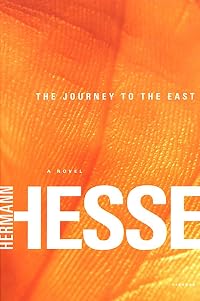
The Journey to the East
by Hermann Hesse
On This Page
Description
A classic of modern literature, The Journey to the East is a profound rendering of the struggle between faith and despair. The hero, identified only as H.H., recounts a fantastic spiritual and geographic pilgrimage he took years ago with the League, a secret society whose members include the likes of Paul Klee, Mozart, and Baudelaire. Traversing both time and space, the pilgrims come across Noah's Ark in Zurich and meet Don Quixote at Bremgarten, only to part ways in seeming discord at the show more dangerous Morbio Gorge. show lessTags
Recommendations







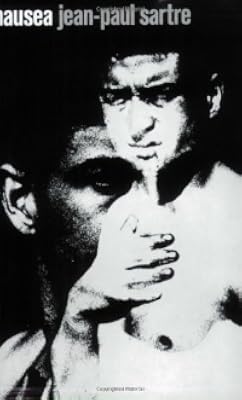
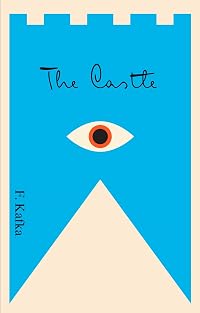

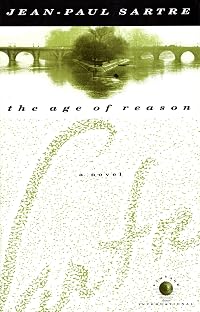
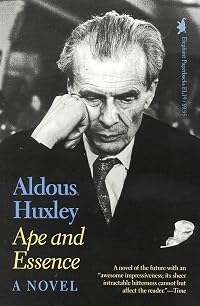













Member Recommendations
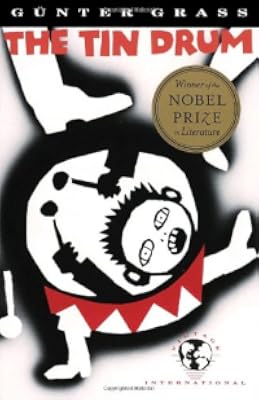
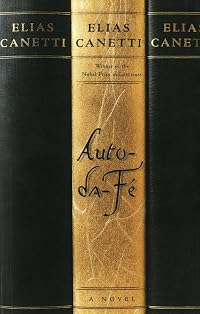
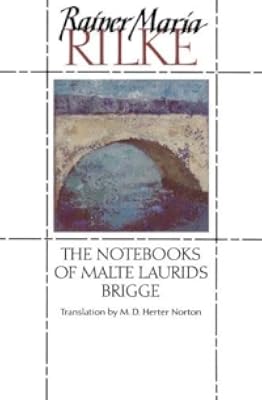
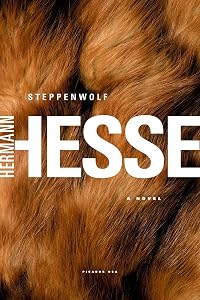
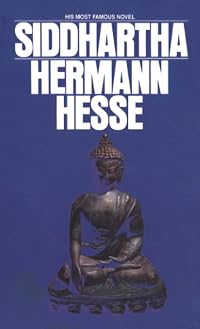
CGlanovsky Concerning a mysterious and allegorical secret society

CGlanovsky Secret societies whose aims you are made to reassess.
Member Reviews
I was frustrated at first by the seemingly purposeful obscurity regarding the journey itself and the lack of identifiable characters and the attention paid to details about tangential matters in such a short book, thinking: "When is Hesse going to get to the...ohhh, wait a minute. Maybe this IS the point. Maybe this IS the book." Upon which I enjoyed it immensely as a parable about the journeys we imagine amidst the journey we are actually on (which we glimpse in fragments and which sometimes seems like only an interruption in our journey or the preparation for a journey or the bitter end of a journey.) Had that same satisfyingly frustrating real-life dream-like atmosphere of a Kafka tale.
Hermann Hesse showed in Siddhartha that he could create a profound piece of literature in a short span of pages, but The Journey to the East, which is of a similar length, falls well short of that standard. Its titular journey is disappointingly sketchy, being neither a compelling story in its exterior adventure or a profound spiritual experience in its internal odyssey.
For the most part it seemed a sort of mystical Goodbye Mr Chips, with Hesse relating with excessive brevity a thinly-fictionalized account of his own spiritual journey. The characters (such as they are) are mere transplants of people Hesse knew, namechecked and given a loose fictional sheen that does not explain their presence or importance. The reader is quickly show more alienated, and the fact that the promised encounters with the likes of Mozart and Plato do not materialize provides only further disappointment. Their token appearance, alongside the likes of Sancho Panza, is only to illustrate that in Hesse's spiritual quest he has been accompanied, like any intellectual, by "the beloved characters of my books" (pg. 50).
Ultimately, this is an autobiographical summary given some strange and irrelevant fictional trappings, and of little sustenance to readers of Hesse. The problem is that the book is too slight to draw us in, and although the story is about the search for an inner truth, as readers we're kept on the outside. The final revelation is decent enough, if a bit inevitable, but The Journey to the East lacks the power to go behind the punch. show less
For the most part it seemed a sort of mystical Goodbye Mr Chips, with Hesse relating with excessive brevity a thinly-fictionalized account of his own spiritual journey. The characters (such as they are) are mere transplants of people Hesse knew, namechecked and given a loose fictional sheen that does not explain their presence or importance. The reader is quickly show more alienated, and the fact that the promised encounters with the likes of Mozart and Plato do not materialize provides only further disappointment. Their token appearance, alongside the likes of Sancho Panza, is only to illustrate that in Hesse's spiritual quest he has been accompanied, like any intellectual, by "the beloved characters of my books" (pg. 50).
Ultimately, this is an autobiographical summary given some strange and irrelevant fictional trappings, and of little sustenance to readers of Hesse. The problem is that the book is too slight to draw us in, and although the story is about the search for an inner truth, as readers we're kept on the outside. The final revelation is decent enough, if a bit inevitable, but The Journey to the East lacks the power to go behind the punch. show less
… mentre in certe tappe del nostro pellegrinaggio, rinunciando a tutte le banali risorse del moderno turismo, a ferrovie e piroscafi, telegrafo e automobili, aeroplani e cosi’ via, noi penetrammo veramente in una zona eroica e magica. Allora infatti era finita da poco la guerra mondiale, e soprattutto al pensiero dei popoli vinti si era affacciato uno stato eccezionale di irrealta’, di disposizione al surreale, anche se in pochissimi casi si varco’ effettivamente qualche barriera e si intrapresero puntate nel regno di una futura psicocrazia. (10-1)
Io sto con Siddharta, il nostro saggio amico d’Oriente, che una volta disse: “Le parole non fanno bene al senso segreto, ogni cosa diventa subito un po’ diversa, un po’ show more falsata, un po’ strampalata anzi, e pur questo e’ bene, anche con questo sono d’accordo, cio’ che per un uomo e’ tesoro e saggezza, per l’altro ha sempre un tono di stoletzza”. (11)
Quando poi in qualche valle ritrovavo il nostro gruppo, e ascoltavo i nostri canti e mi accampavo dirimpetto alla tenda delle Guide, allora mi rendevo facilmente conto che il mio ritorno all’infanzia o la mia cavalcata con Sancio erano parte integrante del mio viaggio; la nostra meta infatti non era soltanto il paese di levante, o meglio il nostro Oriente non era soltanto un paese e un’entita’ geografica, ma era la patria e la giovinezza dell’anima, era il Dappertutto e l’In-Nessun-Luogo, era l’unificazione di tutti i tempi. (25)
Chi di noi avrebbe mai immaginato che il cerchio magico si sarebbe spezzato cosi’ presto che quasi tutti noi - e anch’io, anch’io! - ci saremmo smarriti negli afoni deserti della realta’ in carta bollata, come impiegati e commessi, dopo un banchetto o dopo una gita domenicale, si riassoggettano prosaicamente alle occupazioni quotidiane! (28)
Si era detto che i personaggi di opere poetiche sono di solito piu’ vivi e reali dei loro poeti. (84) show less
Io sto con Siddharta, il nostro saggio amico d’Oriente, che una volta disse: “Le parole non fanno bene al senso segreto, ogni cosa diventa subito un po’ diversa, un po’ show more falsata, un po’ strampalata anzi, e pur questo e’ bene, anche con questo sono d’accordo, cio’ che per un uomo e’ tesoro e saggezza, per l’altro ha sempre un tono di stoletzza”. (11)
Quando poi in qualche valle ritrovavo il nostro gruppo, e ascoltavo i nostri canti e mi accampavo dirimpetto alla tenda delle Guide, allora mi rendevo facilmente conto che il mio ritorno all’infanzia o la mia cavalcata con Sancio erano parte integrante del mio viaggio; la nostra meta infatti non era soltanto il paese di levante, o meglio il nostro Oriente non era soltanto un paese e un’entita’ geografica, ma era la patria e la giovinezza dell’anima, era il Dappertutto e l’In-Nessun-Luogo, era l’unificazione di tutti i tempi. (25)
Chi di noi avrebbe mai immaginato che il cerchio magico si sarebbe spezzato cosi’ presto che quasi tutti noi - e anch’io, anch’io! - ci saremmo smarriti negli afoni deserti della realta’ in carta bollata, come impiegati e commessi, dopo un banchetto o dopo una gita domenicale, si riassoggettano prosaicamente alle occupazioni quotidiane! (28)
Si era detto che i personaggi di opere poetiche sono di solito piu’ vivi e reali dei loro poeti. (84) show less
Found the original receipt from when I bought this in the book when I took it off the shelf for something to read on a long plane ride. Bought it back in the summer of 2000! 8 years between purchase and read.What a beautiful book. A short metaphor for youth and idealism turning to disillusion turning to wisdom. Just beautiful. Hesse has always been one of my favorites, and now it is cemented. Will re-read this again soon.
Mistična družina glavnog lika H.H.-a bez granica prostora i vremena po datom naslovu putuje ka istoku. Kako na odredište nisu stigli istok to čini simbolički određenim, jednako kako putovanje čini trajnim stanjem koje se nikada neće dovršiti. Članovi su tu dok su spremni služiti. Dojma sam, obzirom na stil pisanja, spomen istoka i Hesseova ostala djela, samo služenje nije pretpostavljeno osobi već ideji umjetnosti. Članovi družine su umjetnici svih vrsta, biti će tu dok budu podredili sebe onom što traženo djelo zahtjeva.
U Sidarti, napisanom deset godina ranije, kraj romana povezan je sa Sidartinim odbacivanjem ega uz istovremeno shvaćanje kako je ego sastavni dio čovjeka, on je unutarnji poriv koji ih tjera da si show more daju vrijednost i svrhu. Sidarta tako živi izvan društva, promatra ga u obliku rijeke i njenog toka kojim je simbolično prikazana ljudska povezanost. Produhovljenje nije tu za čovjeka, tako ni dolazak na odredište u naslovu romana. Članovi će ostati u družini na putovanju dok sebe budu podredili umjetničkom djelu, nešto što je temelj stalnog konflikta svakog umjetnika. U romanu je to naglašeno željom H.H.-a da napiše povijest družine, ne zbog toga što svijet treba imati pisani dokaz njenog postojanja već što mu je potrebno da On napiše to djelo. Ono mu je svrha kako bi dao značaj i pisani trag svom postojanju. show less
U Sidarti, napisanom deset godina ranije, kraj romana povezan je sa Sidartinim odbacivanjem ega uz istovremeno shvaćanje kako je ego sastavni dio čovjeka, on je unutarnji poriv koji ih tjera da si show more daju vrijednost i svrhu. Sidarta tako živi izvan društva, promatra ga u obliku rijeke i njenog toka kojim je simbolično prikazana ljudska povezanost. Produhovljenje nije tu za čovjeka, tako ni dolazak na odredište u naslovu romana. Članovi će ostati u družini na putovanju dok sebe budu podredili umjetničkom djelu, nešto što je temelj stalnog konflikta svakog umjetnika. U romanu je to naglašeno željom H.H.-a da napiše povijest družine, ne zbog toga što svijet treba imati pisani dokaz njenog postojanja već što mu je potrebno da On napiše to djelo. Ono mu je svrha kako bi dao značaj i pisani trag svom postojanju. show less
The astounding vagueness of this short novel probably conceals a spiritual allegory under the guise of a universal message, though it is still too cryptic. It takes on new meaning when you realize Hesse was engaged in antiwar activities and was driven out of Germany during WWI. He became a naturalized citizen of Switzerland and eventually won the Nobel Prize. Perhaps some of his writings might have benefitted from a freer hand.
Combining many disparate literary and historical references, dashes of wisdom, and a blurring of the line between history and fable, this is a chronicle of inspiration, like many of Hesse's other books. He's enchanted by the East, and nostalgic for the Golden Age, but the geography of the region of his obsession show more is largely a mystery. Here is the trademark mysticism and the prospect of a loss of faith and the awakening of a spirit:
"Despair is the result of each earnest attempt to go through a life with virtue, justice and understanding... Children live on one side of despair, and the awakened on the other."
His lack of definitive time and place, and the lack of defining characteristics of the "League" that provides the impetus for this journey limit the reader's experience of the ideas Hesse wishes to explore. This is easily overshadowed by his more complex books. show less
Combining many disparate literary and historical references, dashes of wisdom, and a blurring of the line between history and fable, this is a chronicle of inspiration, like many of Hesse's other books. He's enchanted by the East, and nostalgic for the Golden Age, but the geography of the region of his obsession show more is largely a mystery. Here is the trademark mysticism and the prospect of a loss of faith and the awakening of a spirit:
"Despair is the result of each earnest attempt to go through a life with virtue, justice and understanding... Children live on one side of despair, and the awakened on the other."
His lack of definitive time and place, and the lack of defining characteristics of the "League" that provides the impetus for this journey limit the reader's experience of the ideas Hesse wishes to explore. This is easily overshadowed by his more complex books. show less
Como sea. Puede que no lo haya sabido apreciar, pero la verdad es que no me gustó. Lo releeré en el futuro. A veces pasa.
Members
- Recently Added By
Lists

1930s
262 works; 5 members

philosophy
28 works; 2 members

spirituality & consciousness
22 works; 1 member

Best of World Literature
437 works; 52 members
Author Information

1,022+ Works 94,105 Members
Hermann Hesse (July 2, 1877 -- August 9, 1962) was a German poet, novelist, essayist and painter. His best-known works included Steppenwolf, Siddhartha, and The Glass Bead Game, each of which explores an individual's search for authenticity, self-knowledge and spirituality. In 1946, he received the Nobel Prize in Literature. Hess publicly show more announced his views on the savagery of World War I, and was considered a traitor. He moved to Switzerland where he eventually became a naturalized citizen. He warned of the advent of World War II, predicting that cultureless efficiency would destroy the modern world. His theme was usually the conflict between the elements of a person's dual nature and the problem of spiritual loneliness. His first novel, Peter Camenzind, was published in 1904. His masterpiece, Death and the Lover (1930), contrasts a scholarly abbot and his beloved pupil, who leaves the monastery for the adventurous world. Steppenwolf (1927), a European bestseller, was published when defeated Germany had begun to plan for another war. It is the story of Haller, who recognizes in himself the blend of the human and wolfish traits of the completely sterile scholarly project. During the 1960s Hesse became a favorite writer of the counter culture, especially in the United States, though his critical reputation has never equaled his popularity. Hermann Hesse died in 1962. (Bowker Author Biography) show less
Some Editions
Series
Belongs to Publisher Series
Work Relationships
Is contained in
Has as a student's study guide
Common Knowledge
- Canonical title
- The Journey to the East
- Original title
- Die Morgenlandfahrt
- Alternate titles*
- Паломничество в страну Востока
- Original publication date
- 1932
- First words
- As it has been my destiny to take part in a great experience, and having had the good fortune to belong to the League and allowed to share in that unique journey, the wonder of which blazed like a meteor and afterwards sank i... (show all)nto oblivion—even falling into disrepute—I have now decided to attempt a short description of this incredible journey.
- Last words
- (Click to show. Warning: May contain spoilers.)I was overcome by an infinite weariness and desire to sleep, and I turned away to find a place where I could lie down and sleep.
- Original language
- German
*Some information comes from Common Knowledge in other languages. Click "Edit" for more information.
Classifications
Statistics
- Members
- 2,515
- Popularity
- 7,688
- Reviews
- 31
- Rating
- (3.68)
- Languages
- 16 — Czech, Dutch, English, Finnish, French, German, Greek, Italian, Norwegian (Bokmål), Polish, Portuguese, Russian, Spanish, Swedish, Thai, Turkish
- Media
- Paper, Audiobook, Ebook
- ISBNs
- 72
- UPCs
- 1
- ASINs
- 55