On This Page
Description
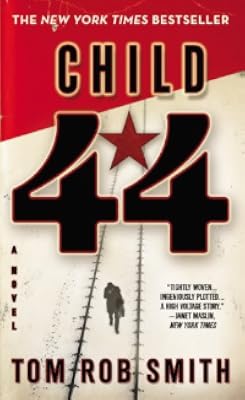
Fiction. Literature. Thriller. Historical Fiction. HTML:In a country ruled by fear, no one is innocent.Stalin's Soviet Union is an official paradise, where citizens live free from crime and fear only one thing: the all-powerful state. Defending this system is idealistic security officer Leo Demidov, a war hero who believes in the iron fist of the law. But when a murderer starts to kill at will and Leo dares to investigate, the State's obedient servant finds himself demoted and exiled. Now, show more with only his wife at his side, Leo must fight to uncover shocking truths about a killer-and a country where "crime" doesn't exist. show less
Tags
Recommendations



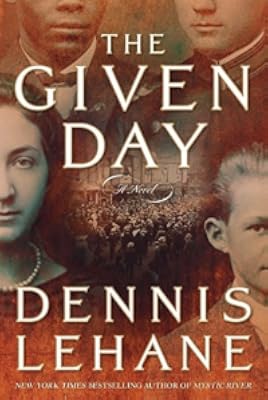
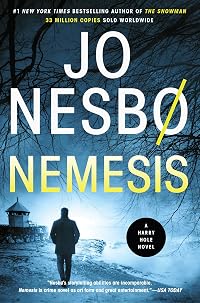
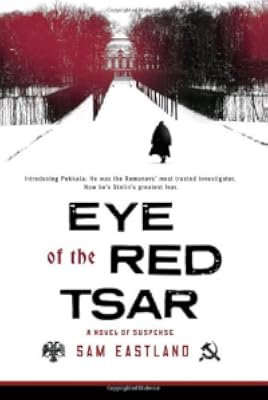
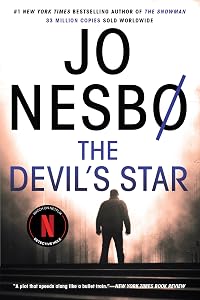



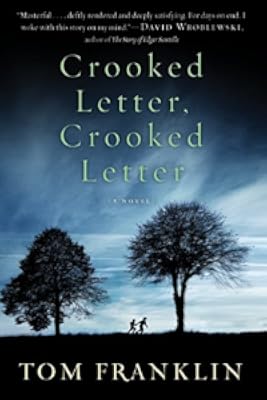
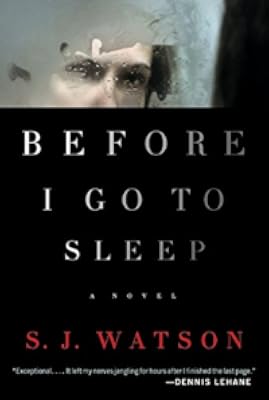
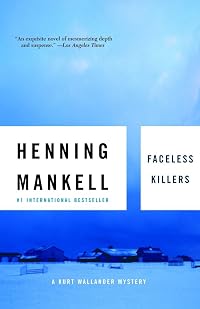
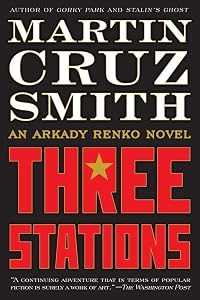
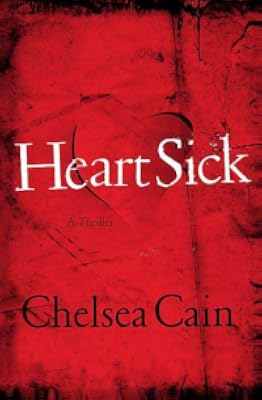
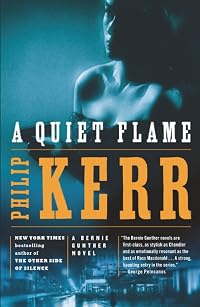
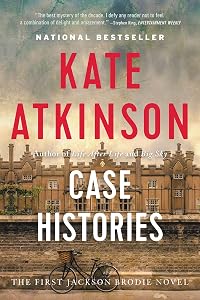
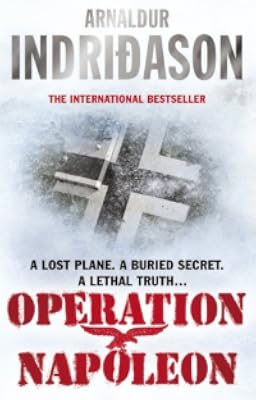

Member Recommendations
zoti A lot of the history of this book is repeated here but this is an incredible true story
Member Reviews
I don't usually read thrillers, but something about the concept of Child 44 grabbed me. I was born in 1980. The Soviet Union was the big bad guy. I haven't read much on the subject of communist Russia, and this book seemed like a good opportunity. Wow, was it ever. I was hooked within the first page.
First of all: this is not a happy book. It's bleak. It's hopeless. At the same time, it's beautiful. Smith does a masterful job of showing how horrid things were in Russia, from the mass starvation to the ease of betrayal. People need to be reminded of the horrible things they are capable of so that we learn to never, ever do such things again. But that darkness still made this a difficult read at times.
Leo is a strong lead character. He's a show more decorated war hero who becomes a victim of the very system he has believed in his entire life. In the first chapters, it's easy to understand his idealism, even as he commits terrible acts as an MGB agent. There is still that sense that he's a good person beneath all of that. The mystery itself develops in layers as more bodies are found and the web of betrayal around Leo grows more intricate.
My one concern was that the end was almost too tidy, but in retrospect I can't see how it could have ended any other way. show less
First of all: this is not a happy book. It's bleak. It's hopeless. At the same time, it's beautiful. Smith does a masterful job of showing how horrid things were in Russia, from the mass starvation to the ease of betrayal. People need to be reminded of the horrible things they are capable of so that we learn to never, ever do such things again. But that darkness still made this a difficult read at times.
Leo is a strong lead character. He's a show more decorated war hero who becomes a victim of the very system he has believed in his entire life. In the first chapters, it's easy to understand his idealism, even as he commits terrible acts as an MGB agent. There is still that sense that he's a good person beneath all of that. The mystery itself develops in layers as more bodies are found and the web of betrayal around Leo grows more intricate.
My one concern was that the end was almost too tidy, but in retrospect I can't see how it could have ended any other way. show less
It is astonishing how a novel that begins so promisingly—as a stark portrayal of the true face of the Soviet regime in the 1950s—can suffer such a collapse of plot and ultimately turn into a literary disappointment. The Orwellian reality of Stalinist USSR, so convincingly rendered in the first half, quickly gives way in the second to a fast-paced action thriller, closer in spirit to Agent 007 than to political fiction.
Glaring plot holes begin to emerge, and illogical developments follow one another to the point of eroding the narrative’s credibility. The protagonist is subjected to extreme physical and psychological torture—reduced, in a single night, to a “hunched and shrunken old man”—yet almost immediately afterward he show more proceeds to overpower a dozen opponents single-handedly. Even with a torn hand, stripped flesh, and severe blood loss, he continues to prevail in unequal confrontations against numerous, well-armed soldiers.
And then there is the ending: an excessively sweetened resolution in which the author seems to have forgotten the very brutality of the system he set out to depict. The “bad” are duly punished, the “good” fully rewarded, and the nightmarish communist regime is, implausibly, allowed a moment of self-correction—as though it could recognize and amend its own crimes.
Tom Rob Smith demonstrates solid research into life in the Soviet Union, yet appears to miss a fundamental truth: the machinery of a totalitarian state does not operate with remorse. It demands absolute loyalty—right up to the moment it turns on its most devoted servants. show less
Glaring plot holes begin to emerge, and illogical developments follow one another to the point of eroding the narrative’s credibility. The protagonist is subjected to extreme physical and psychological torture—reduced, in a single night, to a “hunched and shrunken old man”—yet almost immediately afterward he show more proceeds to overpower a dozen opponents single-handedly. Even with a torn hand, stripped flesh, and severe blood loss, he continues to prevail in unequal confrontations against numerous, well-armed soldiers.
And then there is the ending: an excessively sweetened resolution in which the author seems to have forgotten the very brutality of the system he set out to depict. The “bad” are duly punished, the “good” fully rewarded, and the nightmarish communist regime is, implausibly, allowed a moment of self-correction—as though it could recognize and amend its own crimes.
Tom Rob Smith demonstrates solid research into life in the Soviet Union, yet appears to miss a fundamental truth: the machinery of a totalitarian state does not operate with remorse. It demands absolute loyalty—right up to the moment it turns on its most devoted servants. show less
To survive as a detective in 1950s communist Russia, you have to put your country above all. Anything less is tantamount to high treason.
When your superiors tell you to investigate a possible spy, you go and apprehend him/her without stopping to think about the accuracy of the accusation: "Better let ten innocent men suffer than one spy escape."
If your subordinate thinks his son's tragic accident was in fact murder, you go and remind him of one of the fundaments of his society: "There is no crime".
So when he refuses to denounce his own wife as a traitor, MGB detective Leo Demidov knows that they'll both be executed. Stalin's sudden death however, grants them reprieve and an exile into the remote town of Voualsk, where they'll at least show more have one another. But then his wife Raisa shocks him, by suddenly confessing that she had married Leo out of fear, and in fact hates him.
A "routine" arrest in the case of a dead child, whose circumstances seem eerily familiar, gives Leo a new purpose. He decides to find the actual culprit, and not just allow the militia to pin it on an unfortunate scapegoat.
Having previously watched the movie, I was not expecting to like the book so much.
The basic story about a disgraced MGB agent hunting a serial child murderer remains the same, but life in the cut-throat world of communist Russia, as well as Leo's past(and as such his connection to the killer) are missing.
I especially liked Leo's character development.
In the movie, there is Tom Hardy who's running around and brooding handsomely, while the rest of the world is busy hating him.
In the book, we see Leo's life as a dedicated MGB agent, who would not hesitate to resort to drugs in order to keep doing his job, even when this comes with severe memory loss.
It was also quite fascinating to read about Leo's inner turmoil, when it came down to actually believing the communist propaganda that he enforces. At times, it was almost heart-breaking to see him attempt to brainwash himself, by repeatedly memorising communist slogans, when the methamphetamine-induced memory loss manifested itself.
And most of all, Leo's past is what left quite an impression on me. Despite the fact that the novel actually starts with a scene from his childhood, the reader doesn't find its relevance until after having gone through more than half of the book. The chilling conclusion of this first chapter is, nevertheless, an excellent way of catching the reader's attention.
Score: 5/5 stars
The first 5 star book this year.
Admittedly, I cannot vouch for the accuracy of the information, when it comes to detailing life in 1950s Russia, but the manner in which it is described is definitely effective. I could barely put the book down, and even then I kept counting the hours I could pick it up again to continue. show less
When your superiors tell you to investigate a possible spy, you go and apprehend him/her without stopping to think about the accuracy of the accusation: "Better let ten innocent men suffer than one spy escape."
If your subordinate thinks his son's tragic accident was in fact murder, you go and remind him of one of the fundaments of his society: "There is no crime".
So when he refuses to denounce his own wife as a traitor, MGB detective Leo Demidov knows that they'll both be executed. Stalin's sudden death however, grants them reprieve and an exile into the remote town of Voualsk, where they'll at least show more have one another. But then his wife Raisa shocks him, by suddenly confessing that she had married Leo out of fear, and in fact hates him.
A "routine" arrest in the case of a dead child, whose circumstances seem eerily familiar, gives Leo a new purpose. He decides to find the actual culprit, and not just allow the militia to pin it on an unfortunate scapegoat.
Having previously watched the movie, I was not expecting to like the book so much.
The basic story about a disgraced MGB agent hunting a serial child murderer remains the same, but life in the cut-throat world of communist Russia, as well as Leo's past
I especially liked Leo's character development.
In the movie, there is Tom Hardy who's running around and brooding handsomely, while the rest of the world is busy hating him.
In the book, we see Leo's life as a dedicated MGB agent, who would not hesitate to resort to drugs in order to keep doing his job, even when this comes with severe memory loss.
It was also quite fascinating to read about Leo's inner turmoil, when it came down to actually believing the communist propaganda that he enforces. At times, it was almost heart-breaking to see him attempt to brainwash himself, by repeatedly memorising communist slogans, when the methamphetamine-induced memory loss manifested itself.
And most of all, Leo's past is what left quite an impression on me. Despite the fact that the novel actually starts with a scene from his childhood, the reader doesn't find its relevance until after having gone through more than half of the book. The chilling conclusion of this first chapter is, nevertheless, an excellent way of catching the reader's attention.
Score: 5/5 stars
The first 5 star book this year.
Admittedly, I cannot vouch for the accuracy of the information, when it comes to detailing life in 1950s Russia, but the manner in which it is described is definitely effective. I could barely put the book down, and even then I kept counting the hours I could pick it up again to continue. show less
Rating: 4* of five
The Book Report: In the Socialist Worker's Paradise that is 1953 Russia, There Is No Crime. (Sorry, I know that all the caps are like having your lashes tweezed, but this is the Soviet Union we're talking about, and everything is A Slogan.) The proletariat is blissfully free of the Capitalist Curse Called Crime.
They're more afraid of the State than they are each other. With good reason. There are traitors, informants, everywhere. Even in your own bed, you are never safe from the danger of being outed as a bad Socialist with the least, most offhand criticism of the Paradise. And death comes, whether quickly or slowly, to those whom the Cthulhu of the State Security apparatus notices.
Leo Demidov, then, shouldn't have a show more job as a criminal investigator. In fact, he doesn't. He's a well-rewarded apparatchik who, in the course of interrogating his fellow citizens, notices a disturbing pattern of murders...which do not officially exist...taking place with no effort, or a completely inadequate effort, being made to see the forest for the trees. Leo's life changes, from privileged servant of the regime to lone wolf investigator to vengeful assassin, over the course of the story. His solution to the crimes being committed is chilling in its outlines and satisfying in its conclusion.
My Review: I don't believe I've ever read so much text in italics before, and I don't think I've ever read a thriller with so little direct action before, either. The dialogue, what little there is of it, is italicized; there are few places where anyone addresses anyone else for more than a sentence or two. Husband Leo and wife Raisa have one--that's all, one--intimate conversation, which is a new low count in my thriller reading.
But what a wallop this book packs! I can't imagine the agonies of researching and writing such a grisly book, given that most writers are sensitive flowers whose emotional lives are very much up on the surface of their lives.
Tom Rob Smith wrote this awful book about awful people doing awful things in an awful country to amuse and entertain us. He succeeds in this, though sometimes I wanted to wash my eyes out with Clorox. The main character, Leo, is a nasty apparatchik in the State Security forces under Stalin. He's a man who has put his sense of rightness, fairness and justice into the hands of vile, unworthy leaders, and turned off his moral compass. The reasons that it turns back on, and the results of Leo's single-minded pursuit of a child murderer, are...gosh...they're *right* and yet, given the 400pp we've spent being plunged into foul, icy sewage, again and again, they're weak tea.
Leo's past leads him to a future that I can't call bright, but at least he's able to do the right thing sometimes. I don't think this book is for everyone, but I think it's really, really interesting and quite exciting and well worth the attention of the non-squeamish. show less
The Book Report: In the Socialist Worker's Paradise that is 1953 Russia, There Is No Crime. (Sorry, I know that all the caps are like having your lashes tweezed, but this is the Soviet Union we're talking about, and everything is A Slogan.) The proletariat is blissfully free of the Capitalist Curse Called Crime.
They're more afraid of the State than they are each other. With good reason. There are traitors, informants, everywhere. Even in your own bed, you are never safe from the danger of being outed as a bad Socialist with the least, most offhand criticism of the Paradise. And death comes, whether quickly or slowly, to those whom the Cthulhu of the State Security apparatus notices.
Leo Demidov, then, shouldn't have a show more job as a criminal investigator. In fact, he doesn't. He's a well-rewarded apparatchik who, in the course of interrogating his fellow citizens, notices a disturbing pattern of murders...which do not officially exist...taking place with no effort, or a completely inadequate effort, being made to see the forest for the trees. Leo's life changes, from privileged servant of the regime to lone wolf investigator to vengeful assassin, over the course of the story. His solution to the crimes being committed is chilling in its outlines and satisfying in its conclusion.
My Review: I don't believe I've ever read so much text in italics before, and I don't think I've ever read a thriller with so little direct action before, either. The dialogue, what little there is of it, is italicized; there are few places where anyone addresses anyone else for more than a sentence or two. Husband Leo and wife Raisa have one--that's all, one--intimate conversation, which is a new low count in my thriller reading.
But what a wallop this book packs! I can't imagine the agonies of researching and writing such a grisly book, given that most writers are sensitive flowers whose emotional lives are very much up on the surface of their lives.
Tom Rob Smith wrote this awful book about awful people doing awful things in an awful country to amuse and entertain us. He succeeds in this, though sometimes I wanted to wash my eyes out with Clorox. The main character, Leo, is a nasty apparatchik in the State Security forces under Stalin. He's a man who has put his sense of rightness, fairness and justice into the hands of vile, unworthy leaders, and turned off his moral compass. The reasons that it turns back on, and the results of Leo's single-minded pursuit of a child murderer, are...gosh...they're *right* and yet, given the 400pp we've spent being plunged into foul, icy sewage, again and again, they're weak tea.
Leo's past leads him to a future that I can't call bright, but at least he's able to do the right thing sometimes. I don't think this book is for everyone, but I think it's really, really interesting and quite exciting and well worth the attention of the non-squeamish. show less
In Stalinist Russia in the early 1950’s crime was unthinkable. The State declared it was a worker’s paradise, crime could not exist in such a paradise. To even suggest it was considered treason, and punishable by imprisonment, transportation or death. Under such a cloak, a serial murderer can carry on his mission with very little interference. Such is the premise of Child 44.
But this book is so much more than a crime novel. We learn what living in Communist Russia meant for millions of people. Fit in, don’t be different, don’t be noticed. Some, like the main character, Leo Demidov tell themselves it’s all for the greater good, that lying, spying, and even torture and murder can all be justified if, in the long run, it helps to show more secure the State.
When a jealous co-worker accuses Leo’s wife of being a spy, Leo tries to follow the party line, he spies on her, he searches her belongings, but he is morally shaken and comes to realize that this is a flawed system, where innocence means nothing, those with power can bring about the downfall of anyone.
Leo stands by his wife and declares her innocent, but even so they are arrested and interrogated. Leo is demoted from being a Security Ministry Officer, he and his wife are transported to a small factory town. Finding evidence of a serial-killer, Leo is forced to work outside the law to try and bring down this child killer all the while not knowing where to turn or in whom to trust.
That Child 44 is the first novel by Tom Rob Smith is hard to believe. Every word, every sentence is sheer perfection. He captures the bleak futility of everyday life, he describes the food, the clothes, the working conditions so clearly, I found myself repeatedly looking up to ensure myself I wasn’t living under such terrible straits. Even his use of the bone-numbing Russian winter to set the atmosphere for the first half of the book is perfection. I will long remember this beautifully written, multi-layered story. show less
But this book is so much more than a crime novel. We learn what living in Communist Russia meant for millions of people. Fit in, don’t be different, don’t be noticed. Some, like the main character, Leo Demidov tell themselves it’s all for the greater good, that lying, spying, and even torture and murder can all be justified if, in the long run, it helps to show more secure the State.
When a jealous co-worker accuses Leo’s wife of being a spy, Leo tries to follow the party line, he spies on her, he searches her belongings, but he is morally shaken and comes to realize that this is a flawed system, where innocence means nothing, those with power can bring about the downfall of anyone.
Leo stands by his wife and declares her innocent, but even so they are arrested and interrogated. Leo is demoted from being a Security Ministry Officer, he and his wife are transported to a small factory town. Finding evidence of a serial-killer, Leo is forced to work outside the law to try and bring down this child killer all the while not knowing where to turn or in whom to trust.
That Child 44 is the first novel by Tom Rob Smith is hard to believe. Every word, every sentence is sheer perfection. He captures the bleak futility of everyday life, he describes the food, the clothes, the working conditions so clearly, I found myself repeatedly looking up to ensure myself I wasn’t living under such terrible straits. Even his use of the bone-numbing Russian winter to set the atmosphere for the first half of the book is perfection. I will long remember this beautifully written, multi-layered story. show less
The Soviet Union under Joseph Stalin is a paradise. To contradict that is to risk immediate death. The only fear the average citizen has is a healthy fear of the state. To that end, citizens will turn in their neighbor rather than risk being linked to them. To witness a crime is to possibly be imprisoned for being a part of it. This is the world of state security investigator Leo Demidov. A hero of the Soviet Union, Leo knows better than anyone what will cost you your freedom and even your life. Yet it is into the face of that very system Leo goes in pursuit of something unknown in the USSR…a serial killer.
“There is no crime.”
There are plenty of serial killer novels on the shelves these days, but Tom Rob Smith manages to bring a show more new twist on the genre in Child 44. By dropping this killer into the 1950’s Soviet Union of Stalin, Smith creates an environment where the investigation of a murderer is even more dangerous for the investigator than it is for the criminal. The Soviet state spent most of its energy trying to convince itself that is was a utopia, so there was no place in that ideal for an individual killing dozens of people they don’t know. Smith does a wonderful job of painting the world of fear that existed in and around Moscow in that era – where simply saying the wrong word to the wrong person can mean death. Smith does an outstanding job portraying the Soviet state as it existed when Stalin ruled with an iron fist.
Child 44 does drag a bit early on, losing some momentum to some unnecessary scene setting. However, once the hunt for the killer gets going, Child 44 really rolls. Smith also does a masterful job balancing the chase with a complex personal life. The plot is nicely executed and culminates with a well constructed conclusion. Smith’s writing is highly readable and his characters are both unique and complex. Tom Rob Smith is a worthy addition to the list of great story tellers. I recommend Child 44 for anyone with interest in crime thrillers set within an authentic historic period. show less
“There is no crime.”
There are plenty of serial killer novels on the shelves these days, but Tom Rob Smith manages to bring a show more new twist on the genre in Child 44. By dropping this killer into the 1950’s Soviet Union of Stalin, Smith creates an environment where the investigation of a murderer is even more dangerous for the investigator than it is for the criminal. The Soviet state spent most of its energy trying to convince itself that is was a utopia, so there was no place in that ideal for an individual killing dozens of people they don’t know. Smith does a wonderful job of painting the world of fear that existed in and around Moscow in that era – where simply saying the wrong word to the wrong person can mean death. Smith does an outstanding job portraying the Soviet state as it existed when Stalin ruled with an iron fist.
Child 44 does drag a bit early on, losing some momentum to some unnecessary scene setting. However, once the hunt for the killer gets going, Child 44 really rolls. Smith also does a masterful job balancing the chase with a complex personal life. The plot is nicely executed and culminates with a well constructed conclusion. Smith’s writing is highly readable and his characters are both unique and complex. Tom Rob Smith is a worthy addition to the list of great story tellers. I recommend Child 44 for anyone with interest in crime thrillers set within an authentic historic period. show less
While this book was slow, it wasn't boring. It built landscape and culture around the story. It weaved understanding of the USSR's state police/security and the "big brother" nature of the everyday person. It made you understand how risky and fearful anyone outside the group-think must feel. It also told the story of family, neighbors and friends quietly protesting the brutal state power. It was so captivating and fascinating even for such a slow burn. I really enjoyed it.
Members
- Recently Added By
Published Reviews
ThingScore 75
On Page 275 of his tightly woven debut novel, “Child 44,” Tom Rob Smith reveals what the title means. The moment is a shocker — but its full effects can be felt only if you’ve read the 274 pages that precede it. This book is much too densely, ingeniously plotted for its secrets to be accessible via shortcut. ...
added by tim.taylor
Lists

Booker Prize
491 works; 62 members

NPRs your picks: top 100 Killer Thrillers
100 works; 17 members

Crime and Mysteries to Read
746 works; 31 members

Man Booker Prize Longlist 2008
13 works; 2 members

Read These Too
458 works; 9 members
BingoDOG - Genre Benders
74 works; 14 members

Books Read in 2012
816 works; 34 members

Books Read in 2023
5,638 works; 147 members

Best Mysteries With a Historical Setting
292 works; 160 members
Author Information

26+ Works 9,097 Members
Some Editions
Awards and Honors
Awards
Distinctions
Series

Work Relationships
Is contained in
Has the adaptation
Common Knowledge
- Canonical title*
- Kind 44
- Original title
- Child 44
- Alternate titles*
- Yeled 44
- Original publication date
- 2008
- People/Characters
- Leo Demidov; Raisa Demidova; Vasili Nikitin; General Nesterov; Anna; Stepan (show all 16); Major Janusz Kuzmin; Fyodor Andreev; Anatoly Brodsky; Mikhail Zinoviev; Varlam Babinich; Andrei Sidorov; Pavel Sidorov; Doctor Roman Hvostov; Zoya Demidova; Elena Demidova
- Important places
- Moscow, USSR; Voualsk, USSR; Rostov Oblast, USSR; USSR (Soviet Union)
- Related movies
- Child 44 (2014 | IMDb)
- Dedication
- To my parents
- First words
- Since Maria had decided to die her cat would have to fend for itself.
- Last words
- (Click to show. Warning: May contain spoilers.)Back in the office Zoya gave her little sister a hug.
- Publisher's editor
- Baboneau, Suzanne; Hoffman, Mitch
- Blurbers
- Turow, Scott; Khoury, Raymond; DeMille, Nelson; Towne, Robert; Child, Lee; Stone, Nick
- Original language
- English
*Some information comes from Common Knowledge in other languages. Click "Edit" for more information.
Classifications
Statistics
- Members
- 5,149
- Popularity
- 2,678
- Reviews
- 308
- Rating
- (3.95)
- Languages
- 22 — Arabic, Catalan, Czech, Danish, Dutch, English, Finnish, French, German, Greek, Hebrew, Hungarian, Italian, Japanese, Korean, Norwegian (Bokmål), Polish, Spanish, Swedish, Turkish, Portuguese (Brazil), Chinese, simplified
- Media
- Paper, Audiobook, Ebook
- ISBNs
- 107
- ASINs
- 25