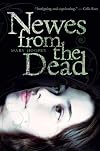
Newes from the Dead
by Mary Hooper
On This Page
Description
In 1650, while Robert, a young medical student, steels himself to assist with her dissection, twenty-two-year-old housemaid Anne Green recalls her life as she lies in her coffin, presumed dead after being hanged for murdering her child that was, in fact, stillborn.Tags
Recommendations









Member Recommendations
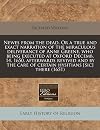
Newes from the dead. Or a true and exact narration of the miraculous deliverance of Anne Greene, who being executed at Oxford Decemb. 14. 1650. ... care of certain hysitians [sic] there (1651) by Richard Watkins
PuddinTame Mary Hooper's Newes from the Dead is an account of Anne Greene' life up to her hanging, near-dissection, and revival. Watkins's work was one of her sources and the inspiration for her title. The pamphlet, excepting the poems that were part of the original, is reproduced as a facsimile in Hooper's book.
Caramellunacy Not entirely sure why, but this novel made me think of Mary Shelley's Frankenstein. Possibly because of the moral dilemmas that are brought about by ambition - in Frankenstein, a nervous scientist must come to grips with his guilt at creating (and abandoning) life. A slow but chilling read.
PuddinTame The character of Sarah Blundy is based roughly on the story of Anne Greene. [Wikipedia]
PuddinTame The Soul Made Flesh is a non-fiction account of the history of the study of the brain, in which Thomas Willis figures prominently. He was one of the physicians who was preparing to dissect Anne Greene after her hanging, but instead revived her when it was discovered that she wasn't actually dead.
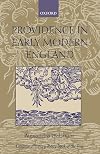
PuddinTame Newes from the Dead recounts the near-dissection and revival of Anne Greene in 1650. She was pardoned, because her survival was regarded as the hand of Providence protecting the innocent.
Member Reviews
A quick check tells me Newes from the Dead by Mary Hooper was published in 2008, added to my virtual TBR pile back in 2016, and it has taken me until now to finally get around to requesting it from the library. Thankfully books wait for us no matter how many years it takes, and the premise that caught my attention in 2016 still appeals today.
Newes from the Dead by Mary Hooper is based on the true story of Anne Green who was hanged for committing the crime of infanticide, and later woke up on the dissecting table at Oxford University.
In 1650, and aged 22, Anne had been concealing her unwanted pregnancy when she went into labour early and gave birth in the privy to a stillborn baby. Anne hastily concealed the body, not wanting to lose her show more position as a domestic servant. The baby's body was later discovered, and after accusing Sir Thomas's grandson, Master Geoffrey of being the father, Sir Read abused his position as Justice of the Peace and ensured Anne was charged with murder - infanticide - and sentenced to hang.
'Infanticide is a cruel law which only applies to the lower classes,' Wilton continued. 'When was one of the aristocracy last hanged for such a crime? Can you tell me that?' Page 160
Life is often stranger than fiction, and Mary Hooper does a splendid job of taking us into the mind of Anne Green before the pregnancy, during the birth, her subsequent arrest, time in prison and right up to her hanging. The reader is even privy to Anne's thoughts as she waivers between life and death.
In bringing this true story to life, the author also gives us a look at the confusion and uncertainty when scholars preparing to dissect Anne's body in the name of science, notice her eye flicker and are able to detect a faint pulse. She was sentenced to hang, so is her revival a sign from God of her innocence? Or should justice prevail and the sentence carried out a second time?
When considering how best to 'help restore her to the world' a number of remedies are discussed, including:
'Cut pigeons in half and apply them to her feet?' Norreys suggested, but this being a method regarded as rather old-fashioned, all three doctors shook their heads. A powdered burned swallow and the dripping from a roast swan evoked similar responses. Page 183
The remedies discussed were amusing and Hooper confidently brings 17th century England to life. Here a character remarks on the fact it's so cold in Oxford that they can't make notes in the theatre room because the ink is frozen in the bottle.
"There's such a hard frost that the Thames has frozen over and hucksters' tents have been erected on it. The ice was so solid that a coach and six was driven right across it without so much as a creak being heard!" Page 45
I don't know why, but the fact that the Thames river regularly froze over - more than 20 times between 1400 and 1831 - is a favourite history factoid of mine and I love when it pops up in whatever I'm reading. The river was wider and slower then and artworks depicting the Frost Fairs really ignite the imagination.
Having recently finished reading The Murder of Harriet Monckton by Elizabeth Haynes, I couldn't fail to notice the similarity between the protagonist's plight in this book with that of Harriet Monckton; also a true story. It would seem the lack of agency for young women with unwanted pregnancies in 1650 wasn't much improved for Harriet two centuries later in 1843.
Fortunately for Anne, she was eventually given a pardon and went on to marry and have 3 children before dying 9 years after her execution.
Newes from the Dead by Mary Hooper is a young adult novel and a quick read that will appeal to fans of historical fiction. show less
Newes from the Dead by Mary Hooper is based on the true story of Anne Green who was hanged for committing the crime of infanticide, and later woke up on the dissecting table at Oxford University.
In 1650, and aged 22, Anne had been concealing her unwanted pregnancy when she went into labour early and gave birth in the privy to a stillborn baby. Anne hastily concealed the body, not wanting to lose her show more position as a domestic servant. The baby's body was later discovered, and after accusing Sir Thomas's grandson, Master Geoffrey of being the father, Sir Read abused his position as Justice of the Peace and ensured Anne was charged with murder - infanticide - and sentenced to hang.
'Infanticide is a cruel law which only applies to the lower classes,' Wilton continued. 'When was one of the aristocracy last hanged for such a crime? Can you tell me that?' Page 160
Life is often stranger than fiction, and Mary Hooper does a splendid job of taking us into the mind of Anne Green before the pregnancy, during the birth, her subsequent arrest, time in prison and right up to her hanging. The reader is even privy to Anne's thoughts as she waivers between life and death.
In bringing this true story to life, the author also gives us a look at the confusion and uncertainty when scholars preparing to dissect Anne's body in the name of science, notice her eye flicker and are able to detect a faint pulse. She was sentenced to hang, so is her revival a sign from God of her innocence? Or should justice prevail and the sentence carried out a second time?
When considering how best to 'help restore her to the world' a number of remedies are discussed, including:
'Cut pigeons in half and apply them to her feet?' Norreys suggested, but this being a method regarded as rather old-fashioned, all three doctors shook their heads. A powdered burned swallow and the dripping from a roast swan evoked similar responses. Page 183
The remedies discussed were amusing and Hooper confidently brings 17th century England to life. Here a character remarks on the fact it's so cold in Oxford that they can't make notes in the theatre room because the ink is frozen in the bottle.
"There's such a hard frost that the Thames has frozen over and hucksters' tents have been erected on it. The ice was so solid that a coach and six was driven right across it without so much as a creak being heard!" Page 45
I don't know why, but the fact that the Thames river regularly froze over - more than 20 times between 1400 and 1831 - is a favourite history factoid of mine and I love when it pops up in whatever I'm reading. The river was wider and slower then and artworks depicting the Frost Fairs really ignite the imagination.
Having recently finished reading The Murder of Harriet Monckton by Elizabeth Haynes, I couldn't fail to notice the similarity between the protagonist's plight in this book with that of Harriet Monckton; also a true story. It would seem the lack of agency for young women with unwanted pregnancies in 1650 wasn't much improved for Harriet two centuries later in 1843.
Fortunately for Anne, she was eventually given a pardon and went on to marry and have 3 children before dying 9 years after her execution.
Newes from the Dead by Mary Hooper is a young adult novel and a quick read that will appeal to fans of historical fiction. show less
Welcome to UnMerry Ole England in 1650, where the rich are high above the poor and treat underlings as pawns to be used and abused.
Based on the true story of Anne Green, a servant girl, who was wrongfully accused of infanticide and hanged, and who miraculously lived after the hanging.
While her body was cold, bruised and ready to be dissected by learned scholars, one of the physicians noticed a slight movement of her eyelids. Those who wanted to proceed with the dissection, disagreed, and those who called for time to learn if Anne was alive won as she did indeed survive the brutality.
More than a ghoulish tale, this is a wonderful depiction of the brutality of a system where poor don't stand a chance in a court of law, where life is show more beyond unfair and where innocence does not matter.
Anne Green was mislead and taken advantage of by the grandson and heir of the master of the house. Rich and influential, when the master learns one of his servant girls was pregnant and miscarried a tiny nine inch being, he demands to know the father.
When Anne is honest, she is slapped and taken to jail. Found guilty of murder, she is condemned to die on the gallows.
Highly recommended! show less
Based on the true story of Anne Green, a servant girl, who was wrongfully accused of infanticide and hanged, and who miraculously lived after the hanging.
While her body was cold, bruised and ready to be dissected by learned scholars, one of the physicians noticed a slight movement of her eyelids. Those who wanted to proceed with the dissection, disagreed, and those who called for time to learn if Anne was alive won as she did indeed survive the brutality.
More than a ghoulish tale, this is a wonderful depiction of the brutality of a system where poor don't stand a chance in a court of law, where life is show more beyond unfair and where innocence does not matter.
Anne Green was mislead and taken advantage of by the grandson and heir of the master of the house. Rich and influential, when the master learns one of his servant girls was pregnant and miscarried a tiny nine inch being, he demands to know the father.
When Anne is honest, she is slapped and taken to jail. Found guilty of murder, she is condemned to die on the gallows.
Highly recommended! show less
For some reason this, especially the binding on my copy, immediately put me in mind of Frankenstein, a not necessarily inapt comparison given the subject matter:
In 1650, young servant girl Anne Green was hanged for infanticide. But when her bodywas brought to the College of Physicians for dissection, they heard a strange rattle in her throat - was the 'corpse' alive? This is Mary Hooper's retelling of Anne Green's story, both that leading up to her hanging and the harrowing time she spent after her 'death' unable to move, and unable to make herself heard while she was prepared for dissection.
This is, of course, exactly the kind of sensational tale likely to capture the attention of teenagers and adults alike, but those squeamish among show more you need not fear over much. Apart from some detailed descriptions of the conditions in prison at the time, there is remarkably little gore. Far more attention is given to the situation leading up to Anne's unfortunate predicament and the injustices she was forced to suffer rather than the grisly bits of hanging or dissection.
Anne herself isn't exactly a sympathetic character - she allows herself to get caught in an unfortunate situation with a man she cares nothing for in the interest of bettering her place in the world, not even because of a deep physical attraction. And in a lot of ways, that makes the story that much better. It would be too easy to turn her into a sacrificial lamb saved at the last minute by God because of her innocence. Instead Hooper makes sure that she is a real person - sometimes selfish and calculating, sometimes afraid and alone, but assuredly, despite her faults, not deserving the poor treatment she (and so many other women) were forced to endure.
Of particular interest to me was the historical note at the end, particularly the speculation as to how Anne managed to survive her hanging. A very intriguing story.
Also posted at my blog. show less
In 1650, young servant girl Anne Green was hanged for infanticide. But when her bodywas brought to the College of Physicians for dissection, they heard a strange rattle in her throat - was the 'corpse' alive? This is Mary Hooper's retelling of Anne Green's story, both that leading up to her hanging and the harrowing time she spent after her 'death' unable to move, and unable to make herself heard while she was prepared for dissection.
This is, of course, exactly the kind of sensational tale likely to capture the attention of teenagers and adults alike, but those squeamish among show more you need not fear over much. Apart from some detailed descriptions of the conditions in prison at the time, there is remarkably little gore. Far more attention is given to the situation leading up to Anne's unfortunate predicament and the injustices she was forced to suffer rather than the grisly bits of hanging or dissection.
Anne herself isn't exactly a sympathetic character - she allows herself to get caught in an unfortunate situation with a man she cares nothing for in the interest of bettering her place in the world, not even because of a deep physical attraction. And in a lot of ways, that makes the story that much better. It would be too easy to turn her into a sacrificial lamb saved at the last minute by God because of her innocence. Instead Hooper makes sure that she is a real person - sometimes selfish and calculating, sometimes afraid and alone, but assuredly, despite her faults, not deserving the poor treatment she (and so many other women) were forced to endure.
Of particular interest to me was the historical note at the end, particularly the speculation as to how Anne managed to survive her hanging. A very intriguing story.
Also posted at my blog. show less
I was fascinated by this book, based on the true story of a young woman, unjustly accused of infanticide, who was hung and then when her body was about to be dissected for medical science, woke up, having not been killed. The book is extremely well written and researched and does a fantastic job of conveying the social, political, ethical and medical climate of the era. This is a page turner with lots of important information. The girl was pretty much raped and the entire story is laced with the harsh realities of the era. I would therefore only recommend this book to mature teens.
Newes from the Dead is an eerie and overwhelmingly shocking story based on Anne Green, a maidservant, who survived her hanging in 1650 England. Author Mary Hooper, begins the story full throttle engaging the reader in the events that lead Anne to be executed for infanticide and the medical phenomenon she became after awakening on the dissection table hours later. Working for Sir Thomas Read, a wealthy friend and ally of King Charles, Anne finds herself fighting off and being persuaded by the sexual advances of Read’s grandson Master Geoffrey. Struggling with obedience to her master and yearning for a better life, Anne consents to “lay with” Master Geoffrey after he convinces Anne that he will make her his wife once his grandfather show more dies. When Master Geoffrey leaves for school, Anne finds herself pregnant. Fearful, she hides the pregnancy and attempts to “rid herself of the burden of it” after realizing that Master Geoffrey will have nothing to do with her. With no success of terminating, the story thickens after Anne has a stillbirth at the manor. As a result, Read furiously demands and rigs the court for Anne to be sentenced to death- all with the intention of covering up his grandson’s part in the ordeal. To make this story even more intriguing and captivating, Hooper simultaneously tells of what happens to Anne post execution through the perspective of a medical student.
Not only does Newes of the Dead accurately portray life during the mid 1600’s England, readers will gain an understanding of the social norms and scientific/medical knowledge during that time. Moreover, the novel concludes with a primary resource- an excerpt from an original 1651 pamphlet about the incident. This adds to the authenticity of the story. A bibliography and author’s note also provide readers to further research on Anne Green. Newes from the Dead is a masterful piece of historical fiction that will have readers questioning morality and karma.
Age Appropriate: 16 years-old and up
Topics alluded to in this book are mature (sex, rape, abortion, prostitution, stillbirths, capital punishment) but are presented tastefully and appropriately for the time period referenced. show less
Not only does Newes of the Dead accurately portray life during the mid 1600’s England, readers will gain an understanding of the social norms and scientific/medical knowledge during that time. Moreover, the novel concludes with a primary resource- an excerpt from an original 1651 pamphlet about the incident. This adds to the authenticity of the story. A bibliography and author’s note also provide readers to further research on Anne Green. Newes from the Dead is a masterful piece of historical fiction that will have readers questioning morality and karma.
Age Appropriate: 16 years-old and up
Topics alluded to in this book are mature (sex, rape, abortion, prostitution, stillbirths, capital punishment) but are presented tastefully and appropriately for the time period referenced. show less
I don't remember where I read about this book but the premise, a young girl in the 1600s is accused of murder and hanged, only to come back to life, was fascinating. Hooper's book details the story of Anne Green and her miraculous return to life. Based on a true story, Newes from the Dead mixes truth with fiction very smartly. The novel is told from two points of view, that of Anne herself and the other Robert, a medical student president at her autopsy. The points of view are different and balance each other very well in this enthralling novel. The book also includes a copy of the original manuscript where the title came from as well as a bibliography.
Mary Hooper is easily my favourite modern young adult author – or at least, for her historical novels she is – I haven’t read any of her contemporary books. This one is based on a true story - Anne Greene really did ‘survive’ hanging. Mary Hooper has taken this event and some of the people involved, but has told the tale from Anne’s point of view. Obviously some of the characters and events are invented and there is a lot of guesswork involved, but it makes for a great read, and as always, brings the period to life. This was slightly more ‘gruesome’ than the other books of hers that I’ve read and it says on the back that it’s not suitable for younger readers.
Hooper’s characterisation is, as ever, spot on, and one show more instantly feels transported back to 17th century England with her excellent descriptions of the sights and smells of Oxford. If you don’t mind young adult novels and enjoy historical tales then I would recommend this and I very much look forward to reading more of her work. show less
Hooper’s characterisation is, as ever, spot on, and one show more instantly feels transported back to 17th century England with her excellent descriptions of the sights and smells of Oxford. If you don’t mind young adult novels and enjoy historical tales then I would recommend this and I very much look forward to reading more of her work. show less
Members
- Recently Added By
Published Reviews
ThingScore 75
added by Shortride
Author Information

104+ Works 2,749 Members
Some Editions
Awards and Honors
Awards
Distinctions
Notable Lists
Common Knowledge
- Canonical title
- Newes from the Dead
- Original publication date
- 2008
- People/Characters
- Anne Greene (17th cent., survived hanging); Greene family (Ma, Pa, Jane, two brothers); John Taylor (of Duns Tew, blacksmith); Thomas Reade (Sir Thomas); Mary Reade (Lady Mary); Geoffrey Reade (show all 18); Peake (Reades's butler); Mrs Wilson (Reade's cook); Susan (Mrs Wilson's niece); Robert Matthews (17 cent. fellow of New College, at dissection); Thomas Willis; William Petty; Henry Clerke; Ralph Bathurst; John Clarke (apothecary, at dissection); Martha (John Clarke's maidservant); Nathaniel Frisk (surgeon, at dissection); Christopher Wren (Fellow of New College, at dissection)
- Important places
- Oxford, Oxfordshire, England, UK
- First words
- It is very dark when I wake.
- Last words
- (Click to show. Warning: May contain spoilers.)And I look at him and know that my life story can begin again, as if I am newly born, and count myself as both the most cursed woman, and the most fortunate, that ever was on this Earth.
- Blurbers
- Rees, Celia
Classifications
- Genres
- Teen, Fiction and Literature, Young Adult
- DDC/MDS
- 823.914 — Literature & rhetoric English & Old English literatures English fiction 1900- 1901-1999 1945-1999
- LCC
- PZ7 .H7683 — Language and Literature Fiction and juvenile belles lettres Fiction and juvenile belles lettres Juvenile belles lettres
- BISAC
Statistics
- Members
- 367
- Popularity
- 85,607
- Reviews
- 27
- Rating
- (3.81)
- Languages
- English, French, German
- Media
- Paper, Audiobook, Ebook
- ISBNs
- 22
- ASINs
- 4