
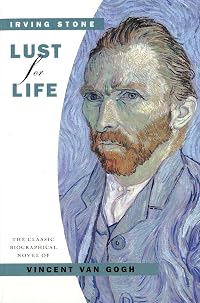
Lust for Life
by Irving Stone
On This Page
Description
A fictional account of the life of Vincent van Gogh, the tormented genius who put so much of himself into his art that he found it difficult to maintain himself in ordinary society.Tags
Recommendations




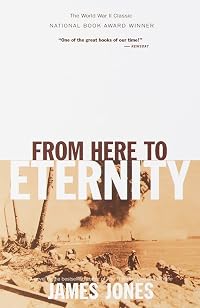
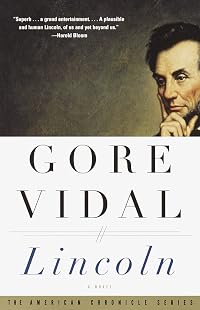

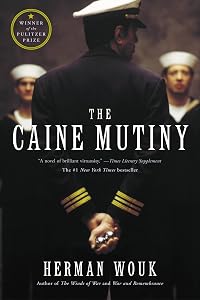
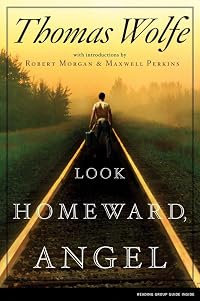












Member Recommendations

Member Reviews
This is my favorite kind of historical fiction: the kind where the author sticks closely to real events, while imagining inner thoughts, motivations, conversations, etc. Now, I don’t know many details of Van Gogh’s life, but I’m taking the author’s word for it that he worked closely from the many many letters between Vincent and his brother. The end product vividly portrays Vincent the tortured genius. He comes off both charismatic and pitiable in spite of being in many ways a pretty unpleasant (to say nothing of mentally unbalanced) person. Excellently done!
Vincent Van Gogh was the son of a clergyman, though his extended family were quite prosperous art dealers. He was expected to go into the art business as well but grew frustrated by having to sell terrible art to wealthy clients who couldn't discern the difference between talent and rubbish. Accepting a ministerial position in an impoverished Belgian coal mining community, he was inspired by the rough and downtrodden faces surrounding him, and he eschewed his comfortable lodgings, nearly starving himself while giving most of his allowance to the locals he asked to model for him as he made his first forays into crude drawing. Becoming malnourished, weak and physically and mentally ill while chasing his passion but never realizing success show more would prove to be recurring circumstances for the rest of his life.
When I placed this book on my TBR I had no particular interest in Van Gogh, but I had just read the author's breathtaking and unforgettable biographical fiction book, The Agony and the Ecstasy, about Michelangelo. This book echoes some of the same themes, including the fine line between genius and madness and an artist's willingness to starve themselves or live in squalor in pursuit of their craft. I referred frequently to online images of Van Gogh's drawings and paints as they were mentioned in the narrative. Vincent's brother Theo was astonishingly, almost mind-blowingly supportive. It was heartbreaking, though, as he, as well as Vincent's friends and acquaintances, continuously encouraged him for years upon years, but always cruelly regretting that, alas, they could not yet exhibit any of his work. Would his mental health ultimately have fared better if they had? This work being fiction, it naturally piqued my curiosity to learn how much was factual and how much speculative, so next I'll have to pick up Heiligman's biography, Vincent and Theo. show less
When I placed this book on my TBR I had no particular interest in Van Gogh, but I had just read the author's breathtaking and unforgettable biographical fiction book, The Agony and the Ecstasy, about Michelangelo. This book echoes some of the same themes, including the fine line between genius and madness and an artist's willingness to starve themselves or live in squalor in pursuit of their craft. I referred frequently to online images of Van Gogh's drawings and paints as they were mentioned in the narrative. Vincent's brother Theo was astonishingly, almost mind-blowingly supportive. It was heartbreaking, though, as he, as well as Vincent's friends and acquaintances, continuously encouraged him for years upon years, but always cruelly regretting that, alas, they could not yet exhibit any of his work. Would his mental health ultimately have fared better if they had? This work being fiction, it naturally piqued my curiosity to learn how much was factual and how much speculative, so next I'll have to pick up Heiligman's biography, Vincent and Theo. show less
An insight into the mind of a troubled artist. The book delves into the loneliness that comes with a singularly focused creative pursuit really well. It's impossible not to empathize with Van Gogh's troubled soul, while also thinking about the paradoxical selfishness inherent in the pursuit of artistic excellence.
This historical fiction / biography of Van Gogh which was a real treat to read. It opens in 1873 London, with a 20-year-old Vincent working in his father’s very successful art business, and courting a young woman who later rejects his marriage proposal. It ends of course in 1890 Arles, with Vincent’s suicide at 37, and his brother Theo’s death six month afterwards.
His story is relatively well known, but the book really makes it come to life, and emphasized how many years he struggled, and how difficult his life was. He had been an art dealer, teacher, bookseller, divinity student and evangelist prior to devoting himself to being an artist at age 27, despite the concerns from his parents, which only deepened as early critics show more knocked him for lacking technique and being too coarse.
Years and years pass with Vincent honing his craft, experimenting with new forms and later with new colors. It’s really not until he’s 35 years old and in Arles (page 370 in the book!) that he finally realizes his artistic vision and distinctive style. He then has two to three incredibly intense creative years, fueled by absinthe, coffee, and tobacco, and on the verge of madness when he produces almost all of the works we recognize as masterpieces today. Reading the story of his life in this form, with that incredibly long build up, really illustrated for me just how brief a flash this interval was in the South of France; it was a huge leap from The Potato Eaters in 1885, at age 32, and of course so soon before he really would crack, lopping off an ear and getting committed.
The quiet hero of the story is Theo, who not only funds Vincent faithfully, but also puts up with his awkwardness and rough edges, believing in his art and truly loving him as a person. Theo is also instrumental in getting the works from the Impressionist accepted in Paris, and understood for their genius.
Vincent for his part is Christ-like in many ways, the analogy for which becomes apparent when he preaches earnestly amongst very poor coal miners, valuing humility and poverty with an authenticity he possessed throughout his life. Even when he marries a prostitute years later to the shock of those around him, it feels like a cross between an act of charity and a direct communion of two outcast souls.
As an artist Vincent strove for truth with a passion, and found this in poor, simple people who he had always identified with. The privations he put himself through are staggering, the true ‘starving artist’ – many times going days without food, having the most meager of existences, and walking distances as long as 170 km in shoes which were falling apart because he had no train fare.
It’s difficult to imagine conversations between famous Impressionists and be true to reality in such a book, and I was a little concerned that Stone would not be, particularly because he wrote in 1934. However, it comes across as reasonably believable, true to events and the character’s viewpoints, and without being cartoonish. There was only one exception – late in the book, Stone made a huge artistic mistake in allowing Van Gogh to dream of a woman who promises him that someday, when he’s gone, he’ll be famous and that his paintings will sell for millions. I cringed throughout, and again when Stone mentions this ‘Maya scene’ in his author’s note at the end. However, it’s very brief and I give him a pass on it in terms of the rating – the rest of the book is so strong and the story is so compelling, it’s five stars for me.
Quotes:
On art, this from Zola’s mouth:
“The public cannot understand that there is no room for moral judgments in art. Art is amoral; so is life. For me there are no obscene pictures or books; there are only poorly conceived and poorly executed ones. A whore by Toulouse-Latrec is moral because he brings out the beauty that lies beneath her external appearance; a pure country girl by Bouguereau is immoral because she is sentimentalized and so cloyingly sweet that just to look at her is enough to make your vomit!’”
And this dialog between Cezanne and Gauguin:
[Gauguin]: “’You don’t paint emotion because you can’t. You paint with your eyes, that’s what you paint with.’
‘What does anyone else paint with?’
‘With all sorts of things.’ Gauguin took a quick look about the room. ‘Lautrec, there, paints with his spleen. Vincent paints with his heart. Seurat paints with his mind, which is almost as bad as painting with your eyes. And Rousseau paints with his imagination.’
‘What do you paint with, Gauguin?’
‘Who, me? I don’t know. Never thought about it.’
‘I’ll tell you’, said Lautrec. ‘You paint with your genital!’”
On old age:
“Vincent noticed that his father’s hair had grown white and that the right lid drooped still lower over his eye. Age seemed to be shrinking his features; he grew no beard to make up for the loss, and the expression on his face had changed from ‘This is me,’ to ‘Is this me?’”
On oneness:
“The sole unity in life is the unity of rhythm. A rhythm to which we all dance; men, apples, ravines, ploughed fields, carts among the corn, houses, horses, and the sun. The stuff that is in you, Gauguin, will pound through a grape tomorrow, because you and a grape are one. When I paint a peasant labouring in the field, I want people to feel the peasant flowing down into the soil, just as the corn does, and the soil flowing up into the peasant. I want them to feel the sun pouring into the peasant, into the field, the corn, the plough, and the horses, just as they all pour back into the sun. When you being to feel the universal rhythm in which everything on earth moves, you begin to understand life. That alone is God.’”
On politics, and socialism:
“’During the Revolution I was a republican,’ said Roulin, ‘but now I see that we have gained nothing. Whether our rulers be kings or ministers, we poor people have just as little as before. I thought when we were a republic everyone would share and share alike.’
‘Ah, no, Roulin.’
‘All my life I have tried to understand, Monsieur, why one man should have more than the next, why one man should work hard while his neighbor sits by in idleness. Do you think if I were educated, Monsieur, I would be able to understand that better?’
Vincent glanced up quickly to see if Roulin were being cynical. There was the same look of naïve innocence on his face.
‘Yes, my friend,’ he said, ‘most educated people seem to understand that state of affairs very well. But I am ignorant like you, and I shall never be able to understand or accept it.’”
On religion:
“Then suddenly he realized something he had known for a long time. All this talk about God was childish evasion; desperate lies whispered by a frightened, lonely mortal to himself out in a cold, dark, eternal night. There was no God. Just as simply as that, there was no God. There was only chaos; miserable, suffering, cruel, torturous, blind, endless chaos.”
On sensitivity:
“’You never have been normal. But then, no artist is normal; if he were, he wouldn’t be an artist. Normal men don’t create works of art. They eat, sleep, hold down routine jobs, and die. You are hypersensitive to life and nature; that’s why you are able to interpret for the rest of us. But if you are not careful, that very hypersensitiveness will lead you to destruction. The strain of it breaks every artist in time.’” show less
His story is relatively well known, but the book really makes it come to life, and emphasized how many years he struggled, and how difficult his life was. He had been an art dealer, teacher, bookseller, divinity student and evangelist prior to devoting himself to being an artist at age 27, despite the concerns from his parents, which only deepened as early critics show more knocked him for lacking technique and being too coarse.
Years and years pass with Vincent honing his craft, experimenting with new forms and later with new colors. It’s really not until he’s 35 years old and in Arles (page 370 in the book!) that he finally realizes his artistic vision and distinctive style. He then has two to three incredibly intense creative years, fueled by absinthe, coffee, and tobacco, and on the verge of madness when he produces almost all of the works we recognize as masterpieces today. Reading the story of his life in this form, with that incredibly long build up, really illustrated for me just how brief a flash this interval was in the South of France; it was a huge leap from The Potato Eaters in 1885, at age 32, and of course so soon before he really would crack, lopping off an ear and getting committed.
The quiet hero of the story is Theo, who not only funds Vincent faithfully, but also puts up with his awkwardness and rough edges, believing in his art and truly loving him as a person. Theo is also instrumental in getting the works from the Impressionist accepted in Paris, and understood for their genius.
Vincent for his part is Christ-like in many ways, the analogy for which becomes apparent when he preaches earnestly amongst very poor coal miners, valuing humility and poverty with an authenticity he possessed throughout his life. Even when he marries a prostitute years later to the shock of those around him, it feels like a cross between an act of charity and a direct communion of two outcast souls.
As an artist Vincent strove for truth with a passion, and found this in poor, simple people who he had always identified with. The privations he put himself through are staggering, the true ‘starving artist’ – many times going days without food, having the most meager of existences, and walking distances as long as 170 km in shoes which were falling apart because he had no train fare.
It’s difficult to imagine conversations between famous Impressionists and be true to reality in such a book, and I was a little concerned that Stone would not be, particularly because he wrote in 1934. However, it comes across as reasonably believable, true to events and the character’s viewpoints, and without being cartoonish. There was only one exception – late in the book, Stone made a huge artistic mistake in allowing Van Gogh to dream of a woman who promises him that someday, when he’s gone, he’ll be famous and that his paintings will sell for millions. I cringed throughout, and again when Stone mentions this ‘Maya scene’ in his author’s note at the end. However, it’s very brief and I give him a pass on it in terms of the rating – the rest of the book is so strong and the story is so compelling, it’s five stars for me.
Quotes:
On art, this from Zola’s mouth:
“The public cannot understand that there is no room for moral judgments in art. Art is amoral; so is life. For me there are no obscene pictures or books; there are only poorly conceived and poorly executed ones. A whore by Toulouse-Latrec is moral because he brings out the beauty that lies beneath her external appearance; a pure country girl by Bouguereau is immoral because she is sentimentalized and so cloyingly sweet that just to look at her is enough to make your vomit!’”
And this dialog between Cezanne and Gauguin:
[Gauguin]: “’You don’t paint emotion because you can’t. You paint with your eyes, that’s what you paint with.’
‘What does anyone else paint with?’
‘With all sorts of things.’ Gauguin took a quick look about the room. ‘Lautrec, there, paints with his spleen. Vincent paints with his heart. Seurat paints with his mind, which is almost as bad as painting with your eyes. And Rousseau paints with his imagination.’
‘What do you paint with, Gauguin?’
‘Who, me? I don’t know. Never thought about it.’
‘I’ll tell you’, said Lautrec. ‘You paint with your genital!’”
On old age:
“Vincent noticed that his father’s hair had grown white and that the right lid drooped still lower over his eye. Age seemed to be shrinking his features; he grew no beard to make up for the loss, and the expression on his face had changed from ‘This is me,’ to ‘Is this me?’”
On oneness:
“The sole unity in life is the unity of rhythm. A rhythm to which we all dance; men, apples, ravines, ploughed fields, carts among the corn, houses, horses, and the sun. The stuff that is in you, Gauguin, will pound through a grape tomorrow, because you and a grape are one. When I paint a peasant labouring in the field, I want people to feel the peasant flowing down into the soil, just as the corn does, and the soil flowing up into the peasant. I want them to feel the sun pouring into the peasant, into the field, the corn, the plough, and the horses, just as they all pour back into the sun. When you being to feel the universal rhythm in which everything on earth moves, you begin to understand life. That alone is God.’”
On politics, and socialism:
“’During the Revolution I was a republican,’ said Roulin, ‘but now I see that we have gained nothing. Whether our rulers be kings or ministers, we poor people have just as little as before. I thought when we were a republic everyone would share and share alike.’
‘Ah, no, Roulin.’
‘All my life I have tried to understand, Monsieur, why one man should have more than the next, why one man should work hard while his neighbor sits by in idleness. Do you think if I were educated, Monsieur, I would be able to understand that better?’
Vincent glanced up quickly to see if Roulin were being cynical. There was the same look of naïve innocence on his face.
‘Yes, my friend,’ he said, ‘most educated people seem to understand that state of affairs very well. But I am ignorant like you, and I shall never be able to understand or accept it.’”
On religion:
“Then suddenly he realized something he had known for a long time. All this talk about God was childish evasion; desperate lies whispered by a frightened, lonely mortal to himself out in a cold, dark, eternal night. There was no God. Just as simply as that, there was no God. There was only chaos; miserable, suffering, cruel, torturous, blind, endless chaos.”
On sensitivity:
“’You never have been normal. But then, no artist is normal; if he were, he wouldn’t be an artist. Normal men don’t create works of art. They eat, sleep, hold down routine jobs, and die. You are hypersensitive to life and nature; that’s why you are able to interpret for the rest of us. But if you are not careful, that very hypersensitiveness will lead you to destruction. The strain of it breaks every artist in time.’” show less
This book chronicles Vincent Van Gogh's adult life in novel form, using his correspondence with his brother as the most primary source. It is illustrated with sketches and some prints.
Although I was interested in reading this book, when I got right down to it I really expected it to be dry or difficult. It was not. This was one of the most beautiful books I've ever read. The author, rather than assuming that Van Gogh is mentally ill and treating him accordingly, takes the journey of discovery (and recovery) with his main character. When Van Gogh is "up" the writing is fast and frantic, when he is "down' it is full of emotion and reflection. It is written from the standpoint of the ever-hopeful. I loved it.
Although I was interested in reading this book, when I got right down to it I really expected it to be dry or difficult. It was not. This was one of the most beautiful books I've ever read. The author, rather than assuming that Van Gogh is mentally ill and treating him accordingly, takes the journey of discovery (and recovery) with his main character. When Van Gogh is "up" the writing is fast and frantic, when he is "down' it is full of emotion and reflection. It is written from the standpoint of the ever-hopeful. I loved it.
I absolutely loved this book, but have to say I am a huge Van Gogh fan. But it's amazing how intriguing and interesting this entire novel is - but then, the man did live many lives. Even if you think you know some things about Van Gogh, you will probably learn something. When he is in Paris and meets the Impressionists/Post-Impressionists, it's actually very fun and funny - they are all so different and such strong characters. The relationship between Vincent and Theo is at the core of the story and it is such a beautiful, lifelong friendship. I highly recommend this book on so many levels. Do not be daunted and think it's dry (based on time written or what have you), I flew through it in a couple days.
Solo comentar un punto, entre muchos del libro, mas allá de juzgar las personas, intentar explicarte y entender por que actúan de cierta forma, esta el amor, me refiero a su hermano, Theo.
Members
- Recently Added By
Lists

Best Historical Fiction
620 works; 261 members

Historical Fiction
889 works; 91 members

Fiction Featuring Real People
81 works; 17 members

a picture or a thousand words
39 works; 5 members

1930s
262 works; 5 members
Author Information

84+ Works 12,983 Members
Irving Stone was born Irving Tenenbaum in San Francisco, California on July 14, 1903. He received a bachelor's degree from the University of California, Berkeley in 1923 and a master's degree from the University of Southern California in 1924. He was known for his historically accurate fictionalized biographies. His first book, Lust for Life, was show more published in 1934. His other works include Clarence Darrow for the Defense, They Also Ran, Immortal Wife, President's Lady, Love Is Eternal, The Agony and the Ecstasy, The Passions of the Mind, and The Origin. He won a Western Spur Award for Men to Match My Mountains. He died on August 26, 1989 at the age of 86. (Bowker Author Biography) show less
Some Editions
Awards and Honors
Distinctions
Notable Lists
Series
Belongs to Publisher Series
Pocket Books (344)
Work Relationships
Is contained in
Has the adaptation
Common Knowledge
- Canonical title
- Lust for Life
- Original title
- Lust for life
- Original publication date
- 1934
- People/Characters
- Vincent van Gogh; Eugene V. Debs; Paul Gauguin
- Important places
- London, England, UK; Paris, Île-de-France, France; Arles, Bouches-du-Rhône, Provence-Alpes-Côte d'Azur, France
- Important events
- 19th century; Post-Impressionism
- Related movies
- Lust for Life (1956 | IMDb)
- Dedication
- To the memory of my mother Pauline Stone
- First words
- "Monsieur Van Gogh!"
- Last words
- (Click to show. Warning: May contain spoilers.)When the hot Auvers sun beats down upon the little cemetery in the cornfields, Theo rests comfortably in the luxuriant umbrage of Vincent's sunflowers.
- Original language
- English
Classifications
- Genres
- Biography & Memoir, Fiction and Literature, Historical Fiction
- DDC/MDS
- 813.52 — Literature & rhetoric American literature in English American fiction in English 1900-1999 1900-1945
- LCC
- PS3537 .T669 .L8 — Language and Literature American literature American literature Individual authors 1900-1960
- BISAC
Statistics
- Members
- 2,216
- Popularity
- 9,093
- Reviews
- 38
- Rating
- (4.08)
- Languages
- 17 — Chinese, Czech, Danish, Dutch, English, Finnish, German, Hungarian, Indonesian, Italian, Norwegian (Bokmål), Polish, Romanian, Russian, Serbian, Spanish, Swedish
- Media
- Paper, Audiobook, Ebook
- ISBNs
- 85
- ASINs
- 69