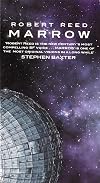
Marrow
by Robert Reed
Marrow (1), Pamir (out of hiding, 1), Quee Lee and Perri (events of the novel version of "Marrow"), The Great Ship (novel - 4, change of mission, 1)
On This Page
Description
The Ship has traveled the universe for longer than any of the near-immortal crew can recall, its true purpose and origins unknown. It is larger than many planets, housing thousands of alien races and just as many secrets. Now one of those secrets has been discovered: at the center of the Ship is . . . a planet. Marrow. But when a team of the Ship's best and brightest are sent down to investigate, will they return with the origins of the Ship--or will they bring doom to everyone on board? show more Robert Reed, whose fantastic stories have been filling all the major SF magazines for the past several years, spins a captivating tale of adventure and wonder on an incredible scale in this novel based on his acclaimed novella. At the Publisher's request, this title is being sold without Digital Rights Management Software (DRM) applied. show lessTags
Recommendations
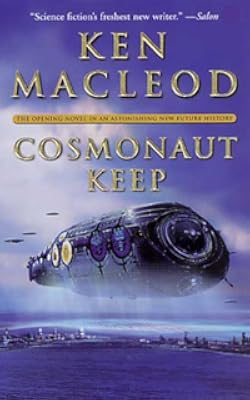

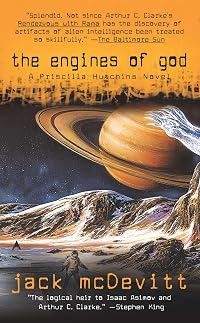
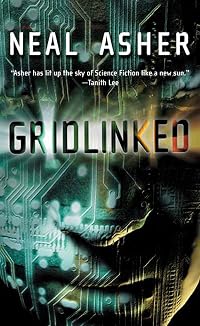
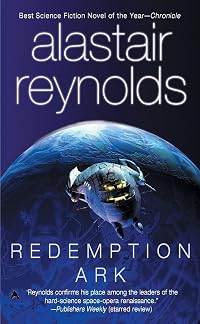
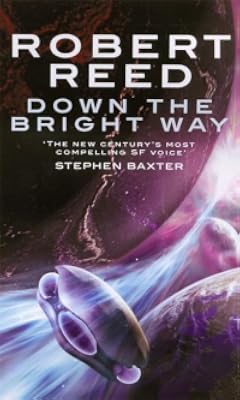
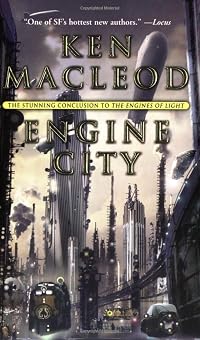
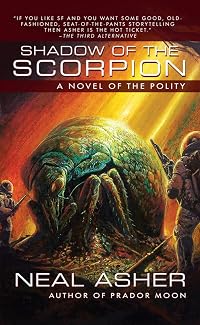
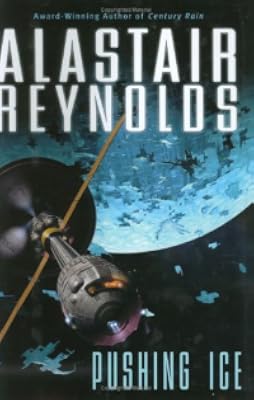


Member Recommendations
freddlerabbit Another surprising mystery, though very different in style.
20

by Sandwich76
Member Reviews
El punto de partida de ‘Médula’ es impactante, el de una gran astronave tan gigantesca que puede albergar planetas en su interior. Nadie sabe de donde proviene ni cuales han sido sus constructores. La Gran Nave fue construida a partir de un planeta aún más grande que Júpiter, pero no se sabe exactamente su edad, aunque se estima que pueda tener más de 6000 millones de años. Por su cercanía a la Vía Láctea, los primeros en hacerse con la Gran Nave son los humanos, que ejercerán el control desde entonces. Habitada por miles de millones de seres de múltiples especies alienígenas, este artefacto se dedica a circunnavegar la galaxia.
En cuanto a los humanos que constituyen el poder en la Gran Nave, que se hacen llamar show more capitanes, existiendo diversas jerarquías, pueden vivir eternamente y sus cuerpos pueden regenerarse cualesquiera sean sus heridas, gracias a la tecnología genética. Son prácticamente inmortales.
Todo parece transcurrir como siempre en la Gran Nave, entre albergar nuevas razas alienígenas y explorar la galaxia, sin preocuparse en exceso de qué es, quién la construyó y cuál es el objeto de esta colosal nave. Hasta que tras una exploración se descubre que en el centro de la nave puede haber un extraño planeta.
Con estos argumentos tan sugerentes, mis expectativas eran enormes. Y se han quedado en eso, en meras expectativas. Una idea colosal (pero tampoco tan original, ahí está ‘Cita con Rama’, de Arthur C. Clarke, entre otras), bastante desaprovechada. No he hallado ese sentido de la maravilla que tan patente debería estar en la space opera de este estilo, salvo algunos fragmentos. Los personajes son demasiado planos, no evolucionan, cuando se supone que personas que pueden vivir miles de años deberían tener una existencia lo suficientemente enriquecedora como para destacar. Y el argumento también adolece de la suficiente cohesión, con una parte central demasiado larga y aburrida. En general, la historia se centra demasiado en las luchas por el poder dentro de la nave. Resumiendo, esperaba mucho más. show less
En cuanto a los humanos que constituyen el poder en la Gran Nave, que se hacen llamar show more capitanes, existiendo diversas jerarquías, pueden vivir eternamente y sus cuerpos pueden regenerarse cualesquiera sean sus heridas, gracias a la tecnología genética. Son prácticamente inmortales.
Todo parece transcurrir como siempre en la Gran Nave, entre albergar nuevas razas alienígenas y explorar la galaxia, sin preocuparse en exceso de qué es, quién la construyó y cuál es el objeto de esta colosal nave. Hasta que tras una exploración se descubre que en el centro de la nave puede haber un extraño planeta.
Con estos argumentos tan sugerentes, mis expectativas eran enormes. Y se han quedado en eso, en meras expectativas. Una idea colosal (pero tampoco tan original, ahí está ‘Cita con Rama’, de Arthur C. Clarke, entre otras), bastante desaprovechada. No he hallado ese sentido de la maravilla que tan patente debería estar en la space opera de este estilo, salvo algunos fragmentos. Los personajes son demasiado planos, no evolucionan, cuando se supone que personas que pueden vivir miles de años deberían tener una existencia lo suficientemente enriquecedora como para destacar. Y el argumento también adolece de la suficiente cohesión, con una parte central demasiado larga y aburrida. En general, la historia se centra demasiado en las luchas por el poder dentro de la nave. Resumiendo, esperaba mucho más. show less
Marrow is a book full of surprises - I think of myself as a hoary and cynical sci-fi reader, whom nothing can surprise anymore, and so I'm delighted when a book proves me wrong. Marrow is the story of a giant mystery inside an equally giant ship, discovered empty by humans billions of years ago, left in the galaxy by persons and for reasons unknown. Just as you start to get a sense of what shipboard life might be like, you're plunged into something quite different. Reed writes an excellent page-turner, with characters that are rather unsympathetic - too cold or too soft - the kind of issue that normally would prevent me from liking a book very much. But here, the plot was so gripping, I ended up feeling the book was a great read. My show more only other criticism would be one for which I don't have a solution - in order to accomplish certain plot points, the events take place over vast expanses of time. Centuries can be spanned in a few sentences, which could feel artificial - but either he did that, or changed other things to happen in an impossibly quick time, which would also feel artificial. I think many readers of science fiction will enjoy this one, and anyone who loves a good mystery and a lot of ambition. show less
They don't come bigger and (initially) dumber than this; an abandoned starship the size of a Jovian planet is taken over by near-immortal humans who take it on a Grand Tour of the Galaxy, not so much as a voyage of discovery but more like an extended cruise, picking up and setting down alien races as passengers along the way. Some of them stay on if they find a niche in the workings of the Ship. And meanwhile, there are office politics amongst the crew on a grand scale, which results in a group of the crew being marooned on the Ship's core (the 'Marrow' of the title) for about five thousand years, during which time they go from mere survival to a functioning high-tech civilization.
I had some misgivings about this novel as I got into it: show more Reed seemed to have an imperfect grasp of sf-nal terminology, which suggested that this immense vessel was propelled by rockets; an odd thought, but ultimately one which doesn't entirely matter as the novel isn't about the Ship but its inhabitants. Those inhabitants' extended lifespans meant that it took a while for me to pick out any characterisation; the middle part of the book, where the main characters are marooned at the core, seemed to drag on for quite a while; the writing was reminiscent of Robert Forward if he had ever developed anything beyond a cloth ear for language, and I wondered where the story was going, if anywhere; but the novel eventually moved on, tectonically (literally) and it began to pick up for me. The novel ends in revolution and a threat from the depths of both time and the core. Oh, and we eventually get some passages written from the viewpoint of the Ship itself, though these are in no sense revelatory. An ambitiious novel that ultimately seems to work. show less
I had some misgivings about this novel as I got into it: show more Reed seemed to have an imperfect grasp of sf-nal terminology, which suggested that this immense vessel was propelled by rockets; an odd thought, but ultimately one which doesn't entirely matter as the novel isn't about the Ship but its inhabitants. Those inhabitants' extended lifespans meant that it took a while for me to pick out any characterisation; the middle part of the book, where the main characters are marooned at the core, seemed to drag on for quite a while; the writing was reminiscent of Robert Forward if he had ever developed anything beyond a cloth ear for language, and I wondered where the story was going, if anywhere; but the novel eventually moved on, tectonically (literally) and it began to pick up for me. The novel ends in revolution and a threat from the depths of both time and the core. Oh, and we eventually get some passages written from the viewpoint of the Ship itself, though these are in no sense revelatory. An ambitiious novel that ultimately seems to work. show less
Set in the far future, Marrow's events take place on a planet-sized starship discovered and then captained by super-evolved humans whom technology has made near immortal. This setting allows Reed some unusual plot devices; whereas most books have to unwind their stories within a few years, Marrow progresses over the course of millenia.
The primary driver behind Marrow is its imagination. Its base assumption of immortality and hyper-advanced technology is used to maximum effect to further complicate an endlessly twisting plot.
Marrow is the ultimate in space opera: strange, imaginative and fascinating. It is well written, engaging and with some strong characters (in particular the hatchet-faced, ruthless Miocene) and a denoument that is as show more grand as its setting. A page-turner. show less
The primary driver behind Marrow is its imagination. Its base assumption of immortality and hyper-advanced technology is used to maximum effect to further complicate an endlessly twisting plot.
Marrow is the ultimate in space opera: strange, imaginative and fascinating. It is well written, engaging and with some strong characters (in particular the hatchet-faced, ruthless Miocene) and a denoument that is as show more grand as its setting. A page-turner. show less
At times, this was an enjoyable novel. The concept of a giant derelict spacecraft with a planet at its core is very intriguing, and the chapters in which that mystery is explored are exciting. At other times, I found the narration confusing and jumbled. Disappointingly, the narrative seemed to drift more toward a swashbuckling yarn on the "high seas" of deep space.
I thoroughly enjoyed this book. If you are a science fiction fan, it'd be hard not to be drawn in to the setting, a planet-sized spaceship built by an unknown culture. Add to the ship's origin mystery some mysteries about the effect that near-immortality has the human psyche and this time-spanning, galaxy-spanning novel provokes some deep philosophical thoughts. Some reviews knock the characters in the book, but I felt the characters were delineated and served the plot well. While they are basically immortal, they still exhibit many of the characteristics that make us all human - jealousy, rage, love, fear. It appears there are more books and stories set in this universe. I'll be checking them out.
One of my absolute favorites! I have reread this book.
It's just hard, high science fiction. I'll think about it more and attempt to describe it better later. Near-perfect!
It's just hard, high science fiction. I'll think about it more and attempt to describe it better later. Near-perfect!
Members
- Recently Added By
Lists

Books We Discovered On LibraryThing
530 works; 130 members
Author Information

250+ Works 3,308 Members
Robert Reed is an American science fiction author. He was born in Omaha, Nebraska on October 9, 1956, and received a B.S. in Biology from Nebraska Wesleyan University in Lincoln, Nebraska, in 1987. He worked as a lab technician for several years, before being able to earn his living as a full-time author. Reed has won numerous literary awards show more throughout his prolific career, most notably, the Hugo Award in 2007 for his novella, A Billion Eyes. His other titles include: The Memory of Sky, The Greatship, The Cuckoo's Boys, Sister Alice, The Well of Stars, and Marrow. (Bowker Author Biography) show less
All Editions
Some Editions
Awards and Honors
Distinctions
Series


Work Relationships
Is a retelling of
Common Knowledge
- Original publication date
- 2000-7
- People/Characters
- Captain Washen; Captain and First Chair Miocene; Diu; Aasleen; Till; The Waywards (show all 13); Virtue; Locke; Pamir; Remoras; Orleans; The Master Captain; The Loyalists
- Important places
- The Great Ship; Marrow; Hazz City; The !eech Habitat
- Dedication
- To the first artist in my life, my grandfather, Quentin "Heinz" Moore.
- First words
- . . . a sleep, sweet as Death . . . time traversed, and an incalculable distance . . . and then a splash of light emerged from the dark and the cold, its warming touch slowly expanding itself to me, showing suns and little... (show all) worlds and great swirls of colored gas and angry roaring dust.
- Last words
- (Click to show. Warning: May contain spoilers.)But she managed to stand and walk away, muttering to herself, "For later. I'll leave it here for now and come back to get it later . . ."
- Publisher's editor
- Frenkel, James
- Blurbers
- Niven, Larry; Baxter, Stephen; McDevitt, Jack; Brin, David; Steele, Allen
Classifications
Statistics
- Members
- 771
- Popularity
- 36,395
- Reviews
- 11
- Rating
- (3.53)
- Languages
- Czech, English, French, Spanish
- Media
- Paper, Ebook
- ISBNs
- 8
- ASINs
- 4