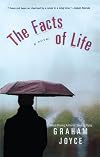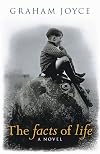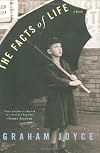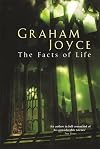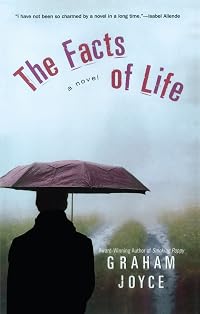
The Facts of Life
by Graham Joyce
On This Page
Description
THE FACTS OF LIFE tells the story of an extraordinary family of seven sisters living in Coventry during the second world war. Presided over by an indomitable matriach the sisters live out a tangled and fraught life that takes them through the blitz, war work and on into the hopeful postwar years and a bizarre interlude for one of them in a commune. And through it all wanders the young son of one of the sisters, passed from sister to sister, the innocent witness to a life that edges over into show more the magical and the world of the fey. show lessTags
Recommendations
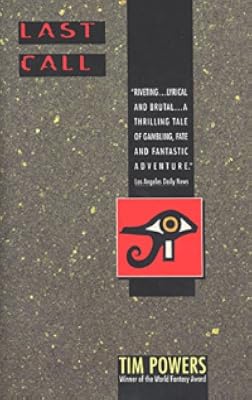
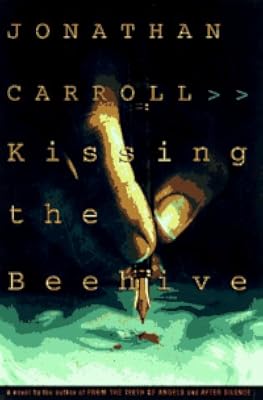
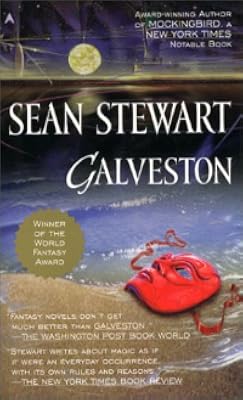
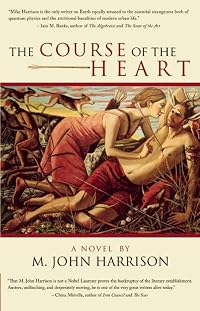
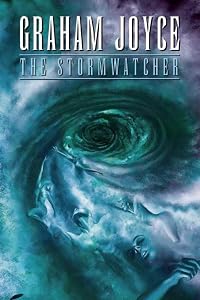
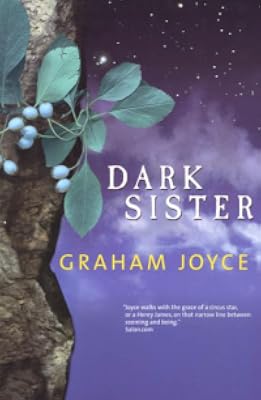





Member Recommendations
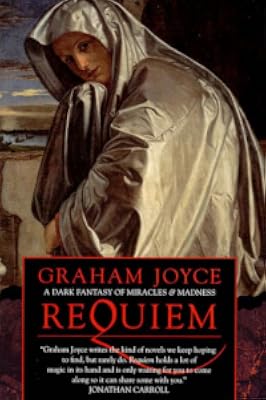
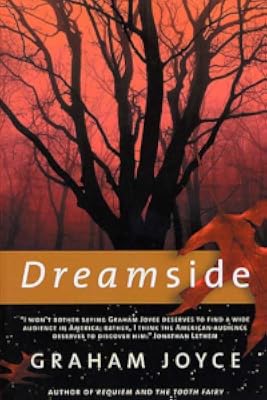
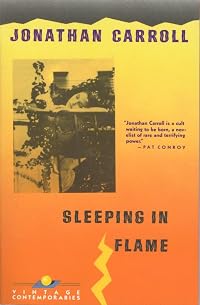
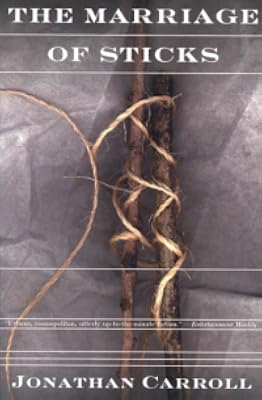
anonymous user Shares elements of family, history, and touches of fantasy.
Member Reviews
Without trying too much to sound as though I’m dropping names, I want to tell you about my relationship with Graham Joyce, because without knowing that, you might not understand why this book means so much to me.
I first met Graham when we were working on an educational resources project in Derby in 1978. He had been studying in Derby, and was already becoming involved in the artistic world and the craft of writing. So when I mentioned that I had connections with the somewhat esoteric world of science fiction fandom and science fiction fanzines – something that in the popular imagination was only connected with punk rock or football – Graham was fascinated. I can honestly claim that I introduced Graham Joyce to the science fiction show more and fantasy community via fanzines. Little did I know at the time that this was going to be a major part of his professional life.
Our backgrounds were very similar. I was born in Nottingham in 1957 to parents who were progressing up the social ladder; my father was the son of a tenant farmer, whilst my mother was the daughter of a mineworker who was invalided out of Bolsover Colliery in the 1930s through a pit accident. I grew up in Derbyshire, in the semi-rural outskirts of Belper, a small mill town; and I was educated in a grammar school that was created by a philanthropic mill owner for the children of his workers (even though in later years it aped the manners of more prestigious public schools). I then worked in Derby; later, I moved for my job to Birmingham, and lived in the Warwickshire village of Fillongley, six miles outside Coventry. In more recent years, I have changed job again and now live and work in and about Leicester.
Graham was born in 1954 in the Warwickshire pit village of Keresley, the village next door but one to Fillongley. He came from a mining family. After working in Derby (and a brief period spent developing his writing in Greece), he moved to Leicester, where he settled down with a family and taught creative writing at Nottingham Trent University.
In other words, we moved in the same environment, the English East Midlands; our backgrounds were similar; our families were similar; and we moved in the same sort of social, employment and political circles. And that is why, when I opened this book, I was immediately in amongst people, situations and family histories that were familiar to me. Graham wrote this book about the sort of people he lived with, and grew up with, and worked with; and the people I lived with, grew up with and worked with were the same sort of people.
The Facts of Life concerns an extended matriarchal family, making their way in Coventry over a fifteen-year period from 1940 to the mid-1950s. From the outset, I had a vivid picture of the Vine family, their surroundings, the places they lived and the places they went to. Into this commonplace setting, Graham injected an element of the fantastic. The family matriarch, Martha Vine, experiences uncanny messengers who knock on her door and deliver messages that are pregnant with meaning. Her daughter Cassie, youngest of seven sisters, seems to have her own conduit to other realms, other realities; and her son, Frank, conceived on the night of the Coventry Blitz, seems to have inherited that sensibility.
The fantastical elements of the novel are an organic part of the whole; the reader only realises how fantastical they are after they have occurred. Graham drew on his own family experience here; again, I can corroborate this, as my own relatives and friends of my parents would sometimes recount experiences that defied explanation. Graham’s examples seem a little more extreme, but only a little. My grandmother would speak of having lost a brother on the Somme in the First World War, and she always lived in hope of a knock on the door that would bring that brother back to her. It never came, but the hope was there, and if it had happened, it would have been a fantastical encounter wholly in line with those that Graham describes happening to Martha.
Other characters in the book have a similar immediacy and full-fleshed out nature. Cassie Vine moves between her sisters and their own growing families in the years of austerity immediately after the Second World War, and these scenes – a bohemian commune in Oxford, or a farm in the North Warwickshire countryside – are equally well-drawn with characters and situations that I identified with. Whilst at the farm, Cassie’s son Frank encounters a mystical presence, the Man-Behind-the-Glass, which becomes a central part of his life. When the true nature of the Man-Behind-the-Glass is revealed, that revelation rings true and links back to themes of the war, and the land, and yet it is both fantastical and real at the same time. The answer to that identity had, of course, been there all along in the story, and yet Graham hid it from us, the readers, until the time was right for it to be revealed; and I gasped in amazement at how ingenious it was, and yet how obvious from what had gone before. Yet it was something that only someone from that area would have really known about, as it has its basis in a real event.
At other times in this book, I laughed out loud; and at the end, I wept. Throughout, I identified with the characters and the places in the book. Graham Joyce was writing about my people. I am only sad that I never got around to reading it whilst he was still alive, so that I could tell him these things and tell him how well he captured the lives, loves and experiences, both real and mystical, of a generation and a class so very little recognised in English literature.
(This review was written in 2016; after a reread in 2023, I can only say that I wouldn’t change a word of it. I think I may have wept a little more at the end, though that might just be that I’m that bit older.) show less
I first met Graham when we were working on an educational resources project in Derby in 1978. He had been studying in Derby, and was already becoming involved in the artistic world and the craft of writing. So when I mentioned that I had connections with the somewhat esoteric world of science fiction fandom and science fiction fanzines – something that in the popular imagination was only connected with punk rock or football – Graham was fascinated. I can honestly claim that I introduced Graham Joyce to the science fiction show more and fantasy community via fanzines. Little did I know at the time that this was going to be a major part of his professional life.
Our backgrounds were very similar. I was born in Nottingham in 1957 to parents who were progressing up the social ladder; my father was the son of a tenant farmer, whilst my mother was the daughter of a mineworker who was invalided out of Bolsover Colliery in the 1930s through a pit accident. I grew up in Derbyshire, in the semi-rural outskirts of Belper, a small mill town; and I was educated in a grammar school that was created by a philanthropic mill owner for the children of his workers (even though in later years it aped the manners of more prestigious public schools). I then worked in Derby; later, I moved for my job to Birmingham, and lived in the Warwickshire village of Fillongley, six miles outside Coventry. In more recent years, I have changed job again and now live and work in and about Leicester.
Graham was born in 1954 in the Warwickshire pit village of Keresley, the village next door but one to Fillongley. He came from a mining family. After working in Derby (and a brief period spent developing his writing in Greece), he moved to Leicester, where he settled down with a family and taught creative writing at Nottingham Trent University.
In other words, we moved in the same environment, the English East Midlands; our backgrounds were similar; our families were similar; and we moved in the same sort of social, employment and political circles. And that is why, when I opened this book, I was immediately in amongst people, situations and family histories that were familiar to me. Graham wrote this book about the sort of people he lived with, and grew up with, and worked with; and the people I lived with, grew up with and worked with were the same sort of people.
The Facts of Life concerns an extended matriarchal family, making their way in Coventry over a fifteen-year period from 1940 to the mid-1950s. From the outset, I had a vivid picture of the Vine family, their surroundings, the places they lived and the places they went to. Into this commonplace setting, Graham injected an element of the fantastic. The family matriarch, Martha Vine, experiences uncanny messengers who knock on her door and deliver messages that are pregnant with meaning. Her daughter Cassie, youngest of seven sisters, seems to have her own conduit to other realms, other realities; and her son, Frank, conceived on the night of the Coventry Blitz, seems to have inherited that sensibility.
The fantastical elements of the novel are an organic part of the whole; the reader only realises how fantastical they are after they have occurred. Graham drew on his own family experience here; again, I can corroborate this, as my own relatives and friends of my parents would sometimes recount experiences that defied explanation. Graham’s examples seem a little more extreme, but only a little. My grandmother would speak of having lost a brother on the Somme in the First World War, and she always lived in hope of a knock on the door that would bring that brother back to her. It never came, but the hope was there, and if it had happened, it would have been a fantastical encounter wholly in line with those that Graham describes happening to Martha.
Other characters in the book have a similar immediacy and full-fleshed out nature. Cassie Vine moves between her sisters and their own growing families in the years of austerity immediately after the Second World War, and these scenes – a bohemian commune in Oxford, or a farm in the North Warwickshire countryside – are equally well-drawn with characters and situations that I identified with. Whilst at the farm, Cassie’s son Frank encounters a mystical presence, the Man-Behind-the-Glass, which becomes a central part of his life. When the true nature of the Man-Behind-the-Glass is revealed, that revelation rings true and links back to themes of the war, and the land, and yet it is both fantastical and real at the same time. The answer to that identity had, of course, been there all along in the story, and yet Graham hid it from us, the readers, until the time was right for it to be revealed; and I gasped in amazement at how ingenious it was, and yet how obvious from what had gone before. Yet it was something that only someone from that area would have really known about, as it has its basis in a real event.
At other times in this book, I laughed out loud; and at the end, I wept. Throughout, I identified with the characters and the places in the book. Graham Joyce was writing about my people. I am only sad that I never got around to reading it whilst he was still alive, so that I could tell him these things and tell him how well he captured the lives, loves and experiences, both real and mystical, of a generation and a class so very little recognised in English literature.
(This review was written in 2016; after a reread in 2023, I can only say that I wouldn’t change a word of it. I think I may have wept a little more at the end, though that might just be that I’m that bit older.) show less
The last G Joyce novel I read, *Smoking Poppy* was a clear five-star read and while I read on here I was not transfixed. The setting is Coventry after the war, with some going back into the night it was bombed. This might be my fourth novel that takes on the destruction, directly or indirectly, and perhaps conveys a particular aspect of it, as the youngest of the seven sisters, Cassie, wanders about the city having known, because she inherited the family 'second sight' that it would happen that night. But who could she tell who would listen?
Yes, seven sisters and husbands boyfriends lovers, all of whom are reasonably fleshed out, and their mother, Martha Vine. Mr. Vine died at some unknown time previous but husband and wife, by then, show more had not spoken to one another for many years. Cassie is fey (today she would likely be taking lithium) has had one child given up for adoption, but the second, conceived at the end of the war, she cannot part with and so Frank (she knew the American soldier's name, also knows he died) stays in the family, rotating about from sister to sister, a farm, twin spinsters into spiritualism, a commune in Cambridge . . . He also has the sight and can hear the dead. In particular a German airman who crashed in a field at the farm, but the cockpit, buried in the local stream, was never found, until Frank came along. Essentially we watch this family pull together and move on after the war. One thing I admire greatly is Joyce's ability to settle the characters firmly in reality, but at the same time leave room for mystery, and in particular some form of communication that transcends ordinary reality. It's a good novel, not a great one. ***1/2 show less
Yes, seven sisters and husbands boyfriends lovers, all of whom are reasonably fleshed out, and their mother, Martha Vine. Mr. Vine died at some unknown time previous but husband and wife, by then, show more had not spoken to one another for many years. Cassie is fey (today she would likely be taking lithium) has had one child given up for adoption, but the second, conceived at the end of the war, she cannot part with and so Frank (she knew the American soldier's name, also knows he died) stays in the family, rotating about from sister to sister, a farm, twin spinsters into spiritualism, a commune in Cambridge . . . He also has the sight and can hear the dead. In particular a German airman who crashed in a field at the farm, but the cockpit, buried in the local stream, was never found, until Frank came along. Essentially we watch this family pull together and move on after the war. One thing I admire greatly is Joyce's ability to settle the characters firmly in reality, but at the same time leave room for mystery, and in particular some form of communication that transcends ordinary reality. It's a good novel, not a great one. ***1/2 show less
Theoretically, this is considered magical realism and inched into the World Fantasy Awards, but to be honest, it's not like that at all. I consider this regular, traditional fiction.
Good fiction, mind you, but in almost no ways can I consider this novel about post-WWII life in Coventry among a group of sisters passing along a boy to share... MAGICAL. I mean, yes, the writing is quite good and fun. I really enjoyed how we passed this poor kid along from sister to sister. And they're all nutjobs, not least his real mom.
I thought this was REFRESHING. Eclectic. And, as the title seems to hint at, a pretty interesting primer for LIFE, itself. It touches on just about everything we need to get by in it. :)
I like this. I really do. But show more Fantasy? No. Nope, nope, nope. Gotta love Lady Godiva, tho! show less
Good fiction, mind you, but in almost no ways can I consider this novel about post-WWII life in Coventry among a group of sisters passing along a boy to share... MAGICAL. I mean, yes, the writing is quite good and fun. I really enjoyed how we passed this poor kid along from sister to sister. And they're all nutjobs, not least his real mom.
I thought this was REFRESHING. Eclectic. And, as the title seems to hint at, a pretty interesting primer for LIFE, itself. It touches on just about everything we need to get by in it. :)
I like this. I really do. But show more Fantasy? No. Nope, nope, nope. Gotta love Lady Godiva, tho! show less
When I first started reading Joyce's novels, they were more spooky and dealing with the supernatural in some way. At some point, he kind of morphed away from that and moved into a more literature method of writing. Looking at THE FACTS OF LIFE, there are ghosts in the story but for the most part the ghosts are clear indicators of the past trying to teach the present. They are not scary, spooky, let me freak you out type of ghosts but a more literal past lives existing with present ones and seen by only a few. Does this detract from the novel in any way? Not at all. It is in fact a great novel that is very well written. The characters are all fully developed. The story involving a young boy growing up in this unique family and learning show more about life is involving and interesting. And it is something I would recommend to others. It's just that I'm not used to my reading material falling into a more literature oriented category. Further evidence within this book is that the final ten pages are a Readers Club Guide; it includes a short interview with Joyce and thirteen Questions and Topics for Discussion. Again, it doesn't take anything away from the novel; it leaves me feeling slightly off kilter though. show less
Couldn't put it down because it keeps you guessing what is real, what is supernatural, what is delusional. The last couple chapters don't reveal much you haven't already figured out, though. Joyce manages to write female characters without being completely implausible. He is also great at names and weaving together the three main viewpoints.
A few new vocab words but I forgot to write them down. Sexually explicit. Some swearing.
A few new vocab words but I forgot to write them down. Sexually explicit. Some swearing.
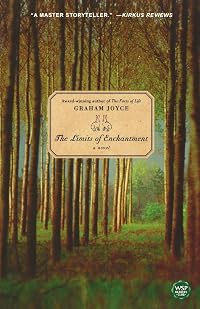
I would have liked this book more if I had read it before "The Limits of Enchantment."
It has most of the same elements: rural British life, a midwife whose traditional methods come into conflict with the National Health Service, an 'intellectual' commune where the reality fails to live up to the ideal, etc, etc.
I mean, it has so much of the Same Stuff that it's a little weird. I was trying to figure out if they were supposed to be connected in some way - but I don't think so.
This one adds in the Blitz, and a family of women, all coming together to raise a little boy who may or may not have special talents.
Where 'Limits' is a very personal story, centered on one character, this is an ensemble novel. I don't prefer ensemble stories - show more but I have to say, the format does point out Joyce's real talent for characterization. It's like watching a talented sketch artist - one line, two, three... and suddenly the likeness is there, to the life. show less
It has most of the same elements: rural British life, a midwife whose traditional methods come into conflict with the National Health Service, an 'intellectual' commune where the reality fails to live up to the ideal, etc, etc.
I mean, it has so much of the Same Stuff that it's a little weird. I was trying to figure out if they were supposed to be connected in some way - but I don't think so.
This one adds in the Blitz, and a family of women, all coming together to raise a little boy who may or may not have special talents.
Where 'Limits' is a very personal story, centered on one character, this is an ensemble novel. I don't prefer ensemble stories - show more but I have to say, the format does point out Joyce's real talent for characterization. It's like watching a talented sketch artist - one line, two, three... and suddenly the likeness is there, to the life. show less
Family dramas don't usually appeal to me, but this one is an exception. Takes place in Coventry, England, during WWII. The storytelling is superb. Joyce manages to make all the members in this odd family quite believable, but never quite endearing. Sort of like my own family.
Members
- Recently Added By
Lists

Historical Fantasy
93 works; 14 members

Myth (Reuse and Retelling)
188 works; 24 members

Jones & Newman: Best Horror Books Further Recommended Reading
577 works; 4 members

The Five Books That Represent Us
391 works; 149 members
Author Information

47+ Works 5,024 Members
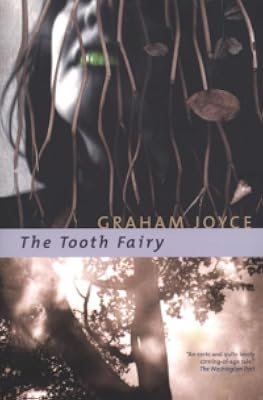
Graham Joyce, a four-time winner of the British Fantasy Award, lives in Leicester, England. His books include Dark Sister, Requiem, and The Tooth Fairy, which received a Booker nomination and was chosen as a Publishers Weekly Best Book of 1998. (Publisher Provided) Graham Joyce was born on October 22, 1954. He received a Master's Degree in modern show more English and American literature from Leicester University. Before becoming an author, he worked for the National Association of Youth Clubs for eight years. His first novel, Dreamside, was published in 1991. His other works included House of Lost Dreams, Requiem, The Tooth Fairy, Some Kind of Fairy Tale, and The Year of the Ladybird. He won several awards including the British Fantasy award. He also taught a creative writing course at Nottingham Trent University. He died of lymphoma cancer on September 9, 2014 at the age of 59. (Bowker Author Biography) show less
Awards and Honors
Awards
Distinctions
Notable Lists
Series
Belongs to Publisher Series
Gallimard, Folio SF (503)
Common Knowledge
- Canonical title
- The Facts of Life
- Original title
- The Facts of Life
- Original publication date
- 2003
- People/Characters
- Frank Arthur Vine; Martha Vine; Cassie Vine
- Important places
- Coventry, England, UK
- Important events
- World War II
- Dedication
- To my Mother and Father, who endured the Coventry blitz, and to all people who look at the rubble and start again
- First words
- "If she's not here, thinks Cassie, if she's not coming."
- Last words
- (Click to show. Warning: May contain spoilers.)"Tom smiled at his wife, because it might have been Martha talking."
Classifications
Statistics
- Members
- 371
- Popularity
- 84,742
- Reviews
- 14
- Rating
- (4.03)
- Languages
- 5 — English, French, Italian, Portuguese, Spanish
- Media
- Paper, Ebook
- ISBNs
- 12
- ASINs
- 6