
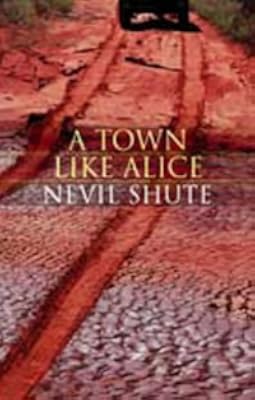
A Town Like Alice
by Nevil Shute
On This Page
Description
Fiction. Literature. Romance. Historical Fiction. HTML:Nevil Shute's most beloved novel, a tale of love and war, follows its enterprising heroine from the Malayan jungle during World War II to the rugged Australian outback.Jean Paget, a young Englishwoman living in Malaya, is captured by the invading Japanese and forced on a brutal seven-month death march with dozens of other women and children. A few years after the war, Jean is back in England, the nightmare behind her. However, an show more unexpected inheritance inspires her to return to Malaya to give something back to the villagers who saved her life. But it turns out that they have a gift for her as well: the news that the young Australian soldier, Joe Harmon, who had risked his life to help the women, had miraculously survived. Jean's search for Joe leads her to a desolate Australian outpost called Willstown, where she finds a challenge that will draw on all the resourcefulness and spirit that carried her through her war-time ordeals. show less
Tags
Recommendations






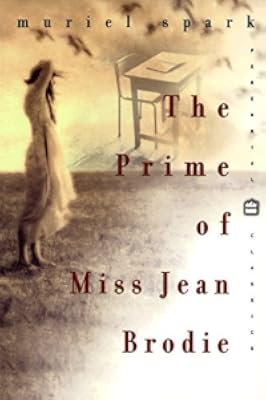
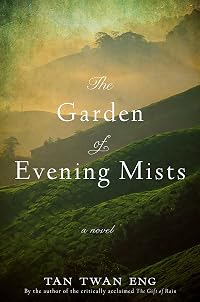
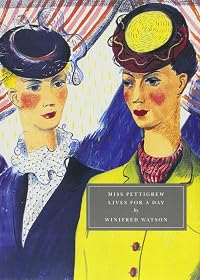


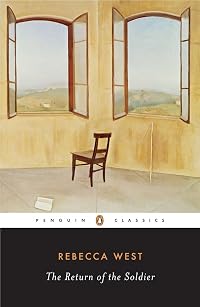


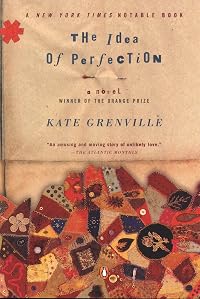
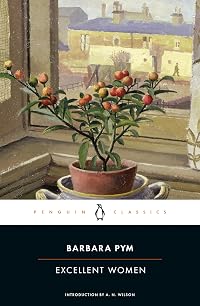
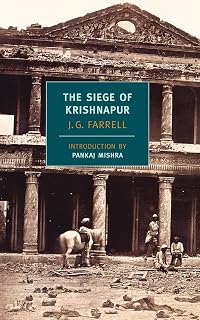

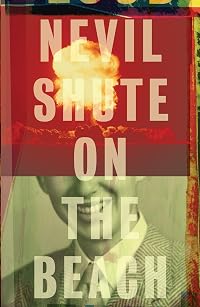


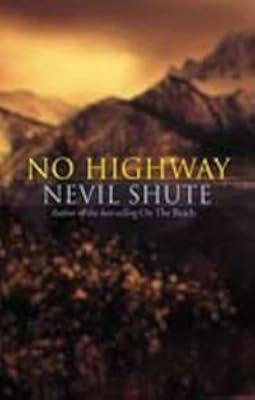

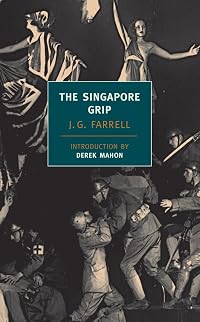




Member Recommendations
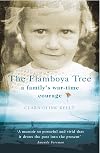
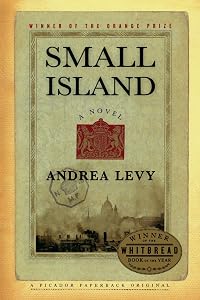
whymaggiemay Though fiction, the war experiences of Jean Padgett are based in fact from the Island of Sumatra, and gives a good view of what was going on on other islands in the Pacific.

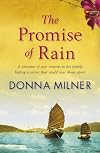
jayne_charles More POW hell
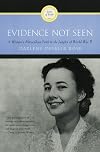
Evidence Not Seen: A Woman's Miraculous Faith in the Jungles of World War II by Darlene Deibler Rose
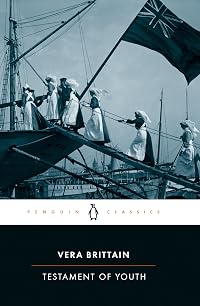
CherylLonski One is a work of fiction, the other is a biographical account. One author is male, the other female. One British, one American. Yet the stories intersect in interesting ways in their telling of a painful time in world history.
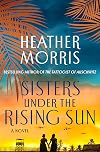
MarthaJeanne These are both books about women captured by the Japanese during WWII.
Member Reviews
"They spent that day in a curious mixture of love-making and economic discussion." (pg. 259)
Just over a year ago, after devouring the excellent war adventure Pied Piper, I was excited about adding some more books by Nevil Shute to my reading list. This excitement was tempered by On the Beach, which passed but not with the flying colours I expected, and it has been significantly shaken by A Town Like Alice.
I struggled to get through it: usually, I pick up a book and finish it before picking up another one, but with A Town Like Alice I have finished three books which I have been reading alongside of it, one after the other, and have started a fourth, before finally closing Alice. I should stress how extremely rare this is for me, but I show more did not have the endurance for a book which, to my great disappointment, turned out to be a real chore. Whenever I did pick it up again, it never came with any pleasure.
The book is, on the face of it, a sweeping, romantic epic: a hardy Englishwoman and a resourceful Australian PoW meet and fall in love whilst imprisoned by the Japanese in Malaya in 1942. He steals some food from the Japanese for her, and she is told he has been executed. But, after the war (and by a rather laboured coincidence), she discovers he is alive. Having inherited a lot of money, she travels to Australia to find him and together they build a thriving new town – 'a town like Alice [Springs]', she says – in the outback.
It is, however, excruciatingly dull. The most interesting stuff – the treatment of Allied PoWs and civilians by the Japanese – is dealt with quickly in the first third of the book and without much drama. This first third also contains a long set-up which examples what sadly become the dominant traits of the novel: an extended sequence where a solicitor – our narrator – and an old man set up a legal will (the money that Jean, our hardy Englishwoman, eventually comes into). There are two problems with this. Firstly, it is extremely dull, like the minutes of a business meeting, as Shute spares us nothing of the minutiae of the thing. Second, it is unnecessary for the plot, at least in such length. Why not a short chapter in which the solicitor recounts his encounters with this old man, rather than a drawn-out extrapolation of their every banal utterance? You wouldn't want to sit in on such a meeting – it would be like watching paint dry – so why should the reader of a piece of fiction do so?
The second third of the book comes after the war, and sees Jean inheriting the money. She returns to Malaya and builds a well as a thank-you for a village that was kind to her during her Japanese imprisonment. This is actually a good segment, and well-written, but then Shute spends a lot of unnecessary ink in gearing the story towards Jean finding out Joe (the Australian PoW) is alive and then flitting full of sound and fury (signifying nothing) between Malaya, England and Australia. Shute is inexplicably keen on detailing all of her boring travel plans ("I'm going to take the such-and-such to such-and-such, then take the connecting whatsit to such-and-such" – "Oh no, you'd be much better going to whatsitsname and then on to such-and-such through the…" Later: "She took the such-and-such from…") and any narrative momentum or goodwill that might have remained from the first third of the book has well and truly dissipated. And when Jean does make it to Joe's Australian town, she finds out that he's gone out to England looking for her, and now we follow all his travel plans. (Just as she has found an inheritance, he has won the lottery – another laboured coincidence). By this point, I didn't know if I was going to make it out of the book alive.
The final third finally settles down on one place (for the most part) – Willstown, the 'town like Alice', as Jean sets to work improving it and making it prosper economically. Sadly, the habits from the previous section carry over: we dwell on the mundane ins-and-outs of the town and of the various activities (when making a pair of shoes, Jean uses small tubes of Durofix for fixative, don't you know (pg. 216); when she wants to make an investment in a local business, our narrating solicitor has a meeting with a shoe-selling businessman who thinks 'Jean's estimates of capital were on the low side, but not excessively so' (pg. 231)). I can tell you're on tenterhooks already. If you find epic, romantic adventure in overdrafts, business capital, local livestock economics and by-laws, this is the book for you.
Even leaving aside these already-fatal flaws, A Town Like Alice does itself few favours. The main characters are not all that likeable: Jean is hyper-competent and infallible, whilst Joe (and all the Australian characters, really) just says 'oh my word' all the time in a moony, bumpkin-ish voice and speaks in gimpy slang. The narrating device is clunky – particularly later on in the book when the solicitor is no longer a main character – and the prose is stodgy and stolid, never seeming to know where the high points of the drama are.
At first, I thought I might have been turned off by the rather cold and antiseptic design of my House of Stratus edition (2000), but I have read similarly-designed books and, when they've been good, I've forgotten about the design as I've been immersed in the story. With A Town Like Alice, I laboured throughout. Too much time is spent on slowly pivoting around the various plot points than on the plot points themselves, allowing Shute an excuse for his meticulous and seemingly pathological descriptions of legal, business and travel arrangements. And yet, despite these slow and methodical pivots, it is remarkable just how much of the plot only comes together because of some fortuitous coincidences. (Forgivable if that was the only flaw, but not with everything else.)
I have not yet given up on Shute, as I still remember fondly how much I enjoyed Pied Piper, and as the next of his books on my shelf is the wartime adventure Most Secret, there may be hope for me yet. Because this one was almost completely bloodless. I don't mind detail or context in a book, or spending time in the town like Alice; it's only that Shute doesn't seem to realize how boring it is to watch the paint dry on the bloody place. show less
Just over a year ago, after devouring the excellent war adventure Pied Piper, I was excited about adding some more books by Nevil Shute to my reading list. This excitement was tempered by On the Beach, which passed but not with the flying colours I expected, and it has been significantly shaken by A Town Like Alice.
I struggled to get through it: usually, I pick up a book and finish it before picking up another one, but with A Town Like Alice I have finished three books which I have been reading alongside of it, one after the other, and have started a fourth, before finally closing Alice. I should stress how extremely rare this is for me, but I show more did not have the endurance for a book which, to my great disappointment, turned out to be a real chore. Whenever I did pick it up again, it never came with any pleasure.
The book is, on the face of it, a sweeping, romantic epic: a hardy Englishwoman and a resourceful Australian PoW meet and fall in love whilst imprisoned by the Japanese in Malaya in 1942. He steals some food from the Japanese for her, and she is told he has been executed. But, after the war (and by a rather laboured coincidence), she discovers he is alive. Having inherited a lot of money, she travels to Australia to find him and together they build a thriving new town – 'a town like Alice [Springs]', she says – in the outback.
It is, however, excruciatingly dull. The most interesting stuff – the treatment of Allied PoWs and civilians by the Japanese – is dealt with quickly in the first third of the book and without much drama. This first third also contains a long set-up which examples what sadly become the dominant traits of the novel: an extended sequence where a solicitor – our narrator – and an old man set up a legal will (the money that Jean, our hardy Englishwoman, eventually comes into). There are two problems with this. Firstly, it is extremely dull, like the minutes of a business meeting, as Shute spares us nothing of the minutiae of the thing. Second, it is unnecessary for the plot, at least in such length. Why not a short chapter in which the solicitor recounts his encounters with this old man, rather than a drawn-out extrapolation of their every banal utterance? You wouldn't want to sit in on such a meeting – it would be like watching paint dry – so why should the reader of a piece of fiction do so?
The second third of the book comes after the war, and sees Jean inheriting the money. She returns to Malaya and builds a well as a thank-you for a village that was kind to her during her Japanese imprisonment. This is actually a good segment, and well-written, but then Shute spends a lot of unnecessary ink in gearing the story towards Jean finding out Joe (the Australian PoW) is alive and then flitting full of sound and fury (signifying nothing) between Malaya, England and Australia. Shute is inexplicably keen on detailing all of her boring travel plans ("I'm going to take the such-and-such to such-and-such, then take the connecting whatsit to such-and-such" – "Oh no, you'd be much better going to whatsitsname and then on to such-and-such through the…" Later: "She took the such-and-such from…") and any narrative momentum or goodwill that might have remained from the first third of the book has well and truly dissipated. And when Jean does make it to Joe's Australian town, she finds out that he's gone out to England looking for her, and now we follow all his travel plans. (Just as she has found an inheritance, he has won the lottery – another laboured coincidence). By this point, I didn't know if I was going to make it out of the book alive.
The final third finally settles down on one place (for the most part) – Willstown, the 'town like Alice', as Jean sets to work improving it and making it prosper economically. Sadly, the habits from the previous section carry over: we dwell on the mundane ins-and-outs of the town and of the various activities (when making a pair of shoes, Jean uses small tubes of Durofix for fixative, don't you know (pg. 216); when she wants to make an investment in a local business, our narrating solicitor has a meeting with a shoe-selling businessman who thinks 'Jean's estimates of capital were on the low side, but not excessively so' (pg. 231)). I can tell you're on tenterhooks already. If you find epic, romantic adventure in overdrafts, business capital, local livestock economics and by-laws, this is the book for you.
Even leaving aside these already-fatal flaws, A Town Like Alice does itself few favours. The main characters are not all that likeable: Jean is hyper-competent and infallible, whilst Joe (and all the Australian characters, really) just says 'oh my word' all the time in a moony, bumpkin-ish voice and speaks in gimpy slang. The narrating device is clunky – particularly later on in the book when the solicitor is no longer a main character – and the prose is stodgy and stolid, never seeming to know where the high points of the drama are.
At first, I thought I might have been turned off by the rather cold and antiseptic design of my House of Stratus edition (2000), but I have read similarly-designed books and, when they've been good, I've forgotten about the design as I've been immersed in the story. With A Town Like Alice, I laboured throughout. Too much time is spent on slowly pivoting around the various plot points than on the plot points themselves, allowing Shute an excuse for his meticulous and seemingly pathological descriptions of legal, business and travel arrangements. And yet, despite these slow and methodical pivots, it is remarkable just how much of the plot only comes together because of some fortuitous coincidences. (Forgivable if that was the only flaw, but not with everything else.)
I have not yet given up on Shute, as I still remember fondly how much I enjoyed Pied Piper, and as the next of his books on my shelf is the wartime adventure Most Secret, there may be hope for me yet. Because this one was almost completely bloodless. I don't mind detail or context in a book, or spending time in the town like Alice; it's only that Shute doesn't seem to realize how boring it is to watch the paint dry on the bloody place. show less
‘A Town Like Alice’ was recommended to me with significant caveats, and I think anyone else considering reading it should know what they are getting into. I’ve read one other Nevil Shute novel, [b:On the Beach|38180|On the Beach|Nevil Shute|https://images.gr-assets.com/books/1327943327s/38180.jpg|963772], and in that case the nuclear apocalypse distracted me from some extremely troubling treatment of women. In ‘A Town Like Alice’, the misogyny is much more pervasive and there’s also copious racism. First, the sexism. Shute does better than Hemingway at making his female characters actual people, but that is a very low bar. The main character in this book is Jean Paget, a practical and resilient woman who I liked a lot. I was show more much less keen on the fact that the book is narrated entirely by a man forty years her senior who is obsessed with her. While he doesn’t do anything especially creepy about this, it makes the descriptions of her body and her dynamic with her fiance especially unsettling. When Joe and Jean get together, Shute describes it as attempted rape. The scene is extremely uncomfortable to read and includes such comments as, ‘She stood unresisting in his arms it never entered her head to struggle or try to get away.’ and ‘She thought, It had to happen sometime, and I’m glad it’s Joe. And then she thought, It’s not his fault, I brought this on myself.’ He stops after she says, “If you can wait till we’re married, I’d much rather, but whatever you do now, I’ll love you just the same.” Then she apologies for ‘tantalising’ him by wearing a sarong - on a beach in Australia. This is bad enough, but the sense of it being an assault is reinforced by repeated subsequent references to the bruises that Joe left on her. The whole scene is perhaps the least romantic and most depressing proposal I’ve ever read.
The reader follows Jean through the Japanese occupation of Malaya during WWII, back to England postwar, a return to Malaya after inheriting money, then settling in Australia. As depictions of times and places in history, these travels are interesting. They certainly give a powerful and depressing insight into mid-20th century colonialism. When Jean and other white women are rudely deposed from their colonial throne after the Japanese invasion of Malaya, they are treated as badly as the native population. This suffering, which is severe and shocking, promotes a humility and willingness to treat the Malayan people as equals. Unfortunately, this attitude does not seem to survive the war, although Jean remains very grateful to the specific village that helped her to survive.
When she gets to Australia, racial segregation is all-pervasive. For instance, Jean wants to open an ice-cream soda parlour and immediately assumes that she would have to open another separate one for aboriginal customers. I don’t know enough about Australia’s history to say whether this was statutory Jim Crow-style segregation, or whether it was enforced by convention. Either way, it’s frightening to see this woman, who the narrative otherwise depicts as sensible and admirable, treat black people with condescension at best. All the white Australians in the book act as though aboriginals are not actually people. It’s horrific, frankly.
Although the most memorable and compelling part of the book takes place during the war, the majority of it concerns Jean’s subsequent time in Australia. She attempts a one-woman rural regeneration project, which unfolds as an idealised vision of how external investment should trickle down through a community. To give Shute his due, he does make this process interesting and the depiction of Australia is vivid and atmospheric. Overall, though, the novel really has not aged well. I preferred [b:On the Beach|38180|On the Beach|Nevil Shute|https://images.gr-assets.com/books/1327943327s/38180.jpg|963772]; all the main characters in that were white men so sexism and racism were much more subtextual, and it dealt with the end of the world. ‘A Town Like Alice’ is ostensibly a story about survival and renewal, yet I thought while reading it that the way of life presented was not one that should survive. It relied upon the subjugation of women and anyone who isn’t white, plus the copious use of DDT to kill insects, all of which have disastrous consequences. show less
The reader follows Jean through the Japanese occupation of Malaya during WWII, back to England postwar, a return to Malaya after inheriting money, then settling in Australia. As depictions of times and places in history, these travels are interesting. They certainly give a powerful and depressing insight into mid-20th century colonialism. When Jean and other white women are rudely deposed from their colonial throne after the Japanese invasion of Malaya, they are treated as badly as the native population. This suffering, which is severe and shocking, promotes a humility and willingness to treat the Malayan people as equals. Unfortunately, this attitude does not seem to survive the war, although Jean remains very grateful to the specific village that helped her to survive.
When she gets to Australia, racial segregation is all-pervasive. For instance, Jean wants to open an ice-cream soda parlour and immediately assumes that she would have to open another separate one for aboriginal customers. I don’t know enough about Australia’s history to say whether this was statutory Jim Crow-style segregation, or whether it was enforced by convention. Either way, it’s frightening to see this woman, who the narrative otherwise depicts as sensible and admirable, treat black people with condescension at best. All the white Australians in the book act as though aboriginals are not actually people. It’s horrific, frankly.
Although the most memorable and compelling part of the book takes place during the war, the majority of it concerns Jean’s subsequent time in Australia. She attempts a one-woman rural regeneration project, which unfolds as an idealised vision of how external investment should trickle down through a community. To give Shute his due, he does make this process interesting and the depiction of Australia is vivid and atmospheric. Overall, though, the novel really has not aged well. I preferred [b:On the Beach|38180|On the Beach|Nevil Shute|https://images.gr-assets.com/books/1327943327s/38180.jpg|963772]; all the main characters in that were white men so sexism and racism were much more subtextual, and it dealt with the end of the world. ‘A Town Like Alice’ is ostensibly a story about survival and renewal, yet I thought while reading it that the way of life presented was not one that should survive. It relied upon the subjugation of women and anyone who isn’t white, plus the copious use of DDT to kill insects, all of which have disastrous consequences. show less
I knew the title of this book, perhaps from the play on words of The Jam's song 'A Town Called Malice', but had no idea what the story was about. The first half of the novel, based on the real life mistreatment of Dutch female prisoners of war by the Japanese on the island of Sumatra, was very powerfully written and took me by surprise.
Like the 1980s series Tenko, a young woman named Jean Paget and thirty other women and children are taken prisoner by the Japanese and marched around Malaya by guards who can't or won't find a camp for them to live in. While being moved between small villages, Jean meets an Australian soldier called Joe who tries to help the women by 'acquiring' drugs, soap and food for them. When he is caught by the show more Japanese, Jean believes that he has been brutally killed and blames herself. After the war, the story - narrated in plain, undramatic language by Jean's London solicitor Noel Strachan - shifts to London and then Australia, after Jean inherits a considerable sum of money, managed by Noel and his law firm, and returns to Malaya to repay the villagers who helped her and the other women to survive. She makes a shocking discovery while abroad which prompts her to move to the Australian outback and apply her magic touch to a small town there. Although the novel is billed as a romance, the Australian chapters reminded me much more of The Flying Doctors than purple prose like The Thorn Birds, with the dramatic rescue of a stockman thrown in for good measure!
Jean Paget, told through the elderly but lovesick eyes of Strachan the solicitor (and a male author) could have turned into a bit of a fantasy figure, but I found myself believing in her strength and admiring her pragmatic nature. She herds the dwindling group of women and children through Malaya, taking on the smallest child of one woman who dies, and liaises with the local communities, knowing how to speak the language. When the last Japanese guard dies, she arranges for them all to pay their way in a small village by working in the paddy fields. In Australia, determined to make the small Gulf town where she settles into 'a town like Alice' (Springs), she sets up a shoe-making factory and builds an ice cream parlour, cinema, laundrette and swimming baths to persuade the young women to stay in town and not leave for bigger cities. Jean is one-woman dynamo who is deprived of her own voice - Strachan is retelling her story through the letters she sent him - yet her success at the everything she touches is strangely admirable and not annoying.
Published in 1950 and written about the war years, there is a good deal of racism in the story, especially in Australia, although the Japanese guards in Malaya are not all portrayed as monsters, and of course sexism is at the heart of the plot (Jean's money is put in trust until she is 35!), but both forms of prejudice were (and possibly still are) sadly true to life. The animal cruelty is also hard to read - 'Oh, do you need a soft lining for your alligator skin shoes? I'll just pop off and kill a few wallabies, leaving their motherless babies to be raised on the station at pets.'
I found this a very engaging and educational story, with a strong female protagonist - and a good book with which to finish the year! show less
Like the 1980s series Tenko, a young woman named Jean Paget and thirty other women and children are taken prisoner by the Japanese and marched around Malaya by guards who can't or won't find a camp for them to live in. While being moved between small villages, Jean meets an Australian soldier called Joe who tries to help the women by 'acquiring' drugs, soap and food for them. When he is caught by the show more Japanese, Jean believes that he has been brutally killed and blames herself. After the war, the story - narrated in plain, undramatic language by Jean's London solicitor Noel Strachan - shifts to London and then Australia, after Jean inherits a considerable sum of money, managed by Noel and his law firm, and returns to Malaya to repay the villagers who helped her and the other women to survive. She makes a shocking discovery while abroad which prompts her to move to the Australian outback and apply her magic touch to a small town there. Although the novel is billed as a romance, the Australian chapters reminded me much more of The Flying Doctors than purple prose like The Thorn Birds, with the dramatic rescue of a stockman thrown in for good measure!
Jean Paget, told through the elderly but lovesick eyes of Strachan the solicitor (and a male author) could have turned into a bit of a fantasy figure, but I found myself believing in her strength and admiring her pragmatic nature. She herds the dwindling group of women and children through Malaya, taking on the smallest child of one woman who dies, and liaises with the local communities, knowing how to speak the language. When the last Japanese guard dies, she arranges for them all to pay their way in a small village by working in the paddy fields. In Australia, determined to make the small Gulf town where she settles into 'a town like Alice' (Springs), she sets up a shoe-making factory and builds an ice cream parlour, cinema, laundrette and swimming baths to persuade the young women to stay in town and not leave for bigger cities. Jean is one-woman dynamo who is deprived of her own voice - Strachan is retelling her story through the letters she sent him - yet her success at the everything she touches is strangely admirable and not annoying.
Published in 1950 and written about the war years, there is a good deal of racism in the story, especially in Australia, although the Japanese guards in Malaya are not all portrayed as monsters, and of course sexism is at the heart of the plot (Jean's money is put in trust until she is 35!), but both forms of prejudice were (and possibly still are) sadly true to life. The animal cruelty is also hard to read - 'Oh, do you need a soft lining for your alligator skin shoes? I'll just pop off and kill a few wallabies, leaving their motherless babies to be raised on the station at pets.'
I found this a very engaging and educational story, with a strong female protagonist - and a good book with which to finish the year! show less
It's rare for me to give a book five stars, but this book is an absolute gem. The prose is lovely without being overdone, the plot is engrossing, and the characters were finely drawn. I can't wait to read every book Nevil Shute ever wrote, and will consider it an honor to do so.
One thing Shute does incredibly well is create a sense of place and atmosphere. He does it with plain straightforward prose which you could almost call 'workmanlike'. From the Wilkie Collins-esque setup, where an elderly lawyer in rainy Scotland begins his narration; to the hot steamy danger of Malaysia in the war; to Australia's Top End and over to outback Queensland, the reader is firmly in place every time. Shute is a storyteller you can trust (in every way but one - more on that later). We know we are in good hands.
In all his novels (or at least those I've read), Shute writes mainly about good people who are doing their best wherever they happen to be. His characters are courageous and kind, hard-working and just, so the drama lies show more less in their character development than in their extraordinary situations. Yet there's something more to it than a mindless thriller - in this novel there's a wandering over the world, searching for one's right place in it. People overcome great hardships and make good. It has a vast geographical scope and a generous spirit throughout. And it all escapes being anything like a moral tale, far from it. It's a page-turner and a ripping good yarn.
Many things that are most interesting in this novel are things that Shute himself never intended. He is an author of his times, firmly entrenched in mid-century British ideas and values. This novel of Australia is firmly in the colonial mindset and reveals a great deal about post-colonial thinking and culture. I learned so much about my parents and grandparents in reading this book - realising that their values and ways of looking at the world come straight out of this era, this not-so-very-old and terribly white Australia.
And the racism! Oh, the racism. It hurts badly, from the very first moment we meet the first Australian character in the Malaysian jungle. This is what makes this novel so conflicting and difficult for me. The thing is this: Shute is not in any sense writing a book about racism. He's inside it, part of it, unable to see outside it, like a fish in water. And it's what seems to me a specifically Australian type of racism, and to my mind the worst kind. There's no hatred in their attitude to Aboriginal people. No emotions at all. No anger, no violence, nothing to work with. It's a casual assumption that black people are sub-human. It's offhand, dismissive, ingrained. Aboriginal people have names like Moonshine and Palmolive - white people have named them like dogs. And if you read this book be warned and prepared for the dreadful word "boong" to be used casually and often. I never thought I'd be so shocked about racism that is of its time, but I was. I still am. In fact I think the book is important for that alone; it shows where we've come from, and how recently, in this country. No wonder the problems are still there, still so strong, still so baffling. Up until the 1950s, Aboriginal people were officially listed as part of Australian flora and fauna. This book is of that mindset, and is horrifyingly illuminating, without in the least intending to be. show less
In all his novels (or at least those I've read), Shute writes mainly about good people who are doing their best wherever they happen to be. His characters are courageous and kind, hard-working and just, so the drama lies show more less in their character development than in their extraordinary situations. Yet there's something more to it than a mindless thriller - in this novel there's a wandering over the world, searching for one's right place in it. People overcome great hardships and make good. It has a vast geographical scope and a generous spirit throughout. And it all escapes being anything like a moral tale, far from it. It's a page-turner and a ripping good yarn.
Many things that are most interesting in this novel are things that Shute himself never intended. He is an author of his times, firmly entrenched in mid-century British ideas and values. This novel of Australia is firmly in the colonial mindset and reveals a great deal about post-colonial thinking and culture. I learned so much about my parents and grandparents in reading this book - realising that their values and ways of looking at the world come straight out of this era, this not-so-very-old and terribly white Australia.
And the racism! Oh, the racism. It hurts badly, from the very first moment we meet the first Australian character in the Malaysian jungle. This is what makes this novel so conflicting and difficult for me. The thing is this: Shute is not in any sense writing a book about racism. He's inside it, part of it, unable to see outside it, like a fish in water. And it's what seems to me a specifically Australian type of racism, and to my mind the worst kind. There's no hatred in their attitude to Aboriginal people. No emotions at all. No anger, no violence, nothing to work with. It's a casual assumption that black people are sub-human. It's offhand, dismissive, ingrained. Aboriginal people have names like Moonshine and Palmolive - white people have named them like dogs. And if you read this book be warned and prepared for the dreadful word "boong" to be used casually and often. I never thought I'd be so shocked about racism that is of its time, but I was. I still am. In fact I think the book is important for that alone; it shows where we've come from, and how recently, in this country. No wonder the problems are still there, still so strong, still so baffling. Up until the 1950s, Aboriginal people were officially listed as part of Australian flora and fauna. This book is of that mindset, and is horrifyingly illuminating, without in the least intending to be. show less
In many ways, this novel is complete rubbish. If I were to be as gentle as possible, I'd say this: it has aged horribly, but the first section is a page turner. I read it out of an interest in all things Australian Lit, yet it is worth noting that more than half of the book takes place outside of Australia and it is written by an Englishman with an English central character. It isn't surprising that the characters are deeply racist colonials or that it holds antiquated ideas about sexuality, but the narrator/author seems to have thought that the racism of the heroes in this novel would make them more heroic or endearing. As if we should celebrate Jean for setting up a segregated store or that she would sometimes admit that Asians and show more Aboriginal people are almost human. The second half of the novel is a tedious account of business development fantasy. For the small moments of insight into life during wartime in Malaysia and rural Australia I had to fight my through page after page of boring business and logistical details and/or antiquated ideas about sex, race, and gender.
Looking at the other reviews of this novel, I'm not sure how so many of you can stomach the repeated treatment of native Australians--look up the history of the slurs that they are being referred to as and think about how they are named and treated like animals. Can you really admire Jean when you understand her in the context of a colonial master and puritanical ideologue? show less
Looking at the other reviews of this novel, I'm not sure how so many of you can stomach the repeated treatment of native Australians--look up the history of the slurs that they are being referred to as and think about how they are named and treated like animals. Can you really admire Jean when you understand her in the context of a colonial master and puritanical ideologue? show less
One day Jean Paget gets a phone call - she is the sole beneficiary of her uncle's will. However - there is a catch - he did not trust women so the money will be in a trust for a very long time. From that point the story moves in two directions - back to the war in Malaya via the memories of the young woman and forward to a future which noone expects. The story of the will form the backbone of the story weaved by Shute but it is the other 2 parts of it which make this novel memorable.
We get to hear the story second-hand - the lawyer, Noel Strachan, who is the executor of the will and in charge of releasing funds when requested, is our narrator. But he does not see most of the story - Jean tells him the part in Malaya and she sends show more letters about the story ones she leaves England. Add to this that Noel is at least half in love with his young charge and objectivity is the last thing you can get from the old man writing a story, long after he had initially heard some parts of it and knowing that she will never see Jean again.
And the story is fascinating (and horrifying) - Jean almost died in Malaya when the Japanese forced her and the rest of the women and children they found in one of the towns to march across the country for months. Except that she was too stubborn to die - so instead she became the leader of the small party and managed to find a way to survive - with the help of some local people. And now, having enough money, she wants to go back and help the same people who saved her from starvation. It is like a chain of good will - they helped her, she helps them when she was able to and that leads to her learning that a man she had given up on as dead is actually very much alive. And off she is to Australia to find him - without any plans on what she would do when she does find him (or so Noel tells us anyway). In the meantime, Noel gets a surprising visitor and decides to meddle.
The third part of the novel, the one set in Australia moves a lot slower than either the Malaya or the London/around the world one. Jean finally finds where Joe, the man she believed dead, lives and ends up in the middle of nowhere in the Australian Outback. So what do you get from a woman who have access to money and is used to making her own way through the world? A change of course - it may be a backwater but it is her backwater (as she sees it) so it is time for it to change. The novel turns into a story of Outback development where Jean just cannot set a foot wrong (but don't forget who the narrator is). There is enough action - from calves being stolen to a broken leg and a man almost dying, from flooding to finding a way to be accepted in the community. She wants only one thing: "a town like Alice" (aka Alice Springs - the jewel of the Outback). And somewhere in there there is also the big love story - too perfect, too proper, almost too big for the pages.
This is the first novel by Shute I had read and I loved his style. Even if some parts were less captivating than others (the "how to develop the Outback manual" aka the third part of the novel can be a long-winded in places but even that somehow worked).
PS: At the end of the novel, the author adds an author note explaining that the Malaya story did not happen - not in Malaya anyway. But a version of it happened elsewhere. show less
We get to hear the story second-hand - the lawyer, Noel Strachan, who is the executor of the will and in charge of releasing funds when requested, is our narrator. But he does not see most of the story - Jean tells him the part in Malaya and she sends show more letters about the story ones she leaves England. Add to this that Noel is at least half in love with his young charge and objectivity is the last thing you can get from the old man writing a story, long after he had initially heard some parts of it and knowing that she will never see Jean again.
And the story is fascinating (and horrifying) - Jean almost died in Malaya when the Japanese forced her and the rest of the women and children they found in one of the towns to march across the country for months. Except that she was too stubborn to die - so instead she became the leader of the small party and managed to find a way to survive - with the help of some local people. And now, having enough money, she wants to go back and help the same people who saved her from starvation. It is like a chain of good will - they helped her, she helps them when she was able to and that leads to her learning that a man she had given up on as dead is actually very much alive. And off she is to Australia to find him - without any plans on what she would do when she does find him (or so Noel tells us anyway). In the meantime, Noel gets a surprising visitor and decides to meddle.
The third part of the novel, the one set in Australia moves a lot slower than either the Malaya or the London/around the world one. Jean finally finds where Joe, the man she believed dead, lives and ends up in the middle of nowhere in the Australian Outback. So what do you get from a woman who have access to money and is used to making her own way through the world? A change of course - it may be a backwater but it is her backwater (as she sees it) so it is time for it to change. The novel turns into a story of Outback development where Jean just cannot set a foot wrong (but don't forget who the narrator is). There is enough action - from calves being stolen to a broken leg and a man almost dying, from flooding to finding a way to be accepted in the community. She wants only one thing: "a town like Alice" (aka Alice Springs - the jewel of the Outback). And somewhere in there there is also the big love story - too perfect, too proper, almost too big for the pages.
This is the first novel by Shute I had read and I loved his style. Even if some parts were less captivating than others (the "how to develop the Outback manual" aka the third part of the novel can be a long-winded in places but even that somehow worked).
PS: At the end of the novel, the author adds an author note explaining that the Malaya story did not happen - not in Malaya anyway. But a version of it happened elsewhere. show less
Members
- Recently Added By
Lists

1001 Books You Must Read Before You Die
1,448 works; 1,133 members

The Guardian's 1000 Novels Everyone Must Read
1,005 works; 550 members
BBC Big Read
191 works; 46 members

Read the book and saw the movie
1,170 works; 195 members

Women in War
148 works; 30 members

Historical Fiction
889 works; 89 members
Favourite Books
1,817 works; 316 members

Recommend the 20 best books you've read in the last five years
2,168 works; 606 members

Sense of place
156 works; 13 members

Books I've Read More Than Once
602 works; 49 members

Top Five Books of 2014
1,064 works; 397 members
Comfort Reads
221 works; 41 members

Books That Made Me Cry
199 works; 105 members

1950s
340 works; 22 members

Books Set in Australia.
45 works; 9 members
LibraryThingers' 1001 Books You Must Read Before You Die
442 works; 29 members

40 Books to Read Before You’re 40
40 works; 4 members

Books Read in 2014
2,343 works; 89 members
BBC Big Read
100 works; 10 members
Love and Marriage
93 works; 10 members
Australia, New Zealand and Oceania
88 works; 20 members

Top Five Books of 2017
757 works; 231 members

Most Popular Books Tagged Australia
35 works; 5 members

Blue Pyramid 1,276 Best Books of All Time
1,248 works; 32 members

Mensa for Kids Excellence in Reading Award Program (Grades 9-12)
116 works; 5 members

1,001 BYMRBYD Concensus
723 works; 27 members

Books Set in Australia
41 works; 9 members

A Novel Cure
742 works; 23 members
Australia, Oceania, Antarctica
51 works; 5 members
Fiction with Women's Names in the Title
378 works; 15 members
Mensa for Kids Excellence in Reading Award Program (Grades 9-12)
116 works; 3 members
Five star books
1,755 works; 108 members

Stories set on Australian Continent
67 works; 5 members

Books about World War II
241 works; 22 members
Historical Fiction Lovers
88 works; 4 members
Ten Books That Have Stayed With Me
160 works; 30 members

Books Read in 2017
4,249 works; 130 members

BBC Top Books
78 works; 3 members
Books Set in Small Towns and Villages
278 works; 16 members

Books Read in 2015
3,299 works; 126 members

What are your favourite books?
121 works; 11 members

Favourite Books by Male Authors
29 works; 2 members
Nifty Fifties
129 works; 14 members
Books That Made Us Cry
278 works; 145 members

Books Read in 2026
1,882 works; 66 members

Books mentioned in The Diary of a Bookseller
26 works; 1 member

Clues about Australia
38 works; 1 member

Books We Couldn't Put Down
443 works; 197 members
'Books You Can't Live Without: The Top 100', The Guardian, 2007
156 works; 7 members

Books With the Most Memorable Titles
478 works; 158 members
Books We Love to Reread
688 works; 296 members

Books Read in 2024
4,623 works; 126 members

THE WAR ROOM
813 works; 24 members
Favorite Romance Fiction
247 works; 115 members

Favorite Childhood Books
1,646 works; 518 members

Allie's Wishlist
217 works; 2 members

Books Featured on Readers' Review of the Diane Rehm Show
161 works; 8 members
Books available on Open Library
171 works; 4 members

Novels with a city or town in the title
61 works; 1 member
Author Information

56+ Works 20,292 Members
Nevil Shute Norway was born in Ealing, London, England, on January, 17 1899. At the age of 11, Norway played truant from his first preparatory school in Hammersmith. After he was discovered, he was sent to the Dragon School, Oxford, and from there to Shrewsbury. He was on holiday in Dublin at the time of the Easter rising of 1916 and acted as an show more ambulance driver, winning a commendation for gallant conduct. He then entered the Royal Military Academy, intending to be commissioned into the Royal Flying Corps, but a bad stammer led to his being failed at his final medical examination and returned to civil life. The last few months of the war were spent on home service as a private in the Suffolk Regiment. In 1919, Norway went to Balliol College, Oxford, where he took a third class honors course in engineering science in 1922. During the vacations he worked, unpaid, as an aeronautical engineer, for the Aircraft Manufacturing Company at Hendon, and then for Geoffrey de Havilland's own firm, which he joined as an employee upon finishing at Oxford. He learned to fly and gained experience as a test observer. During the evenings he diligently wrote novels and short stories unperturbed by rejection slips from publishers. In 1924 Norway took the post of Chief Calculator to the Airship Guarantee Company, to work on the construction of the R100. In 1929 he became Deputy Chief Engineer under Barnes Wallis, and in the following year he flew to and from Canada in the R100. After the end of the airship project, jobs were hard to come by due to the depression so Shute started an aircraft manufacturing company, Airspeed Limited. This company was ultimately successful and built a large number of aircraft during the war. Shute remained joint managing director until 1938. When the business became too routine, he decided to get out of the rut and live by writing. The de Havillands, the first aviation job Shute had ever had, wound up buying Airspeed Ltd. He had by then enjoyed some success as a novelist and had sold the film rights of Lonely Road and Ruined City. At the outbreak of war in 1939, Norway joined the Royal Naval Volunteer Reserve as a Sub-Lieutenant in the Miscellaneous Weapons Department. Rising to Lieutenant Commander, he found experimenting with secret weapons a job after his own heart. But he found that his growing celebrity as a writer caused him to be in the Normandy landings on 6th June 1944, for the Ministry of Information, and to be sent to Burma as a correspondent in 1945. He entered Rangoon with the 15th Corps from Arakan. Soon after demobilisation in 1945 he emigrated to Australia and made his home in Langwarrin, Victoria. His output of novels, which began with Marazan (1926) continued to the end. Shute was one of the leading aeronautical engineers in Britain during the 30's and a fellow of the Royal Aeronautical Society. When he began writing in the 20's, he feared that a reputation as a writer of fiction might harm his engineering career. For this reason he published under his two Christian names, Nevil Shute and engineered under his "real" name, Nevil S. Norway. Nevil Shute Norway died in Melbourne on January, 12 1960. (Bowker Author Biography) show less
Some Editions
Awards and Honors
Distinctions
Series
Belongs to Publisher Series
Pan Giant (X91)
Ballantine Books (Fiction 30565)
Work Relationships
Is contained in
Has the adaptation
Is abridged in
Has as a student's study guide
Common Knowledge
- Canonical title
- A Town Like Alice
- Original title
- A Town Like Alice
- Alternate titles
- The Legacy (US title ∙ 1950) (US title ∙ 1950); A Town Like Alice (UK title) (UK title)
- Original publication date
- 1950
- People/Characters
- Jean Paget; Joe Harmon; Noel Strachan; Rose Sawyer; Bill Wakeling; Captain Sugamo
- Important places
- Alice Springs, Northern Territory, Australia; Willstown, Queensland, Australia; Cairns, Queensland, Australia; Malaysia; London, England, UK; Northern Territory, Australia (show all 9); Queensland, Australia; Australia; Malaya
- Important events
- World War II (Malaya)
- Related movies
- A Town Like Alice (1956 | IMDb | Jack Lee); A Town Like Alice (1981 | IMDb | David Stevens)
- Epigraph
- How many loved your moments of glad grace,
And loved your beauty with love false or true;
But one man loved the pilgrim soul in you,
And loved the sorrows of your changing face.
— W. B. Yeats - First words
- James MacFadden died in March 1905 when he was forty-seven years old; he was riding in the Driffield Point-to-Point.
On the publication of this book I expect to be accused of falsifying history, especially in regard to the march and death of the homeless women prisoners. (Author's Note)
[Introduction] I was born in 1919. - Quotations
- The soldiers ... came to the evacuees sitting numbly in the veranda of the accounts office.... they were ordered to give up all fountain-pens and wrist-watches and rings.... Jean lost her watch and had her bag searched for a ... (show all)fountain-pen, but she had packed it in her luggage.
Ayer Penchis ... was a Malay village which housed the labour for a number of rubber plantations in the vicinity. The latex-processing plant of one stood near at hand and by it was a sort of palm thatch barn, used normally for... (show all) smoking sheets of the raw rubber hung on horizontal laths.
"People who spent the war in prison camps have written a lot of books about what a bad time they had.... They don't know what it was like, not being in a camp."
I suppose it is because I have lived rather a restricted life myself that I have found so much enjoyment in remembering what I have learned in these last years about brave people and strange scenes. I have sat here day after ... (show all)day this winter, sleeping a good deal in my chair, hardly knowing if I was in London or the Gulf country, dreaming of the blazing sunshine, of poddy-dodging and black stockmen, of Cairns and of Green Island. Of a girl that I met forty years too late, and of her life in that small town that I shall never see again, that holds so much of my affection. - Last words
- (Click to show. Warning: May contain spoilers.)Of a girl that I met forty years too late, and of her life in that small town that I shall never see again, that holds so much of my affection.
(Click to show. Warning: May contain spoilers.)If I have done so now it is because I have been unable to resist the appeal of this true story, and because I want to pay what tribute is within my power to the most gallant lady I have ever met. (Author's Note)
(Click to show. Warning: May contain spoilers.)[Introduction] Undoubtedly, 'A Town Like Alice' is the best and certainly the best known. - Original language
- English
- Disambiguation notice
- "A Town Like Alice" was published in the USA as "The Legacy".
Classifications
Statistics
- Members
- 4,100
- Popularity
- 3,764
- Reviews
- 150
- Rating
- (4.05)
- Languages
- 13 — Czech, Danish, Dutch, English, Finnish, French, German, Hungarian, Italian, Norwegian (Bokmål), Norwegian, Portuguese, Swedish
- Media
- Paper, Audiobook, Ebook
- ISBNs
- 95
- ASINs
- 77