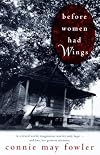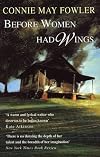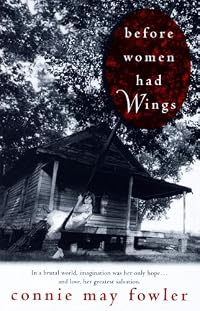
Before Women Had Wings
by Connie May Fowler
On This Page
Description
A nine-year-old girl's harrowing account of abuse at the hands of her parents. Her name is Avocet Jackson, but her mother called her Bird, naming both her children after birds, "her logic being that if we were named for something with wings then maybe we'd be able to fly above the shit in our lives."Tags
Recommendations

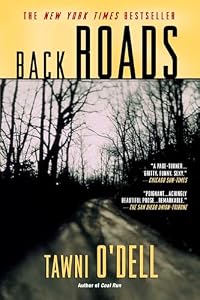
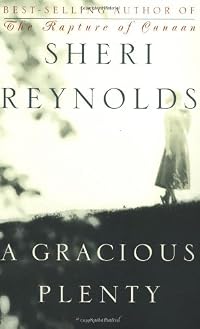

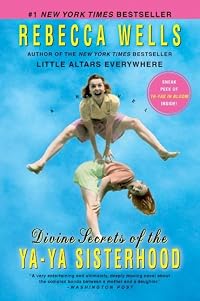
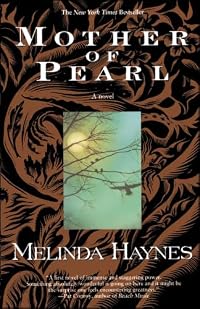
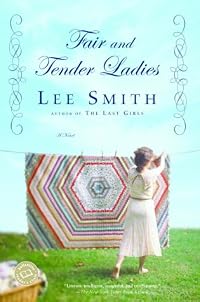
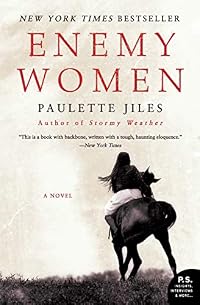
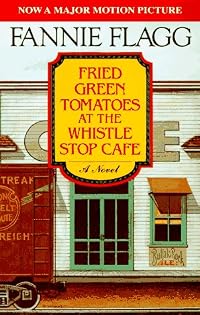

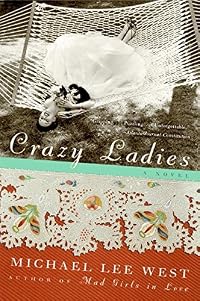
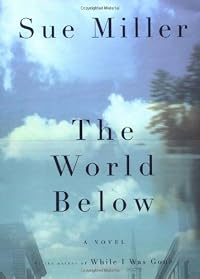


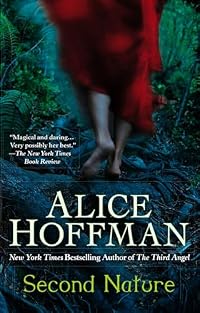
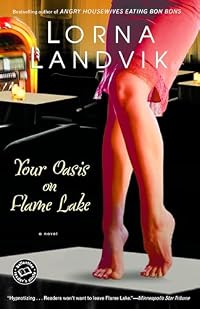
Member Recommendations
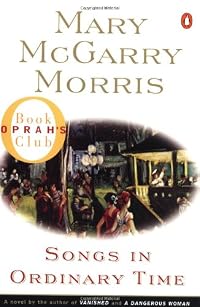
thelittlematchgirl both books are stories about daughters of difficult mothers.
Member Reviews
Domestic abuse runs in families, children often learning and later imitating the violent behavior of their parents when they have families of their own. How can this cycle be broken? Connie May Fowler explores this question in her striking 1996 novel “Before Women Had Wings.”
Set in Florida in the 1960s, during the Johnson administration, the story is told by Bird, a little girl whose actual name is Avocet. Her mother wanted to name her daughters after birds, and her older sister got Phoebe. Avocet, being so unusual, was soon replaced with the nickname Bird. And bird imagery flies in and out of the novel, including its title.
In Bird's family, her father often beats her mother after both have spent a night drinking, and then her show more mother beats her two daughters. These beatings are often brutal and graphic, such as a coffee mug struck hard into Phoebe's face and Bird being whipped with a belt, the buckle end striking her bare back repeatedly. Their mother confesses that her father beat her as a child.
Following Bird's father's death — was it suicide or murder? — their mother takes the girls to Tampa and moves into an old motel. She works in the office to pay for their cramped quarters, while buying food and alcohol with government checks. Every night Bird's mother resumes her drinking, while her two daughters walk on eggshells.
Miss Zora, an old and mysterious black woman, also lives on the property. Bird's mother dislikes her and tries to get the motel owner to evict her, but Bird forms a deep relationship with this woman who, despite her apparent wisdom, has lost contact with her own daughter. White authors often have difficulty creating authentic black characters, choosing to bestow on them moral perfection and often mystical powers. They can have similar difficulties with Indian characters in western novels. Fowler comes close to this, but in the end she makes Miss Zora a realistic, imperfect and vulnerable human being.
Bird and Phoebe dream of flying away from their abusive home, yet they love their mother deeply, just as their mother loves them when her anger is under control. Fowler finds a way to make love provide the answer to this terrible situation. show less
Set in Florida in the 1960s, during the Johnson administration, the story is told by Bird, a little girl whose actual name is Avocet. Her mother wanted to name her daughters after birds, and her older sister got Phoebe. Avocet, being so unusual, was soon replaced with the nickname Bird. And bird imagery flies in and out of the novel, including its title.
In Bird's family, her father often beats her mother after both have spent a night drinking, and then her show more mother beats her two daughters. These beatings are often brutal and graphic, such as a coffee mug struck hard into Phoebe's face and Bird being whipped with a belt, the buckle end striking her bare back repeatedly. Their mother confesses that her father beat her as a child.
Following Bird's father's death — was it suicide or murder? — their mother takes the girls to Tampa and moves into an old motel. She works in the office to pay for their cramped quarters, while buying food and alcohol with government checks. Every night Bird's mother resumes her drinking, while her two daughters walk on eggshells.
Miss Zora, an old and mysterious black woman, also lives on the property. Bird's mother dislikes her and tries to get the motel owner to evict her, but Bird forms a deep relationship with this woman who, despite her apparent wisdom, has lost contact with her own daughter. White authors often have difficulty creating authentic black characters, choosing to bestow on them moral perfection and often mystical powers. They can have similar difficulties with Indian characters in western novels. Fowler comes close to this, but in the end she makes Miss Zora a realistic, imperfect and vulnerable human being.
Bird and Phoebe dream of flying away from their abusive home, yet they love their mother deeply, just as their mother loves them when her anger is under control. Fowler finds a way to make love provide the answer to this terrible situation. show less
Contains spoilers.
First, I must mention this book’s subject is harsh. Even those experienced with books that has violence towards children including “The Kite Runner”, the violence is graphically brutal and too probable. Be warned.
The story is in two segments. Set in the South in 1967, Billy Jackson (father) and Glory Marie (mother) along with their daughters, Phoebe and Bird (real name Avocet) are barely scrapping by running a small rented store, living with furniture that they don’t own. Billy is a drunk with lost hopes of becoming a country music singer. The household reeks of expectations unmet, alcoholism, anger, and the worst – violence towards Glory Marie, Phoebe and Bird, excess to the nth degree. The first half ends show more when Billy kills himself over his failures in life. In the second half, Glory Marie and the girls re-settle in Tampa, living in a trailer. The mom kicks up her alcoholism, tormenting the girls verbally, emotionally, and physically. The persons who make life bearable are the owner and family of the cottage/trailer motel, a semi-permanent cottage guest named Miss Zora, and the girl’s half-brother Hank.
I had extreme feelings throughout the majority of the book. I wanted to punch the father for his cruelty, alcoholism, whoring, cowardice, and violence towards all his family members. I wanted to slap the mom awake and have her recognize her own values; she was the one running the store while the father drank and whored. She has not needed him for years. Instead, she became him, drinking more and escalating the beatings even worse and was simply evil in one scene. I pitied Phoebe the most, who took more beatings from both parents than Bird. When she was old enough, she stayed away as often as she can, self-preservation as a survival tool. The narrative, Bird’s, alluded to Phoebe being weak in doing so; that’s bull. Bird is 9 years old; her immaturity and brattiness is clear, a source of Phoebe’s beatings. Even so, she too suffered and found her saviors in Miss Zora and a chance meeting with a biker who shared a violent past in the hands of his parents. Her strength was perseverance.
The book employed several symbolisms to depict the plight of the mom and children. In one scene, vultures swooped down taking away (and presumably eating) a momma cat and her babies. A life sucks moment if you will. Another is tied to the book title. Both daughters are named after birds, Phoebe and Avocet. Miss Zora taught Bird the dangers of pesticides on creatures including birds, weakening the egg shell making them vulnerable to be eaten. Bird thought of themselves – “like those baby birds born in a web of DDT: doomed from the start, some other creature’s lunch before we even had our wings.”
My favorite character is the biker, Big Al, who taught Bird the damage of verbal abuse, making the child think he/she deserves the beatings. No one does. It was a powerful and necessary turning point for Bird. Interestingly, Big Al also taught Bird beauty via Walt Whitman, “Till rising and gliding out I wander’d off by myself, / In the mystical moist night-air, and from time to time, / Look’d up in perfect silence at the stars.”
The subject is rough; the book has some good moments, difficult to ‘process or absorb’, and even harder to “like”.
One quote:
On the downtrodden:
“…Dumb-assed crackers who drink till dawn in a sorry attempt to forget about all the things they will never have, never become. But there’s no forgetting when you’re white trash - smirks, stares, stolen glances remind you at every turn that you’re not worth squat. So the men, raging drunk, bullshit each other into believing that bruised fist and broken noses will act as charms, paving their way to heaven. And we females – girls and women alike – can’t find enough strength in our battered souls to escape, so we birth our boys into legendary scoundrels, characters made better in the crosshairs of half-truths. Yes, smiles break out all around as we cast daddies, brothers, husbands into near-respectable village idiots in the stories we spin over bowls of homegrown, freshly snapped peas, clotheslines draped with bleach-scented, bloodstained damp sheets, sinks filled with suds and supper-crusted dishes. And after all that, we still aren’t decent. We’re still trapped.” show less
First, I must mention this book’s subject is harsh. Even those experienced with books that has violence towards children including “The Kite Runner”, the violence is graphically brutal and too probable. Be warned.
The story is in two segments. Set in the South in 1967, Billy Jackson (father) and Glory Marie (mother) along with their daughters, Phoebe and Bird (real name Avocet) are barely scrapping by running a small rented store, living with furniture that they don’t own. Billy is a drunk with lost hopes of becoming a country music singer. The household reeks of expectations unmet, alcoholism, anger, and the worst – violence towards Glory Marie, Phoebe and Bird, excess to the nth degree. The first half ends show more when Billy kills himself over his failures in life. In the second half, Glory Marie and the girls re-settle in Tampa, living in a trailer. The mom kicks up her alcoholism, tormenting the girls verbally, emotionally, and physically. The persons who make life bearable are the owner and family of the cottage/trailer motel, a semi-permanent cottage guest named Miss Zora, and the girl’s half-brother Hank.
I had extreme feelings throughout the majority of the book. I wanted to punch the father for his cruelty, alcoholism, whoring, cowardice, and violence towards all his family members. I wanted to slap the mom awake and have her recognize her own values; she was the one running the store while the father drank and whored. She has not needed him for years. Instead, she became him, drinking more and escalating the beatings even worse and was simply evil in one scene. I pitied Phoebe the most, who took more beatings from both parents than Bird. When she was old enough, she stayed away as often as she can, self-preservation as a survival tool. The narrative, Bird’s, alluded to Phoebe being weak in doing so; that’s bull. Bird is 9 years old; her immaturity and brattiness is clear, a source of Phoebe’s beatings. Even so, she too suffered and found her saviors in Miss Zora and a chance meeting with a biker who shared a violent past in the hands of his parents. Her strength was perseverance.
The book employed several symbolisms to depict the plight of the mom and children. In one scene, vultures swooped down taking away (and presumably eating) a momma cat and her babies. A life sucks moment if you will. Another is tied to the book title. Both daughters are named after birds, Phoebe and Avocet. Miss Zora taught Bird the dangers of pesticides on creatures including birds, weakening the egg shell making them vulnerable to be eaten. Bird thought of themselves – “like those baby birds born in a web of DDT: doomed from the start, some other creature’s lunch before we even had our wings.”
My favorite character is the biker, Big Al, who taught Bird the damage of verbal abuse, making the child think he/she deserves the beatings. No one does. It was a powerful and necessary turning point for Bird. Interestingly, Big Al also taught Bird beauty via Walt Whitman, “Till rising and gliding out I wander’d off by myself, / In the mystical moist night-air, and from time to time, / Look’d up in perfect silence at the stars.”
The subject is rough; the book has some good moments, difficult to ‘process or absorb’, and even harder to “like”.
One quote:
On the downtrodden:
“…Dumb-assed crackers who drink till dawn in a sorry attempt to forget about all the things they will never have, never become. But there’s no forgetting when you’re white trash - smirks, stares, stolen glances remind you at every turn that you’re not worth squat. So the men, raging drunk, bullshit each other into believing that bruised fist and broken noses will act as charms, paving their way to heaven. And we females – girls and women alike – can’t find enough strength in our battered souls to escape, so we birth our boys into legendary scoundrels, characters made better in the crosshairs of half-truths. Yes, smiles break out all around as we cast daddies, brothers, husbands into near-respectable village idiots in the stories we spin over bowls of homegrown, freshly snapped peas, clotheslines draped with bleach-scented, bloodstained damp sheets, sinks filled with suds and supper-crusted dishes. And after all that, we still aren’t decent. We’re still trapped.” show less
Well written, but incredibly sad. Thank heaven for Miss Zora, even if she is the proverbial wise, loving, Black woman, to help the fractured white girl learn to overcome her dysfunctional family and horrible mother....
It is painful to read because of the subject matter, but there are some bits of excellent description. It is a somewhat autobiographical work. The ending is somewhat abrupt. This writer shows promise.
Bird is the youngest child of Billy and Glory Jackson - two alcoholic, abusive parents. She daydreams she is Jesus' girlfriend and tries to make sense of her world - why she is "so bad" and gets beaten so often.
When her father commits suicide her mother moves the family to Tampa, where she "does her best" but sinks into an alcoholic depression and strikes out at her children. Bird, however, befriends Miss Zora, an elderly black woman some say is a witch. But Zora's main "spell" is her love and calmness - she gives Bird a sense of confidence show more and ultimately Glory agrees to send Bird and Phoebe with Miss Zora. show less
Bird is the youngest child of Billy and Glory Jackson - two alcoholic, abusive parents. She daydreams she is Jesus' girlfriend and tries to make sense of her world - why she is "so bad" and gets beaten so often.
This was a powerful, moving book. As a bird-lover myself, I always got a kick out of the name Avocet. Not an uplifting read, perhaps, but worthwhile, about a young girl growing up in the south amidst abuse and religious fundamentalism.
This book sure made me appreciate the kind of life I have and the comfort that comes from the people in my life.
Despite some horrible scenes in the story, and despite the sometimes horrific plotline, I came away from this book with a good feeling because of the role that was played by several of the supporting characters in the story.
Despite some horrible scenes in the story, and despite the sometimes horrific plotline, I came away from this book with a good feeling because of the role that was played by several of the supporting characters in the story.
Although, I found this to be an easy read. I wasn't that "into it". I thought the ending was terrible and rushed. The author could have done so much with this ending and didn't.
Members
- Recently Added By
Author Information
9+ Works 1,738 Members
Awards and Honors
Awards
Common Knowledge
- Original publication date
- 1996-05-07
- Important places
- USA; Florida, USA
- Related movies
- Before Women Had Wings (1997 | IMDb)
- Epigraph
- We will have the wings of eagles when the fallen angels fly. - Billy Joe Shaver
- Dedication
- For Faith
- First words
- Back in 1965, on a day so hot that God Almighty should have been writhing with sick-to-the-stomach guilt over driving His children out of the cool green of Eden, my daddy walked into our general store, held a revolver to his ... (show all)head, told my mama that he couldn't take any more and that because of her harsh ways and his many sins he was going to blow his brains out.
- Last words
- (Click to show. Warning: May contain spoilers.)And we flew.
- Blurbers
- Atkinson, Kate
Classifications
Statistics
- Members
- 766
- Popularity
- 36,421
- Reviews
- 15
- Rating
- (3.93)
- Languages
- Dutch, English, German
- Media
- Paper, Audiobook
- ISBNs
- 10
- UPCs
- 1
- ASINs
- 7