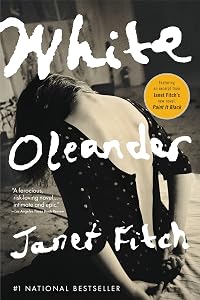
White Oleander
by Janet Fitch
On This Page
Description
The unforgettable story of a young woman's odyssey through a series of Los Angeles foster homes on her journey to redemption.Astrid is the only child of a single mother, Ingrid, a brilliant, obsessed poet who wields her luminous beauty to intimidate and manipulate men. Astrid worships her mother and cherishes their private world full of ritual and mystery - but their idyll is shattered when Astrid's mother falls apart over a lover. Deranged by rejection, Ingrid murders the man, and is show more sentenced to life in prison. White Oleander is the unforgettable story of Astrid's journey through a series of foster homes and her efforts to find a place for herself in impossible circumstances. Each home is its own universe, with a new set of laws and lessons to be learned. With determination and humor, Astrid confronts the challenges of loneliness and poverty, and strives to learn who a motherless child in an indifferent world can become. Oprah Winfrey enjoyed this gripping first novel so much that she not only made it her book club pick, she asked if she could narrate the audio release. show less
Tags
Recommendations
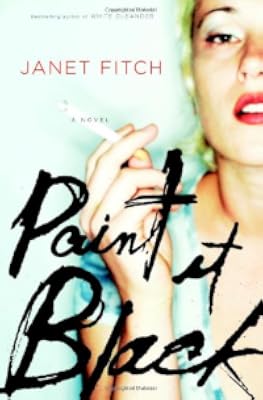
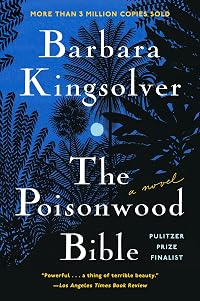
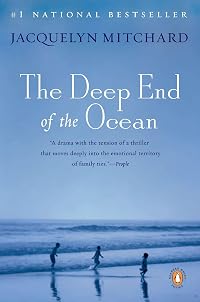
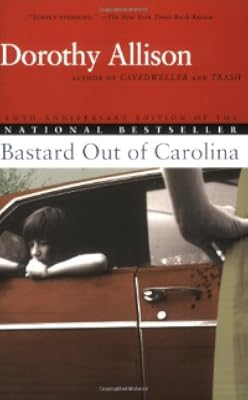
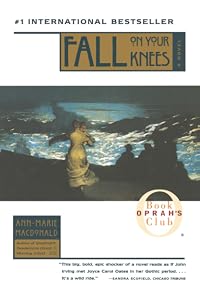
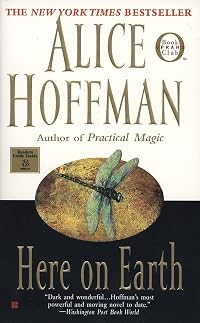
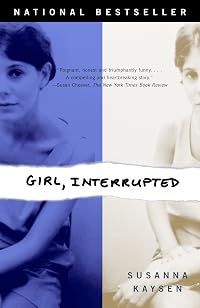
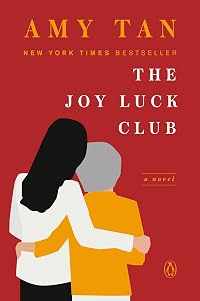

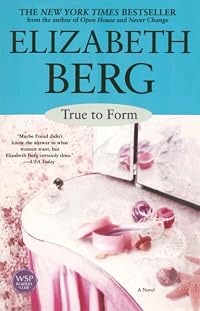
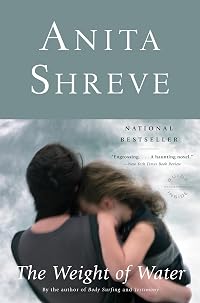
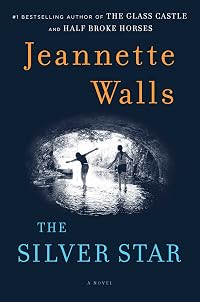
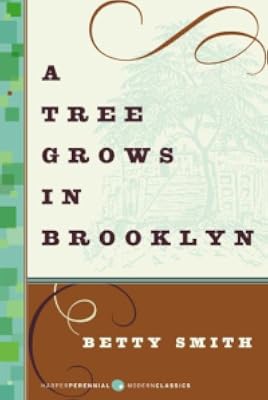
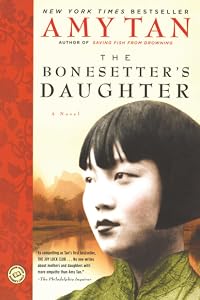

Member Recommendations
thelittlematchgirl both books are stories about daughters of difficult mothers.

Member Reviews
“How many children had this happened to? How many children were like me, floating like plankton in the wide ocean? I thought how tenuous the links were between mother and children, between friends, family, things you think are eternal. Everything could be lost, more easily than anyone could imagine.”
Twelve-year-old Astrid Magnussen spends six years of her life in and out of foster homes (six foster homes and a state-funded home for those “returned”) after her selfish, manipulative mother, Ingrid, a free-spirited poet, is sent to jail for killing her lover.
Astrid’s feelings for her mother are conflicted. While her memories often take her back to happier times spent with her mother, Astrid cannot help but blame her mother for show more her present state and all the pain she has had to endure. In intermittent letters and the few visits with her mother in prison, Astrid recognizes her mother’s inability and unwillingness to comprehend the impact her actions have had on Astrid, to the extent that her cellmate wrote to Astrid telling her to only share happier moments in her letters as reading about Astrid’s difficulties makes her mother sad. Ingrid initially does not come across as repentant while sharing her accomplishments as a poet with her daughter, her poems being published and circulated while in jail, “a jail-house Plath“, also gaining a strong and sympathetic following in the outside world. Her response to her daughter’s hardships is for the most part devoid of compassion or concern and her biting wisdom borders on cruel , especially considering that she is writing her own child who has had her life and dreams taken away from her for no fault of her own.
“Loneliness is the human condition. Cultivate it. The way it tunnels into you allows your soul room to grow. Never expect to outgrow loneliness. Never hope to find people who will understand you, someone to fill that space. An intelligent, sensitive person is the exception, the very great exception. If you expect to find people who will understand you, you will grow murderous with disappointment. The best you'll ever do is to understand yourself, know what it is that you want, and not let the cattle stand in your way.”
“You are too nostalgic, you want memory to secure you, console you. The past is a bore. What matters is only oneself and what one creates from what one has learned. Imagination uses what it needs and discards the rest—where you want to erect a museum. Don’t hoard the past, Astrid. Don’t cherish anything. Burn it. The artist is the phoenix who burns to emerge.”
Over the next six years, Astrid’s life is a kaleidoscope of loneliness, rejection, negligence, jealousy, violence and inappropriate sexual relationships tempered with a few moments of kindness and kinship– moments, relationships, and hopes that never seem to stick, only adding to her misery and her sense of abandonment and loss.
“How easy I was. Like a limpet I attached to anything, anyone who showed me the least attention. I promised myself that when she returned, I would stay away, I would learn to be alone, it was better than the disappointment when you found it out anyway. Loneliness was the human condition, I had to get used to it.”
As the narrative progresses, Astrid grows and learns from her experiences. In the process of understanding and interpreting the world around her she channels her energy and emotions into her own creative pursuits. Though she learns to harden her heart, she does not completely lose herself, as we see in how she interacts with fellow foster students and how in her own way, though not quite in the manner she had hoped, she tries to find her place in the world. In her journey of self-discovery she also comes to terms with how she truly feels about her mother.
“I hated my mother but I craved her.”
Janet Fitch’s White Oleander paints a heart-wrenching picture of a dysfunctional mother-daughter relationship. The white oleander flower, while of particular significance as a plot point in the beginning of the novel, is also symbolically woven into the narrative as it manifests-both in its beauty and its toxicity- in the human relationships so vividly described in this story. Written in 1999, this is the kind of novel that stands the test of time. Dark and depressing (some content might be disturbing for readers) but so beautifully written that it holds you in its thrall- the kind of story that stays with you. This is so much more than a coming-of-age story. With its brilliantly poetic and powerful writing, fluid narrative and memorable characters Janet Fitch’s "White Oleander" is a modern masterpiece. I hadn’t watched the movie because I wanted to read the book first. I might pass on the movie but will definitely revisit this book in the future.
“Nobody took me away, Mother. My hand never slipped from your grasp. That wasn’t how it went down. I was more like a car you’d parked while drunk, then couldn’t remember where you’d left it. You looked away for seventeen years and when you looked back, I was a woman you didn’t recognize. So now I was supposed to feel pity for you and those other women who’d lost their own children during a holdup, a murder, a fiesta of greed? Save your poet’s sympathy and find some better believer. Just because a poet said something didn’t mean it was true, only that it sounded good. Someday I’d read it all in a poem for the New Yorker.” show less
Twelve-year-old Astrid Magnussen spends six years of her life in and out of foster homes (six foster homes and a state-funded home for those “returned”) after her selfish, manipulative mother, Ingrid, a free-spirited poet, is sent to jail for killing her lover.
Astrid’s feelings for her mother are conflicted. While her memories often take her back to happier times spent with her mother, Astrid cannot help but blame her mother for show more her present state and all the pain she has had to endure. In intermittent letters and the few visits with her mother in prison, Astrid recognizes her mother’s inability and unwillingness to comprehend the impact her actions have had on Astrid, to the extent that her cellmate wrote to Astrid telling her to only share happier moments in her letters as reading about Astrid’s difficulties makes her mother sad. Ingrid initially does not come across as repentant while sharing her accomplishments as a poet with her daughter, her poems being published and circulated while in jail, “a jail-house Plath“, also gaining a strong and sympathetic following in the outside world. Her response to her daughter’s hardships is for the most part devoid of compassion or concern and her biting wisdom borders on cruel , especially considering that she is writing her own child who has had her life and dreams taken away from her for no fault of her own.
“Loneliness is the human condition. Cultivate it. The way it tunnels into you allows your soul room to grow. Never expect to outgrow loneliness. Never hope to find people who will understand you, someone to fill that space. An intelligent, sensitive person is the exception, the very great exception. If you expect to find people who will understand you, you will grow murderous with disappointment. The best you'll ever do is to understand yourself, know what it is that you want, and not let the cattle stand in your way.”
“You are too nostalgic, you want memory to secure you, console you. The past is a bore. What matters is only oneself and what one creates from what one has learned. Imagination uses what it needs and discards the rest—where you want to erect a museum. Don’t hoard the past, Astrid. Don’t cherish anything. Burn it. The artist is the phoenix who burns to emerge.”
Over the next six years, Astrid’s life is a kaleidoscope of loneliness, rejection, negligence, jealousy, violence and inappropriate sexual relationships tempered with a few moments of kindness and kinship– moments, relationships, and hopes that never seem to stick, only adding to her misery and her sense of abandonment and loss.
“How easy I was. Like a limpet I attached to anything, anyone who showed me the least attention. I promised myself that when she returned, I would stay away, I would learn to be alone, it was better than the disappointment when you found it out anyway. Loneliness was the human condition, I had to get used to it.”
As the narrative progresses, Astrid grows and learns from her experiences. In the process of understanding and interpreting the world around her she channels her energy and emotions into her own creative pursuits. Though she learns to harden her heart, she does not completely lose herself, as we see in how she interacts with fellow foster students and how in her own way, though not quite in the manner she had hoped, she tries to find her place in the world. In her journey of self-discovery she also comes to terms with how she truly feels about her mother.
“I hated my mother but I craved her.”
Janet Fitch’s White Oleander paints a heart-wrenching picture of a dysfunctional mother-daughter relationship. The white oleander flower, while of particular significance as a plot point in the beginning of the novel, is also symbolically woven into the narrative as it manifests-both in its beauty and its toxicity- in the human relationships so vividly described in this story. Written in 1999, this is the kind of novel that stands the test of time. Dark and depressing (some content might be disturbing for readers) but so beautifully written that it holds you in its thrall- the kind of story that stays with you. This is so much more than a coming-of-age story. With its brilliantly poetic and powerful writing, fluid narrative and memorable characters Janet Fitch’s "White Oleander" is a modern masterpiece. I hadn’t watched the movie because I wanted to read the book first. I might pass on the movie but will definitely revisit this book in the future.
“Nobody took me away, Mother. My hand never slipped from your grasp. That wasn’t how it went down. I was more like a car you’d parked while drunk, then couldn’t remember where you’d left it. You looked away for seventeen years and when you looked back, I was a woman you didn’t recognize. So now I was supposed to feel pity for you and those other women who’d lost their own children during a holdup, a murder, a fiesta of greed? Save your poet’s sympathy and find some better believer. Just because a poet said something didn’t mean it was true, only that it sounded good. Someday I’d read it all in a poem for the New Yorker.” show less
It took me forever to sit down and write this review. I never wait this long after finishing a book to post some sort of review. I’ve just given up and realized it’s impossible for me to do justice to the book. It’s a full 5 star rating from me, though not (yet?) on my favorites shelf, maybe because the ending seemed a bit truncated/rushed to me; I wanted to know a bit more.
This one wrecked me, it wiped me out, it was gut wrenching. I loved it. It’s my kind of book. Thanks to GR friend Caroline for periodically recommending that I read it. I’m glad that it’s finally off my too long to-read shelf and I’m glad I read it now, even though I had to temporarily put aside a few books I have commitments to read soon, some too soon show more to accomplish in time. It’s the second book I’ve read in 2017 that has helped me get out of my readers’ slump. I hope the next books I read are anywhere as close to engaging. It was a page-turner for me. The only parts I sometimes found dull were Ingrid’s letters to Astrid, but because of why I thought that was also smart writing.
The writing is gorgeous. I mostly appreciate the many complicated, realistic, interesting, and memorable characters, especially Astrid. Some of the circumstances seemed almost extreme (though still believable) but nothing about the characters rang false to me.
I loved reading how Astrid adapted to her many different circumstances. I think she’s a brilliantly drawn character. I worried needlessly that I wouldn’t be as interested in her as she ages, 12 to almost 18 and then beyond a bit to an unknown age but I think not much older, but it actually got harder and harder to put down the book the farther in I read. Each move turned into a whole other world. I rooted for and worried about Astrid all the way through.
The book is deeply melancholy. I found myself getting more and more depressed as Astrid goes through some of her placements. The main character has a highly unconventional upbringing even until age 12 and then experiences chaos and disruption from ages 12-18. Every placement I found interesting, only one would I consider more than barely tolerable. I was impressed and saddened by how she adapted to each place/group of people. I appreciated how she could often be so tender and generous with some of the other people she lived with in almost all her foster homes. Even for a foster child, some of the placements were notable for being unusual.
This is a great Los Angeles story. I have a San Francisco shelf and a NYC shelf. If I had a Los Angeles shelf, this book would go on it. I loved taking a tour through L.A. and the surrounding areas, including the rural areas.
At the end of my edition there is an interview with the author (with a link to the full interview which I’ve yet to read) and a list of discussion questions.
This would be a great book club book because there is a lot to think about and discuss.
Highly recommended for readers who like beautifully crafted novels, those interested in foster children, those who enjoy atypical coming of age stories, readers who like reading about dysfunctional families and family relationships, those who appreciate how art can be healing, and people who are familiar with L.A. and southern California.
Two of the quotes that I loved:
“The pearls weren't really white, they were a warm oyster beige, with little knots in between so if they broke, you only lost one. I wished my life could be like that, knotted up so that even if something broke, the whole thing wouldn't come apart.”
“How vast was a human being's capacity for suffering. The only thing you could do was stand in awe of it. It wasn't a question of survival at all. It was the fullness of it, how much could you hold, how much could you care.” show less
This one wrecked me, it wiped me out, it was gut wrenching. I loved it. It’s my kind of book. Thanks to GR friend Caroline for periodically recommending that I read it. I’m glad that it’s finally off my too long to-read shelf and I’m glad I read it now, even though I had to temporarily put aside a few books I have commitments to read soon, some too soon show more to accomplish in time. It’s the second book I’ve read in 2017 that has helped me get out of my readers’ slump. I hope the next books I read are anywhere as close to engaging. It was a page-turner for me. The only parts I sometimes found dull were Ingrid’s letters to Astrid, but because of why I thought that was also smart writing.
The writing is gorgeous. I mostly appreciate the many complicated, realistic, interesting, and memorable characters, especially Astrid. Some of the circumstances seemed almost extreme (though still believable) but nothing about the characters rang false to me.
I loved reading how Astrid adapted to her many different circumstances. I think she’s a brilliantly drawn character. I worried needlessly that I wouldn’t be as interested in her as she ages, 12 to almost 18 and then beyond a bit to an unknown age but I think not much older, but it actually got harder and harder to put down the book the farther in I read. Each move turned into a whole other world. I rooted for and worried about Astrid all the way through.
The book is deeply melancholy. I found myself getting more and more depressed as Astrid goes through some of her placements. The main character has a highly unconventional upbringing even until age 12 and then experiences chaos and disruption from ages 12-18. Every placement I found interesting, only one would I consider more than barely tolerable. I was impressed and saddened by how she adapted to each place/group of people. I appreciated how she could often be so tender and generous with some of the other people she lived with in almost all her foster homes. Even for a foster child, some of the placements were notable for being unusual.
This is a great Los Angeles story. I have a San Francisco shelf and a NYC shelf. If I had a Los Angeles shelf, this book would go on it. I loved taking a tour through L.A. and the surrounding areas, including the rural areas.
At the end of my edition there is an interview with the author (with a link to the full interview which I’ve yet to read) and a list of discussion questions.
This would be a great book club book because there is a lot to think about and discuss.
Highly recommended for readers who like beautifully crafted novels, those interested in foster children, those who enjoy atypical coming of age stories, readers who like reading about dysfunctional families and family relationships, those who appreciate how art can be healing, and people who are familiar with L.A. and southern California.
Two of the quotes that I loved:
“The pearls weren't really white, they were a warm oyster beige, with little knots in between so if they broke, you only lost one. I wished my life could be like that, knotted up so that even if something broke, the whole thing wouldn't come apart.”
“How vast was a human being's capacity for suffering. The only thing you could do was stand in awe of it. It wasn't a question of survival at all. It was the fullness of it, how much could you hold, how much could you care.” show less
Astrid Magnussen is the daughter of Ingrid Magnussen, a poet of some talent and great beauty. But from the beginning of the novel, you are left to wonder whether Ingrid is merely a bit quirky and flighty or there are deeper underlying issues. Ingrid is a free spirit, and she seems to love Astrid. We see their relationship in both the present as well as Astrid recalling places they have traveled and lived, largely in relation to Ingrid's relationship with the men in her life.
The Astrid that we, as readers, meet at the beginning of the novel is a young pre-teen who absolutely adores her mother, and sees little wrong with her mother's behavior. Yet there is an underlying tension to the relationship, a relationship that we will come to show more see as both toxic and tragic as the book progresses. Ingrid is rather free with the men in her life, largely using them for the pleasures they can bring her. She initially parades a series of younger, nubile, and beautiful men through her life; men who compliment the great beauty she is portrayed as. But, Ingrid Magnussen is really cold, aloof, and possessive; she falls for a man that she initially claims she would never be with; he is dull and not beautiful. And then when he rejects here, she falls apart over, and Astrid, who watches her mother spiral downward with her obsession over the rejection, is caught up in her mother's behavior as her mother slides over the edge and poisons her lover with oleander.
White Oleander follows Astrid's journey through a series of foster homes, some of which represent the worst things we often hear about the foster system. As a character, Astrid begins as a pale shadow of her mother, which is reflected in their similar features--white blonde hair, nordic jaw and noses. As she moves through a series of foster homes, she is scarred both emotionally/mentally and physically, yet she grows stronger in character through each tragedy. In addition to the tragedies in each foster home, the poisonous words of her mother weave through her life in letters that her other sends from prison. The letters reflect the manic swings of her mother's personality and her behavior toward not only Astrid but anyone that she does not approve of Astrid associating with. Eventually, however, as Astrid grows stronger, we see her step out of her mother's shadow.
White Oleander is a complex coming of age story that looks at some of the darkest corners of the foster care system; it's also an interesting character study of a teenage girl trying to come to terms with the tragic figure of her mother and her relationship with her mother all while trying to determine who she, herself, really is. Fitch's writing is beautiful in many places throughout the novel; her rendering of Ingrid's letters to Astrid show's an interesting and complex mastery of voice as she moves from narrating from Astrid's point of view to writing as Ingrid, a woman who is possessive, obsessed, and manic. Fitch's writing will make you uncomfortable through her development of Astrid's relationship with her foster parents', particularly the abusive and inappropriate relationships in a couple of the foster homes; however, this discomfort is central to the story.
In the end, White Oleander seems to leave the reader disquieted because it's a haunting coming of age story that stays with you. show less
The Astrid that we, as readers, meet at the beginning of the novel is a young pre-teen who absolutely adores her mother, and sees little wrong with her mother's behavior. Yet there is an underlying tension to the relationship, a relationship that we will come to show more see as both toxic and tragic as the book progresses. Ingrid is rather free with the men in her life, largely using them for the pleasures they can bring her. She initially parades a series of younger, nubile, and beautiful men through her life; men who compliment the great beauty she is portrayed as. But, Ingrid Magnussen is really cold, aloof, and possessive; she falls for a man that she initially claims she would never be with; he is dull and not beautiful. And then when he rejects here, she falls apart over, and Astrid, who watches her mother spiral downward with her obsession over the rejection, is caught up in her mother's behavior as her mother slides over the edge and poisons her lover with oleander.
White Oleander follows Astrid's journey through a series of foster homes, some of which represent the worst things we often hear about the foster system. As a character, Astrid begins as a pale shadow of her mother, which is reflected in their similar features--white blonde hair, nordic jaw and noses. As she moves through a series of foster homes, she is scarred both emotionally/mentally and physically, yet she grows stronger in character through each tragedy. In addition to the tragedies in each foster home, the poisonous words of her mother weave through her life in letters that her other sends from prison. The letters reflect the manic swings of her mother's personality and her behavior toward not only Astrid but anyone that she does not approve of Astrid associating with. Eventually, however, as Astrid grows stronger, we see her step out of her mother's shadow.
White Oleander is a complex coming of age story that looks at some of the darkest corners of the foster care system; it's also an interesting character study of a teenage girl trying to come to terms with the tragic figure of her mother and her relationship with her mother all while trying to determine who she, herself, really is. Fitch's writing is beautiful in many places throughout the novel; her rendering of Ingrid's letters to Astrid show's an interesting and complex mastery of voice as she moves from narrating from Astrid's point of view to writing as Ingrid, a woman who is possessive, obsessed, and manic. Fitch's writing will make you uncomfortable through her development of Astrid's relationship with her foster parents', particularly the abusive and inappropriate relationships in a couple of the foster homes; however, this discomfort is central to the story.
In the end, White Oleander seems to leave the reader disquieted because it's a haunting coming of age story that stays with you. show less
My aunt bought me this book for Christmas one year and at first I was really disappointed. I thought "Oh, that's nice... because I like to read you just got me the Oprah book club book of the month... thanks." But then I read it, and I'm now convinced that my aunt knows me better than maybe many of my close friends or better than I know myself. Not to be all cheesy and over-identify with something that isn't about me; but this book REALLY hit home for me in describing my relationship with my mother. This story is emotionally harrowing and beautifully told. The climax is gut-wrenching though subtle, and honestly made me cry. The movie didn't come close to doing any of this justice. This is one of those books that even if you had great show more parents, you can probably identify with, just because of how excellently the characters and story are rendered, and it's hard to believe that this author didn't live through anything like this herself. She makes a special point of noting in the preface (or back cover or something) that her and her mother get along great and are very close; to me that just makes this book more amazing because, well, damn. That's some powerful and realistic fiction. show less
There is something magical about this story. At the same time, it has cruel reality written all over.
I grew fond of some characters, especially Astrid and Claire. The personalities of the characters in the book were a bit eccentric, yet very believable. The author is a great storyteller, attentive to details of time, space, emotions and personal traits. Thus, it all made sense. Whether I liked some incident or not, it made sense, it was believable. This was a witty narration in many ways, it stripped bare the human spirit, and the relationship of mother-daughter, that struggle, and that entitlement that both felt. It is thought-provoking.
The book is quite quotable, lots of great quotes in it.
It's a whole world of Astrid woven into show more these pages, and I just loved it, especially towards the end.
A beautiful tragic story. show less
I grew fond of some characters, especially Astrid and Claire. The personalities of the characters in the book were a bit eccentric, yet very believable. The author is a great storyteller, attentive to details of time, space, emotions and personal traits. Thus, it all made sense. Whether I liked some incident or not, it made sense, it was believable. This was a witty narration in many ways, it stripped bare the human spirit, and the relationship of mother-daughter, that struggle, and that entitlement that both felt. It is thought-provoking.
The book is quite quotable, lots of great quotes in it.
It's a whole world of Astrid woven into show more these pages, and I just loved it, especially towards the end.
A beautiful tragic story. show less
I would love to be able to say that I found Ingrid an unbelievable character. Unfortunately, I know someone just like her. Someone so self involved that she would destroy her own child without a thought and has. This novel is thought provoking and heart breaking. The whole book I just kept hoping that Astrid would stand up to her mother, and when she does, I don't think that she goes far enough...
Overall a good read, but for some it might strike too close to home.
Overall a good read, but for some it might strike too close to home.
"This was how girls left. They packed up their suitcases and walked away in high heels."
"It reminded me that there were snakes that stunned their prey with their breath."
"Crickets stroke their legs like pool players lining up shots."
Many years ago, I first watched White Oleander and decided that I would someday be a foster parent. The movie had such an impact on me and has stayed with me through the years.
How poetic and perfect it is that now is when I chose to read this book. My wife and I are currently learning more information about potentially adopting or fostering a child. This book is exactly what I needed at this time.
Astrid is 14 years old when her mother, a poet, is sent to prison for murder. Astrid is sent to her own prison show more - foster care. In the years that follow, Astrid bounces from one foster house to the next, thanks to a combination of bad decisions and even worse luck. The things she goes through are unimaginable and heartbreaking.
The writing in this novel is so unexpectedly lovely that it is what really drives it forward. The dark and tragic events that take place are a stark contrast to the quiet, lyrical writing style utilized by Fitch. The imagery and descriptions are so magical that they will punch you right in the gut. I'm the type of reader that is very plot-driven. Typically, novels like this with long, flowery descriptions tend to bore me and I find myself skipping over whole paragraphs. Not here. I was hanging onto every letter.
I absolutely loved this work. This isn't the kind of book that you will love so much that you want to scream it from the mountains and throw it at everyone you know until they start reading it. It's the kind of soft, quiet heartbreak that you want to hide under your pillow and cherish. show less
"It reminded me that there were snakes that stunned their prey with their breath."
"Crickets stroke their legs like pool players lining up shots."
Many years ago, I first watched White Oleander and decided that I would someday be a foster parent. The movie had such an impact on me and has stayed with me through the years.
How poetic and perfect it is that now is when I chose to read this book. My wife and I are currently learning more information about potentially adopting or fostering a child. This book is exactly what I needed at this time.
Astrid is 14 years old when her mother, a poet, is sent to prison for murder. Astrid is sent to her own prison show more - foster care. In the years that follow, Astrid bounces from one foster house to the next, thanks to a combination of bad decisions and even worse luck. The things she goes through are unimaginable and heartbreaking.
The writing in this novel is so unexpectedly lovely that it is what really drives it forward. The dark and tragic events that take place are a stark contrast to the quiet, lyrical writing style utilized by Fitch. The imagery and descriptions are so magical that they will punch you right in the gut. I'm the type of reader that is very plot-driven. Typically, novels like this with long, flowery descriptions tend to bore me and I find myself skipping over whole paragraphs. Not here. I was hanging onto every letter.
I absolutely loved this work. This isn't the kind of book that you will love so much that you want to scream it from the mountains and throw it at everyone you know until they start reading it. It's the kind of soft, quiet heartbreak that you want to hide under your pillow and cherish. show less
Members
- Recently Added By
Lists

Oprah's Book Club (original and 2.0)
91 works; 21 members

Read the book and saw the movie
1,170 works; 193 members

Female Protagonist
1,056 works; 57 members
Female Author
1,234 works; 67 members

Top Five Books of 2020
982 works; 350 members

1990s
309 works; 17 members

The American Experience
173 works; 18 members

Dysfunctional Families
133 works; 7 members

Page Turners
185 works; 11 members

Books Read in 2022
5,168 works; 114 members

Blue Pyramid 1,276 Best Books of All Time
1,248 works; 32 members

Mothers and Daughters
114 works; 11 members

Books with Colourful Titles
171 works; 8 members

Books Read in 2007
326 works; 8 members

Main Character is aged 10-19
362 works; 6 members

Novels featuring Mothers
64 works; 8 members
American Lit for Eng 11 Research Project
368 works; 6 members

Books Read in 2002
197 works; 8 members

Books About Girls
219 works; 17 members

Florida
366 works; 3 members

Books to Buy
1 work; 1 member

Gen X Library
245 works; 4 members

Books We Want To Read Again For The First Time
384 works; 160 members

el
1,139 works; 1 member
Author Information

7+ Works 14,222 Members
Awards and Honors
Distinctions
Work Relationships
Is abridged in
Has as a student's study guide
Common Knowledge
- Canonical title
- White Oleander
- Original title
- White Oleander
- Original publication date
- 1999; 2000-05-01
- People/Characters
- Ingrid Magnussen; Astrid Magnussen; Barry Kolker; Starr; Ray; Ed Turlock (show all 15); Marvel Turlock; Olivia Johnstone; Amelia Ramos; Claire Richards; Ron Richards; Paul Trout; Rena Grushenka; Niki; Yvonne
- Important places
- Hollywood, Los Angeles, California, USA; Venice Beach, Venice, Los Angeles, California, USA; Los Angeles, California, USA
- Related movies
- White Oleander (2002 | IMDb)
- Dedication
- To the man from Council Bluffs
- First words
- The Santa Anas blew in hot from the desert, shriveling the last of the spring grass into whiskers of pale straw.
- Last words
- (Click to show. Warning: May contain spoilers.)No matter where I went, my compass pointed west. I would always know what time it was in California.
- Blurbers
- Butler, Robert Olen; Berg, Elizabeth
- Original language
- English
Classifications
Statistics
- Members
- 12,352
- Popularity
- 687
- Reviews
- 177
- Rating
- (3.89)
- Languages
- 19 — Chinese, Danish, Dutch, English, Finnish, French, German, Greek, Italian, Lithuanian, Norwegian (Bokmål), Polish, Portuguese, Romanian, Serbian, Slovenian, Spanish, Swedish, Turkish
- Media
- Paper, Audiobook, Ebook
- ISBNs
- 76
- UPCs
- 4
- ASINs
- 31