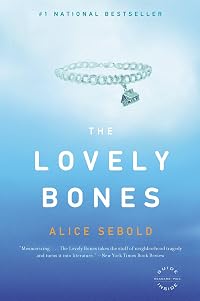
The Lovely Bones
by Alice Sebold
On This Page
Description
"My name was Salmon, like the fish; first name, Susie. I was fourteen when I was murdered on December 6, 1973." So begins the story of Susie Salmon, who is adjusting to her new home in heaven, a place that is not at all what she expected, even as she is watching life on earth continue without her -- her friends trading rumors about her disappearance, her killer trying to cover his tracks, her grief-stricken family unraveling. Out of unspeakable tragedy and loss, The Lovely Bones succeeds, show more miraculously, in building a tale filled with hope, humor, suspense, even joy. show lessTags
Recommendations
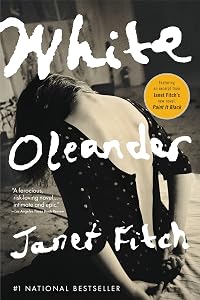
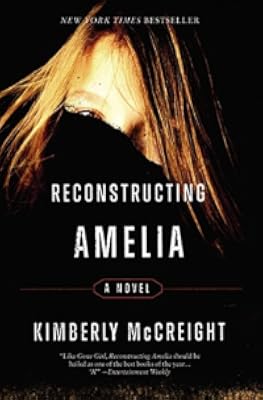
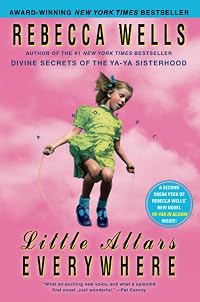
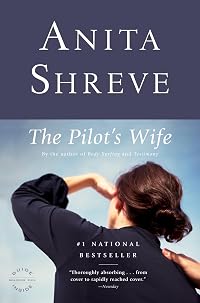
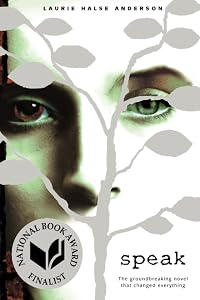
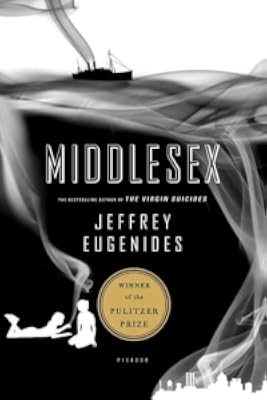
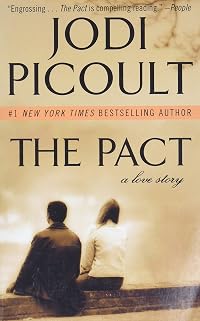

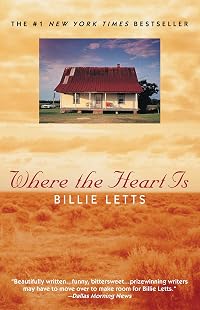
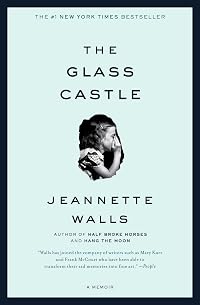
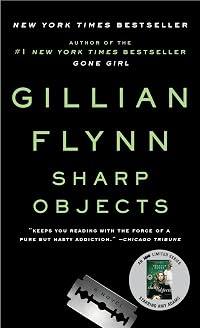
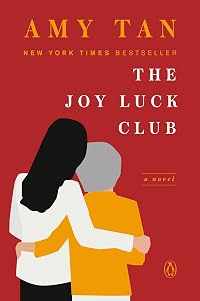
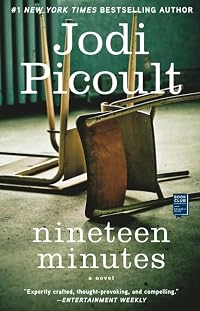
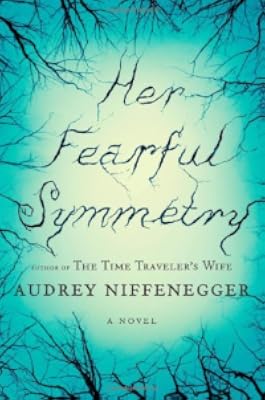
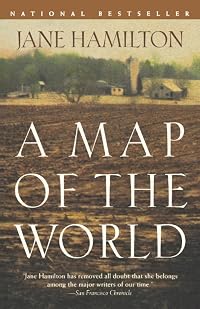
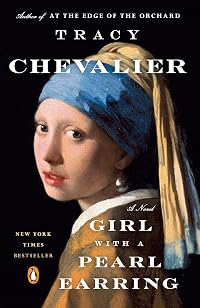
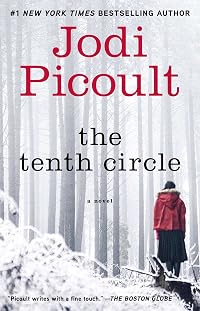

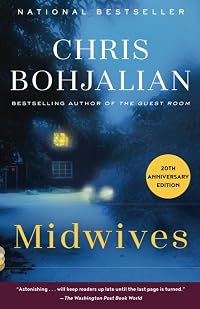
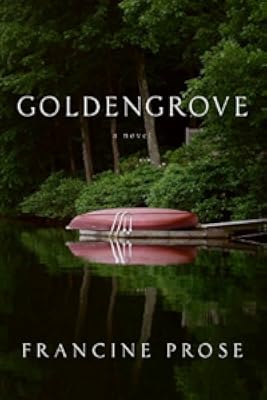
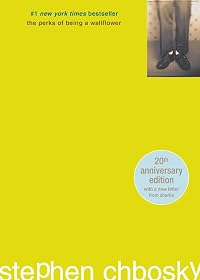
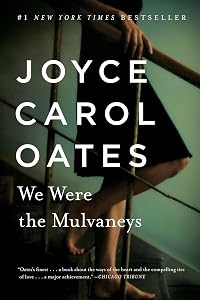
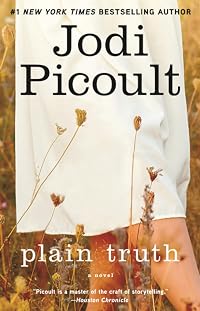
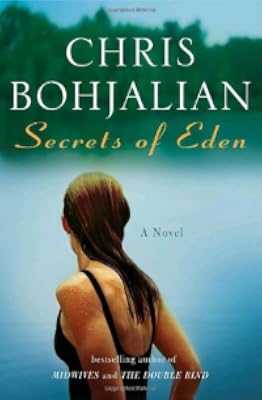
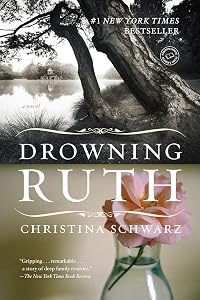
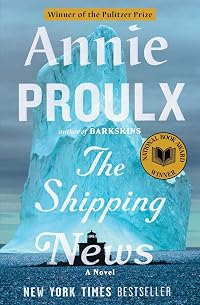
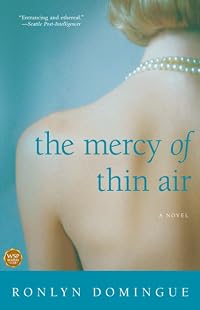
Member Recommendations
KayCliff Both books display the effects on a family of the murder of a child.
20
Bookmarque Not as sentimental as this. A very good coming of age novel.
11
BookshelfMonstrosity Despite differences in plot -- a teenager's post-murder afterlife in The Lovely Bones, and civilization's slow, steady collapse in the aftermath of disaster in The Age of Miracles -- the thoughtful young heroines of these melancholy, haunting stories are similar to one another.
11
lucyknows The Lovely Bones by Alice Sebold may be paired withUnstolen by Wendy Jean. Both novels deal with death and crime and how it affects the families left behind
TheFlamingoReads A melancholy story of how people deal with the death of a child.
01


by kaledrina
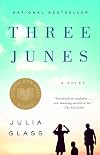
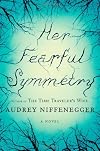
sarah-e Though not as emotionally charged, this deals with independence and death and ghosts.
35
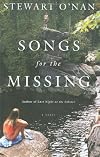


KayCliff The narrators of both books describe the events following their own murder.
13
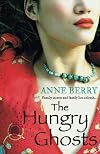
Shade by Neil Jordan
by ShelfMonkey
Litrvixen Both are about ghosts observing the investigations into their own deaths.
Member Reviews
I had heard of this book years ago when I was much younger, too young to read it. I remember somebody in my life, my mother or brother or somebody older than me, telling me I was too young to read it. It stayed with me for years until I finally got a copy from a clearance box somebody left out on their front garden.
I loved every thing this book did.
It portrays grief in such a unique way, something I'd never seen done before. Without revealing too much, it truly goes into the nitty-gritty of what dealing with loss and how to grow from it happens for different people, how people move on from the death of their loved one and the conflicting feelings that come with it. I loved the framing device of the dead girl from heaven watching her show more family and friends go through life after her death. I also really resonated with Ruth, who didn't know Susie very well but still is deeply affected by her death. This part struck me specifically because I have experienced the loss of an acquaintance that really affected me; even though we weren't close, I still think about him often and think about his untimely death.
I feel like this book truly does explore all avenues of grief in a really interesting way. The only part of it I didn't really like was the supernatural element towards the end involving Ray, but other people have written at length about why that part was problematic. I just thought it was highly unnecessary. show less
I loved every thing this book did.
It portrays grief in such a unique way, something I'd never seen done before. Without revealing too much, it truly goes into the nitty-gritty of what dealing with loss and how to grow from it happens for different people, how people move on from the death of their loved one and the conflicting feelings that come with it. I loved the framing device of the dead girl from heaven watching her show more family and friends go through life after her death. I also really resonated with Ruth, who didn't know Susie very well but still is deeply affected by her death. This part struck me specifically because I have experienced the loss of an acquaintance that really affected me; even though we weren't close, I still think about him often and think about his untimely death.
I feel like this book truly does explore all avenues of grief in a really interesting way. The only part of it I didn't really like was the supernatural element towards the end involving Ray, but other people have written at length about why that part was problematic. I just thought it was highly unnecessary. show less
It's a funny thing--generally, I stay away from books that are said to be about grief or grieving, as I've simply had enough of it in my own life that I'd rather not escape to a book and find it there. Going into this book, then, I was skeptical of enjoying it or even staying interested. The brief inside-cover reviews I read didn't raise my expectations in their comments, even when one mentioned that you may well end up reading the book in one sitting (as a heavy reader, I can profess to having read more than one 300+ page book in one sitting, but I laughed at the comment being here). Simply, though, I was wrong.
From the very beginning of this story, I was absolutely engrossed. Yes, the beginning is hard to take, but the style of the show more novel and the very believability of the characters and voices make it fast and engrossing, only adding to the suspense of the plot. The freshness of this story, and the breadth of its ambition, made it well worth the read. In the end, I loved it, and if you're remotely curious, I strongly recommend it. I can't imagine how they turned it into a movie (since I haven't seen it, I can't see whether the movie sticks to the book's narrative or not), but I have no doubt that the book is itself worth the time. Absolutely recommended.
Start it, force your way through the beginning, and then keep going---it's a wonderful journey and time well spent. show less
From the very beginning of this story, I was absolutely engrossed. Yes, the beginning is hard to take, but the style of the show more novel and the very believability of the characters and voices make it fast and engrossing, only adding to the suspense of the plot. The freshness of this story, and the breadth of its ambition, made it well worth the read. In the end, I loved it, and if you're remotely curious, I strongly recommend it. I can't imagine how they turned it into a movie (since I haven't seen it, I can't see whether the movie sticks to the book's narrative or not), but I have no doubt that the book is itself worth the time. Absolutely recommended.
Start it, force your way through the beginning, and then keep going---it's a wonderful journey and time well spent. show less
How do you describe in words a violation done against you that rips your soul from your body? How do you put yourself back together after your heart, body, and spirit have been ravaged? The answer – you don’t. Susie Salmon is caught in between heaven and earth, and from there she shares with us her story. A story of how she was raped, murdered, and never to be found again. But more than just a story of brutal violence, The Lovely Bones is a story about letting go, of grief, of loss, and ultimately of the people we leave behind.
The first chapter into the book, I knew this wasn’t like any other story I have read. My stomach churned as the author describes how and where Susie is abducted and eventually murdered. She holds nothing show more back in the description and imagery so that you as the reader are left reeling in horror at the inhumanity and sheer evil that emanates from one single person. If the central focus of the story is to put a face on what evil looks like, I would have been left feeling hollow and scarred. But Alice Sebold goes on to weave a story from Susie’s perspective about love and how that love keeps us anchored to earth. She paints a story about how a family is left to deal with the pieces and memories of a daughter who was torn away, and in the end understanding that however final death may feel, a part of her will always be found their everyday moments.
I spent the first half of the book wandering and hoping that this guy, this monster would be found, caught and locked up until the end of his days, but by the end of the book, it was no longer about him, but about Susie and her relationship and love for the family she left behind. The journey of brokenness and healing in the end was front stage rather than the fate of the perpetrator. I will probably never read The Lovely Bones again, not for the lack of it being a good book, but rather the first time around is enough to haunt me forever. show less
The first chapter into the book, I knew this wasn’t like any other story I have read. My stomach churned as the author describes how and where Susie is abducted and eventually murdered. She holds nothing show more back in the description and imagery so that you as the reader are left reeling in horror at the inhumanity and sheer evil that emanates from one single person. If the central focus of the story is to put a face on what evil looks like, I would have been left feeling hollow and scarred. But Alice Sebold goes on to weave a story from Susie’s perspective about love and how that love keeps us anchored to earth. She paints a story about how a family is left to deal with the pieces and memories of a daughter who was torn away, and in the end understanding that however final death may feel, a part of her will always be found their everyday moments.
I spent the first half of the book wandering and hoping that this guy, this monster would be found, caught and locked up until the end of his days, but by the end of the book, it was no longer about him, but about Susie and her relationship and love for the family she left behind. The journey of brokenness and healing in the end was front stage rather than the fate of the perpetrator. I will probably never read The Lovely Bones again, not for the lack of it being a good book, but rather the first time around is enough to haunt me forever. show less
The Lovely Bones was a lot more than I expected it to be. The characters in this book are impressively fleshed out, and Susie's family members have all become real figures to me -- their mourning and changing interpersonal relationships were touching, believable, and well developed in the novel. This book was both terrifying and gripping, keeping me guessing at every turn of the page and challenging me to ask myself how I felt about its criminal characters. Sebold truly considers each of her characters as an individual with rational decisions, leading her to explore empathy in the understanding of these people regardless of their actions. It is this compassion and drive for imagination that has fueled such an intelligently crafted book.
A friend dismissed this novel as "a pointless story, lazily told." I agree.
What makes the pointlessness of the novel so aggravating is the selection of subject matter: the rape and murder of a child, and its terrible aftermath. I'm not suggesting that such subject matter should be off-limits for fiction, but I am suggesting that if an artist wants to go there, it'd better be worth the trip. In short, she'd better have something damned important to say that justifies (and indeed requires) the fictional portrayal of such horrors. To treat this subject matter simply for the sake of thrills is wholly unconscionable.
When I'm feeling generous, I'm inclined to allow that Sebold wanted to say something important, something deep, about family, show more love, or connections between people, and that she chose her subject matter as appropriate for the expression of those ideas. But even granting this, I'm calling her out for lacking the necessary skill to carry out the artistic task--and for not recognizing her lack of skill and maturity as an artist. Perhaps she should have attempted this book later in her career. At this point, the hollowness of the book lends a sick sort of leering quality to her treatment of a child rape/murder.
Even putting aside this major flaw, there are other problems with the writing that keep the novel from succeeding.
For a book that has so much to do with blood and love, it ends up feeling strangely bloodless. Too much craft and not enough caring or passion. One wonders why the author felt compelled to tell this story.
While the workmanlike prose is effective in evoking simple emotions, in the end the novel feels strangely devoid of feeling. With the exception of brief and infrequent flights into the ecstatic or lyrically poetic (often lasting no more than a sentence or two), nothing in the language of the novel is remarkable, and nothing in its style sets it apart. In some ways it feels like an exercise in the craft of writing, lacking conviction.
To be fair, this could be the result of the author's attempt to stay true to the central conceit of the novel: the story is told through the eyes of a murdered child observing her family on earth from what she calls "heaven," a perspective that (in this telling) includes a certain emotional distancing from the world of the living that increases over time. This device does allow for an unusual and intriguing mixture of first-person and third-person omniscient narratives, which is one of the book's more interesting features. Unfortunately, it also limits the author's diction to that of an average 14-year-old American girl. More problematically, as mentioned above, the vision of life after death here gives us a narrator who is increasingly emotionally detached from the events she relates. If the murdered girl doesn't care all that much about what happens, why should the reader?
Perhaps the author wanted to create an emotional distance in the narrator (and reader) to convey the distance, the letting-go, the sense of remove that is here associated with death. After all, we might say that death cures all passions. Yet this distancing effect seems to contradict of the novel's other central themes: that some passions can and do transcend death, or at least survive it. The problem is that, in this book, passion is reduced to something more akin to general interest or even mild curiosity--a far, far cry from the kind of intensity of feeling the reader is asked to believe might suffice to move heaven and earth, or the border between them.
Despite the promise of the story's somewhat different point of view, the writing fails to rise to the level demanded by its intense and tragic subject. If you're going to write about the damage done to a family when a child is murdered, or the ties that bind the dead to the living, you had better reach deeper into your soul than this book does--or at least offer up some insight or understanding that goes beyond a conventional tugging at heartstrings. show less
What makes the pointlessness of the novel so aggravating is the selection of subject matter: the rape and murder of a child, and its terrible aftermath. I'm not suggesting that such subject matter should be off-limits for fiction, but I am suggesting that if an artist wants to go there, it'd better be worth the trip. In short, she'd better have something damned important to say that justifies (and indeed requires) the fictional portrayal of such horrors. To treat this subject matter simply for the sake of thrills is wholly unconscionable.
When I'm feeling generous, I'm inclined to allow that Sebold wanted to say something important, something deep, about family, show more love, or connections between people, and that she chose her subject matter as appropriate for the expression of those ideas. But even granting this, I'm calling her out for lacking the necessary skill to carry out the artistic task--and for not recognizing her lack of skill and maturity as an artist. Perhaps she should have attempted this book later in her career. At this point, the hollowness of the book lends a sick sort of leering quality to her treatment of a child rape/murder.
Even putting aside this major flaw, there are other problems with the writing that keep the novel from succeeding.
For a book that has so much to do with blood and love, it ends up feeling strangely bloodless. Too much craft and not enough caring or passion. One wonders why the author felt compelled to tell this story.
While the workmanlike prose is effective in evoking simple emotions, in the end the novel feels strangely devoid of feeling. With the exception of brief and infrequent flights into the ecstatic or lyrically poetic (often lasting no more than a sentence or two), nothing in the language of the novel is remarkable, and nothing in its style sets it apart. In some ways it feels like an exercise in the craft of writing, lacking conviction.
To be fair, this could be the result of the author's attempt to stay true to the central conceit of the novel: the story is told through the eyes of a murdered child observing her family on earth from what she calls "heaven," a perspective that (in this telling) includes a certain emotional distancing from the world of the living that increases over time. This device does allow for an unusual and intriguing mixture of first-person and third-person omniscient narratives, which is one of the book's more interesting features. Unfortunately, it also limits the author's diction to that of an average 14-year-old American girl. More problematically, as mentioned above, the vision of life after death here gives us a narrator who is increasingly emotionally detached from the events she relates. If the murdered girl doesn't care all that much about what happens, why should the reader?
Perhaps the author wanted to create an emotional distance in the narrator (and reader) to convey the distance, the letting-go, the sense of remove that is here associated with death. After all, we might say that death cures all passions. Yet this distancing effect seems to contradict of the novel's other central themes: that some passions can and do transcend death, or at least survive it. The problem is that, in this book, passion is reduced to something more akin to general interest or even mild curiosity--a far, far cry from the kind of intensity of feeling the reader is asked to believe might suffice to move heaven and earth, or the border between them.
Despite the promise of the story's somewhat different point of view, the writing fails to rise to the level demanded by its intense and tragic subject. If you're going to write about the damage done to a family when a child is murdered, or the ties that bind the dead to the living, you had better reach deeper into your soul than this book does--or at least offer up some insight or understanding that goes beyond a conventional tugging at heartstrings. show less
This is the sort of book that takes you by the throat and hold you in a death grip like Darth Vader. I say this because there are times when I could not breathe while reading The Lovely Bones because I was either actively holding my breath, or choking on the different expressions of heartbreak. In truth, every emotion (think stages of grief) floats just under the icy surface of reality as a dead girl narrates "life" after murder. Susie Salmon was an ordinary girl who knew right from wrong; knew the man in the cornfield wasn't quite right, but yet curiosity got the better of her. Now, she is suspended in this alternate universe of "heaven" while watching her family, friends, and community cope with her murder. In her heaven, reality is a show more school-like atmosphere while she blandly looks down on the world she left behind. She is unmoved when her mother seeks a drastic remedy for grief, or when her would-be boyfriend almost finds her body.
What impressed me the most about The Lovely Bones was the end. Sebold did not feel pressured to give into a Hollywood ending. It might be a spoiler alert, but the ending is more realistic than what you would see in a movie. I'm alright with that. show less
What impressed me the most about The Lovely Bones was the end. Sebold did not feel pressured to give into a Hollywood ending. It might be a spoiler alert, but the ending is more realistic than what you would see in a movie. I'm alright with that. show less
OK this book started out interesting (mystery!), and then quickly became terrible. I might have been able to get over the heaven part, but there is just no way, I can get over the [SPOILERS] end where the way she makes peace is by possessing her friend's body to have sex with her boyfriend. WTF! I'm not sure what message this is trying to send ...? that we have to have sex before we die? that our life is only worth something if we've had sex with someone? that we must have sex with someone we like to grow up? I definitely am not a fan of any of those messages. And the using her friend's body to do it was kind of creepy and weird and I don't get why a book about rape would have that as an ending in a positive light?! This part completely show more surprised me and I nearly threw the book across the room in shock and horror. HOW did the author think this was a good way to end the book!? Why is this book even popular! show less
Members
- Recently Added By
Published Reviews
ThingScore 84
Sebold's compelling and sometimes poetic prose style and unsparing vision transform Susie's tragedy into an ultimately rewarding novel.
added by bell7
Although some sections tend toward melodrama... other passages are dreamy and lyrical. Most striking is Sebold's mastery of a teenager's voice, from such small details as Susie's Strawberry-Banana Kissing Potion to her completely believable thought processes.
added by Shortride
An extraordinary, almost-successful debut that treats sensational material with literary grace, narrated from heaven by the victim of a serial killer and pedophile.
added by bell7
Lists

Read the book and saw the movie
1,170 works; 195 members

Favourite Women's Prize for Fiction, Orange & Bailey's Prize contenders
132 works; 52 members

Banned Books Week 2014
268 works; 63 members

Magic Realism
371 works; 52 members

Female Protagonist
1,056 works; 57 members

PBS The Great American Read
100 works; 21 members

Recommend the 20 best books you've read in the last five years
2,168 works; 606 members

Slipstream or Interstitial Fiction
160 works; 19 members

Unread books
1,063 works; 87 members
Best Family Stories
241 works; 22 members

Banned or Challenged Books
400 works; 41 members

Books Featured on Gilmore Girls
307 works; 21 members

100 New Classics
101 works; 13 members

Scary ghost stories - no zombies, vampires or werewolves, please
53 works; 20 members
LibraryThingers' 1001 Books You Must Read Before You Die
442 works; 30 members
Female Author
1,234 works; 67 members

Blue Pyramid 1,276 Best Books of All Time
1,248 works; 32 members

Most Disturbing Books
124 works; 27 members

2000s (the decade, not the century)
184 works; 11 members

Tagged by Tim or Meh!
91 works; 9 members

BBC Big Read
100 works; 10 members

Adult Books for YA Readers
194 works; 6 members

Crime and Mysteries to Read
746 works; 31 members

BBC Radio 4 Bookclub
341 works; 13 members

Rory Gilmore Book Club
193 works; 5 members

Speculative Fiction: Slipstream Literature
166 works; 16 members

A Novel Cure
742 works; 23 members
Books About Murder
313 works; 7 members
Best Domestic Fiction
77 works; 6 members

2000s decade
85 works; 7 members

Carole's List
445 works; 13 members
SHOULD Read Books!
354 works; 9 members

rest, peace, fiction
16 works; 4 members

Unsolved Crime Books
18 works; 3 members

Books Read in 2008
335 works; 8 members

Books on my Kindle
162 works; 3 members
First Novels
373 works; 17 members
American Lit for Eng 11 Research Project
368 works; 6 members
The Complete Rory Gilmore Reading List
506 works; 5 members

Retrospective of 20th- and 21st-century literature
154 works; 1 member

Gen X Library
245 works; 4 members
'Books You Can't Live Without: The Top 100', The Guardian, 2007
156 works; 7 members

Books Read in 2018
4,360 works; 110 members
Ghost Stories That Thrill Us
256 works; 115 members

B-B to Get
131 works; 1 member

Swinging Seventies
255 works; 18 members
Contemporary Fiction
17 works; 2 members

Dead narrators
50 works; 4 members

Books Tagged Abuse
152 works; 4 members

Books Read in 2002
197 works; 8 members
Books With Body Parts in the Title
153 works; 9 members

Ten+ Books About the Afterlife
13 works; 2 members

Women Writers
16 works; 2 members
Bram Stoker Award
238 works; 5 members

Speculative Fiction to Read
706 works; 32 members

Books About Girls
219 works; 17 members

Biggest Disappointments
606 works; 168 members
Books tagged favorites
390 works; 30 members
Author Information

6+ Works 49,692 Members
Alice Sebold was born in Madison, Wisconsin on September 6, 1963. She attended college at Syracuse University. She was raped as a freshman. Her first book, Lucky, is a memoir which tells the story of that event in her life and its aftermath. Following graduation from Syracuse, she went to the University of Houston for her graduate degree and show more received an MFA from the University of California, Irvine. Her other books include The Lovely Bones and The Almost Moon. She won the American Booksellers Association Book of the Year Award for Adult Fiction in 2003 for The Lovely Bones and the Bram Stoker Award for First Novel in 2002. In 2009 a feature film was released of The Lovely Bones starring Mark Wahlberg and Rachel Weisz. (Bowker Author Biography) show less
Some Editions
Awards and Honors
Awards
Distinctions
Notable Lists
Whitcoulls Top 100 Books (11 – 2008)
Whitcoulls Top 100 Books (10 – 2010)
Pajiba's Best Books of the Generation (No 14 – 2007)
Series
Belongs to Publisher Series
Work Relationships
Is contained in
Has the adaptation
Has as a reference guide/companion
Has as a student's study guide
Common Knowledge
- Canonical title
- The Lovely Bones
- Original title
- The lovely bones
- Original publication date
- 2002-06-01
- People/Characters
- Ruth Connors; Len Fenerman; George Harvey; Brian Nelson; Buckley Salmon; Jack Salmon (show all 17); Lindsey Salmon; Clarissa; Hal Heckler; Samuel Heckler; Grandma Lynn; Abigail Salmon; Susie Salmon; Ray Singh; Ruana Singh; Holly; Franny
- Important places
- Norristown, Pennsylvania, USA; New Hampshire, USA; California, USA; Connecticut, USA; Heaven
- Related movies
- The Lovely Bones (2009 | IMDb | Peter Jackson)
- Dedication
- Always, Glen
- First words
- My name was Salmon, like the fish; first name, Susie.
Inside the snow globe on my father's desk, there was a penguin wearing a red-and-white-striped scarf. - Quotations
- These were the lovely bones that had grown around my absence: the connections—sometimes tenuous, sometimes made at great cost, but often magnificent—that happened after I was gone. And I began to see things in a way that ... (show all)let me hold the world without me in it. The events my death brought were primarily that the bones of a body that would become whole at some unpredictable time in the future. The price of what I came to see as this miraculous lifeless body had been my life.
- Last words
- (Click to show. Warning: May contain spoilers.)I wish you all a long and happy life.
- Blurbers
- Bouton, Katherine; Charles, Ron; Franzen, Jonathan; Grossman, Lev; Huntley, Kristine; Kakutani, Michiko (show all 20); Marshall, John; Nelson, Sara; Press, Joy; Putnam, Conan; Quindlen, Anna; Richardson, Elaina; Salij, Marta; Sandstrom, Karen; Valby, Karen; Wood, Monica; Woods, Paula L.; Chabon, Michael; Bloom, Amy; Bender, Aimee
- Original language
- English
Classifications
Statistics
- Members
- 38,638
- Popularity
- 79
- Reviews
- 974
- Rating
- (3.70)
- Languages
- 22 — Catalan, Chinese, Czech, Danish, Dutch, English, Estonian, Finnish, French, German, Hungarian, Icelandic, Italian, Japanese, Lithuanian, Norwegian (Nynorsk), Norwegian (Bokmål), Polish, Russian, Spanish, Swedish, Portuguese (Portugal)
- Media
- Paper, Audiobook, Ebook
- ISBNs
- 152
- UPCs
- 2
- ASINs
- 62