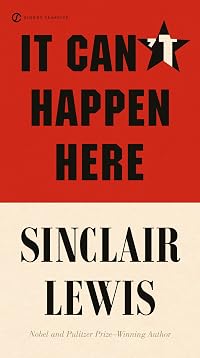
It Can't Happen Here
by Sinclair Lewis
On This Page
Description
First published in 1935, when Americans were still largely oblivious to the rise of Hitler in Europe, this prescient novel tells a cautionary tale about the fragility of democracy and offers an alarming, eerily timeless look at how fascism could take hold in America. Doremus Jessup, a newspaper editor, is dismayed to find that many of the people he knows support presidential candidate Berzelius Windrip. The suspiciously fascist Windrip is offering to save the nation from sex, crime, welfare show more cheats, and a liberal press. But after Windrip wins the election, dissent soon becomes dangerous for Jessup. Windrip forcibly gains control of Congress and the Supreme Court and, with the aid of his personal paramilitary storm troopers, turns the United States into a totalitarian state. show lessTags
Recommendations








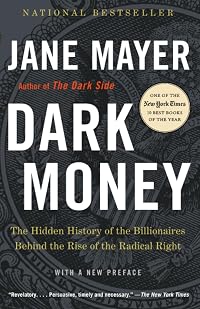



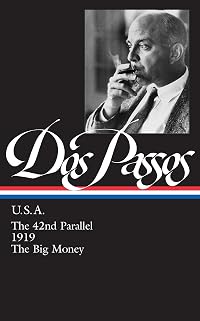
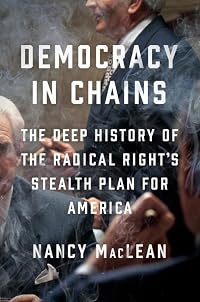





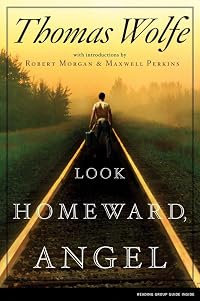









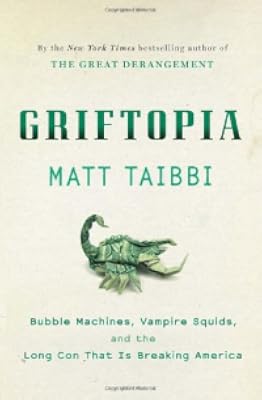

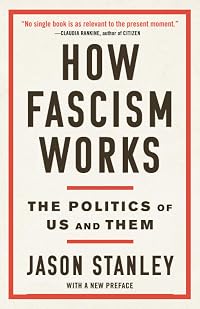
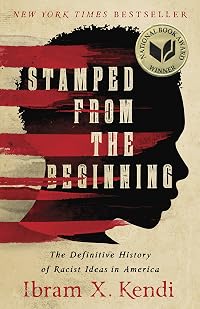

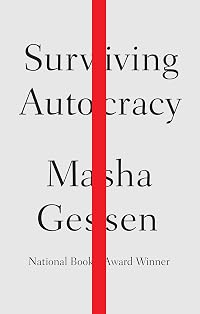
Member Recommendations

Lammers Though it reads like Alternative History today, the book shows very nicely what people in the 1920s and 1930s could happen in the very near future.

Lammers A unique literary and historical view of the fears and uncertainties surrounding the 1936 Presidential election.

by susanbooks
Member Reviews
"But can't we talk of pleasanter subjects? "
No we can't.
This was one of the most unpleasant books that I've ever read. Yet I was both addicted to it and had to force myself to stick with it. That's because this book predicted with astounding crystal clarity the year 2025. It was written in 1935. Thankfully, I'm done with the novel, but none of us are done with manifest reality.
During the first part of the book, I was startled on every page by some exact fictional parallel with the horrid non-fiction American reality of today. I can't tell you how many times I thought that surely the writers of Project 2025, the string-pullers of the "Chief" used this novel as a User's Guide of step-by-step for converting America into totalitarianism. show more It was too remarkably easy—in the novel and what we are seeing happening now.
The second part of the book was less compelling, but also necessary, putting the whole repugnant vision of a brutal dictatorship on American soil, in case our imaginations can't quite go that far.
How incredibly prescient is this novel? To illustrate, I'll leave blank the fictional character's name to recap just a few of the fictional incidents. Ask yourself what name you could fill in that blank in America today:
And like our own 2024 election, Windrip clearly wins the election. He convinced followers who have no mental acuity to identify a mumbo jumbo con, followers who have axes to grind, and followers of the wannabe powerful or wannabe rich(er) who think they know the game and believe they are wily enough to come out on top.
That amount of followers makes up a large part of the population.
Once he wins, he immediately busies himself on the fascistic and anti-democratic promises, but is much less interested in his economic promises (the rich, of course, get richer). Regular people with modestly good intentions become filled with fear and quickly and hopefully painlessly acquiesce against a system that in a very short time overwhelms their middling resources. Others who were always more flexible in their morals mold to the changes quickly and prosper.
The new unstated national motto (in the novel, and in the present) has clearly become "government of the profits, by the profits, for the profits."
No opposition is tolerated. Many politicians, judges, journalists, and even religious leaders are forcefully silenced or jailed in one of the many new internment camps. Long standing national allies are sidelined, Canada at first gladly accept American refugees, then, like the fate of all refugees, finds them to be an irritant and drain on their empathy. Later, Mexico is attacked when it hosts the resistance.
This America has become a vicious dog-eat-dog world with millions of ordinary lives literally at risk for a single misstep. Habeas Corpus be damned. And, like we see now, it is a tsunami of chaos, regression, aggression, lawlessness, violence, ever shifting alliances, splintering factions, fear, fear, and more fear. Resistance grows but also must become more dangerous.
No one, no matter how powerful, how rich, or how well connected in this kind of destructive world is safe from an overthrow.
Not even the President.
As was |Buzz Windrip|. show less
No we can't.
This was one of the most unpleasant books that I've ever read. Yet I was both addicted to it and had to force myself to stick with it. That's because this book predicted with astounding crystal clarity the year 2025. It was written in 1935. Thankfully, I'm done with the novel, but none of us are done with manifest reality.
During the first part of the book, I was startled on every page by some exact fictional parallel with the horrid non-fiction American reality of today. I can't tell you how many times I thought that surely the writers of Project 2025, the string-pullers of the "Chief" used this novel as a User's Guide of step-by-step for converting America into totalitarianism. show more It was too remarkably easy—in the novel and what we are seeing happening now.
The second part of the book was less compelling, but also necessary, putting the whole repugnant vision of a brutal dictatorship on American soil, in case our imaginations can't quite go that far.
How incredibly prescient is this novel? To illustrate, I'll leave blank the fictional character's name to recap just a few of the fictional incidents. Ask yourself what name you could fill in that blank in America today:
|_____| wrote a popular autobiography full of self-aggrandizements.The fictional character who became an American dictator was Buzz Windrip, but this easily could be filled in with a current U.S. President's name.
|_____| held rallies that espoused no real policies, filled with aggrievements that targeted the simple-minded voter, a voter who wanted a government grift for themselves, would blame the Jew and the Rich, and for enacting laws that would enforce a clear class system where they are on top.
|_____| spoke like an "every man" but had close, villainous brains behind him, pushing him forward with plots and manipulation.
|_____| admired the dictatorships in Italy, Germany, Hungary, Poland, Japan, and China, and while admiring, also touted that he would, of course, get the upper hand on them.
|_____| first targeted Jews, the Blacks, and Immigrants. Then the lazy, the godless, the perverted, university professors, the elite, crooked judges, crooked attorneys, crooked adversaries. Considered that women should be treated with special deference as mothers and homemakers.
|_____| wouldn't tout the old wounded soldiers, instead attract the strong, easily radicalized young men in droves.
|_____| enacted his plan to empower the Presidency to the level of despotic monarchy, and disempower the other two branches, "...that Congress shall serve only in an advisory capacity, calling to the attention of the President and his aides and Cabinet any needed legislation, but not acting upon same until authorized by the President so to act; and (c), that the Supreme Court shall immediately have removed from its jurisdiction the power to negate, by ruling them to be unconstitutional or by any other judicial action, any or all acts of the President, his duly appointed aides, or Congress."
|_____|spoke of being Against Intolerance--but it was double-speak, he promised vehemently no tolerance for those Americans that he considered destroyers of America.
|_____|'s intolerance and plans grew and grew more clear once elected president. It required allegiance to one person's vision and of course required the usual mass sacrifices for the greater good as defined by the president, while he suffers none of the rules or deprivations himself.
And like our own 2024 election, Windrip clearly wins the election. He convinced followers who have no mental acuity to identify a mumbo jumbo con, followers who have axes to grind, and followers of the wannabe powerful or wannabe rich(er) who think they know the game and believe they are wily enough to come out on top.
That amount of followers makes up a large part of the population.
Once he wins, he immediately busies himself on the fascistic and anti-democratic promises, but is much less interested in his economic promises (the rich, of course, get richer). Regular people with modestly good intentions become filled with fear and quickly and hopefully painlessly acquiesce against a system that in a very short time overwhelms their middling resources. Others who were always more flexible in their morals mold to the changes quickly and prosper.
The new unstated national motto (in the novel, and in the present) has clearly become "government of the profits, by the profits, for the profits."
No opposition is tolerated. Many politicians, judges, journalists, and even religious leaders are forcefully silenced or jailed in one of the many new internment camps. Long standing national allies are sidelined, Canada at first gladly accept American refugees, then, like the fate of all refugees, finds them to be an irritant and drain on their empathy. Later, Mexico is attacked when it hosts the resistance.
This America has become a vicious dog-eat-dog world with millions of ordinary lives literally at risk for a single misstep. Habeas Corpus be damned. And, like we see now, it is a tsunami of chaos, regression, aggression, lawlessness, violence, ever shifting alliances, splintering factions, fear, fear, and more fear. Resistance grows but also must become more dangerous.
No one, no matter how powerful, how rich, or how well connected in this kind of destructive world is safe from an overthrow.
Not even the President.
As was |Buzz Windrip|. show less
Before November 2016, this book would have read like an alarmist dystopian fantasy. Instead, this book shows us what would happen if the Trump administration was allowed to do everything they want to do. It is a reminder of what can happen when democratic norms erode.
Berzelius Windrip is Donald Trump if he was minimally competent. The fact that Trump is such a bumbling dope is all that separates us from the reality in this book. The Windrip platform points listed in one of the early chapters sound a lot like the policy proposals I read on Trump's campaign website before the election.
The ending of the book gives some grudging hope that if Trump goes too far, somebody will act to stop him.
This book is important, but also depressing show more given current events.
Recommended. show less
Berzelius Windrip is Donald Trump if he was minimally competent. The fact that Trump is such a bumbling dope is all that separates us from the reality in this book. The Windrip platform points listed in one of the early chapters sound a lot like the policy proposals I read on Trump's campaign website before the election.
The ending of the book gives some grudging hope that if Trump goes too far, somebody will act to stop him.
This book is important, but also depressing show more given current events.
Recommended. show less
"It Can't Happen Here" by Sinclair Lewis is a dystopian novel from 1935. In light of current events, it is unfortunately also a prediction of what happens when voters are conned into believing stereotypes and bluster from sources repeating myths, playing on their ignorance with solutions that seem workable. These solutions, in fact, endanger all that we hold dear. In Sinclair's novel, the people who realize the dangers in the "easy" solutions offered by the would-be dictator soon find themselves enemies of the state. Our protagonist and his allies become criminals, at first without any changes in their actions. of course, unjustified persecution leads them to actively pursue opposition to the fascist government. The rest is what keeps show more you reading, hoping for a restoration of sanity. But, as you read many, out comes to mind. Keep reading! This boy is a hell of a writer. This review was written for LibraryThing Early Readers. show less
Normally, I would agree that a book review should pertain solely to the quality of the book regardless of outside social and cultural conditions impacting readers, even more so if such conditions occurred ninety years after the book was first published. Nevertheless, the unprecedented 2024 electoral events in the United States, events that saw the country abruptly swing toward the Nationalism and Fascism that characterize the presidential administration that came to power, make it virtually impossible to review Lewis' book independently of those events. In essence, when it was published, It Can't Happen Here was a cautionary yet fictional warning of the fragility of U.S. representative democracy. Ninety years on, the book is no longer show more cautionary but is now seen as a prophetic warning or perhaps even more accurately as a roman à clef, a genre in which real people and actual events are overlaid with a fictional facade. This is truly a situation in which current conditions have changed how we interpret a book written nearly a century earlier.
In the 1930s, this book may have caused Sinclair Lewis to be described as a pessimist and doomsayer. In the mid 2020s, it may well cause us to call him prescient and clairvoyant.
Lewis shows himself to be a master of irony, satire, mockery and derision. Early on in a dialogue over the malleability of American public opinion, the character of Doremus Jessup recalls “our war hysteria, when we called sauerkraut 'Liberty cabbage' and when someone actually proposed calling German measles 'Liberty measles'.” Those references immediately brought to mind the 2003 renaming of french-fried potatoes as “Freedom fries” and of french toast as “Freedom toast” when some North Carolinians and, indeed, the U.S. House of Representatives took umbrage with France for not supporting the U.S. invasion of Iraq. At that point, on page 17, I realized that It Can't Happen Here was going to be addressing contemporary American foolishness.
I very nearly spit out my coffee when, a few pages later, I encountered reference to a growing popular belief that, once Buzz Windrip won the presidential election, everybody in the country would receive $5,000 apiece (in 1935, remember). What made this especially noteworthy is that a friend in a certain part of the U.S. had recounted to me a comment made to her by a member of a certain demographic group that, as soon as the 2024 GOP presidential candidate was elected, everybody was going to receive—you guessed it—five thousand dollars.
Lewis' candidate, Buzz Windrip, isn't going to stop at distributing $5,000 to everyone though, No, he's in favor of the United States “so preparing its own coffee, sugar, perfumes, tweeds, and nickel instead of importing them, that it could defy the World . . . and maybe, if that World was so impertinent as to defy America in turn . . . he might have to take it over and run it properly.” A bit reminiscent, I thought, of a real president who tries to control imports through tariffs and who insanely talks of making additional states out of sovereign countries.
But we haven't seen anything yet. During his campaign, Windrip issues “The Fifteen Points of Victory for the Forgotten Men” [or should we just call it “Project 2025”?] The 15th point states, “Congress shall, immediately upon our inauguration, initiate amendments to the Constitution providing (a) that the President shall have the authority to institute and execute all necessary measures for the conduct of the government during this critical epoch; (b) that Congress hall serve only in an advisory capacity, calling to the attention of the President . . . any needed legislation, but not acting upon same until authorized by the President so to act; and (c), that the Supreme Court shall immediately have removed from its jurisdiction the power to negate . . . any or all acts of the President. . . .” Rather reminds the reader of the mid 2020s, with a U.S. president tearing down part of the White House, ordering murders of boaters on the open seas, invading Iran with no Congressional authorization, ignoring the Constitutional rights of states to regulate their own elections, feeling secure that the right-wing majority of justices on the Supreme Court will not stand in his way, and intimidating any members of his party in Congress who might be thinking wrong thoughts.
To ensure the life, liberty, and pursuit of happiness for every right-thinking American, Windrip welcomed the support of all the misled youth, who, wanting to be soldiers but not the regimen of the traditional military, flocked to join the voluntary (at first anyway) Minute Men, soon abbreviated to M.M.s. How were they used? Page 160 explains that “To end [the] cowardly flight of the lying counter revolutionaries (many of whom [were] once accepted as reputable preachers and lawyers and doctors and writers and ex-congressmen and ex-army officers. . .) the government quadrupled the guards who were halting suspects at every harbor and at even the minutest trails crossing the border; and in one quick raid, it poured M.M. storm troopers into all airports, private or public, and all aëroplane factories, and thus, they hoped, closed the air lanes to skulking traitors.” Sounds a bit like an actual 21st century president sending armed military troops into civilian cities even against the wishes of state governors and city mayors, doesn't it? And didn't I read something about immigration cops being stationed in civilian airports during this Reign—um, of course I meant to say “Administration”?
Perhaps we shouldn't include descriptions of the concentration camps that the M.M.s eventually came to run. One might be tempted to draw parallels (deserved or not) with U.S. immigration detention centers run in the mid 2020s by ICE.
There are more tabbed pages in the book, but I believe that those from which I've already quoted are quite sufficient to illustrate what has unfortunately become Sinclair Lewis' clairvoyant vision of a nation whose electorate was swayed to elect a Nationalist Fascist to its presidency. I find Lewis to be an immensely effective writer whose barbs and mockeries are adroitly rendered. That his fictional novel has been forced to become the roman à clef that contemporary events have made it suggests that he wrote it for naught, that it failed to be the effective warning he intended. Still, the book remains instructive and is perhaps more persuasive now than it was in the 1930s. Were I teaching a political science course, It Can't Happen Here would be among the other books of required reading. Do not be put off by my reference to textbooks—there is quite a bit of delightful humor here as well: As Lorinda, a sort-of liberal/sort-of revolutionary but not quite an over-educated product of the U.S. public school system remarks, “Why, darling, the only German I know is the phrase that Buck taught me for 'God bless you'--'Verfluchter Schweinehund'.” show less
In the 1930s, this book may have caused Sinclair Lewis to be described as a pessimist and doomsayer. In the mid 2020s, it may well cause us to call him prescient and clairvoyant.
Lewis shows himself to be a master of irony, satire, mockery and derision. Early on in a dialogue over the malleability of American public opinion, the character of Doremus Jessup recalls “our war hysteria, when we called sauerkraut 'Liberty cabbage' and when someone actually proposed calling German measles 'Liberty measles'.” Those references immediately brought to mind the 2003 renaming of french-fried potatoes as “Freedom fries” and of french toast as “Freedom toast” when some North Carolinians and, indeed, the U.S. House of Representatives took umbrage with France for not supporting the U.S. invasion of Iraq. At that point, on page 17, I realized that It Can't Happen Here was going to be addressing contemporary American foolishness.
I very nearly spit out my coffee when, a few pages later, I encountered reference to a growing popular belief that, once Buzz Windrip won the presidential election, everybody in the country would receive $5,000 apiece (in 1935, remember). What made this especially noteworthy is that a friend in a certain part of the U.S. had recounted to me a comment made to her by a member of a certain demographic group that, as soon as the 2024 GOP presidential candidate was elected, everybody was going to receive—you guessed it—five thousand dollars.
Lewis' candidate, Buzz Windrip, isn't going to stop at distributing $5,000 to everyone though, No, he's in favor of the United States “so preparing its own coffee, sugar, perfumes, tweeds, and nickel instead of importing them, that it could defy the World . . . and maybe, if that World was so impertinent as to defy America in turn . . . he might have to take it over and run it properly.” A bit reminiscent, I thought, of a real president who tries to control imports through tariffs and who insanely talks of making additional states out of sovereign countries.
But we haven't seen anything yet. During his campaign, Windrip issues “The Fifteen Points of Victory for the Forgotten Men” [or should we just call it “Project 2025”?] The 15th point states, “Congress shall, immediately upon our inauguration, initiate amendments to the Constitution providing (a) that the President shall have the authority to institute and execute all necessary measures for the conduct of the government during this critical epoch; (b) that Congress hall serve only in an advisory capacity, calling to the attention of the President . . . any needed legislation, but not acting upon same until authorized by the President so to act; and (c), that the Supreme Court shall immediately have removed from its jurisdiction the power to negate . . . any or all acts of the President. . . .” Rather reminds the reader of the mid 2020s, with a U.S. president tearing down part of the White House, ordering murders of boaters on the open seas, invading Iran with no Congressional authorization, ignoring the Constitutional rights of states to regulate their own elections, feeling secure that the right-wing majority of justices on the Supreme Court will not stand in his way, and intimidating any members of his party in Congress who might be thinking wrong thoughts.
To ensure the life, liberty, and pursuit of happiness for every right-thinking American, Windrip welcomed the support of all the misled youth, who, wanting to be soldiers but not the regimen of the traditional military, flocked to join the voluntary (at first anyway) Minute Men, soon abbreviated to M.M.s. How were they used? Page 160 explains that “To end [the] cowardly flight of the lying counter revolutionaries (many of whom [were] once accepted as reputable preachers and lawyers and doctors and writers and ex-congressmen and ex-army officers. . .) the government quadrupled the guards who were halting suspects at every harbor and at even the minutest trails crossing the border; and in one quick raid, it poured M.M. storm troopers into all airports, private or public, and all aëroplane factories, and thus, they hoped, closed the air lanes to skulking traitors.” Sounds a bit like an actual 21st century president sending armed military troops into civilian cities even against the wishes of state governors and city mayors, doesn't it? And didn't I read something about immigration cops being stationed in civilian airports during this Reign—um, of course I meant to say “Administration”?
Perhaps we shouldn't include descriptions of the concentration camps that the M.M.s eventually came to run. One might be tempted to draw parallels (deserved or not) with U.S. immigration detention centers run in the mid 2020s by ICE.
There are more tabbed pages in the book, but I believe that those from which I've already quoted are quite sufficient to illustrate what has unfortunately become Sinclair Lewis' clairvoyant vision of a nation whose electorate was swayed to elect a Nationalist Fascist to its presidency. I find Lewis to be an immensely effective writer whose barbs and mockeries are adroitly rendered. That his fictional novel has been forced to become the roman à clef that contemporary events have made it suggests that he wrote it for naught, that it failed to be the effective warning he intended. Still, the book remains instructive and is perhaps more persuasive now than it was in the 1930s. Were I teaching a political science course, It Can't Happen Here would be among the other books of required reading. Do not be put off by my reference to textbooks—there is quite a bit of delightful humor here as well: As Lorinda, a sort-of liberal/sort-of revolutionary but not quite an over-educated product of the U.S. public school system remarks, “Why, darling, the only German I know is the phrase that Buck taught me for 'God bless you'--'Verfluchter Schweinehund'.” show less
I originally wanted to read this classic novel after the 2016 election - well, eight years later I finally got around to it and it's also relevant again. I'll be processing this book for awhile and I had to remind myself repeatedly that it was written in 1935, yet it has a prescience both historically and for current times. So much of this book is chilling - the attacks on independent journalism, the revamping of the education system (literature is eliminated), the sudden changes to the legal system, the arrests and torture in concentration camps. The fascism presented in this novel is clearly American - it's got a capitalist flavor and the secret police are called the Minute Men. Overall, this novel is haunting and its message is one show more that still feels immediate decades after its original publication. show less
In the wake of the 2016 presidential campaign, the shocking electoral result, and the frightening first few weeks of the new administration, Sinclair Lewis's remarkably prescient 1935 novel It Can't Happen Here has never been more noteworthy. In this work of alternate history, Senator Buzz Windrip, a flamboyant populist/anti-establishment demagogue receives the 1936 Democratic nomination over FDR and wins the presidency. So begins the de-evolution of the United States and its political and social norms and conventions into a ruthless dictatorship. The unfolding nightmare and descent into depravity is viewed through the eyes of the townspeople of bucolic Fort Beulah, Vermont, particularly Doremus Jessup, the idealistic editor of the show more local newspaper, The Daily Informer.
While this is not an easy or pleasant read, given Lewis's halting and often uneven literary style and the lurid descriptions of brutality, it is an important and timely work. It is fascinating to note the similarities to our present day situation, especially regarding the elements of Windrip's populist message. And of particular note is the character of Lee Sarason, the satanic chief consultant who is the brain behind the mask and bellowing voice of Windrip.
In D.J. Dooley's 1967 literary criticism The Art of Sinclair Lewis, the author is haughtily dismissive of the book: "It is all too fantastic; it could convince only those already convinced, and to anyone else its improbabilities would be reassuring evidence that there was nothing to worry about... the story is in the realm of fairyland. Lewis can't fool us; these ogres aren't real; it can't happen here."
Dooley is mistaken. It can happen here. show less
While this is not an easy or pleasant read, given Lewis's halting and often uneven literary style and the lurid descriptions of brutality, it is an important and timely work. It is fascinating to note the similarities to our present day situation, especially regarding the elements of Windrip's populist message. And of particular note is the character of Lee Sarason, the satanic chief consultant who is the brain behind the mask and bellowing voice of Windrip.
In D.J. Dooley's 1967 literary criticism The Art of Sinclair Lewis, the author is haughtily dismissive of the book: "It is all too fantastic; it could convince only those already convinced, and to anyone else its improbabilities would be reassuring evidence that there was nothing to worry about... the story is in the realm of fairyland. Lewis can't fool us; these ogres aren't real; it can't happen here."
Dooley is mistaken. It can happen here. show less
This book’s ironic title indicates the “average American’s” complacency towards political concerns – a theme as relevant today as it was during the Great Depression. This book, written at the height of the Depression in 1935, imagines what would happen if a populist/fascist won the presidential election of 1936. Fascism was already taking root in Italy and Germany, and it was on the rise in America (primarily through Senator Huey Long, as the afterword explains). In financial distress, the American masses could easily be fooled into granting a national income that did not require work and into curbing freedoms like that of the press and that of speech in favor of promised prosperity. To those who glibly respond to this show more situation, “But it can’t happen here,” Lewis responds in this novel: “Oh yes, it can!”
In this book, the “Minute Men” (or simply “M.M.”) take on the role of enforcers of a dictatorial president. The new president quickly dissolves Congress and imposes authoritarian rule. Freedoms are curbed. The protagonist – a journalist named Doremus Jessup – realizes his complicity in this outcome. His previous complacency helped great American democracy to decay.
Obvious modern parallels presciently abound, and they can indict both sides of the current political divide. Although Lewis’ targets in this book were on the populist right, he was no wild leftist in his private life outside of this book. Discussions with journalists expelled from European fascist countries inspired this unnervingly realistic tale. His overarching point is not an uncritical embrace of liberalism but rather is a reawakening of the populous to “liberal” democratic principles.
Fortunately, the election of 1936 swayed FDR’s way, and the battles of World War II alerted the American public to the virtues of democracy. Sadly, internment camps did once dwell upon American soil, though not to the depraved degree exhibited in this novel. Ethnic, ideological, and economic rivalries, depicted here as prevalent in Lewis’ day, still can upend social stability. People still look towards government strongmen for economic security. Yes, it still can happen here.
These frighteningly present-day themes make this book a modern classic. They originally made this book Lewis’ best work of the second half of his career. This tale entertained and enlightened readers in the 1930s and can do the same to readers today. I could easily imagine this work being read today by a class in government in public high schools. Interestingly, Lewis concludes this work not by a restoration of democracy but by the liberty-filled triumph of the individual, despite bad government. Perhaps more eyes and ears today should absorb this message. show less
In this book, the “Minute Men” (or simply “M.M.”) take on the role of enforcers of a dictatorial president. The new president quickly dissolves Congress and imposes authoritarian rule. Freedoms are curbed. The protagonist – a journalist named Doremus Jessup – realizes his complicity in this outcome. His previous complacency helped great American democracy to decay.
Obvious modern parallels presciently abound, and they can indict both sides of the current political divide. Although Lewis’ targets in this book were on the populist right, he was no wild leftist in his private life outside of this book. Discussions with journalists expelled from European fascist countries inspired this unnervingly realistic tale. His overarching point is not an uncritical embrace of liberalism but rather is a reawakening of the populous to “liberal” democratic principles.
Fortunately, the election of 1936 swayed FDR’s way, and the battles of World War II alerted the American public to the virtues of democracy. Sadly, internment camps did once dwell upon American soil, though not to the depraved degree exhibited in this novel. Ethnic, ideological, and economic rivalries, depicted here as prevalent in Lewis’ day, still can upend social stability. People still look towards government strongmen for economic security. Yes, it still can happen here.
These frighteningly present-day themes make this book a modern classic. They originally made this book Lewis’ best work of the second half of his career. This tale entertained and enlightened readers in the 1930s and can do the same to readers today. I could easily imagine this work being read today by a class in government in public high schools. Interestingly, Lewis concludes this work not by a restoration of democracy but by the liberty-filled triumph of the individual, despite bad government. Perhaps more eyes and ears today should absorb this message. show less
Members
- Recently Added By
Published Reviews
ThingScore 100
“It Can’t Happen Here” is a work of dystopian fantasy, one man’s effort in the 1930s to imagine what it might look like if fascism came to America. At the time, the obvious specter was Adolf Hitler, whose rise to power in Germany provoked fears that men like the Louisiana senator Huey Long or the radio priest Charles Coughlin might accomplish a similar feat in the United States. Today, show more Lewis’s novel is making a comeback as an analogy for the Age of Trump. show less
added by tim.taylor
Lists

Classics you know you should have read but probably haven't
421 works; 407 members

Best Political Fiction
92 works; 12 members

Harold Bloom - The Western Canon: D. The Chaotic Age
833 works; 24 members

Favorite Sinclair Lewis Novels
10 works; 3 members

Dystopian and Apocalyptic Literature
350 works; 74 members

Books Read in 2017
4,249 works; 129 members

SomethingAwful TBB BOTM
66 works; 2 members

Publisher's Weekly Bestsellers - Part II - 1940 - 1979
355 works; 6 members

Books Read in 2023
5,638 works; 147 members

An End of the World Reading List
63 works; 4 members

1930s
262 works; 5 members

Books Read in 2020
4,379 works; 123 members

Trinity College Booklist (1951): Class Ten, English Literature
358 works; 5 members

Publisher's Weekly Bestsellers Part I - 1895-1939
399 works; 8 members

Books With Complete Sentence Titles
501 works; 17 members

Books Read By artturnerjr - 2026
3 works; 1 member

Best Books of 1926-1935
403 works; 10 members

Totalitarianism and Democratic Erosion: Essential Readings
45 works; 1 member

True Color
16 works; 1 member

On the pile
20 works; 1 member
Refuse, Resist, Rebel
38 works; 3 members

Exposing the Man Behind the Curtain
28 works; 3 members

Blue Pyramid 1,276 Best Books of All Time
1,248 works; 32 members
20th Century Literature
1,161 works; 55 members

Best Alternate History
111 works; 60 members
Best Dystopias
280 works; 272 members

Favourite Books
1,820 works; 316 members

Great American Novels
158 works; 42 members
Author Information

127+ Works 23,092 Members
Harry Sinclair Lewis was born on February 7, 1885 in Minnesota. He was an American novelist, short-story writer, and playwright. In 1930, he became the first writer from the United States to receive the Nobel Prize in Literature. A lonely child, Lewis immersed himself in reading and diary writing. While studying at Yale University and living in show more writer Upton Sinclair's communal house, he wrote for Yale Literary Magazine and helped to build the Panama Canal. After graduating from Yale in 1908, Lewis began writing fiction, publishing 22 novels by the end of his career. His early works, while often praised by literary critics, did not reach popularity but with Main Street (1920), Babbitt (1922), Arrowsmith (1925), Elmer Gantry (1927), and Dodsworth (1929), Sinclair Lewis achieved fame as a writer. His style of choice was satire; he explored American small-town life, conformity, hypocrisy, and materialism. Sinclair Lewis was married and divorced twice. As his career wound down, he spent his later life in Europe and died in Rome on January 10, 1951. (Bowker Author Biography) show less
Some Editions
Awards and Honors
Awards
Distinctions
Series
Belongs to Publisher Series
Work Relationships
Is contained in
Has as a student's study guide
Common Knowledge
- Canonical title
- It Can't Happen Here
- Original title
- It Can't Happen Here
- Original publication date
- 1935-10-21
- People/Characters
- Doremus Jessup (editor of the Daily Informer); Shad Ledue (Shad Jessup's hired man); Walt Towbridge; Berzelius "Buzz" Windrip (Democratic senator from Vermont); Lorinda Pike; Upton Sinclair (show all 19); Lee Sarason (secretary to Senator Windrip); Perley Beecroft (vice presidential nominee); Adelaide Tarr Gimmitch (author, lecturer, composer); R. C. Crowley (financier); Buck Titus; Charley Betts (furniture store owner); Davy Greenhill; Dr. Fowler Greenhill (Doremus' son-in-law, Mary's husband); Colonel Dewey Haik (congressman, colonel in the militia); Dr. Hector MacHoblin (surgeon); Emil Staubmeyer (superintendent of schools); Emma Jessup (Doremus' wife); Foolish (Doremus' dog)
- Important places
- Fort Beulah, Vermont, USA; Vermont, USA; Canada
- Important events
- United States presidential election (1936)
- Related movies
- Shadow on the Land (1968 | IMDb)
- First words
- The handsome dining room of the Hotel Wessex, with its gilded plaster shields and the mural depicting the Green Mountains, had been reserved for the Ladies' Night Dinner of the Fort Beulah Rotary Club.
- Quotations
- I am convinced that everything that is worth while in the world has been accomplished by the free, inquiring, critical spirit, and that the preservation of this spirit is more important than any social system whatsoever.
Summarized, the letter explained that he was all against the banks but all for the bankers—except the Jewish bankers, who were to be driven out of finance entirely; that he had thoroughly tested (but unspecified) plans to m... (show all)ake all wages very high and the prices of everything produced by these same highly paid workers very low; that he was 100 per cent for Labor, but 100 per cent against all strikes; and that he was in favor of the United States so arming itself, so preparing to produce its own coffee, sugar, perfumes, tweeds, and nickel instead of importing them, that it could defy the World . . . and maybe, if that World was so impertinent as to defy America in turn, Buzz hinted, he might have to take it over and run it properly. (Chapter 7)
And Loveland, teacher of Greek, Latin, and Sanskrit (two lone students), had never till now meddled in any politics of more recent date than A.D. 180. (p. 25)
"...we've got to change our system a lot, maybe even change the whole Constitution...The executive has got to have a freer hand and be able to move quick in an emergency, and not be tied down by a lot of dumb shyster-lawyer c... (show all)ongressmen taking months to shoot off their mouths in debate." (p. 30, Senator Windrip)
He used to surprise persons who were about to shake hands with him by suddenly bending their fingers back till they almost broke. (p. 29)
He was an actor of genius. There was no more overwhelming actor on the stage, in the motion pictures, not even in the pulpit...and in between tricks would coldly and almost contemptuously jab his crowds with figures and facts... (show all)--figures and facts that were inescapable, even when, as often happened, they were entirely incorrect. (p. 71)
The Senator was vulgar, almost illiterate, a public liar easily detected, and in his "ideas" almost idiotic... (p. 71)
In a fury, as he was almost every quarter hour, he would leap up...while he bellowed his anger like Jeremiah cursing Jerusalem, or like a sick cow mourning its kidnapped young. (p. 72)
...nothing so elevates a dispossessed farmer or a factory worker on relief as to have some race, any race, on which he can look down... (p. 87) - Last words
- (Click to show. Warning: May contain spoilers.)And still Doremus goes on in the red sunrise, for a Doremus Jessup can never die.
- Original language
- English US
- Canonical DDC/MDS
- 813.52
- Canonical LCC
- PS3523.E94
Classifications
Statistics
- Members
- 4,246
- Popularity
- 3,596
- Reviews
- 108
- Rating
- (3.73)
- Languages
- 12 — Czech, Danish, Dutch, English, French, German, Greek, Italian, Russian, Spanish, Swedish, Portuguese (Portugal)
- Media
- Paper, Audiobook, Ebook
- ISBNs
- 76
- ASINs
- 65