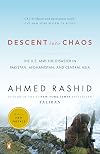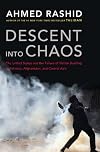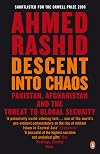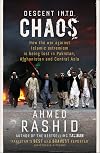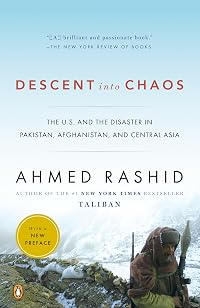
Descent into Chaos: The U.S. and the Disaster in Pakistan, Afghanistan, and Central Asia
by Ahmed Rashid
On This Page
Description
Rashid examines the region and the corridors of power in Washington and Europe to see how the promised nation building in these countries has progressed. His conclusions are devastating: an unstable and nuclear-armed Pakistan, a renewed al Qaeda profiting from a booming opium trade, and a Taliban resurgence and reconquest. While Iraq continues to attract most of American media and military might, Rashid argues that Pakistan and Afghanistan are where the conflict will finally be played out show more and that these failing states pose a graver threat to global security than the Middle East.--From publisher description. show lessTags
Recommendations

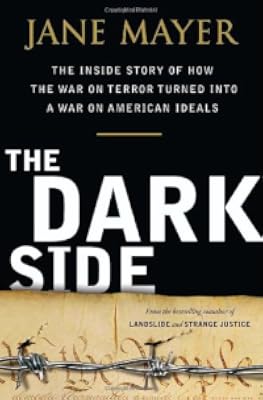
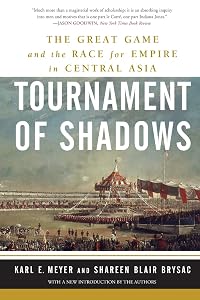
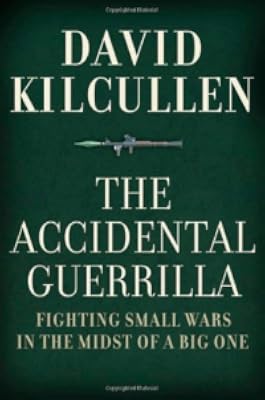
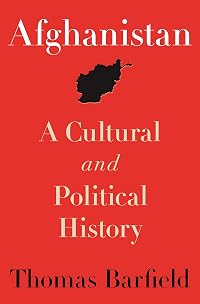
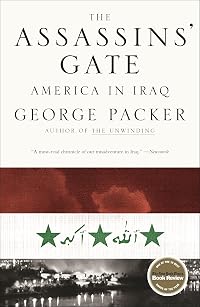
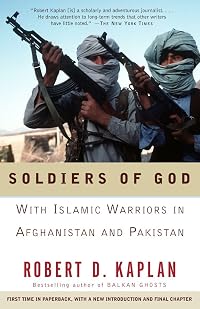
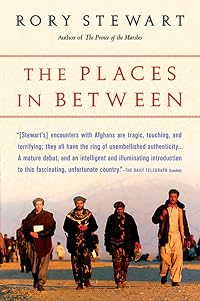
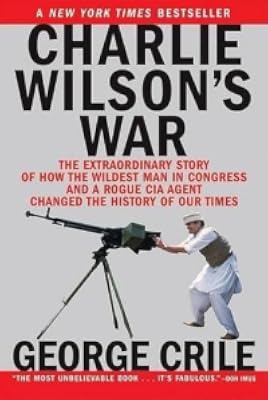

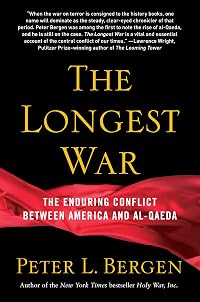
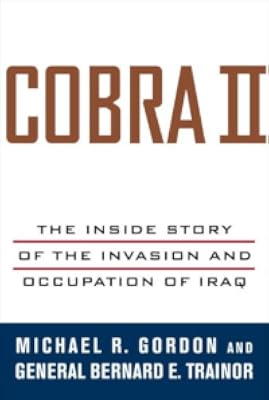
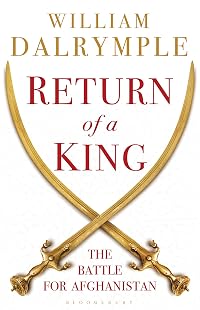
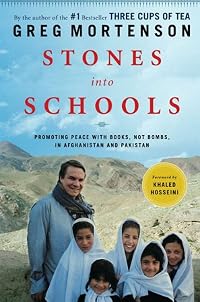

Member Recommendations
Member Reviews
An important book - the first to document the "war on terror", its successes (or in this case its failures) in Central Asia, Afghanistan and Pakistan. As Rashid chronicles, this area was woefully neglected at the expense of the Bush administration's Iraq adventure and this neglect is now coming back to haunt the world.
Rashid spares few in this work. There's plenty of blame to be apportioned. Of particular interest is the hash that the Musharraf regime made of its Taliban/Jihadi policy, trying to carry out a balancing act of cracking down on Al-Qaeda while supporting the Taliban and the Pakistani military's hand-reared Jihadi groups - a policy that blew up (pardon the macabre pun) in the military regime's faces in 2006-07.
Ahmed Rashid show more has been one of the foremost commentators on the Taliban for years. I find this an informative and important work, but at the same time somewhat limited. He is a good reporter, but as an analyst he sometimes doesn't seem to follow things through. For example he views the removal of Musharraf and the introduction of a democratic government as a key step in combating militant Islamism in Pakistan-Afghanistan. But he doesn't delve into the mechanics of how this would happen, particularly when, as he himself chronicles, the military establishment's involvement with Jihadi groups is so entrenched.
Furthermore he repeatedly stresses the need for Hamid Karzai to side with the reformers in the Afghan government against the warlords, but I suspect the division of reformer/warlord is not as clear-cut as he makes it out to be.
Despite these, and other misgivings, this is the best book on this particular subject matter out there and needs to be widely read and its contents and conclusions thoroughly debated. show less
Rashid spares few in this work. There's plenty of blame to be apportioned. Of particular interest is the hash that the Musharraf regime made of its Taliban/Jihadi policy, trying to carry out a balancing act of cracking down on Al-Qaeda while supporting the Taliban and the Pakistani military's hand-reared Jihadi groups - a policy that blew up (pardon the macabre pun) in the military regime's faces in 2006-07.
Ahmed Rashid show more has been one of the foremost commentators on the Taliban for years. I find this an informative and important work, but at the same time somewhat limited. He is a good reporter, but as an analyst he sometimes doesn't seem to follow things through. For example he views the removal of Musharraf and the introduction of a democratic government as a key step in combating militant Islamism in Pakistan-Afghanistan. But he doesn't delve into the mechanics of how this would happen, particularly when, as he himself chronicles, the military establishment's involvement with Jihadi groups is so entrenched.
Furthermore he repeatedly stresses the need for Hamid Karzai to side with the reformers in the Afghan government against the warlords, but I suspect the division of reformer/warlord is not as clear-cut as he makes it out to be.
Despite these, and other misgivings, this is the best book on this particular subject matter out there and needs to be widely read and its contents and conclusions thoroughly debated. show less
Required reading for anyone who wishes to have an informed opinion on the Afghan war.
Rashid's earlier book on the Taliban was a real bolt from the blue. _Taliban_ did more than any other book to dispel the mystery around the movement and make it clear who they were and are.
In this book he is more concerned with events that have been transpiring in plain sight, so to speak, so it does not quite have the same oomph. But it is a comprehensive and trustworthy guide to the complexities of the Pakistan-Afghanistan relationship from which has come so much of the present struggle.
Rashid is forthright about his friendship with Hamid Karzai, a relationship that does not seem to keep him from levelling the odd criticism. I think it fair to say show more that this insider status has expanded rather than limited this book's perspective. show less
Rashid's earlier book on the Taliban was a real bolt from the blue. _Taliban_ did more than any other book to dispel the mystery around the movement and make it clear who they were and are.
In this book he is more concerned with events that have been transpiring in plain sight, so to speak, so it does not quite have the same oomph. But it is a comprehensive and trustworthy guide to the complexities of the Pakistan-Afghanistan relationship from which has come so much of the present struggle.
Rashid is forthright about his friendship with Hamid Karzai, a relationship that does not seem to keep him from levelling the odd criticism. I think it fair to say show more that this insider status has expanded rather than limited this book's perspective. show less
This is an intelligent, sober overview of Afghanistan-Pakistan history from the Soviety Witdrawal to just a few years ago. The author has the background and credibility to do it right. As I read this, the U.S. incursion into southern Afghanistan is obviously something that should have been done years ago, as one of the salient points of this book, is the U.S.-Nato avoidanve of southern Afghan provinces, mostly due to U.S. attention on Iraq, created a safe haven for The Taliban and Al Qaeda.
Also of note is the book's overview of recent Pakistani ISI-skewed politics and Afghan's tribally rooted warlord issues.
The inside story of Pakistani politics and Afghan warlord r
Also of note is the book's overview of recent Pakistani ISI-skewed politics and Afghan's tribally rooted warlord issues.
The inside story of Pakistani politics and Afghan warlord r
In a recent news briefing invalidating American criticism of the anti-extremists campaigns in Pakistan; asserts the Pakistani Army chief that the army (Pakistani) has broken the “backbone” of Islamist militants in the country. Gen. Kayani’s high claims on the resourceful operations against the militants were met with ambiguity by political critic, as the country is consistently shaken by terror attacks with a dominant insurgency stirring on the Afghan-Pak borders.
Central Asia is a recent example, where the crucial roles of hard and soft powers were cluttered and mismanaged, resulting in the reproduction of terror fertile lands. The roles of hard power (military or any form of coercive authority) and soft power (Soft power can be show more wielded not just by states, but by all actors in international politics, such as NGOs or international institutions) are critical in risk management areas and the lackadaisical attitude can be detrimental.
So, when Rashid emphasizes on Central Asia being the “Terrorism Central” and the most volatile sector propagating terrorist philosophers; the probability certainly should not be disregarded. The Central Asian panorama houses nation –states troubled with political and economic disparities with highly porous borders. It is the most under studied and significantly overlooked area in counter-terror policies. Ethnically diverse, impecunious milieu, geographically tedious and politically corrupt makes it one of the muddled impenetrable landscapes.
Chiefly scripted in Musharraf era, it raises question as to why and how Pakistan trickled down to becoming a militant haven.Hounded vastly by troubled bureaucratic governance and the ISI clandestinely supporting terror outfits for strategic benefits is “decapitating political elites and drowning the country in blood”, as Rashid aptly puts it. Moreover, the age-old question of Kashmir that looms in the vulnerable grounds of India-Pak relations does little to hinder the growing terror susceptibilities. Over the years the frequent failure of peaceful strategic talks between the two countries has only fuelled the insurgency in the periphery of Central Asian domain. Rashid speaks as a concerned citizen struggling to find peaceful resolution to the terror pandemonium and laments on missed opportunities that would have helped in curbing the alarming menace. Probing validity of the Iraq War over the actual menace festering at the Afghan border appears reasonable enough to detect the incompetence of imposed foreign policies. The lack of communication and information between the United States, NATO and other major European countries thwarted the reconstruction empowering the people of Afghanistan. On this note, the author claims that at the end the rebuilding of Afghanistan was left to CIA and the Department of Defense; which I found was a bit frenzied. Also, President Karzai’s total dependence on the United States and other major financial institutions to re-build Afghanistan seemed immature. No shameless amount of money can stabilize a structure when the groundwork itself is crippled with treachery and misguidance. Although the concluding passages of the book emphasizes on the fact that the Afghan government must be able to deliver a stable legislative configuration reasonably free of tribalism and bribery; yet it questions the integrity and responsibility of Karzai as a President and a leader to his countrymen. Most of the Asian political landscapes thrive in nasty web of corruption. The influx of foreign currency embracing fraudulent modus operandi of bureaucrats, drug/warlords, ministers and tribal chiefs becomes a deadly unison of political supremacy. The lack of foreign policies and the chaotic nation building in Afghanistan resulted in fertile terror pockets and sheltered dwellings of several extremist leaders. The vicious cycle of opium and heroin trading in the tribal regions of Afghanistan further crippled the economic propelling the landscape in the arms of terrorism. Poor farmers are duty-bound to opium farming by the tribal drug lords as they would rather feed their family than die of hunger. The worst part is when the fertile lands are sprayed by the military; the penurious conditions compel the populace to join various extremist organizations. It is a no-win situation. Terming Uzbekistan as the power keg in defining the role of terrorism in Central Asia and the affinity of terror to proliferate in any kind of political vacuity, it is about time that the political elite of high tier nation-states keep an a vigilance as Islamic extremism flourishes not only in the underprivileged places but also among the erudite and political mind sets show less
Central Asia is a recent example, where the crucial roles of hard and soft powers were cluttered and mismanaged, resulting in the reproduction of terror fertile lands. The roles of hard power (military or any form of coercive authority) and soft power (Soft power can be show more wielded not just by states, but by all actors in international politics, such as NGOs or international institutions) are critical in risk management areas and the lackadaisical attitude can be detrimental.
So, when Rashid emphasizes on Central Asia being the “Terrorism Central” and the most volatile sector propagating terrorist philosophers; the probability certainly should not be disregarded. The Central Asian panorama houses nation –states troubled with political and economic disparities with highly porous borders. It is the most under studied and significantly overlooked area in counter-terror policies. Ethnically diverse, impecunious milieu, geographically tedious and politically corrupt makes it one of the muddled impenetrable landscapes.
Chiefly scripted in Musharraf era, it raises question as to why and how Pakistan trickled down to becoming a militant haven.Hounded vastly by troubled bureaucratic governance and the ISI clandestinely supporting terror outfits for strategic benefits is “decapitating political elites and drowning the country in blood”, as Rashid aptly puts it. Moreover, the age-old question of Kashmir that looms in the vulnerable grounds of India-Pak relations does little to hinder the growing terror susceptibilities. Over the years the frequent failure of peaceful strategic talks between the two countries has only fuelled the insurgency in the periphery of Central Asian domain. Rashid speaks as a concerned citizen struggling to find peaceful resolution to the terror pandemonium and laments on missed opportunities that would have helped in curbing the alarming menace. Probing validity of the Iraq War over the actual menace festering at the Afghan border appears reasonable enough to detect the incompetence of imposed foreign policies. The lack of communication and information between the United States, NATO and other major European countries thwarted the reconstruction empowering the people of Afghanistan. On this note, the author claims that at the end the rebuilding of Afghanistan was left to CIA and the Department of Defense; which I found was a bit frenzied. Also, President Karzai’s total dependence on the United States and other major financial institutions to re-build Afghanistan seemed immature. No shameless amount of money can stabilize a structure when the groundwork itself is crippled with treachery and misguidance. Although the concluding passages of the book emphasizes on the fact that the Afghan government must be able to deliver a stable legislative configuration reasonably free of tribalism and bribery; yet it questions the integrity and responsibility of Karzai as a President and a leader to his countrymen. Most of the Asian political landscapes thrive in nasty web of corruption. The influx of foreign currency embracing fraudulent modus operandi of bureaucrats, drug/warlords, ministers and tribal chiefs becomes a deadly unison of political supremacy. The lack of foreign policies and the chaotic nation building in Afghanistan resulted in fertile terror pockets and sheltered dwellings of several extremist leaders. The vicious cycle of opium and heroin trading in the tribal regions of Afghanistan further crippled the economic propelling the landscape in the arms of terrorism. Poor farmers are duty-bound to opium farming by the tribal drug lords as they would rather feed their family than die of hunger. The worst part is when the fertile lands are sprayed by the military; the penurious conditions compel the populace to join various extremist organizations. It is a no-win situation. Terming Uzbekistan as the power keg in defining the role of terrorism in Central Asia and the affinity of terror to proliferate in any kind of political vacuity, it is about time that the political elite of high tier nation-states keep an a vigilance as Islamic extremism flourishes not only in the underprivileged places but also among the erudite and political mind sets show less
Overall, the author paints a very grim picture of the entire region (Pakistan, Afghanistan, Central Asia). It seems the country has unleashed forces that it can no longer control, it has a tiger by the tail. From his analysis, the tribal regions of Pakistan have become Terrorism Central for the whole world. It seems that the country must be saved from itself.
Every country has an Army but Pakistan is an Army that has a country. It is the only viable organization left and if it fails, we do not even want to forecast what is in store. Also in this book is a very clinical analysis of all the other repressive regimes in this region.
The author has a New York Times bestseller to his credit which is now required reading for all US foreign show more service personnel.
This book is a must read for anyone living in this region especially India. show less
Every country has an Army but Pakistan is an Army that has a country. It is the only viable organization left and if it fails, we do not even want to forecast what is in store. Also in this book is a very clinical analysis of all the other repressive regimes in this region.
The author has a New York Times bestseller to his credit which is now required reading for all US foreign show more service personnel.
This book is a must read for anyone living in this region especially India. show less
Overall, the author paints a very grim picture of the entire region (Pakistan, Afghanistan, Central Asia). It seems the country has unleashed forces that it can no longer control, it has a tiger by the tail. From his analysis, the tribal regions of Pakistan have become Terrorism Central for the whole world. It seems that the country must be saved from itself.
Every country has an Army but Pakistan is an Army that has a country. It is the only viable organization left and if it fails, we do not even want to forecast what is in store. Also in this book is a very clinical analysis of all the other repressive regimes in this region.
The author has a New York Times bestseller to his credit which is now required reading for all US foreign show more service personnel.
This book is a must read for anyone living in this region especially India. show less
Every country has an Army but Pakistan is an Army that has a country. It is the only viable organization left and if it fails, we do not even want to forecast what is in store. Also in this book is a very clinical analysis of all the other repressive regimes in this region.
The author has a New York Times bestseller to his credit which is now required reading for all US foreign show more service personnel.
This book is a must read for anyone living in this region especially India. show less
An excellent books, as are all of Rashid's works, I read it in two days and found it rich with detail and useful information about the region, personalities from the region and decisions made by all the players.
Members
- Recently Added By
Lists

Radical Islam/Islamism
75 works; 6 members

Non-Fiction Worth Reading
1,025 works; 257 members
Author Information

15+ Works 2,921 Members
Pakistani journalist and bestselling author Ahmed Rashid was born in Rawalpindi in 1948. He was educated at Malvern College in England, Government College in Lahore, and Fitzwilliam College in Cambridge. He works as a correspondent for the Far Eastern Economic Review and the Daily Telegraph and writes for the Wall Street Journal, The Nation, and show more academic journals. His titles include Taliban: Militant Islam, Oil and Fundamentalism in Central Asia, Jihad: The Rise of Militant Islam in Central Asia, and Descent into Chaos. (Bowker Author Biography) show less
Some Editions
Awards and Honors
Awards
Work Relationships
Is abridged in
Common Knowledge
- Original title
- Descent into chaos : the United States and the failure of nation building in Pakistan, Afghanistan, and central Asia
- People/Characters
- Abdullah Abdullah; Lieutenant General Mahmud Ahmed; Kofi Annan; Richard Armitage; Mohamed Atta; Benazir Bhutto (show all 66); Zulfikar Ali Bhutto; Osama bin Laden; Tony Blair; Lakhdar Brahimi; George W. Bush; Dick Cheney; Bill Clinton; Mullah Dadullah; Rashid Dostum; Mohammed Fahim; Robert Patrick John Finn; Tommy Ray Franks; Robert Gates; Ashraf Ghani Ahmadzai; Richard Nathan Haass; Abdul Haq; Muhammad Zia-ul-Haq; Jalaluddin Haqqani; Gulbuddin Hekmatyar; Saddam Hussein; Muhammad Ali Jinnah; Islam Karimov; Hamid Karzai; Karim Khalili; Zalmay Khalilzad; Mohammad Ismail Khan; Baitullah Mehsud; Ahmad Shah Massoud; Khalid Sheikh Mohammed; Mohammad Mohaqiq; Sibghatullah Mojaddedi; Pervez Musharraf; Richard Bowman Myers; Juma Namangani; Barack Obama; Mullah Omar; Daniel Pearl; Colin Powell; Vladimir Putin; Yunus Qanuni; Burhanuddin Rabbani; Emomalii Rahmon; Ronald Reagan; Richard Reid, "The Shoe Bomber"; Condoleezza Rice; Christina B. Rocca; Barnett Richard Rubin; Donald Rumsfeld; Abdul Rasul Sayyaf; Mian Muhammad Nawaz Sharif; Ahmed Omar Saeed Sheikh; Gul Agha Sherzai; Nur Muhammad Taraki; Mullah Akhtar Mohammad Usmani; Atal Bihari Vajpayee; Paul Wolfowitz; Tahir Yuldashev; Zahir Shah; Ayman al-Zawahiri; Abu Zubaydah
- Important places
- Afghanistan; Pakistan; Uzbekistan; Pul-e-Charkhi prison, Kabul, Afghanistan; Kabul, Afghanistan; Kandahar, Afghanistan (show all 25); Kunduz, Afghanistan; Mazar-i-Sharif, Afghanistan; Jalalabad, Afghanistan; Peshawar, Pakistan; Herat, Afghanistan; Ghazni, Afghanistan; Bamiyan, Afghanistan; Asadabad, Afghanistan; Bagram, Afghanistan; Panjshir Valley, Afghanistan; Termez, Uzbekistan; Tora Bora Cave Complex, Spin Ghar Mountain Range, Afghanistan; Parachinar, Kurram Tribal Agency, Pakistan; Spin Boldak, Afghanistan; Khost, Afghanistan; Miranshah, North Waziristan Tribal Agency, Pakistan; Landi Kotal, Khyber Tribal Agency, Pakistan; Quetta, Balochistan, Pakistan; USA
- Important events
- Kunduz airlift, "the Airlift of Evil"; Battle of Qala-i-Jangi; Assassination of Ahmad Shah Massoud; Assassination of Abdul Haq; Civil war in Afghanistan (1992–96); Assassination of Mohammad Najibullah (show all 7); Battle of Tora Bora
- Epigraph
- If the Central Asian Society exists and is meeting in fifty or a hundred years hence, Afghanistan will be as vital and important a question as it is now.
-Lord Curzon, speaking at the annual dinner of the society, Lond... (show all)on, 1908
Go massive--sweep it all up, things related and not.
-U.S. secretary of defense Donald Rumsfeld,
speaking to his aides on September 11, 2001, after the Pentagon was attacked - Dedication
- This book is dedicated to my childred Rafael and Saara
and to their friends Mohammed, Ameera, Emile, Sasha, Mehvish, Graham, Naveen, Arooj, Taimur, Mamdot, Rachel, Louise, Shabaz, Charley, Zoha, Sarah, Amar, Jamal, Dona, a... (show all)nd many more.
May you build nations.
And in loving memory of Begum Qamar F. R. Khan. - Blurbers
- Mortenson, Greg; Blitzer, Wolf
Classifications
Statistics
- Members
- 676
- Popularity
- 42,656
- Reviews
- 8
- Rating
- (3.92)
- Languages
- 8 — Catalan, Dutch, English, Finnish, German, Italian, Spanish, Swedish
- Media
- Paper, Audiobook, Ebook
- ISBNs
- 22
- UPCs
- 1
- ASINs
- 9