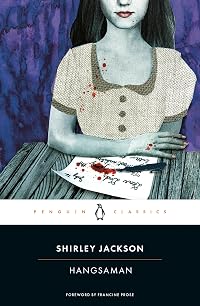
Hangsaman
by Shirley Jackson
On This Page
Description
Shirley Jackson's chilling second novel, based on her own experiences and an actual mysterious disappearance Seventeen-year-old Natalie Waite longs to escape home for college. Her father is a domineering and egotistical writer who keeps a tight rein on Natalie and her long-suffering mother. When Natalie finally does get away, however, college life doesn't bring the happiness she expected. Little by little, Natalie is no longer certain of anything--even where reality ends and her dark show more imaginings begin. Chilling and suspenseful, Hangsaman is loosely based on the real-life disappearance of a Bennington College sophomore in 1946. For more than seventy years, Penguin has been the leading publisher of classic literature in the English-speaking world. With more than 1,700 titles, Penguin Classics represents a global bookshelf of the best works throughout history and across genres and disciplines. Readers trust the series to provide authoritative texts enhanced by introductions and notes by distinguished scholars and contemporary authors, as well as up-to-date translations by award-winning translators. show lessTags
Recommendations






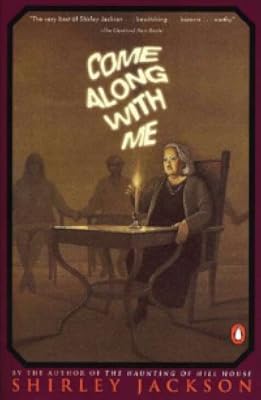
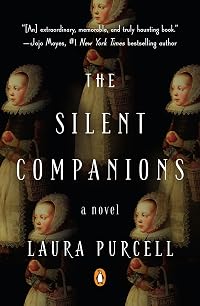
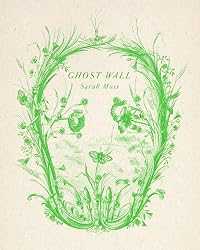
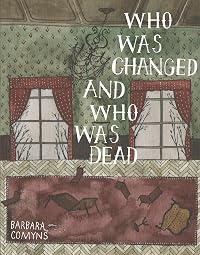
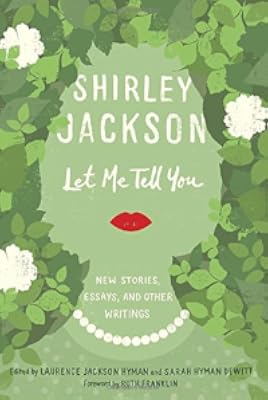
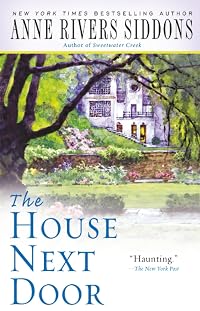
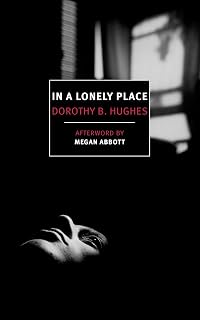
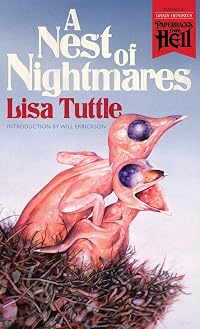



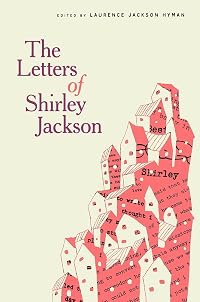
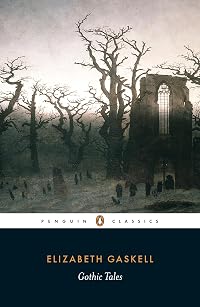
Member Recommendations
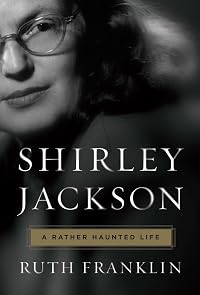
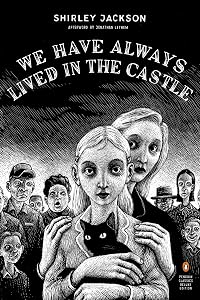
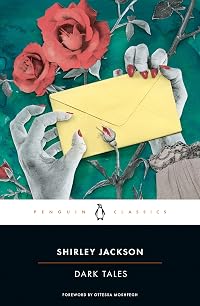
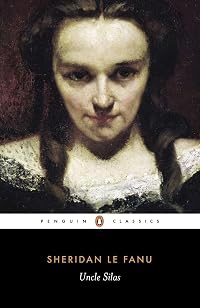
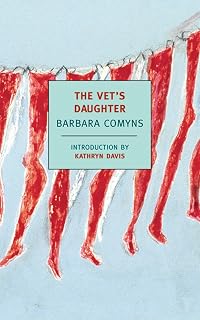
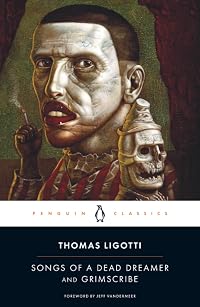
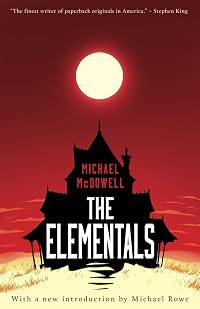
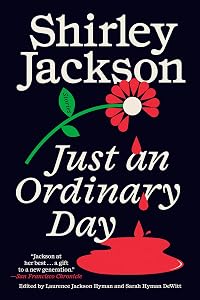
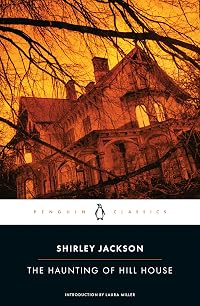
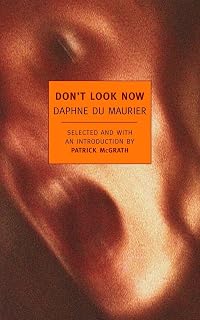
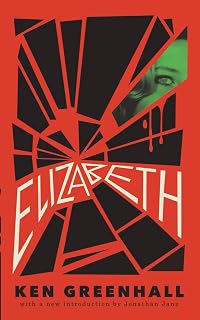
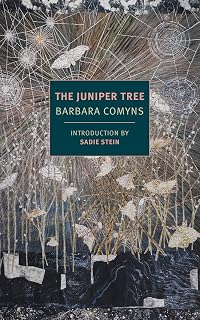
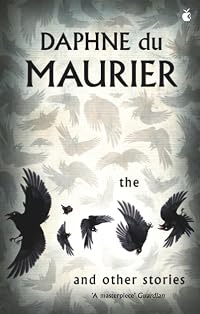
CarlosMcRey Each book tells the story of a precocious young woman attending college in a Bennington-like college where she is drawn into dark undercurrents.
11
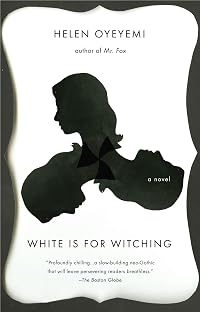
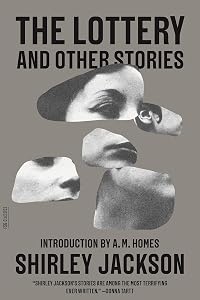
sturlington Moshfegh's style reminds me of Shirley Jackson; both novels had young, unreliable narrators.
Member Reviews
As I was reading Shirley Jackson's 1951 novel I thought of that other novel featuring a teenage rebellion from that same year. One of the most famous literary novels published in 1951 was The Catcher in the Rye, which spent many months in the New York Times bestseller lists. Hangsaman never got anywhere near the best seller lists and although it appears as a penguin classic it is probably not on many peoples reading lists and it does not even make the 1001 novels you must read before you die. The Catcher in the Rye features Holden Caulfield a 17 year old young man who tells his story of an escapade in New York the previous year; Hangsaman is written in the third person and tells of 17 year old Natalia Waite's difficulties in conforming show more to life at home and life at an all girls college. Both novels feature the thoughts and feelings of the young adolescents who find themselves out of step with normal American teenage college life: Both Holden Caulfield and Natalia Waite have problems with relationships and their sexuality and look towards their favourite college teacher for assistance, both are disappointed. Hangsaman delves deeper into the psychology of an adolescent and while The Catcher in the Rye is a series of confrontations over a short time span Hangsaman is mysterious and dark with Natalia's inner conflicts providing a more unreliable witness to the events in her life which might be more or less what they seem.
Natalia has a literary father who is intent on nurturing his daughters talents. her mother is a more vague figure in her life who cannot come to terms with her more intellectual partner and is at a point where she becomes an embarrassment to him. Natalie's father is both domineering and egotistical setting his daughter writing projects and dispensing words of wisdom most mornings in his study. Natalie is socially inept and her thoughts lead her into all sorts of strange directions: at one of her fathers literary gatherings (she and her mother are the caterers) she drinks for the first time and finds herself going for a walk in the woods with a much older man. Something may or may not have happened to Natalie that night, but the story cuts to her leaving home for college. She has trouble making friends and is content with her own space. She finds herself attached to a small group of girls who are intent on being seduced by one of their male teachers: Mr Langdon, who is already married to a former pupil Elizabeth; there are awkward social occasions and Natalie finds herself shepherding a very drunk and unhappy Elizabeth home after a cocktail party. Natalie withdraws into herself. One night she is accosted by Tony a girl friendless like herself and suddenly she has found a kindred spirit, they room together and one dark rainy night Tony leads her pied-piper like into the woods and Natalia fears for her life. The mystery is centred around how much of this is happening inside Natalie's head; Is Tony her own creation these thoughts are never fully resolved and the reader is left with a feeling of fear and apprehension for a young girl, who may have been damaged in some way.
This is a novel that becomes increasingly weird and other worldly, but Shirley Jackson makes Natalie seem real, an intelligent and confused young woman out of step with the world in which she is expected to live. Her strangely intellectual relationship with her father, the walk in the woods, the alienation with other girls in college, the thoughts that run through her head which intrude into her conscious actions all make her an outsider. The novel becomes increasingly dark and a little gothic as both the weather and Natalies sanity degrade into grey, wet, troublesome areas. The novel moves slowly towards its uncertain ending, but some fine writing and a feeling that something will happen just around the corner made this into a page turner. This is a fine achievement and probably deserves to be more well known. It has also reminded me that a survey of books from 1951 would not be complete without a re-read of The Catcher in the Rye, however I think it will need to be better than I remember to outdo my reading experience of Hangsaman 4.5 stars. show less
Natalia has a literary father who is intent on nurturing his daughters talents. her mother is a more vague figure in her life who cannot come to terms with her more intellectual partner and is at a point where she becomes an embarrassment to him. Natalie's father is both domineering and egotistical setting his daughter writing projects and dispensing words of wisdom most mornings in his study. Natalie is socially inept and her thoughts lead her into all sorts of strange directions: at one of her fathers literary gatherings (she and her mother are the caterers) she drinks for the first time and finds herself going for a walk in the woods with a much older man. Something may or may not have happened to Natalie that night, but the story cuts to her leaving home for college. She has trouble making friends and is content with her own space. She finds herself attached to a small group of girls who are intent on being seduced by one of their male teachers: Mr Langdon, who is already married to a former pupil Elizabeth; there are awkward social occasions and Natalie finds herself shepherding a very drunk and unhappy Elizabeth home after a cocktail party. Natalie withdraws into herself. One night she is accosted by Tony a girl friendless like herself and suddenly she has found a kindred spirit, they room together and one dark rainy night Tony leads her pied-piper like into the woods and Natalia fears for her life. The mystery is centred around how much of this is happening inside Natalie's head; Is Tony her own creation these thoughts are never fully resolved and the reader is left with a feeling of fear and apprehension for a young girl, who may have been damaged in some way.
This is a novel that becomes increasingly weird and other worldly, but Shirley Jackson makes Natalie seem real, an intelligent and confused young woman out of step with the world in which she is expected to live. Her strangely intellectual relationship with her father, the walk in the woods, the alienation with other girls in college, the thoughts that run through her head which intrude into her conscious actions all make her an outsider. The novel becomes increasingly dark and a little gothic as both the weather and Natalies sanity degrade into grey, wet, troublesome areas. The novel moves slowly towards its uncertain ending, but some fine writing and a feeling that something will happen just around the corner made this into a page turner. This is a fine achievement and probably deserves to be more well known. It has also reminded me that a survey of books from 1951 would not be complete without a re-read of The Catcher in the Rye, however I think it will need to be better than I remember to outdo my reading experience of Hangsaman 4.5 stars. show less
This looks superficially like a standard teenage coming-of-age novel: 17-year-old Natalie goes off to college as the first step on her quest to become a writer and an autonomous human being, rather than a mere extension of her parents. The other girls are there for purely social reasons and don't like her, but she eventually hooks up with a couple of other outcasts: a bored young faculty-wife who drinks too much, and the rebellious Girl Tony, who flits in and out of other people's rooms in the dark and helps herself to what she needs.
But Jackson evidently doesn't like formulas: the book is determinedly eccentric in all kinds of ways. It's written in the third person, in a precise, elegant, but slightly mad literary style — rather as show more George Eliot might write after her third Martini. And where every coming-of-age novel pivots on a moment of sexual self-discovery, this novel is made to pivot on two "Malabar Caves"-type moments of we-don't-know-what. Natalie goes into the woods with a man in her parents garden, and she goes into the woods with Girl Tony near the abandoned amusement park. On neither occasion are we told what — if anything — happened, but she comes out a different person both times. Indeed, we're never quite allowed to be sure that Girl Tony exists outside Natalie's own mind.
Natalie is entirely clear-sighted about the subtle mismatches in the world around her: everyone is busy telling clever girls how much potential they have and what wonderful opportunities there are in front of them, but as far as the eye can see the only role-models are clever girls who have run into the sand, married too young to faculty members (or to Natalie's father) and living out their stupefyingly boring days in an alcoholic haze, serving cocktails at parties where their husbands flirt with the next generation of clever girls. The men are allowed to carry on in their Mr Bennet delusion that the world exists purely for their own entertainment, and never for a moment notice that they are tyrannising the families they love so dearly.
But then there are also mismatches in Natalie's own mind. Does she actually have any solid reason to suppose that she is Natalie Wade, she asks herself whenever she has to tell someone her name. Couldn't she just as well be someone else, or no-one at all?
A clever, witty, slightly puzzling book, beautifully written by someone who obviously knew exactly what she was doing with her typewriter at all times, and had a very clear ear for other people's language. show less
But Jackson evidently doesn't like formulas: the book is determinedly eccentric in all kinds of ways. It's written in the third person, in a precise, elegant, but slightly mad literary style — rather as show more George Eliot might write after her third Martini. And where every coming-of-age novel pivots on a moment of sexual self-discovery, this novel is made to pivot on two "Malabar Caves"-type moments of we-don't-know-what. Natalie goes into the woods with a man in her parents garden, and she goes into the woods with Girl Tony near the abandoned amusement park. On neither occasion are we told what — if anything — happened, but she comes out a different person both times. Indeed, we're never quite allowed to be sure that Girl Tony exists outside Natalie's own mind.
Natalie is entirely clear-sighted about the subtle mismatches in the world around her: everyone is busy telling clever girls how much potential they have and what wonderful opportunities there are in front of them, but as far as the eye can see the only role-models are clever girls who have run into the sand, married too young to faculty members (or to Natalie's father) and living out their stupefyingly boring days in an alcoholic haze, serving cocktails at parties where their husbands flirt with the next generation of clever girls. The men are allowed to carry on in their Mr Bennet delusion that the world exists purely for their own entertainment, and never for a moment notice that they are tyrannising the families they love so dearly.
But then there are also mismatches in Natalie's own mind. Does she actually have any solid reason to suppose that she is Natalie Wade, she asks herself whenever she has to tell someone her name. Couldn't she just as well be someone else, or no-one at all?
A clever, witty, slightly puzzling book, beautifully written by someone who obviously knew exactly what she was doing with her typewriter at all times, and had a very clear ear for other people's language. show less
This is a weird book, in the very best sense of the word. Natalie Waite is a young woman about to go off to college. We are introduced to her in her family setting, with her intellectual and domineering father, her boring and normal mother, and her unimportant brother. All of these descriptives are Natalie's point of view because there is no escaping Natalie's point of view in the book. Though it's not told in first person, there is almost no difference between the omniscient narrator and Natalie's point of view. It's an extremely interior book. And Natalie has a weird mind.
At first her mind seems "normal" in the sense of being quirky but I thought that most readers would identify, especially if they remember the teenage years, the show more fantasizing and odd thoughts that come to mind at that formative age. When Natalie goes off to her small liberal arts college and is faced with living with hundreds of other young women of varying character and morals, things devolve quickly. She develops an odd relationship with a girl named Tony (I actually couldn't tell if Tony was real or imaginary) and things get weirder and weirder.
I loved it.
The book isn't scary, but it's slightly creepy to witness someone's mind changing (disintegrating?) so rapidly. This book deserves to be talked about as much as We Have Always Lived in the Castle and The Haunting of Hill House, Jackson's more famous novels. show less
At first her mind seems "normal" in the sense of being quirky but I thought that most readers would identify, especially if they remember the teenage years, the show more fantasizing and odd thoughts that come to mind at that formative age. When Natalie goes off to her small liberal arts college and is faced with living with hundreds of other young women of varying character and morals, things devolve quickly. She develops an odd relationship with a girl named Tony (I actually couldn't tell if Tony was real or imaginary) and things get weirder and weirder.
I loved it.
The book isn't scary, but it's slightly creepy to witness someone's mind changing (disintegrating?) so rapidly. This book deserves to be talked about as much as We Have Always Lived in the Castle and The Haunting of Hill House, Jackson's more famous novels. show less
I adore Shirley Jackson's writing. She's the queen of the slow creep. Hangsaman is no different. It's the story is about a lonely, fractured girl in her first year of college. The adult world in which she has grown up has woefully prepared for womanhood or defending her ego and self-worth against bullies or people who will damage her fragile mind and soul.
It's like watching a slow-motion murder in the shadows.
It's like watching a slow-motion murder in the shadows.
A obra de Shirley Jackson é marcada por mulheres em sofrimento. É assim com as protagonistas de "A assombração da casa da colina" e "Nós sempre vivemos no castelo", para citar apenas dois de seus romances mais conhecidos. Em seu segundo romance, "O Homem da Forca", Natalie Waite é uma garota de 17 anos que vive com o pai sufocante, a mão dominada e um irmão ausente. Às vésperas de deixar a casa para iniciar uma faculdade escolhida pelo pai, sofre um trauma que torna sua experiência ainda mais angustiante nos meses seguintes.
A autora narra o cotidiano de Natalie com uma cadência por vezes quase irritante. Esse recurso aproxima o leitor do estado de espírito da adolescente, oprimida por situações absurdas com que passa a show more conviver na faculdade. Suas companheiras vão do esnobismo ao comportamento excêntrico, e a realidade passa a se confundir com devaneios da garota.
A ideia do suicídio surge aqui e ali ao longo da obra, lançada em 1951 como "Hangsaman" (O enforcado), em alusão à carta do Tarot. Cinco anos antes, uma estudante de 18 anos havia desaparecido na região onde Shirley vivia. "O Homem da Forca", porém, também é apontado como um dos romances com mais traços da biografia da autora.
A tradução para essa edição da editora Alfaguara é de Débora Landsberg. show less
A autora narra o cotidiano de Natalie com uma cadência por vezes quase irritante. Esse recurso aproxima o leitor do estado de espírito da adolescente, oprimida por situações absurdas com que passa a show more conviver na faculdade. Suas companheiras vão do esnobismo ao comportamento excêntrico, e a realidade passa a se confundir com devaneios da garota.
A ideia do suicídio surge aqui e ali ao longo da obra, lançada em 1951 como "Hangsaman" (O enforcado), em alusão à carta do Tarot. Cinco anos antes, uma estudante de 18 anos havia desaparecido na região onde Shirley vivia. "O Homem da Forca", porém, também é apontado como um dos romances com mais traços da biografia da autora.
A tradução para essa edição da editora Alfaguara é de Débora Landsberg. show less
I have a strange relationship with this novel. I've read reviews by women saying that they related to Natalie and her thought process, and I felt the same. I'm a man, though, so it seems weird that I could relate to the troubled mind of an adolescent girl. Well, I am who I am, or who I have been. Anyway, it was somehow comforting. I know--really weird. The first time I started reading this book, I didn't care for it, and stopped about a third of the way through. But, it kept calling from the shelf, and I picked it up again and started over. Couldn't put it down. I reread it a year later. It's a masterful novel of wonderful prose. I shall read it again.
While I both understand and applaud the message buried deep under this novel, I have to say, this is a study in patience to read. Weird little side trips. Unending descriptions of...everything. Characters and events that go nowhere.
Reading this, I can see how Jackson refined her style to get to THE HAUNTING OF HILL HOUSE, but this? I was ready to DNF it with less than twenty pages to go.
I guess there's a reason we hear a lot about THE LOTTERY, HILL HOUSE, and WE HAVE ALWAYS LIVED IN THE CASTLE, and virtually nothing about her first two novels.
Reading this, I can see how Jackson refined her style to get to THE HAUNTING OF HILL HOUSE, but this? I was ready to DNF it with less than twenty pages to go.
I guess there's a reason we hear a lot about THE LOTTERY, HILL HOUSE, and WE HAVE ALWAYS LIVED IN THE CASTLE, and virtually nothing about her first two novels.
Members
- Recently Added By
Lists

Classics you know you should have read but probably haven't
421 works; 408 members

Best Horror Books
281 works; 85 members

Best Campus Novels
99 works; 18 members

1950s
340 works; 22 members

Female Protagonist
1,056 works; 57 members

Weird and Weirder Fiction
270 works; 34 members

Dark Academia Novels
59 works; 11 members

Books That Will Keep You on the Edge of Your Seat
73 works; 20 members

New England Books
101 works; 10 members
Writers as Characters in Fiction
120 works; 19 members

Books Read in 2014
2,343 works; 89 members

Novels featuring Fathers
56 works; 7 members
Most Popular Penguins
70 works; 5 members

Books Read in 2013
1,630 works; 51 members

Domestic Suspense Reading List
10 works; 1 member

Penguin Random House
458 works; 4 members

Mitski!
25 works; 1 member

Top Five Books of 2025
954 works; 303 members
Author Information

121+ Works 40,146 Members
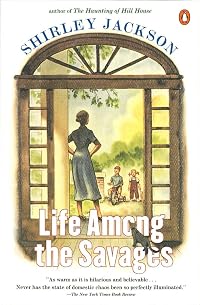
Shirley Jackson was born in San Francisco, California on December, 14, 1919. She received a Bachelor of Arts degree from Syracuse University in 1940. Much of her writing was done during the years she was raising her children. She is best-known for the short story The Lottery, which was first published in 1948 and adapted for television in 1952 and show more into play form in 1953. Her published works include articles, nonfiction prose, plays, poetry, seven novels, and fifty-five short stories. Her other works include Life among the Savages, Raising Demons, The Haunting of Hill House, which was adapted to film, and We Have Always Lived in the Castle. She died on August 8, 1965 at the age of 45. (Bowker Author Biography) show less
Some Editions
Awards and Honors
Series
Belongs to Publisher Series
detebe (22492)
Work Relationships
Common Knowledge
- Canonical title
- Hangsaman
- Original title
- Hangsaman
- Original publication date
- 1951
- People/Characters
- Natalie Waite; Arnold Waite; Charity Waite; Arthur Langdon; Elizabeth Langdon; Rosalind (show all 10); Tony; Vicki; Anne; Peggy Spencer
- Epigraph
- Slack your rope, Hangsaman,
O slack it for a while,
I think I see my true love coming,
Coming many a mile. - Dedication
- For my children, Laurence, Joanne, and Sarah
- First words
- Mr. Arnold Waite—husband, parent, man of his word—invariably leaned back in his chair after his second cup of breakfast coffee and looked with some disbelief at his wife and two children.
- Last words
- (Click to show. Warning: May contain spoilers.)As she had never been before, she was now alone, and grown-up, and powerful, and not afraid at all.
- Original language
- English
- Canonical DDC/MDS
- 813.54
- Canonical LCC
- PS3519.A392
Classifications
Statistics
- Members
- 1,104
- Popularity
- 22,997
- Reviews
- 28
- Rating
- (3.78)
- Languages
- 5 — English, French, German, Portuguese, Spanish
- Media
- Paper, Audiobook, Ebook
- ISBNs
- 17
- ASINs
- 17