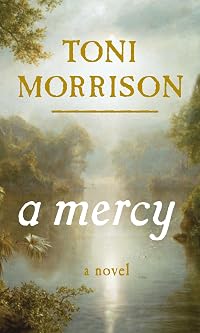
A Mercy
by Toni Morrison
On This Page
Description
In exchange for a bad debt, an Anglo-Dutch trader takes on Florens, a young slave girl, who feels abandoned by her slave mother and who searches for love--first from an older servant woman at her master's new home, and then from a handsome free blacksmith.Tags
Recommendations
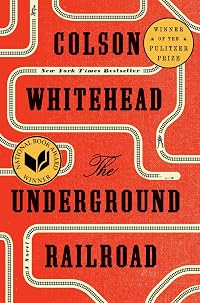
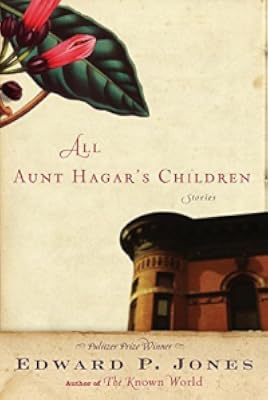
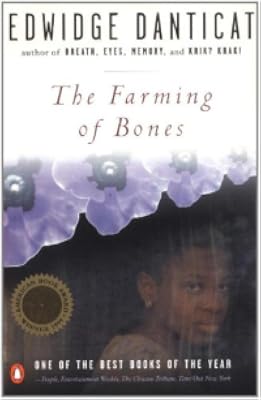
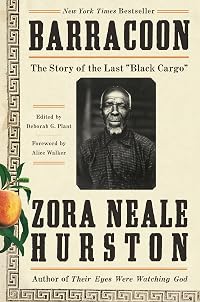

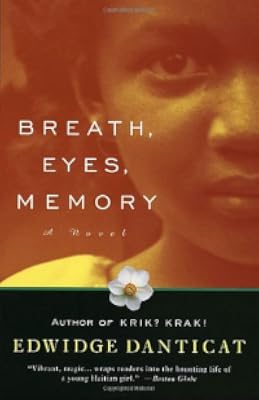
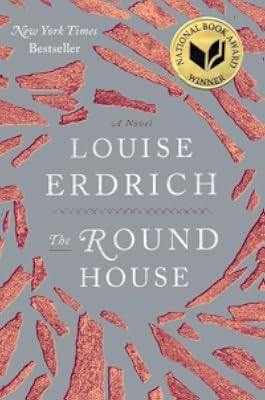
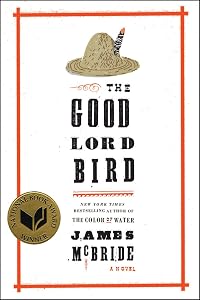
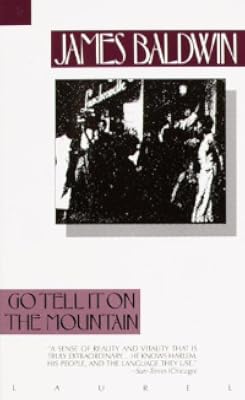
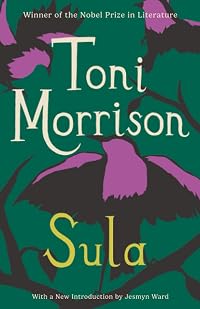
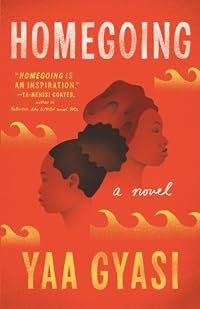
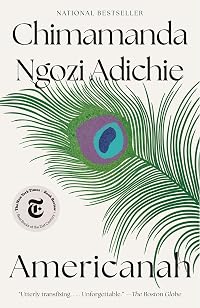
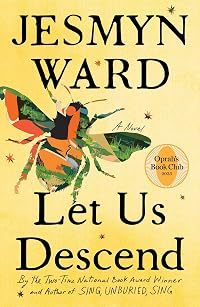
Member Recommendations
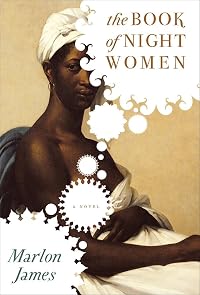
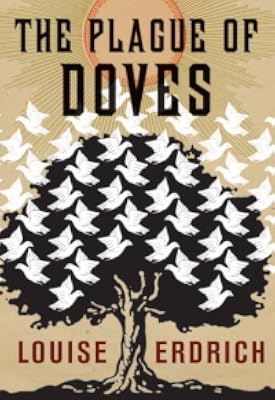
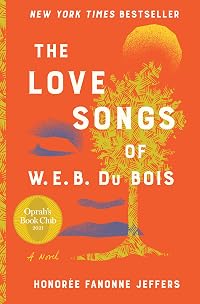
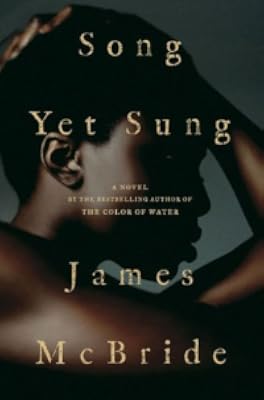
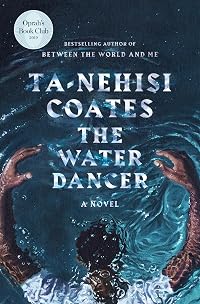
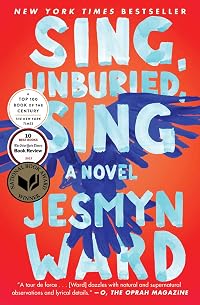
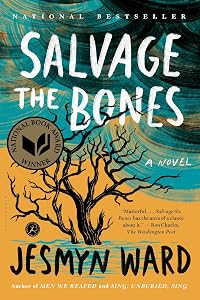
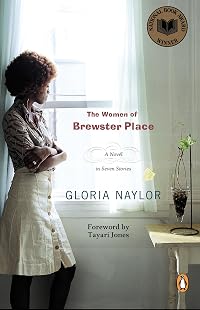
AsYouKnow_Bob When she was out promoting "A Mercy", Toni Morrison talked up 'White Cargo' as a non-fiction approach to the ground she was covering.
20

Member Reviews
Poetic, almost musical in tone. Morrison's characters, mostly women, voice the excruciating pain of being taken, sold, and treated as females, as slaves, less than human. Enduring heat, or cold, beatings, and rapes. Not having command of their own bodies because they are owned by others. Always fearful of the present and the future, not knowing what will happen. That is why a minha mae begs Jacob to take her daughter Florens with him. She recognizes the humanity in Jacob, a white farmer, and knows what Senhor and his men will do to Florens before long.
It seems like Jacob and Rebecca have a nearly perfect marriage. But…not the farming skills required to become prosperous. All their children have died. Jacob travels to make money, show more while Rebecca and her female slaves work the farm and do the housework. She treats them well.
She isn’t pleased that Jacob decides to build a larger home. And the hypocrisy and self-righteousness of her Presbyterian neighbors who think their narrow-minded beliefs make them sinless and safe, while they shun and neglect Jacob and Rebecca which hurts her deeply.
Rebecca, now a widow, and recently recovered from smallpox, has changed. Florens has experienced her own crisis. Sorrow has found love, in her new baby, and begins healing. It may be that Lina suffers the most because Rebecca has shut her out.
Morrison has created a stunning mystical world describing horrific physical and emotional suffering innate in the institution of slavery. And vividly shows the very human feelings of jealousy and fear, but also of the visceral craving for love and kindness. show less
It seems like Jacob and Rebecca have a nearly perfect marriage. But…not the farming skills required to become prosperous. All their children have died. Jacob travels to make money, show more while Rebecca and her female slaves work the farm and do the housework. She treats them well.
She isn’t pleased that Jacob decides to build a larger home. And the hypocrisy and self-righteousness of her Presbyterian neighbors who think their narrow-minded beliefs make them sinless and safe, while they shun and neglect Jacob and Rebecca which hurts her deeply.
Rebecca, now a widow, and recently recovered from smallpox, has changed. Florens has experienced her own crisis. Sorrow has found love, in her new baby, and begins healing. It may be that Lina suffers the most because Rebecca has shut her out.
Morrison has created a stunning mystical world describing horrific physical and emotional suffering innate in the institution of slavery. And vividly shows the very human feelings of jealousy and fear, but also of the visceral craving for love and kindness. show less
In terms of plot, A Mercy is quite simple. It is the tale of a family torn apart by slavery. In terms of story, it is a deeply sad consideration of the long consequences of human brutality.
The power of the narrative, situated in the context of the early American slave trade, emerges from the many themes it portrays. Jacob, a trader, struggles with class, origins, identity. Lina, lost and alone, tries to reconcile herself to absence, belonging, and privilege. Sorrow, a foundling, explores groundedness, arrival, the idea of home. And Florens, a child becoming a woman, searches for love that can transcend betrayal.
This is a masterful novel of elegant construction. It is elliptical and cautious, impressive and immensely moving. It is also show more demanding and intense: not a casual read, but rather a text that insists on re-reading, reflection, and recognition of our complicity in our own private monstrosities and their far-reaching effects.
Toni Morrison has written another stunning, striking book. It is certainly not for everyone, but it is sure to change those who read it. show less
The power of the narrative, situated in the context of the early American slave trade, emerges from the many themes it portrays. Jacob, a trader, struggles with class, origins, identity. Lina, lost and alone, tries to reconcile herself to absence, belonging, and privilege. Sorrow, a foundling, explores groundedness, arrival, the idea of home. And Florens, a child becoming a woman, searches for love that can transcend betrayal.
This is a masterful novel of elegant construction. It is elliptical and cautious, impressive and immensely moving. It is also show more demanding and intense: not a casual read, but rather a text that insists on re-reading, reflection, and recognition of our complicity in our own private monstrosities and their far-reaching effects.
Toni Morrison has written another stunning, striking book. It is certainly not for everyone, but it is sure to change those who read it. show less
 This review was written for LibraryThing Early Reviewers.
Through multiple characters and a variety of POVs, Morrison tells of the American colonies in the late 17th century before, as she explained in an interview, "slavery and black became married." Slavishness abounds in this colonial world; through ownership, indenture, arranged marriage; but also through fear, ignorance and religious zealotry. Reading this book is similar, I would imagine, to watching a great watercolorist work. The splotches of color are intriguing to watch as they are applied to the paper, but it might be awhile before you see the sense, beauty, or drama of the full piece. One particular character's brief rumination on the Book of Job--so simple, yet profound--is worth the price of the book.
“America, whatever the danger, how could it possibly be worse?”
This may be a short novel, one of Morrison's last ones, but the feeling of disorientation that creeps up on you at the first reading is immediately reminiscent of Faulkner, also because of the American setting. Morrison had used the Faulknerian techniques of twisted perspectives and stream of consciousness before, but here she goes a step further. The result is that you only get a little insight into the story towards the end of the book, which immediately makes a second reading all the more rewarding. Because only then does the layering of this novel really come into its own.
The story may be opaque, but the context and themes provided by Morrison are not. The setting is show more the British colonies in what would later become the United States, at the end of the 17th century, so less than 100 years after their establishment. Morrison knows perfectly how to evoke the harshness and diversity of the inhabitants and the landscapes, at a time when the region still could evolve in all directions, and slavery, for instance, had only just made its appearance. The characters are equally diverse, although the narrative perspectives are mainly those of women. They are also all damaged people, displaced in the broadest sense of the word (the Europeans, the Native Americans, the Afro-Americans), and none of them are all good or all bad.
The title betrays the biblical undertone, and this is certainly present in other respects (including references to paradise, and to the suffering of Job). But it is mainly the precarious situation of the women that Morrison highlights, because she lets them do the talking most of the time. This book is by no means an easy read, but it once again demonstrates the power of literature to evoke an inscrutable world and make you think. show less
This may be a short novel, one of Morrison's last ones, but the feeling of disorientation that creeps up on you at the first reading is immediately reminiscent of Faulkner, also because of the American setting. Morrison had used the Faulknerian techniques of twisted perspectives and stream of consciousness before, but here she goes a step further. The result is that you only get a little insight into the story towards the end of the book, which immediately makes a second reading all the more rewarding. Because only then does the layering of this novel really come into its own.
The story may be opaque, but the context and themes provided by Morrison are not. The setting is show more the British colonies in what would later become the United States, at the end of the 17th century, so less than 100 years after their establishment. Morrison knows perfectly how to evoke the harshness and diversity of the inhabitants and the landscapes, at a time when the region still could evolve in all directions, and slavery, for instance, had only just made its appearance. The characters are equally diverse, although the narrative perspectives are mainly those of women. They are also all damaged people, displaced in the broadest sense of the word (the Europeans, the Native Americans, the Afro-Americans), and none of them are all good or all bad.
The title betrays the biblical undertone, and this is certainly present in other respects (including references to paradise, and to the suffering of Job). But it is mainly the precarious situation of the women that Morrison highlights, because she lets them do the talking most of the time. This book is by no means an easy read, but it once again demonstrates the power of literature to evoke an inscrutable world and make you think. show less
A Mercy flings itself right at you from the opening page with dark promises and visions:
The person speaking those lines is Florens, a teenage slave in 17th century Virginia. What brought her to this point is founded in the experience of a trauma she does not comprehend the full story of, a trauma following from a series of previous traumas stretching from Angola to Maryland to Virginia. Trying to save her from the predations of their slavemasters, her mother thrust the child into the path of a trader to whom their owners owed a debt. A man whom Florens' mother believes sees Florens as a human child, not prey. "There is no protection, only difference," her mother states late on. In this world, such counts as a mercy.
Florens is traumatized by what she sees as this rejection by her mother. When she reaches adolescence, she seeks to fill her deep longing for attachment through the person of a visiting blacksmith, a free black man in the colony. This dependence of women on men is of a piece with all classes of society portrayed in the novel, from "loose women" to the "upright" Anabaptist congregation. "Although they had nothing in common with the views of each other," Morrison writes, "they had everything in common with one thing: the promise and threat of men. Here, they agreed, was where security and risk lay. And both had come to terms."
It makes all the sense in the world, then, that Florens would bet her entire life and identity on an attachment to the blacksmith. "Never never without you. Here I am not the one to throw out." But Florens clashes with a young child the blacksmith is raising, two children extraordinarily jealous of each other's presence here, physically hurts him, and the blacksmith tells her to leave. More than that, he accuses her of becoming a slave in choice, an empty mind controlled by an uncultivated wildness. "Own yourself, woman, and leave us be," he tells her. Given Florens' trauma and youth, this seems unreasonably harsh; Florens at any rate has her vitally held identity as the blacksmith's woman smashed, has a complete mental break, her her grasping of a hammer explains the ominous reference to blood in the novel's open.
The novel closes with Florens' mother stating what she wished to have been able to impart to her daughter: "to be given dominion over another is a hard thing; to wrest dominion over another is a wrong thing; to give dominion of yourself to another is a wicked thing." The first might be a reference to motherhood, the difficult responsibility of doing your best for your child in circumstances horrific or otherwise, when your children may or may not understand your choices. The second seems a reference to slavery, one of the undoubted evils in the novel. The third seems a warning not to seek deliverance by handing your agency and identity to another, may you be a love starved youth or a respectable church-going member of the community.
A powerful novel with rich language, I'll also take the following sentence as a treasure from the book, not because of any centrality to the plot, but because the poetry of it makes me stop in wonder.
My telling can't hurt you in spite of what I have done and I promise to lie quietly in the dark - weeping perhaps or occasionally seeing the blood once more - but I will never again unfold my limbs to rise up and bare teeth. I explain. You can think what I tell you a confession, if you like, but one full of curiosities familiar only in dreams and during those moments when a dog's profile plays in the steam of a kettle. Or when a corn-husk doll sitting on a shelf is soon splaying in the corner of a room and the wicked of how it got there is plain.The novel will make clearer this poetic opaqueness as it goes on, but it's a disorienting and heady show more opening.
The person speaking those lines is Florens, a teenage slave in 17th century Virginia. What brought her to this point is founded in the experience of a trauma she does not comprehend the full story of, a trauma following from a series of previous traumas stretching from Angola to Maryland to Virginia. Trying to save her from the predations of their slavemasters, her mother thrust the child into the path of a trader to whom their owners owed a debt. A man whom Florens' mother believes sees Florens as a human child, not prey. "There is no protection, only difference," her mother states late on. In this world, such counts as a mercy.
Florens is traumatized by what she sees as this rejection by her mother. When she reaches adolescence, she seeks to fill her deep longing for attachment through the person of a visiting blacksmith, a free black man in the colony. This dependence of women on men is of a piece with all classes of society portrayed in the novel, from "loose women" to the "upright" Anabaptist congregation. "Although they had nothing in common with the views of each other," Morrison writes, "they had everything in common with one thing: the promise and threat of men. Here, they agreed, was where security and risk lay. And both had come to terms."
It makes all the sense in the world, then, that Florens would bet her entire life and identity on an attachment to the blacksmith. "Never never without you. Here I am not the one to throw out." But Florens clashes with a young child the blacksmith is raising, two children extraordinarily jealous of each other's presence here, physically hurts him, and the blacksmith tells her to leave. More than that, he accuses her of becoming a slave in choice, an empty mind controlled by an uncultivated wildness. "Own yourself, woman, and leave us be," he tells her. Given Florens' trauma and youth, this seems unreasonably harsh; Florens at any rate has her vitally held identity as the blacksmith's woman smashed, has a complete mental break, her her grasping of a hammer explains the ominous reference to blood in the novel's open.
The novel closes with Florens' mother stating what she wished to have been able to impart to her daughter: "to be given dominion over another is a hard thing; to wrest dominion over another is a wrong thing; to give dominion of yourself to another is a wicked thing." The first might be a reference to motherhood, the difficult responsibility of doing your best for your child in circumstances horrific or otherwise, when your children may or may not understand your choices. The second seems a reference to slavery, one of the undoubted evils in the novel. The third seems a warning not to seek deliverance by handing your agency and identity to another, may you be a love starved youth or a respectable church-going member of the community.
A powerful novel with rich language, I'll also take the following sentence as a treasure from the book, not because of any centrality to the plot, but because the poetry of it makes me stop in wonder.
Walking in the warm night air, he went as far as possible, until the alehouse lights were gem stones fighting darkness and the voices of carousing men were lost to the silk-rustle of surf.show less
Short, tragic, beautifully written book set in the late 17th century in the American Colonies. It speaks of slavery, indentured servitude, patriarchy, exploitation, superstition, disease, and child mortality. Prominent themes include fear of abandonment, lack of agency, and unintended consequences. The author elucidates the seeds of issues that still have repercussions today.
Morrison focuses this book on an ensemble of characters. Jacob Vaark finds slavery abhorrent but, at the urging of her mother, accepts Florens as partial payment of a debt. She joins Lina, an indentured servant from a native tribe, and Sorrow, a mixed-race orphan that survives a shipwreck, in laboring at the Vaark’s farm. Jacob’s wife, Rebekka, arrives from show more London as what we would call a mail order bride. Scully and Willard are two male indentured servants whose servitude keeps getting extended by dubious means. A free African blacksmith plays a key role. Through this dream-like narrative, the reader learns the backstories of these characters.
Morrison explores oppression based on gender, race, and class. She shows the heartbreak of mothers unable to protect their children. She writes expressively and packs a great deal into a slim novel. The sense of time and place is vivid. This is my first experience in reading Morrison’s work, and I look forward to reading more from her catalogue. A Mercy is an impressive book that conveys a powerful message in an artistic way. show less
Morrison focuses this book on an ensemble of characters. Jacob Vaark finds slavery abhorrent but, at the urging of her mother, accepts Florens as partial payment of a debt. She joins Lina, an indentured servant from a native tribe, and Sorrow, a mixed-race orphan that survives a shipwreck, in laboring at the Vaark’s farm. Jacob’s wife, Rebekka, arrives from show more London as what we would call a mail order bride. Scully and Willard are two male indentured servants whose servitude keeps getting extended by dubious means. A free African blacksmith plays a key role. Through this dream-like narrative, the reader learns the backstories of these characters.
Morrison explores oppression based on gender, race, and class. She shows the heartbreak of mothers unable to protect their children. She writes expressively and packs a great deal into a slim novel. The sense of time and place is vivid. This is my first experience in reading Morrison’s work, and I look forward to reading more from her catalogue. A Mercy is an impressive book that conveys a powerful message in an artistic way. show less
One afternoon a few months ago, I was sentenced to that purgatory that is a 2-hour drive on the New Jersey Turnpike. But then my spirits were lifted heavenwards by a National Public Radio interview with Toni Morrison. Ms. Morrison discussed her new book, A Mercy, and rewarded her audience with a reading. Sheer bliss. I knew I had to read this book!
My, oh my, oh my. Morrison packed so much richness into this short novel. The richness is centered around a tiny bit of storyline, in which Florens, a slave girl, is sent on an errand to get help for her seriously ill mistress. But there's so much more in the stories of each character, told in their own voices: Jacob and Rebekka, the sadly childless European landowners; Florens, who was sold show more away from her mother to repay a debt; Lina and Sorrow, women who came to the farm via slave ship; Willard and Scully, the white indentured servants; and the blacksmith, a nameless free African who captured Florens' heart. I found myself enveloped in Morrison's prose, savoring every word, as with this description of an Atlantic crossing: Women of and for men, in those few moments they were neither. And when finally the lamp died, swaddling them in black, for a long time, oblivious to the footsteps above them, or the lowing behind them, they did not stir. For them, unable to see the sky, time became simply the running sea, unmarked, eternal, and of no matter. (p. 85)
This is a wonderful, moving, haunting book. Highly recommended. show less
My, oh my, oh my. Morrison packed so much richness into this short novel. The richness is centered around a tiny bit of storyline, in which Florens, a slave girl, is sent on an errand to get help for her seriously ill mistress. But there's so much more in the stories of each character, told in their own voices: Jacob and Rebekka, the sadly childless European landowners; Florens, who was sold show more away from her mother to repay a debt; Lina and Sorrow, women who came to the farm via slave ship; Willard and Scully, the white indentured servants; and the blacksmith, a nameless free African who captured Florens' heart. I found myself enveloped in Morrison's prose, savoring every word, as with this description of an Atlantic crossing: Women of and for men, in those few moments they were neither. And when finally the lamp died, swaddling them in black, for a long time, oblivious to the footsteps above them, or the lowing behind them, they did not stir. For them, unable to see the sky, time became simply the running sea, unmarked, eternal, and of no matter. (p. 85)
This is a wonderful, moving, haunting book. Highly recommended. show less
Members
- Recently Added By
Published Reviews
ThingScore 100
The landscape of “A Mercy” is full of both beauties and terrors: snow “sugars” eyelashes, yet icicles hang like “knives”; a stag is a benign and auspicious apparition, yet at night “the glittering eyes of an elk could easily be a demon.” But whatever the glories and the rigors of nature may signify to the civilized, for these characters, living in the midst of it, nature show more doesn’t signify. It’s simply to be embraced or dreaded — like the people with whom they have to live. In Morrison’s latest version of pastoral, it’s only mercy or the lack of it that makes the American landscape heaven or hell, and the gates of Eden open both ways at once. show less
added by zhejw
Morrison uses multiple narrators expertly (think also of Jazz), moving easily from third person to first, changing dictions and emphasis, fearlessly closing the novel with the previously unheard voice of Florens's mother. By doing so, she circles hawk-like around the moment of mercy, exploding its six degrees of repercussion from one life to the next, asking whether forgiveness or salvation is show more possible....
Although there's levity with a riotous tea party among the bawdy women who travel steerage with Rebekka, A Mercy is a sad, pessimistic novel, suspicious of the early makings of a democracy, unrelenting in leaving the unwanted unloved. And yet, the signature elements of Morrison's fiction—love turned inside out, history flipped on its head, biblical references, folk wisdom, ghosts, and an old-fashioned bloody, heart-wrenching tale—bring great relief. After the disappointing last two books, Paradise and Love, Toni Morrison's ninth novel roars across the arc of America's birth, wielding a prowess to haunt the reader as only Morrison can do. show less
Although there's levity with a riotous tea party among the bawdy women who travel steerage with Rebekka, A Mercy is a sad, pessimistic novel, suspicious of the early makings of a democracy, unrelenting in leaving the unwanted unloved. And yet, the signature elements of Morrison's fiction—love turned inside out, history flipped on its head, biblical references, folk wisdom, ghosts, and an old-fashioned bloody, heart-wrenching tale—bring great relief. After the disappointing last two books, Paradise and Love, Toni Morrison's ninth novel roars across the arc of America's birth, wielding a prowess to haunt the reader as only Morrison can do. show less
added by zhejw
Themes of slavery and grief, of women's struggles to escape the bitterness of the captive world, are at the center of Morrison's work. They also lie at the heart of her new novel, "A Mercy," which looks to history once again -- in this case, the 1680s and 1690s -- to explore the agonies of slavery among the settlers of the New World. Such a description makes Morrison's novel sound far too pat, show more however; it slights the poetry and breadth of her work. Yes, "A Mercy" is about slavery, but in the most universal sense, meaning the limits we place on ourselves as well as the confinements we suffer at the hands of others. show less
added by zhejw
Lists

Best Historical Fiction
620 works; 261 members

Favourite Women's Prize for Fiction, Orange & Bailey's Prize contenders
132 works; 52 members

Best 21st Century Books (So Far)
670 works; 86 members

Must-Read Books by Black Authors
114 works; 92 members

Female Protagonist
1,056 works; 57 members

Black Authors
384 works; 32 members

The American Experience
173 works; 18 members

The Zora Canon
98 works; 4 members

2008-2012 Notable Books for Adults
127 works; 10 members

Five star books
1,756 works; 107 members

Literature About Women and Girls
394 works; 39 members

Llibres que he llegit el 2018
46 works; 1 member
American Lit for Eng 11 Research Project
368 works; 6 members

Charleston Syllabus (waitingtoderail)
143 works; 2 members

Zora Canon
100 works; 6 members
NYT 100 best books of 21st C
100 works; 31 members

.
184 works; 1 member

Books We Discovered On LibraryThing
530 works; 130 members

Authors from the United States
245 works; 3 members
Author Information

102+ Works 80,084 Members
Some Editions
Awards and Honors
Awards
Distinctions
Series
Belongs to Publisher Series
Keltainen kirjasto (394)
Work Relationships
Is contained in
Common Knowledge
- Canonical title*
- Een daad van barmhartigheid
- Original title
- A mercy
- Original publication date
- 2008-11-11
- People/Characters
- Florens; Jacob Vaark; Rebekka; Lina ; Sorrow; Willard (show all 8); Scully; The Blacksmith
- Important places
- Colonial America; Virginia, USA
- Dedication
- To R.G.
For decades of wit, insight and intellect
Thank you - First words
- Don't be afraid. My telling can't hurt you in spite of what I have done and I promise to lie quietly in the dark—weeping perhaps or occasionally seeing the blood once more—but I will never again unfold my limbs to rise u... (show all)p and bare teeth.
- Quotations
- I don't think God knows who we are. I think He would like us, if He knew us, but I don't think he knows about us.
What I know is there is magic in learning. - Last words
- (Click to show. Warning: May contain spoilers.)Oh Florens. My love. Hear a tua mãe.
- Original language
- English
*Some information comes from Common Knowledge in other languages. Click "Edit" for more information.
Classifications
Statistics
- Members
- 4,027
- Popularity
- 3,865
- Reviews
- 143
- Rating
- (3.73)
- Languages
- 17 — Arabic, Catalan, Czech, Danish, Dutch, English, Finnish, French, German, Italian, Norwegian (Bokmål), Norwegian, Polish, Portuguese, Spanish, Swedish, Turkish
- Media
- Paper, Audiobook, Ebook
- ISBNs
- 57
- ASINs
- 21
