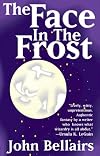
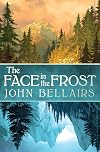
The Face in the Frost
by John Bellairs
On This Page
Description
A fantasy classic by the author of The House with a Clock in Its Walls--basis for the Jack Black movie--and "a writer who knows what wizardry is all about" (Ursula K. Le Guin). A richly imaginative story of wizards stymied by a power beyond their control, A Face in the Frost combines the thrills of a horror novel with the inventiveness of fairy tale-inspired fantasy. Prospero, a tall, skinny misfit of a wizard, lives in the South Kingdom--a patchwork of feuding duchies and small manors, show more all loosely loyal to one figurehead king. Along with his necromancer friend Roger Bacon, who has been on a quest to find a mysterious book, Prospero must flee his home to escape ominous pursuers. Thus begins an adventure that will lead him to a grove where his old rival, Melichus, is falsely rumored to be buried and to a less-than-hospitable inn in the town of Five Dials--and ultimately into a dangerous battle with origins in a magical glass paperweight. Lin Carter called The Face in the Frost one of "the best fantasy novels to appear since The Lord of the Rings . . . Absolutely first class." With a unique blend of humor and darkness, it remains one of the most beloved tales by the Edgar Award-nominated author also known for the long-running Lewis Barnavelt series. show lessTags
Recommendations















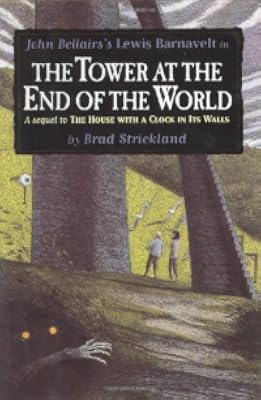



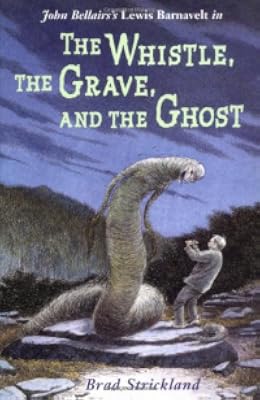



Member Recommendations
CurrerBell ... although I personally don't care for either.
themulhern I can't help thinking of Prospero as being very much inspired by the T. H. White's Merlin.
Member Reviews
It's extremely gratifying when a book you love as a teen turns out to be just as good when you re-read it as an adult. That's how I feel after reading The Face in Frost again. Written in 1969, I first read it in the late 1980s and loved it. I am happy to say that it was just as enjoyable this second time around.
Light-footed yet dark-hearted, gothically detailed yet deliberately vague, delightfully complex yet deceptively simple, this is an example of what the fantasy genre can be in the hands of a master storyteller.
And that's what The Face in the Frost is: a story. In the best sense of the word. This is a tale to read in front of the fireplace in the evening, or to bring with you to the beach when you need to shrug off the weight of show more the world for a while.
At significantly less than two hundred pages, The Face in the Frost shows that high quality fantasy can be tightly written and still open up new worlds and mysterious situations.
A hauntingly great story that ought to be better known and appreciated. show less
Light-footed yet dark-hearted, gothically detailed yet deliberately vague, delightfully complex yet deceptively simple, this is an example of what the fantasy genre can be in the hands of a master storyteller.
And that's what The Face in the Frost is: a story. In the best sense of the word. This is a tale to read in front of the fireplace in the evening, or to bring with you to the beach when you need to shrug off the weight of show more the world for a while.
At significantly less than two hundred pages, The Face in the Frost shows that high quality fantasy can be tightly written and still open up new worlds and mysterious situations.
A hauntingly great story that ought to be better known and appreciated. show less
When Ursula Le Guin called it "unpretentious", she got that right. This is much like John Bellairs' other books, except that there are no children in it, and no fun local colour, either. The plot is incoherent, the evil somehow great but easily defeated by a bunch of buffoons. The book does offer some funny magical predicaments, as well as a humorous magical house. I think Bellairs read "The Sword in the Stone" with enjoyment, and decided to make his wizard resemble T. H. White's Merlin, but without the pathos.
In _The Face in the Frost_, the wizard Prospero ("not the one you're thinking of") sets about on a quest to squash the evil machinations of his former rival and fellow student Melichus. He's joined by the English sorcerer Roger Bacon (and he _is_ the one you're thinking of), and the two set off on a journey through lands that are both charming and eerie.
Though an "adult" fantasy novel, _The Face in the Frost_ is suffused with the same elements of mystery and dark thrills that his "kids" books are. For example, we find Prospero's home, and his collection of odds, ends, flotsam and jetsam (including, for example, a magical talking mirror--the cousin, perhaps, of Jonathan Barnavelt's player piano?); but in the world outside, Prospero and show more Bacon encounter black necromancy, dangerous spirits and malevolent illusions. While unlike the young protagonists of his "kids" stories, Prospero is equally personable, easy to like, admire and identify with. Bellairs is a master of combining atmosphere, adventure and setting to form a chilling story, and _The Face in the Frost_ is no exception. There is, admittedly, a major _deus ex machina_ at the end of the tale, but I think it's forgivable rather than cringe-worthy, considering it contains the same danger and interest that the rest of the story has.
Actually, I've always found _The Face in the Frost_ to be a perfect example of everything that's great in fantasy fiction. The atmosphere is descriptive and, one might put it, mature, but always wonder-full and demanding of imagination, the art of suspending disbelief. So much modern adult fantasy fiction, like the dreck of Terry Goodkind and Robert Jordan, is focused upon pseudo-scientific magic systems that leach away wonder and mystery, and disturbing pseudo-sexuality which only serves to express the author's own adolescent yearnings. Their purpose is to make fantasy _real_--and, really, what's the fun in that? Bellairs knows what it means to be a reader with mature imagination, and _The Face in the Frost_ is a continual joy to visit.
Supposedly, Bellairs had the vague idea to write a sequel, and I wish that it had come to be. _The Face in the Frost_ is an exemplar of fantasy, and just plain fun. Five enthusiastic stars. show less
Though an "adult" fantasy novel, _The Face in the Frost_ is suffused with the same elements of mystery and dark thrills that his "kids" books are. For example, we find Prospero's home, and his collection of odds, ends, flotsam and jetsam (including, for example, a magical talking mirror--the cousin, perhaps, of Jonathan Barnavelt's player piano?); but in the world outside, Prospero and show more Bacon encounter black necromancy, dangerous spirits and malevolent illusions. While unlike the young protagonists of his "kids" stories, Prospero is equally personable, easy to like, admire and identify with. Bellairs is a master of combining atmosphere, adventure and setting to form a chilling story, and _The Face in the Frost_ is no exception. There is, admittedly, a major _deus ex machina_ at the end of the tale, but I think it's forgivable rather than cringe-worthy, considering it contains the same danger and interest that the rest of the story has.
Actually, I've always found _The Face in the Frost_ to be a perfect example of everything that's great in fantasy fiction. The atmosphere is descriptive and, one might put it, mature, but always wonder-full and demanding of imagination, the art of suspending disbelief. So much modern adult fantasy fiction, like the dreck of Terry Goodkind and Robert Jordan, is focused upon pseudo-scientific magic systems that leach away wonder and mystery, and disturbing pseudo-sexuality which only serves to express the author's own adolescent yearnings. Their purpose is to make fantasy _real_--and, really, what's the fun in that? Bellairs knows what it means to be a reader with mature imagination, and _The Face in the Frost_ is a continual joy to visit.
Supposedly, Bellairs had the vague idea to write a sequel, and I wish that it had come to be. _The Face in the Frost_ is an exemplar of fantasy, and just plain fun. Five enthusiastic stars. show less
This is the first Bellairs book I read, after locating it in the "Recommended Further Reading" appendix to the original AD&D Dungeon Master's Guide. The Face in the Frost is one of Bellairs' earliest works, and one of his best. While his later books were aimed at the juvenile market, this book is not. Uninhibited by the need to make the book palatable for the younger set, Bellairs let loose with the full range of creepiness that his mind could come up with while leavening it with a fair amount of almost silly fantasy.
The story revolves around the wizards Prospero and Roger Bacon who find themselves beset with an unseen and unknown enemy. The two flee (in sometimes humorous ways, including shrinking themselves to fit on a model ship), show more while trying to get information to identify their assailant and figure out why he is pursuing them. The attacks become more and more dangerous and frightening, and the entire world seems affected as an unseasonable winter seems to grip the land. Prospero is informed at one point that Bacon is dead and finds his own life threatened by some extremely creepy villagers.
While the structure of the story itself is fairly simple - wizard is attacked, wizard investigates while on the run, wizard defeats enemy - the atmosphere described in the book is what makes it so good. Bellairs makes each scene a little bit scarier than the last, starting with a somewhat lighthearted tone, and eventually building to a frozen and eerie dénouement, albeit somewhat of an anticlimactic one. Eventually Prospero figures out who his antagonist is, and why. He manages to foil what could be the outbreak of a war, but that doesn't really seem to help overcome the villain. Eventually, Prospero finds himself in another universe, and finally manages to defeat the villain.
The slight weakness of the finale aside, The Face in the Frost is everything a fantasy novel should be: funny, scary, and packed with wonder. Unlike many of the doorstoppers produced today, in which multiple ponderous seven hundred page tomes advance their story in halting baby steps, The Face in the Frost establishes its setting, its characters, and its villain as well as establishing and resolving its conflict in under two hundred. Many modern writers would do well to look back upon Bellairs' work and see how he managed to create such a memorable story in so many fewer pages.
This review has also been posted to my blog Dreaming About other Worlds. show less
The story revolves around the wizards Prospero and Roger Bacon who find themselves beset with an unseen and unknown enemy. The two flee (in sometimes humorous ways, including shrinking themselves to fit on a model ship), show more while trying to get information to identify their assailant and figure out why he is pursuing them. The attacks become more and more dangerous and frightening, and the entire world seems affected as an unseasonable winter seems to grip the land. Prospero is informed at one point that Bacon is dead and finds his own life threatened by some extremely creepy villagers.
While the structure of the story itself is fairly simple - wizard is attacked, wizard investigates while on the run, wizard defeats enemy - the atmosphere described in the book is what makes it so good. Bellairs makes each scene a little bit scarier than the last, starting with a somewhat lighthearted tone, and eventually building to a frozen and eerie dénouement, albeit somewhat of an anticlimactic one. Eventually Prospero figures out who his antagonist is, and why. He manages to foil what could be the outbreak of a war, but that doesn't really seem to help overcome the villain. Eventually, Prospero finds himself in another universe, and finally manages to defeat the villain.
The slight weakness of the finale aside, The Face in the Frost is everything a fantasy novel should be: funny, scary, and packed with wonder. Unlike many of the doorstoppers produced today, in which multiple ponderous seven hundred page tomes advance their story in halting baby steps, The Face in the Frost establishes its setting, its characters, and its villain as well as establishing and resolving its conflict in under two hundred. Many modern writers would do well to look back upon Bellairs' work and see how he managed to create such a memorable story in so many fewer pages.
This review has also been posted to my blog Dreaming About other Worlds. show less
Bellairs is best known for his children's books, with an added boost recently from The House With a Clock in Its Walls being released as a movie.
This isn't a kids' book. Not that it contains any inappropriate content, and there are undoubtedly kids who would enjoy it.
This book, though, is aimed at adults who will enjoy the wordplay, the humor that rests on familiarity with things kids the age of Bellairs' usual readers haven't read yet, being aware of who the "other" Prospero is and recognizing the name of Roger Bacon, and...but no. Wait. Kids would enjoy the transition from the comic beginnings to the terrifying opponent.
The basic story isn't remarkable. Two good wizards discover evidence of an evil wizard at work with dark intentions, show more and set out to stop him. What is remarkable is graceful, elegant, and extremely funny use of language and familiar literary imagery to create a delightfully original and absorbing story for adult readers.
I have a deep and abiding love for this story, and its author, and, weirdly, for the discovery that the women's Catholic college he taught English at for a year, and was deeply unhappy at, was in fact my own alma mater--and that he was fondly remembered there as a good, likable, interesting guy--not by the English department, but by the history department. And specifically, the chair of the history department, who was my adviser.
It's the sort of whimsy that's entirely appropriate for John Bellairs. Who, yes, really was a good, likable, interesting guy.
This story is highly recommended and a lot of fun.
I bought this audiobook. show less
This isn't a kids' book. Not that it contains any inappropriate content, and there are undoubtedly kids who would enjoy it.
This book, though, is aimed at adults who will enjoy the wordplay, the humor that rests on familiarity with things kids the age of Bellairs' usual readers haven't read yet, being aware of who the "other" Prospero is and recognizing the name of Roger Bacon, and...but no. Wait. Kids would enjoy the transition from the comic beginnings to the terrifying opponent.
The basic story isn't remarkable. Two good wizards discover evidence of an evil wizard at work with dark intentions, show more and set out to stop him. What is remarkable is graceful, elegant, and extremely funny use of language and familiar literary imagery to create a delightfully original and absorbing story for adult readers.
I have a deep and abiding love for this story, and its author, and, weirdly, for the discovery that the women's Catholic college he taught English at for a year, and was deeply unhappy at, was in fact my own alma mater--and that he was fondly remembered there as a good, likable, interesting guy--not by the English department, but by the history department. And specifically, the chair of the history department, who was my adviser.
It's the sort of whimsy that's entirely appropriate for John Bellairs. Who, yes, really was a good, likable, interesting guy.
This story is highly recommended and a lot of fun.
I bought this audiobook. show less
The Face in the Frost is by author John Bellairs who specialized in writing spooky tales for young readers. This story totally enchanted me with it’s magic, humor and adventure. The main character, Prospero and his best friend Roger Bacon are elderly wizards in a fantasy land. When a series of supernatural manifestations begin to haunt Propero’s home, the two friends set out on a quest to discover the source of these evil occurrences. On their journey they encounter ghosts, wild beasts, and nightmares of all types, yet these wizards fight back with their magic staffs and chanted spells. They never give up, and their humor never deserts them.
Although this book is for children, and the plot is fairly simple, this author has a show more wonderful way with words, mixing whimsical fairy tale language and strange inventive wizard words into the flow of the narrative. There isn’t much in the way of violence instead the author creates a sense of danger by bending reality into nightmare scenes and keeping our two wizards in a constant state of dread.
A very short novel of less than 200 pages, The Face in the Frost was a delightful way to spend an afternoon and introduced me to a couple of very lovable wizards. The writing is a blend of dark Gothic and fanciful lightness that at times is spooky and at others silly. I wish I had read this when I was young because I know I would have been totally caught up in this magical tale. show less
Although this book is for children, and the plot is fairly simple, this author has a show more wonderful way with words, mixing whimsical fairy tale language and strange inventive wizard words into the flow of the narrative. There isn’t much in the way of violence instead the author creates a sense of danger by bending reality into nightmare scenes and keeping our two wizards in a constant state of dread.
A very short novel of less than 200 pages, The Face in the Frost was a delightful way to spend an afternoon and introduced me to a couple of very lovable wizards. The writing is a blend of dark Gothic and fanciful lightness that at times is spooky and at others silly. I wish I had read this when I was young because I know I would have been totally caught up in this magical tale. show less
Two old wizards wander around an imaginary landscape. They run into some trouble, start some trouble, and encounter unreal more real than real. They smoke pipes and draw signs in the dirt and mutter to themselves over wine. There are moments of eldritch terror, a village of Five Dials, a dead forest, a paperweight. Most of it works. I'll warn the village, you stay here and destroy the bridge. Right, right, destroy the bridge. Must be a way to do that...
Members
- Recently Added By
Lists

Best Fantasy Novels
821 works; 361 members

Scary Stories for the Season
160 works; 94 members

Genre Benders: Comic Fantasy
97 works; 16 members

1960s, Best books published therein
254 works; 22 members

Alternate Englands
34 works; 7 members

infjsarah's wishlist
408 works; 2 members

1960s
281 works; 16 members

Books Read in 2020
4,379 works; 124 members

Genre Benders: Dark Fantasy
52 works; 4 members

Lesser known books of well known authors
39 works; 17 members

Witches and Wizards Oh My
135 works; 12 members
Books We Love to Reread
688 works; 296 members

Our Favorite Comfort Reads
334 works; 200 members
Books We Couldn't Put Down
443 works; 197 members
Books We Want To Read Again For The First Time
384 works; 160 members
Author Information

37+ Works 12,620 Members
John Bellairs was born in Marshall, Michigan on January 17, 1938. He attended Notre Dame and the University of Chicago. Prior to becoming a full-time writer, he was a teacher. He went on to author fifteen graphic novels for young adults, one fantasy book "The Face in the Frost," and two other books. His works have been nominated for several awards show more in the past. Among those nominated for, he won the Utah Children's Fiction Book Award in 1981 for "The Letter, the Witch and the Ring" and the New York Times Outstanding Books of 1973 Award for "The House with a Clock in Its Walls." Bellairs died of cardiovascular disease, on March 8, 1991. (Bowker Author Biography) show less
Some Editions
Awards and Honors
Work Relationships
Is contained in
Common Knowledge
- Original publication date
- 1969
- People/Characters
- Prospero ("and not the one you're thinking of"); Roger Bacon; Melichus
- Dedication
- To the Memory of my Mother
- First words
- Prospero and Roger Bacon, the two main characters in a story that seems crammed with wizards, were wizards.
- Last words
- (Click to show. Warning: May contain spoilers.)The mirror was asleep.
Classifications
Statistics
- Members
- 796
- Popularity
- 34,830
- Reviews
- 20
- Rating
- (4.00)
- Languages
- English, German
- Media
- Paper, Audiobook, Ebook
- ISBNs
- 21
- ASINs
- 10