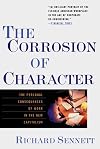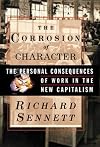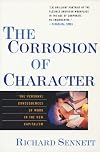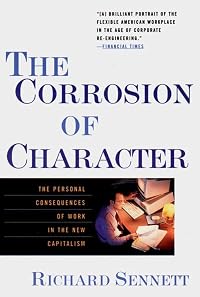
The Corrosion of Character: The Personal Consequences of Work in the New Capitalism
by Richard Sennett
On This Page
Description
Drawing on interviews with dismissed IBM executives in Westchester, New York, bakers in a high-tech Boston bakery, a barmaid turned advertising executive, and many others, Sennett explores the disorienting effects of the new capitalism. He reveals the vivid and illuminating contrast between two worlds of work: the vanished world of rigid, hierarchical organizations, where what mattered was a sense of personal character, and the brave new world of corporate re-engineering, risk, flexibility, show more networking, and short-term teamwork, where what matters is being able to reinvent yourself on a dime. In this timely and essential essay, Sennett enables us to understand the social and political context for our contemporary confusions, and he suggests how we need to re-imagine both community and individual character in order to confront an economy based on the principle of "no long term." show lessTags
Recommendations







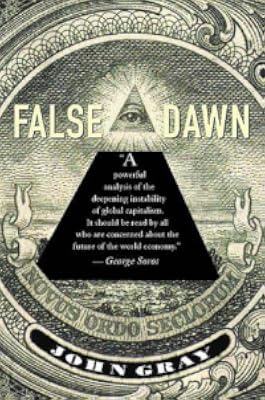
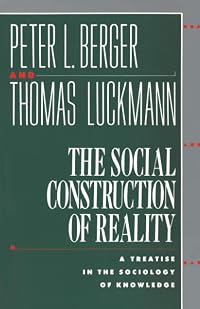
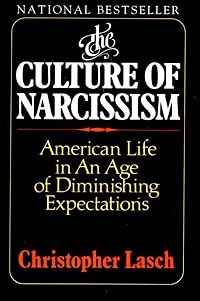

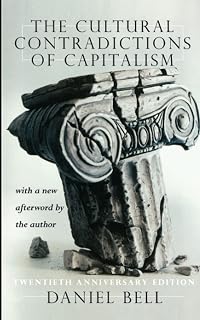




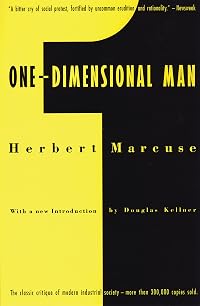
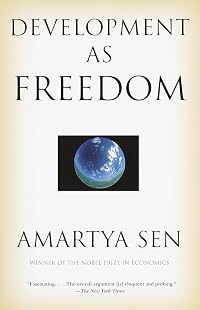
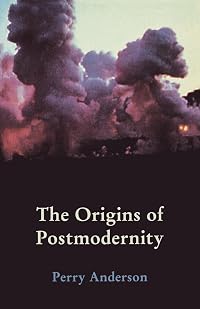



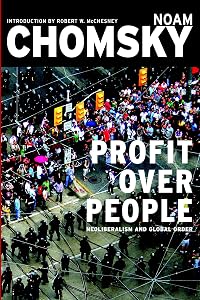



Member Recommendations
CraigHodges Bunting primarily looks at working life in Britain.
Member Reviews
I found it an interesting read about how people are finding it hard to cope with the way work is being presented and the worship of youth over older and experience. Flexibility is one thing but feeling valued in your job and that there is some security is another.
It isn't really my area of expertise but I did find it interesting to read and it did solidify some of my ideas about how work is going.
It isn't really my area of expertise but I did find it interesting to read and it did solidify some of my ideas about how work is going.
Very engaging book. The focus on capitalism's corroding effect on your ability to relate to people and develop character was interesting. I especially liked at the end how the author admits to no magical solution just a problem that needs addressing.
Lo leí hace siglos en la carrera, para una de las asignaturas de Psicología de las organizaciones y se me hizo pesado no, lo siguiente -_-
Supongo que en esa época le cogí manía a esa rama de la Psicología (que probablemente tuviera que ver con el enfoque que le daban en la UAB y las pocas asignaturas que se le dedicaban en la licenciatura).
No sé si está en casa de mis padres o se quedó en casa de mi primer ex (con el 95% de mi biblioteca). Supongo que ahora lo leería con una perspectiva muy diferente, pero meh.
Supongo que en esa época le cogí manía a esa rama de la Psicología (que probablemente tuviera que ver con el enfoque que le daban en la UAB y las pocas asignaturas que se le dedicaban en la licenciatura).
No sé si está en casa de mis padres o se quedó en casa de mi primer ex (con el 95% de mi biblioteca). Supongo que ahora lo leería con una perspectiva muy diferente, pero meh.
Fabulous. One of he best books I've read about different economic systems and the consequences they have for ordinary people.
shelved in HT Green Library - by Reception - Monograph Library (R)
En el «nuevo capitalismo», la concepción del trabajo ha cambiado radicalmente. En lugar de una rutina estable, de una carrera predecible, de la adhesión a una empresa a la que se era leal y que a cambio ofrecía un puesto de trabajo estable, los trabajadores se enfrentan ahora a un mercado laboral flexible, a empresas estructuralmente dinámicas con periódicos e imprevisibles reajustes de plantilla, a exigencias de movilidad absoluta. En la actualidad vivimos en un ámbito laboral nuevo, de transitoriedad, innovación y proyectos a corto plazo. Pero en la sociedad occidental, en la que «somos lo que hacemos» y el trabajo siempre ha sido considerado un factor fundamental para la formación del carácter y la constitución de show more nuestra identidad, este nuevo escenario laboral, a pesar de propiciar una economía más dinámica, puede afectarnos profundamente, al atacar las nociones de permanencia, confianza en los otros, integridad y compromiso, que hacían que hasta el trabajo más rutinario fuera un elemento organizador fundamental en la vida de los individuos y, por consiguiente, en su inserción en la comunidad. Mediante entrevistas con ejecutivos de IBM despedidos en la gran remodelación de esta compañía en los años noventa; el seguimiento de la trayectoria de un padre y de su hijo, asalariado toda su vida el primero y asesor forzosamente independiente el segundo; y de dos generaciones de trabajadores de la misma empresa panificadora de Boston, Sennett analiza con notable penetración y cuantiosa información el contraste entre dos ámbitos de trabajo radicalmente distintos: el antiguo, en vías de desaparición, un mundo de organizaciones jerárquicas rígidas, donde se esperaba de los trabajadores una identidad firme, una personalidad formada, y el nuevo mundo de empresas en permanente crecimiento y cambio, un mundo de riesgo, de extrema flexibilidad y objetivos a corto plazo, donde se exigen individuos capaces de reinventarse a sí mismos sobre la marcha. show less
Feb 7, 2025Spanish
Der moderne Kapitalismus hat gewisse Charakteristika, wie Routine, Flexibilität, Drift, Unlesbarkeit, das Tabu des Scheiterns. Der Soziologe Richard Sennett untersucht diese Aspekte und ihre Auswirkungen auf das Leben von Arbeitnehmern. Indem theoretische Überlegungen mit den Erfahrungen von wirklichen Personen verknüpft werden, ist dies gut lesbar und nachvollziehbar. Insgesamt erschweren es diese Charakteristika den Arbeitenden sehr, ihr Arbeitsleben als eine kohärente, Sinn gebende Erzählung zu verstehen. Besonders interessant fand ich das Kapitel über das Scheitern, dessen "Protagonisten" eine Gruppe von Pro-grammierern waren, die in den 90er Jahren von IBM entlassen wurden.
Über weite Teile war dies ein interessantes und show more anregendes Sachbuch, wobei ich die positiven Aspekte der heutigen Arbeitswelt – die es ja auch gibt – vermisst habe. show less
Über weite Teile war dies ein interessantes und show more anregendes Sachbuch, wobei ich die positiven Aspekte der heutigen Arbeitswelt – die es ja auch gibt – vermisst habe. show less
Jul 31, 2012German
Members
- Recently Added By
Lists

In Our Time books
4,934 works; 2 members
Author Information

47+ Works 4,962 Members
Richard Sennett founded and served as first director of the New York Institute of the Humanities and is now a professor of sociology at both New York University and the London School of Economies.
Awards and Honors
Series
Belongs to Publisher Series
Siedler Taschenbuch (75576)
Common Knowledge
- Canonical title
- The Corrosion of Character: The Personal Consequences of Work in the New Capitalism
- Original title
- The Corrosion of Character: The Personal Consequences of Work in the New Capitalism
- Original publication date
- 1998
- Dedication
- In Memory of Isaiah Berlin
- First words
- Recently I met someone in an airport whom I hadn't seen for fifteen years.
- Last words
- (Click to show. Warning: May contain spoilers.)But I do know a regime which provides human beings no deep reasons to care about one another cannot long preserve its legitimacy.
- Blurbers
- Bell, Daniel; Tonkin, Boyd; Terkel, Studs; Wilson, William Julius; Hobsbawm, Eric; Taylor, Robert (show all 10); Solow, Robert M.; Rorty, Richard; Lloyd, John; Elliott, Anthony
Classifications
- Genres
- Sociology, Economics, Nonfiction, General Nonfiction, Philosophy
- DDC/MDS
- 301 — Society, government, & culture Social sciences, sociology & anthropology Sociology and anthropology
- LCC
- HD8072.5 .S46 — Social sciences Industries. Land use. Labor Industries. Land use. Labor Labor. Work. Working class By region or country
- BISAC
Statistics
- Members
- 720
- Popularity
- 39,321
- Reviews
- 8
- Rating
- (3.85)
- Languages
- 10 — Danish, Dutch, English, Finnish, French, German, Italian, Portuguese, Spanish, Swedish
- Media
- Paper, Ebook
- ISBNs
- 22
- ASINs
- 4