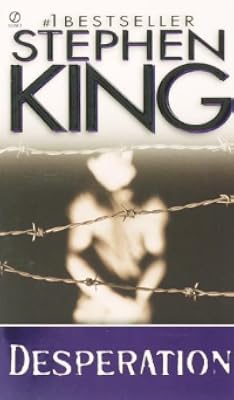
Desperation
by Stephen King
There is 1 current discussion about this work.
On This Page
Description
Stephen King's #1 national bestseller about a little mining town, Desperation, that many will enter on their way to somewhere else. But getting out is not easy as it would seem... "I see holes like eyes. My mind is full of them." For all intents and purposes, police officer Collie Entragian, chief law enforcement for the small mining town of Desperation, Nevada, appears to be completely insane. He's taken to stopping vehicles along the desolate Interstate 50 and abducting unwary travelers show more with various unusual ploys. There's something very wrong here in Desperation...and Officer Entragian is only at the surface of it. The secrets embedded in Desperation's landscape, and the horrifying evil that infects the town like some viral hot zone, are both awesome and terrifying. But one of Entragian's victims, young David Carver, seems to know--and it scares him nearly to death to realize this truth--that the forces being summoned to combat this frightful, maniacal aberration are of equal and opposite intensity... show lessTags
Recommendations






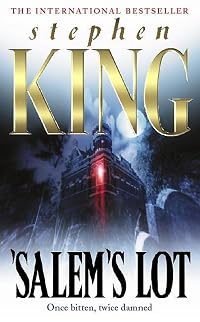

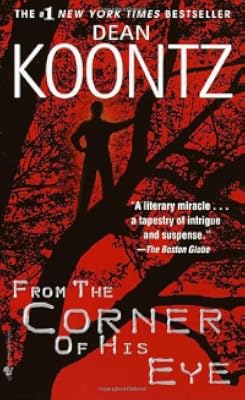

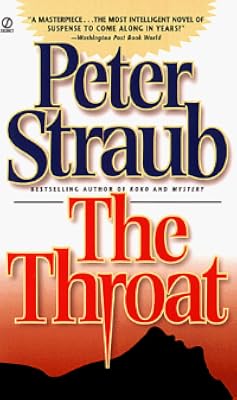

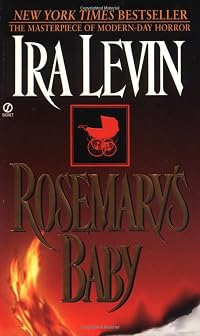






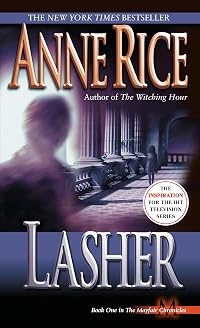

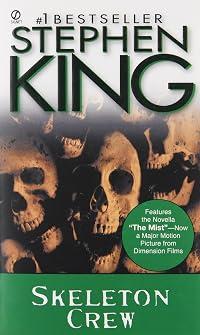
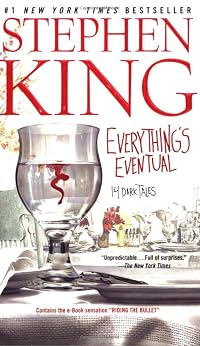
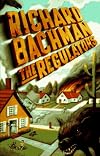
Member Recommendations
Member Reviews
Usually when I pick up a book this chonky I expect the first hundred pages or so to be world building, character development, slow reading etc. King said nah we're diving right in just figure it out as you go. And I loved him for it!
This was a super fun read, kept you on your toes trying to figure out what the hell this group was up against. The long ass dust storm made a lot of this book feel very claustrophobic to me. David is a great character, such a tough little shit. The adults around him are crumbling and he is just constantly leading the group to safety. Loved that kid.
Honestly I would make it 5 stars but the spider scenes were too much for me. Kill people, chop off their heads, play with their innards, I don't care. But show more poisonous spiders acting like fucking soldiers. No thanks. Would definitely recommend. show less
This was a super fun read, kept you on your toes trying to figure out what the hell this group was up against. The long ass dust storm made a lot of this book feel very claustrophobic to me. David is a great character, such a tough little shit. The adults around him are crumbling and he is just constantly leading the group to safety. Loved that kid.
Honestly I would make it 5 stars but the spider scenes were too much for me. Kill people, chop off their heads, play with their innards, I don't care. But show more poisonous spiders acting like fucking soldiers. No thanks. Would definitely recommend. show less
This was book number 57 by for me, not sure what took me so long to get to it as it was published some time ago now. King remains my most read author by a long way. As with his other books I enjoyed the way he quickly pulls you into the story and this book gets going pretty quickly with the cop stopping folks on the deserted highway (quietest in the country according to King) and taking them to jail. From there onwards the story is a sprint to the inevitable finish where the good guys duf up the baddies and live to tell the tail. Well not entirely, there are a few twists, turns and casualties along the way. All the hall marks of Kings great story telling are there, the character development, the use of music, the dry humor, the signs show more and threat of evil as a build up the big reveal was all well done. I really did enjoy the book and feel for sure that there will be a movie coming in the future as it certainly has all the makings for it. Yes, it is long, but it will grip you and, in the end, you will feel that it was all worth it. Go on give it a read, you will not be disappointed.
7/1/24: Coming back 2 and a half years after I read the book to note that I watched the movie, and it was pretty well done, still think the book was better though. show less
7/1/24: Coming back 2 and a half years after I read the book to note that I watched the movie, and it was pretty well done, still think the book was better though. show less
I got the paperback copy of Stephen King’s DESPERATION for Christmas some many years back, and it sat on my shelf far too long before I picked it up and read it. This was one of King’s 90’s efforts, which some of his avid fans think is his lesser period after he’d kicked his alcohol and drug habits, although I would disagree. I remember catching a TV miniseries version back in the 2000’s, co-starring Ron Pearlman, but as good as that show was, the book is so much better, even if in many ways, DESPERATION is a potboiler, where a sundry group of characters are thrown into a perilous situation, and must find away to save themselves. If the book hits on some of King’s familiar horror tropes, then he plays them here like a master show more here.
Many horror stories succeed or fail on the nature of the Big Bad, and in DESPERATION, I would give King an A+ with his creation of Tak, an evil entity (the Unformed) existing deep under the Nevada desert, that is until an old mine shaft is opened in the China Pit just outside the little town of Desperation, located in the middle of nowhere off of Rt. 50. Tak may well be a pagan God, one that ravenously craves death. Though unable to leave its underground lair, Tak is able to take physical possession any unwary human who wanders too close, and falls into its grip, literally entering their bodies and grotesquely swelling them with its life force. Not only that, but most of the local wildlife – canine, insect, reptile, and avian – come under the entity’s control. First a mine manager, then a receptionist, and finally a cop, becomes Tak’s vessel, and soon the human population of Desperation has all but been wiped out. But I give King credit, he does not make his villain all powerful, it may deal out a lot of carnage with its oversized victims, but the possessed bodies very quickly break down, necessitating a constant jump to another one, which just as quickly starts to fall apart. In Collie Entragian, the monster sized cop from hell, King has created one of his most fearsome, and memorable, antagonists. In some ways, Tak is similar to Pennywise from IT, another evil force that hides itself underground and lures the unsuspecting into its clutches, but in DESPERATION, the sober King wisely does not give this evil a cosmic mythology that nearly derails the book.
The other thing DESPERATION has going for it is King’s deft talent for characterization, as the malevolent Entragian picks off one traveler on the highway after another, and throws them into the Desperation jail. I became totally invested in these people right from the get go, feared for their safety, and worried what final fate would befall them. The two standouts of this group, who must ultimately face Tak on his home ground, are eleven year old David Carver, and the very middle aged author Johnny Marinville. King has always had an uncanny ability to write wonderful child characters, from the boys in THE BODY, to the Losers Club in IT, to THE GIRL WHO LOVED TOM GORDON, to Danny Torrance in THE SHINING; they remain among his most vivid creations. I think David might be among the author’s best, a boy whose faith in God is put to an awful test. Marinville is a character familiar to any King reader, a once famous literary lion whose talent has been rusted away by alcohol and toxic fame. David’s family makes the mistake of traveling to Vegas in an RTV, while Marinville, hoping to get his writing mojo going again, takes a cross country motorcycle trip, which ends with all of them fighting for survival against Tak in the town of Desperation. Johnny and David instantly go to the top of my list of favorite King characters, a pair of most unlikely heroes.
In many of King’s books, he speculates about the nature of God, none more so than in DESPERATION. As in THE STAND, the God who emerges from King’s writing is not the loving deity of Sunday morning sermons, but a harder and sterner God, one who asks terrible things of his children when they are beset by a vile evil, when even his most faithful break under the weight of the struggle. There is an ongoing argument between the young believer, David, and the selfish cynic, Johnny, that I found most interesting, and to be some of King’s best writing. That King raises questions and then leaves it to the reader to answer fully is as it should be. One thing King is not mysterious about is the nature of evil, for his Tak is an all devouring entity, alien in every way to humanity, incapable of feeling anything but a voracious desire to kill and destroy. It is the embodiment of selfishness itself.
Those who like what King calls “the gross out” will not be disappointed here, the story has a high violence and gore content, even by the King’s standards; all that and plenty of creepy crawly encounters with spiders, rattlesnakes, scorpions, not to mention man killing coyotes and a hateful wolf. There is a high body count, and no punches are pulled when it comes to certain characters that would have been considered safe in many other mainstream horror novels. As in many of King’s books, there is a pause near the end of the mid section of the story where a lot of back story, exposition, and explanation are laid out, a necessary trope in order for the main characters to gain information they will need to take on Tak in the novel’s climax. If a lot of the final showdown feels familiar to any “constant reader,” that’s fine by me, as I feel we have become so invested in David and Johnny, along with Steve, Cynthia, Mary, and Ralph, that we should hardly notice. And there are a few references that date the book to the mid 90’s, like video rental stores, Albert Belle, spotty cell coverage, and hating Bill Clinton instead of Hillary. If King were writing it today, he would have to tweak it in the era of GPS and the Internet.
There is a companion book to DESPERATION, written by King under the name of Richard Bachman, titled THE REGULATORS, which I managed to read a few years back, and though not quite the epic ride of DESPERATION, it is a nasty (in the best way), and fun read on its own. I highly recommend it.
A few years after this book was published, Stephen King narrowly survived being hit by a motorist while out on walk. He pulled through, and was able to resume his writing career. Many readers have noted a change in his books since then, complaining that he too often rewrites himself, and regurgitates old themes he’s already visited. Too often in these latter books we are forced to witness another character’s struggle with substance abuse, or muse on the finer points of making music – two things very important to King. But this latter period has produced some great books: 11-22-63, DUMA KEY, FROM A BUICK 8, DOCTOR SLEEP, CELL, and the Bill Hodges trilogy. I would consider any of them to be among his finest. And after the success of IT on the big screen, I am sure some Hollywood producer, either at the studios, or at Netflix or Amazon Prime, is looking for another King title to make into a movie. I would respectfully suggest they take another look at DESPERATION and consider a reboot. It has a good story, great characters, and plenty of opportunities to scare the audience in the best way possible. show less
Many horror stories succeed or fail on the nature of the Big Bad, and in DESPERATION, I would give King an A+ with his creation of Tak, an evil entity (the Unformed) existing deep under the Nevada desert, that is until an old mine shaft is opened in the China Pit just outside the little town of Desperation, located in the middle of nowhere off of Rt. 50. Tak may well be a pagan God, one that ravenously craves death. Though unable to leave its underground lair, Tak is able to take physical possession any unwary human who wanders too close, and falls into its grip, literally entering their bodies and grotesquely swelling them with its life force. Not only that, but most of the local wildlife – canine, insect, reptile, and avian – come under the entity’s control. First a mine manager, then a receptionist, and finally a cop, becomes Tak’s vessel, and soon the human population of Desperation has all but been wiped out. But I give King credit, he does not make his villain all powerful, it may deal out a lot of carnage with its oversized victims, but the possessed bodies very quickly break down, necessitating a constant jump to another one, which just as quickly starts to fall apart. In Collie Entragian, the monster sized cop from hell, King has created one of his most fearsome, and memorable, antagonists. In some ways, Tak is similar to Pennywise from IT, another evil force that hides itself underground and lures the unsuspecting into its clutches, but in DESPERATION, the sober King wisely does not give this evil a cosmic mythology that nearly derails the book.
The other thing DESPERATION has going for it is King’s deft talent for characterization, as the malevolent Entragian picks off one traveler on the highway after another, and throws them into the Desperation jail. I became totally invested in these people right from the get go, feared for their safety, and worried what final fate would befall them. The two standouts of this group, who must ultimately face Tak on his home ground, are eleven year old David Carver, and the very middle aged author Johnny Marinville. King has always had an uncanny ability to write wonderful child characters, from the boys in THE BODY, to the Losers Club in IT, to THE GIRL WHO LOVED TOM GORDON, to Danny Torrance in THE SHINING; they remain among his most vivid creations. I think David might be among the author’s best, a boy whose faith in God is put to an awful test. Marinville is a character familiar to any King reader, a once famous literary lion whose talent has been rusted away by alcohol and toxic fame. David’s family makes the mistake of traveling to Vegas in an RTV, while Marinville, hoping to get his writing mojo going again, takes a cross country motorcycle trip, which ends with all of them fighting for survival against Tak in the town of Desperation. Johnny and David instantly go to the top of my list of favorite King characters, a pair of most unlikely heroes.
In many of King’s books, he speculates about the nature of God, none more so than in DESPERATION. As in THE STAND, the God who emerges from King’s writing is not the loving deity of Sunday morning sermons, but a harder and sterner God, one who asks terrible things of his children when they are beset by a vile evil, when even his most faithful break under the weight of the struggle. There is an ongoing argument between the young believer, David, and the selfish cynic, Johnny, that I found most interesting, and to be some of King’s best writing. That King raises questions and then leaves it to the reader to answer fully is as it should be. One thing King is not mysterious about is the nature of evil, for his Tak is an all devouring entity, alien in every way to humanity, incapable of feeling anything but a voracious desire to kill and destroy. It is the embodiment of selfishness itself.
Those who like what King calls “the gross out” will not be disappointed here, the story has a high violence and gore content, even by the King’s standards; all that and plenty of creepy crawly encounters with spiders, rattlesnakes, scorpions, not to mention man killing coyotes and a hateful wolf. There is a high body count, and no punches are pulled when it comes to certain characters that would have been considered safe in many other mainstream horror novels. As in many of King’s books, there is a pause near the end of the mid section of the story where a lot of back story, exposition, and explanation are laid out, a necessary trope in order for the main characters to gain information they will need to take on Tak in the novel’s climax. If a lot of the final showdown feels familiar to any “constant reader,” that’s fine by me, as I feel we have become so invested in David and Johnny, along with Steve, Cynthia, Mary, and Ralph, that we should hardly notice. And there are a few references that date the book to the mid 90’s, like video rental stores, Albert Belle, spotty cell coverage, and hating Bill Clinton instead of Hillary. If King were writing it today, he would have to tweak it in the era of GPS and the Internet.
There is a companion book to DESPERATION, written by King under the name of Richard Bachman, titled THE REGULATORS, which I managed to read a few years back, and though not quite the epic ride of DESPERATION, it is a nasty (in the best way), and fun read on its own. I highly recommend it.
A few years after this book was published, Stephen King narrowly survived being hit by a motorist while out on walk. He pulled through, and was able to resume his writing career. Many readers have noted a change in his books since then, complaining that he too often rewrites himself, and regurgitates old themes he’s already visited. Too often in these latter books we are forced to witness another character’s struggle with substance abuse, or muse on the finer points of making music – two things very important to King. But this latter period has produced some great books: 11-22-63, DUMA KEY, FROM A BUICK 8, DOCTOR SLEEP, CELL, and the Bill Hodges trilogy. I would consider any of them to be among his finest. And after the success of IT on the big screen, I am sure some Hollywood producer, either at the studios, or at Netflix or Amazon Prime, is looking for another King title to make into a movie. I would respectfully suggest they take another look at DESPERATION and consider a reboot. It has a good story, great characters, and plenty of opportunities to scare the audience in the best way possible. show less
"In these silences something may rise."
Stephen King, "Desperation"
My only disappointment in Stephen King's "Desperation" is that it isn't longer. This book contains all that makes King so enjoyable to read: strong and believable character development; intuitive and subtle understanding of the childhood psyche; horror as defined by what's creepy, intense, psychological and sometimes gothic; mythological back-story that superbly connects past and present; and the believably supernatural.
I won't bore you with another plot summary - plenty exist already in other reviews. I'd like to take a little bit of a deeper look at some of the elements of "Desperation" and share my thoughts on why I think this should rank right up with Kings' other show more non-epic tales (In truth, nothing of his can compare in breadth, depth and scope to "It" and "The Stand"; his "Gunslinger" series, to me, is of a different breed). And yes, this review has a plethora of spoilers.
One of the most fulfilling and satisfying elements of this story is the way King creates myth, and builds and exposes a legend he's created to flesh out the plot. Within the story itself, King writes that "legend-making" is when "truth and mistakes and outright lies are mixed up." King’s mythological evil comes in the form of Tak, a deep-earth spirit who’s been accidentally sprung free to spread unmitigated evil on the two-bit mining burg of Desperation, Nevada.
Very similar to Pennywise the Clown in "It", the evil presence in "Desperation" relies on transmogrification to perform its dastardly deeds. Its’ initial form is most memorable in the character of Sheriff Collie Entragian, who's big, creepy, violent, and has a dastardly sense of humor. In an example of King's ability to blend the grotesque with the ironic, Entragian "surveyed them from the melting ramparts of his face, and his mouth spread in a wide, lip-splitting grin. 'Look at us,' he said in a thick, sentimental voice. 'Look at us, would you? Gosh! Just one big happy family!'"
"The spiritual state of unbelief is desperation."
Faith and religion play a significant role in "Desperation". These themes provide the foundation for "Desperation's" back-story, and the propulsion of King's plot.
King explores god and religion, the role of logic and its' relationship to faith. He writes, "Sane men and women don't believe in God. That was all, that was flat. You can't say it from the pulpit, because the congregation'd run you out of town, but it's the truth. God isn't about reason; God is about faith and belief. God says, ‘Sure, take away the safety net. And when that's gone, take away the tightrope, too.’"
Kings’ mouthpiece for this thematic exploration is David Carver, a very unique and special 11-year old boy from Ohio; "There shall arise among you a prophet, and a dreamer of dreams."
A flashback describes David's thoughts on the day of his religious epiphany: "The day's simple unzipped loveliness stunned him, and for a moment he was very aware of himself as part of something whole --- a cell on the living skin of the world." And later on he hears "…the still, small voice of God." King creates a very powerful character in David Carver, as he's written with believable strength in his motivations and actions. And it's through David that King reveals, once again, his incredible ability draw to life a very genuine childhood experience and perspective, while under unimaginable circumstance. Carver reminds me of John Irving's Owen Meany, though not as brilliant in its' elegance and subtly.
Carver serves as a modern-day version of the biblical Jonah figure. He's forced to accept that "God is cruel," when within the span of a dramatic couple of days, God's "cruelty" continually bashes him like a hammer upon an anvil, and his unwavering belief becomes the driving force of the plot through the second half of the book.
King is known to write what he knows and what he's lived. He's fought his demons of alcoholism on the landscape of his novels for decades, and does so again in "Desperation", but on a smaller scale. John Marinville, former National Book Award winner and recovering alcoholic, serves as King's familiar in "Desperation." Through Marinville, "Desperation" becomes an exploration of King's faith and thoughts on religion. In a scene where Marinville ultimately comes to terms with his belief in god, King writes, "He was literally dividing himself in two. There was John Edward Marinville, who didn't believe in God and didn't want God to believe in him…And there was Johnny, who wanted to stay."
He writes, "People could make shadows that looked like animals, but they were still only shadows, minor tricks of light and projection. Wasn't it likely that God was the same kind of thing? Just another legendary shadow."
Written only a few years after being hit by a van and almost losing his life, it's not surprising that King was spending some grey matter on the existence and belief beyond the material world.
"Until Nevada, things had been fine."
The story comes down to good versus evil. The good is weighty and significant. The bad is historic and unrelenting. The Evil entity, Tak, comes from deep within the earth. It speaks in a "dead language" and is referred to as "unformed". Tak starts wreaking havoc in a dry, hot and sandy part of Nevada; released and unleashed through modern mining technology. Yes, there's an environmental message, but it's slight and obvious and King doesn't appear to be using it beyond a mechanism to build out his mythology and as a trigger for certain plot points.
Tak is ancient. He's from the earth; of nature and reliant on it. His transmogrification comes in the form of different human shells in which he inhabits. This gives him the ability to act away from his deep earthen home. But he's bound by biology and the human form, and his presence within the body overwhelms the body's weaknesses.
God uses David in a similar fashion. He uses him as an agent on earth. God on high; Tak deep below. God calls on his volunteers; while Tak takes his designees. It's through these people that they wage war.
Tak's domain and powers are at odds with technology and, as an extension, the modern world. Tak's minion run when they hear a cell phone. While they don't fear the automobile, they're clearly more comfortable in the dark and at night. In a very old-school vampiric way, Tak can call wildlife to act as his agents, or his eyes, or in one case, his early warning radar.
King explores modern v. ancient; old v. new. In modern days the past is only a shadow; only a distant memory, glimpsed out of the corner of your eye. Even the ancient words used by the evil presence is called the 'language of the dead'…old is past is history is gone and dead.
I found myself complete wrapped up in "Desperation". The elements of horror aren't terrifying. There were no evenings when I found myself second guessing those sounds in the night. But the themes stuck with me, and the characters engaged me. If you like Stephen King then this is an unqualified recommended read. If you like your horror with a good helping of psychological reflection, believable supernatural evil powers, and blood and gore, then you'll like this book. show less
Stephen King, "Desperation"
My only disappointment in Stephen King's "Desperation" is that it isn't longer. This book contains all that makes King so enjoyable to read: strong and believable character development; intuitive and subtle understanding of the childhood psyche; horror as defined by what's creepy, intense, psychological and sometimes gothic; mythological back-story that superbly connects past and present; and the believably supernatural.
I won't bore you with another plot summary - plenty exist already in other reviews. I'd like to take a little bit of a deeper look at some of the elements of "Desperation" and share my thoughts on why I think this should rank right up with Kings' other show more non-epic tales (In truth, nothing of his can compare in breadth, depth and scope to "It" and "The Stand"; his "Gunslinger" series, to me, is of a different breed). And yes, this review has a plethora of spoilers.
One of the most fulfilling and satisfying elements of this story is the way King creates myth, and builds and exposes a legend he's created to flesh out the plot. Within the story itself, King writes that "legend-making" is when "truth and mistakes and outright lies are mixed up." King’s mythological evil comes in the form of Tak, a deep-earth spirit who’s been accidentally sprung free to spread unmitigated evil on the two-bit mining burg of Desperation, Nevada.
Very similar to Pennywise the Clown in "It", the evil presence in "Desperation" relies on transmogrification to perform its dastardly deeds. Its’ initial form is most memorable in the character of Sheriff Collie Entragian, who's big, creepy, violent, and has a dastardly sense of humor. In an example of King's ability to blend the grotesque with the ironic, Entragian "surveyed them from the melting ramparts of his face, and his mouth spread in a wide, lip-splitting grin. 'Look at us,' he said in a thick, sentimental voice. 'Look at us, would you? Gosh! Just one big happy family!'"
"The spiritual state of unbelief is desperation."
Faith and religion play a significant role in "Desperation". These themes provide the foundation for "Desperation's" back-story, and the propulsion of King's plot.
King explores god and religion, the role of logic and its' relationship to faith. He writes, "Sane men and women don't believe in God. That was all, that was flat. You can't say it from the pulpit, because the congregation'd run you out of town, but it's the truth. God isn't about reason; God is about faith and belief. God says, ‘Sure, take away the safety net. And when that's gone, take away the tightrope, too.’"
Kings’ mouthpiece for this thematic exploration is David Carver, a very unique and special 11-year old boy from Ohio; "There shall arise among you a prophet, and a dreamer of dreams."
A flashback describes David's thoughts on the day of his religious epiphany: "The day's simple unzipped loveliness stunned him, and for a moment he was very aware of himself as part of something whole --- a cell on the living skin of the world." And later on he hears "…the still, small voice of God." King creates a very powerful character in David Carver, as he's written with believable strength in his motivations and actions. And it's through David that King reveals, once again, his incredible ability draw to life a very genuine childhood experience and perspective, while under unimaginable circumstance. Carver reminds me of John Irving's Owen Meany, though not as brilliant in its' elegance and subtly.
Carver serves as a modern-day version of the biblical Jonah figure. He's forced to accept that "God is cruel," when within the span of a dramatic couple of days, God's "cruelty" continually bashes him like a hammer upon an anvil, and his unwavering belief becomes the driving force of the plot through the second half of the book.
King is known to write what he knows and what he's lived. He's fought his demons of alcoholism on the landscape of his novels for decades, and does so again in "Desperation", but on a smaller scale. John Marinville, former National Book Award winner and recovering alcoholic, serves as King's familiar in "Desperation." Through Marinville, "Desperation" becomes an exploration of King's faith and thoughts on religion. In a scene where Marinville ultimately comes to terms with his belief in god, King writes, "He was literally dividing himself in two. There was John Edward Marinville, who didn't believe in God and didn't want God to believe in him…And there was Johnny, who wanted to stay."
He writes, "People could make shadows that looked like animals, but they were still only shadows, minor tricks of light and projection. Wasn't it likely that God was the same kind of thing? Just another legendary shadow."
Written only a few years after being hit by a van and almost losing his life, it's not surprising that King was spending some grey matter on the existence and belief beyond the material world.
"Until Nevada, things had been fine."
The story comes down to good versus evil. The good is weighty and significant. The bad is historic and unrelenting. The Evil entity, Tak, comes from deep within the earth. It speaks in a "dead language" and is referred to as "unformed". Tak starts wreaking havoc in a dry, hot and sandy part of Nevada; released and unleashed through modern mining technology. Yes, there's an environmental message, but it's slight and obvious and King doesn't appear to be using it beyond a mechanism to build out his mythology and as a trigger for certain plot points.
Tak is ancient. He's from the earth; of nature and reliant on it. His transmogrification comes in the form of different human shells in which he inhabits. This gives him the ability to act away from his deep earthen home. But he's bound by biology and the human form, and his presence within the body overwhelms the body's weaknesses.
God uses David in a similar fashion. He uses him as an agent on earth. God on high; Tak deep below. God calls on his volunteers; while Tak takes his designees. It's through these people that they wage war.
Tak's domain and powers are at odds with technology and, as an extension, the modern world. Tak's minion run when they hear a cell phone. While they don't fear the automobile, they're clearly more comfortable in the dark and at night. In a very old-school vampiric way, Tak can call wildlife to act as his agents, or his eyes, or in one case, his early warning radar.
King explores modern v. ancient; old v. new. In modern days the past is only a shadow; only a distant memory, glimpsed out of the corner of your eye. Even the ancient words used by the evil presence is called the 'language of the dead'…old is past is history is gone and dead.
I found myself complete wrapped up in "Desperation". The elements of horror aren't terrifying. There were no evenings when I found myself second guessing those sounds in the night. But the themes stuck with me, and the characters engaged me. If you like Stephen King then this is an unqualified recommended read. If you like your horror with a good helping of psychological reflection, believable supernatural evil powers, and blood and gore, then you'll like this book. show less
Interestingly, based on my previous reading experience of this, 28 years back, I fully expected this one to be a five-star read.
It was good, and it was actually interesting to see Stephen King tackle the subject of the Christian God, pitting Him against a demonic evil force, Tak.
And I will say, King's version of God is an interesting take. Still not enough to ever sway me to believe in him, but he does make some interesting points.
As for the story itself, for a simple story, King truly does stretch out and take his time with this one. I've criticized a few of his works as being a couple of hundred pages overlong, but I think this is the first where I've literally been reading something and thinking, "hmm, this could have be left on the show more cutting room floor."
For all of that, while it may have been a touch self-indulgent—especially with the Johnny Marinville character—it was still an engaging, if overstuffed, story. Both this and it's "mirror novel" THE REGULATORS would have benefited with a smaller cast, in my opinion.
Definitely the stronger of the two novels, but not without its flaws. show less
It was good, and it was actually interesting to see Stephen King tackle the subject of the Christian God, pitting Him against a demonic evil force, Tak.
And I will say, King's version of God is an interesting take. Still not enough to ever sway me to believe in him, but he does make some interesting points.
As for the story itself, for a simple story, King truly does stretch out and take his time with this one. I've criticized a few of his works as being a couple of hundred pages overlong, but I think this is the first where I've literally been reading something and thinking, "hmm, this could have be left on the show more cutting room floor."
For all of that, while it may have been a touch self-indulgent—especially with the Johnny Marinville character—it was still an engaging, if overstuffed, story. Both this and it's "mirror novel" THE REGULATORS would have benefited with a smaller cast, in my opinion.
Definitely the stronger of the two novels, but not without its flaws. show less
Say what you will about Stephen King, but you’ve got to hand it to our man in Maine: sitting down with one of his novels is never a struggle. Having read a number of his books, I’ve gradually come to think of him as being a bit like an old friend: a charming, chatty old friend who, for the price of a paperback, will happily sit down with you and tell you one of his numerous stories, stories whose occasional nastiness seems quite at odds with their mild-mannered narrator. On this level, Desperation does not disappoint; you’re likely to be hooked from the very first page. And, yes, it really is pretty nasty – but then I have got a slight phobia of creepy little towns, so I would say that.
Highway 50 in Nevada is apparently (being a show more Brit I’d hardly know) “The Loneliest Highway in America” – not the kind of place where you’d want to run out of petrol, have an accident or, indeed, meet a seemingly psychopathic policeman, as a random group of travellers are about to find out to their cost. In fact, the policeman is just the tip of the iceberg, as the actual source of the horror is something bigger, older and considerably more deadly than one man. The small mining town of Desperation, once a small but safe and friendly place, has been devastated by an ancient evil, and it falls to a ragged group of survivors to do battle with that evil.
It’s astounding how many of our primal fears King works on, and with what apparent ease: the fear of being possessed, the fear of bodily degeneration and decay, the dark, being alone, not being alone, wide open spaces, confined spaces, and of course what horrors might lurk in those spaces. In many ways this is not for the easily-upset: it’s genuinely horrific on occasion, and most certainly gory. King was never the man to spare us sickening physical details, and he’s on form here, disgusting us with every dribble of blood, every rotten lump of flesh and every putrid corpse. The foulness can get a bit much on occasion, and yes, it does begin to feel a bit gratuitous, but it’s a compelling story, so you can overlook that.
There are one or two gripes: as is so often the case with King, he starts off so well, and with such an intriguing premise, that he actually sort of writes himself into a corner; the ending is a disappointment, not to mention unintentionally mildly funny. And of course there are the recycled characters, the characters who have made numerous appearances in other King novels – the young boy with strange powers, the weary, cynical writer, the slightly downtrodden woman who has to struggle against the odds – but then again the fact that they keep coming back only really testifies to how successful they were to begin with. If ever a writer was a victim of his own success, it’s SK; but then, in accordance with one of the major themes of the novel, God is cruel. Recommended, if not for the faint of heart. show less
Highway 50 in Nevada is apparently (being a show more Brit I’d hardly know) “The Loneliest Highway in America” – not the kind of place where you’d want to run out of petrol, have an accident or, indeed, meet a seemingly psychopathic policeman, as a random group of travellers are about to find out to their cost. In fact, the policeman is just the tip of the iceberg, as the actual source of the horror is something bigger, older and considerably more deadly than one man. The small mining town of Desperation, once a small but safe and friendly place, has been devastated by an ancient evil, and it falls to a ragged group of survivors to do battle with that evil.
It’s astounding how many of our primal fears King works on, and with what apparent ease: the fear of being possessed, the fear of bodily degeneration and decay, the dark, being alone, not being alone, wide open spaces, confined spaces, and of course what horrors might lurk in those spaces. In many ways this is not for the easily-upset: it’s genuinely horrific on occasion, and most certainly gory. King was never the man to spare us sickening physical details, and he’s on form here, disgusting us with every dribble of blood, every rotten lump of flesh and every putrid corpse. The foulness can get a bit much on occasion, and yes, it does begin to feel a bit gratuitous, but it’s a compelling story, so you can overlook that.
There are one or two gripes: as is so often the case with King, he starts off so well, and with such an intriguing premise, that he actually sort of writes himself into a corner; the ending is a disappointment, not to mention unintentionally mildly funny. And of course there are the recycled characters, the characters who have made numerous appearances in other King novels – the young boy with strange powers, the weary, cynical writer, the slightly downtrodden woman who has to struggle against the odds – but then again the fact that they keep coming back only really testifies to how successful they were to begin with. If ever a writer was a victim of his own success, it’s SK; but then, in accordance with one of the major themes of the novel, God is cruel. Recommended, if not for the faint of heart. show less
I read The Regulators first and didn’t care for it at all. I trusted in the reviews of other readers that Desperation was much better. I really enjoyed Desperation; a creepy cop randomly apprehends people in a desert, in the middle of nowhere. Then, in true King fashion, the story becomes even more bizarre. We’re talking possessed animals, abandoned mines, and a town with a strange history. The Regulators was quite forgettable, but I will remember Desperation.
Members
- Recently Added By
Lists

Best Horror Books
281 works; 84 members

Read the book and saw the movie
1,170 works; 195 members
Stephen King Bibliography
77 works; 3 members

Best Psychological Fiction
81 works; 16 members

The West
2 works; 2 members

Writers as Characters in Fiction
120 works; 19 members

To Read - Horror
137 works; 14 members

Strange Towns
49 works; 7 members

Books Set in Nevada
4 works; 2 members

1990s
309 works; 17 members

Jarett's Books
86 works; 1 member

Books Set in Small Towns and Villages
278 works; 16 members

Dark Tower Books
47 works; 2 members

KayStJ's to-read list
1,616 works; 11 members

Elevenses
316 works; 88 members
Alphabetical Books
211 works; 3 members
Books Tagged Small Town
58 works; 1 member

Best Books About Journeys and Quests
117 works; 30 members

Books Read in 2006
424 works; 8 members

Eerie eTales
192 works; 3 members

Sinister AudioTales
65 works; 1 member

Ghost Stories That Thrill Us
256 works; 115 members

Stephen King books
81 works; 1 member
Talk Discussions
Current Discussions
Sevyn’s (suddenlysquelch’s) rambles over books in Club Read 2025 (December 2025)
Past Discussions
March 2012's SK Flavor of the Month - Desperation in King's Dear Constant Readers (November 2014)
Author Information

966+ Works 867,771 Members
Stephen King was born in Portland, Maine, on September 21, 1947. After graduating with a Bachelor's degree in English from the University of Maine at Orono in 1970, he became a teacher. His spare time was spent writing short stories and novels. King's first novel would never have been published if not for his wife. She removed the first few show more chapters from the garbage after King had thrown them away in frustration. Three months later, he received a $2,500 advance from Doubleday Publishing for the book that went on to sell a modest 13,000 hardcover copies. That book, Carrie, was about a girl with telekinetic powers who is tormented by bullies at school. She uses her power, in turn, to torment and eventually destroy her mean-spirited classmates. When United Artists released the film version in 1976, it was a critical and commercial success. The paperback version of the book, released after the movie, went on to sell more than two-and-a-half million copies. Many of King's other horror novels have been adapted into movies, including The Shining, Firestarter, Pet Semetary, Cujo, Misery, The Stand, and The Tommyknockers. Under the pseudonym Richard Bachman, King has written the books The Running Man, The Regulators, Thinner, The Long Walk, Roadwork, Rage, and It. He is number 2 on the Hollywood Reporter's '25 Most Powerful Authors' 2016 list. King is one of the world's most successful writers, with more than 100 million copies of his works in print. Many of his books have been translated into foreign languages, and he writes new books at a rate of about one per year. In 2003, he received the National Book Foundation Medal for Distinguished Contribution to American Letters. In 2012 his title, The Wind Through the Keyhole made The New York Times Best Seller List. King's title's Mr. Mercedes and Revival made The New York Times Best Seller List in 2014. He won the Edgar Allan Poe Award in 2015 for Best Novel with Mr. Mercedes. King's title Finders Keepers made the New York Times bestseller list in 2015. Sleeping Beauties is his latest 2017 New York Times bestseller. (Bowker Author Biography) Stephen King is the author of more than thirty books, all of them worldwide bestsellers. Among his most recent are "Hearts in Atlantis", "The Girl Who Loved Tom Gordon", "Bag of Bones", & "The Green Mile". "On Writing" is his first book of nonfiction since "Danse Macabre", published in 1981. He served as a judge for Prize Stories: The Best of 1999, The O. Henry Awards. He lives in Bangor, Maine with his wife, novelist Tabitha King. King's book, The Bazaar of Bad Dreams: Stories, made the 2015 New York Times bestseller list. (Publisher Provided) show less
Some Editions
Awards and Honors
Awards
Distinctions
Series
Belongs to Publisher Series
Work Relationships
Is contained in
Has the adaptation
Common Knowledge
- Canonical title*
- Desperation
- Original title
- Desperation
- Original publication date
- 1996-09-24
- People/Characters
- Collie Entragian; Tak; David Carver; Cynthia Smith; Steve Ames
- Important places
- Nevada, USA; Desperation, Nevada, USA; Highway 50; Ini
- Related movies
- Desperation (2006 | IMDb)
- Epigraph
- The landscape of his poetry was still the desert . . . Salman Rushdie, The Satanic Verse
- Dedication
- For Carter Whithey
- First words
- "Oh! Oh, Jesus! Gross!"
- Quotations
- Yes, that was pretty much the bottom line, wasn't it? And if that meant following orders, so be it. This little interlude, which had started off being funny in a nice way, had suddenly gotten funny in a way that wasn't so nic... (show all)e...
- Last words
- (Click to show. Warning: May contain spoilers.)David put his head back against the seat, closed his eyes, and began to pray.
- Original language
- English
- Canonical DDC/MDS
- 813.54
- Canonical LCC
- PS3561.I483
*Some information comes from Common Knowledge in other languages. Click "Edit" for more information.
Classifications
Statistics
- Members
- 11,044
- Popularity
- 842
- Reviews
- 114
- Rating
- (3.60)
- Languages
- 20 — Chinese, Czech, Danish, Dutch, English, Finnish, French, German, Greek, Hungarian, Italian, Japanese, Norwegian (Bokmål), Polish, Russian, Spanish, Swedish, Turkish, Portuguese (Portugal), No linguistic content
- Media
- Paper, Audiobook, Ebook
- ISBNs
- 125
- UPCs
- 1
- ASINs
- 49