East Lynne
by Ellen Wood
On This Page
Description
"This book looks at the anxieties of the Victorian middle classes who feared a breakdown of the social order as divorce became more readily available and promiscuity threatened the sanctity of the family. In this novel the simple act of hiring a governess raises the spectres of murder, disguise, and adultery"--Provided by publisher.Tags
Recommendations





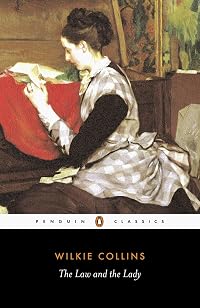

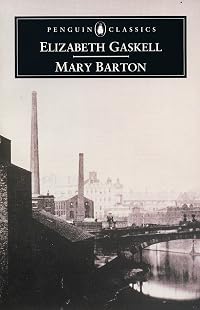
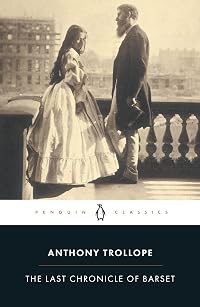
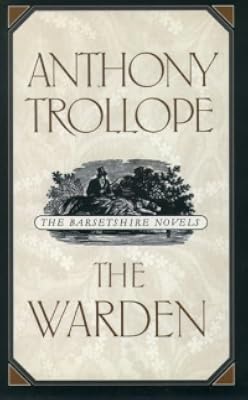




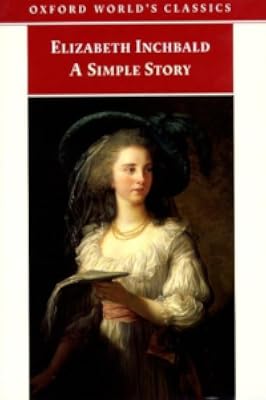

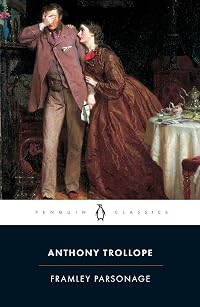
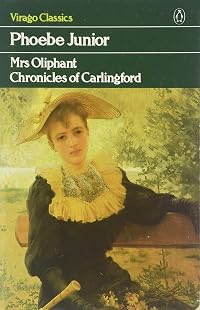
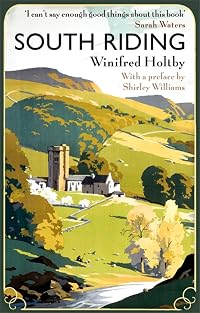
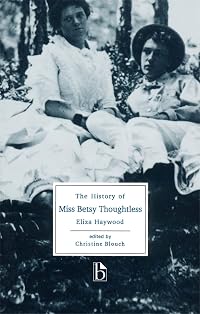
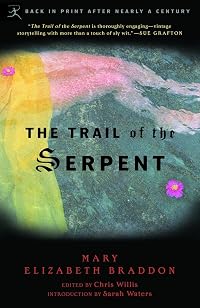
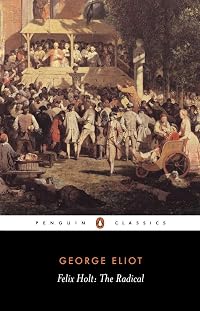
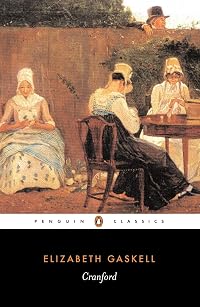


Member Recommendations
lilithcat Another Victorian sensational novel, with fallen women, intrigue and mysterious events.
60
Member Reviews
Mrs. Wood manages sterlingly to keep many pots on the boil at the same time as keeping a complicated plot stirred to the satisfaction of her readers. This is a high paced high action Victorian novel well suited to serialization, I would think. The characters are wonderful types and they are drawn with an expert eye, from the deeply loathsome , the sublimely tragic, the bad tempered and the completely noble.
The novel has everything to keep a reader interested and willing to continue. Those Victorians - they knew their language so well, they were inventive and understood perfectly what the reading public wanted - adultery, murder, rowdiness, fraud, cads aplenty, beautiful women, It's a triumph of good old story-telling.
The novel has everything to keep a reader interested and willing to continue. Those Victorians - they knew their language so well, they were inventive and understood perfectly what the reading public wanted - adultery, murder, rowdiness, fraud, cads aplenty, beautiful women, It's a triumph of good old story-telling.
A sensational Victorian novel that tackles jealousy, love triangles, mistaken identities, murder, and divorce, East Lynne was seven hundred pages of unputdownable. I was enthralled by the character of Lady Isabel Carlyle and her ill-fated life story. Not that she doesn’t hold some responsibility for her own fate, but was there ever a woman born under a less auspicious star?
For the Victorians, marriage was still a sacred institution and inviolable, divorce was a new idea and allowed only for the most immoral of infractions. For someone who wrote under the appellation, Mrs. Henry Wood, it must have been a struggle to understand what forces could compel a decent woman to end up with one. While there could be no doubt where Mrs. Wood show more stood on this, I thought she handled the subject in a fair and thoughtful manner and painted a sad and tragic, but not a villainous, figure in Lady Isabel.
I followed the story with relish beginning to end, and just when things seemed predictable, I found they weren’t. For anyone who enjoys the works of Elizabeth Braddon, Elizabeth Gaskell or Wilke Collins, I would say this book is a must. show less
For the Victorians, marriage was still a sacred institution and inviolable, divorce was a new idea and allowed only for the most immoral of infractions. For someone who wrote under the appellation, Mrs. Henry Wood, it must have been a struggle to understand what forces could compel a decent woman to end up with one. While there could be no doubt where Mrs. Wood show more stood on this, I thought she handled the subject in a fair and thoughtful manner and painted a sad and tragic, but not a villainous, figure in Lady Isabel.
I followed the story with relish beginning to end, and just when things seemed predictable, I found they weren’t. For anyone who enjoys the works of Elizabeth Braddon, Elizabeth Gaskell or Wilke Collins, I would say this book is a must. show less
Another Goodreads reviewer likened this book to a Victorian soap opera, and I think that is a very good description. It is dramatic and fast-paced, often utterly unlikely and outrageous. There is adultery, assumed identities, a murder-mystery, an election, a murder trial and so on and so on. Until the last few chapters I was ready to give this novel five stars, but unfortunately the ending with the two pious deaths was a bit too sentimental even for me.
I spent most of the story wondering what sort of a name Afy was - turns out it's short for Aphrodite. The writing is extremely accessible for a Victorian novel.
Highly recommended.
I spent most of the story wondering what sort of a name Afy was - turns out it's short for Aphrodite. The writing is extremely accessible for a Victorian novel.
Highly recommended.
While Mrs. Wood was clearly not the writer Wilkie Collins or Dickens was, this novel should appeal to fans of those authors. The book is sort of a hybrid between a drama of manners and a sensation novel: there is murder, mistaken identity, and illegitimacy, but I never felt that it was going over the top. There was plenty of realistic human drama to balance out the unbelievable bits, and I thought the theme of jealousy that runs throughout the whole book (both romantic jealousy, and jealousy between mothers/stepmothers) remains pretty pertinent today. Overall it's a good, solid Victorian melodrama with a lot of moralizing, and is a quick and enjoyable read despite its hefty bulk.
I love Victorian fiction - Dickens, Trollope and all the other writers. For some reason I had never read anything by Mrs Henry Wood. so a year ago I downloaded 'East Lynne' to my Kindle. And there it sat, and sat, and sat - unread. A week ago, having finished a rather gory murder mystery I decided to have a change of tempo, and started reading it.
What a revelation! Within two chapters I was hooked. The TV Series Downton Abbey has taken the west by storm, and here is a novel that is better than Downton Abbey. 'East Lynne' would make the most amazing/fantastic TV series or film. It has everything: heroes, heroines, evil men, governesses, honour, murder, betrayal, loss of fortune, scheming servants, illegitimacy, Victorian social show more mores,repentance, forgiveness - as I said, it has everything and more.
I was hooked, couldn't wait to see what would happen next, the plot twisted and turned all the time.At the time it was written (1861) it was what was called a 'sensation novel' that did not mean a 'sensational' novel, but rather a novel where the story, characters, situation, plot and denouement raised 'sensations' such as anger, sympathy, tenderness etc within the reader. And to my mind it succeeded in spades! I would have awarded it the full 5 star status, but for the two rather overly sentimental death-bed scenes, which may well have been accurate given a Victorian perspective, but irritated me. A terrific read, not at all heavy and dreary - I heartily recommend it. show less
What a revelation! Within two chapters I was hooked. The TV Series Downton Abbey has taken the west by storm, and here is a novel that is better than Downton Abbey. 'East Lynne' would make the most amazing/fantastic TV series or film. It has everything: heroes, heroines, evil men, governesses, honour, murder, betrayal, loss of fortune, scheming servants, illegitimacy, Victorian social show more mores,repentance, forgiveness - as I said, it has everything and more.
I was hooked, couldn't wait to see what would happen next, the plot twisted and turned all the time.At the time it was written (1861) it was what was called a 'sensation novel' that did not mean a 'sensational' novel, but rather a novel where the story, characters, situation, plot and denouement raised 'sensations' such as anger, sympathy, tenderness etc within the reader. And to my mind it succeeded in spades! I would have awarded it the full 5 star status, but for the two rather overly sentimental death-bed scenes, which may well have been accurate given a Victorian perspective, but irritated me. A terrific read, not at all heavy and dreary - I heartily recommend it. show less
Shouldn't a sensation novel be... more sensational? Yes, it's about sensational topics, but part of the critique of sensation novels is that they made you feel sensations-- unnatural, manipulated ones, according to the critics. And I've definitely felt that way reading Wilkie Collins; few things in literature have unnerved me as much as that moment where Count Fosco seizes Marion's diary in The Woman in White. There's nothing like that here; I just never felt emotionally connected to the characters or events of East Lynne. It's basically your typical Victorian domestic novel with some unusual twists and a poor mystery wedged into it. Not bad, but not very interesting, either.
I could say that ‘East Lynne’, a huge popular success in its day, has unremarkable writing, is horribly contrived, holds no real surprises, drifts into silliness and goes on for much too long.
But I could also tell you that I had to keep reading, that I was very well entertained, and that the book was very easy to read.
I’d read it before, many years ago, when my love for Victorian sensation novels was very new; and though I remembered that arc of the story I had forgotten so many details.
East Lynne is an estate, located near the small town of West Lynne. It’s owner, the Earl of Mount Severn, was far from old but he was crippled by gout and very close to bankruptcy. He hoped to sell East Lynne, the only unentailed property still show more in his possession, privately, so that his creditors would not find out. Archibald Carlyle, a successful young lawyer from West Lynne, visited the Earl as he was very interested in the property.
At dinner, he met the Earl’s daughter, Lady Isabel Vane. He saw that she was beautiful, that she was innocent, that she loved her father dearly, and that she had no idea how precarious his – and her – position was.
After dinner, Lady Isabel left to attend a party with her cousin and chaperone Mrs Vane. Lady Isabel met Captain Francis Levison, her chaperone’s cousin from another wing of her family, at that party. He was charming but clearly no good; she was blind to his failings, and utterly smitten.
The Earl dies suddenly, and his estate and his title are inherited by a distant cousin. He is a good and decent man and he takes Lady Isabel into his home. He grows fond of her but his wife is unhappy with the situation and takes that out on Lady Isabel. When Carlyle has occasion to visit he discovers Lady Isabel in an agitated state and when he sees her position, and she reluctantly tells him what has happened to her, he offers her an escape. He proposes marriage, knowing that she has the qualities to become an excellent wife. She was still in love with Levison, but he had failed to show himself, and so she agreed to the wedding so that she could leave a horrible situation and return to the home she loved at East Lynne.
Meanwhile, in West Lynne, another young woman was trouble. Barbara Hare’s brother, Richard was a fugitive from justice, accused of the murder of George Hallijohn. He had been found standing over Hallijohn’s corpse, gun in hand. It was known that Richard was he had been courting the dead man’s daughter Afy, whom he used to visit in their isolated cottage, despite his father’s angry opposition. Richard paid a furtive visit to his family home, to see his mother and ask for money. He told his sister that there was another man present on the night of the murder, a Captain Thorn, who had also courting Afy. He thinks that Captain Thorne must be the murderer, but he has no idea who he was or where he came from, and Afy has disappeared.
Barbara turns to Archibald Carlyle – a friend and neighbour of her family, and the man she had hoped to marry – for help. (for whom her feelings are more than friendly). Her father has disowned Richard, her mother is frail, and so she and he begin to work together, to try to clear Richard’s name.
In these early chapters I was wonderfully caught up with the story and the characters; developing firm opinions about the different characters, about what had happened, and what – in all probability – was going to happen.
Archibald Carlyle was a good man, but he was foolish in many ways.
He allowed his imperious spinster sister – Miss Corny – to shut up her own home and move into East Lynne, without giving a thought to whether she and his sweet-natured wife would be compatible. They weren’t.
He kept Barbara Hare’s secret and he failed to give his wife any explanation about why he spent so much time at her family home. It didn’t occur to him that his wife might fear the worst. She did.
Captain Francis Levison reappeared when Lady Isabel was at a very low ebb. He charmed her all over again, and she made a decision that would have terrible consequences ….
This was where things started to go wrong; because what I knew of Lady Isabel wouldn’t let me believe that she did what she did.
There was much drama as the story played out:
- A train crash
- A parliamentary election
- A trial for murder
- A deathbed scene or two.
I was increasingly aware that there was far too much melodrama, there was too much that was implausible and that there were far too many coincidences. I was still turning the pages quickly, I was still being wonderfully well entertained; the story was full of incident and I continued to be engaged by the characters and their situations.
I was fascinated by Ellen Wood’s attitude to them to. When she addressed her reader she had a very firm moral stance, but her story suggested that she really had a little more empathy and understanding. Even after her fall, Lady Isabel remained the heroine, and even though her creator put her through the mill she did allow her glimpses of true happiness and a promise of redemption.
I had to sympathise with her; a fundamentally good woman whose circumstances led her to make one mistake, that she would quickly realise was that and pay for so dearly.
I was sorry that the villain responsible for her fall was a little one-dimensional.
The women in this story were more interesting that the men, and they must have made this story feel very modern in its own time. Afy was a minx, but she was doing what she had to, left to make her own way in the world. Barbara may have been rather proud, but her family situation was difficult, the prospects for a young woman whose brother had been labelled a murderer weren’t good, and she did the best she could for herself and the people she loved. Miss Corny – well I don’t quite have the words, except to say the her dress sense, her economies and her firm principle were wonderfully entertaining. I’d love to send her into the future – maybe into another book – to see what she made of it and what the future made of her.
East Lynne is a very big book, and because it became less plausible and more predictable as I went on I wasn’t entirely sorry to reach the end.
I have to say though, that because there was so much going on its pages, so much to think about, I’m very glad that I decided to visit it again. show less
But I could also tell you that I had to keep reading, that I was very well entertained, and that the book was very easy to read.
I’d read it before, many years ago, when my love for Victorian sensation novels was very new; and though I remembered that arc of the story I had forgotten so many details.
East Lynne is an estate, located near the small town of West Lynne. It’s owner, the Earl of Mount Severn, was far from old but he was crippled by gout and very close to bankruptcy. He hoped to sell East Lynne, the only unentailed property still show more in his possession, privately, so that his creditors would not find out. Archibald Carlyle, a successful young lawyer from West Lynne, visited the Earl as he was very interested in the property.
At dinner, he met the Earl’s daughter, Lady Isabel Vane. He saw that she was beautiful, that she was innocent, that she loved her father dearly, and that she had no idea how precarious his – and her – position was.
After dinner, Lady Isabel left to attend a party with her cousin and chaperone Mrs Vane. Lady Isabel met Captain Francis Levison, her chaperone’s cousin from another wing of her family, at that party. He was charming but clearly no good; she was blind to his failings, and utterly smitten.
The Earl dies suddenly, and his estate and his title are inherited by a distant cousin. He is a good and decent man and he takes Lady Isabel into his home. He grows fond of her but his wife is unhappy with the situation and takes that out on Lady Isabel. When Carlyle has occasion to visit he discovers Lady Isabel in an agitated state and when he sees her position, and she reluctantly tells him what has happened to her, he offers her an escape. He proposes marriage, knowing that she has the qualities to become an excellent wife. She was still in love with Levison, but he had failed to show himself, and so she agreed to the wedding so that she could leave a horrible situation and return to the home she loved at East Lynne.
Meanwhile, in West Lynne, another young woman was trouble. Barbara Hare’s brother, Richard was a fugitive from justice, accused of the murder of George Hallijohn. He had been found standing over Hallijohn’s corpse, gun in hand. It was known that Richard was he had been courting the dead man’s daughter Afy, whom he used to visit in their isolated cottage, despite his father’s angry opposition. Richard paid a furtive visit to his family home, to see his mother and ask for money. He told his sister that there was another man present on the night of the murder, a Captain Thorn, who had also courting Afy. He thinks that Captain Thorne must be the murderer, but he has no idea who he was or where he came from, and Afy has disappeared.
Barbara turns to Archibald Carlyle – a friend and neighbour of her family, and the man she had hoped to marry – for help. (for whom her feelings are more than friendly). Her father has disowned Richard, her mother is frail, and so she and he begin to work together, to try to clear Richard’s name.
In these early chapters I was wonderfully caught up with the story and the characters; developing firm opinions about the different characters, about what had happened, and what – in all probability – was going to happen.
Archibald Carlyle was a good man, but he was foolish in many ways.
He allowed his imperious spinster sister – Miss Corny – to shut up her own home and move into East Lynne, without giving a thought to whether she and his sweet-natured wife would be compatible. They weren’t.
He kept Barbara Hare’s secret and he failed to give his wife any explanation about why he spent so much time at her family home. It didn’t occur to him that his wife might fear the worst. She did.
Captain Francis Levison reappeared when Lady Isabel was at a very low ebb. He charmed her all over again, and she made a decision that would have terrible consequences ….
This was where things started to go wrong; because what I knew of Lady Isabel wouldn’t let me believe that she did what she did.
There was much drama as the story played out:
- A train crash
- A parliamentary election
- A trial for murder
- A deathbed scene or two.
I was increasingly aware that there was far too much melodrama, there was too much that was implausible and that there were far too many coincidences. I was still turning the pages quickly, I was still being wonderfully well entertained; the story was full of incident and I continued to be engaged by the characters and their situations.
I was fascinated by Ellen Wood’s attitude to them to. When she addressed her reader she had a very firm moral stance, but her story suggested that she really had a little more empathy and understanding. Even after her fall, Lady Isabel remained the heroine, and even though her creator put her through the mill she did allow her glimpses of true happiness and a promise of redemption.
I had to sympathise with her; a fundamentally good woman whose circumstances led her to make one mistake, that she would quickly realise was that and pay for so dearly.
I was sorry that the villain responsible for her fall was a little one-dimensional.
The women in this story were more interesting that the men, and they must have made this story feel very modern in its own time. Afy was a minx, but she was doing what she had to, left to make her own way in the world. Barbara may have been rather proud, but her family situation was difficult, the prospects for a young woman whose brother had been labelled a murderer weren’t good, and she did the best she could for herself and the people she loved. Miss Corny – well I don’t quite have the words, except to say the her dress sense, her economies and her firm principle were wonderfully entertaining. I’d love to send her into the future – maybe into another book – to see what she made of it and what the future made of her.
East Lynne is a very big book, and because it became less plausible and more predictable as I went on I wasn’t entirely sorry to reach the end.
I have to say though, that because there was so much going on its pages, so much to think about, I’m very glad that I decided to visit it again. show less
Members
- Recently Added By
Lists

The Guardian's 1000 Novels Everyone Must Read
1,005 works; 550 members

Favourite 19th century fiction
257 works; 62 members

Publisher's Weekly Bestsellers Prior to 1895 in Chronological Order
95 works; 6 members

Newark Public Library's 1904 List of a Thousand of the Best Novels
95 works; 5 members
Author Information
35+ Works 767 Members
Some Editions
Awards and Honors
Series
Belongs to Publisher Series
Work Relationships
Has the adaptation
Is abridged in
East Lynne, radio adaptation and abridgement by George Davis, 50th anniversary of stage play by Mrs. Henry Wood
One hundred best novels condensed: 3 of 4 see note: Adam Bede; Tess of the D'Urbervilles; Don Quixote; East Lynne; Count of Monte Cristo; Paul and Virginia; Tom Brown's School Days; Waverley; Dombey and Son; Romola; Legend of Sleepy Hollow; Last of the Mohicans; Wreck of the "Grosvenor"; Right of Way; Coniston; Far from the Madding Crowd; Woman in White; Deemster; Waterloo; Hypatia; Kidnapped; Oliver Twist; Gil Blas; Peg Woffington; Virginians by Edwin Atkins Grozier
Common Knowledge
- Canonical title
- East Lynne
- Original publication date
- 1861
- People/Characters
- Lady Isabel Carlyle; Sir Francis Levison; The Earl of Severn; Barbara Hare; Richard Hare; Cornelia Carlyle (show all 7); Archibald Carlyle
- Important places
- East Lynne; West Lynne
- Related movies
- East Lynne (1931 | IMDb); East Lynne (1982 | IMDb); East Lynne (1902 | IMDb); East Lynne (1903 | IMDb); East Lynne (1908 | IMDb); East Lynne (1910 | IMDb) (show all 16); East Lynne (1912 | IMDb); East Lynne (1913/I | IMDb); East Lynne (1913/II | IMDb); East Lynne (1915 | IMDb); East Lynne (1916 | IMDb); East Lynne (1921 | IMDb); East Lynne (1922/I | IMDb); East Lynne (1922/II | IMDb); East Lynne (1925 | IMDb); "East Lynne" (1976)
- First words
- In an easy-chair of the spacious and handsome library of his town-house, sat William, Earl of Mount Severn.
- Quotations
- How fared it with Lady Isabel? Just as it must be expected to fare, when a high-principled gentlewoman falls from her pedestal. Never had she experienced a moment's calm, or peace, or happiness, since the fatal night of quitt... (show all)ing her home. She had taken a blind leap in a moment of wild passion; when, instead of the garden of roses it had been her persuader's pleasure to promise her ... she had found herself plunged into an abyss of horror, from which there was never more any escape; never more, never more.
- Last words
- (Click to show. Warning: May contain spoilers.)'Oh, Barbara, never forget - never forget that the only way to ensure peace in the end, is, to strive always to be doing right, unselfishly, under God.'
- Original language
- English
- Disambiguation notice
- Please do not combine with any of the dramatic adaptations. This work is the novel.
Classifications
Statistics
- Members
- 736
- Popularity
- 38,392
- Reviews
- 20
- Rating
- (3.70)
- Languages
- English, French, Spanish
- Media
- Paper, Audiobook, Ebook
- ISBNs
- 43
- ASINs
- 37