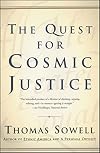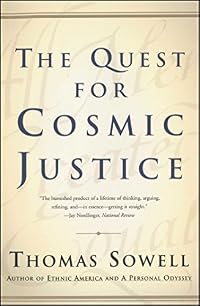
The Quest for Cosmic Justice
by Thomas Sowell
On This Page
Description
This book is about the great moral issues underlying many of the headline-making political controversies of our times. It is not a comforting book but a book about disturbing and dangerous trends. The Quest for Cosmic Justice shows how confused conceptions of justice end up promoting injustice, how confused conceptions of equality end up promoting inequality, and how the tyranny of social visions prevents many people from confronting the actual consequences of their own beliefs and policies. show more Those consequences include the steady and dangerous erosion of fundamental principles of freedom-amounting to a quiet repeal of the American revolution. The Quest for Cosmic Justice is the summation of a lifetime of study and thought about where we as a society are headed-and why we need to change course before we do irretrievable damage. show lessTags
Recommendations






















Member Reviews
Всички искаме равенство. Но какво представлява равенството? Равенство на всички пред закона и еднакви възможности за всички? Оказва се, вече не.
В „В търсене на върховната справедливост“ (което е единственият имащ някакъв близък до английското заглавие смисъл превод, който успях да измисля) Томас Соуъл изследва понятието „справедливост“ и как неговото значение постепенно се променя в политическата и show more правната практика.
Доскоро справедливост общо взето означаваше „всекиму – според делата“ и равенство на всички пред закона, независимо от техния пол, произход, етнос, религия, социално положение. Един съвсем практически, приложим и даващ резултати подход към справедливостта, за приемането на който много хора са се борили в продължение на столетия и който бе основата на законовата и правната система на цивилизованито общества.
Оказва се обаче, че за някои хора тази индивидуална справедливост – към всеки човек да се отнасят еднакво, според делата му и всички да имат равни права – не е достатъчна. Идеята за глобална, върховна справедливост става все по-разпространена – „справедливост“ към цели групи хора, справедливост, пренебрегваща равенството пред закона и изискваща специално, преференциално отношение към определени групи и хора. Защото справедливо не било всички да имат еднакви възможности и да са равни пред закона – справедливо вече било отношението на закона към всеки да е различно, за да може всички да постигат еднакви резултати – независимо от възможностите си.
Може би си мислите, че книгата е пълна с отвлечени от реалността разсъждения, но описаният нов възглед за справедливостта има съвсем реални последици върху правото и политиката в последните години – у нас все още в съвсем начална фаза, за щастие. Политическата коректност, превърнала се в директна цензура на реални факти, които били „обидни“ за тия, за които се отнасят, „affirmative action“ и квотите за назначаване на определен процент малцинства независимо от техните умения и знания, отношението към престъпниците „с тежко детство“… изобщо пренебрегване на равенството между хората, в името на… равенство?!?
В правото този възглед има един революционен резултат – за пръв път от столетия в цивилизованите държави, възникват случаи, в които ответникът е смятан за виновен до доказване на противното и на него пада задължението да докаже собствената си невинност! В пълно противоречие с най-базисните принципи на прилагането на закона, в които човек е невинен докато обвинението не докаже неговата вина! Това става случаите, свързани с политически коректна реч, сексуален тормоз и най-вече дискриминация.
Представи си – вадят ти статистика че в България има 7% роми а сред работниците в твоята фирма има само 2% роми – значи ти дискриминираш ромите, независимо, че си провеждал честни, отворени интервюта и си назначил най-квалифицираните кандидати. Това е действителен случай от САЩ (става дума за чернокожи, не за роми), където фирма е съдена в продължение на 13 г. от държавата, без обвинението да може да представи даже 1 (един) човек, който да твърди, че е дискриминиран от тази фирма. Съдят ги само въз основа на статистики. И това е само един от хилядите случаи, в които ответникът трябва да се бие срещу мъгла и е задължен да доказва своята невинност (т.е. да доказва негатив, което логически е невъзможно).
Но това е „върховната справедливост“ – тя не е истинска справедливост и равенство пред закона, а просто нечии субективни визии за това какво би трябвало да е правилно в едно общество, които биват налагани без оглед на практическите резултати на фактическо неравенство и несправедливост, които тези визии произвеждат. show less
В „В търсене на върховната справедливост“ (което е единственият имащ някакъв близък до английското заглавие смисъл превод, който успях да измисля) Томас Соуъл изследва понятието „справедливост“ и как неговото значение постепенно се променя в политическата и show more правната практика.
Доскоро справедливост общо взето означаваше „всекиму – според делата“ и равенство на всички пред закона, независимо от техния пол, произход, етнос, религия, социално положение. Един съвсем практически, приложим и даващ резултати подход към справедливостта, за приемането на който много хора са се борили в продължение на столетия и който бе основата на законовата и правната система на цивилизованито общества.
Оказва се обаче, че за някои хора тази индивидуална справедливост – към всеки човек да се отнасят еднакво, според делата му и всички да имат равни права – не е достатъчна. Идеята за глобална, върховна справедливост става все по-разпространена – „справедливост“ към цели групи хора, справедливост, пренебрегваща равенството пред закона и изискваща специално, преференциално отношение към определени групи и хора. Защото справедливо не било всички да имат еднакви възможности и да са равни пред закона – справедливо вече било отношението на закона към всеки да е различно, за да може всички да постигат еднакви резултати – независимо от възможностите си.
Може би си мислите, че книгата е пълна с отвлечени от реалността разсъждения, но описаният нов възглед за справедливостта има съвсем реални последици върху правото и политиката в последните години – у нас все още в съвсем начална фаза, за щастие. Политическата коректност, превърнала се в директна цензура на реални факти, които били „обидни“ за тия, за които се отнасят, „affirmative action“ и квотите за назначаване на определен процент малцинства независимо от техните умения и знания, отношението към престъпниците „с тежко детство“… изобщо пренебрегване на равенството между хората, в името на… равенство?!?
В правото този възглед има един революционен резултат – за пръв път от столетия в цивилизованите държави, възникват случаи, в които ответникът е смятан за виновен до доказване на противното и на него пада задължението да докаже собствената си невинност! В пълно противоречие с най-базисните принципи на прилагането на закона, в които човек е невинен докато обвинението не докаже неговата вина! Това става случаите, свързани с политически коректна реч, сексуален тормоз и най-вече дискриминация.
Представи си – вадят ти статистика че в България има 7% роми а сред работниците в твоята фирма има само 2% роми – значи ти дискриминираш ромите, независимо, че си провеждал честни, отворени интервюта и си назначил най-квалифицираните кандидати. Това е действителен случай от САЩ (става дума за чернокожи, не за роми), където фирма е съдена в продължение на 13 г. от държавата, без обвинението да може да представи даже 1 (един) човек, който да твърди, че е дискриминиран от тази фирма. Съдят ги само въз основа на статистики. И това е само един от хилядите случаи, в които ответникът трябва да се бие срещу мъгла и е задължен да доказва своята невинност (т.е. да доказва негатив, което логически е невъзможно).
Но това е „върховната справедливост“ – тя не е истинска справедливост и равенство пред закона, а просто нечии субективни визии за това какво би трябвало да е правилно в едно общество, които биват налагани без оглед на практическите резултати на фактическо неравенство и несправедливост, които тези визии произвеждат. show less
The Quest for Cosmic Justice by Thomas Sowell
Chastising the Self-Anointed…. June 27, 2000
Thomas Sowell may be one of the most despised black men in America-despised by extremist liberals, black and white, because Sowell has devoted his abilities to exposing their destructive ideologies of social redemption as counterproductive to the best interests of all Americans. Widely known for his provocative, nationally syndicated newspaper articles and other books, he focuses, in The Quest for Cosmic Justice, on the misguided thinking behind the modern impulse to reform the very nature of the human condition from individual responsibility, competition, and performance to the tragic consequences of affirmative action and universal egalitarian show more equality. Sowell locates the source of much of the problem in the academy, law schools, and government where “new elites” are quietly repealing the American Revolution.
The “morally self-anointed,” as he calls excessively liberal reformers and radicals, “have for centuries argued as if no honest disagreement were possible, as if those who opposed them were not merely in error but in sin…. Given this exalted vision of their role by the anointed visionaries, those who disagree with them must be correspondingly degraded or demonized.” Marx, Lenin, Hitler, and Mao all followed this procedure, as have utopians of similar or less horrible results…. That comparable dynamics rule the day, especially in the humanities in many American universities, will not surprise those who have any real experience of those departments. Sowell evokes the American political system and tradition in the hope of preventing its further erosion.
One of the many perceptive and striking points Sowell makes in the book involves “The High Cost of Envy.” Pointing out its dangers broadly to poor people, he writes,
“The very terms of the discussion encourage them to attribute their less fortunate position to social barriers, if not political plots, and so to neglect the kinds of efforts and skills which are capable of lifting them to higher economic and social levels.”
The acquisition of such “skills, education, discipline, foresight,” needed to improve their lot, becomes less likely, as the “ideology of envy” blames others for exploitation and racism, undermining their own will to act, while rendering “more successful members suspect as traitors.” Sowell observes this same “bogus explanation” can keep entire societies in poverty, making me think of my recent experience as an accredited participant at the United Nations Millennium Forum, May 22-26, 2000, where I witnessed Kofi Annan’s wise proposal for a Global Compact with business swept aside and essentially replaced with the “sophisticated modern versions of the envy vision spread by the Third World intelligentsia, often seconded by the intelligentsia in more fortunate countries.”
Summing up in a passage that has very wide application, Sowell states, “cosmic justice attempts to create equal results or equal prospects, with little or no regard for whether the individuals or groups involved are in equal circumstances or have equal capabilities or equal personal drives. To do this, it cannot operate under general rules, the essence of law, but must create categories of people entitled to various outcomes, regardless of their own inputs . . . assuming with little or no evidence that only malign intentions or systemic bias could explain unequal results. ‘Affirmative action’ is perhaps the classic example of this approach but it is only one example.” His insight into the subtleties of modern ideologies is truly remarkable, as is his own high and demanding sense of justice.
Alas, I seriously found myself wondering at times if Sowell’s Quest for Cosmic Justice is not a voice in the wilderness, as always, one come much too late. But I take heart in knowing such people as he, Shelby Steele, and Ward Connerly have the courage to speak out on race and other matters and in the end hope that events will unfold for the good in ways I can not imagine and that now seem so often unlikely. In this context, I recommend reading Robert Conquest’s Reflections on a Ravaged Century, a parallel meditation on the dilemmas of modernity.
Frederick Glaysher
http://www.fglaysher.com show less
Chastising the Self-Anointed…. June 27, 2000
Thomas Sowell may be one of the most despised black men in America-despised by extremist liberals, black and white, because Sowell has devoted his abilities to exposing their destructive ideologies of social redemption as counterproductive to the best interests of all Americans. Widely known for his provocative, nationally syndicated newspaper articles and other books, he focuses, in The Quest for Cosmic Justice, on the misguided thinking behind the modern impulse to reform the very nature of the human condition from individual responsibility, competition, and performance to the tragic consequences of affirmative action and universal egalitarian show more equality. Sowell locates the source of much of the problem in the academy, law schools, and government where “new elites” are quietly repealing the American Revolution.
The “morally self-anointed,” as he calls excessively liberal reformers and radicals, “have for centuries argued as if no honest disagreement were possible, as if those who opposed them were not merely in error but in sin…. Given this exalted vision of their role by the anointed visionaries, those who disagree with them must be correspondingly degraded or demonized.” Marx, Lenin, Hitler, and Mao all followed this procedure, as have utopians of similar or less horrible results…. That comparable dynamics rule the day, especially in the humanities in many American universities, will not surprise those who have any real experience of those departments. Sowell evokes the American political system and tradition in the hope of preventing its further erosion.
One of the many perceptive and striking points Sowell makes in the book involves “The High Cost of Envy.” Pointing out its dangers broadly to poor people, he writes,
“The very terms of the discussion encourage them to attribute their less fortunate position to social barriers, if not political plots, and so to neglect the kinds of efforts and skills which are capable of lifting them to higher economic and social levels.”
The acquisition of such “skills, education, discipline, foresight,” needed to improve their lot, becomes less likely, as the “ideology of envy” blames others for exploitation and racism, undermining their own will to act, while rendering “more successful members suspect as traitors.” Sowell observes this same “bogus explanation” can keep entire societies in poverty, making me think of my recent experience as an accredited participant at the United Nations Millennium Forum, May 22-26, 2000, where I witnessed Kofi Annan’s wise proposal for a Global Compact with business swept aside and essentially replaced with the “sophisticated modern versions of the envy vision spread by the Third World intelligentsia, often seconded by the intelligentsia in more fortunate countries.”
Summing up in a passage that has very wide application, Sowell states, “cosmic justice attempts to create equal results or equal prospects, with little or no regard for whether the individuals or groups involved are in equal circumstances or have equal capabilities or equal personal drives. To do this, it cannot operate under general rules, the essence of law, but must create categories of people entitled to various outcomes, regardless of their own inputs . . . assuming with little or no evidence that only malign intentions or systemic bias could explain unequal results. ‘Affirmative action’ is perhaps the classic example of this approach but it is only one example.” His insight into the subtleties of modern ideologies is truly remarkable, as is his own high and demanding sense of justice.
Alas, I seriously found myself wondering at times if Sowell’s Quest for Cosmic Justice is not a voice in the wilderness, as always, one come much too late. But I take heart in knowing such people as he, Shelby Steele, and Ward Connerly have the courage to speak out on race and other matters and in the end hope that events will unfold for the good in ways I can not imagine and that now seem so often unlikely. In this context, I recommend reading Robert Conquest’s Reflections on a Ravaged Century, a parallel meditation on the dilemmas of modernity.
Frederick Glaysher
http://www.fglaysher.com show less
You can't read TS at a normal pace. You read him as if you are running a race, trying to beat him to his own conclusions(though you never do) and arrive gasping at the end to discover him breathing calmly and about to start another race. You get to learn his favorite examples (rent control, minimum wage, job scarcity and minority groups) but he strings them together to make differing points that it's worth it to pay close attention. Here he tackles the ideas of justice and whatever you call the awesome theory behind Warner's Bonds That Make Us Free.
This premillennial entry from Sowell goes over ground familiar from his other books, and manages to frame what emerges today as the "woke" wars in cultural politics. You can spot this group better in another premillennial book Who Killed Homer? The Demise of Classical Education and the Recovery of Greek Wisdom by Victor Davis Hanson, describing the infiltration of academia and dissolution of the classics departments in particular. In that regard "cosmic justice" hits the mark, as it accurately describes the moral philosophy now better known as equity over equality, and the arbitrary nature of trying to nudge the balance scales of life toward this nebulous goal.
That said I don't think Sowell really nails the definition of the enemy nor show more what to do about it here. He also has a disappointing knack of calling for nuanced understanding of a topic and then reducing everything to a parallel with communism or nazism to score cheap points himself. Intellectuals and Race was the better book, though the subjects are only partially overlapping. show less
That said I don't think Sowell really nails the definition of the enemy nor show more what to do about it here. He also has a disappointing knack of calling for nuanced understanding of a topic and then reducing everything to a parallel with communism or nazism to score cheap points himself. Intellectuals and Race was the better book, though the subjects are only partially overlapping. show less
I almost want to give this 5 stars but there were a few spots where I thought his logic was lacking or oversimplified, so I will give 4. It is a book written for the common reader, rewritten from an academic paper, so perhaps we can forgive the oversimplification, but there were a few logically strange points that still bugged me even given that, Nonetheless, I really really enjoyed this book, and I'm glad I read it. It made me want to start thinking about econ again...of course before I could do so I got swept aside once more by frilly lacey clothes, but oh well. At least I had some pseudo-intellectual thoughts for a few days.
The Quest for Cosmic Justice by Thomas Sowell is a strong argument against a liberal agenda of dispensing "justice" for certain groups. Those seeking "cosmic justice," as opposed to the rule of law and nature, is to overtly 'uplift' said groups while covertly 'punishing' the successful or members of a superior group.
While not being bogged down in statistics, but offering enough to support his claims, Professor Sowell completely explains how partitioning or determining how justice is doled out is harming our society. Not only are group protecting legislative actions hurtful, they have ushered in a tacit use of ex post facto judgement of the law, which is wholly unconstitutional.
If there is one book of his you should read, this is it.
While not being bogged down in statistics, but offering enough to support his claims, Professor Sowell completely explains how partitioning or determining how justice is doled out is harming our society. Not only are group protecting legislative actions hurtful, they have ushered in a tacit use of ex post facto judgement of the law, which is wholly unconstitutional.
If there is one book of his you should read, this is it.
Thomas Sowell is thought provoking to say the least. Like a similar book called Conflict of Visions, Sowell explains the reasoning behind the thought processes of some who pursue an idea and shows some of the consequences of these same ideas.
Members
- Recently Added By
Author Information

76+ Works 15,298 Members
Thomas Sowell is the Rose and Milton Friedman Senior Fellow on Public Policy at the Hoover Institution, Stanford University.
Common Knowledge
- Canonical title
- The Quest for Cosmic Justice
- First words
- One of the few subjects on which we all seem to agree is the need for justice.
- Last words
- (Click to show. Warning: May contain spoilers.)Judges who "interpret" constitutional safeguards out of existence for the sake of some ideological crusade, presidents who over-reach their authority for personal or political reasons, and a Congress whose powers are extended into matters that the Constitution never empowered them to legislate about are all part of the quiet repeal of the American revolution.
Classifications
- Genres
- Politics and Government, Nonfiction, Philosophy, Economics, General Nonfiction
- DDC/MDS
- 303.372 — Society, Government, and Culture Social sciences, sociology & anthropology Social processes Coordination and control Social norms Belief systems and customs
- LCC
- HM671 .S68 — Social sciences Sociology (General) Sociology Social control
- BISAC
Statistics
- Members
- 558
- Popularity
- 52,577
- Reviews
- 9
- Rating
- (4.40)
- Languages
- English, Portuguese
- Media
- Paper, Audiobook, Ebook
- ISBNs
- 12
- ASINs
- 6