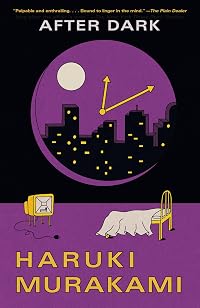
After Dark
by Haruki Murakami
On This Page
Description
Fantasy. Fiction. Literature. HTML:A short, sleek novel of encounters set in Tokyo during the witching hours between midnight and dawn, and every bit as gripping as Haruki Murakami’s masterworks The Wind-Up Bird Chronicle and Kafka on the Shore.At its center are two sisters–Eri, a fashion model slumbering her way into oblivion, and Mari, a young student soon led from solitary reading at an anonymous Denny’s toward people whose lives are radically alien to her own: a jazz trombonist show more who claims they’ve met before, a burly female “love hotel” manager and her maid staff, and a Chinese prostitute savagely brutalized by a businessman.
AFTER DARK moves from mesmerizing drama to metaphysical speculation, interweaving time and space as well as memory and perspective into a seamless exploration of human agency. Murakami’s trademark humor, psychological insight, and grasp of spirit and morality are here distilled with an extraordinary, harmonious mastery. show less
Tags
Recommendations


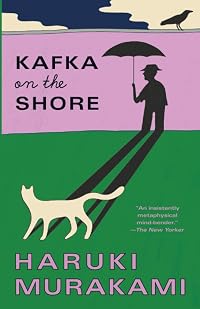
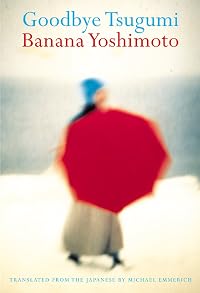
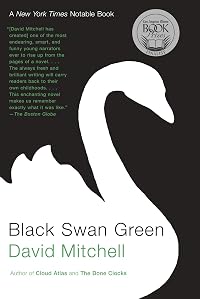
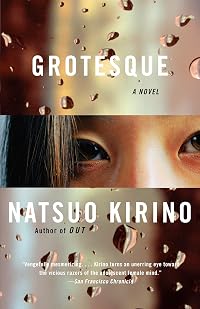


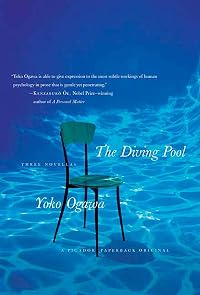
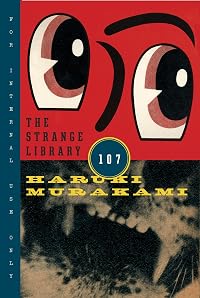
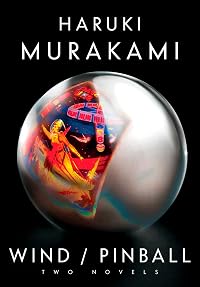
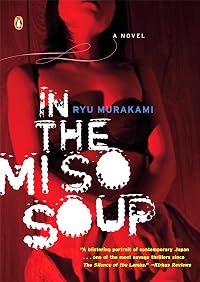
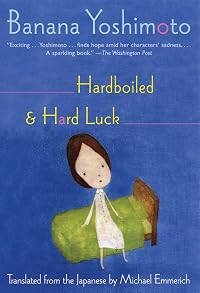
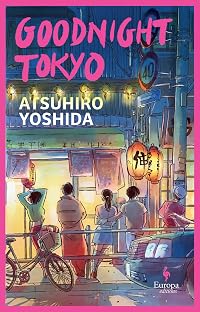
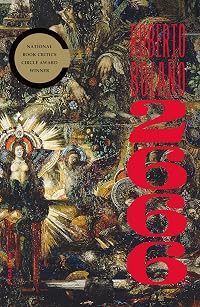
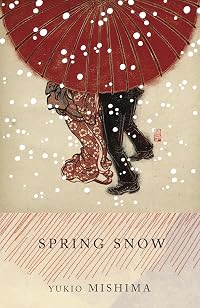
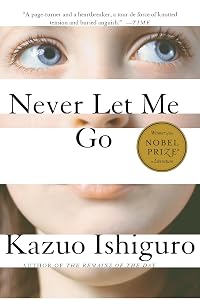
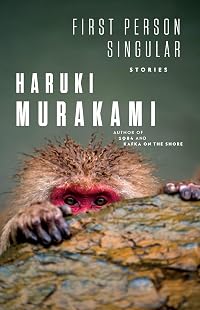

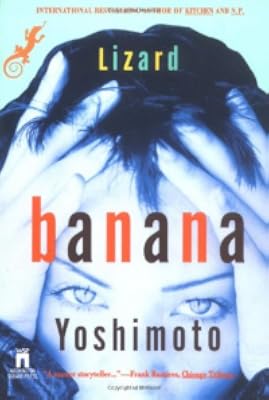


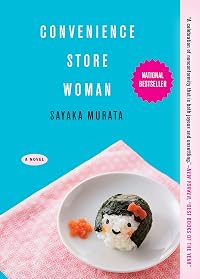


Member Recommendations
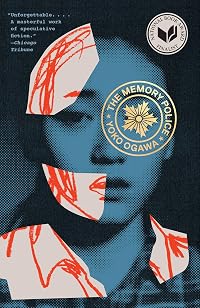
Jacey25 another novel where things are vaguely unsettling and the concept of being watched on television takes an interesting twist- a fantastic quick read

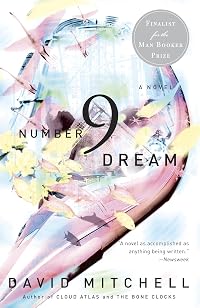
freddlerabbit Jo's style has been compared with Murakami's - I disagree, but the work Tongue bears the most resemblance to is After Dark.
isigfethera Both are slightly surreal coming-of-age-ish stories set in Tokyo. I think there is some similarity in style too.
Member Reviews
As usual, when I read Murakami, I don't understand everything. But this is still a fascinating read with the bizarre and surreal intertwining together with the ordinary. An interesting technique is the use of the lens of a camera to zoom into the lives of the characters. Though the word Tokyo never appeared at all, it is clear that the plot took place in this city, a place that I can't visit now because of Covid. We wonder why Eri Asai fell into a deep sleep. Is it to escape everyday life? Perhaps we all wish to be able to do that sometimes. It was not explicitly stated but Eri appears to regain consciousness, which I see as a symbol of hope. The story ends with the approach of dawn. After darkness, there will be light.
Murakami's prose is entrancing, and this short novel showcases it beautifully. The book spans only a few hours, but moves between characters as if through a dream, and bridges a clear glimpse of reality with what seems almost spectral. As always, though, it is the moments that stand out here, and Murakami's distinct way of presenting what seems utterly casual in a fashion that suggests everything rests on it.
I couldn't put down this book almost from the second I picked it up, and loved sinking into Murakami's words again.
Recommended.
I couldn't put down this book almost from the second I picked it up, and loved sinking into Murakami's words again.
Recommended.
A quick read that passes fast but perfectly captures the eerie hours before dawn in a big city. I liked how unromantic the locales were, from a Denny's to a love hotel, and how many mysteries were left unsolved, like they only existed in that in-between time and dissolved in the morning.
A noirish little story starting with a girl who just wants to read her book in a diner. She's interrupted by a chatty musician boy who she barely knows, but who may or may not have slept with her beautiful, model sister. Said sister has been slumbering for two months while her consciousness is trapped inside a television. There she might be watched by an adulterous businessman who just beat up a Chinese call girl. Chatty boy informs the proprietress of a hotel for inappropriate liaisons that book girl speaks Chinese, so she's rousted from her reading spot as a translator to help said Chinese girl. The hotel proprietor and former female wrestler IDs, the john to the Chinese girl's employer who threatens revenge. On and on these lives show more interconnect over the course of a single night until you're left wondering if anybody really ever sleeps in Japan. show less
Töredelmesen bevallom, ezt a Murakamit azért vettem előre az olvasmánylistámon, mert Nyáry Krisztián egy riportjában állított valamit, és le akartam ellenőrizni. Ahhoz meg nem éreztem magamban elég szuiciditást, hogy egy Coelhot vegyek előre az olvasmánylistámon. Aminek amúgy kábé a legvégén vannak – a Cukorrépa-termesztés Kelet-Belgiumban és a Mire nem jó egy golyóscsapágy? c. szakmunkák után közvetlenül.
Szóval: igaz-e, hogy Murakami az értelmiség Coelho-ja?
Lássuk csak. Alapvetően mindketten szemre pehelykönnyű prózát írnak, sok klisével dolgoznak, és nem idegenkednek a hétköznapok szövete mögött megbúvó varázslattól. Ez nyilván felületileg rokonítja őket. De szerintem van egy show more alapvető különbség: amíg a brazil univerzumában a kérdésekre válaszok adhatók, addig a japán világának egyik legszembetűnőbb jellegzetessége épp az adekvát válaszok teljes hiánya – kvázi lehetetlensége. Tehát: amíg Coelho ezoterikus, addig Murakami misztikus. Persze lehet, hogy az „értelmiség”* ugyanolyan bizsergést érez a válaszok elmaradása miatt, mint amilyet a „nem-értelmiség” a konzervválaszok olvasásakor, amik mind külön-külön szinte kiabálnak azért, hogy a lapockánkra tetováltassuk őket. Amennyiben így van, a fenti állítás igaz. Csak bajosan ellenőrizhetjük kísérleti úton.
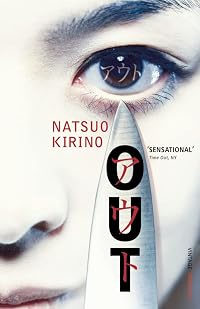
De hogy a könyvről is mondjak valamit. Atipikus Murakami műről van szó, nem csak azért, mert erősen behatárolt időben játszódik, de az elbeszélő miatt is, aki mintha voyeur-ként figyelné szereplőit egy mozgó kamera objektívjén keresztül. Tipikus Murakami műről van szó abból a szempontból, hogy egy két szálon futó cselekményt kapunk, melyben Mari és Takahasi bájcsevegését egy lényegesen mágikusabb fejezetsor ellenpontozza Mari nővérével, az alvó Erivel a középpontban, amelyben mintha felcsillannának a japán indusztriális horror (pl.: A kör) hangulatai. Van egy zsákutca-szál is az Alphaville szexhotel dolgozóival és látogatóival a főszerepben, de ez csak egy jellemző murakamis trükk, hogy az olvasót elkábítsa az ígért, de be nem váltott kapcsolódási pontok felkínálásával. Tetszett. És továbbra is úgy vélem, hogy Murakaminál senki sem ért jobban ahhoz, hogy a maga banális párbeszédei mögé beúsztassa azt a mágikus potenciált, amitől az ember úgy érzi: bármi megtörténhet. És mindez a nosztalgiára emlékeztető mintázatokat hoz létre – valószínűleg azért, mert oly sokunknak volt már olyan banális beszélgetése, ami végül mágikus kapcsolattá fejlődött, vagy legalábbis szeretnénk hinni, hogy banális beszélgetéseink akár mágiába is torkollhatnak.
* Nyilván ez egy felettébb lazán definiált „értelmiség”. show less
Szóval: igaz-e, hogy Murakami az értelmiség Coelho-ja?
Lássuk csak. Alapvetően mindketten szemre pehelykönnyű prózát írnak, sok klisével dolgoznak, és nem idegenkednek a hétköznapok szövete mögött megbúvó varázslattól. Ez nyilván felületileg rokonítja őket. De szerintem van egy show more alapvető különbség: amíg a brazil univerzumában a kérdésekre válaszok adhatók, addig a japán világának egyik legszembetűnőbb jellegzetessége épp az adekvát válaszok teljes hiánya – kvázi lehetetlensége. Tehát: amíg Coelho ezoterikus, addig Murakami misztikus. Persze lehet, hogy az „értelmiség”* ugyanolyan bizsergést érez a válaszok elmaradása miatt, mint amilyet a „nem-értelmiség” a konzervválaszok olvasásakor, amik mind külön-külön szinte kiabálnak azért, hogy a lapockánkra tetováltassuk őket. Amennyiben így van, a fenti állítás igaz. Csak bajosan ellenőrizhetjük kísérleti úton.
De hogy a könyvről is mondjak valamit. Atipikus Murakami műről van szó, nem csak azért, mert erősen behatárolt időben játszódik, de az elbeszélő miatt is, aki mintha voyeur-ként figyelné szereplőit egy mozgó kamera objektívjén keresztül. Tipikus Murakami műről van szó abból a szempontból, hogy egy két szálon futó cselekményt kapunk, melyben Mari és Takahasi bájcsevegését egy lényegesen mágikusabb fejezetsor ellenpontozza Mari nővérével, az alvó Erivel a középpontban, amelyben mintha felcsillannának a japán indusztriális horror (pl.: A kör) hangulatai. Van egy zsákutca-szál is az Alphaville szexhotel dolgozóival és látogatóival a főszerepben, de ez csak egy jellemző murakamis trükk, hogy az olvasót elkábítsa az ígért, de be nem váltott kapcsolódási pontok felkínálásával. Tetszett. És továbbra is úgy vélem, hogy Murakaminál senki sem ért jobban ahhoz, hogy a maga banális párbeszédei mögé beúsztassa azt a mágikus potenciált, amitől az ember úgy érzi: bármi megtörténhet. És mindez a nosztalgiára emlékeztető mintázatokat hoz létre – valószínűleg azért, mert oly sokunknak volt már olyan banális beszélgetése, ami végül mágikus kapcsolattá fejlődött, vagy legalábbis szeretnénk hinni, hogy banális beszélgetéseink akár mágiába is torkollhatnak.
* Nyilván ez egy felettébb lazán definiált „értelmiség”. show less
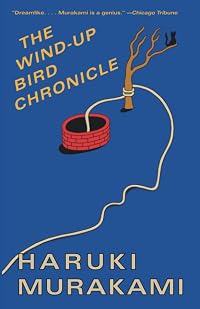
Well, there's the last one. I've read all 14 of Murakami's novels as of now. It's been a 4 year journey, with some enjoyable highs and disappointing lows. When Murakami is good, he really hits the spot. But after 14 books, some trends become unavoidably clear, and not all are flattering. I'm going to save the essay for when I re-read my first and favourite Murakami, Wind-Up Bird Chronicle, but here are a few thoughts I had while reading After Dark.
As I see it, Murakami's best works are ones with a more mystic viewpoint (as opposed to his human novels). Under the heading of "mystic" novels, there are many that explore space, and several that explore time. After Dark is a great example of a "mystic time" novel (as is Wind-Up). The book show more takes place in one night. This allowed Murakami to sidestep one of his flaws - he seems to have trouble writing believable and interesting growth for his characters. In After Dark, the minute slice of time allowed him to create a kind of literary tableau. The book also treated the narrator/point of view as a sort of camera, which encouraged me to imagine the scenes from the perspective of film, and while After Dark is no more or less detailed in description than other works, I experienced a deeper visual richness. Similarly, the viewpoint of slice-of-life is a good setting for Murakami's usually enigmatic characters, who sometimes suffer from a sense of unintentional absurdity as they are represented in the more every-day situations that a novel with a longer time-span require.
Speaking of the characters, they are a breath of fresh air. When compared to Murakami's usual anti-social male characters who, casually misogynistic, go through any number of ill-defined early-to-mid-life-mystical-crises, After Dark's characters are fresh and interesting, as much from the brief time-span as just plain better writing. The main character (named Mari) is female, which Murakami hasn't done aside from Sputnik Sweetheart and one plot thread in 1Q84. The image of Mari in a baseball cap pulled low is one of the most visually strong female characters in Murakami's works. Which is a low bar, but still. More could also be said about the female love hotel manager and the other female love hotel employees that Mari meets. In fact, all but two characters are female people. And all of them are motivated by their own personal reasons outside of any men in their lives. Further, the main male character is also more interesting than the regular Murakami fare described above (read: has an identifiable reason for existing).
After Dark shows Murakami at his best, and while his writing style in general is still something that both attracts and annoys me, this book showcases what he does best. show less
As I see it, Murakami's best works are ones with a more mystic viewpoint (as opposed to his human novels). Under the heading of "mystic" novels, there are many that explore space, and several that explore time. After Dark is a great example of a "mystic time" novel (as is Wind-Up). The book show more takes place in one night. This allowed Murakami to sidestep one of his flaws - he seems to have trouble writing believable and interesting growth for his characters. In After Dark, the minute slice of time allowed him to create a kind of literary tableau. The book also treated the narrator/point of view as a sort of camera, which encouraged me to imagine the scenes from the perspective of film, and while After Dark is no more or less detailed in description than other works, I experienced a deeper visual richness. Similarly, the viewpoint of slice-of-life is a good setting for Murakami's usually enigmatic characters, who sometimes suffer from a sense of unintentional absurdity as they are represented in the more every-day situations that a novel with a longer time-span require.
Speaking of the characters, they are a breath of fresh air. When compared to Murakami's usual anti-social male characters who, casually misogynistic, go through any number of ill-defined early-to-mid-life-mystical-crises, After Dark's characters are fresh and interesting, as much from the brief time-span as just plain better writing. The main character (named Mari) is female, which Murakami hasn't done aside from Sputnik Sweetheart and one plot thread in 1Q84. The image of Mari in a baseball cap pulled low is one of the most visually strong female characters in Murakami's works. Which is a low bar, but still. More could also be said about the female love hotel manager and the other female love hotel employees that Mari meets. In fact, all but two characters are female people. And all of them are motivated by their own personal reasons outside of any men in their lives. Further, the main male character is also more interesting than the regular Murakami fare described above (read: has an identifiable reason for existing).
After Dark shows Murakami at his best, and while his writing style in general is still something that both attracts and annoys me, this book showcases what he does best. show less
A capable mood piece that tries to capture the feeling you get in a city at night when the pace of life is still there but it is not as relentless as the day. "The basso continuo of the city's moan, a monotonous sound that neither rises nor falls but is pregnant with foreboding," as Murakami tells us on the very first page. There's a sort of disconnected, conceptual, smoky jazz bar type of vibe running through the book – deliberately so – and that's either your thing or it isn't. After Dark has to be something you want; it is not a book where you can just take something of worth from whatever it leads you to. You have to want to go there, on some level.
This can turn a lot of people off and even those people who are open to it might show more find it doesn't fulfil its promise. Because sometimes with stuff like this, if you criticize it then other people will say you just don't 'get' it. But even though some of the characters were well drawn and there was a metatextual angle I liked – and I am very interested in some of the themes and concepts Murakami explores here – there were also things that seemed clunky or that were being tried and just didn't work. It might just be the translation – and trying to get Japanese syntax and social norms to play well in English must be a challenge – but it seemed a bit too stilted at times when it should have been flowing. And even though plot is not the point here, the lack of resolution or even context (especially to the Eri Asai and Shirakawa chapters) cannot help but disappoint. Nevertheless, I would not be put off from reading some of Murakami's more developed work, even if it is similar to After Dark, because the performance might be better there: a sort of freeform jazz in which there are movements according to the mood and the beat and the place and it all peels off into ashes. show less
This can turn a lot of people off and even those people who are open to it might show more find it doesn't fulfil its promise. Because sometimes with stuff like this, if you criticize it then other people will say you just don't 'get' it. But even though some of the characters were well drawn and there was a metatextual angle I liked – and I am very interested in some of the themes and concepts Murakami explores here – there were also things that seemed clunky or that were being tried and just didn't work. It might just be the translation – and trying to get Japanese syntax and social norms to play well in English must be a challenge – but it seemed a bit too stilted at times when it should have been flowing. And even though plot is not the point here, the lack of resolution or even context (especially to the Eri Asai and Shirakawa chapters) cannot help but disappoint. Nevertheless, I would not be put off from reading some of Murakami's more developed work, even if it is similar to After Dark, because the performance might be better there: a sort of freeform jazz in which there are movements according to the mood and the beat and the place and it all peels off into ashes. show less
Members
- Recently Added By
Published Reviews
ThingScore 67
Många kommer nog att störa sig på den för att den är osammanhängande och saknar ett riktigt slut. Själv gillar jag den just därför, även om det finns en del annat att klaga på.
added by Jannes
Murakamis romaner brukar alltid bli mer än summan av sina olika, ofta rätt banala beståndsdelar. Innan natten faller är dock ett undantag som inte blir mer än en, låt vara tidvis rätt så underhållande, smått förvirrad färd från mörker till ljus. Den är helt enkelt inte så bra.
added by Jannes
Det är en stil flytande mellan genrer och upplevelser som Murakami driver sina underliga och vackra världar med, som smälter ihop myter och andeväsen med socialrealistiska plågor som kvinnohat, maffiahot, barnsexhandel och korruption.
added by Jannes
Lists

Japanese Literature
230 works; 40 members

Magic Realism
371 works; 52 members

Best Contemporary Literary Fiction (Around the Last 30 Years)
388 works; 124 members
Haruki Murakami's Books
16 works; 5 members

Novels set over the course of a single day (or less)
72 works; 8 members

Night-time books
10 works; 1 member

Books Read in 2010
631 works; 11 members

Books Read in 2018
4,360 works; 110 members

SOPA Book Recommendations
19 works; 1 member

BookTok Adult
115 works; 2 members

Books We'd Want on a Desert Island
203 works; 131 members

Favorite Books in Translation
320 works; 133 members

Books We Want To Read Again For The First Time
384 works; 160 members
Author Information

292+ Works 174,818 Members
Haruki Murakami was born on January 12, 1949 in Kyoto, Japan and studied at Tokyo's Waseda University. He opened a coffeehouse/jazz bar in the capital called Peter Cat with his wife. He became a full-time author following the publication of his first novel, Hear the Wind Sing, in 1979. He writes both fiction and non-fiction works. His fiction show more works include Norwegian Wood, Colorless Tsukuru Tazaki and His Years of Pilgrimage, The Strange Library, and Men Without Women. Several of his stories have been adapted for the stage and as films. His nonfiction works include What I Talk About When I Talk About Running. He has received numerous literary awards including the Franz Kafka Prize for Kafka on the Shore, the Yomiuri Prize for The Wind-Up Bird Chronicle, and the Jerusalem Prize. He has translated into Japanese literature written by F. Scott Fitzgerald, Raymond Carver, Truman Capote, John Irving, and Paul Theroux. (Bowker Author Biography) show less
Some Editions
Awards and Honors
Awards
Distinctions
Notable Lists
Series
Belongs to Publisher Series
Common Knowledge
- Canonical title*
- Afterdark
- Original title
- アフターダーク
- Original publication date
- 2004
- People/Characters
- Mari Asai; Takahashi Tetsuya; Eri Asai; Kaoru; Komugi; Korugi (show all 7); Shirakawa
- Important places
- Tokyo, Japan
- First words
- Eyes mark the shape of the city.
- Quotations
- People's memories are maybe the fuel they burn to stay alive...if I didn't have that fuel, if I didn't have these memory drawers inside of me, I would've snapped a long time ago...It's because I can pull the memories out of t... (show all)he drawers when I have to - the important ones and the useless ones - that I can go on living this nightmare of a life. I might think I can't take it anymore, that I can't go on anymore but one way or another I get past that.
Puffed no more than two or three times, her cigarette turns into a perfectly formed column of ash in the ashtray.
The same crescent moon is floating there. Strange that, viewed from one spot in the predawn city, such a big solid object could be hanging there free of charge.
Commuter trains of many colors move in all directions, transporting people from place to place. Each of those under transport is a human being with a different face and mind, and at the same time each is a nameless part of a ... (show all)collective entity. - Last words
- (Click to show. Warning: May contain spoilers.)There will be time until the next darkness arrives.
- Original language
- Japanese
*Some information comes from Common Knowledge in other languages. Click "Edit" for more information.
Classifications
- Genres
- General Fiction, Fiction and Literature
- DDC/MDS
- 895.635 — Literature & rhetoric Literatures of other languages Literatures of East and Southeast Asia Japanese Japanese fiction 1945–2000
- LCC
- PL856 .U673 .A6613 — Language and Literature Languages and literatures of Eastern Asia, Africa, Oceania Languages of Eastern Asia, Africa, Oceania Japanese language and literature Japanese literature Individual authors and works
- BISAC
Statistics
- Members
- 7,772
- Popularity
- 1,457
- Reviews
- 231
- Rating
- (3.63)
- Languages
- 26 — Arabic, Catalan, Chinese, Czech, Danish, Dutch, English, Finnish, French, German, Greek, Hebrew, Italian, Japanese, Korean, Lithuanian, Norwegian (Bokmål), Polish, Portuguese, Romanian, Russian, Serbian, Croatian, Spanish, Swedish, Turkish
- Media
- Paper, Audiobook, Ebook
- ISBNs
- 103
- UPCs
- 1
- ASINs
- 36